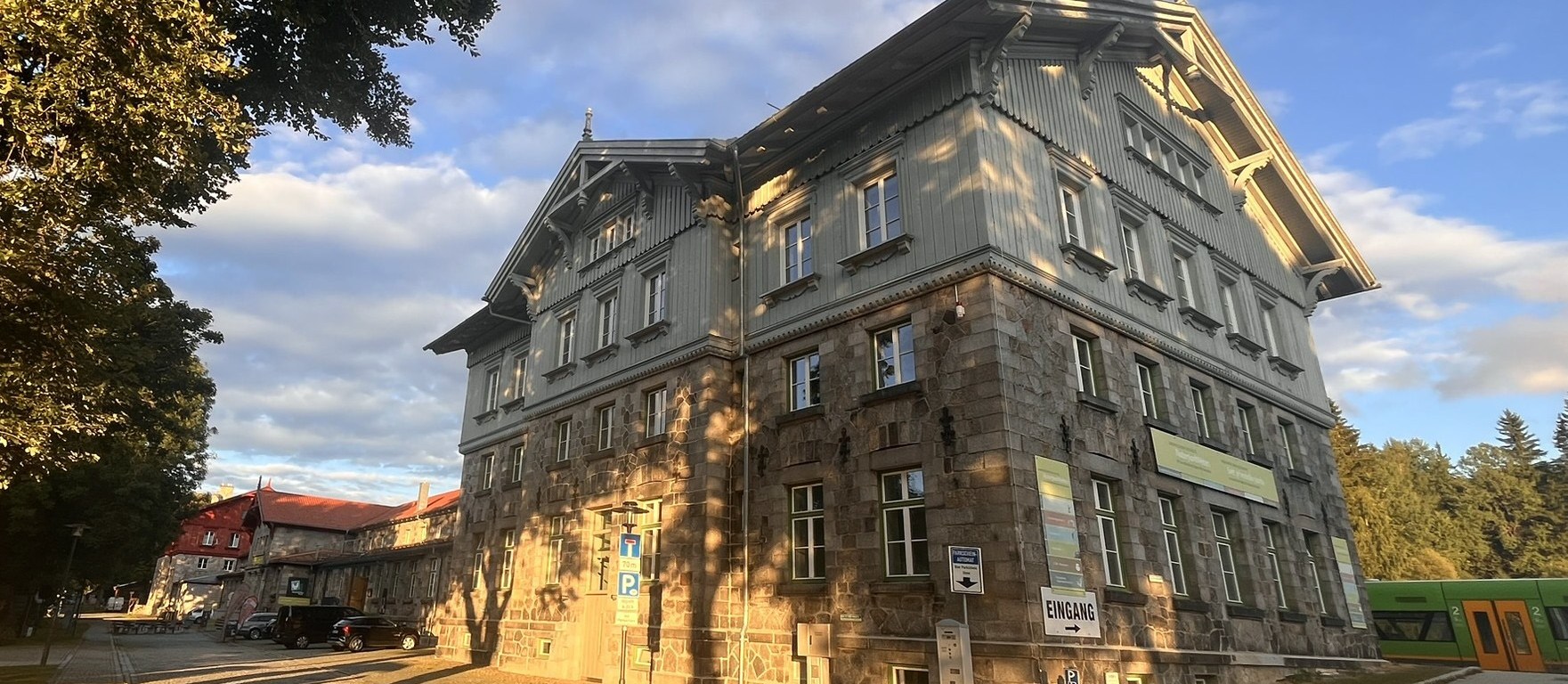
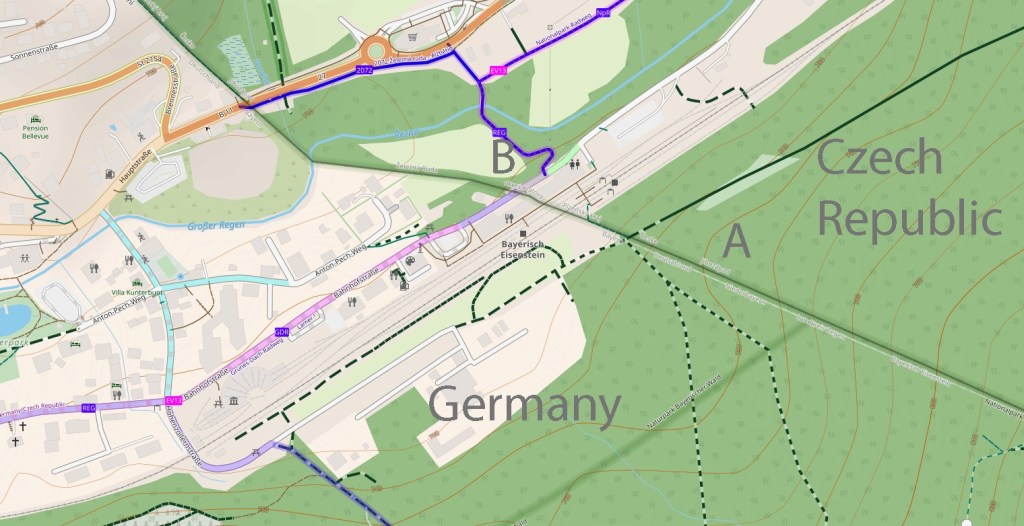
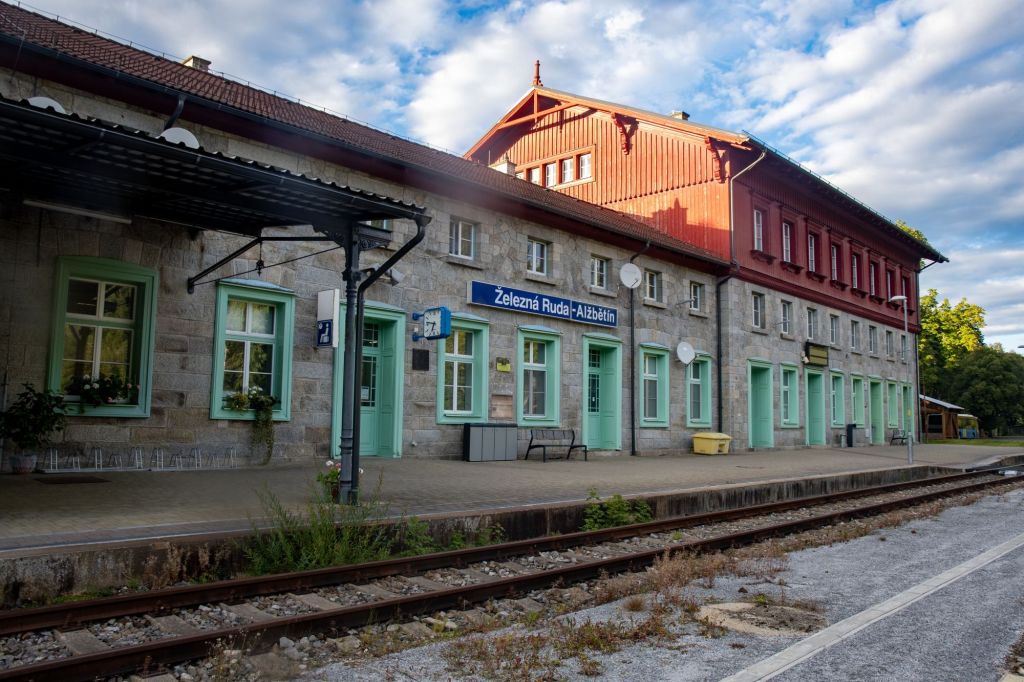
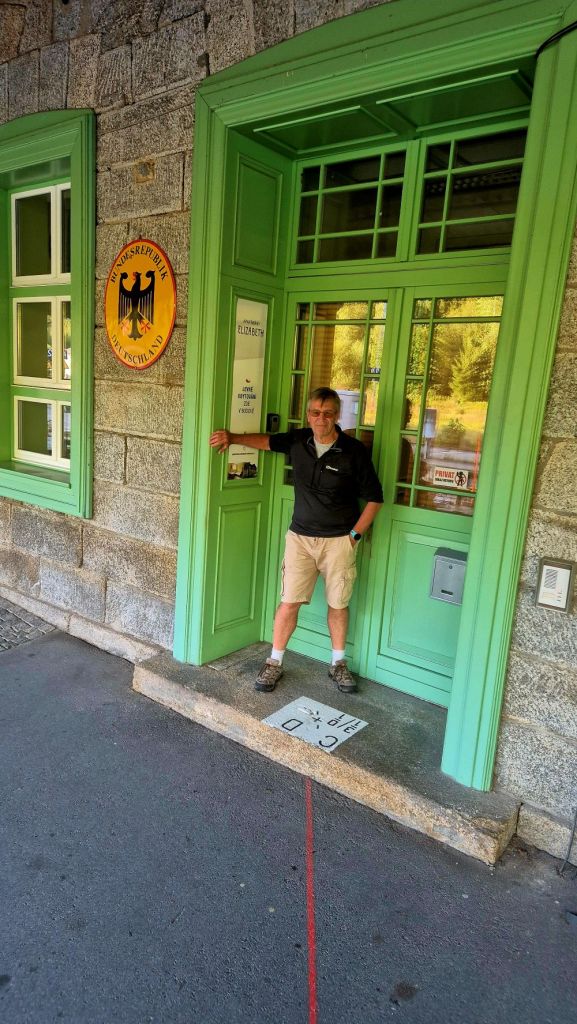
Bayerisch Eisenstein/Železná Ruda-Alžbětín station is a railway station on the border of southeast Germany and the Czech Republic. It forms the junction between the Bavarian Forest railway from Plattling to Bayerisch Eisenstein, which was started in 1874 by the Bavarian Eastern Railway Company (or Bavarian Ostbahn) and completed by the Royal Bavarian State Railways, and the Pilsen–Markt Eisenstein (today: Plzeň–Železná Ruda railway built by the Pilsen–Priesen(–Komotau) railway in what was then Bohemia. The national border between Germany and the Czech Republic runs through the middle of the station building. A white line on the platform and markers inside the building indicate where Germany ends and the Czech Republic begins.
During the Cold War this was an iconic spot on the Iron Curtain, In 1953 a wire fence was erected across the station yard by Czechoslovakia and the tracks were severed. Even in the station building itself the border was divided by a chain. Czech passenger services now terminated several kilometres to the north of the border at Železná Ruda (Markt Eisenstein) station. The Deutsche Bundesbahn (DB) ran its trains up to the buffer stop by the border fence and used the southern half of the divided station building.
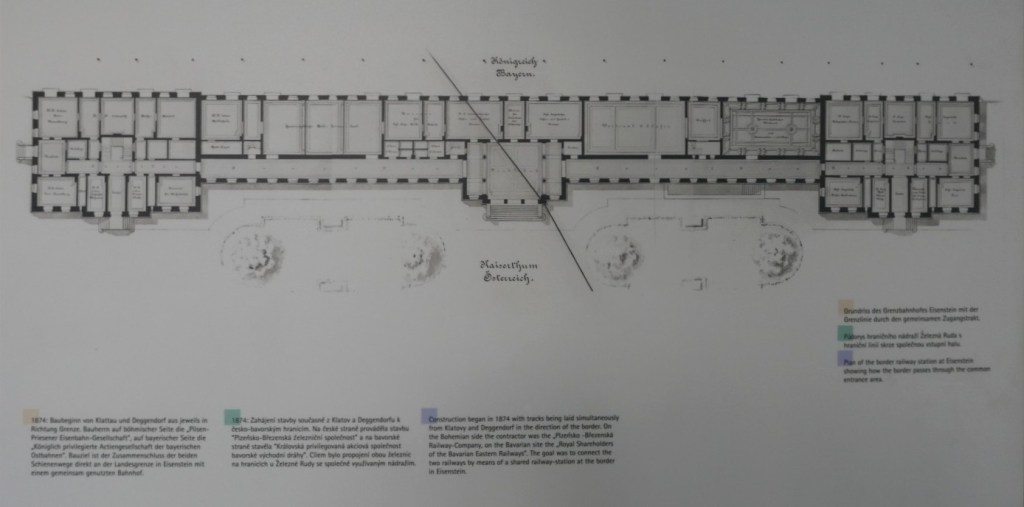
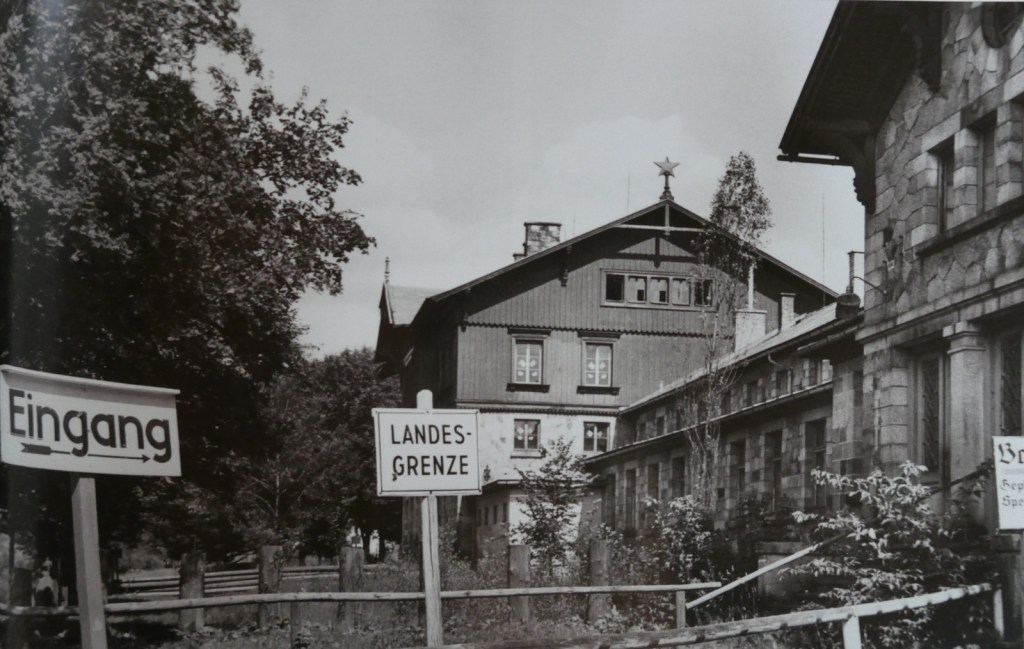
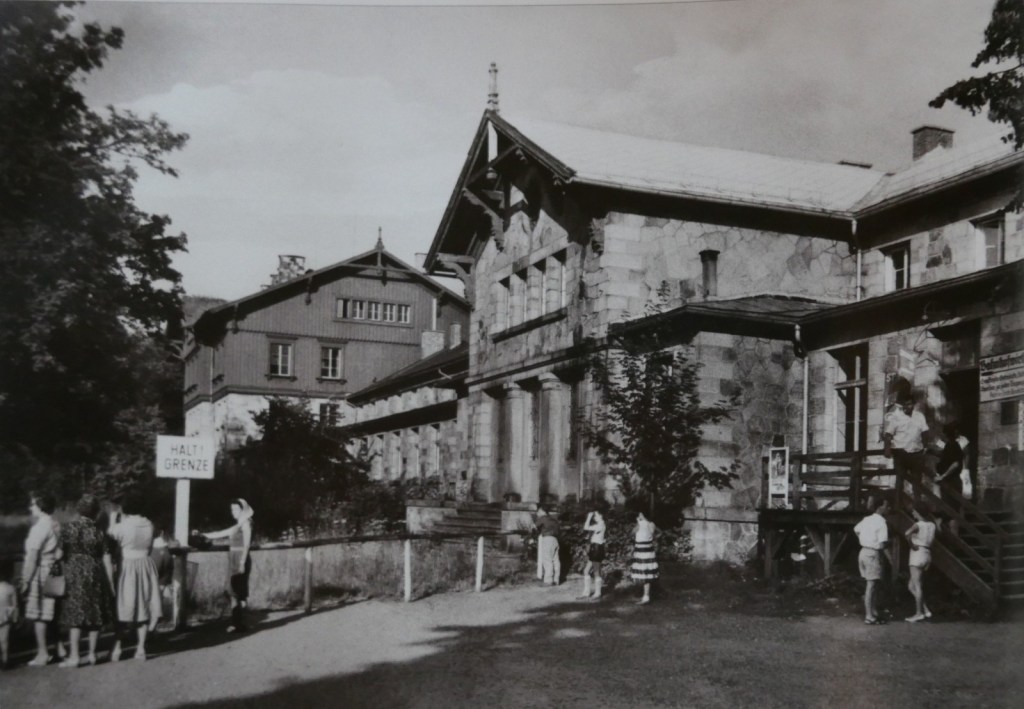

The border crossing was opened again for rail traffic on 2 June 1991. Since then it has been possible to change for České dráhy (ČD) trains to Klatovy and Plzeň after a short wait. Shunters can use the tracks belonging to both railway administrations without worrying about crossing the border. Today on the German side the Regentalbahn runs trains under contract from DB Regio Bayern using the logo Waldbahn (Forest Railway) from Plattling via Regen and Zwiesel to Bayerisch Eisenstein. Once the signal installations of the station were prepared for cross-border services on 28 May 2006 Waldbahn Regio-Shuttles started running as far as Špičák (Spitzberg), 7 km away, where connections to Pilsen are possible. This was the first timetabled cross-border service on this line since it was built in 1877. I visited this place as part of the IBRG LIVCO-25 expedition. The nearby road crossing is worth visiting too.
Station Building and Platforms
Unfortunately the building was closed when we visited so we were unable to see the internal divisions. The external areas of the station were very interesting and we spent time exploring all the signs and markers.
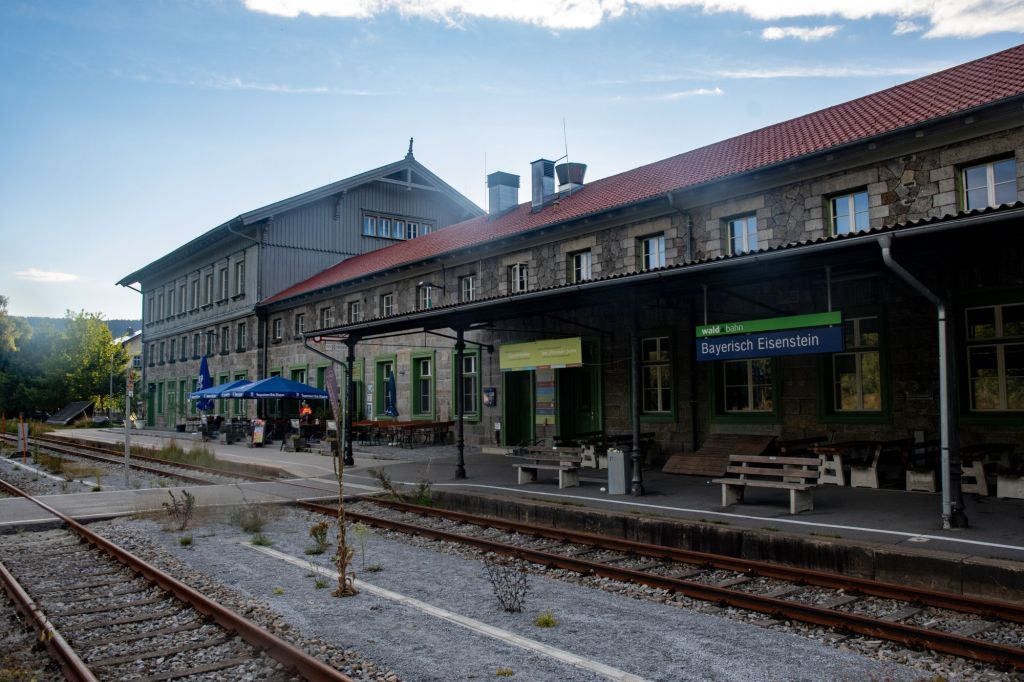
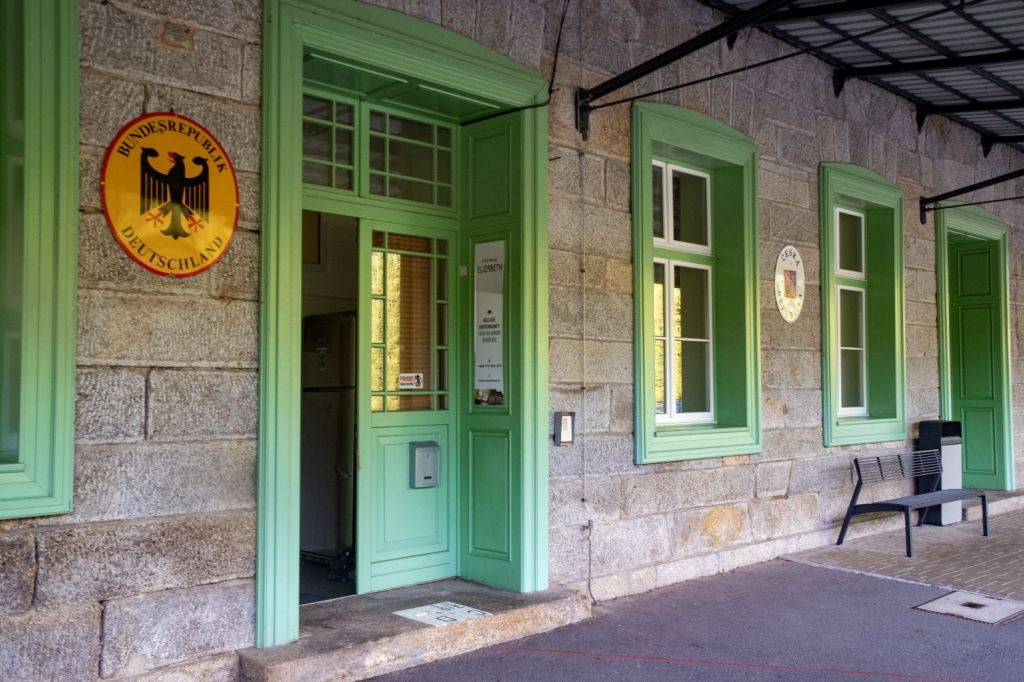
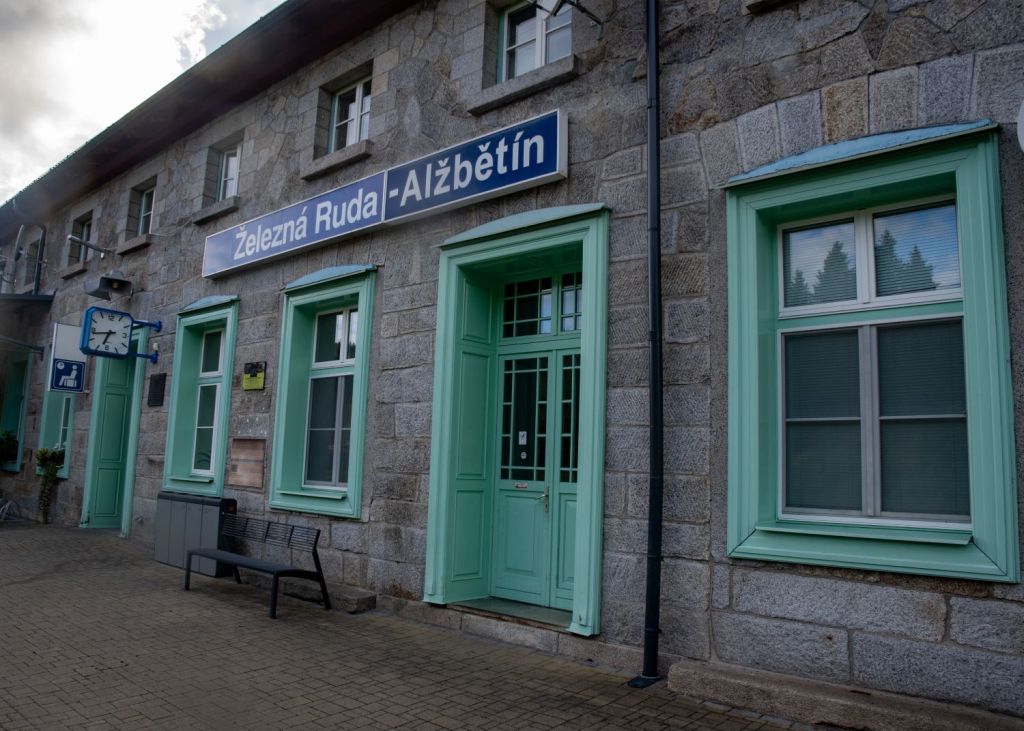
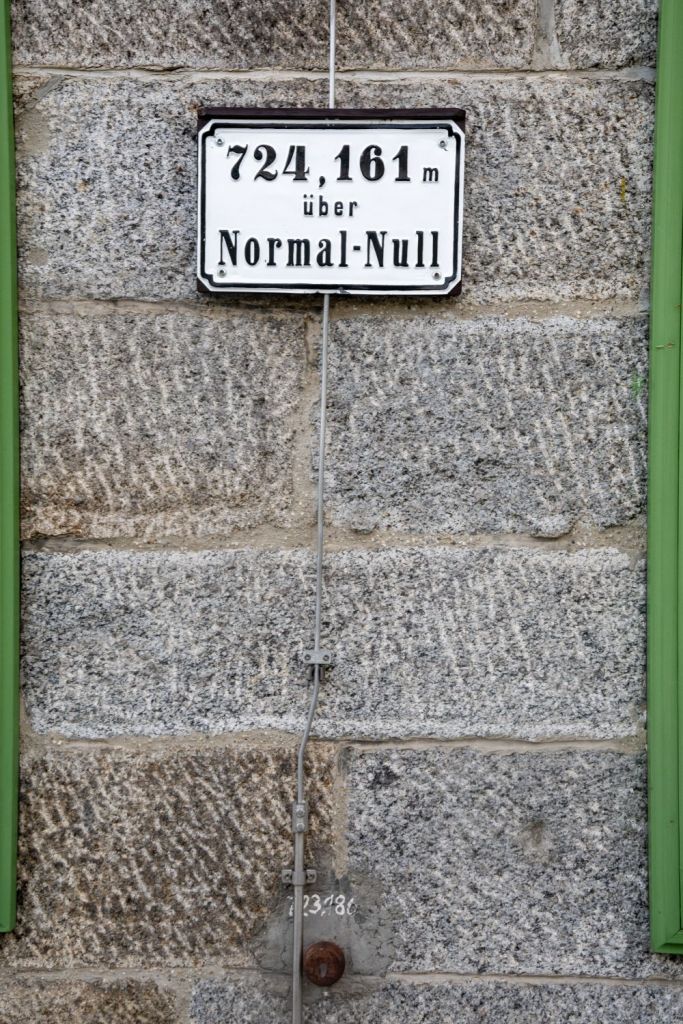
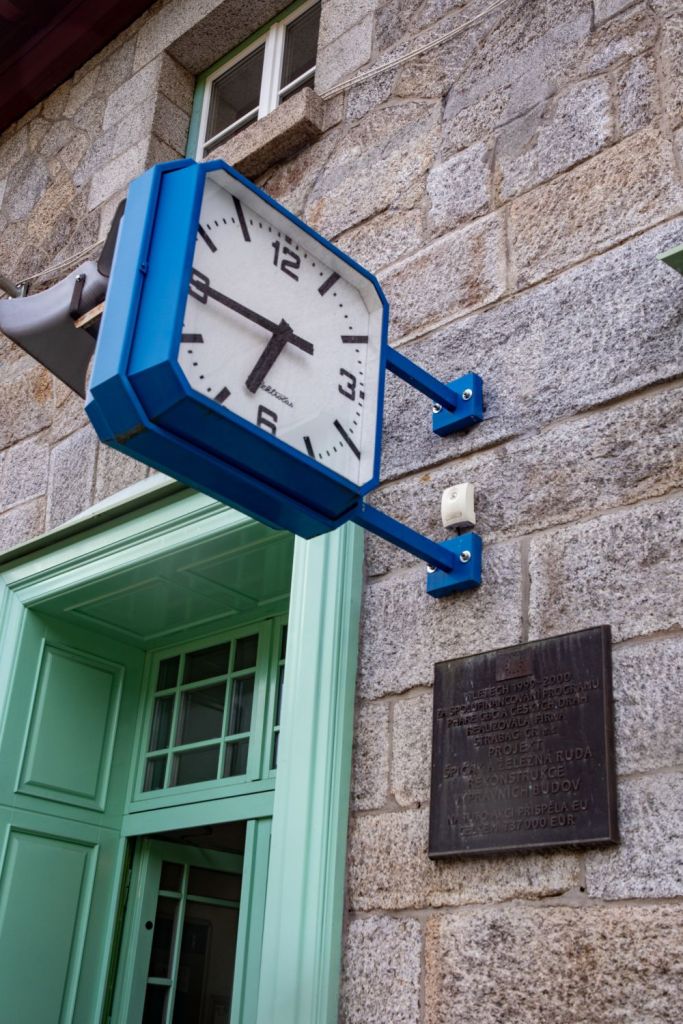
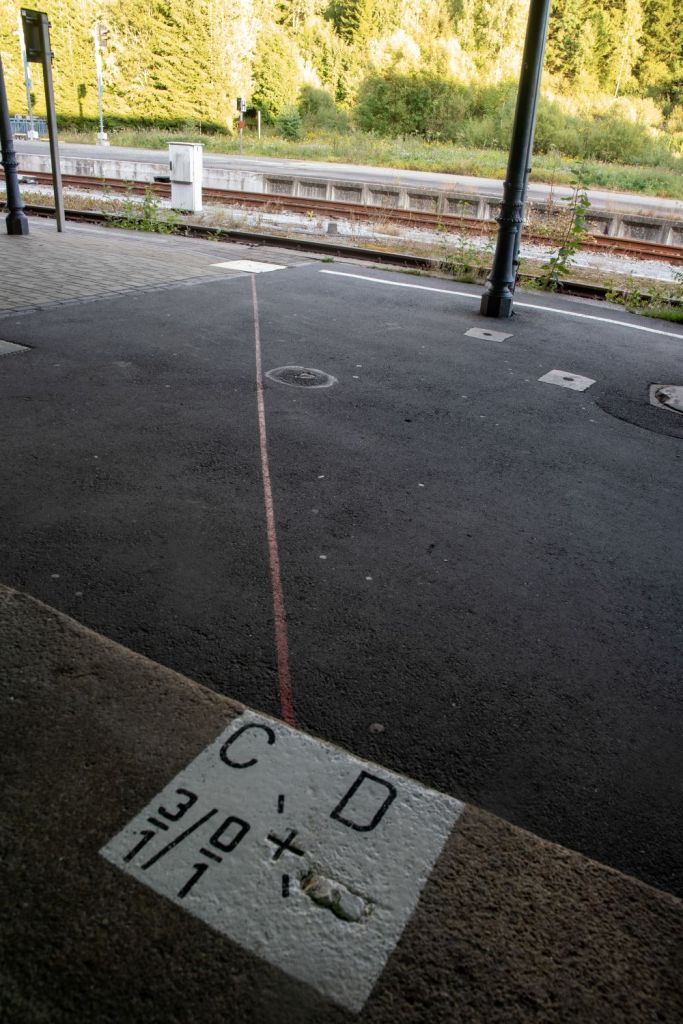
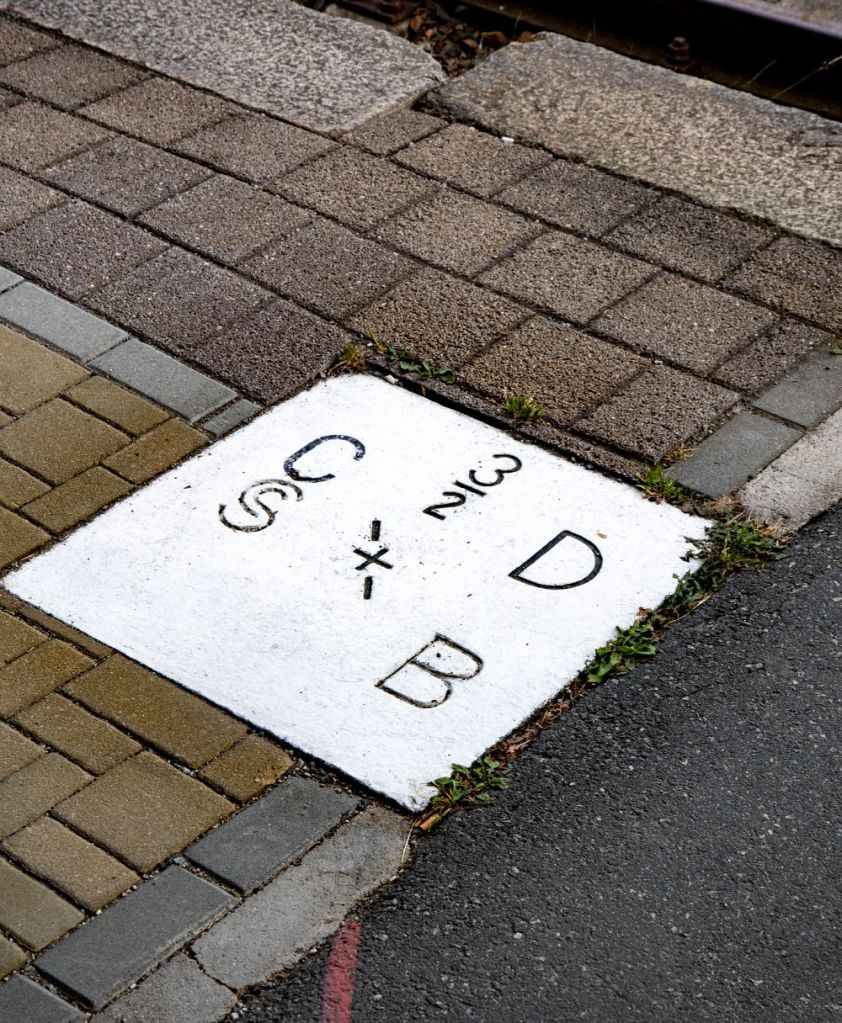
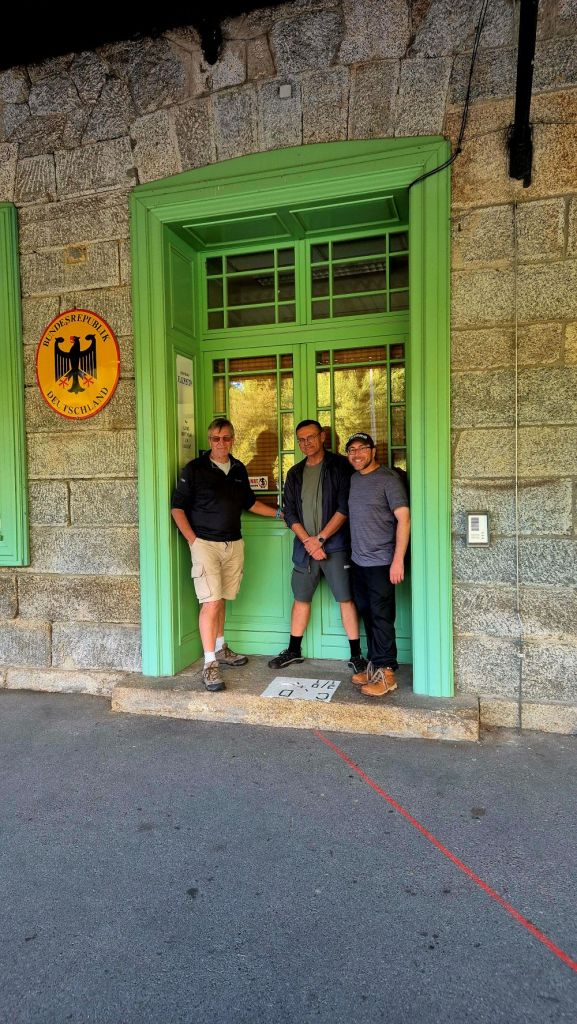
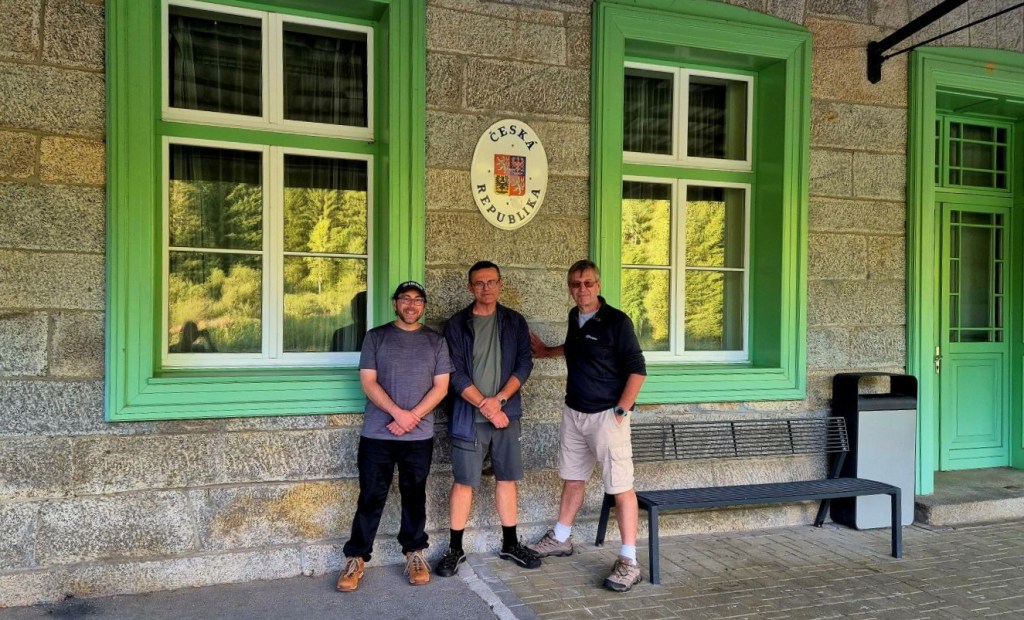
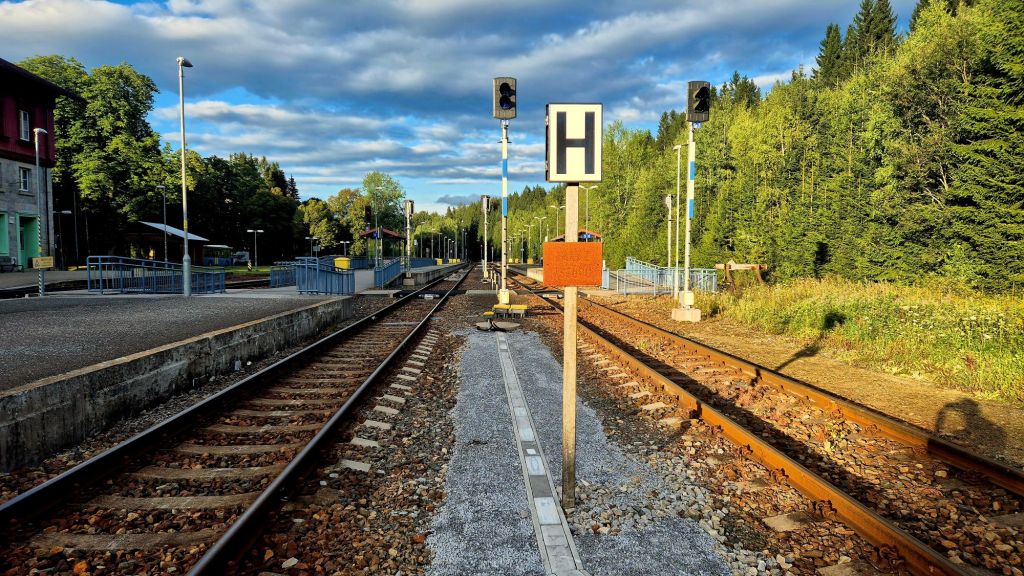
After exploring the platform closest to the building we moved across to the central platform moving along the border. Looking along the tracks in the Czech Republic and exploring where signs and languages change.

Point A
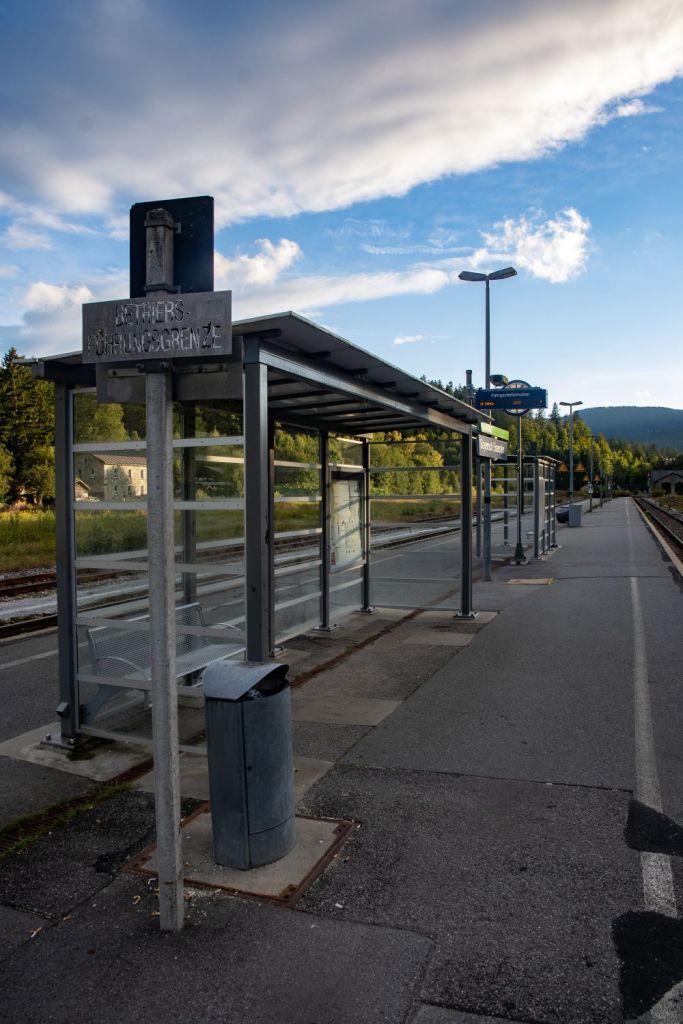
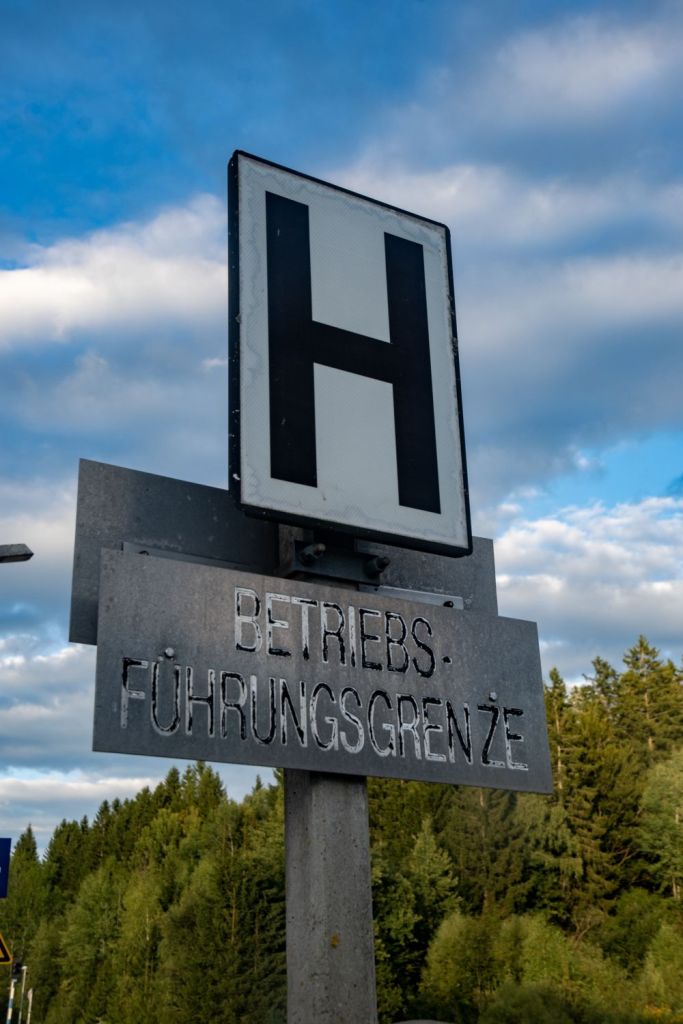
Across the tracks the border enters into woods, still being clearly demarcated with poles and concrete markers. A good find was a old metal border sign.
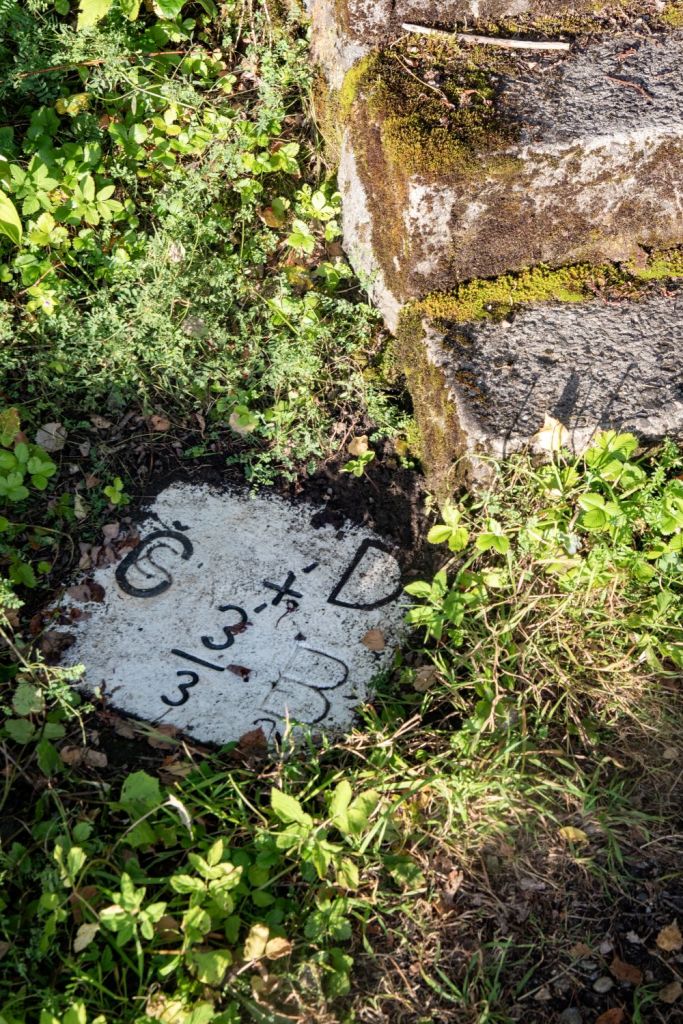
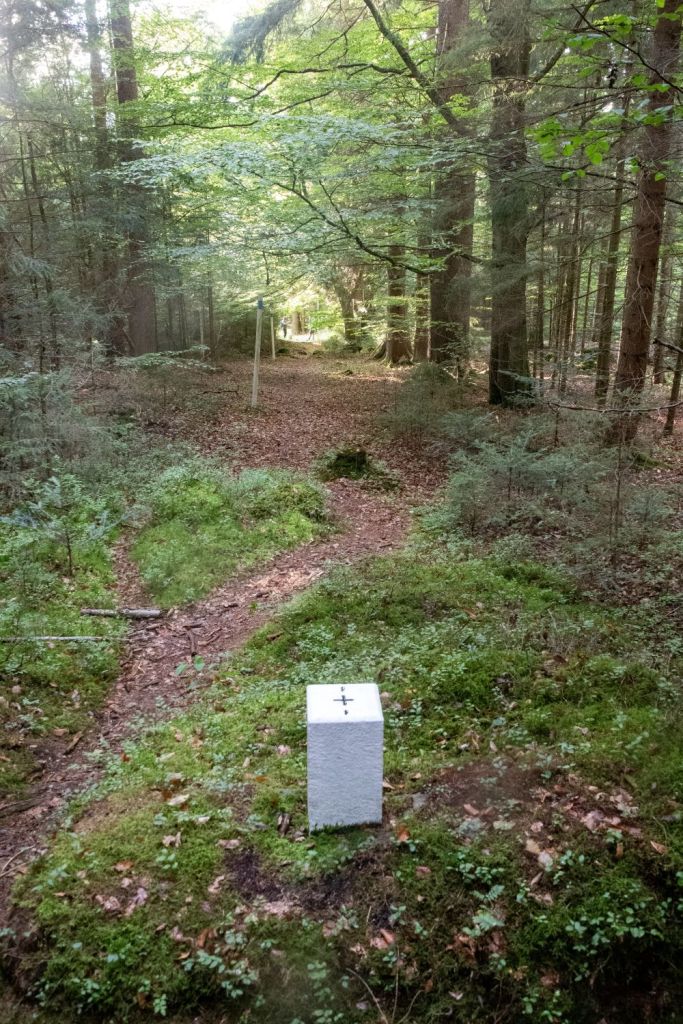


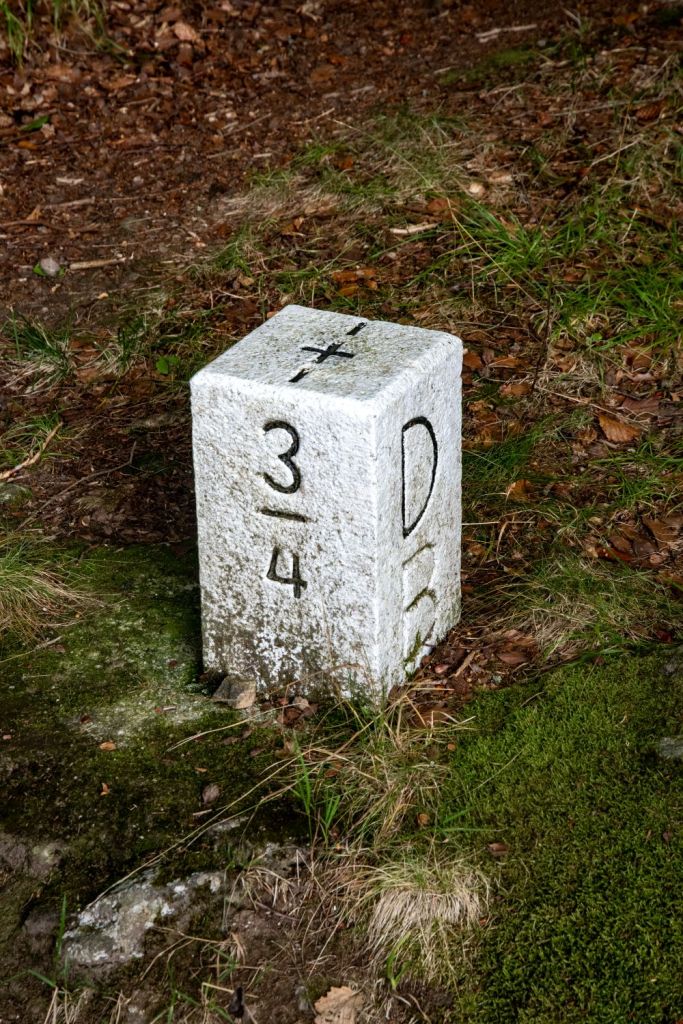
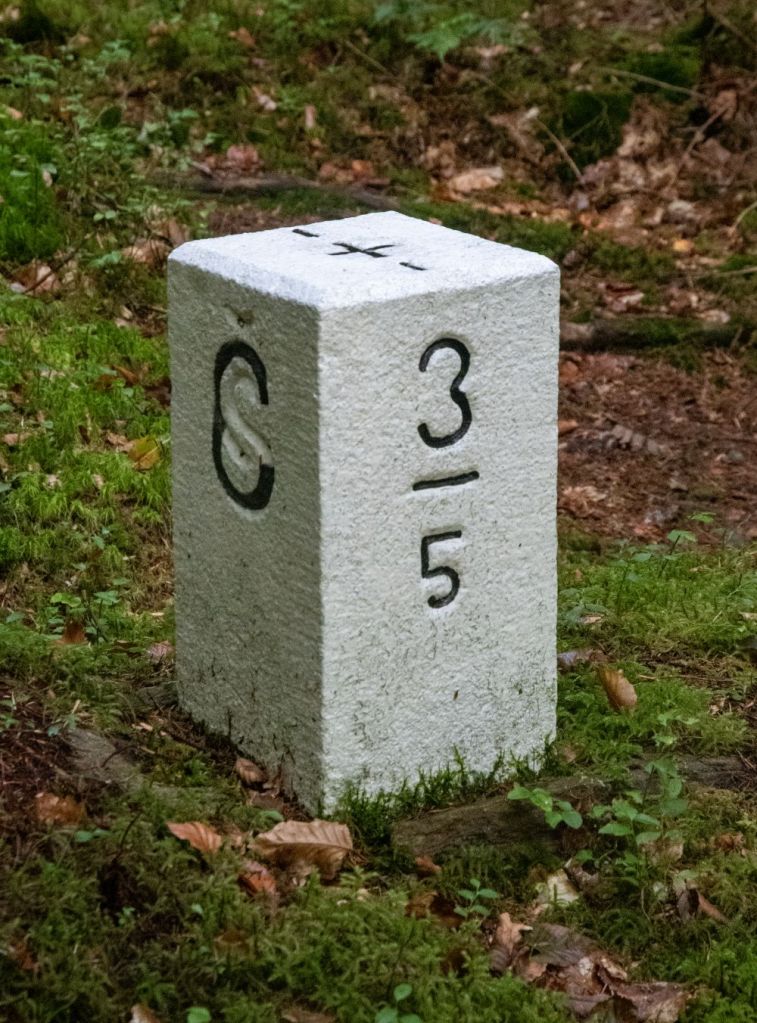
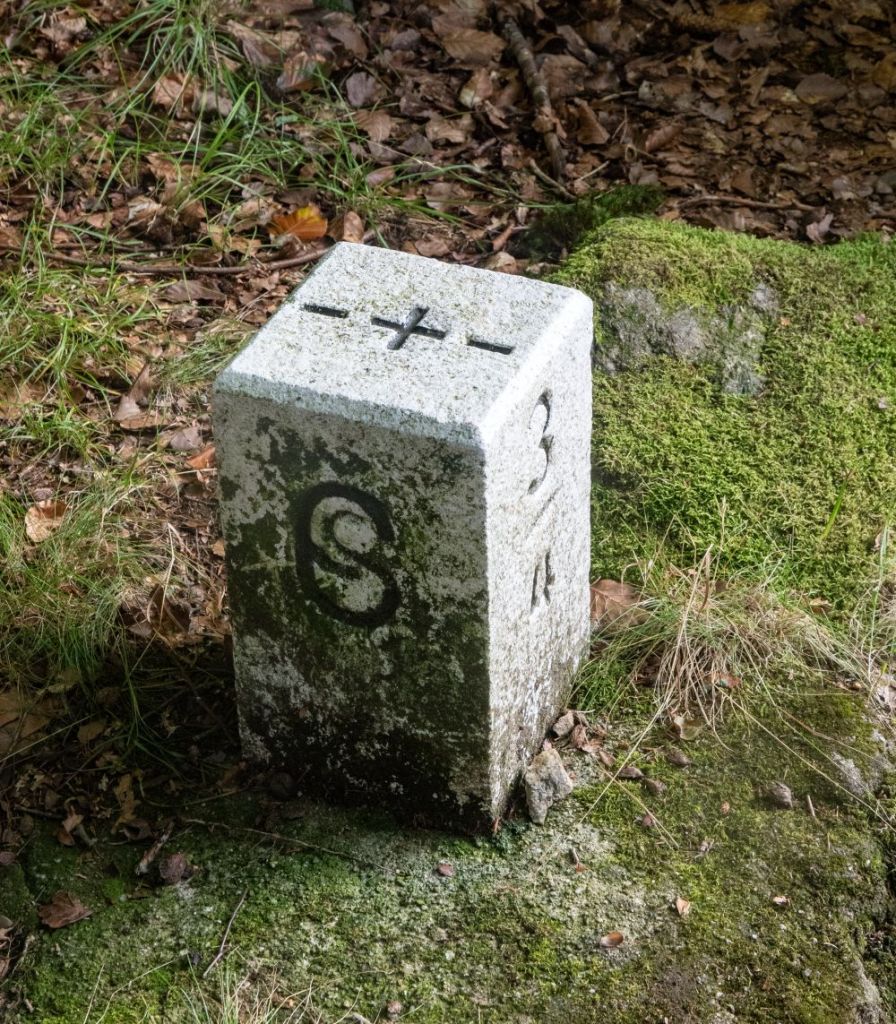
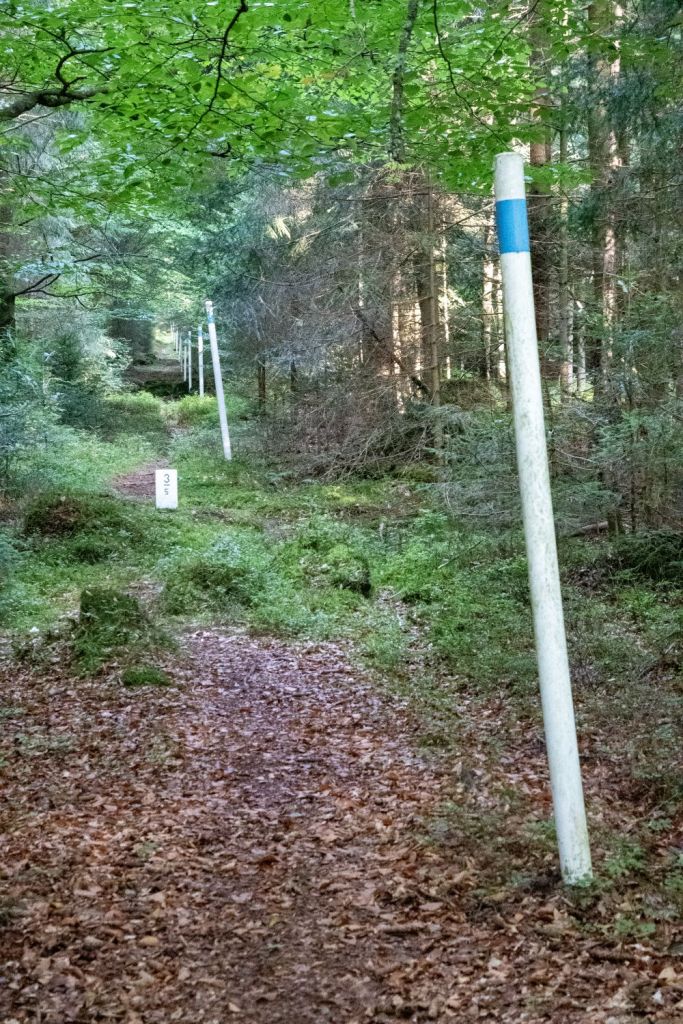

This aspect of the border was fascinating, and it would have been good to explore further but time was pressing and the long drive back to Hamburg needed to be made.
Point B
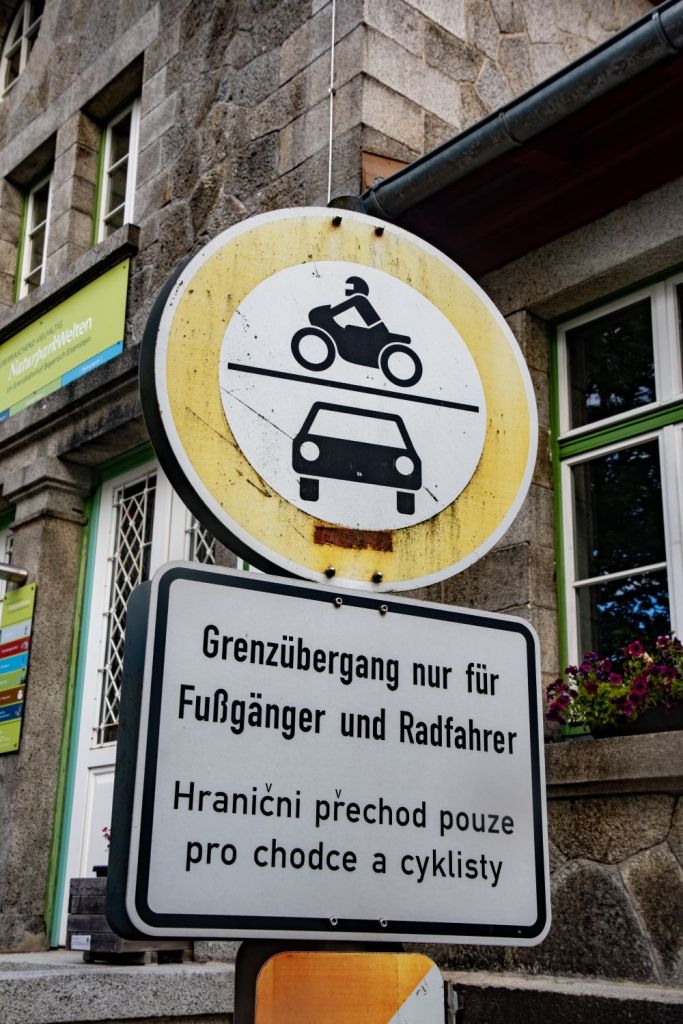
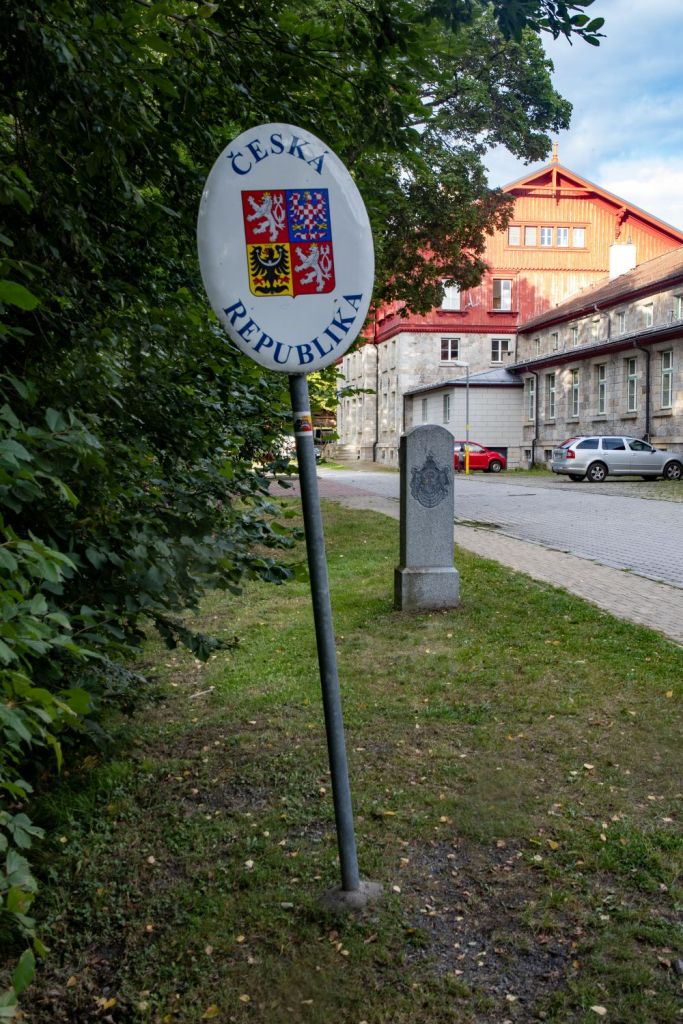
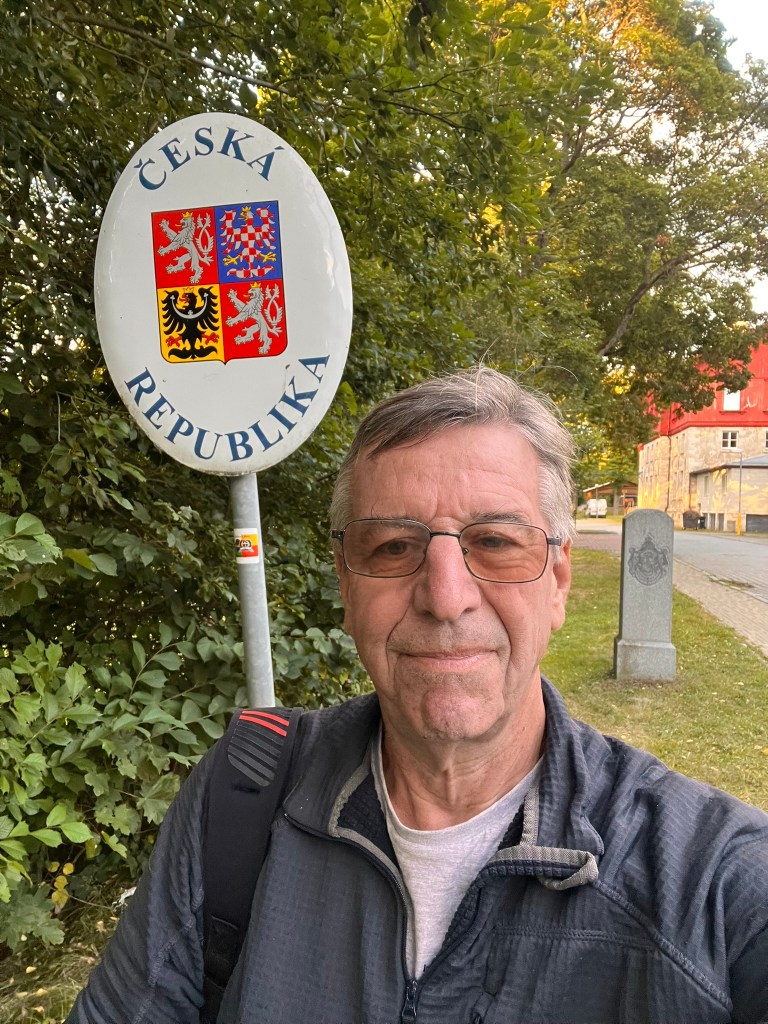
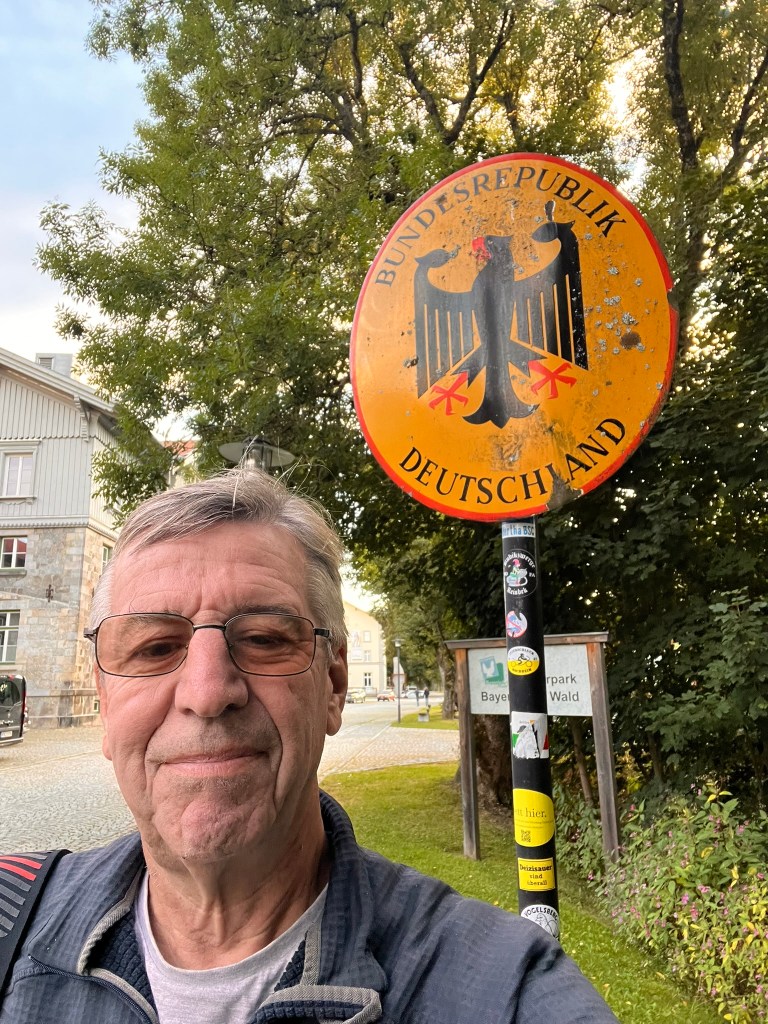
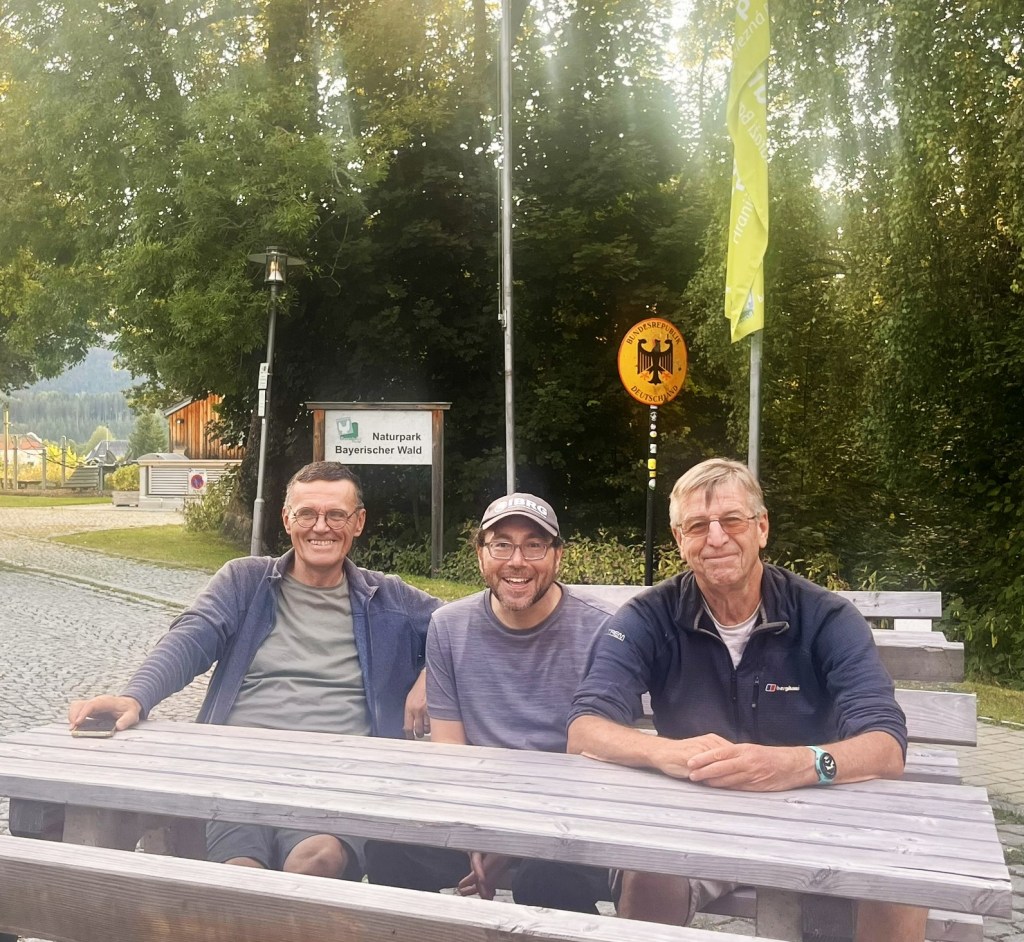
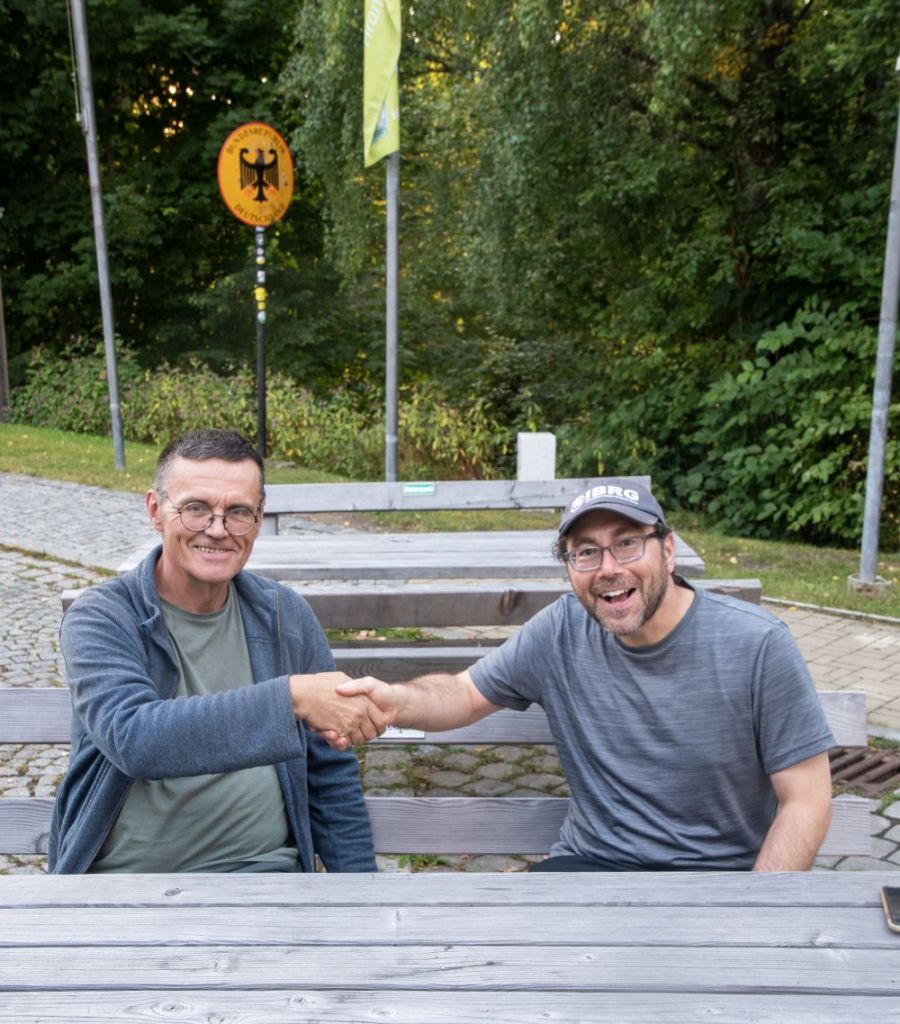
Outside the front of the building there are further border points of interest with, border markers, signs and a divided table right on the border. Locals walked straight past without a look at the border, we are on the other hand took the opportunity to sit and reflect on this strange border arrangement.

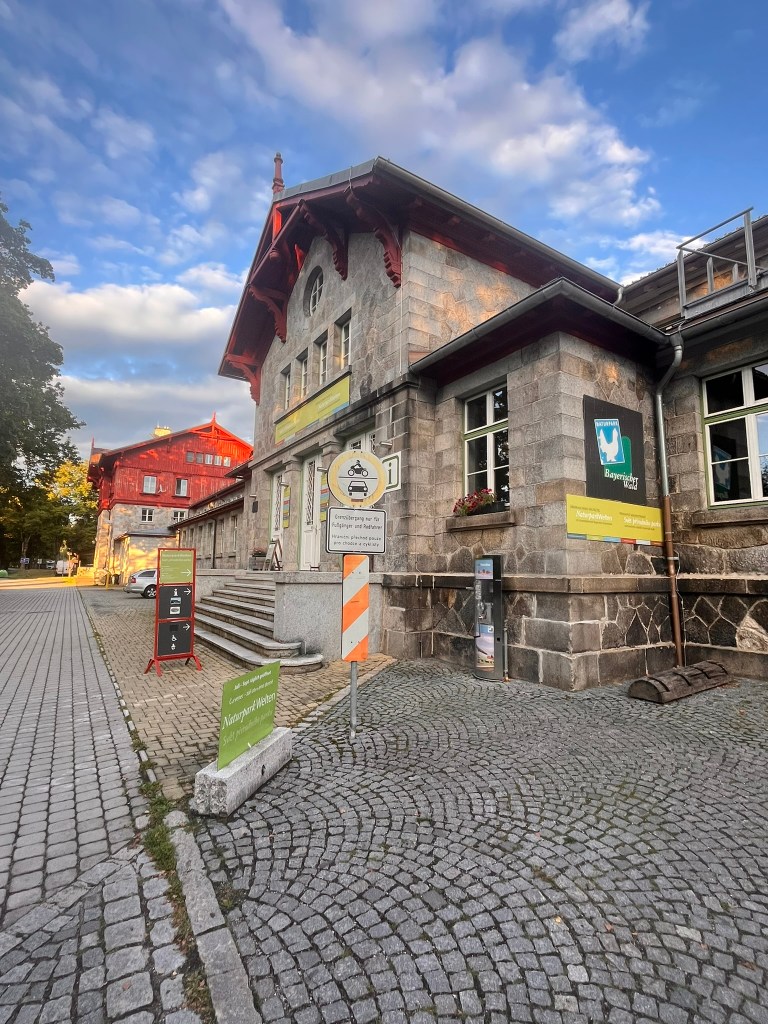
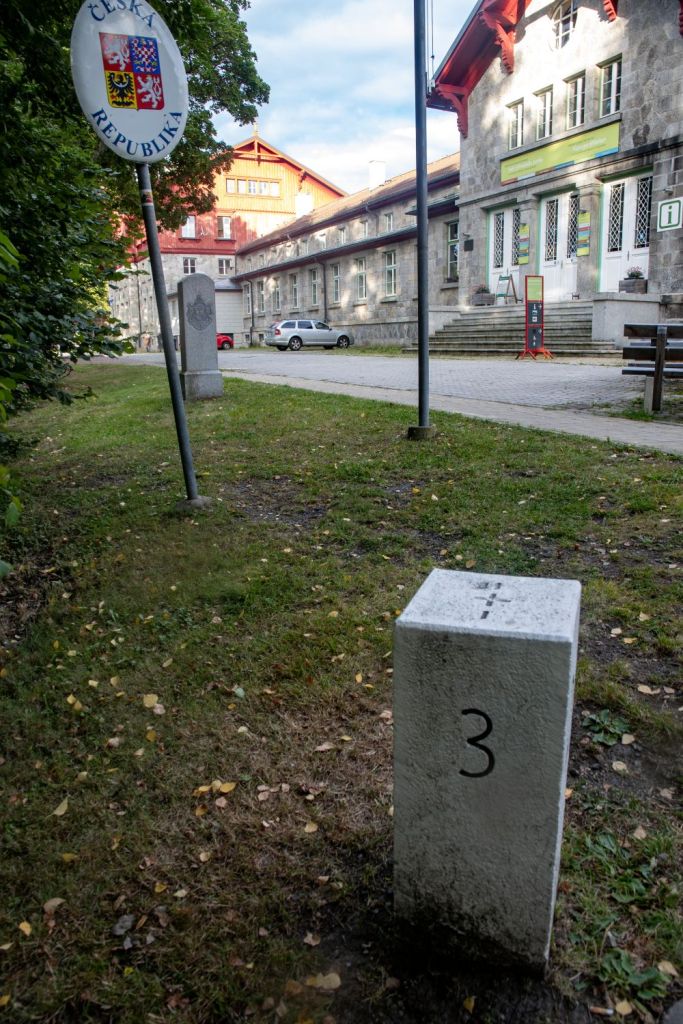


Date of Visit: 30 August 2025
 Barry's Borderpoints