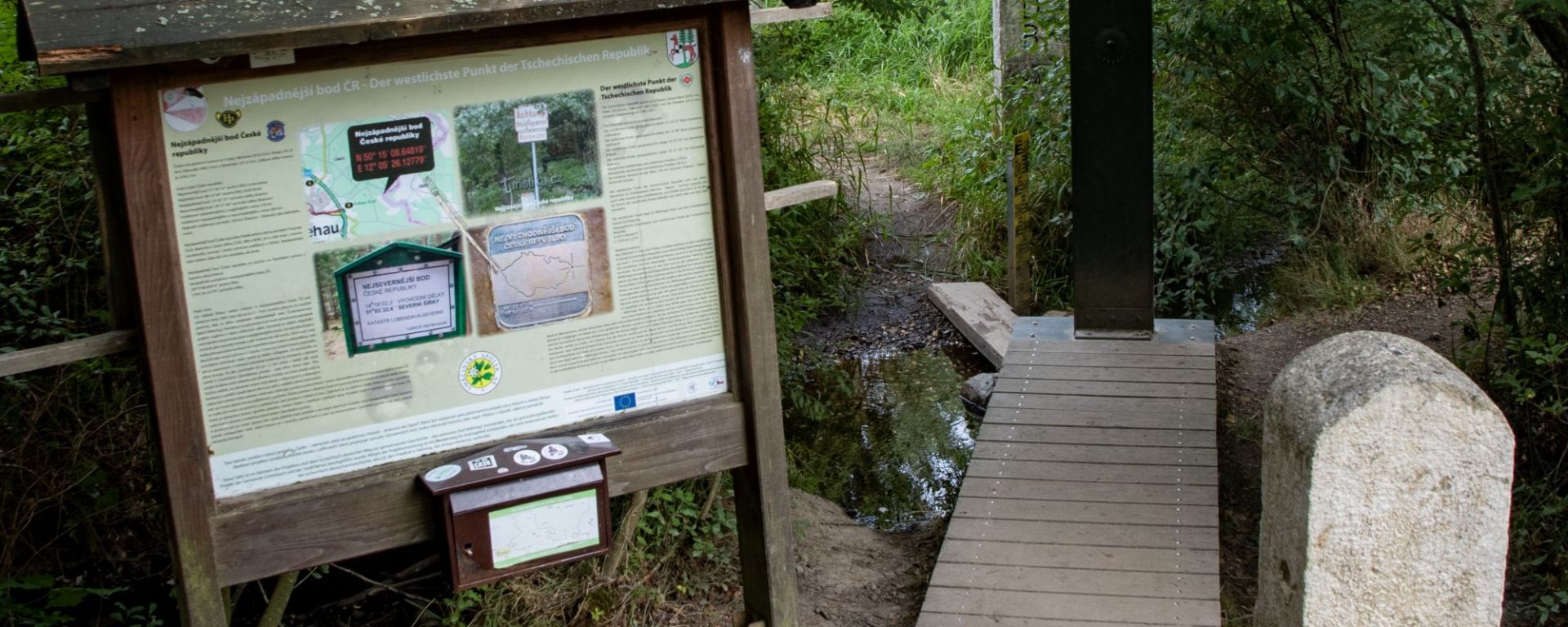
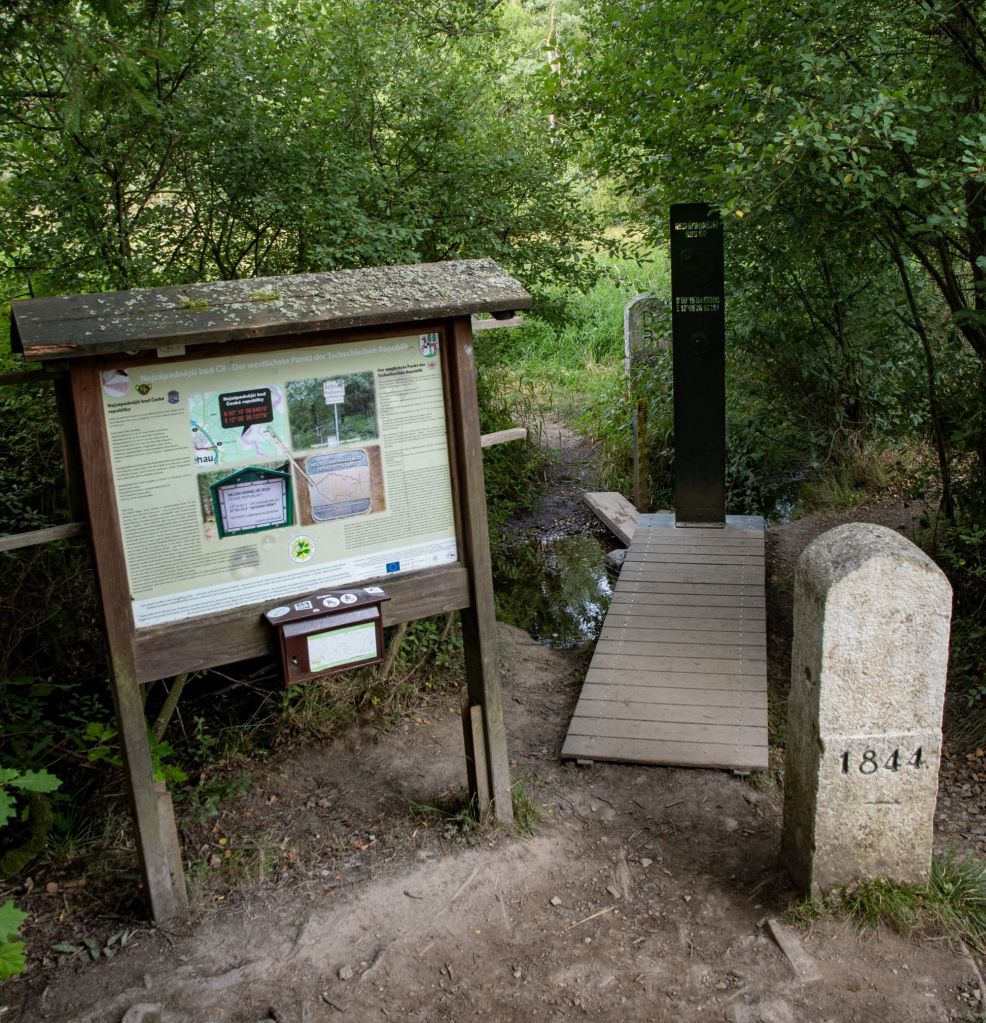
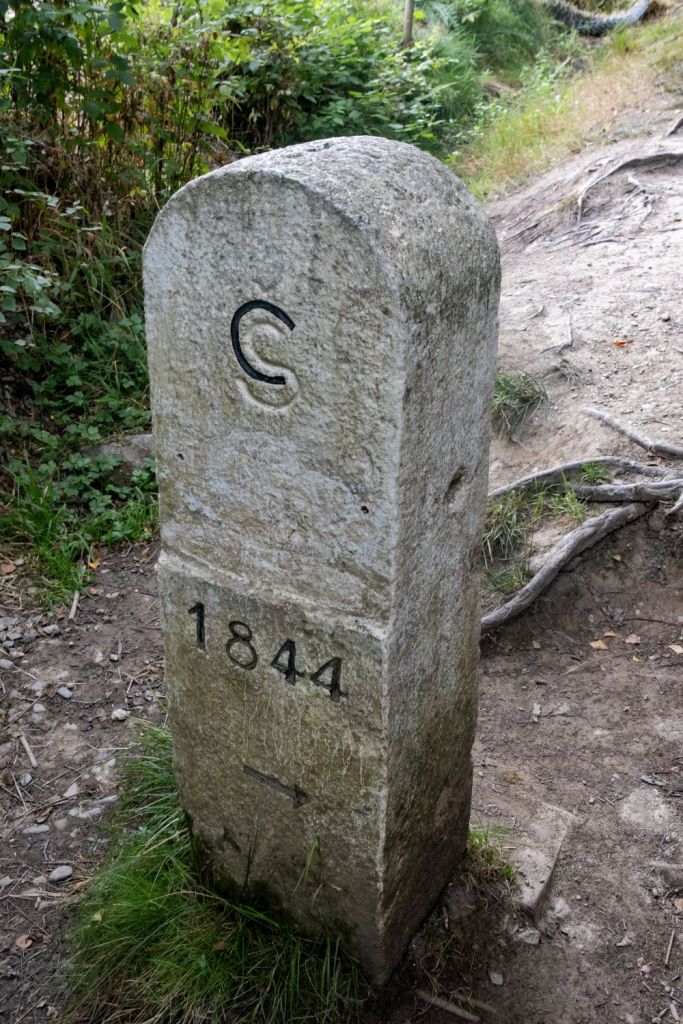
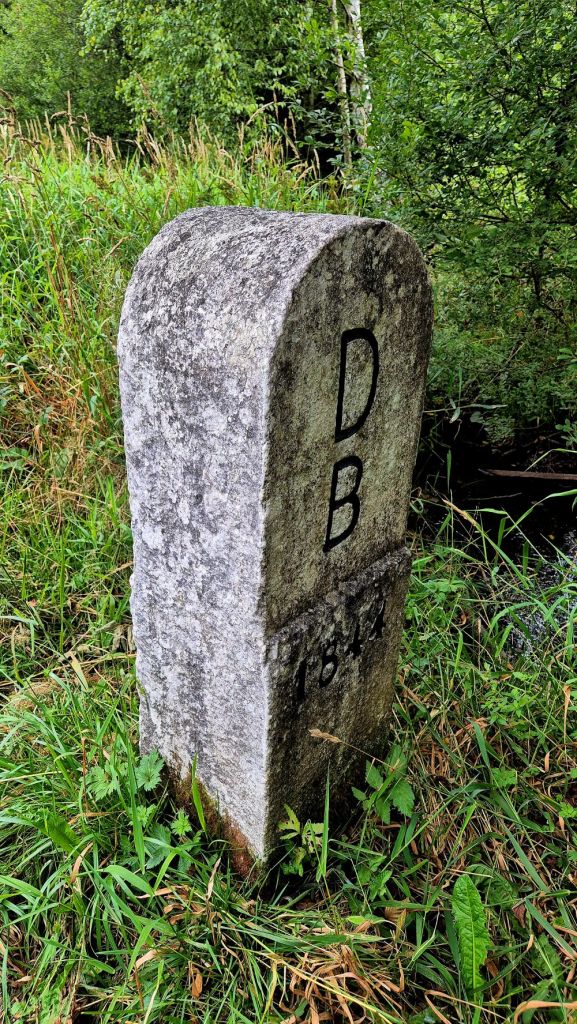
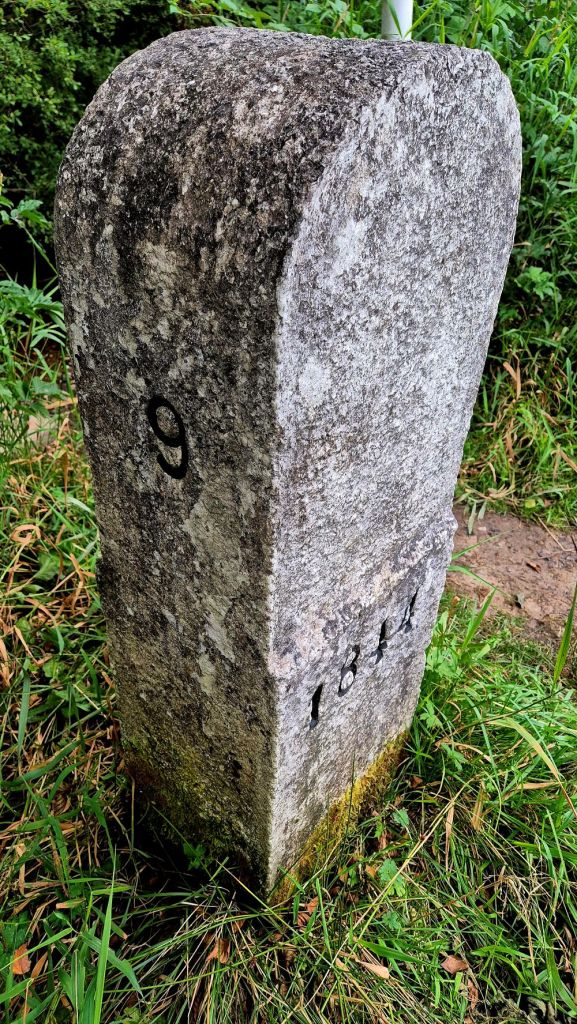
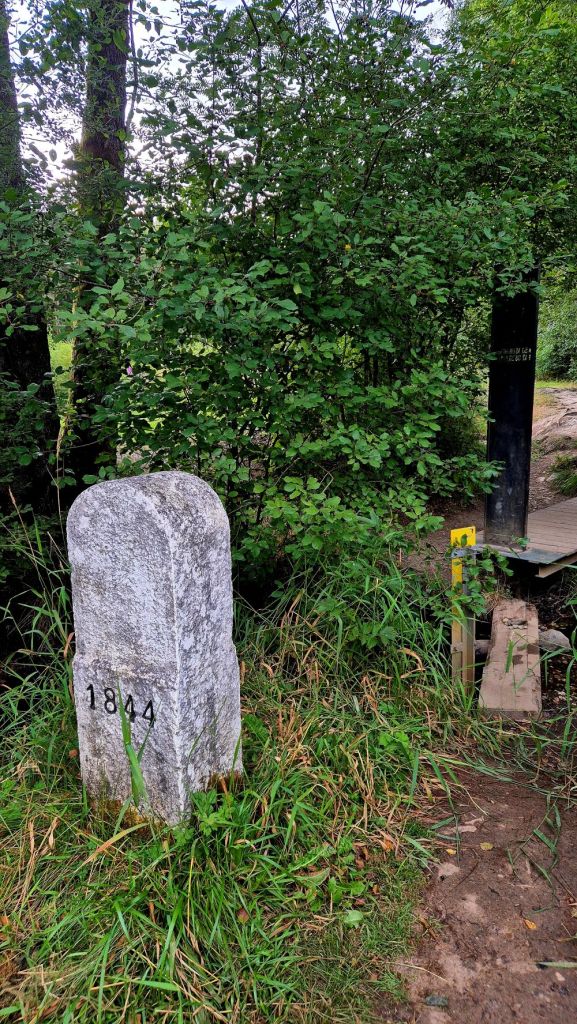
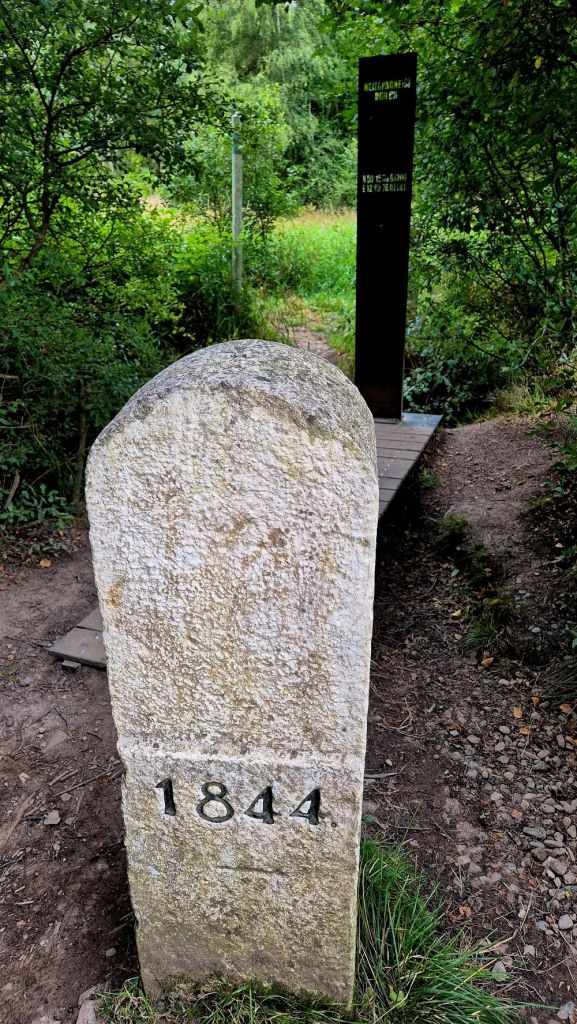
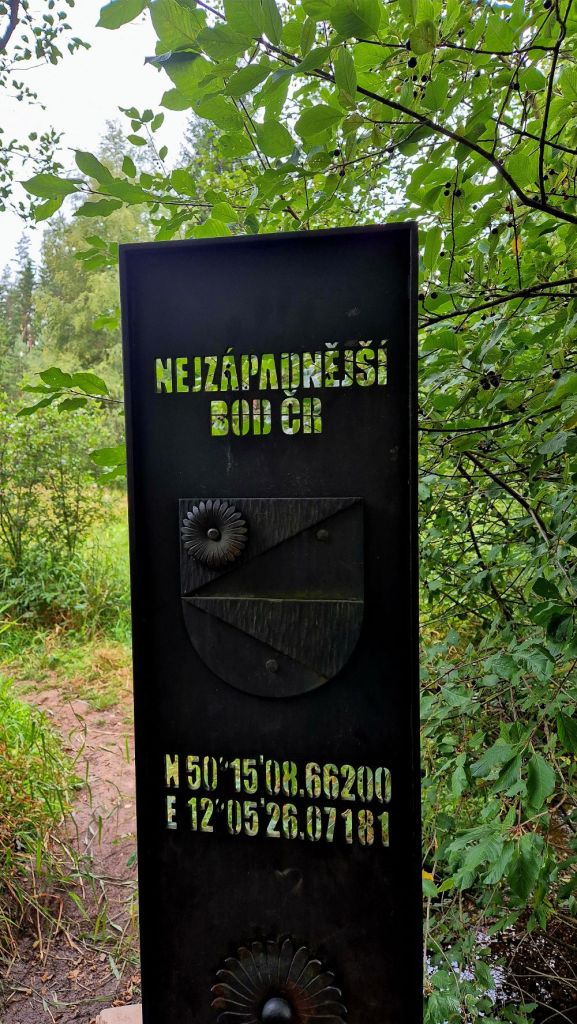
The westernmost point of the Czech Republic is near the village of Krásná, in the Karlovy Vary Region, close to the town of Aš, located in the Aš Panhandle, marked by border marker No. 1844, with coordinates approximately 50°15’09″N, 12°05’26″E, accessible via hiking trails. The Czech-German border here is formed by a stream. Many people do not realise that Bohemia is much further west than major German cities such as Berlin and Leipzig, and was misplaced into the eastern bloc in 1945.
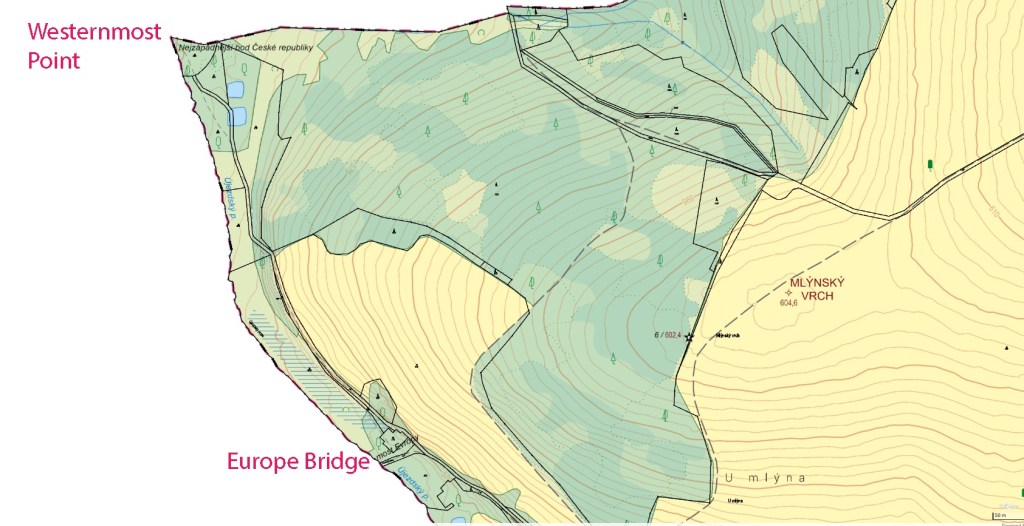
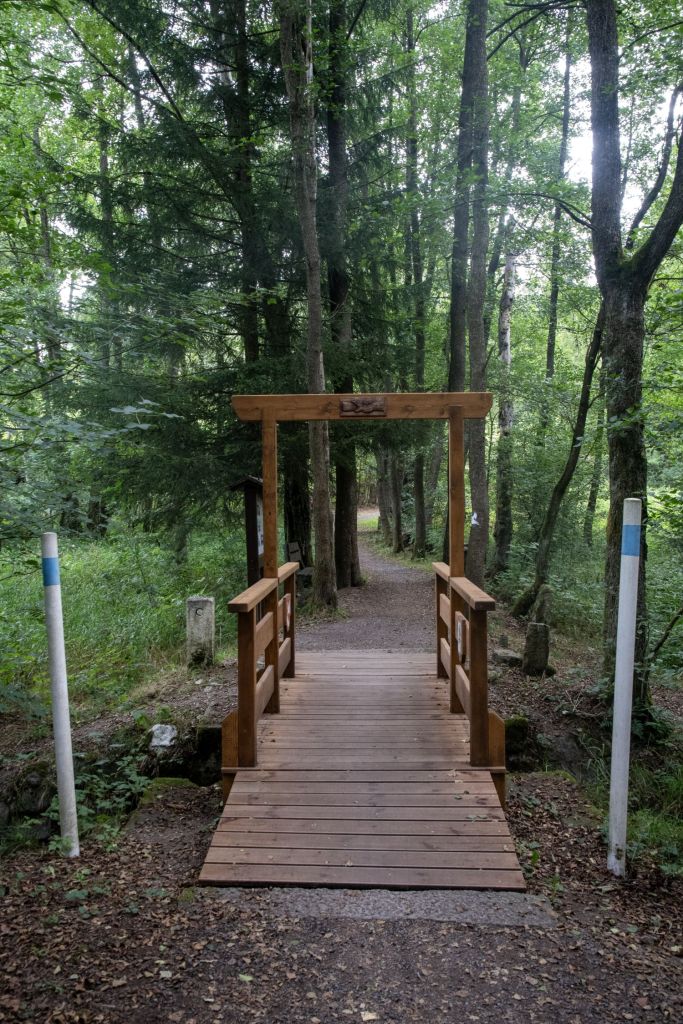
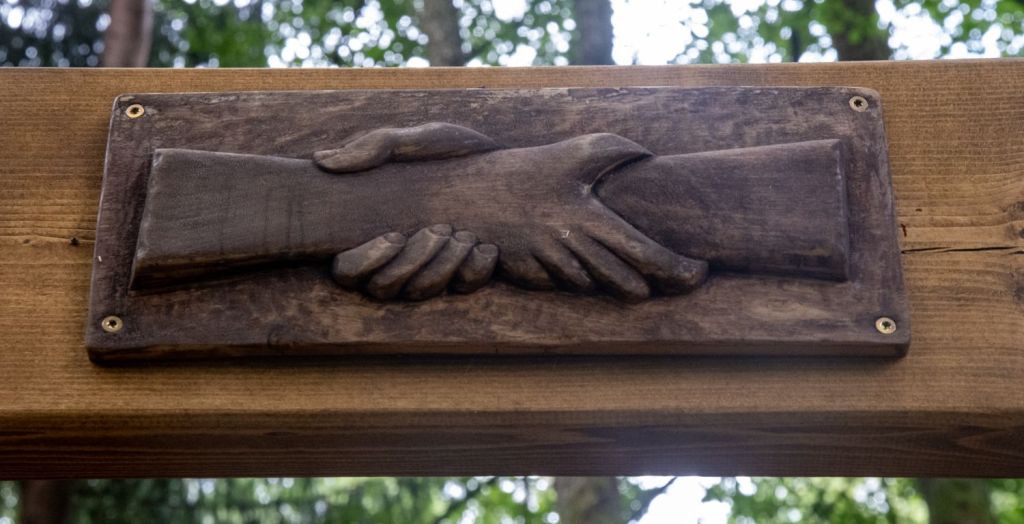
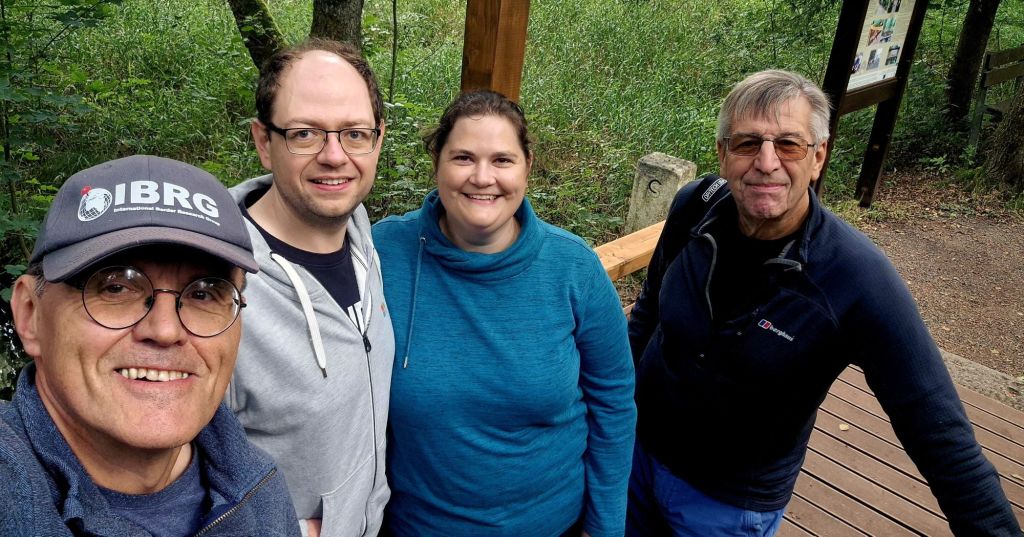
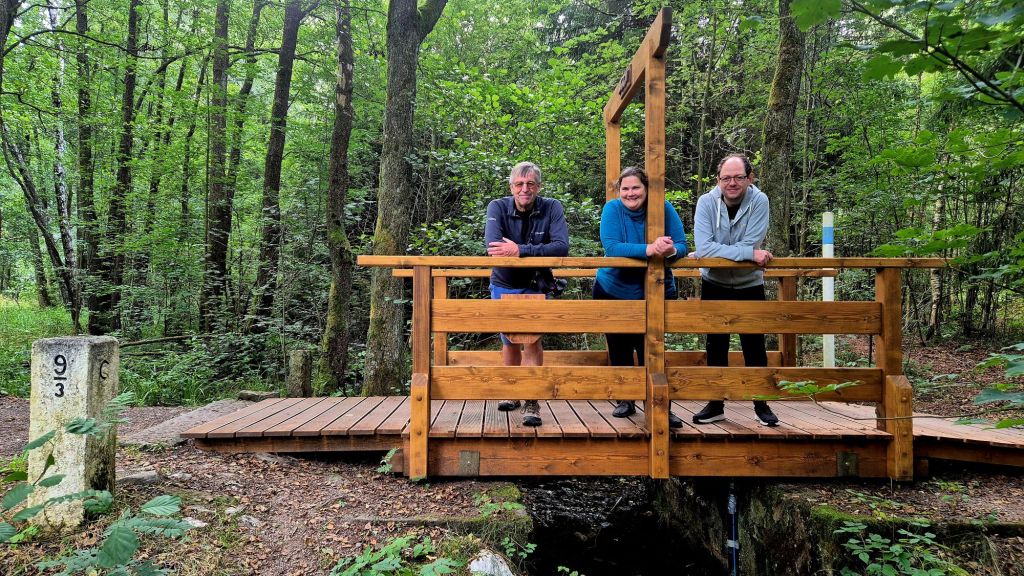
In 2008, near the westernmost point, the Bridge of Europe – Friendship Bridge – was built. The bridge connects the Czech Republic and Germany and it was built thanks to the Smrčinský Club in Aš in cooperation with German partners. In 2010, direction signs were installed to lead the tourists directly to the bridge. We visited this point as part of the IBRG LIVCO-25 expedition. More border extremities can be found on my Oddities and Extremities page.
Westernmost Point
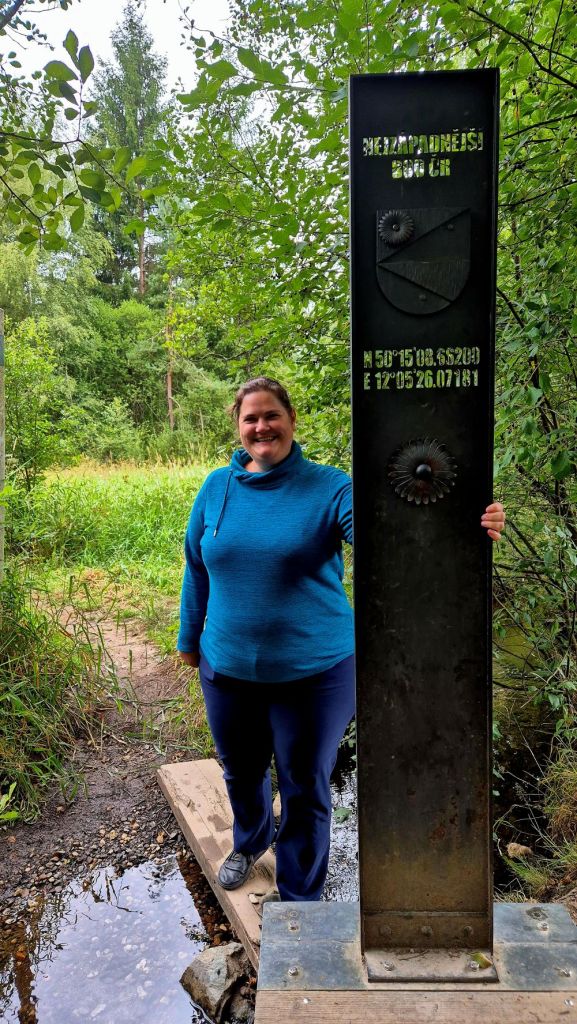
The walk from the car park was pleasant along woodland tracks and it was not long before we saw border markers and signs. There was a small shelter near the westernmost point where 2 friendly Czech hikers were having breakfast. They told us about the Europe Bridge. The Westernmost point is marked by a monument situated in the centre of the stream and its possible to cross the stream into Germany (and back).



Europe Bridge
The Bridge of Europe (Most Evropy), a footbridge built in 2008 connecting Aš, Czech Republic, with Germany, a joint project by Aš’s Smrčinský Club and German partners, symbolizing cross-border friendship at the Czech Republic’s westernmost point. It’s a local symbol of European cooperation and connection, particularly for pedestrians and cyclists.

The lost village of Mähring
Újezd (German: Mähring) was a village in the modern-day Czech Republic that was completely destroyed and abandoned following World War II and the establishment of the Iron Curtain. Situated in the Karlovy Vary Region near the town of Krásná, it was historically the westernmost village of Czechoslovakia. In 1939, it had 175 inhabitants, predominantly of German ethnicity.

After WWII, the German population was expelled in 1946. The village was never resettled and fell into decay as it was looted and vandalized. In 1950, the municipality was officially abolished. To prevent its use by those attempting to flee across the border, the Czechoslovak military blew up all remaining buildings in 1953, levelling the village. For decades, the site remained in a strictly controlled “no-man’s land” border zone between the Eastern and Western Blocs.
Following the Velvet Revolution and the fall of the Iron Curtain, the site has been partially restored as a memorial and hiking destination. It has a war memorial and a restored cemetery.

Date of Visit: 23 August 2025
 Barry's Borderpoints