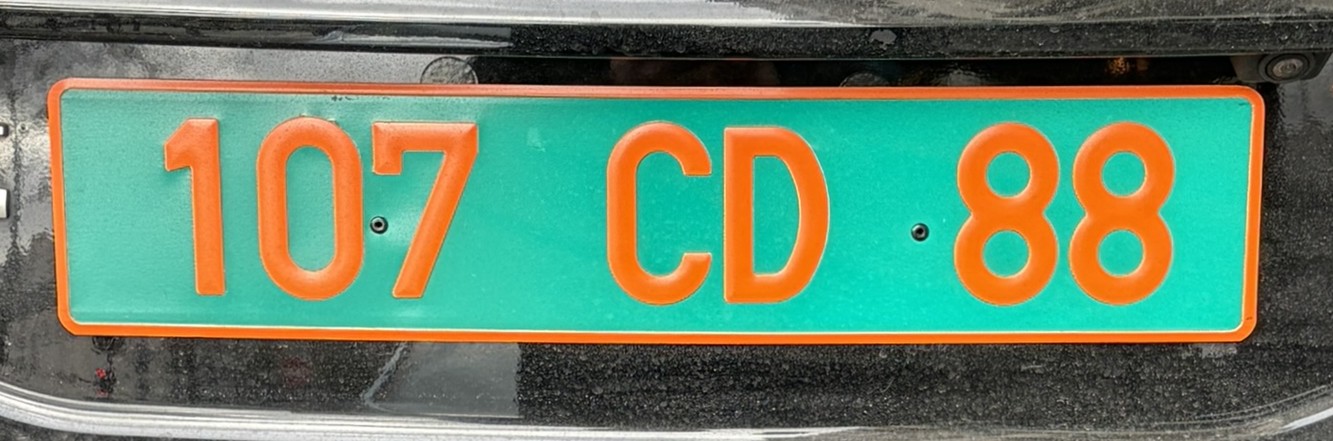
Countries are represented through their embassies and consulates, the former responsible for promoting the interests of the home country, handling diplomatic relations and supporting its citizens. Embassies are located in the capital city where consular functions also occur. Consulates may also exist in other cities. Consulates (and their chief diplomat, the consul) handle minor diplomatic issues such as issuing visas, aiding in trade relationships, and taking care of migrants, tourists, and expatriates. Under the Vienna Convention on Diplomatic Relations 1961, the premises of an Embassy are inviolable and “immune from search, requisition, attachment or execution,” but sovereignty of the embassy premises rests with the host country. Therefore whilst the embassy enjoys immunity it is not foreign soil as some think. Depending on the location and the home country the embassy buildings often can be grand and impressive. Some modern ones showcase the nation in a visual way.
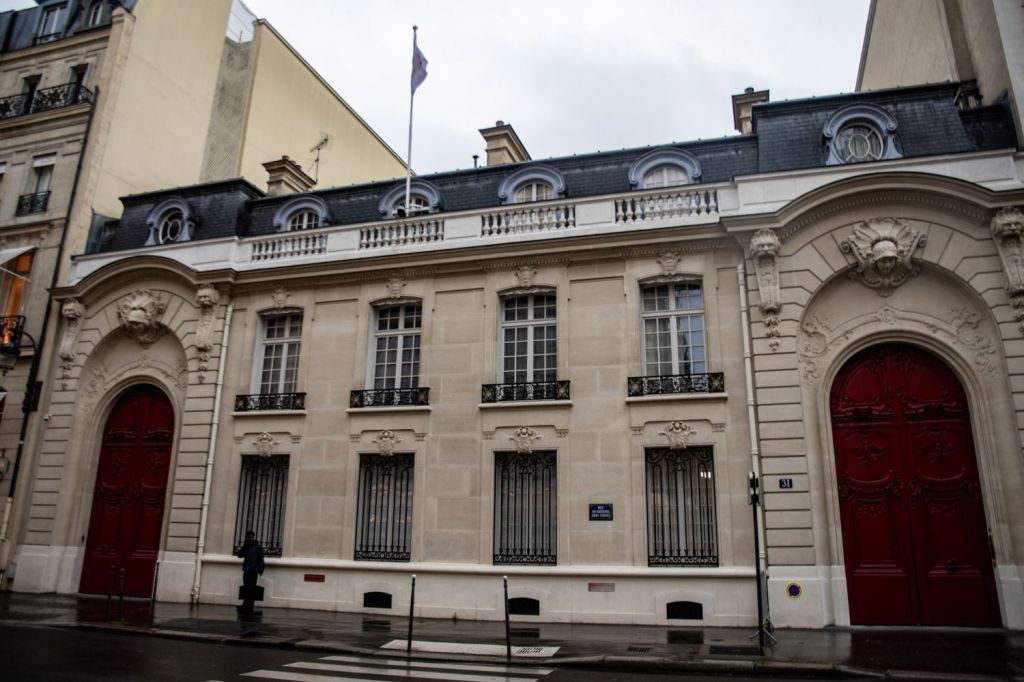
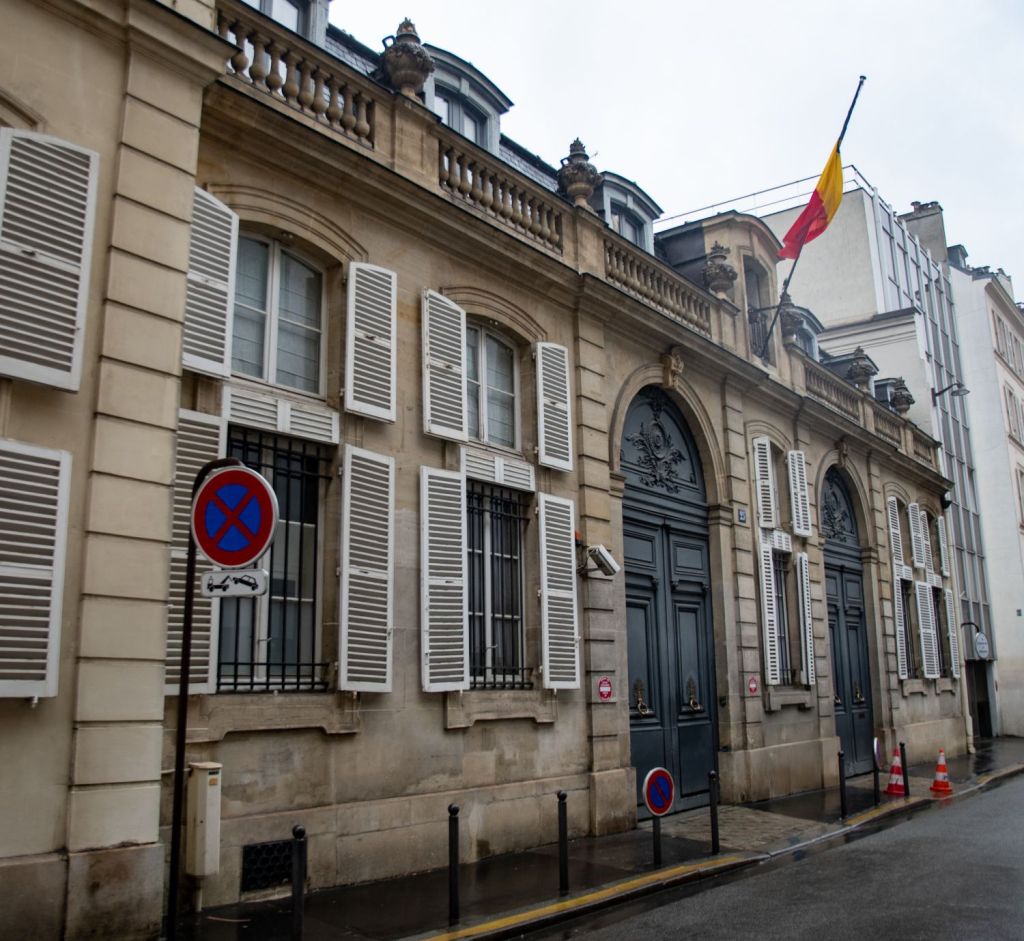
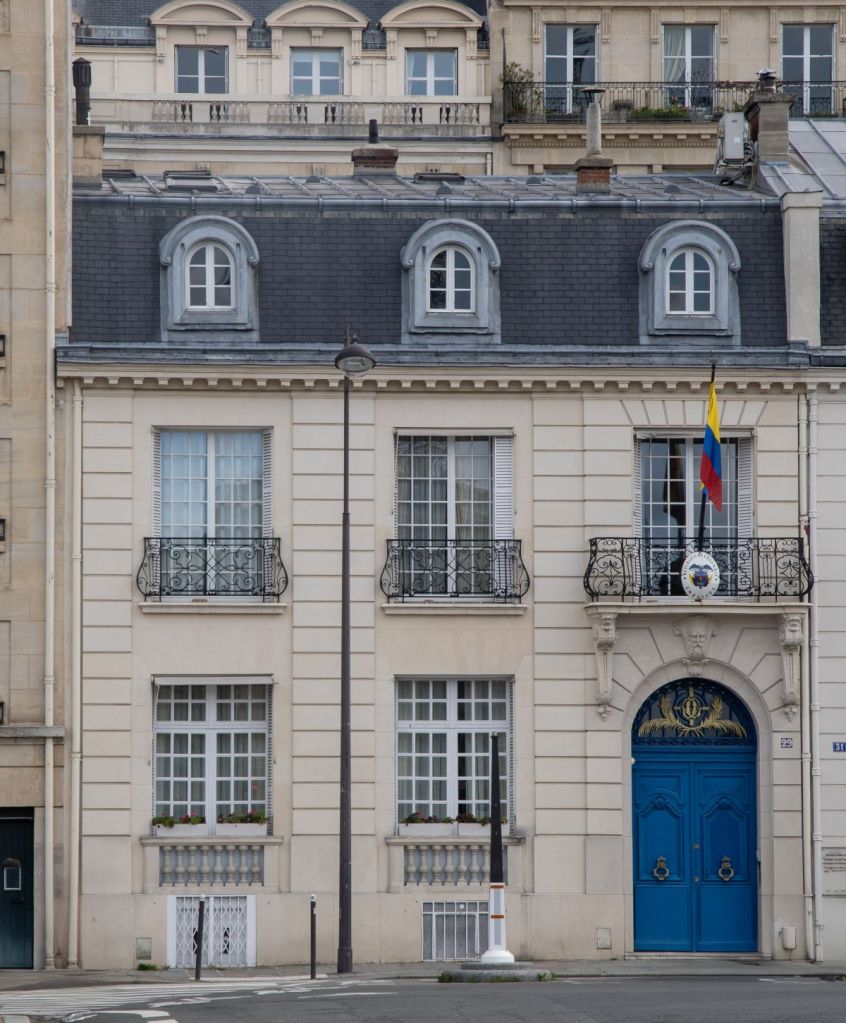
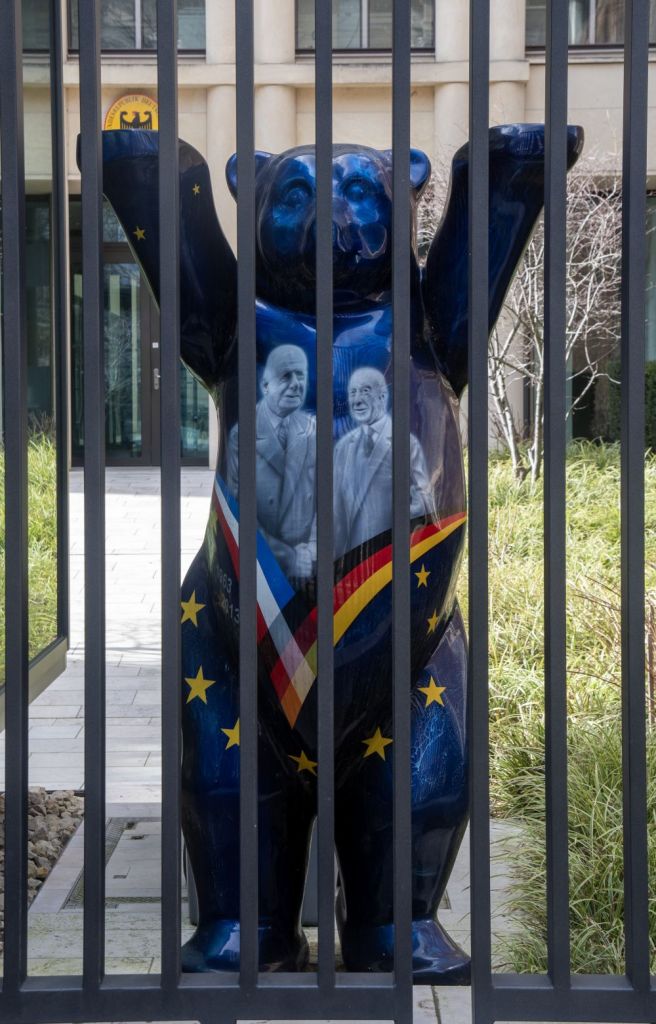
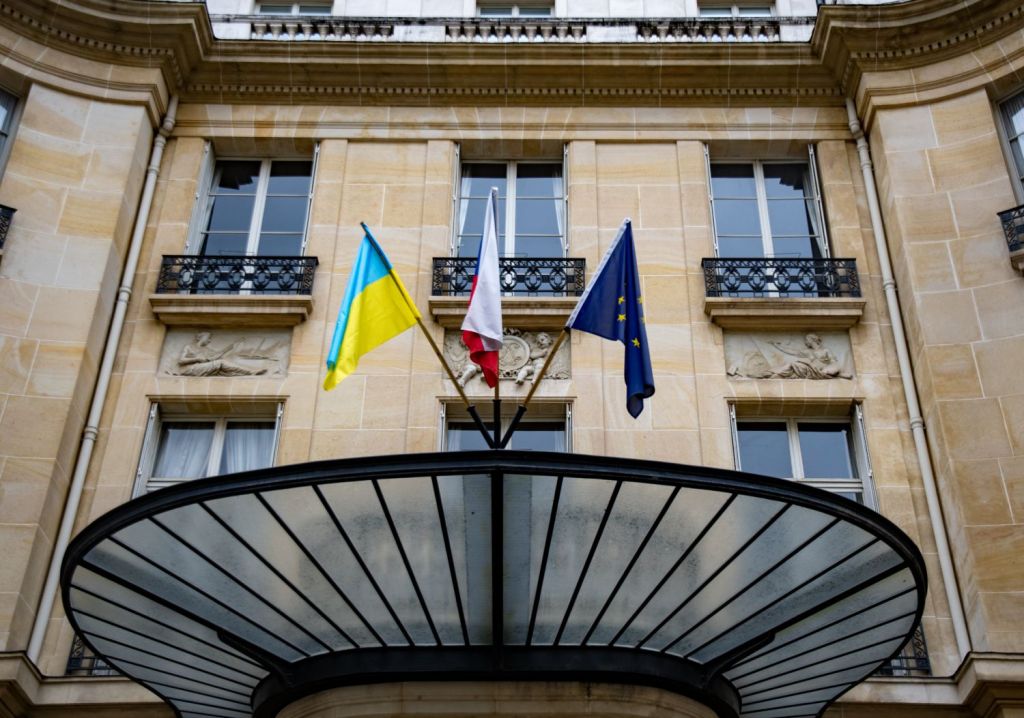
With the exception of the UK embassy which I purposively visited, I took photos of those I came across as I walked around the city, some were easily accessible being on the street, others set back behind fences. Sorry if I missed yours.
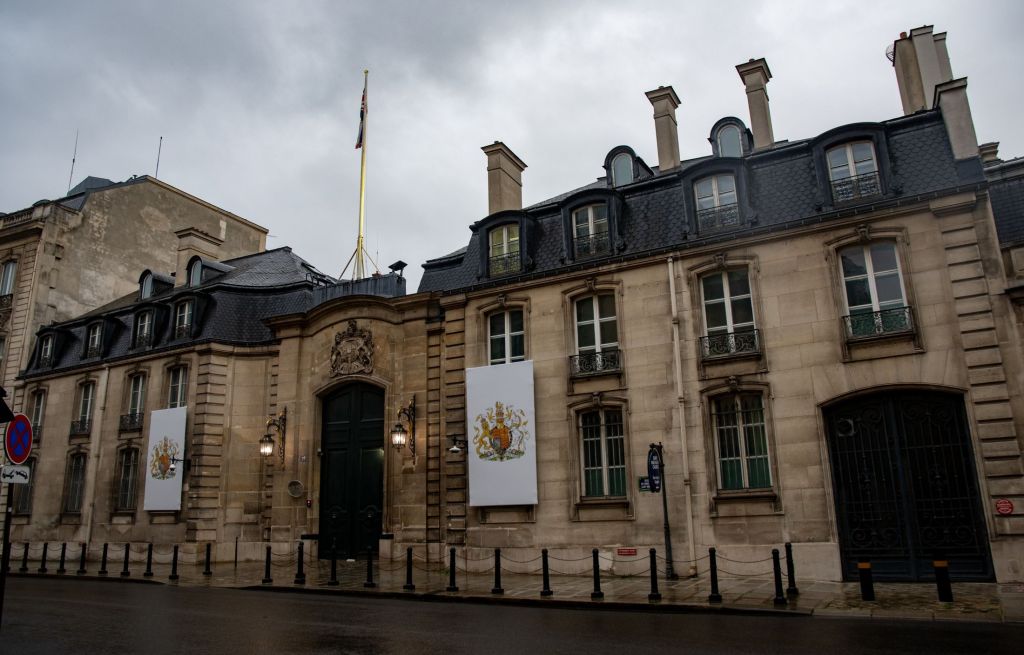
United Kingdom Embassy
The embassy is located on one of the most famous streets in France, rue du Faubourg Saint-Honoré in the 8th arrondissement of Paris. Purchased by the Duke of Wellington in 1814, the building formerly belonged to Pauline Borghese, sister of Napoleon. The embassy, crucial for monitoring French intrigue, was notably closed during WWII (1940-1944) and reopened following the liberation of Paris. Unlike any other embassy I saw in Paris, this one had French military security and taking photographs was politely discouraged.
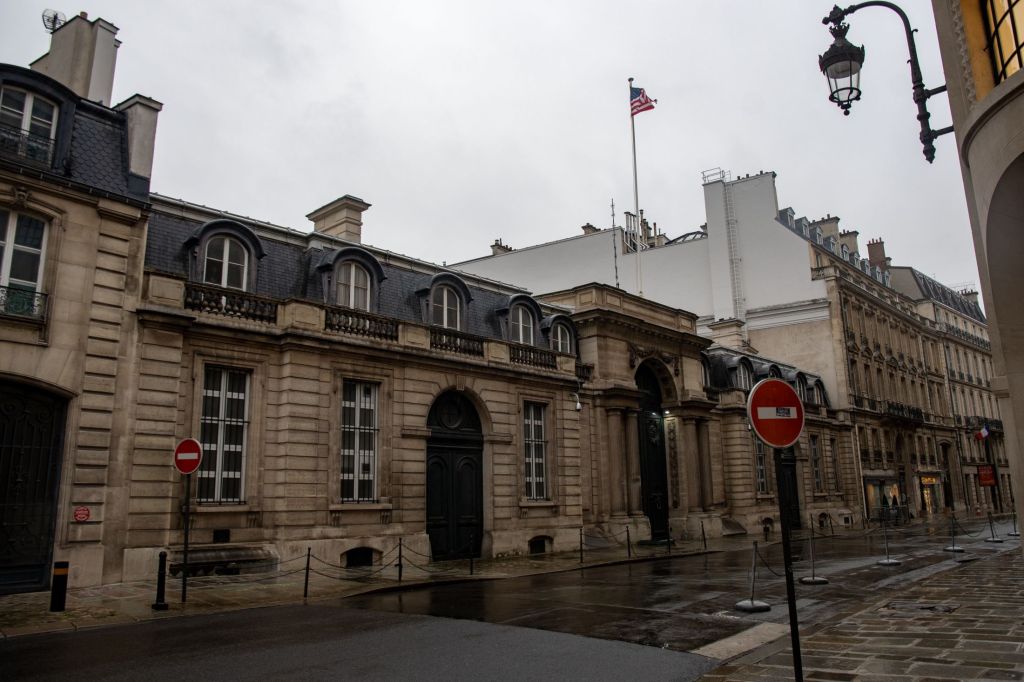
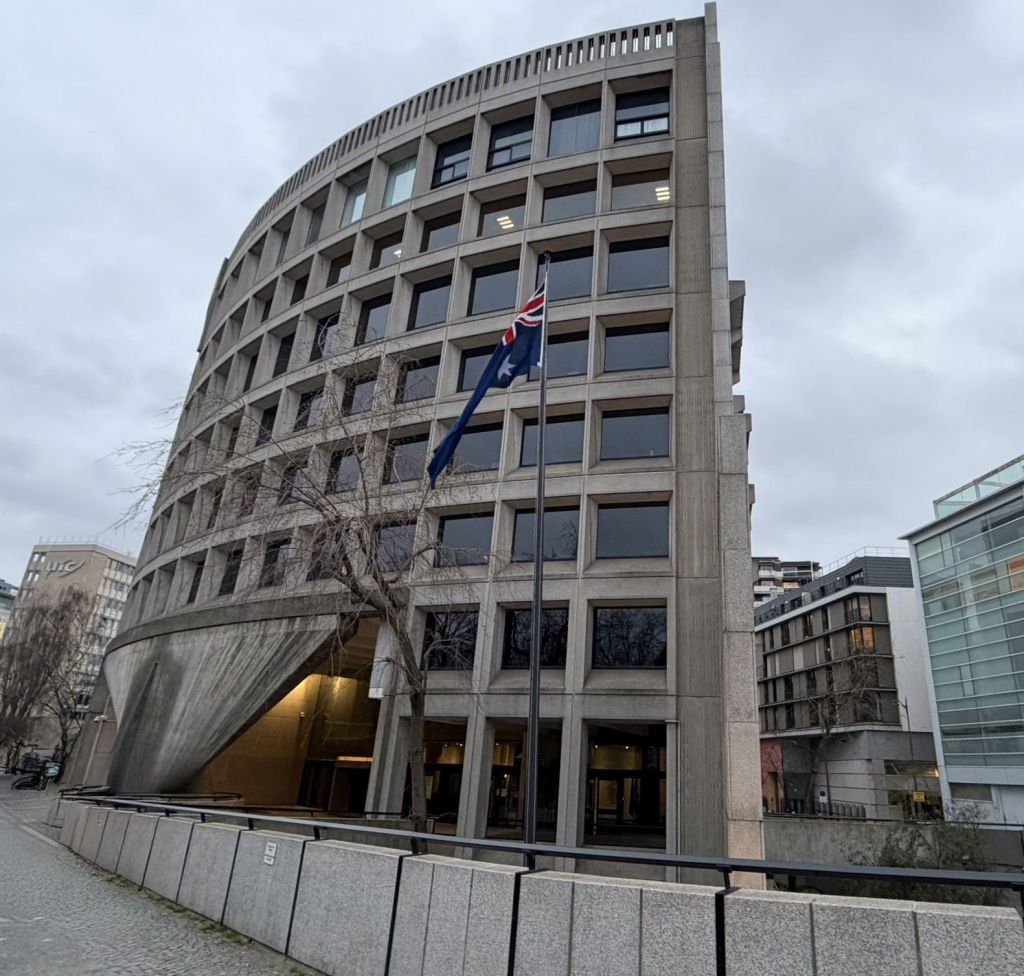
Other Embassies and Consulates.
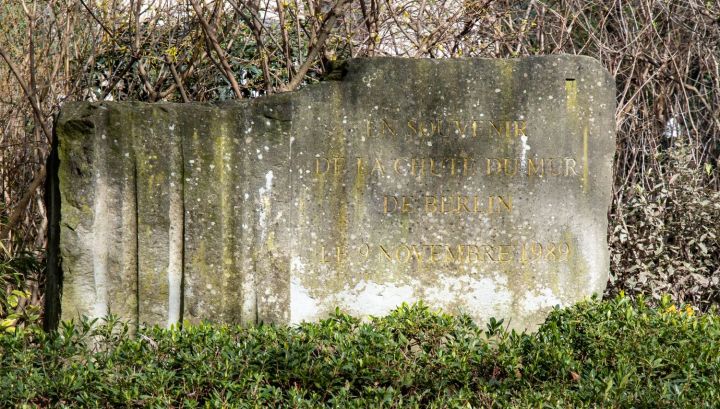
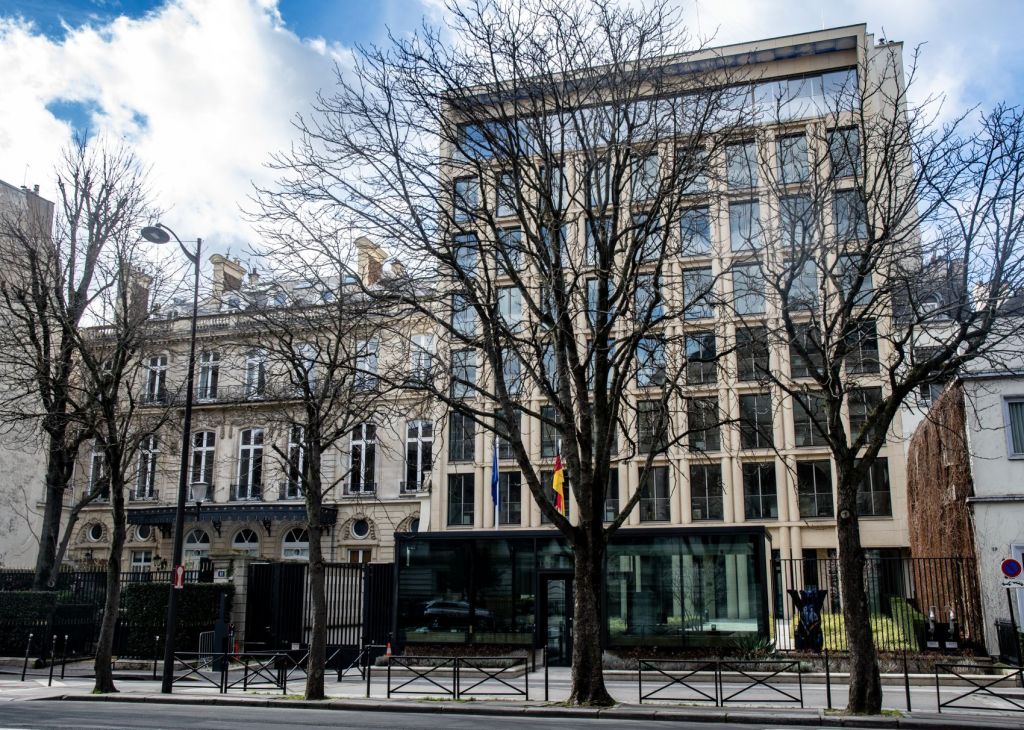
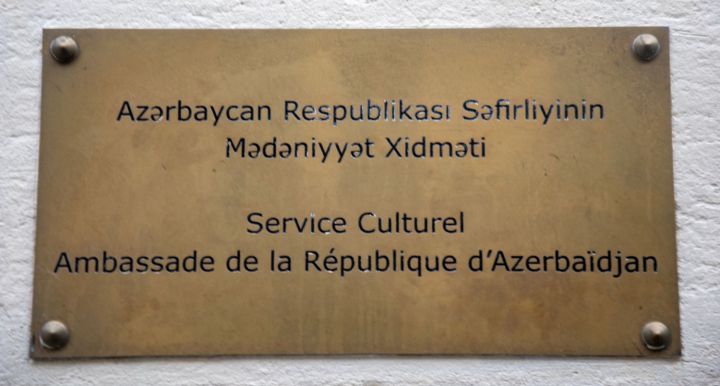
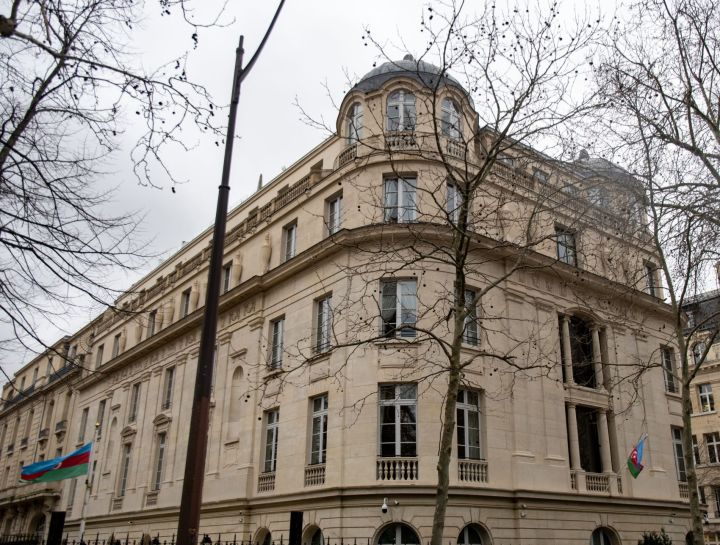
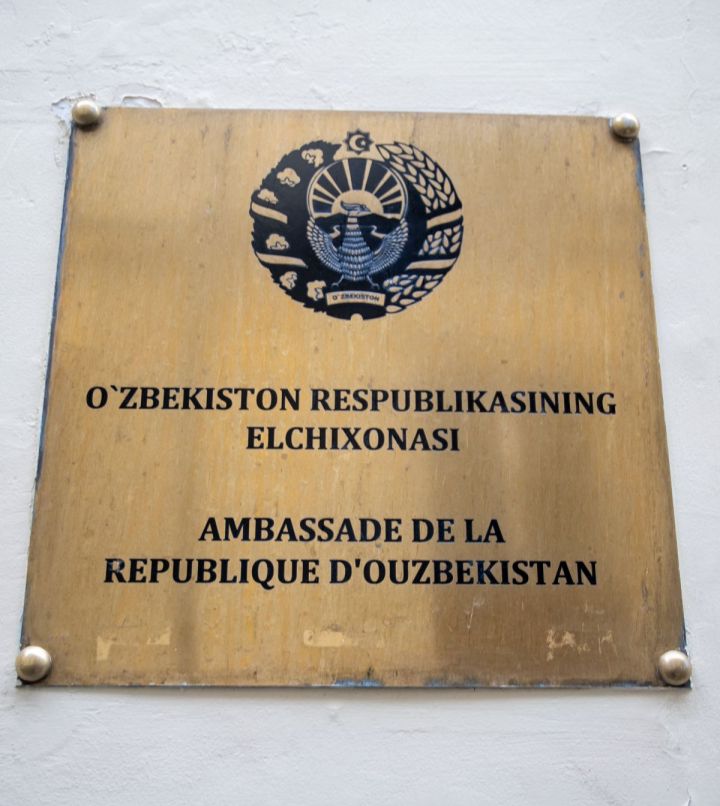
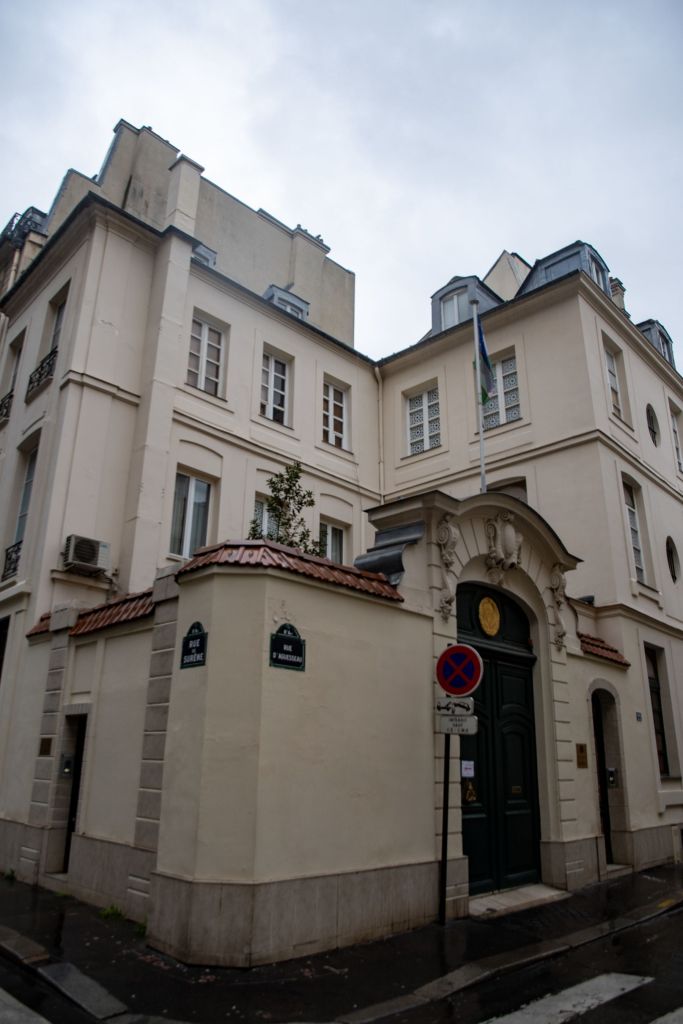
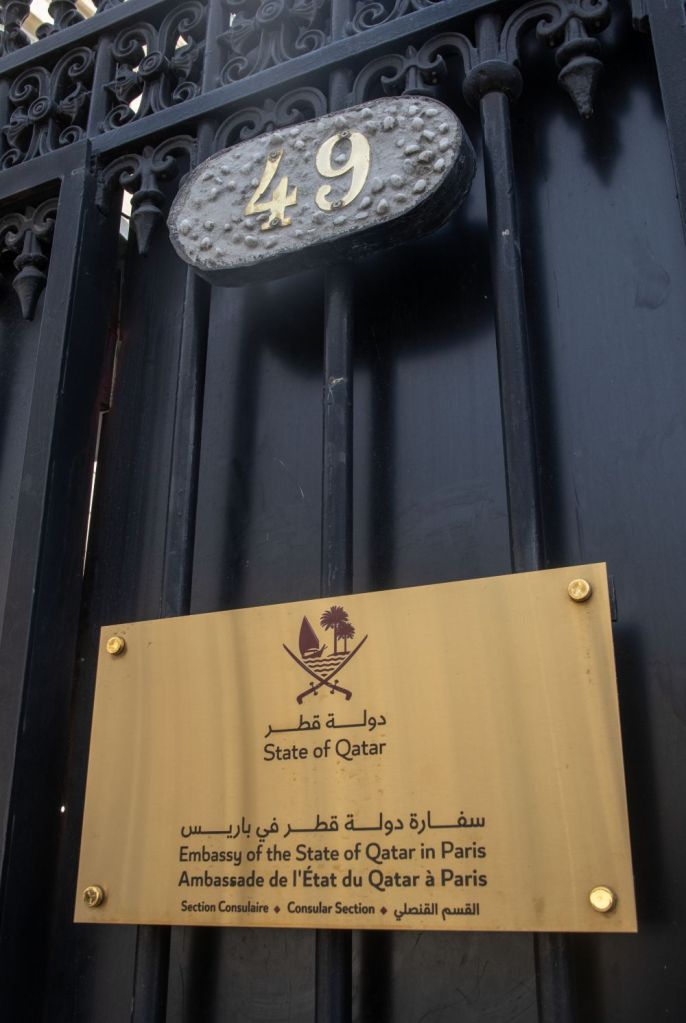
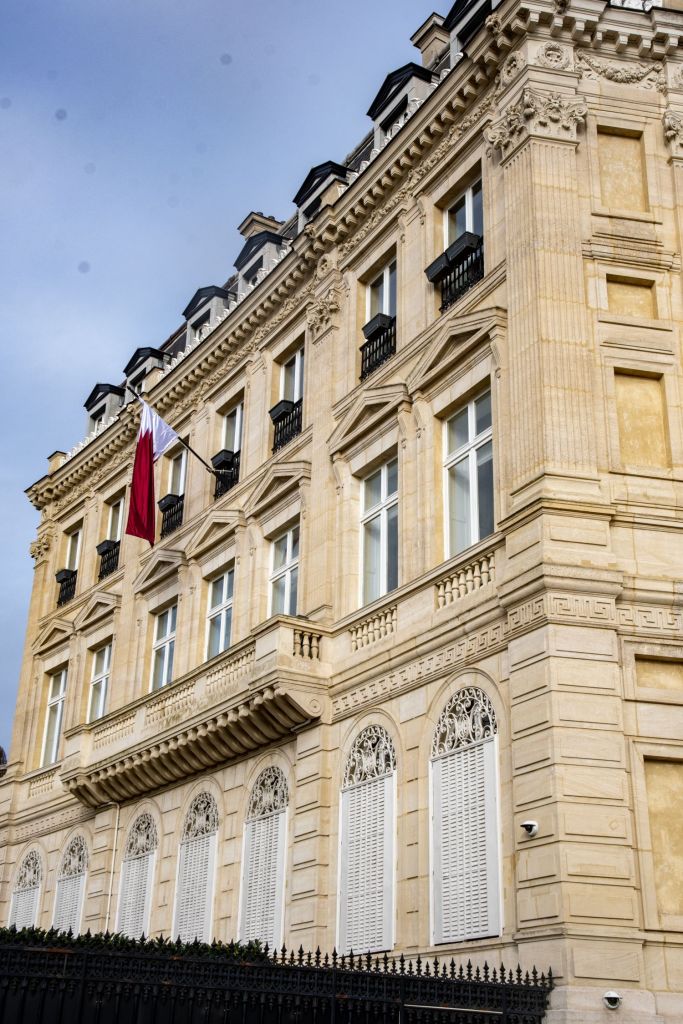
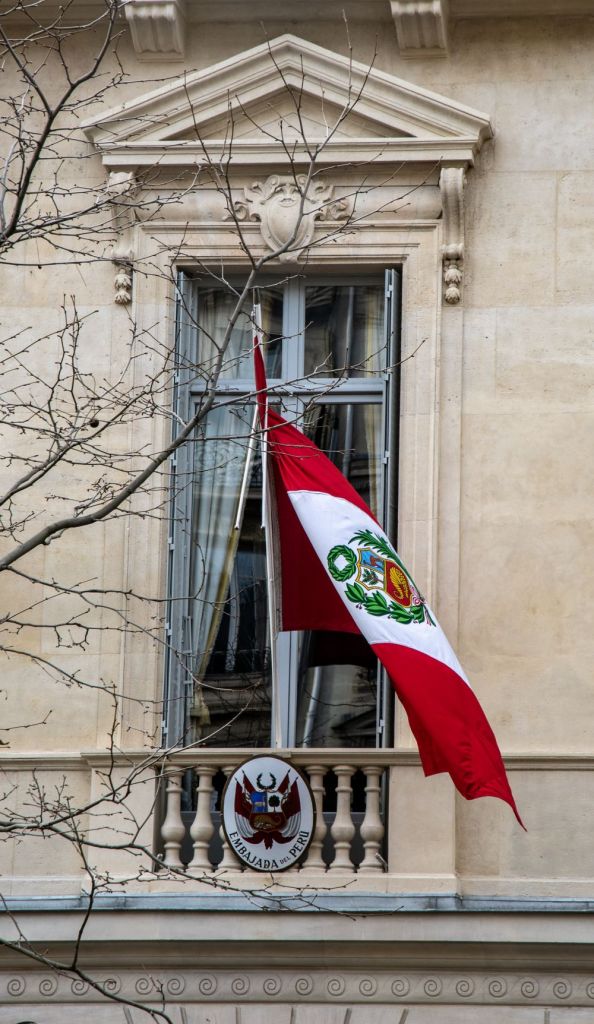
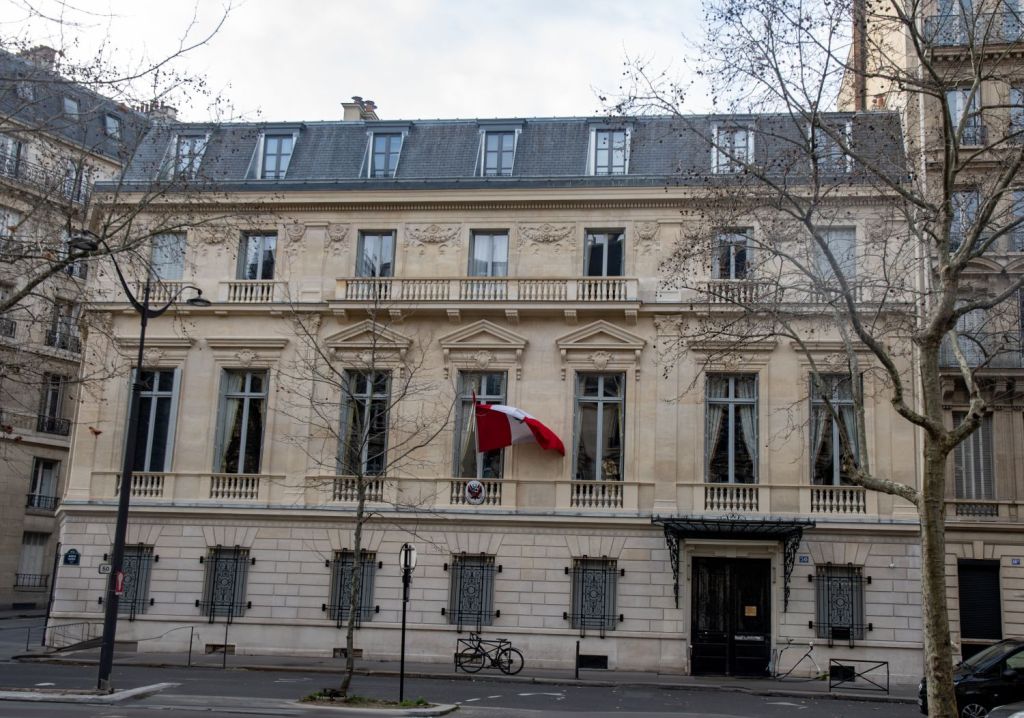
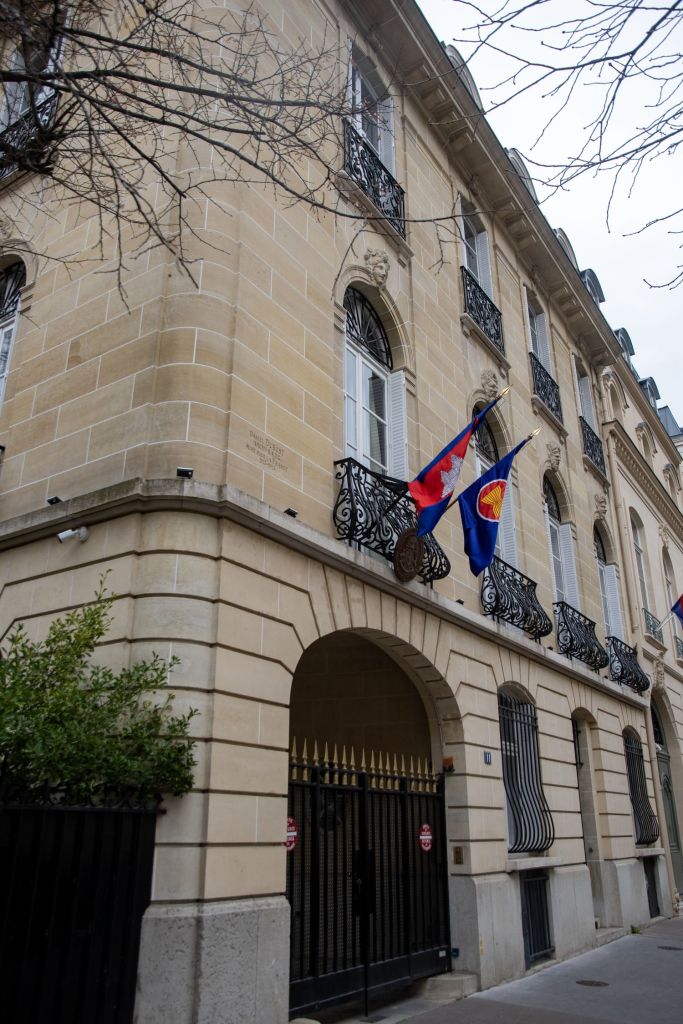
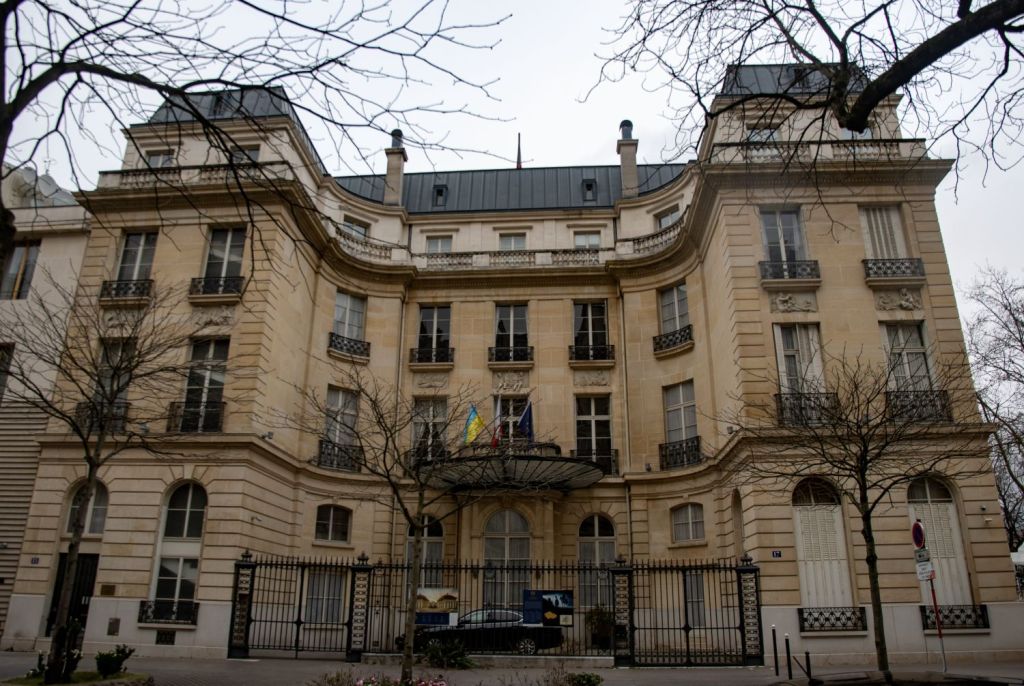

Date of Visit: 23 February 2026
 Barry's Borderpoints