
Today is going to be a long one with several border visits. What better way to start than with a boat trip with Barents Safari from Kirkenes harbour to the Russian border along the Paatsjoki river. Since 1826, the river has marked parts of the Norway–Russia border, except from 1920 to 1944 when it was along the Finland–Norway border. For much of the day we trace the river with a visit to 2 of the hydroelectric power plants upstream. The river provides good fishing opportunities for Atlantic salmon, although fishermen must ensure that their fishing lines do not cross the international border.
We booked a place on the company’s KS15 Riverboat Safari to the Norwegian borderline. During the day we were looked after really well by Nicole and Hans and would thoroughly recommend this trip.

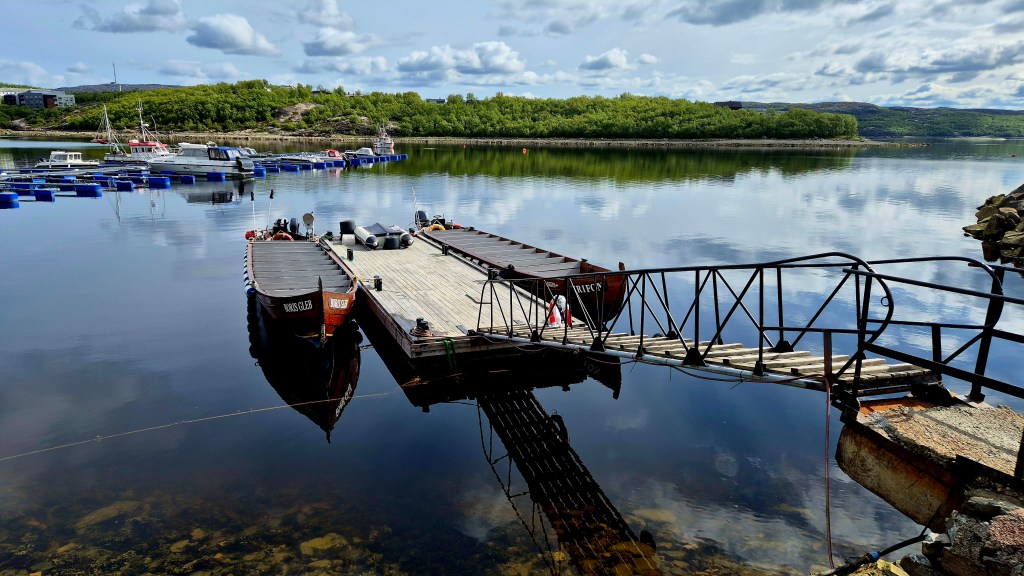
We met at the picturesque Kirkenes harbour, met everyone and relaxed waiting for passengers from the Hurtigruten cruise ship who are joining the safari to the borderline.
The port of Kirkenes is situated close to the Russian/Norwegian border and offers good deep-water quays and sheltered location. The port area comprises a number of private and Port Authority owned quays. Handles iron ore, fish, passengers and general cargo. The port also offers supply services to the offshore oil and gas industry
Kirkenes is usually ice-free.
We got kitted out in our safety equipment and made our way to our wonderfully named boat “Trifon” named after the monk Tryphon, who founded in 1533 the Pechenga monastry, the Northernmost monastry in the world.
I visited this point as part of the IBRG ARTEX-24 expedition.
The harbour
A picturesque spot to sit in the sun and relax.


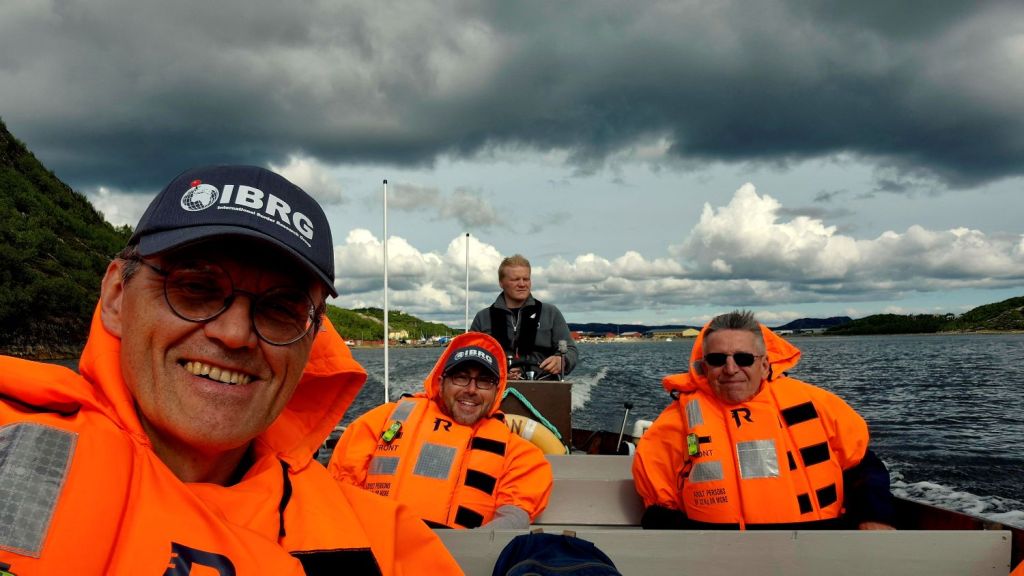
The boat trip
It was a relaxing trip down the river in our newly acquired safety gear.


Our first stop was to see the cave that Tryphon of Pechenga (1495–1583) who was a Russian monk and ascetic in the Eastern Orthodox Church on the Kola Peninsula and in Lapland in the 16th century. He is said to have hidden in a cave in order to escape local Sami fisherman we wanted to kill him. He is considered to be the founder of the Pechenga Monastery and “Enlightener of the Sami”


The Bøkfjord Bridge was completed in 2017, it was built in Germany and towed north along the coast of Norway the bridge was lifted into position by cranes. It removes the need to use the old narrow Elvenes Bridge and its adjacent residential area. We saw this bridge when we visited the Storskog – Borisoglebsky Border Crossing


The border
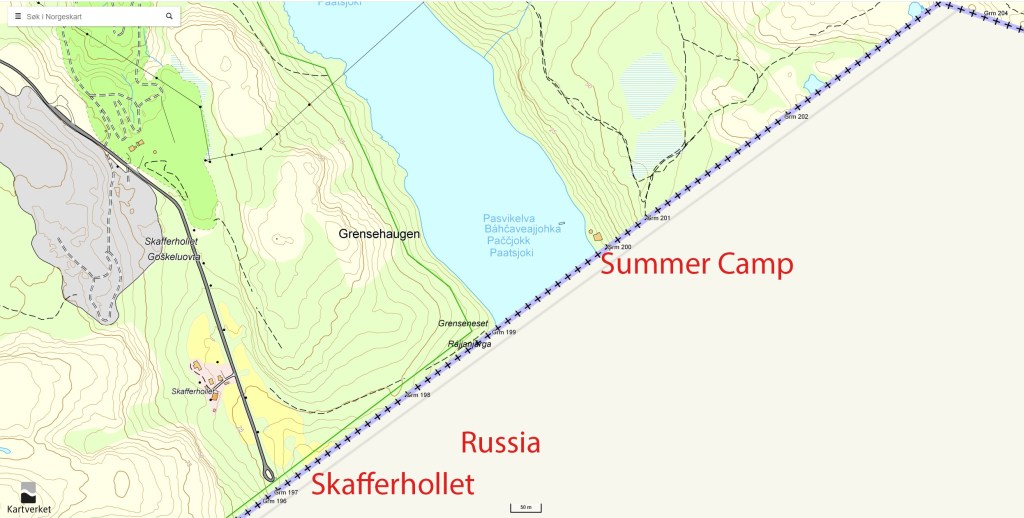
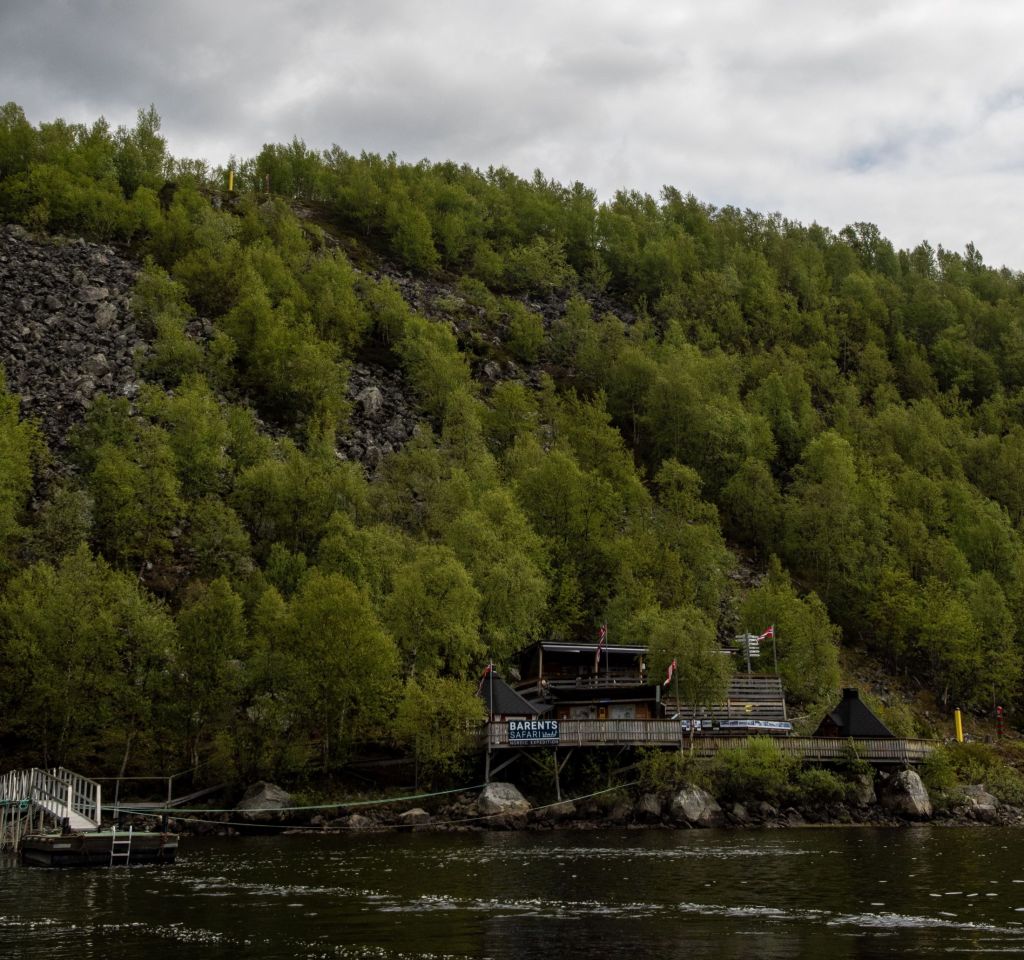
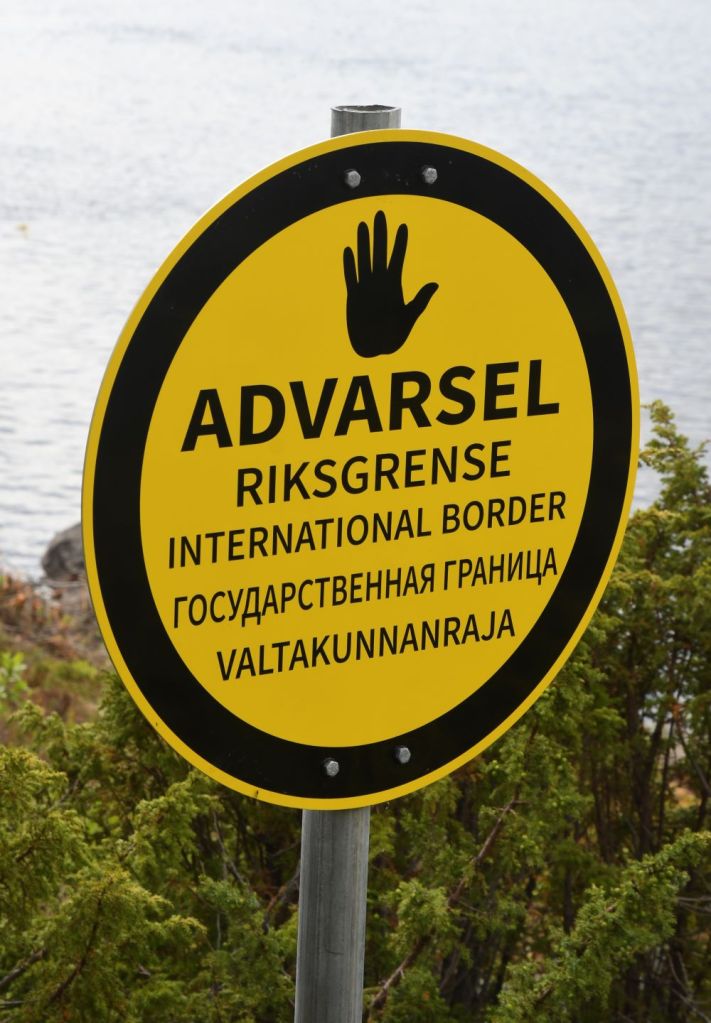
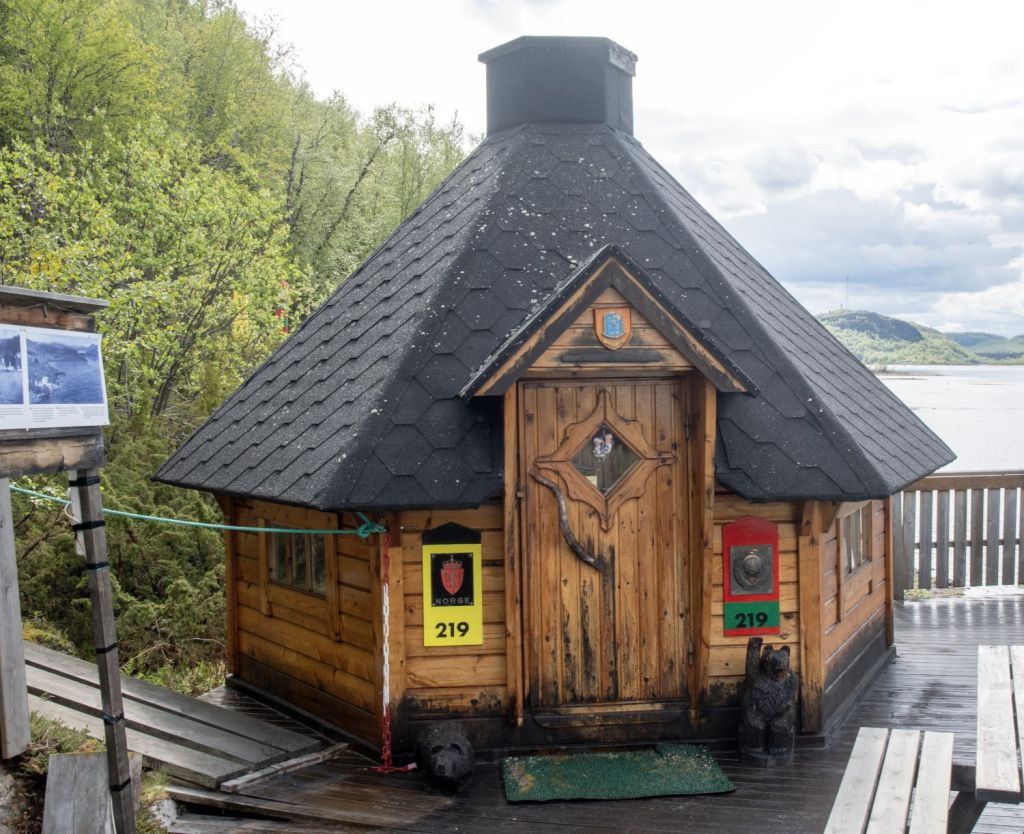
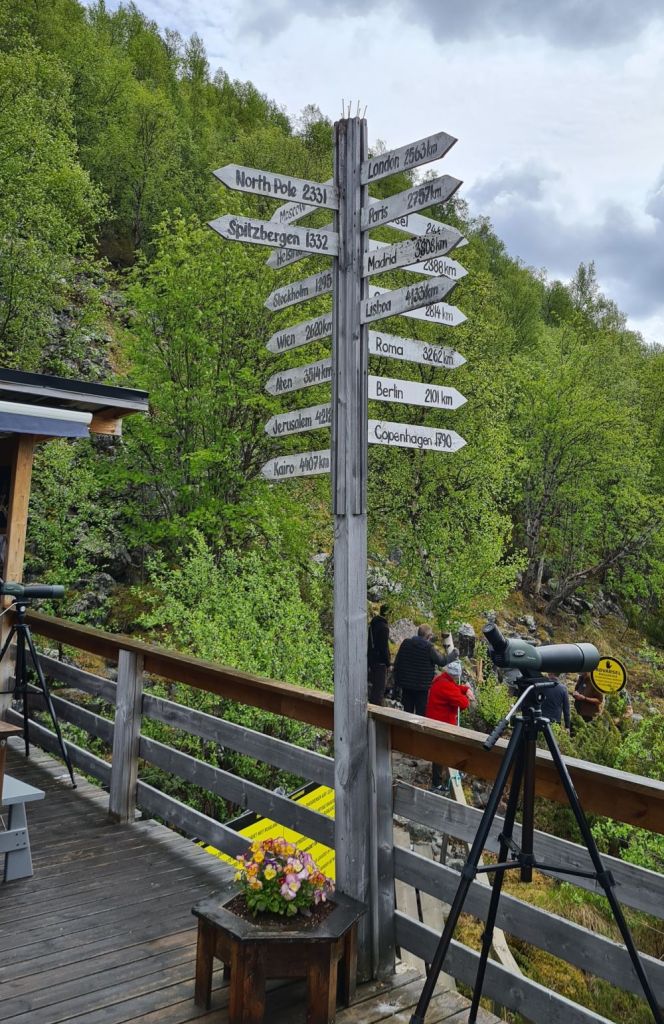
Barents Safari have a summer camp right by the border. There is a local history display focusing on the local people and their culture. The platform is a great place to look into Russia and the Boris Gleb church.
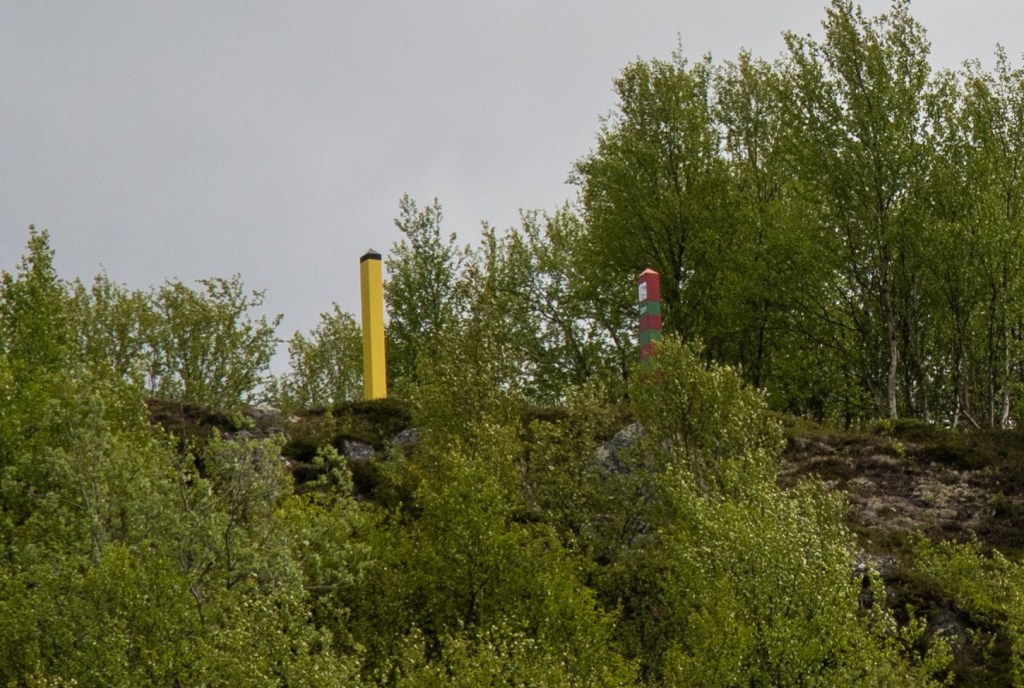

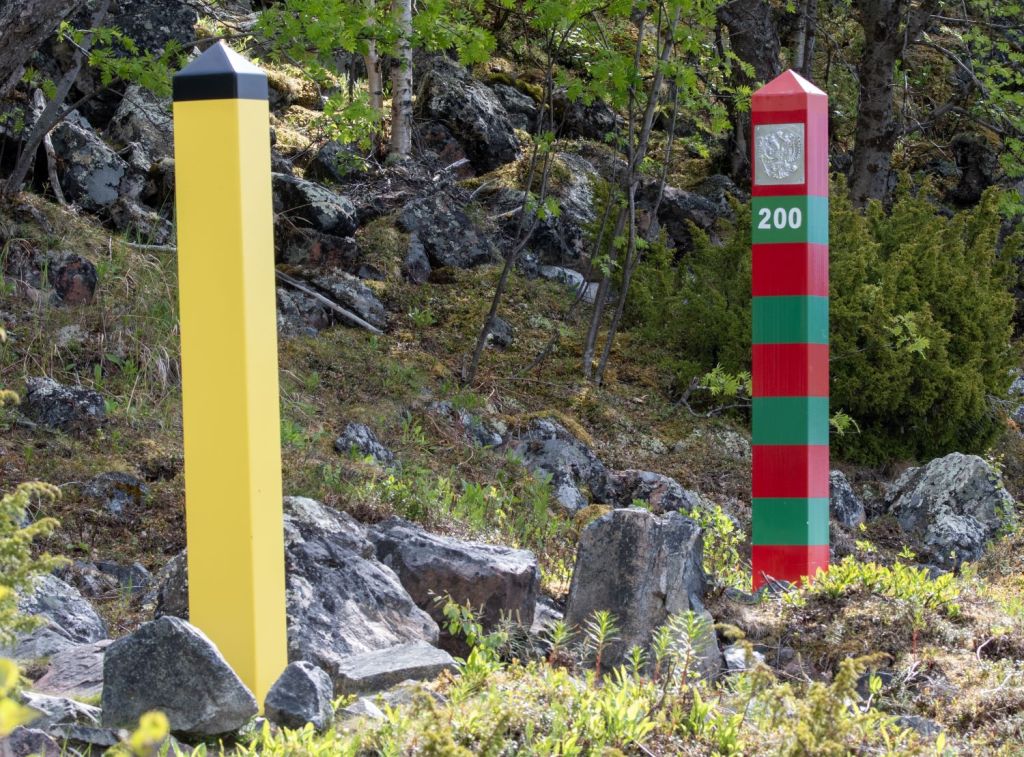

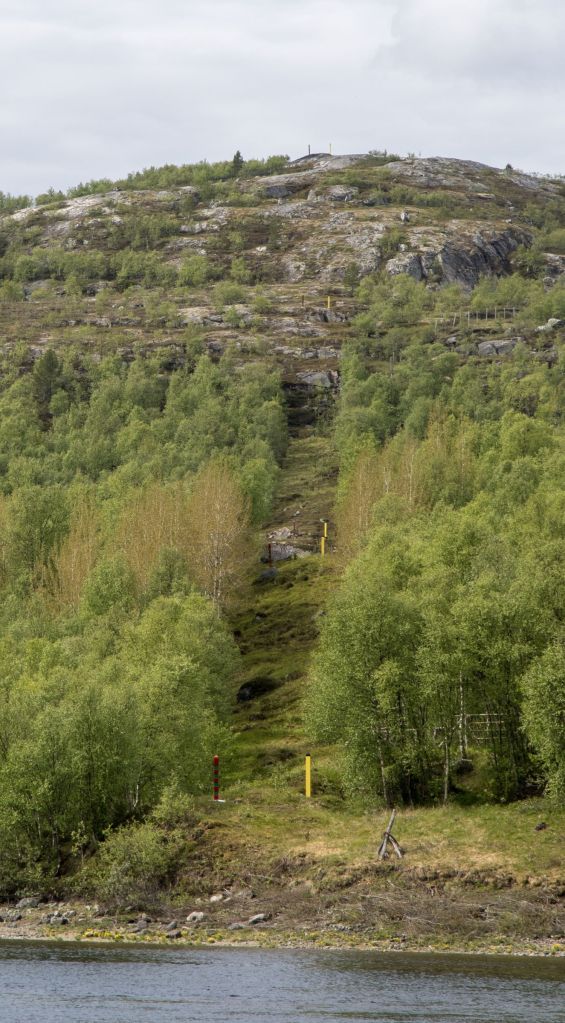

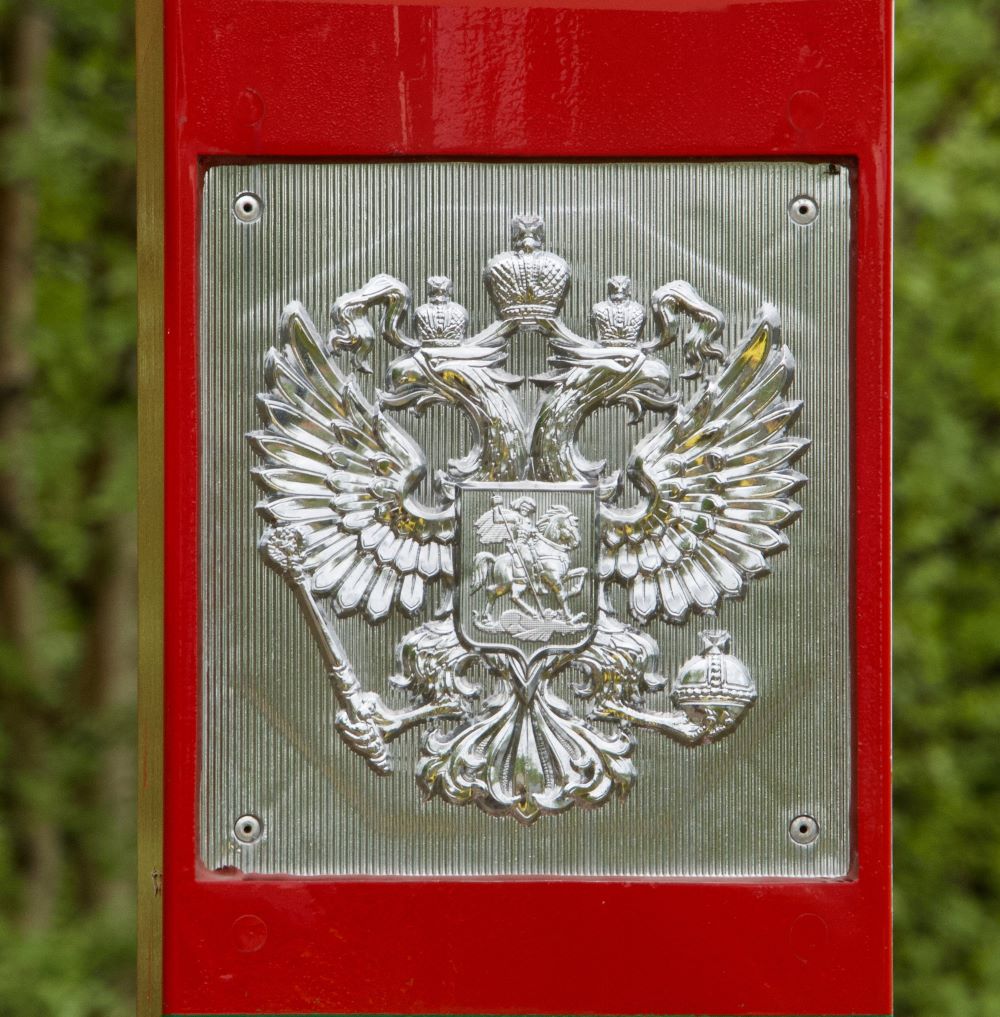
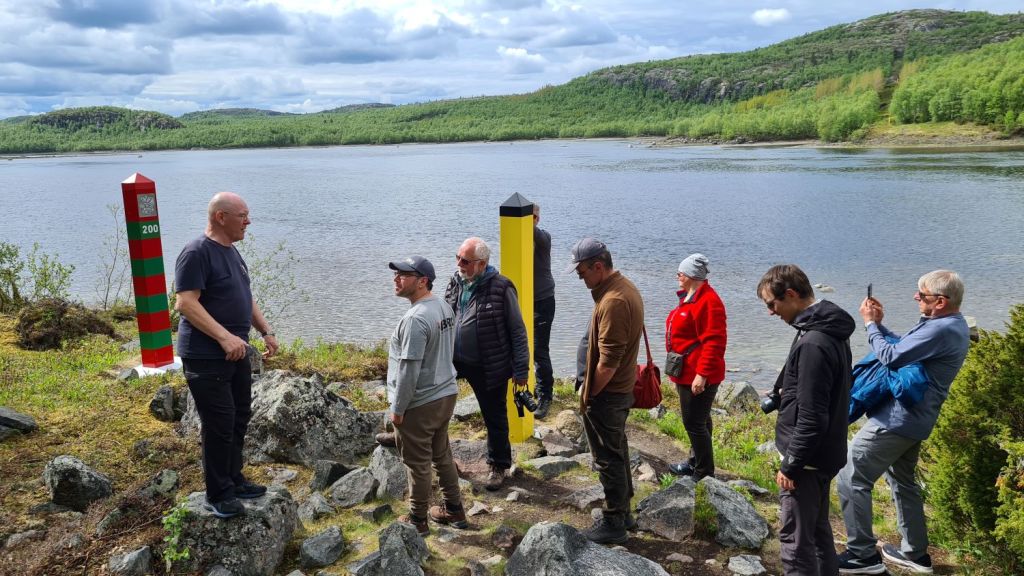
Border marker #200
For many this border marker might be the only one they see. However, to be able to walk a short distance to the border and hear an explanation from Hans was a highlight of the trip.




Views of Russia
The summer camp upper deck provided a great viewpoint for seeing Russia. Borisoglebskaya Dam and the nearby Russian village, built by Norwegian engineers using the Skafferhullet border crossing that we visited yesterday were closer and we could see more detail. For the first time we could see the famous Boris Gleb church. The Boris and Gleb Church was built in 1873 and stands on the site of a chapel originally built by Russian Orthodox monk and missionary Trifon in the 16th Century. It is the only piece of Russian land situated on the western bank of the Pasvik river. When the border between Tsarist Russia and the union state of Sweden-Norway was delineated in 1825, the Russian negotiators demanded that the Boris and Gleb Church and surrounding land should belong to Russia. In return Norway got a far bigger territory on the eastern side of the river. This means that whilst we stood in Norway and looked at the church in Russia the hills behind were once again Norway.

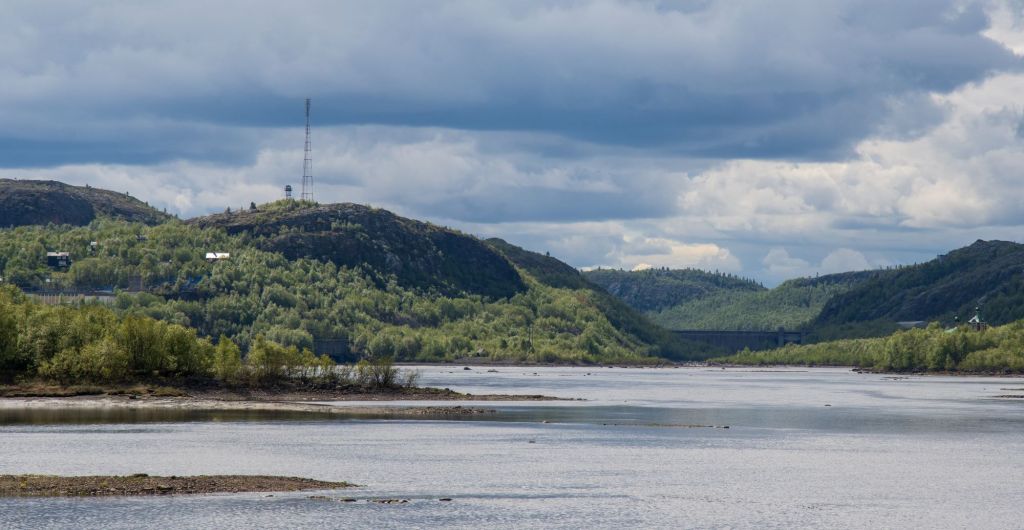
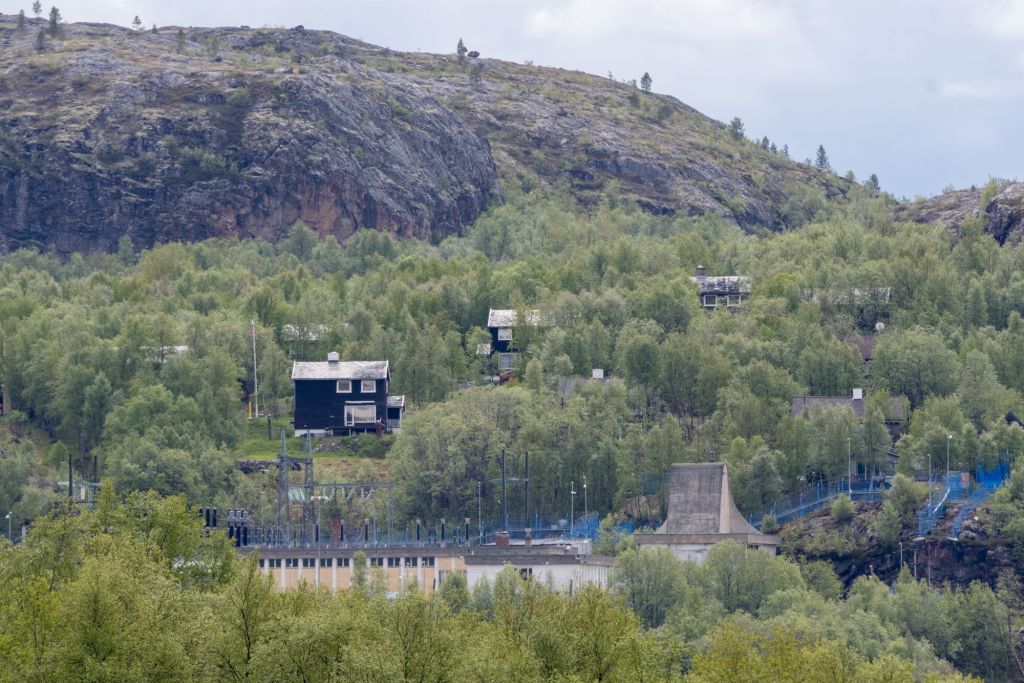


The church of Boris Gleb is located on a small section of Russia on the western side of the Pasvik river. The photo above indicates this geographical anomaly. The second ridge behind the church is the border. BM#178 is visible left of the windsock. The watchtower rear/left is Norwegian, hence I was standing in Norway, looking across a section of Russia (with the church) and back into Norway again.
The summer camp

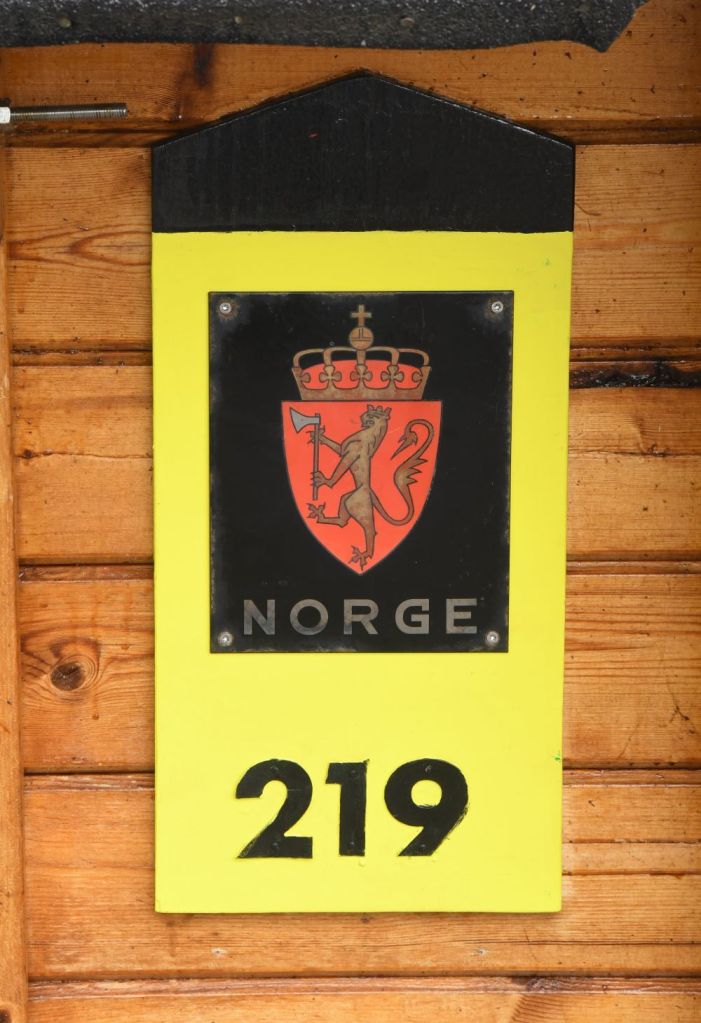
The summer camp acts as a base to visit the BM#200. There is a display of local history and peoples, as well as a chapel and legacy border markers. We also had a coffee and cloudberries with cream, which was very nice.



Date of Visit: 16 June 2024
 Barry's Borderpoints