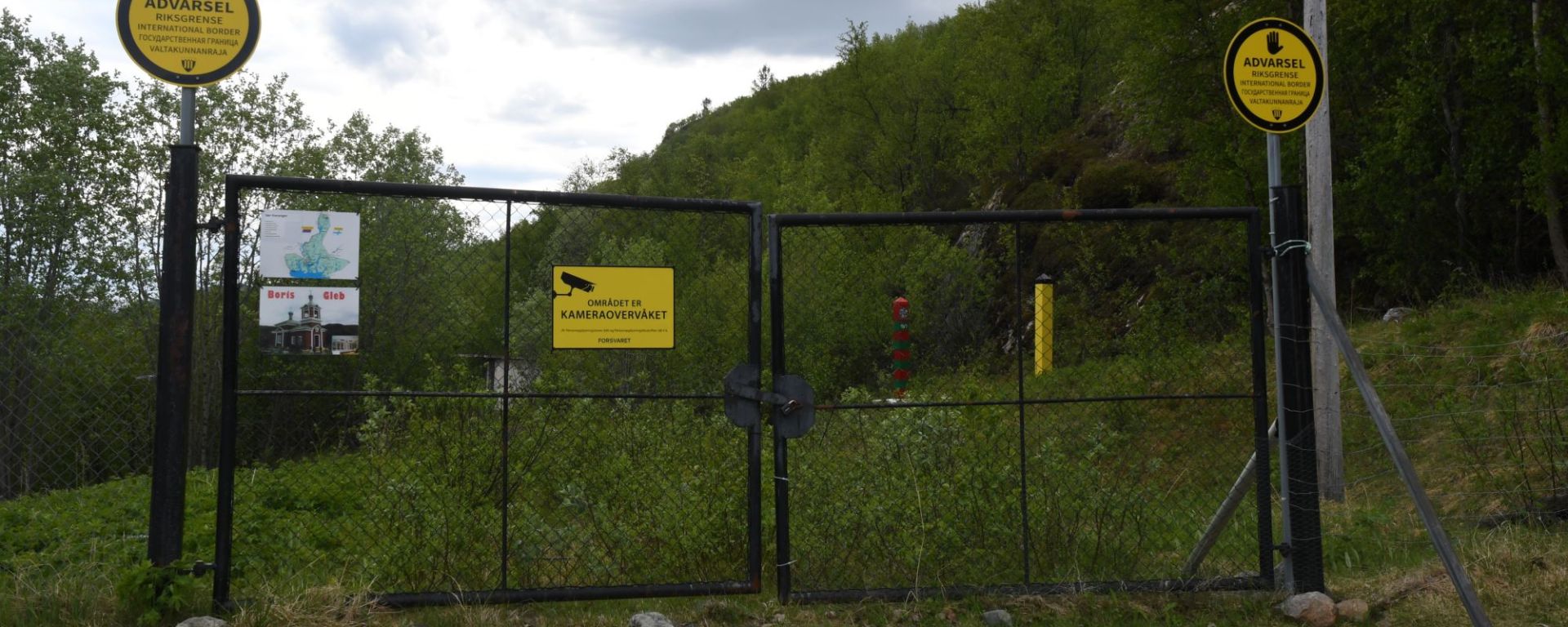

Skafferhullet is a historical border crossing point along the Norway–Russia border (formerly it was on the Finland–Norway border 1920-1944, and Soviet–Norway border up to 1991). The border crossing site was located on the old road between Elvenes in Sør-Varanger Municipality, Finnmark county, Norway and Borisoglebsky in Murmansk Oblast, Russia. I visited this point as part of the IBRG ARTEX-24 expedition.
This crossing point is a fascinating place, with 2 border markers, the old Russian border facilities and a road that disappears towards the now out of reach Boris Gleb church. The Boris and Gleb Church was built in 1873 and stands on the site of a chapel originally built by Russian Orthodox monk and missionary Trifon in the 16th Century. It is the only piece of Russian land situated on the western bank of the Pasvik river. When the border between Tsarist Russia and the union state of Sweden-Norway was delineated in 1825, the Russian negotiators demanded that the Boris and Gleb Church and surrounding land should belong to Russia. In return Norway got a far bigger territory on the eastern side of the river.
The Borisoglebsk area is part of the Russian border zone and only people with special permission are allowed to visit the church which is open at Easter and August.


The road was initially built to aid the construction of the hydroelectric dam. The dam and the houses built by the Norwegian company in Russia are visible from the border fence. Following the construction of the dam the border was closed.
In 1965, the Soviet government opened a visa-free border crossing with Norway that allowed Scandinavian citizens easy entry to the Soviet Union, where they could enjoy Russian food, pop music and, most strategically, cheap vodka at the Boris Gleb Bar. Because the neighbouring Norwegian municipality of Sør-Varanger had no liquor store, the bar proved extremely popular. There was even a hotel where visitors could spend the night. No restrictions were placed on the number of border crossings allowed. In exchange for this remarkable Cold War move, the Soviets got good press in Norway, along with much-needed hard currency. This situation however did not last long and the border was once again closed, mainly due to smuggling and poor behaviour. Rumour had it that the barmaids were all employed by the KBG.
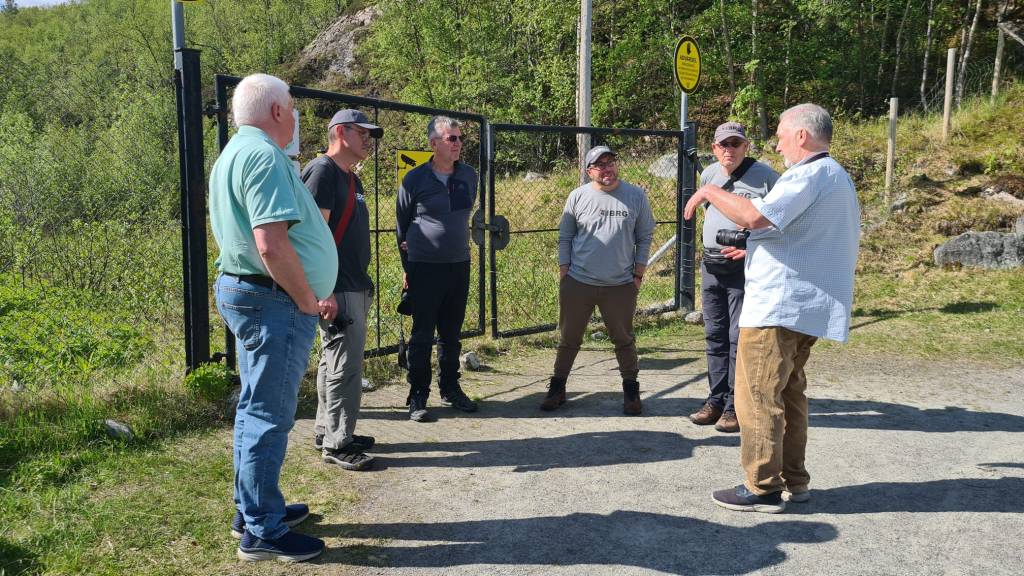
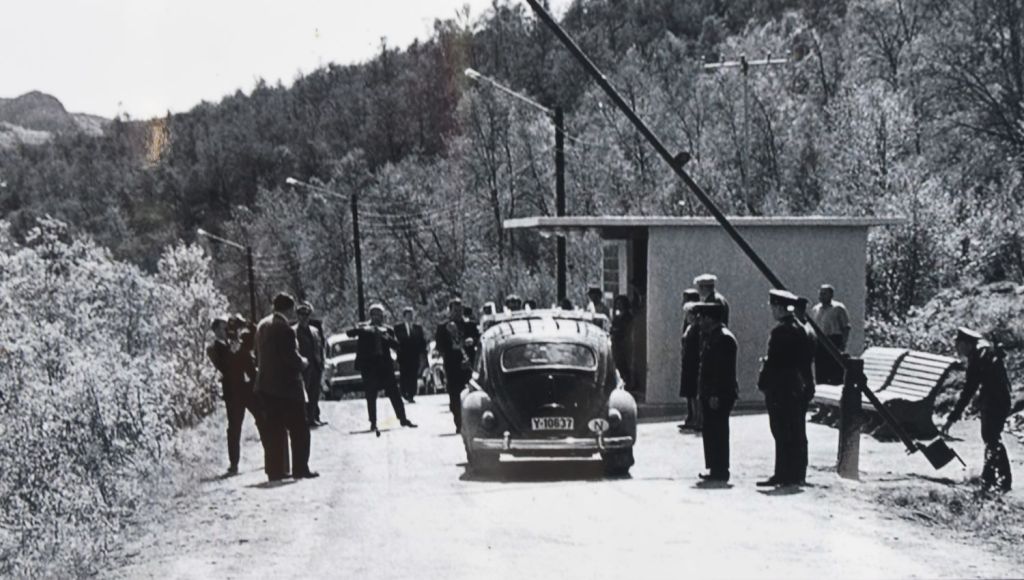
We were lucky to be accompanied by Frode Nielsen Børfjord an editor journalist with Sør-Varanger Avis
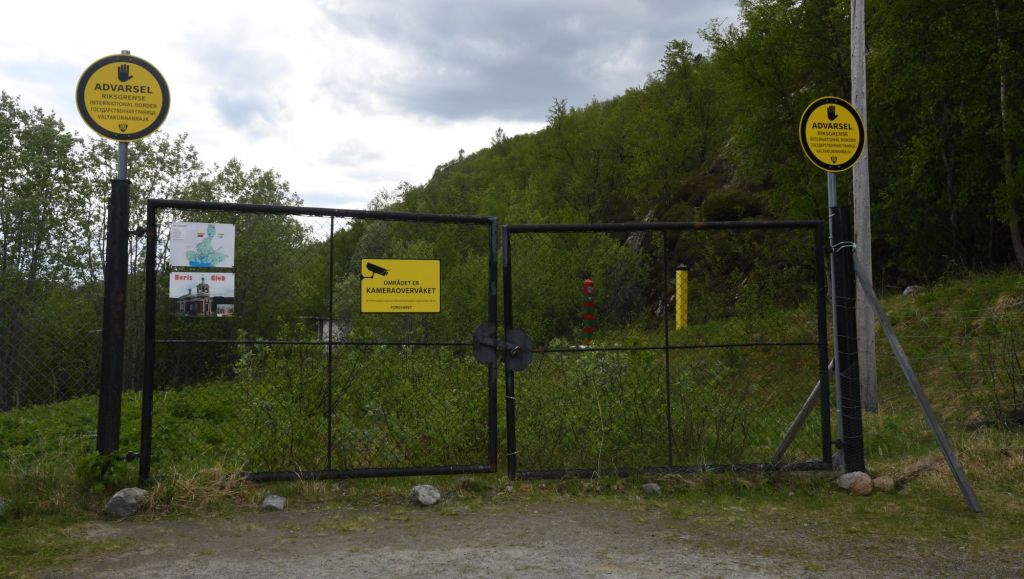
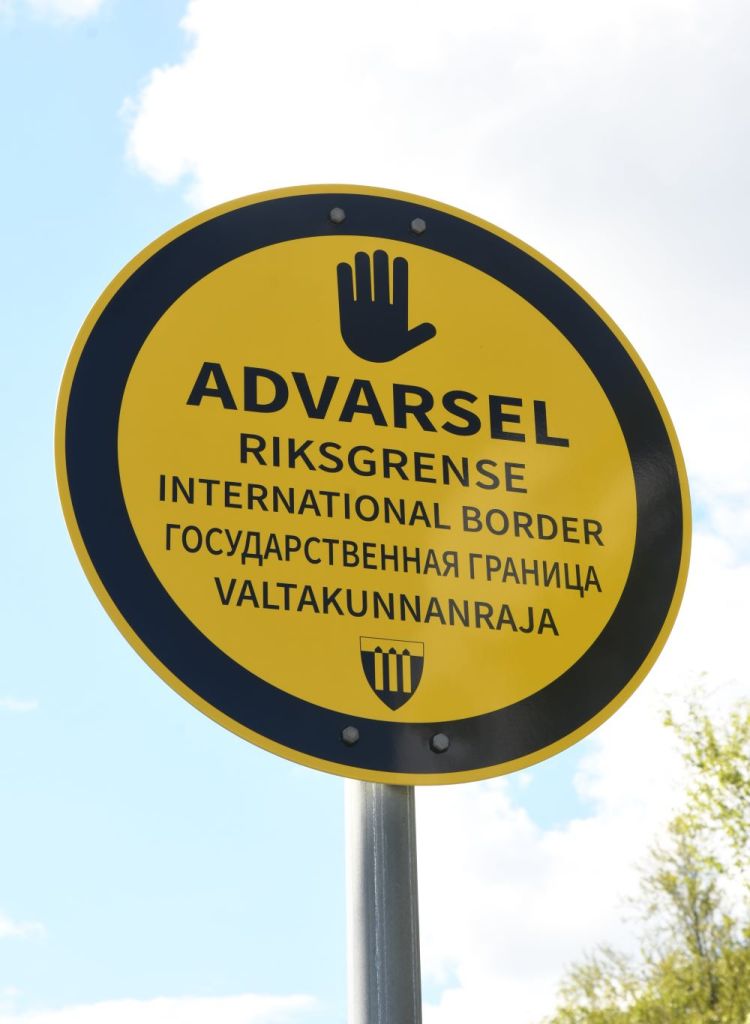
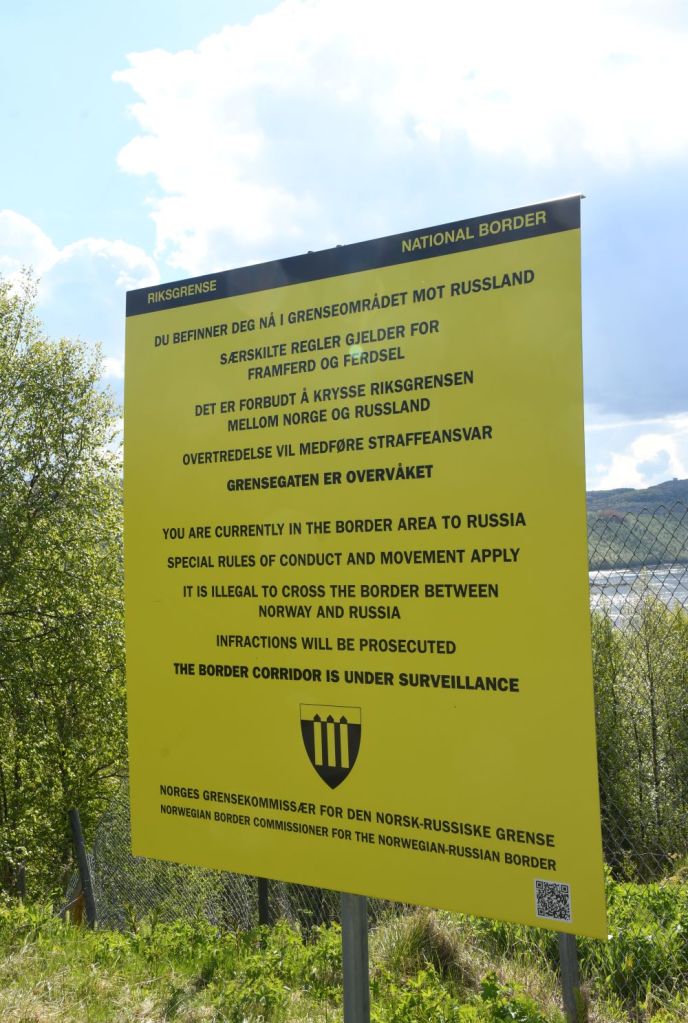


Skafferhullet is an amazing place to visit, the road disappears past the old Russian border control facilities. The dam, village and Boris Gleb church are very close but completely out of reach.

The Russian hydroelectric dam and village
So close but out of reach the Russian facilities built by a Norwegian company in the early 1960’s.

Border Treaty Documentation



Dates of Visit: 15 June 2024
 Barry's Borderpoints
Thank you very much for a very interesting blog – I thought I was the only one interested in borders, tripoints etc. I find the Skafferhullet and the Norway/Russia/Finland tripoint particularly fascinating, and would really like to visit these places some day. Keep up the good work!
LikeLiked by 1 person
There are a few of us. Check the IBRG page of my website.
LikeLike