
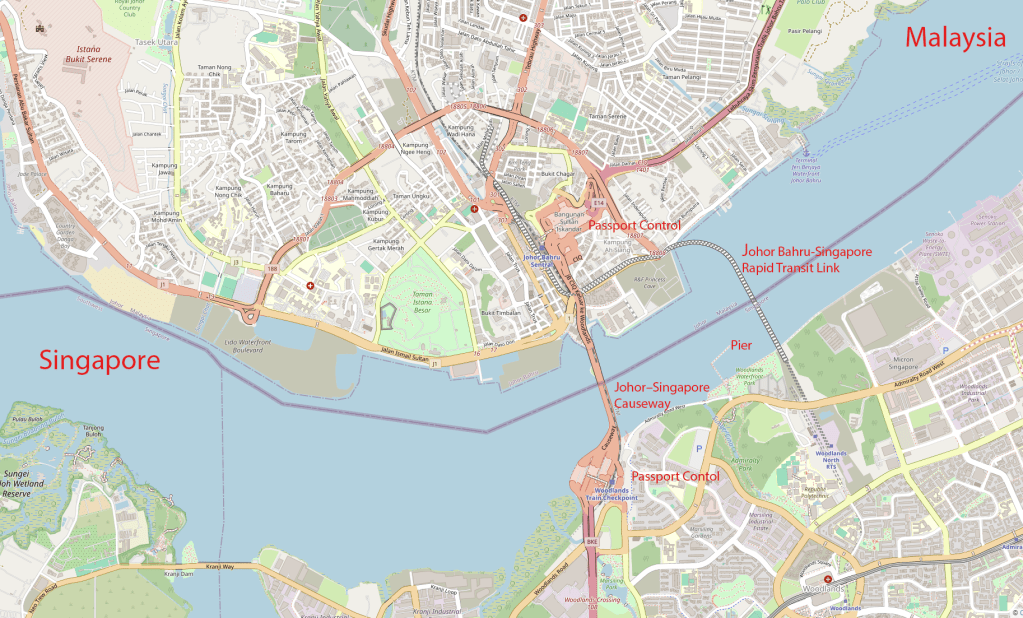
The Johor–Singapore Causeway is a 1.056-kilometre causeway consisting of a combined railway and motorway bridge that links the city of Johor Bahru in Malaysia across the Straits of Johor to the district and town of Woodlands in Singapore. It was the only land connection between the two from 1928 until 1998, when the Tuas Second Link opened. The rail service across the Causeway began operating on 17 September 1923, with an initial cargo of mail. It then opened for passenger traffic on 1 October. Construction on the road connection continued for some time after this, and the Causeway was officially opened on 28 June 1924.
The distance between Singapore’s Woodlands Checkpoint and Malaysia’s Bangunan Sultan Iskandar is approximately 2.4 km. The causeway also serves as a water pipeline between the two countries. It is one of the busiest border crossings in the world, with 350,000 travellers daily. Many Malaysians continue to live in Malaysia and commute daily (with either public or private transportation) to Singapore, enduring extremely long journey times with extreme heavy traffic congestion on weekdays. The border is handled by immigration authorities of both countries at the Southern Integrated Gateway (Malaysia) and Woodlands Checkpoint (Singapore).

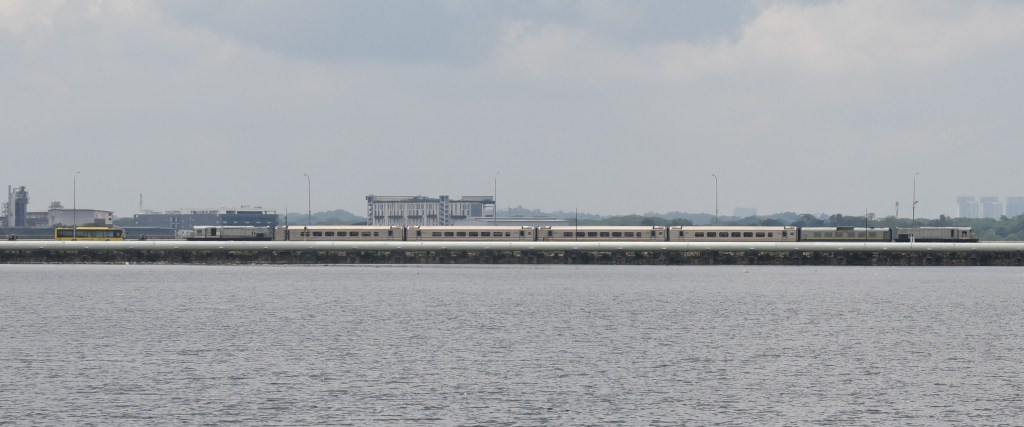
The Causeway
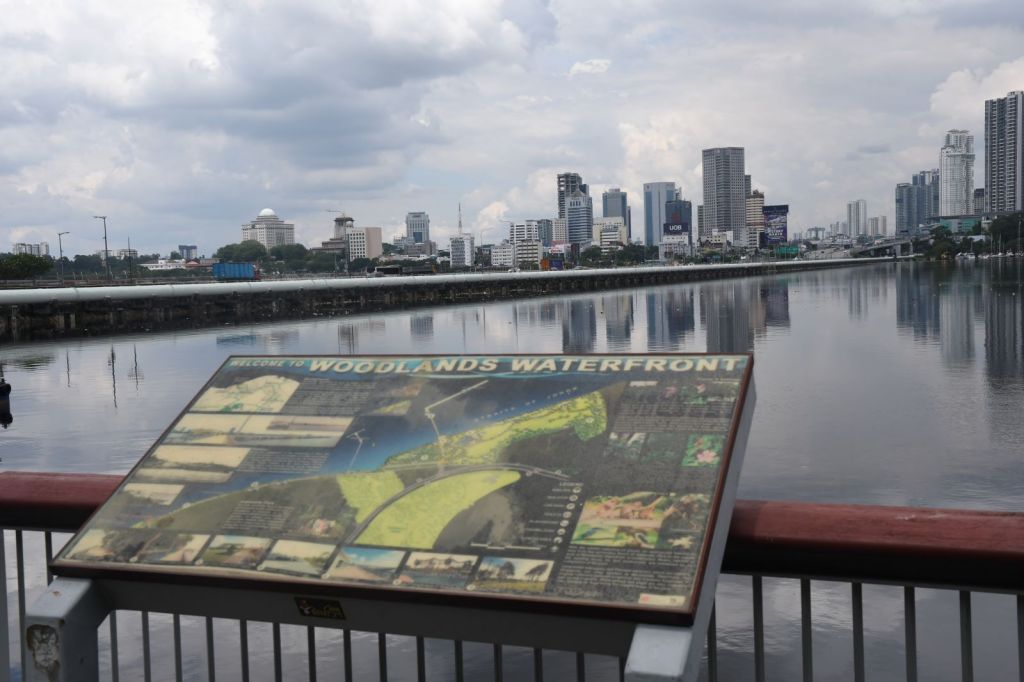
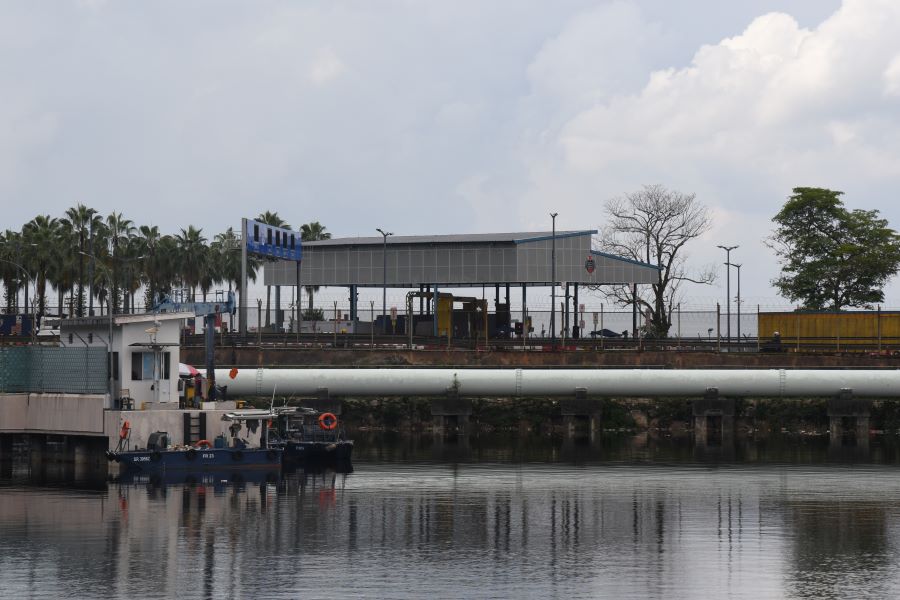
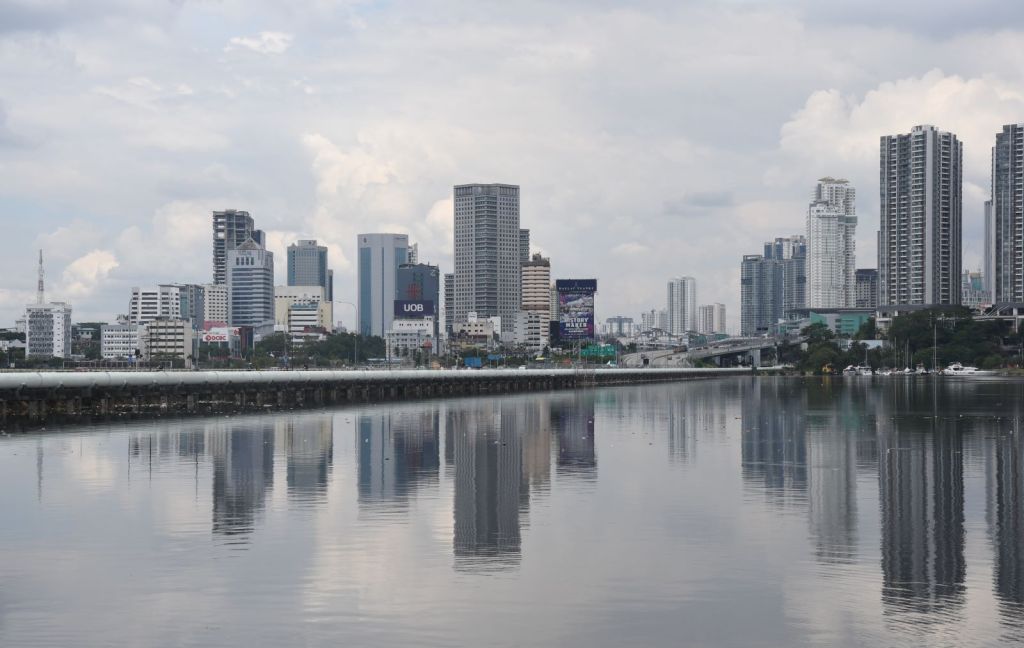
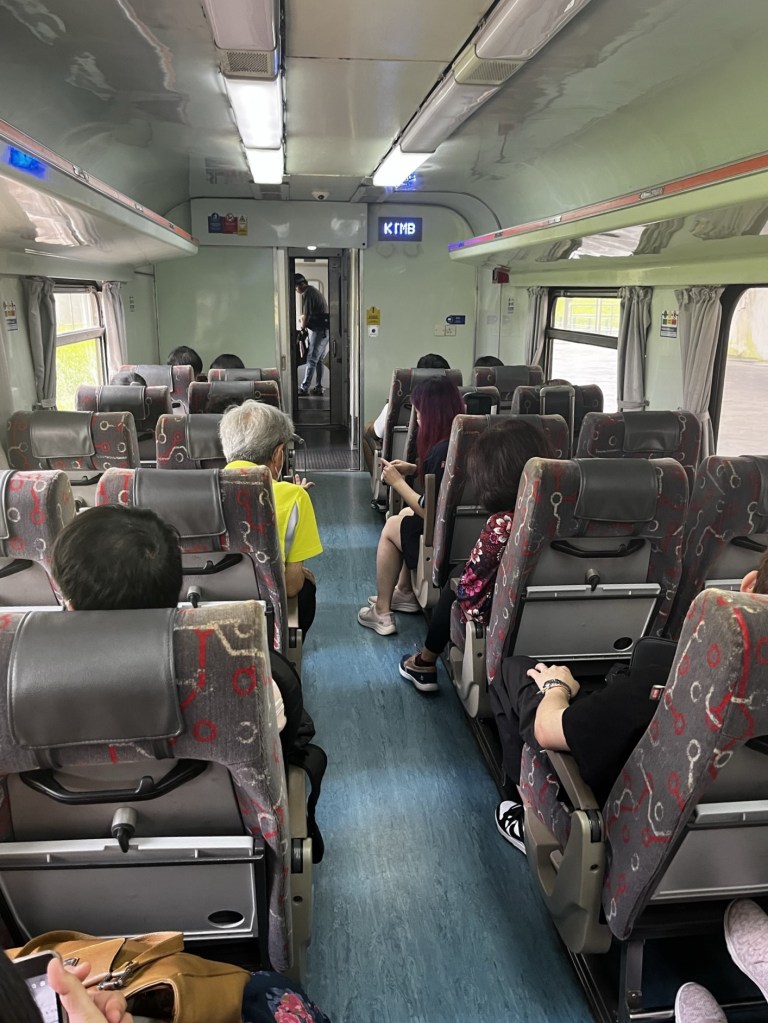
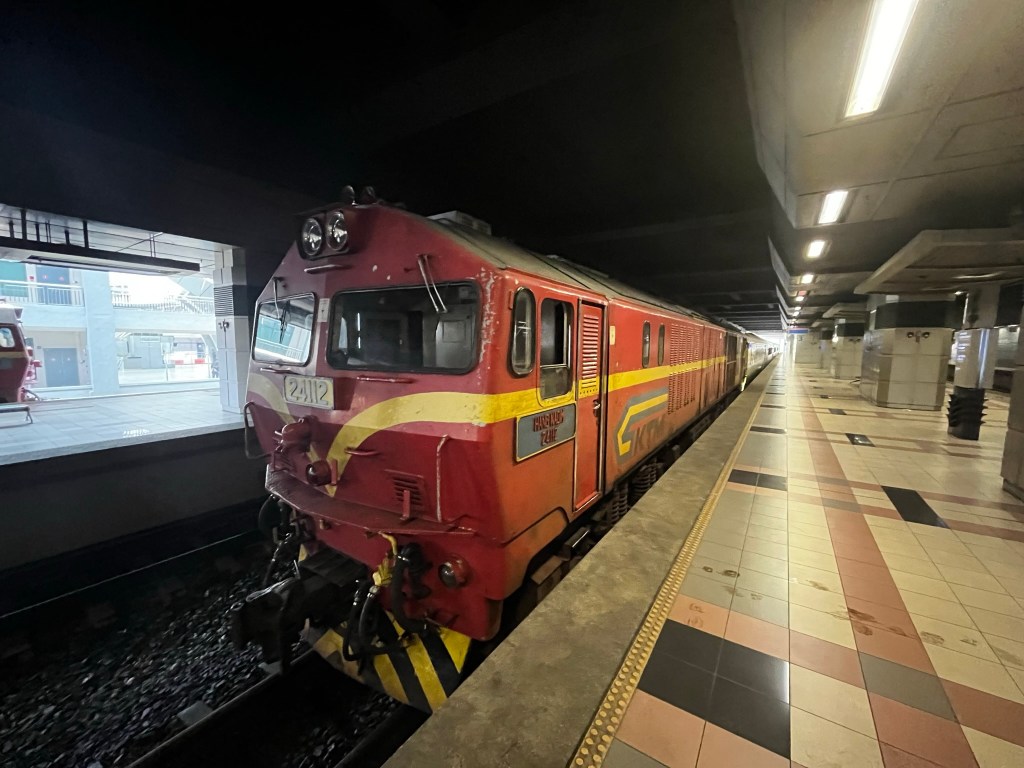
I walked from Woodlands Waterfront Park towards the Causeway. The promenade was a great place not only to view the border crossing but also Johor Bahru across the Straits in Malaysia. I travelled across the causeway by train into Malaysia and returned via bus.

Woodlands Border Control Facility
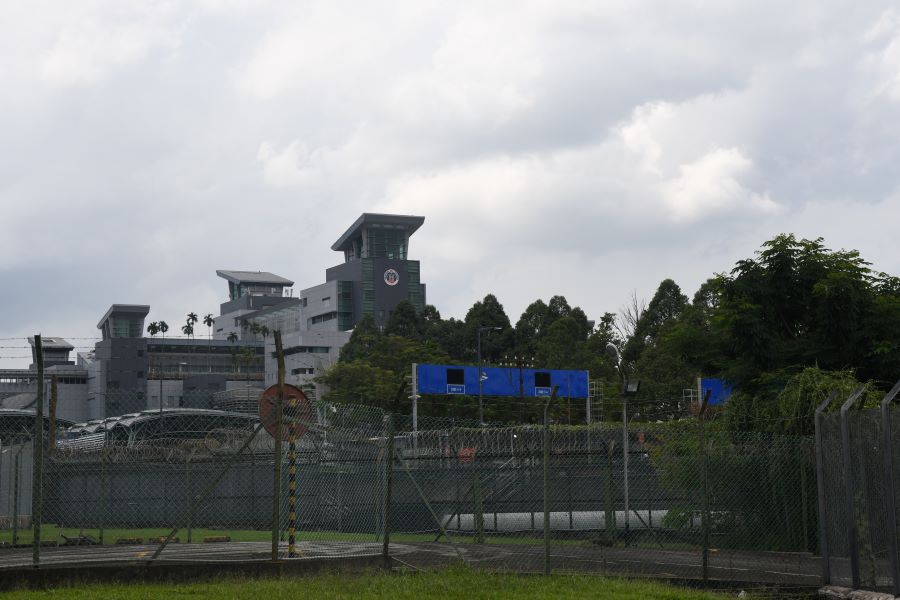
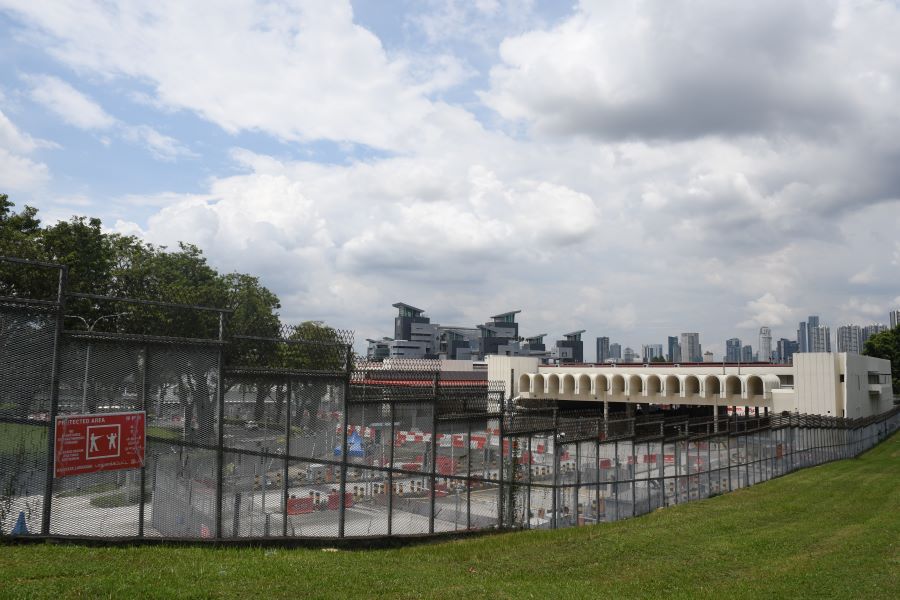
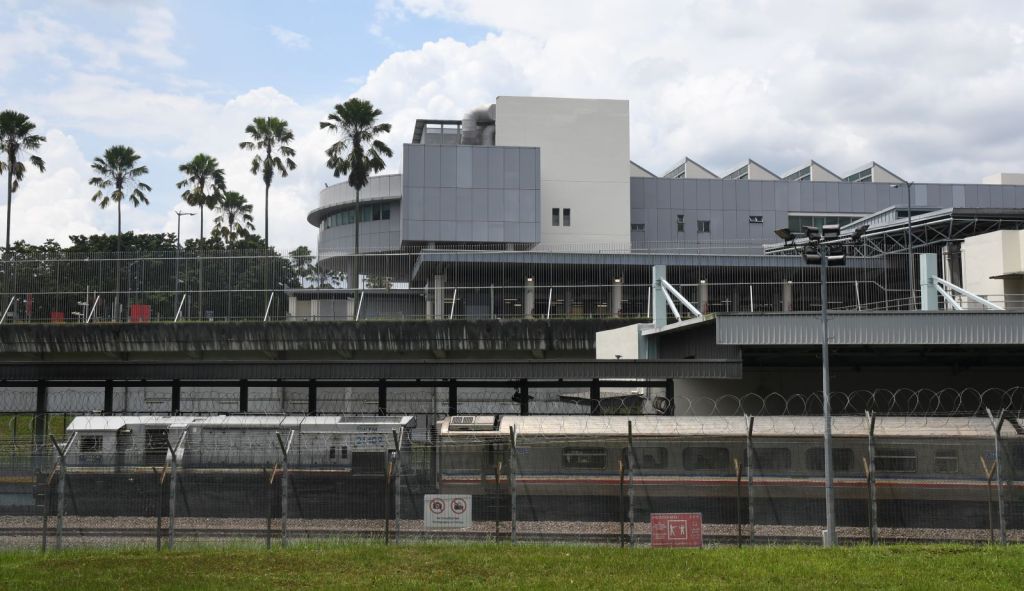
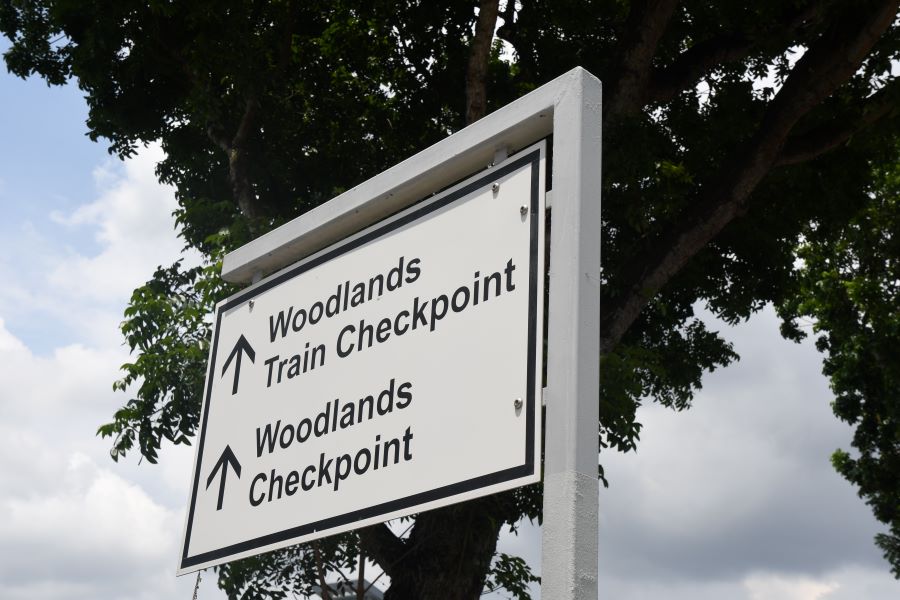
Woodlands Train Checkpoint (abbreviated as WTCP, also known as Woodlands CIQ) is a railway station and border checkpoint in Woodlands, Singapore. Located close to the Malaysia–Singapore border, the station is owned by Singapore’s Immigration and Checkpoints Authority (ICA) and is operated by the Malaysian railway operator Keretapi Tanah Melayu (KTM) in agreement with the Singaporean authorities. Constructed from 1992 to 1997, Woodlands Train Checkpoint was opened on 1 August 1998 as the Singapore border control facility for rail passengers. The Checkpoint is also a bus terminus for Singaporean domestic services as well as cross border shuttles.
Northbound passengers clear both Singapore’s and Malaysia’s customs and immigration at Woodlands Train Checkpoint before boarding the train for Malaysia, while southbound passengers clear Malaysian Immigration at Johor Bahru Sentral railway station and Singapore customs and immigration at Woodlands Train Checkpoint.




Train services
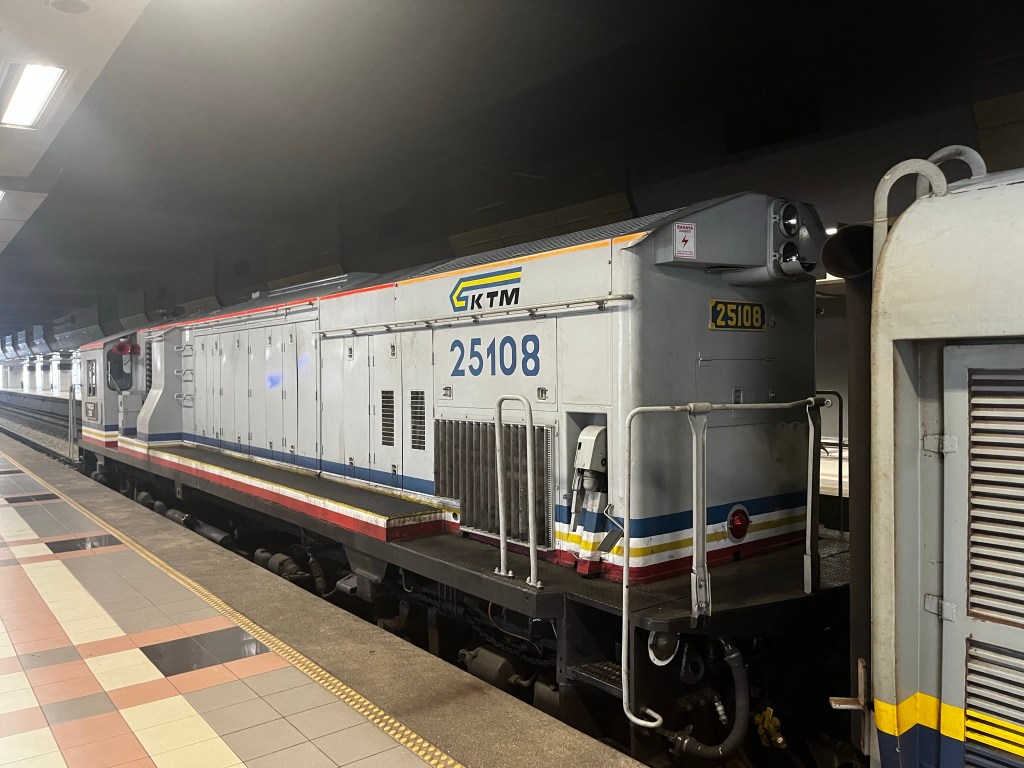
A diesel powered shuttle train service, known as the Shuttle Tebrau and operated by KTM, links Woodlands Train Checkpoint with Johor Bahru Sentral. There are 31 trips daily: 17 trips from Johor Bahru and 14 trips from Woodlands

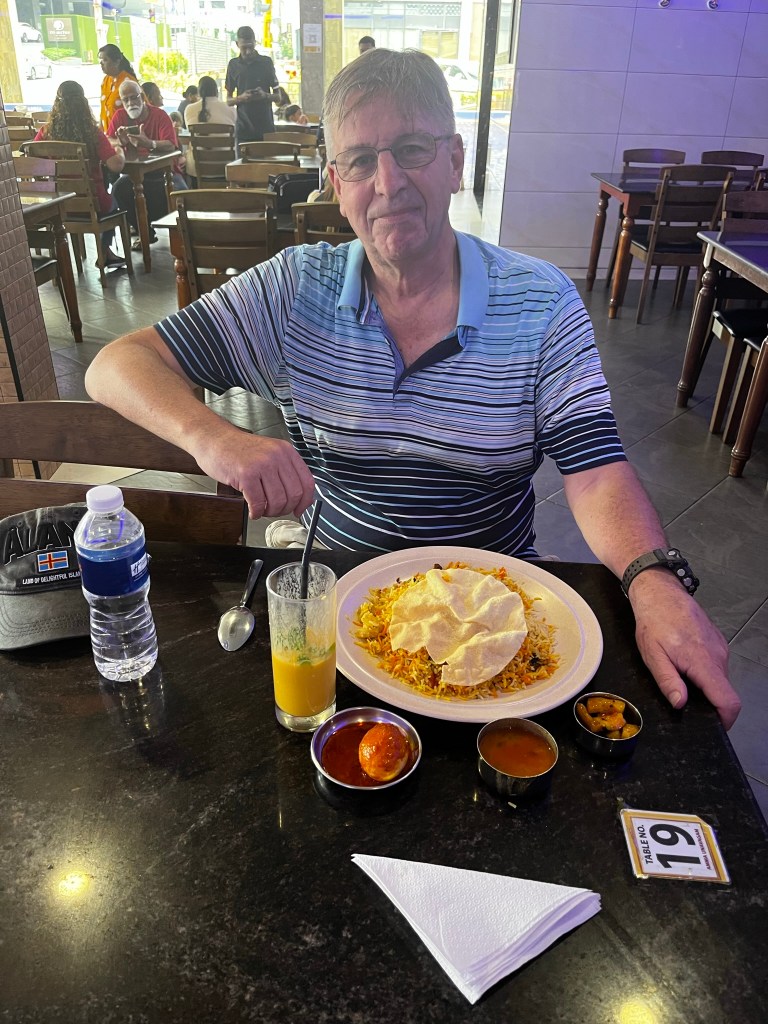
Lunch in Malaysia
Popping into another country for a meal is an IBRG tradition
The Border
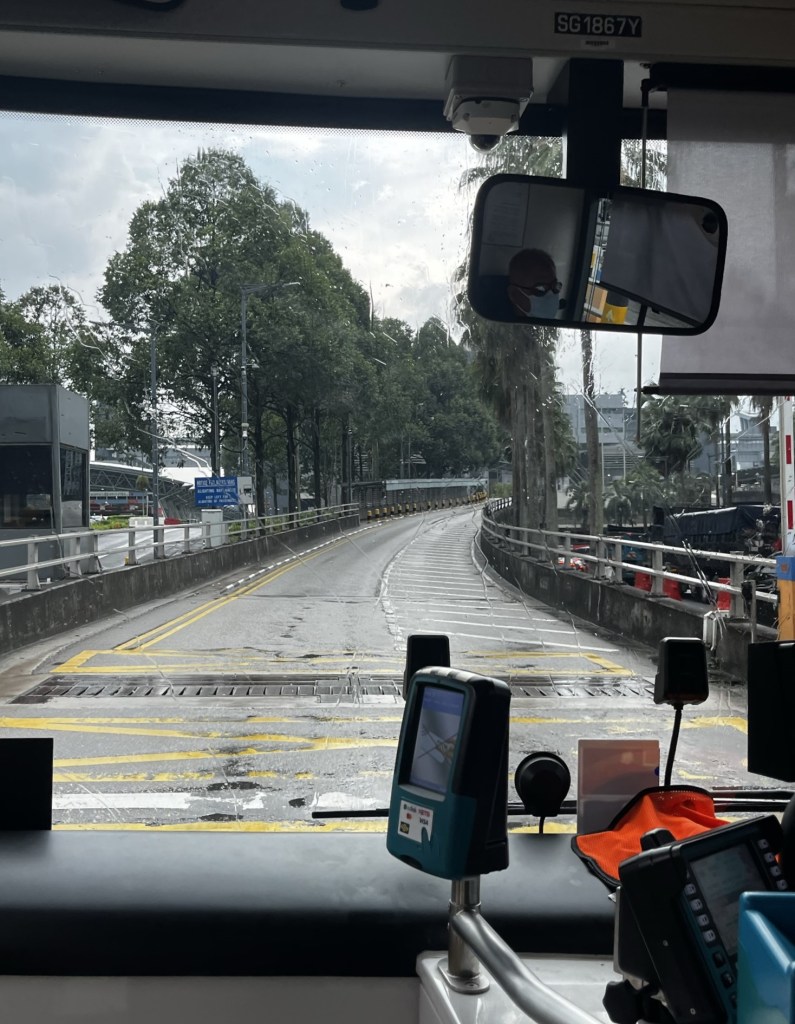
It was not possible to see the actual border from the train. On my return journey back to Singapore I took the bus and notwithstanding the heavy rain was able to identify the actual border.

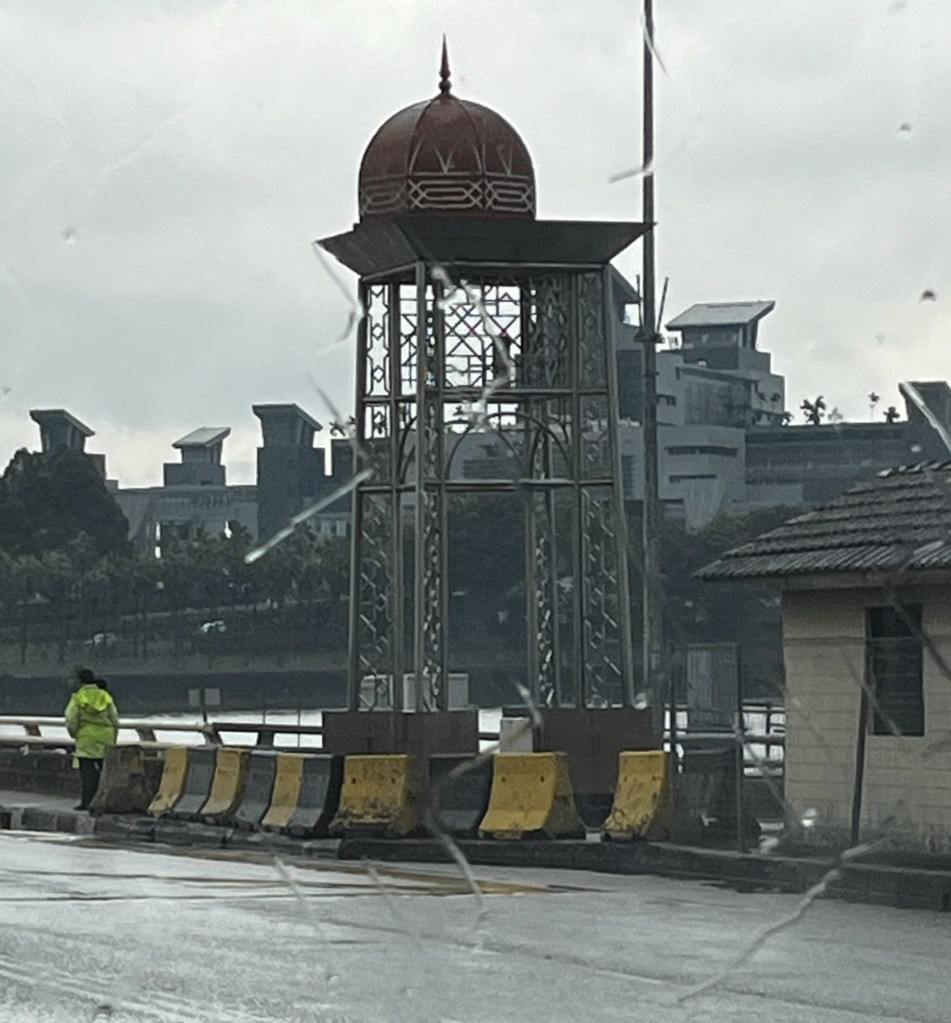
Speaking to the bus driver, the sculpture marks the border, and the hatched road markings are immediately on the Malaysian side of the border. There were 2 individuals with hi vis jackets on the border but I am not sure why. Interestingly, some passengers who overheard my conversation confessed they had no idea where the border was despite travelling most days.


Malaysian side (returning to Singapore)
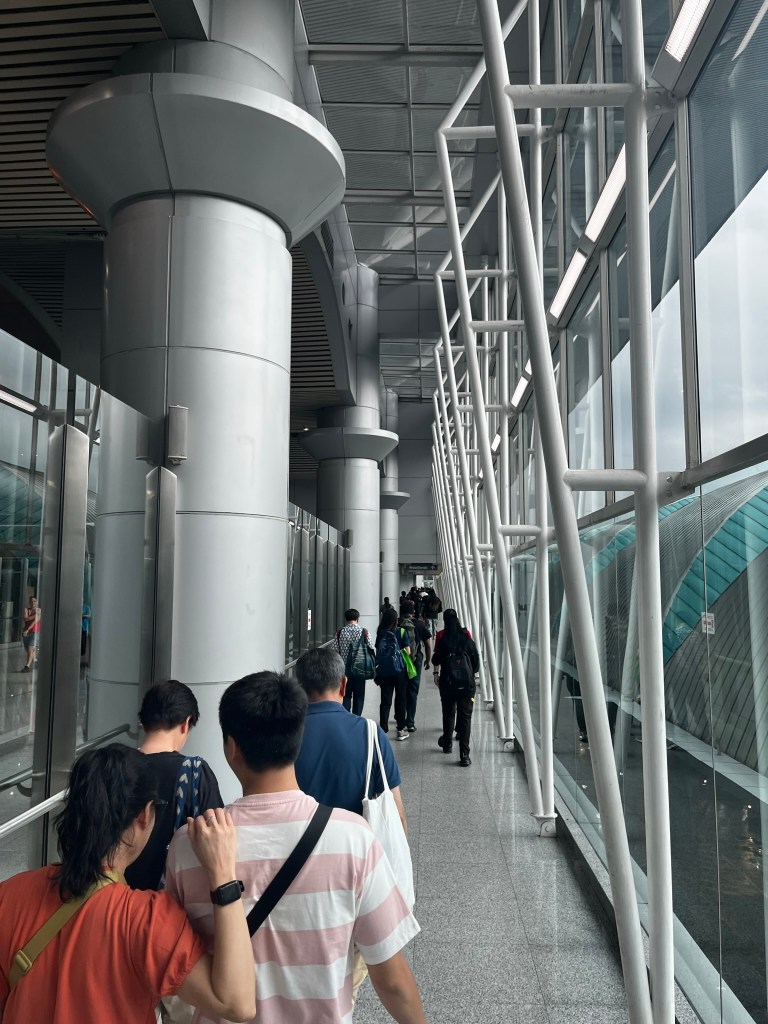
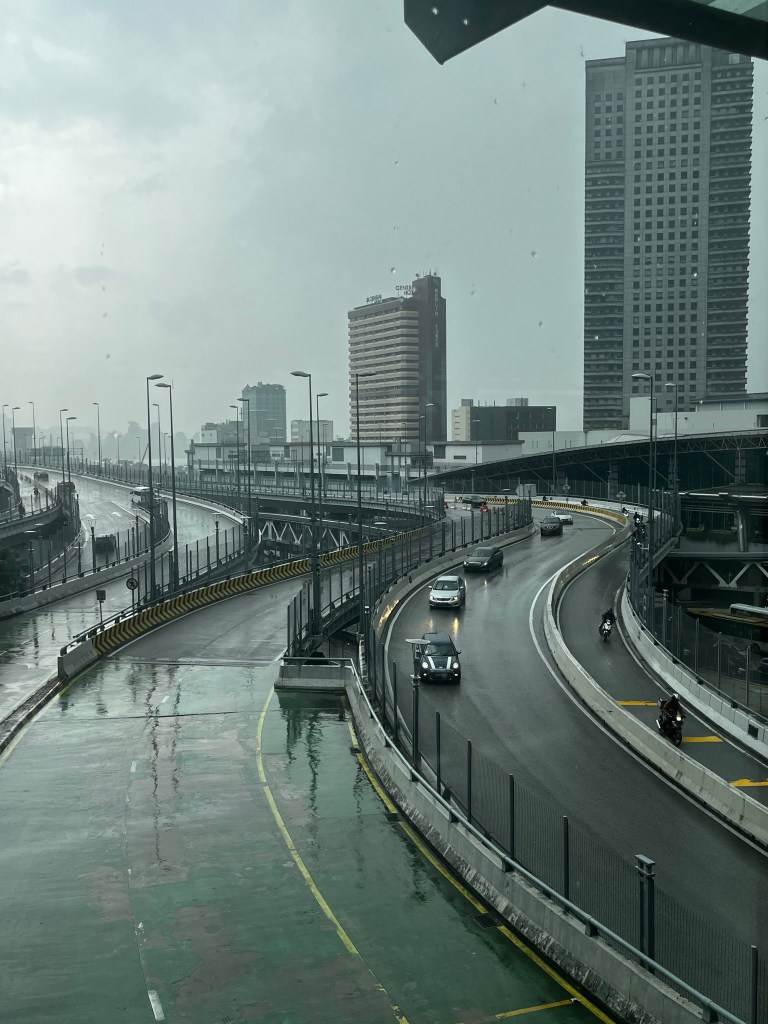
It was less easy to take photos on the Malaysian side. Accessing the border control facility was through a shopping centre, and the weather was awful with heavy rain. I did my best however to capture the beginning of the causeway from the north and the amount of traffic crossing to Singapore.




Videos
The border is possibly at 1.54.

Date of Visit: 31 October 2023
 Barry's Borderpoints