
Countries are represented through their embassies and consulates, the former responsible for promoting the interests of the home country, handling diplomatic relations and supporting its citizens. Embassies are located in the capital city where consular functions also occur. Consulates may also exist in other cities. Consulates (and their chief diplomat, the consul) handle minor diplomatic issues such as issuing visas, aiding in trade relationships, and taking care of migrants, tourists, and expatriates. Under the Vienna Convention on Diplomatic Relations 1961, the premises of an Embassy are inviolable and “immune from search, requisition, attachment or execution,” but sovereignty of the embassy premises rests with the host country. Therefore whilst the embassy enjoys immunity it is not foreign soil as some think. Depending on the location and the home country the embassy buildings often can be grand and impressive. Some modern ones showcase the nation in a visual way.
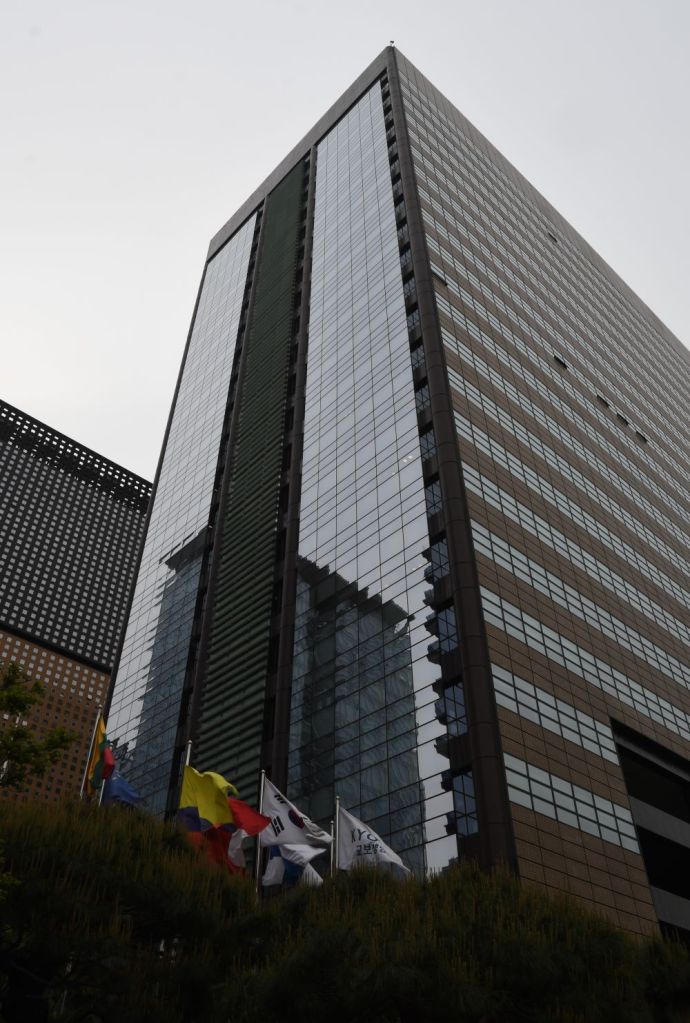
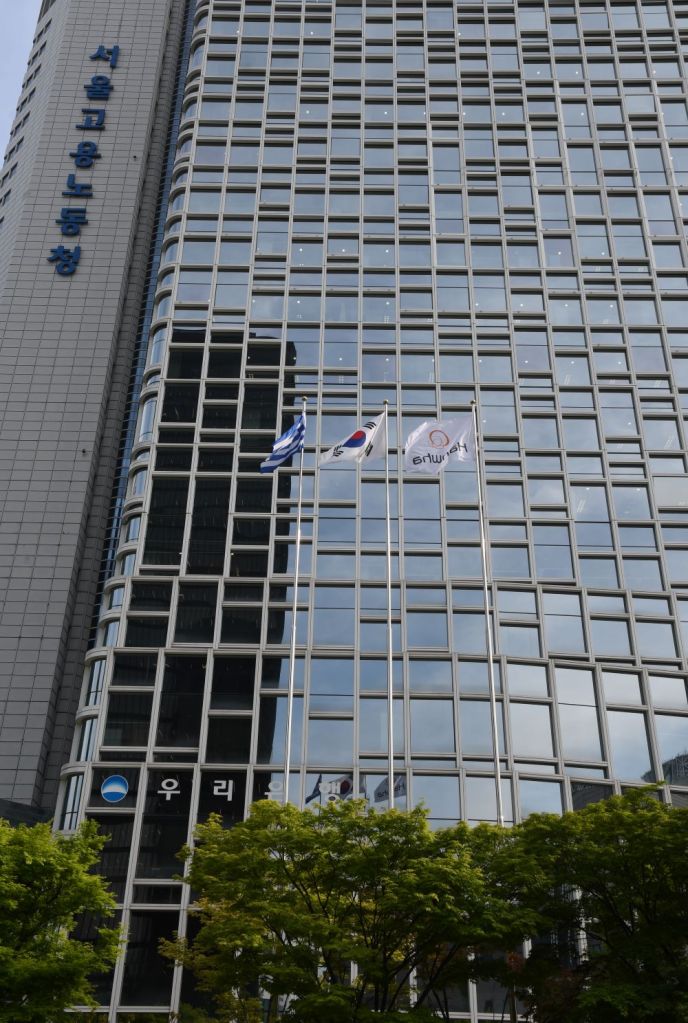
In Seoul many of the embassies are located in the central area south of Gyeongbokgung Palace. Some embassies are situated in large buildings within huge compounds, others is shared buildings or small offices. Far too many to visit them all. With the exception of the UK and US Embassies I took photos of those I across, apologies if I missed your country!
United Kingdom Embassy


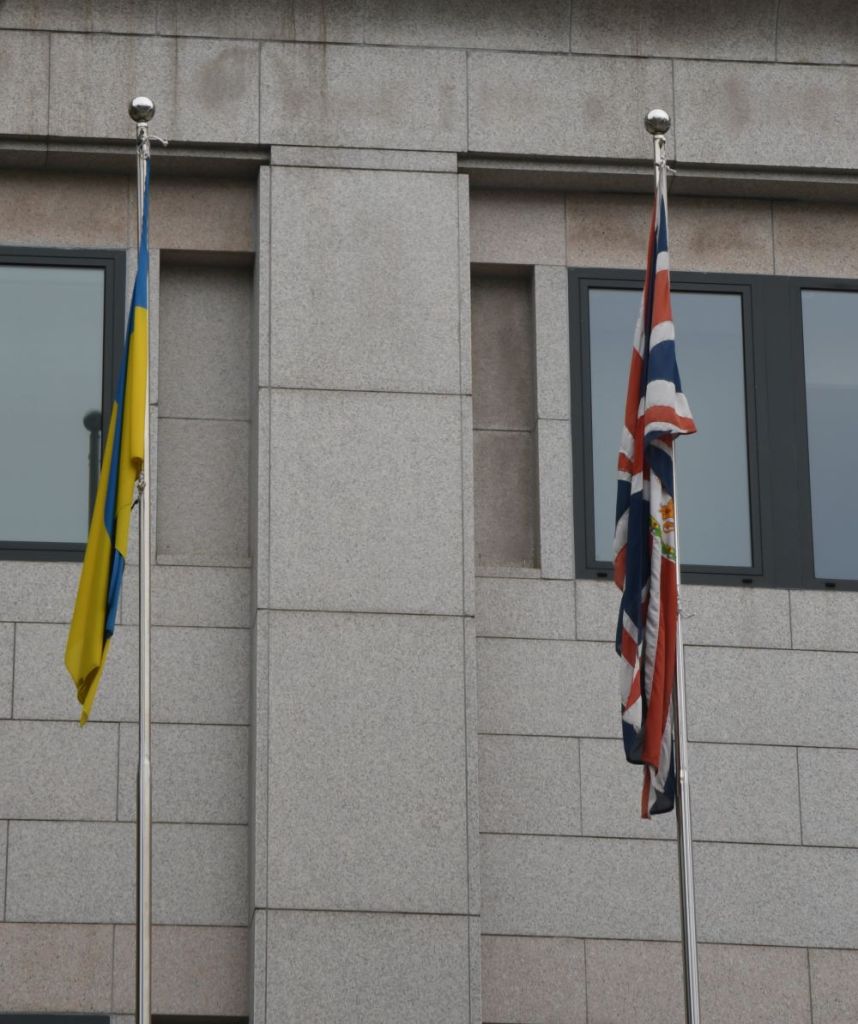
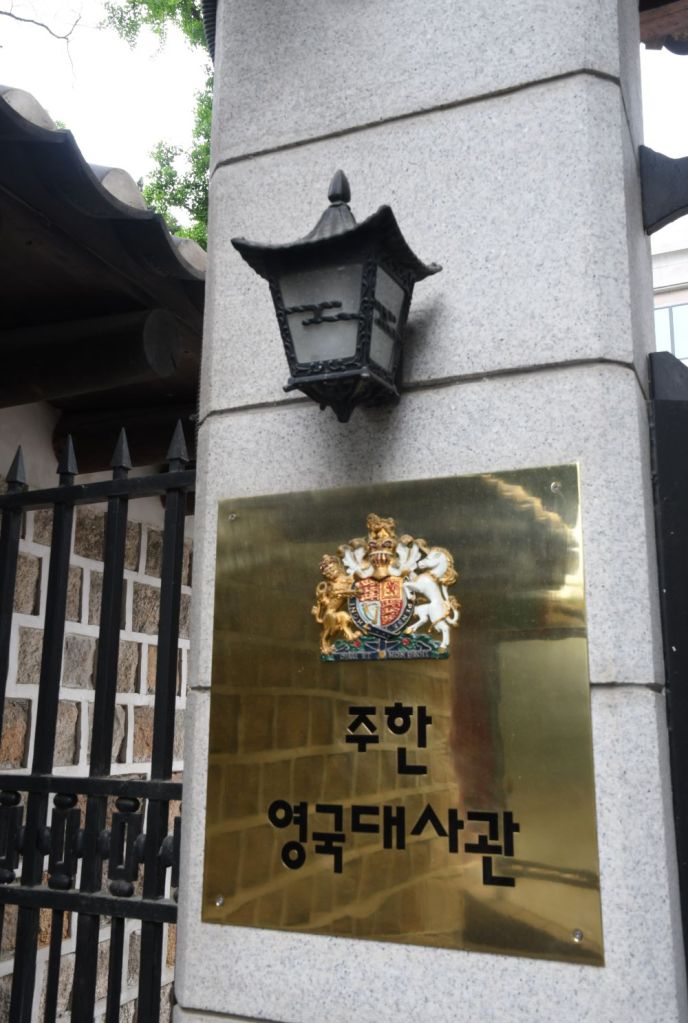
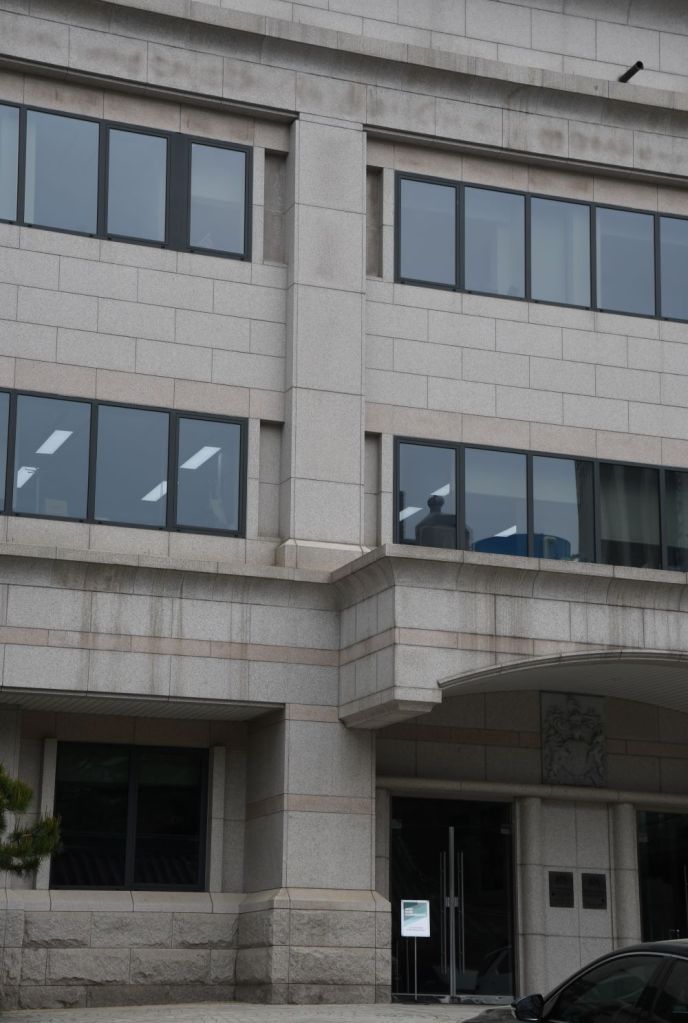
The United Kingdom Embassy is located near the Deoksugung Palace and is entered through a traditional Korean style gate. Unfortunately the 130 year old brick embassy building is not visible and all one can see is a much more functional office block. The Ukrainian flies alongside the Union flag
United States Embassy
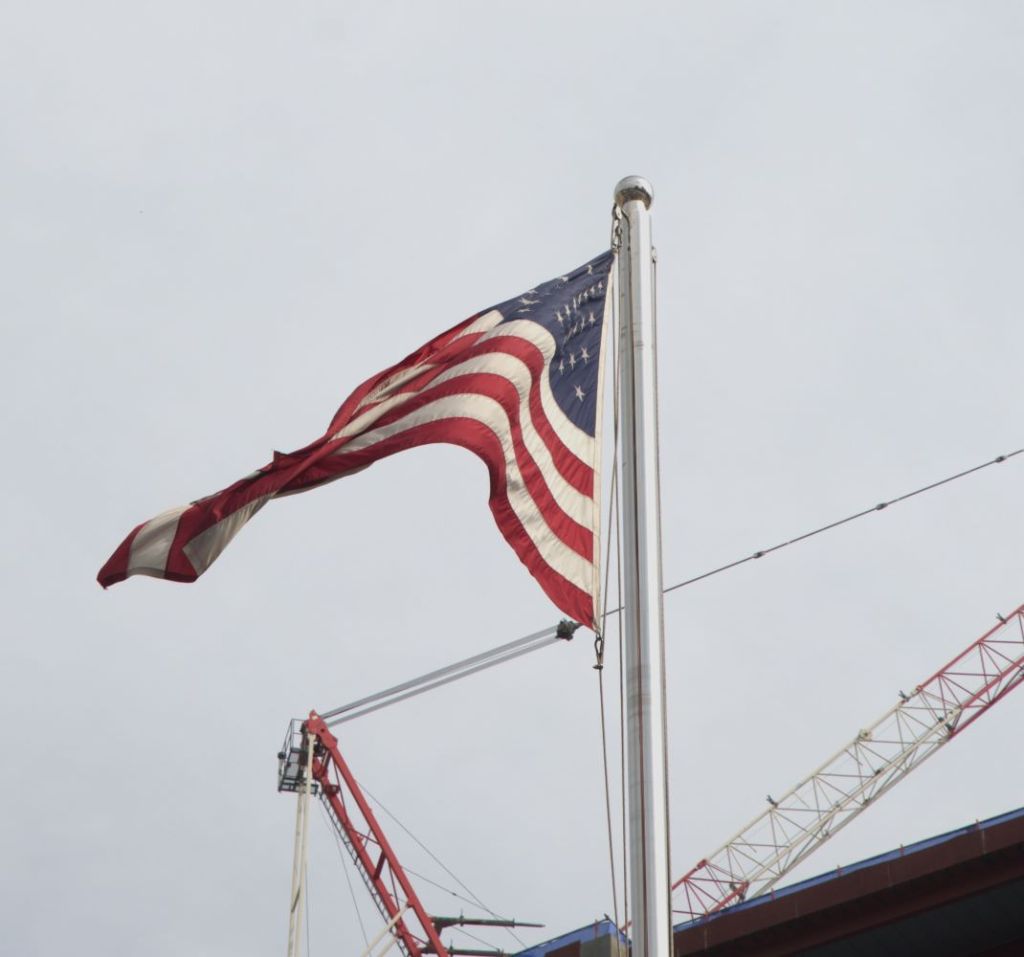
The U.S. Embassy in Seoul is located in Gwanghwamun. Although there was lots of visible security there were no restrictions on taking photographs. There are plans for a new embassy to be built.


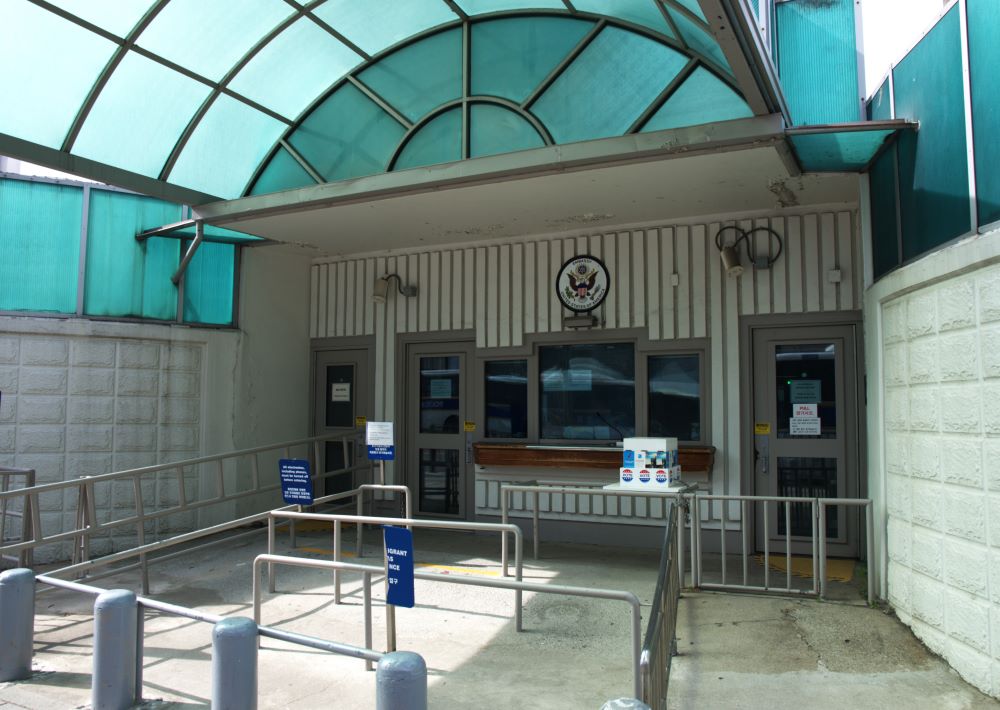

The Russian Embassy
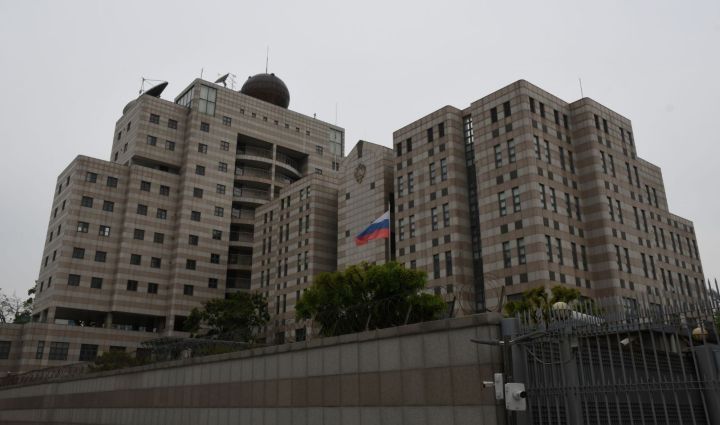
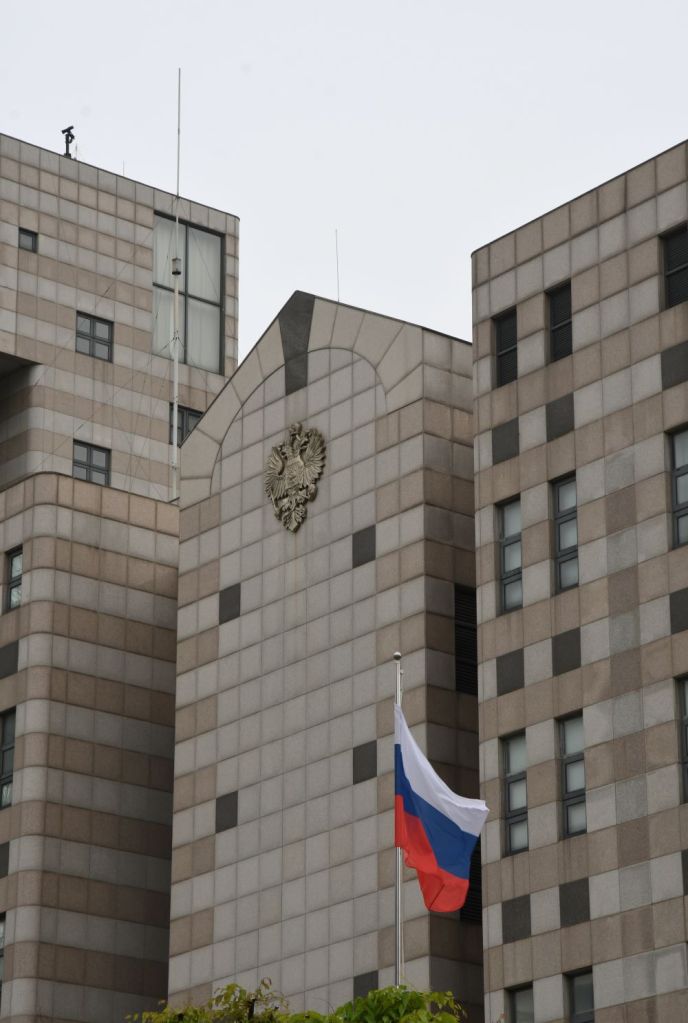

A very impressive building
Other Embassies and Consulates in Seoul.


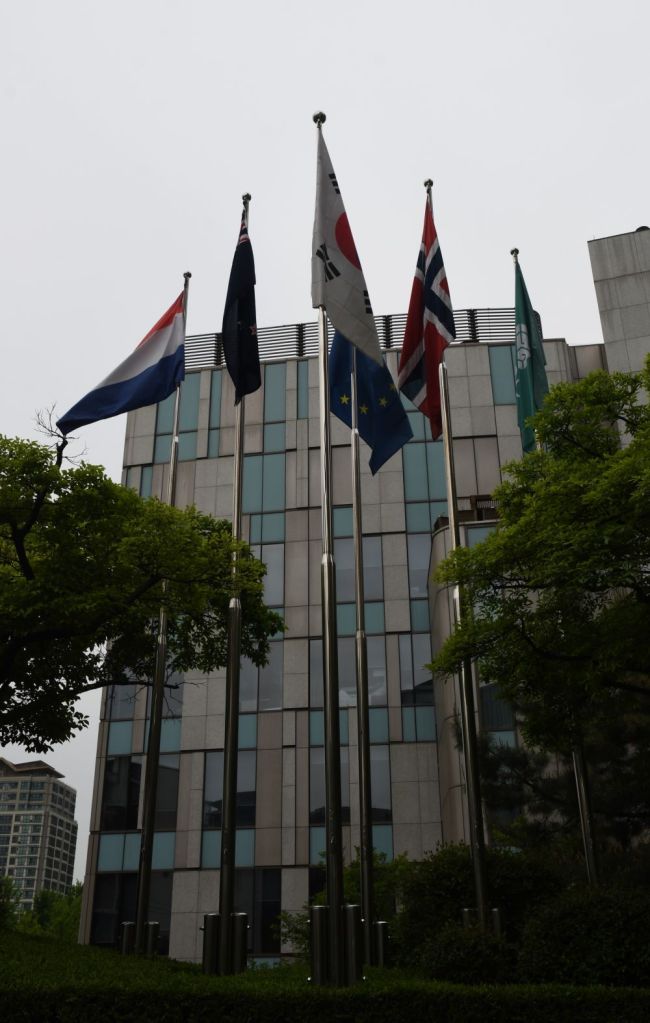




Japanese Consulate in Busan

 Barry's Borderpoints