

Our initial focus when exploring the border between Melilla and Morocco was the hard border defenses. The Melilla border fence forms part of the Morocco–Spain border in the city of Melilla, one of two Spanish cities in north Africa. Constructed by Spain, its stated purpose is to stop illegal immigration and smuggling. Melilla’s border and its equivalent in Ceuta, also bordering Morocco, are the only two land borders between the European Union and an African country

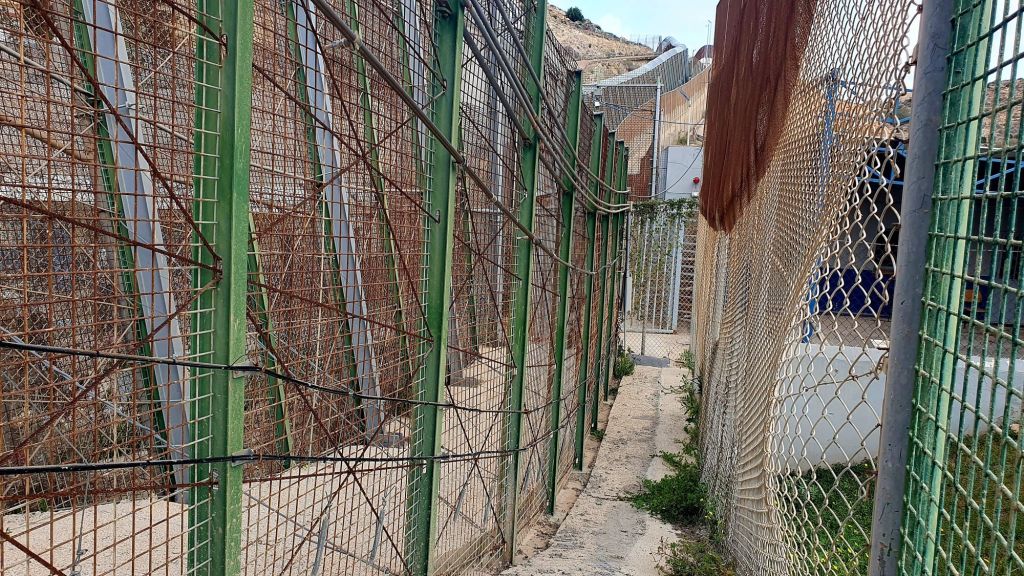
The barrier between Spain and Morocco, consists of a triple Spanish fence. The fence is approximately 11 km long. The triple fence was doubled in height in 2005 to 6m. It has watch towers, access roads, and a range of surveillance equipment. On the Moroccan side of the border, there are a further 2 fences, set back from the border and earthworks and ditches to prevent access. The Spanish side have mobile patrols whereas the Moroccan side have fixed observation points.
This border-fence structure is located on Spanish territory and its supervision, including the operation of its gates, remains under the exclusive control of Spanish authorities at all times. Spain acknowledges that its territory includes the border-fence structure. The EU, Spain, and Morocco cooperate closely on border control, a partnership that grants political and economic favors to Morocco for assisting the EU with the protection of its borders from irregular entry. Through this partnership, the EU delegates the responsibility for third-country nationals in search of protection to countries at its external borders to Morocco.
Prior to arriving in Melilla we had identified 2 border crossings however when we travelled along the length of the border, we identified 2 further border crossings. Border crossings are sensitive areas. At 2 of the four crossings we were challenged by law enforcement officials, on both sides of the border. We visited these points as part of the IBRG MOMEX-24 expedition.
The Melilla -Beni Ansar border crossing is the only border crossing between the Spanish exclave and Morocco that is open. The other crossings were closed due to COVID and have not reopened. This crossing had a dilapidated feel about it, and was much less modern than the Melilla – Farhana crossing that is currently closed. The crossing point is open for both vehicles and pedestrians. It was in March 2024 being renovated on the Spanish side.


The Spanish side
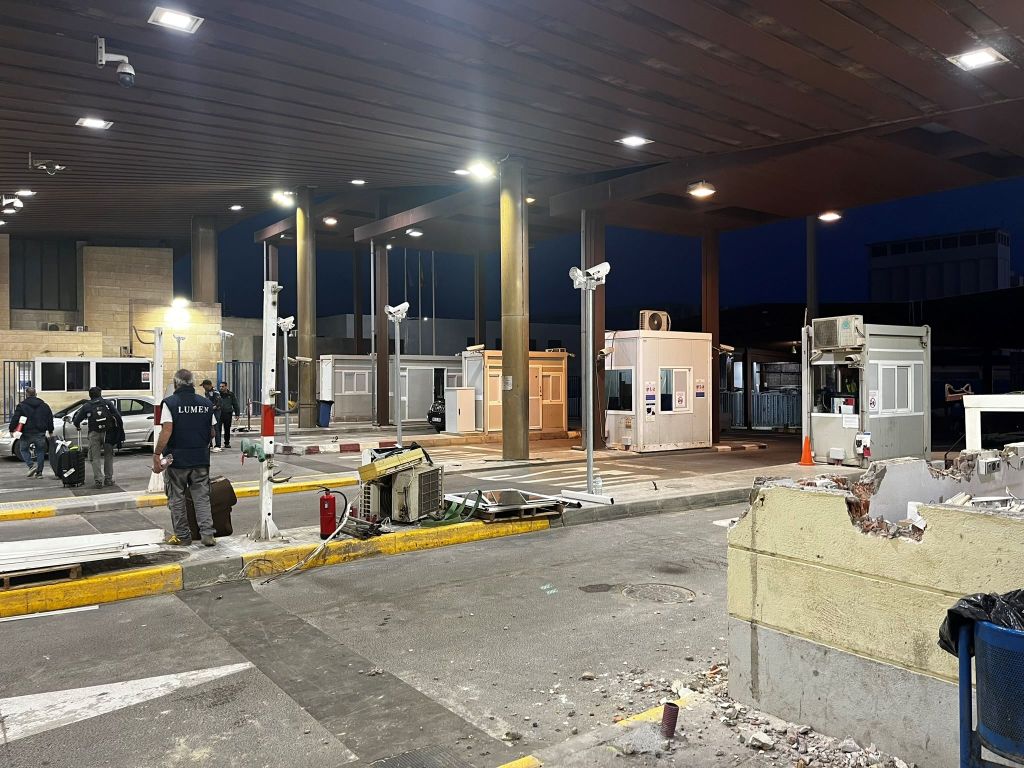
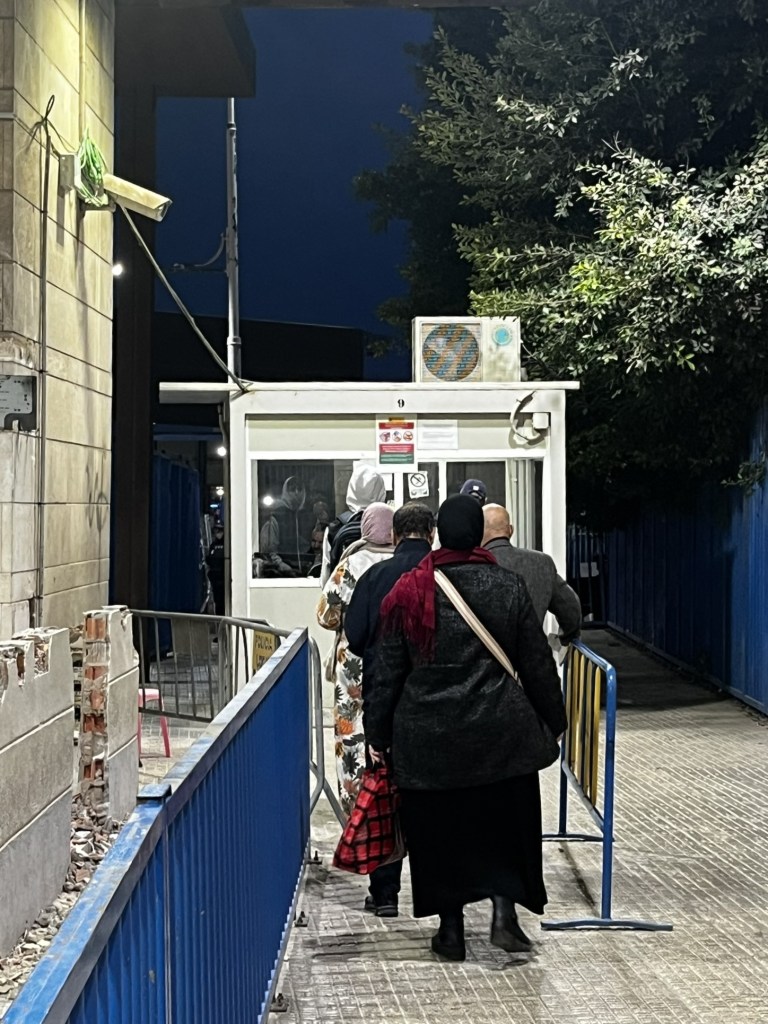
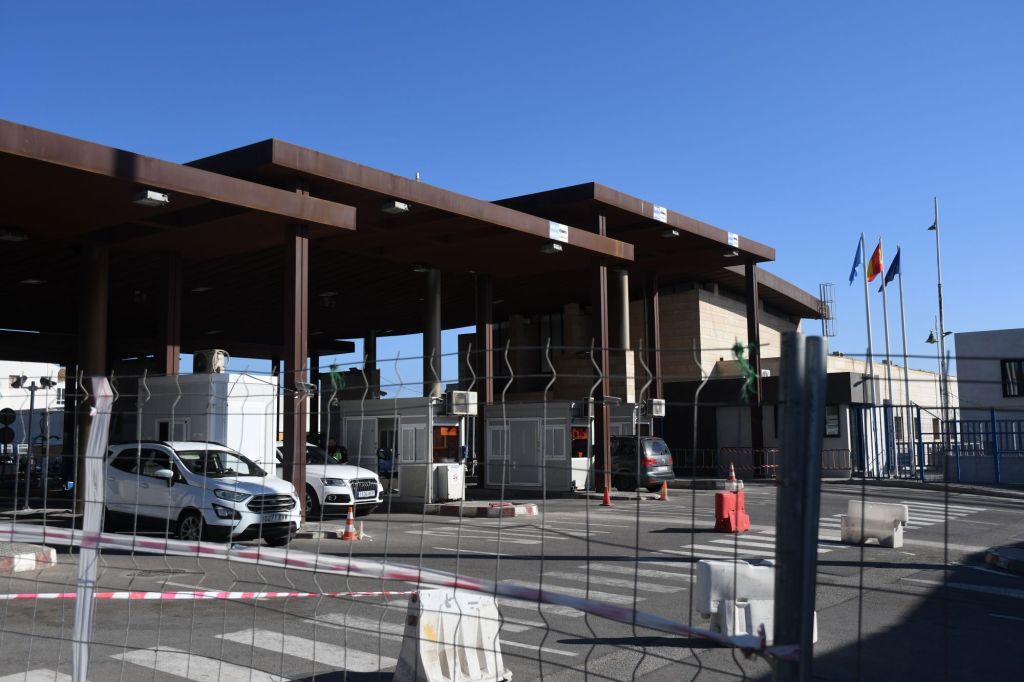
The Spanish side was being renovated and there were a number of areas of reconstruction. The passport controls and customs were as you would expect from an external EU checkpoint.
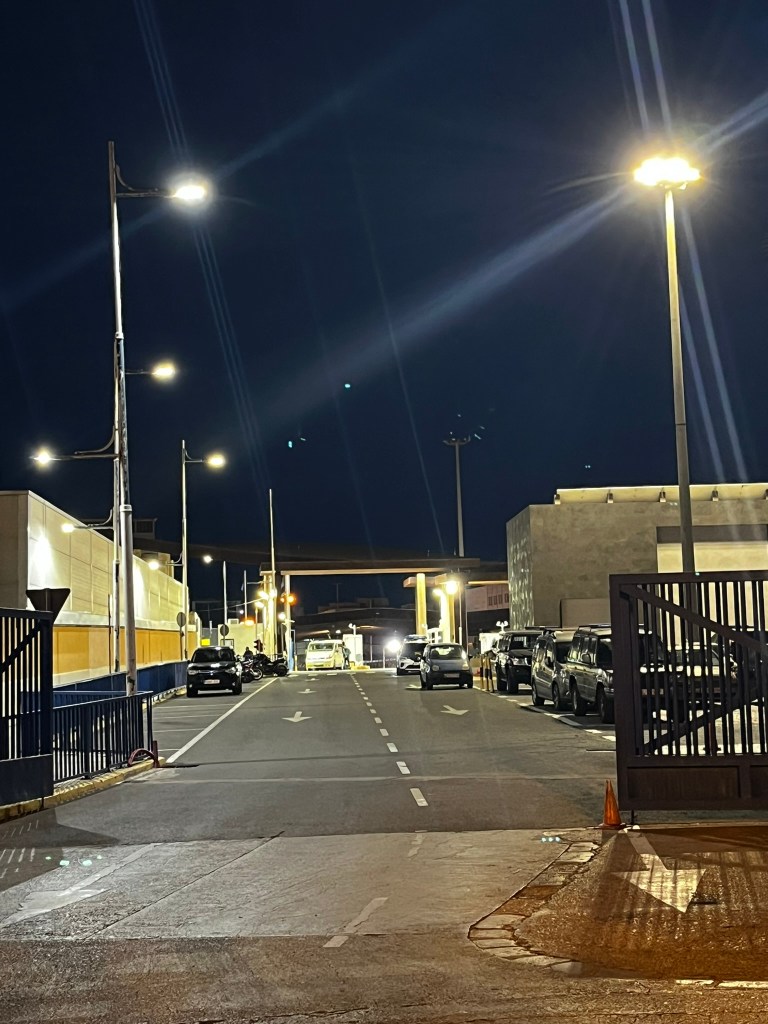
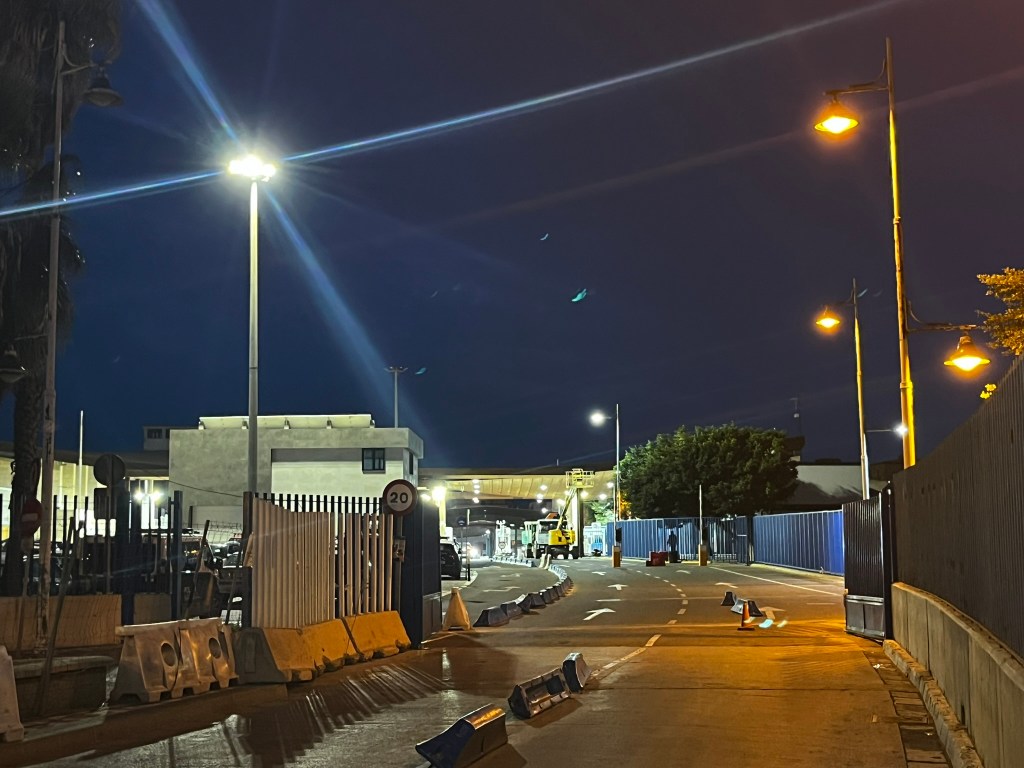
At night
On our first evening we used our newly rented e – scooters and headed down to the border crossing.


At day
The atmosphere of the crossing point was relaxed, but busy. Photography appeared to be allowed. Officials were friendly. We arrived at 09.30 and it took about 40 minutes to reach the Spanish passport control booth. There were many Muslim residents of Melilla going to Nador.

Accounts on the internet describe the Spain – Morocco border crossings as hectic with many traders carrying goods back and forth. We saw no evidence of this and whilst this border was busy it was orderly and straightforward.


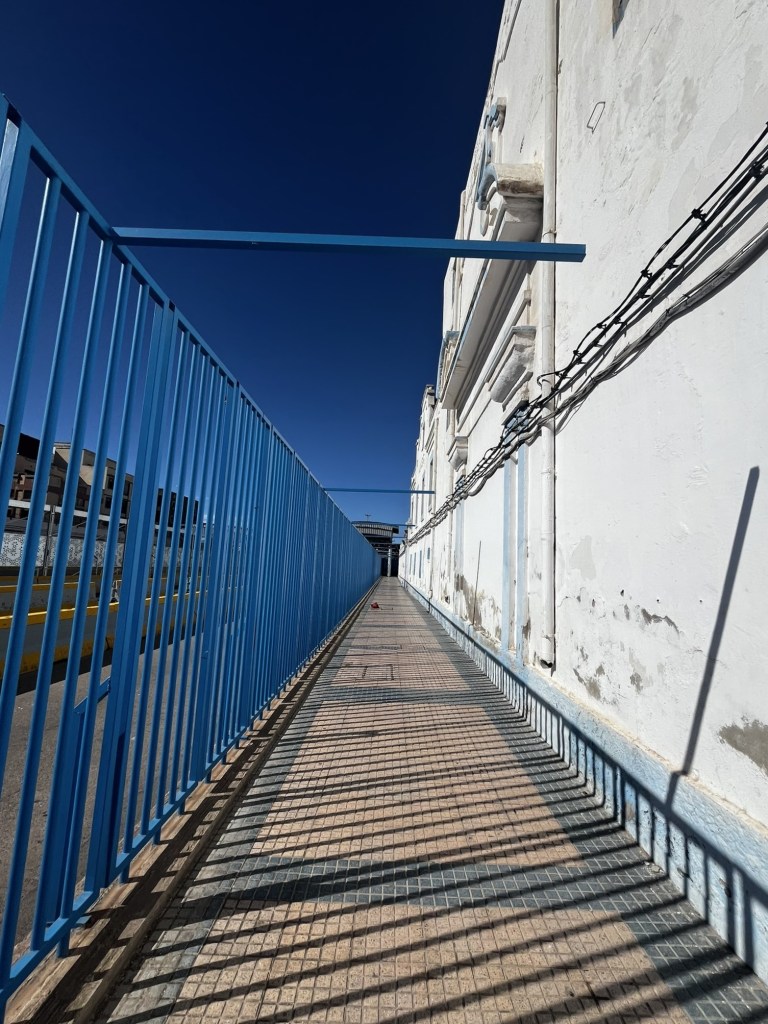
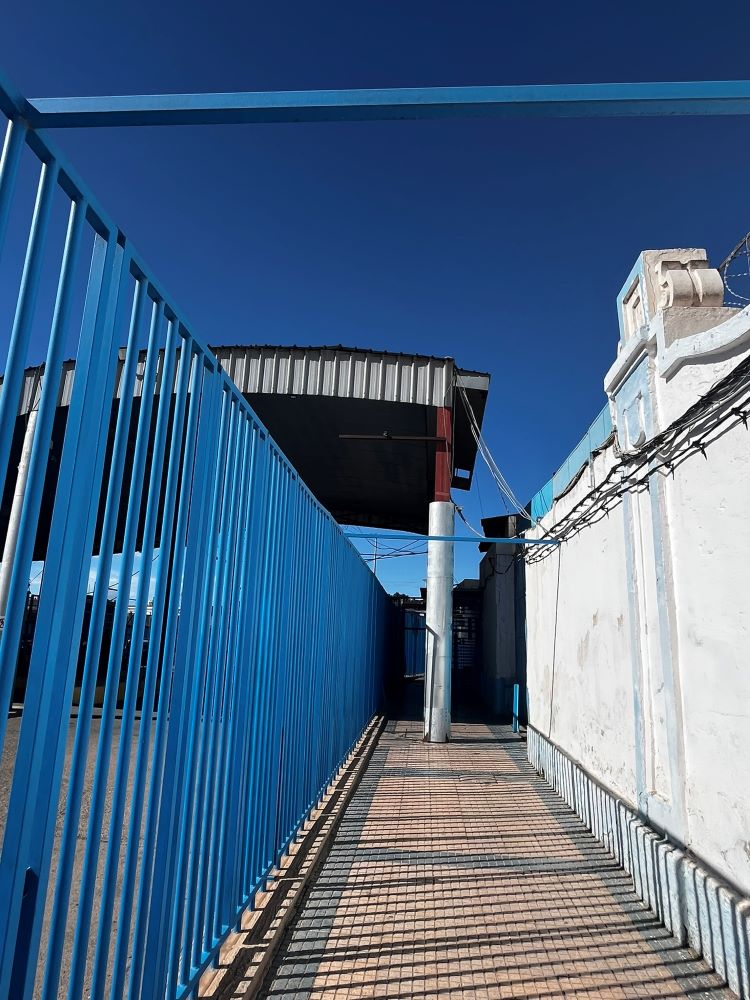
The layout of this border crossing was similar to that of the Ceuta -Fnideq border crossing with long corridors leading firstly the Spanish passport control and then to the border and Moroccan passport and customs. It was possible to see the vehicle inspection lanes and take photographs discreetly. We were asked where we were going. The officials were friendly. Our luggage was checked.


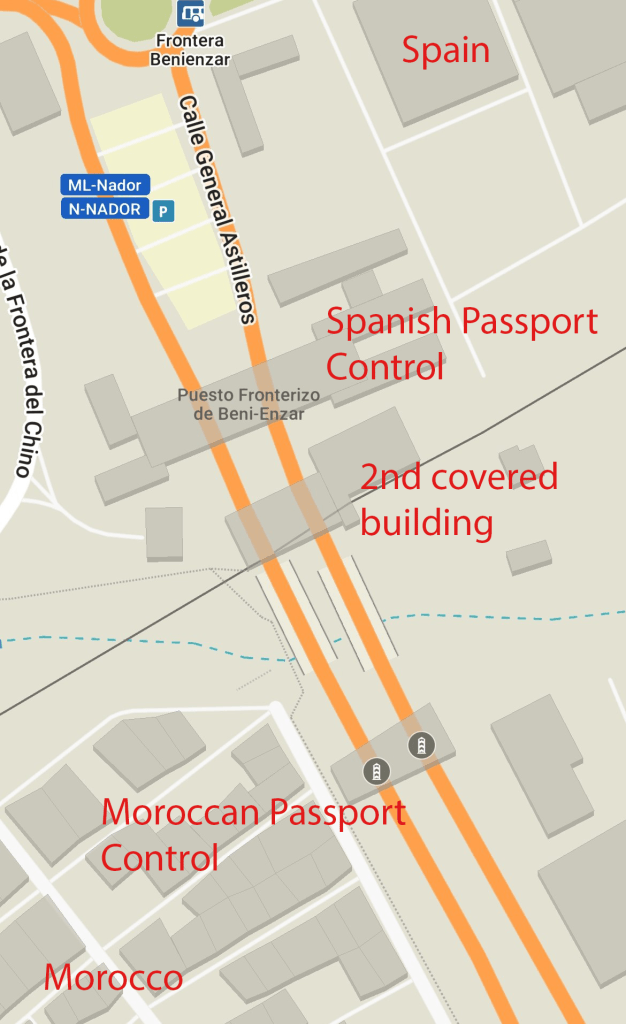
The Border
It was not immediately clear where the border was. There was no obvious change in road surface nor lines on the road. However there was a further covered area south of the Spanish passport controls and it appeared as you went through the gate you had entered Morocco.


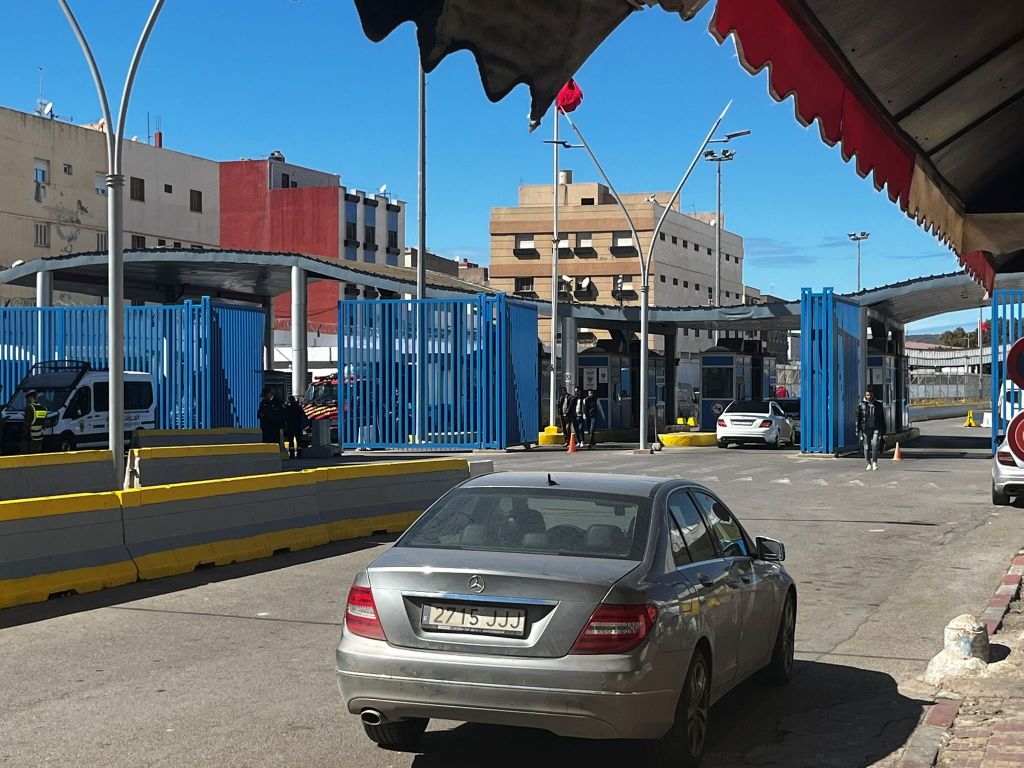
The Moroccan side.
Entering Morocco.
After crossing the border as a pedestrian one continued to the passport control and custom checks. Before that was the separated passport control for cars.


Leaving Morocco
After 3 days in Morocco, visiting the Chafarinas Islands (another Spanish possession to the east, and spending a day visiting POI’s on the Moroccan/Algerian border it was time to return to Meliila. Moroccan passport control took place at the beginning of the security zone, so it took several minutes before the border was reached. Just before the gate leading to Spain, one of our group was checked they had not been taking videos by Moroccan officials. Straightforward passport and customs checks when entering Spain.


Other border crossings between Melilla and Morocco
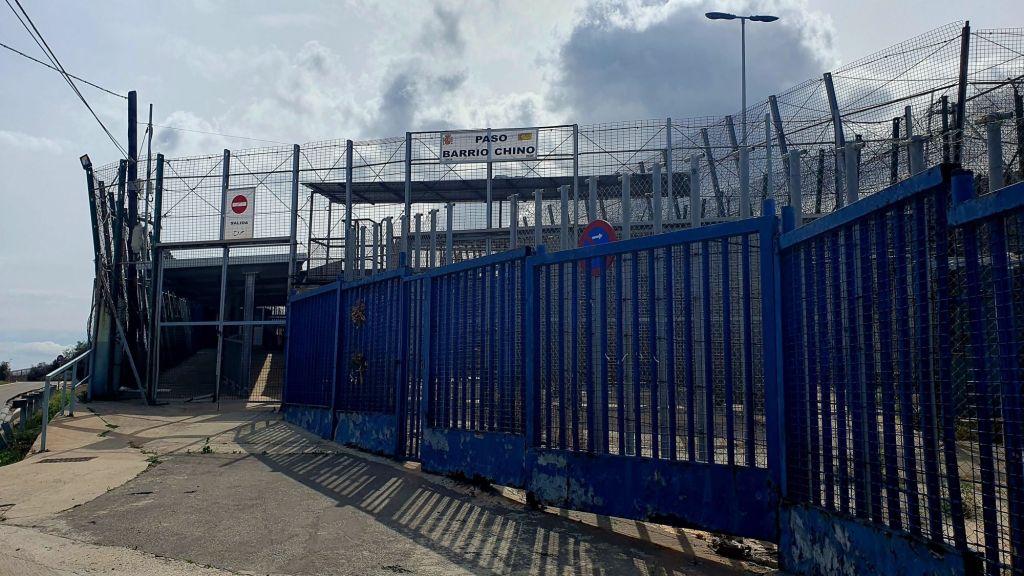
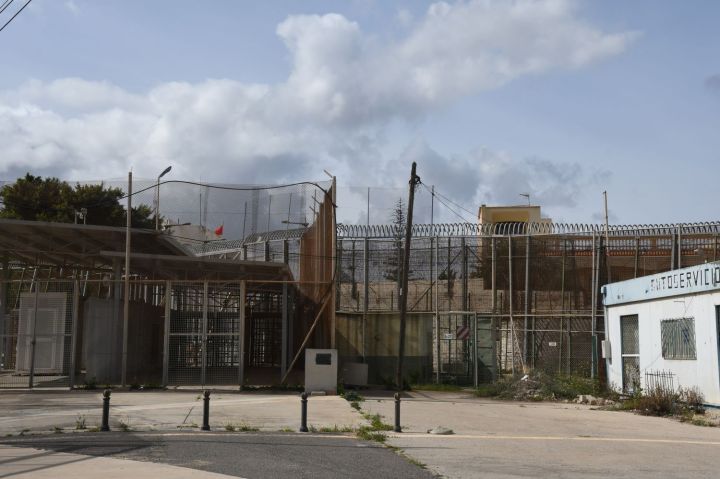
In addition to this border crossing we visited 3 other crossing points. These however were closed and were deemed as sensitive areas both sides of the border. Please click on the images below to access the reports of these visits with maps. photos and reports.


Date of Visits: 4, 5 and 8 March 2024
 Barry's Borderpoints