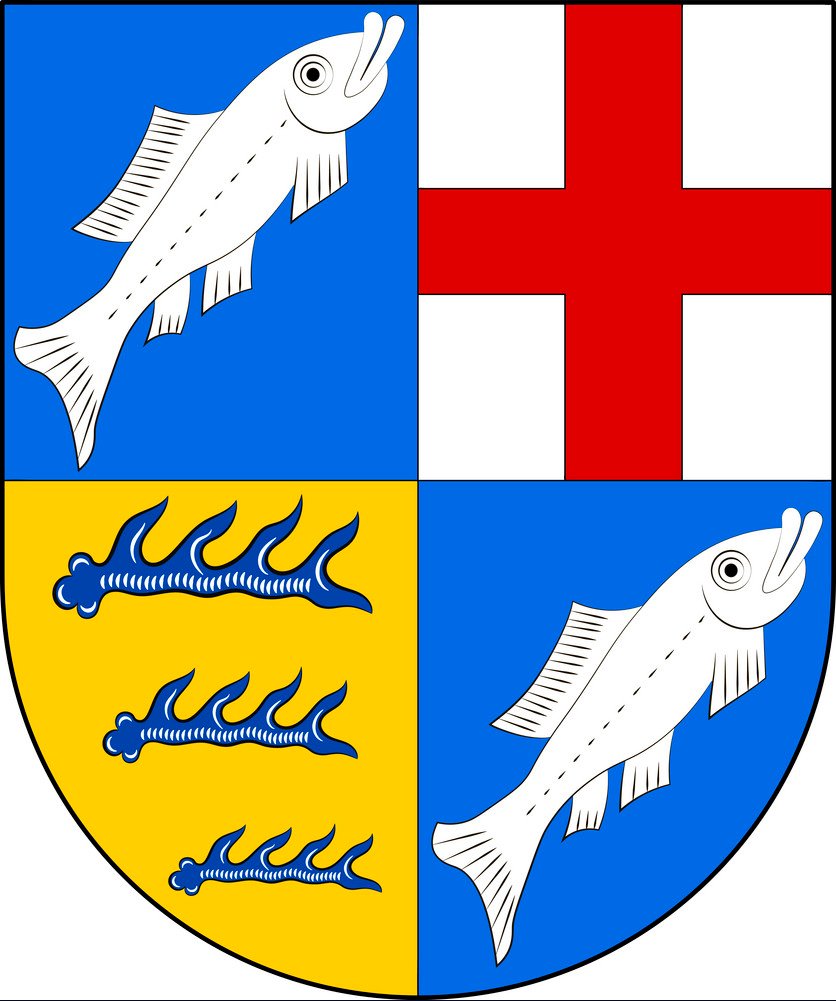
Konstanz is a university city with approximately 83,000 inhabitants located at the western end of Upper Lake Constance in the Baden-Württemberg state in the south of Germany. The Germany – Switzerland border runs along the southwestern and southern edge of the city, demarcating it from the Swiss town of Kreuzlingen.
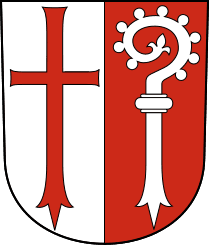
Kreuzlingen is a municipality and the capital of the district of the same name in the Swiss canton of Thurgau. Kreuzlingen lies in the north of the canton of Thurgau on the shores of Lake Constance, southeast of the German city of Konstanz and directly adjacent to its medieval centre. There is considerable cross border trade facilitated by VAT rebates by the German authorities. For border enthuisasts there is a well demarcated border, lots of border markers and border crossings, some just for pedestrians and others for vehicles with customs checks.
We visited this point as part of the IBRG LIVCO-25 expedition.
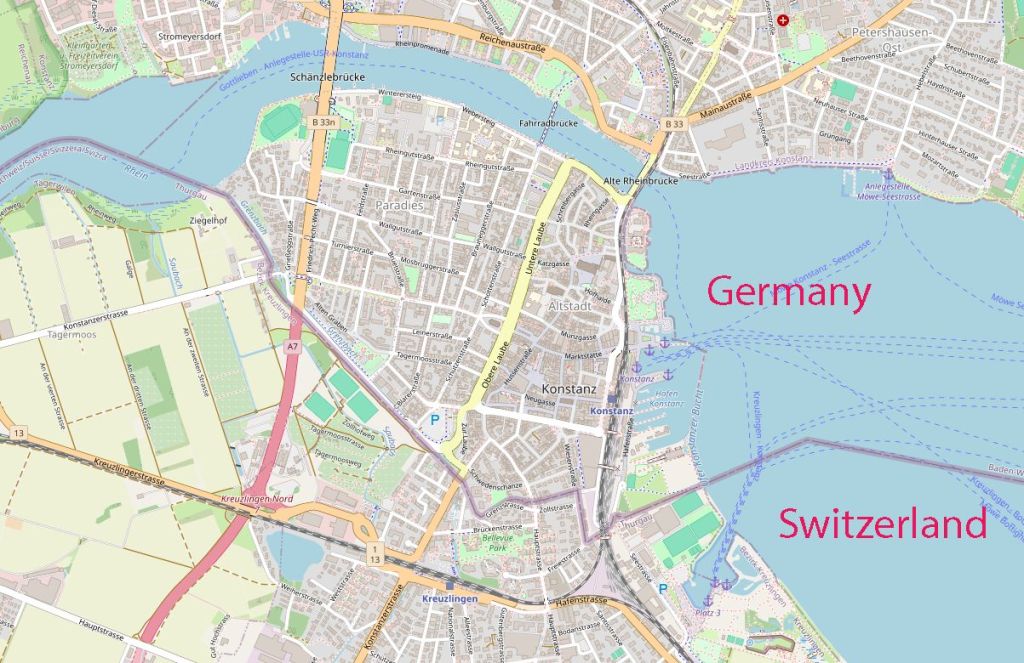
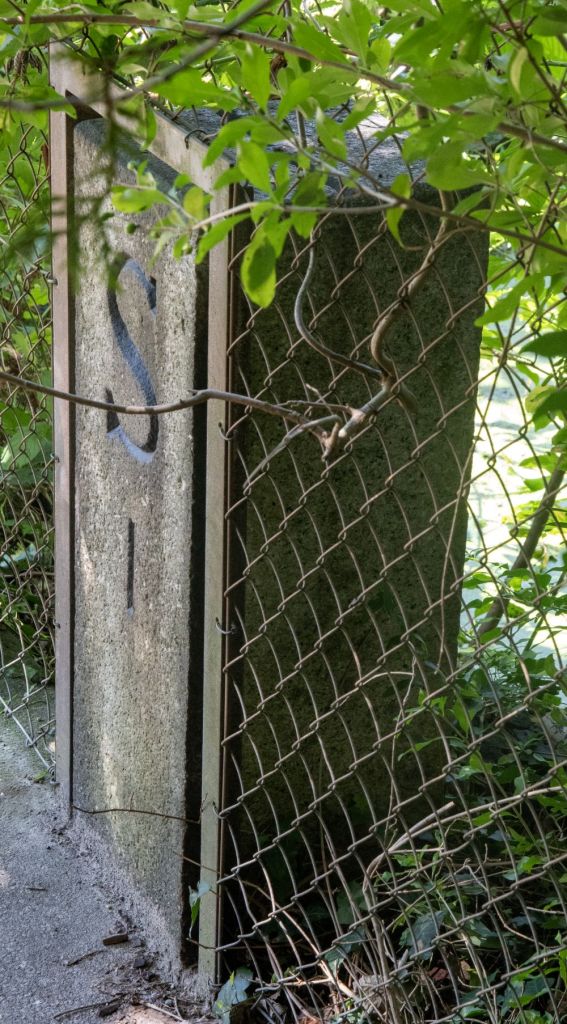
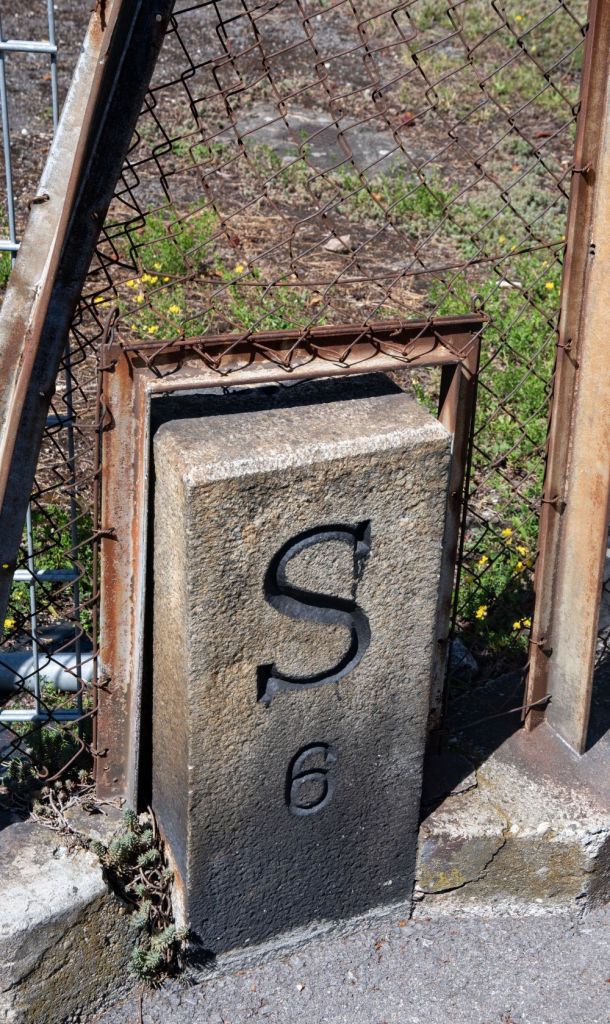
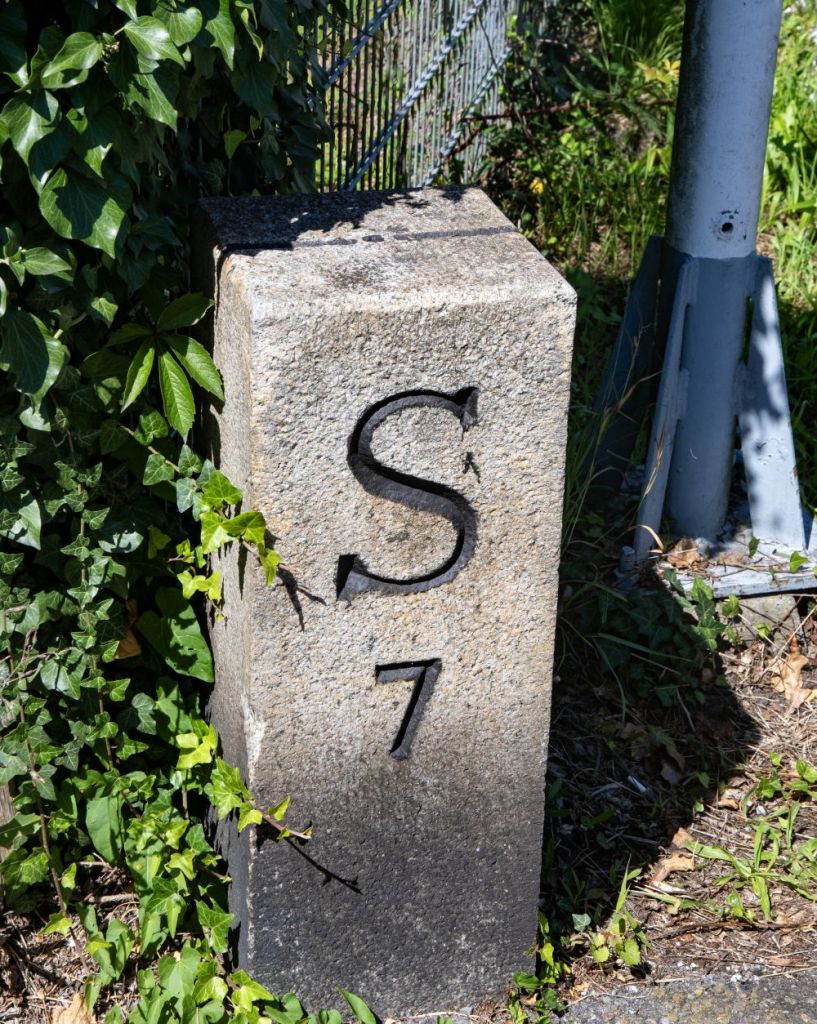
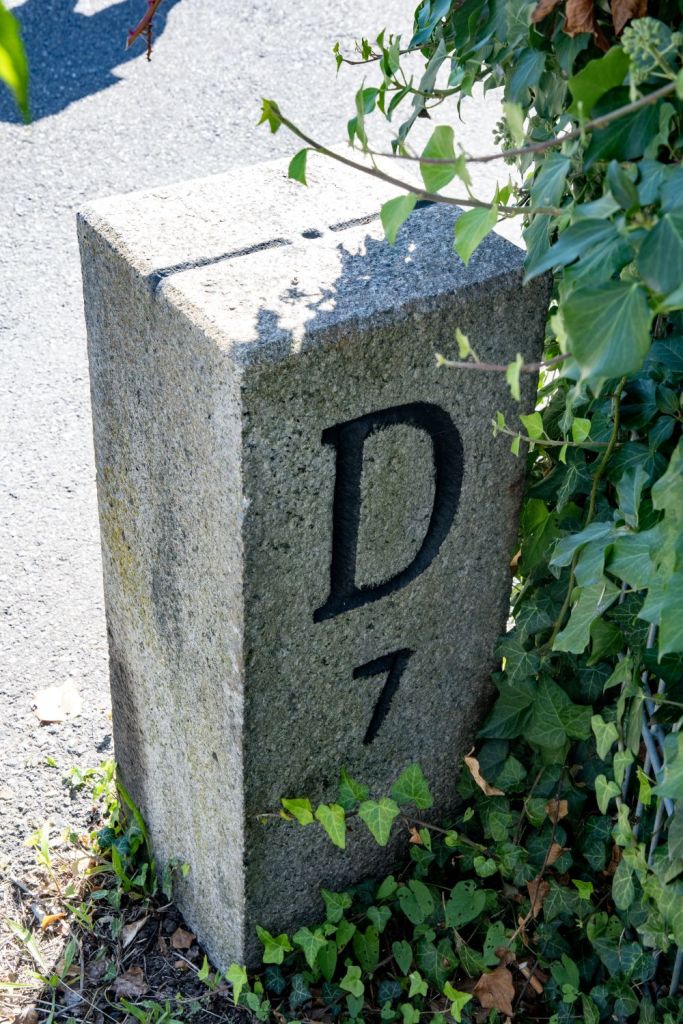
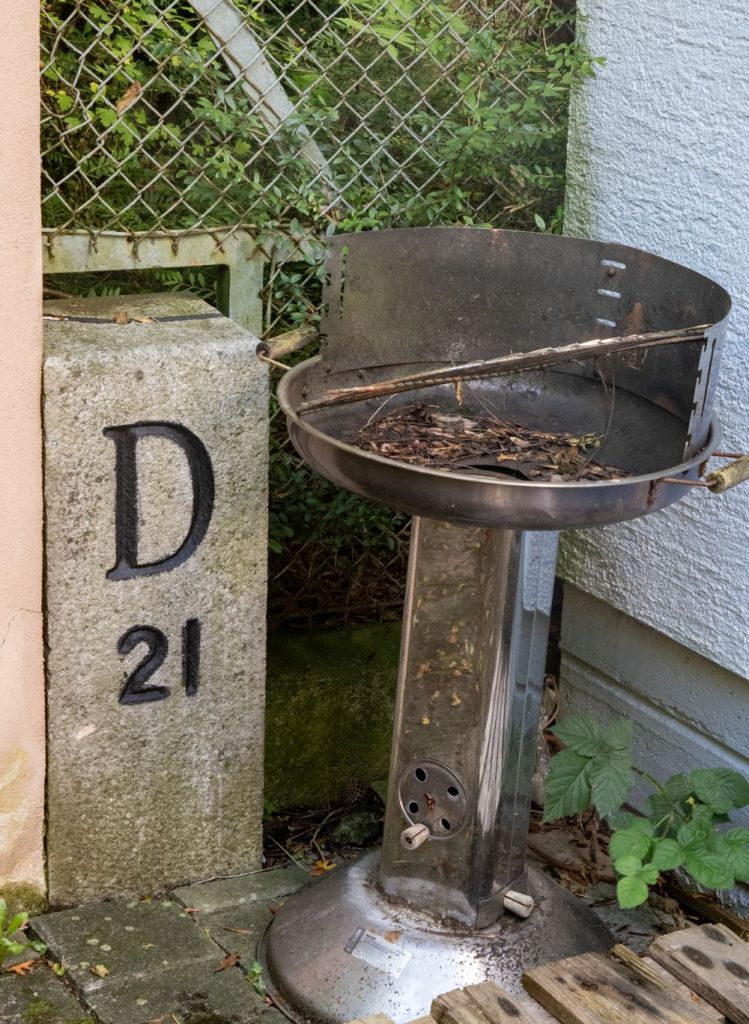
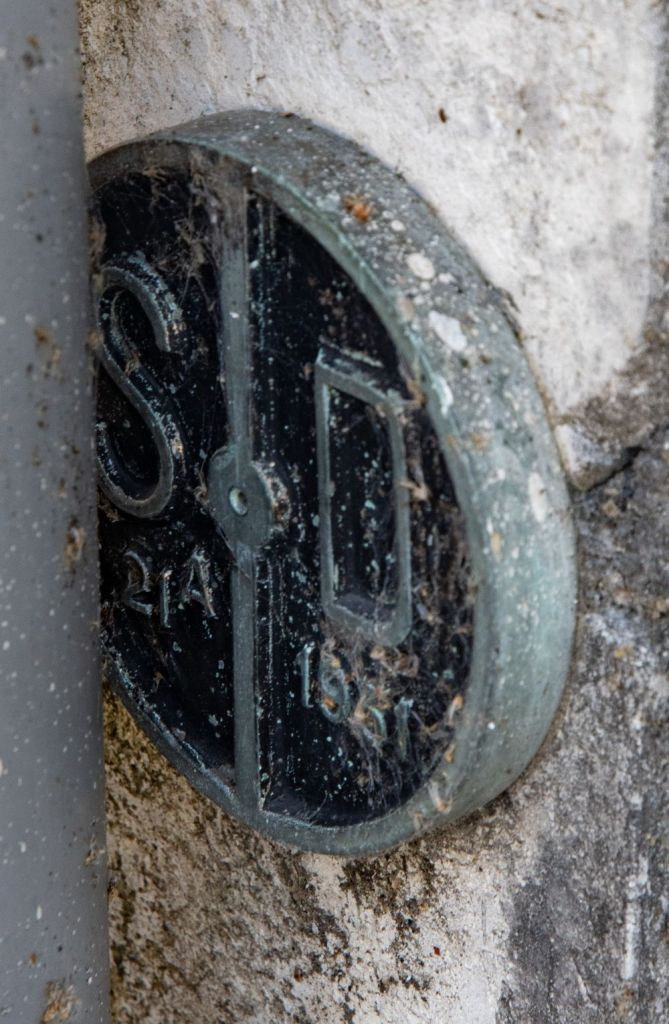
The border between the 2 towns is well demarcated and we spent time exploring the differing border markers and crossings. We moved from east to west along the border, trying to capture as many markers as possible. Our group was enlarged initially with one IBRG member from the US and then another from NL.
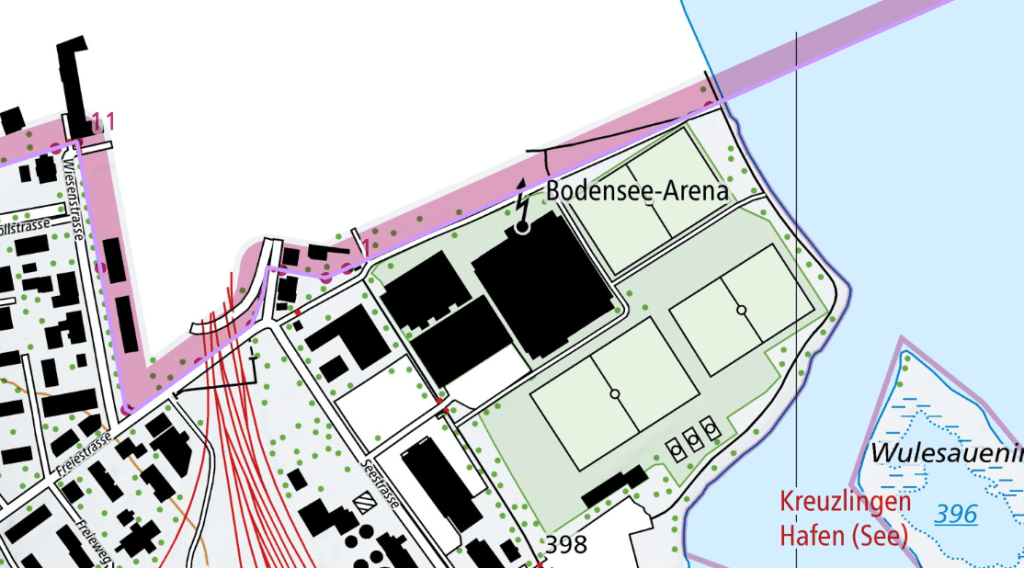
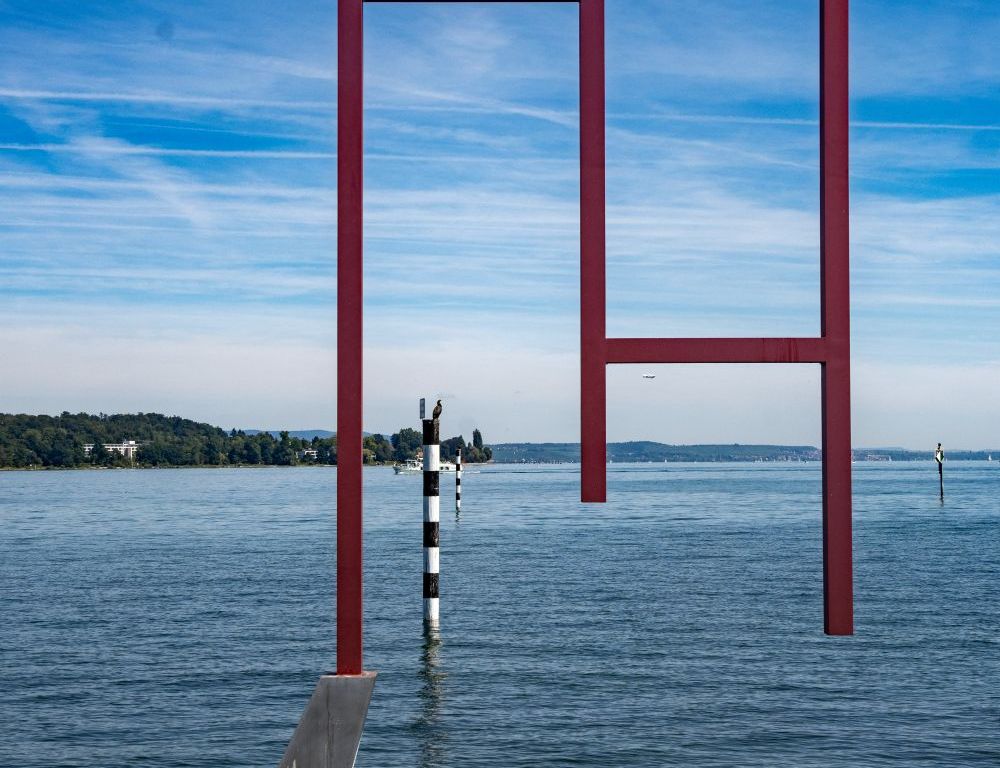
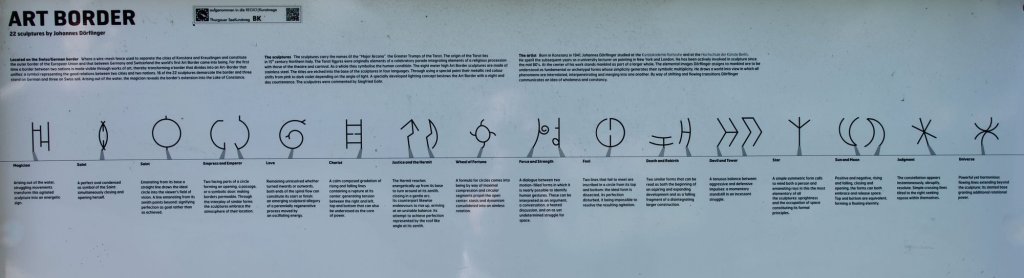
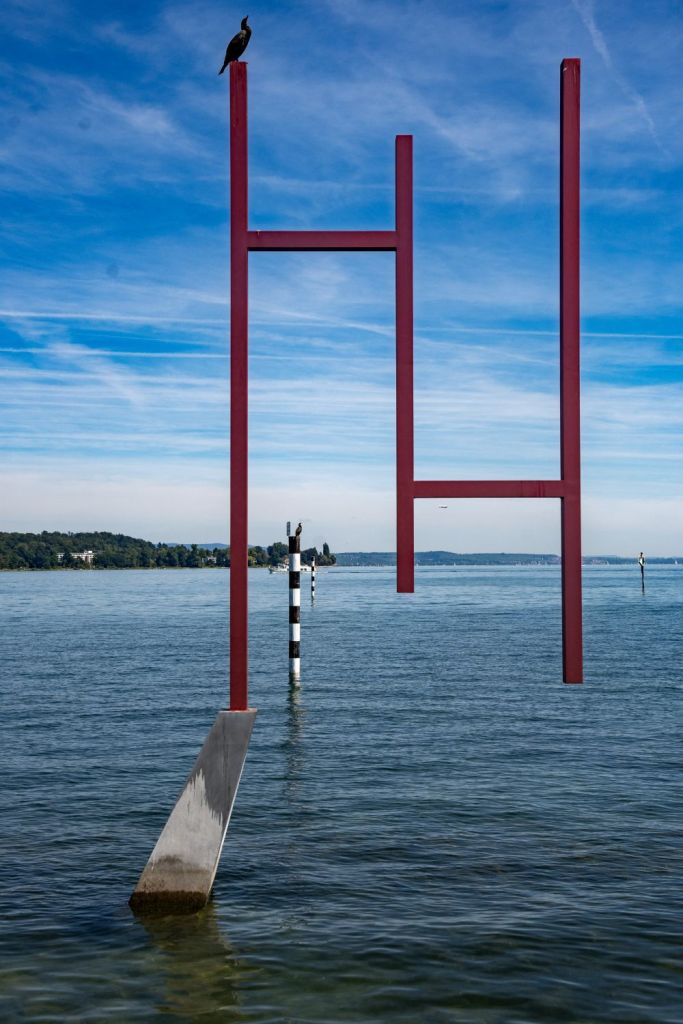
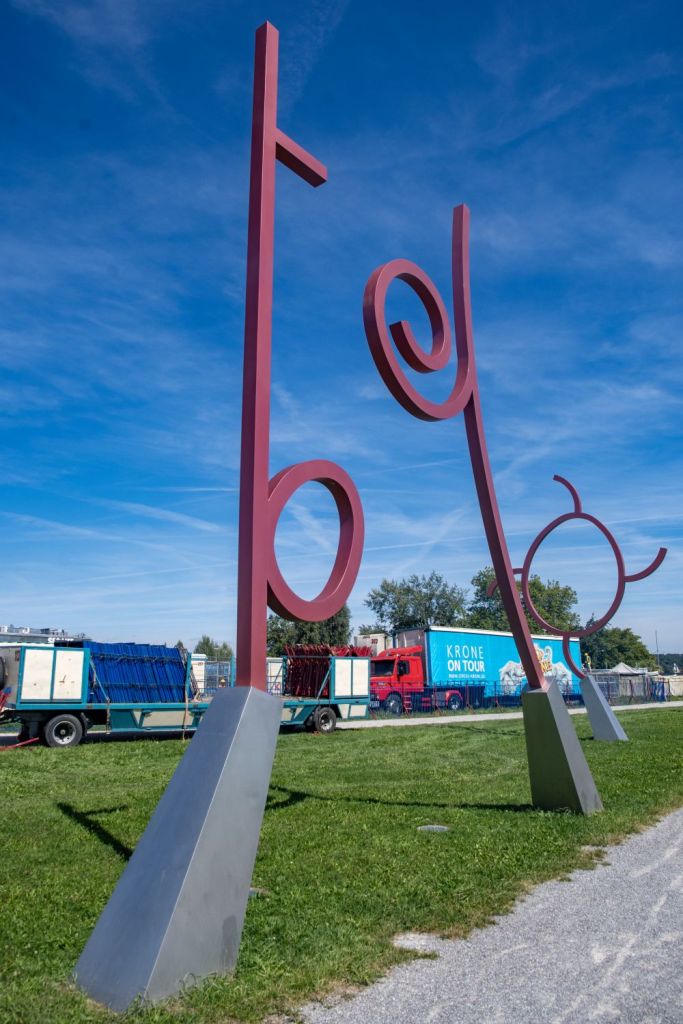
The first part of the border is marked by an art exhibition, with 22 individual stainless steel sculptures featuring Tarot motifs such as the Magician, the Empress, the Wheel of Fortune, the Fool, and many more, the sculptures symbolize the conditions of human existence and, due to their lightness, allow the viewer space for a wide variety of perspectives and interpretations. These are in sharp contrast to the pre existing fence that prevented anyone crossing the border. The sculptures are not located at the border, but actually stand directly on the border itself, half on Swiss and half on German territory, that gives the project its unique character. The two cities are thus connected through art in the truest sense of the word.
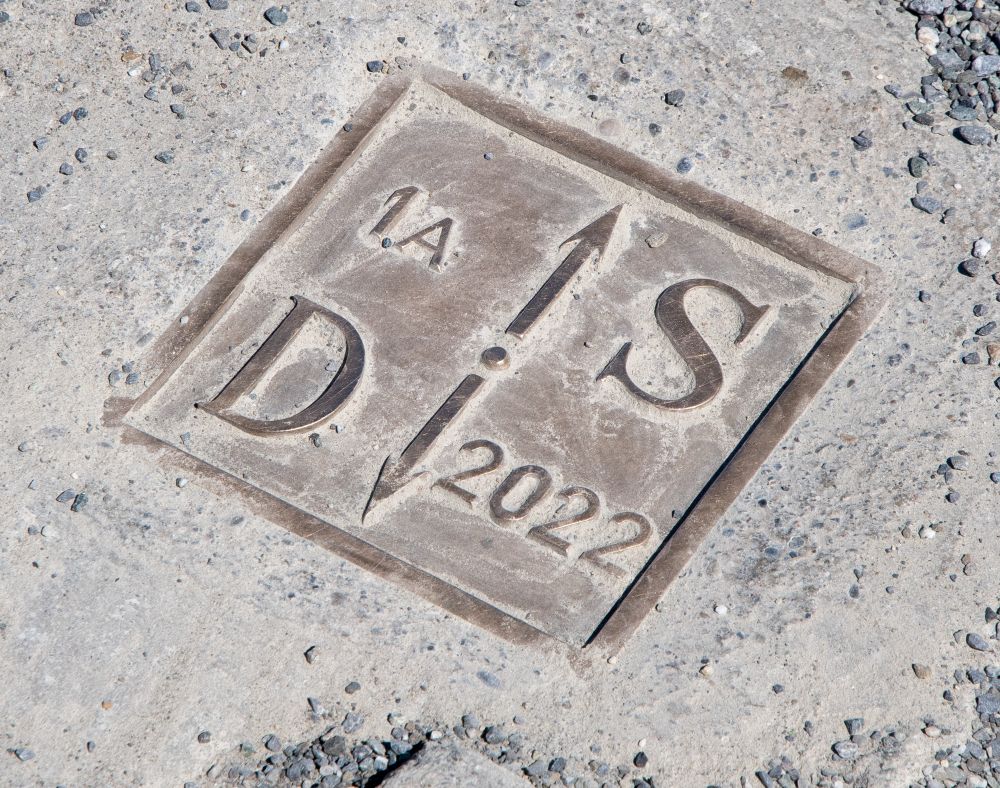
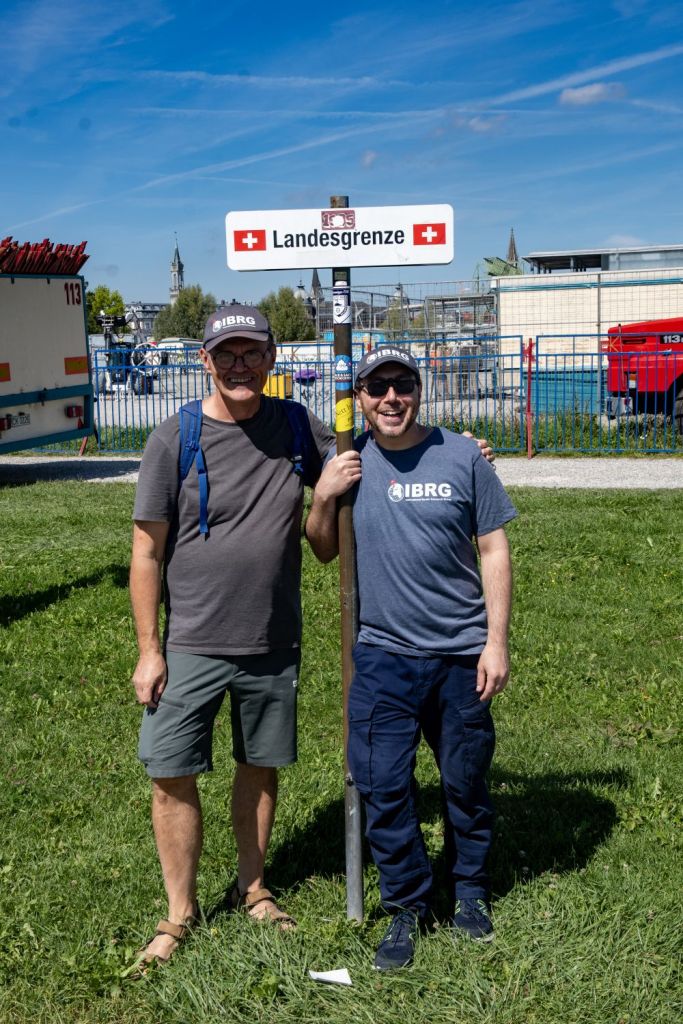
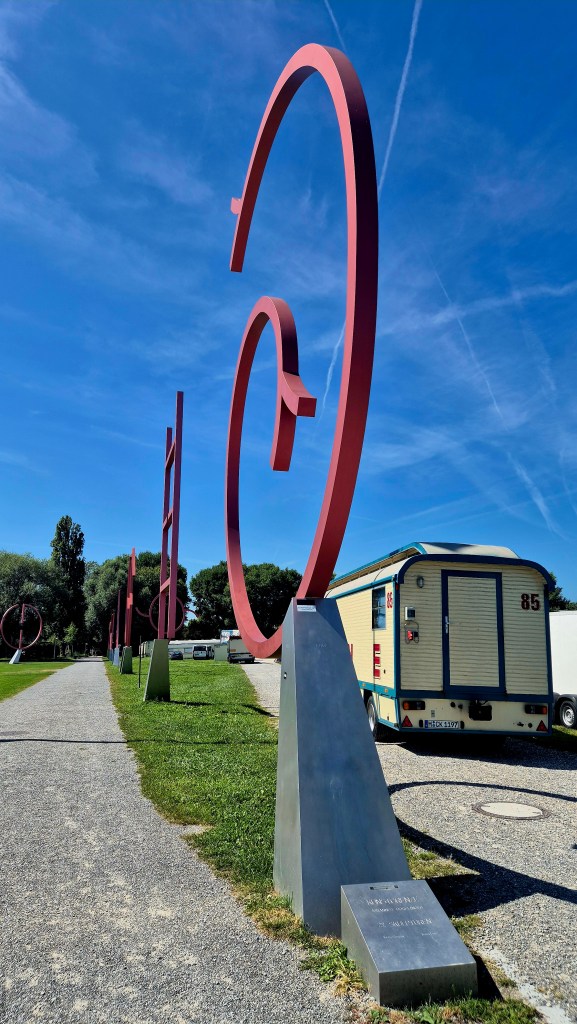
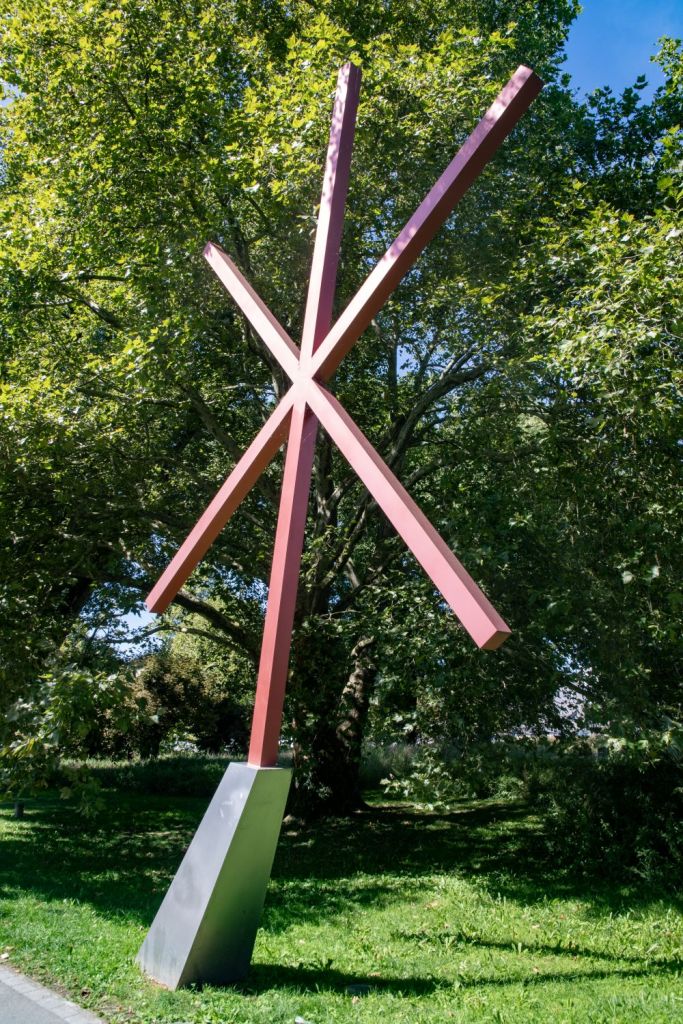
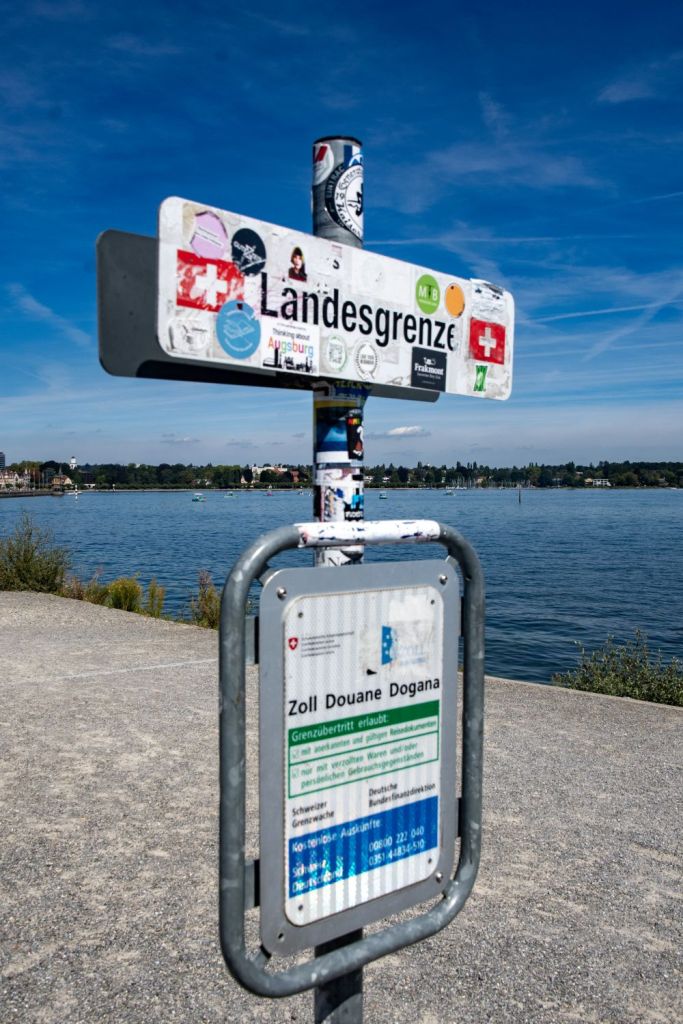
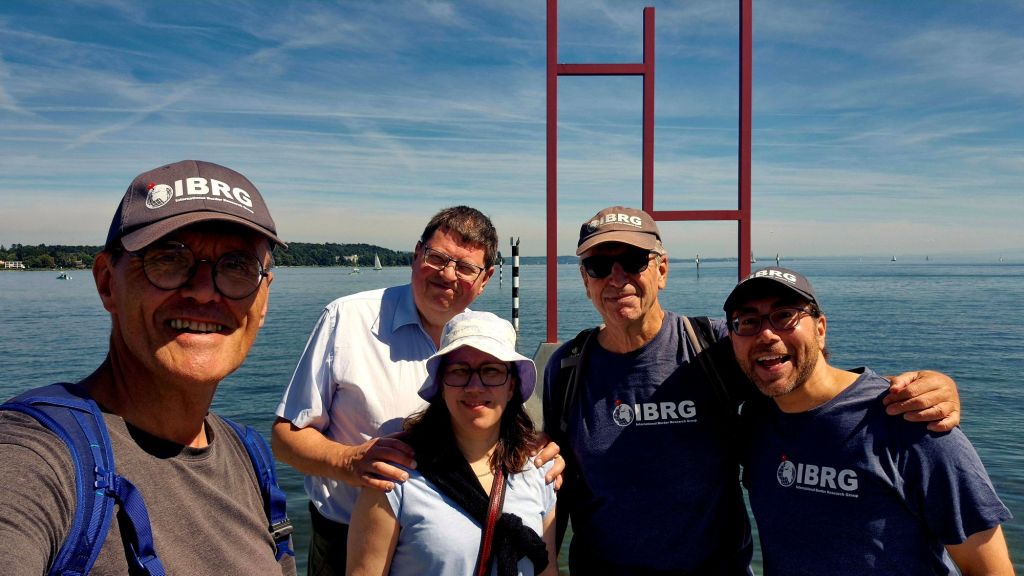
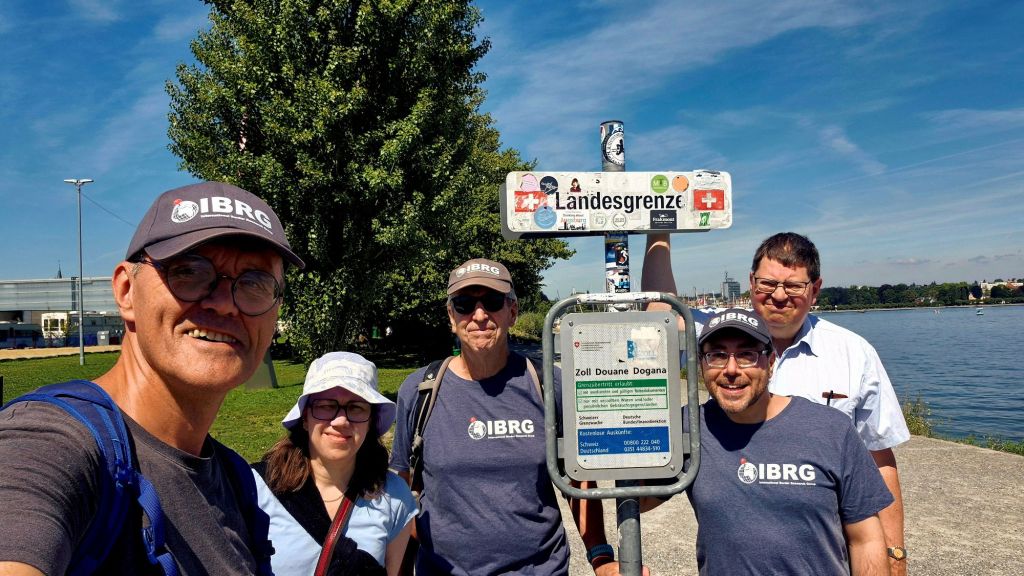
Moving along the border the next set of border markers were located on the boundary of a nursery school, so we had an audience of little people watching us take photos.
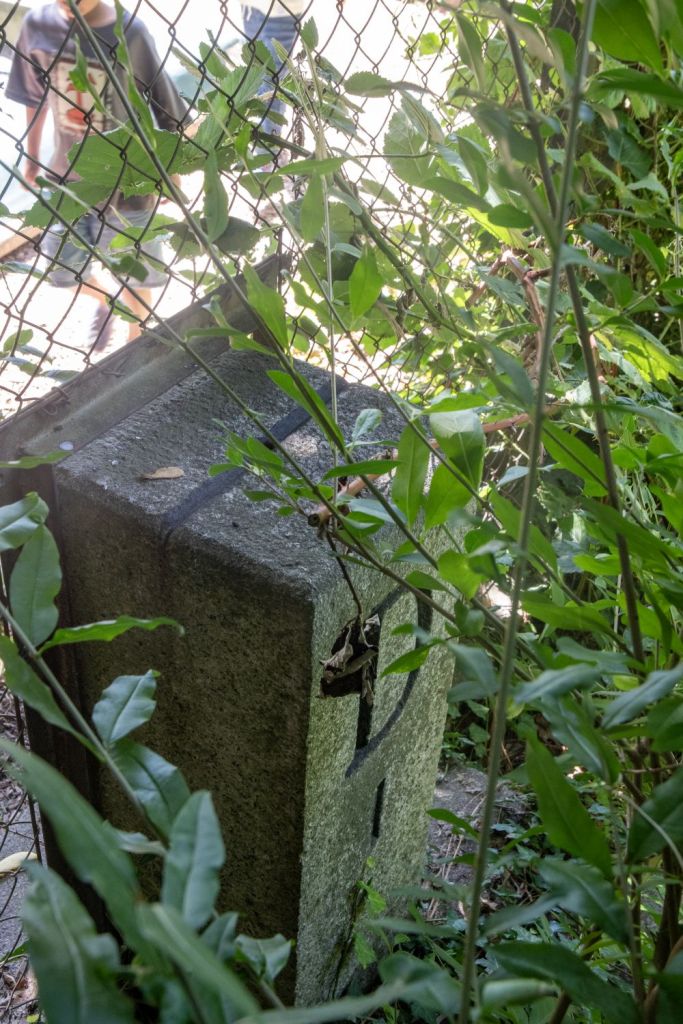
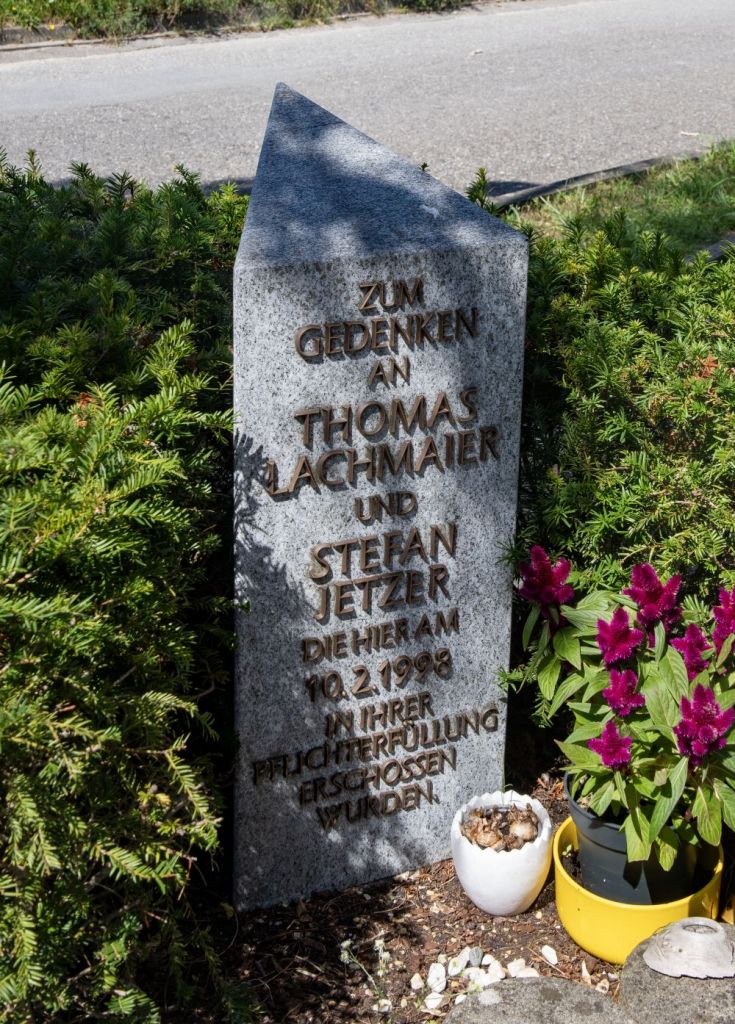
A memorial to 2 Custom Officers, Lachmaier (DE) and Jetzer (CH) were killed whilst undertaking a normal vehicle check. Mario Telatin an Italian was carrying illegal weapons, and opened fire. He was caught at a nearby railway crossing and took his own life to evade capture.
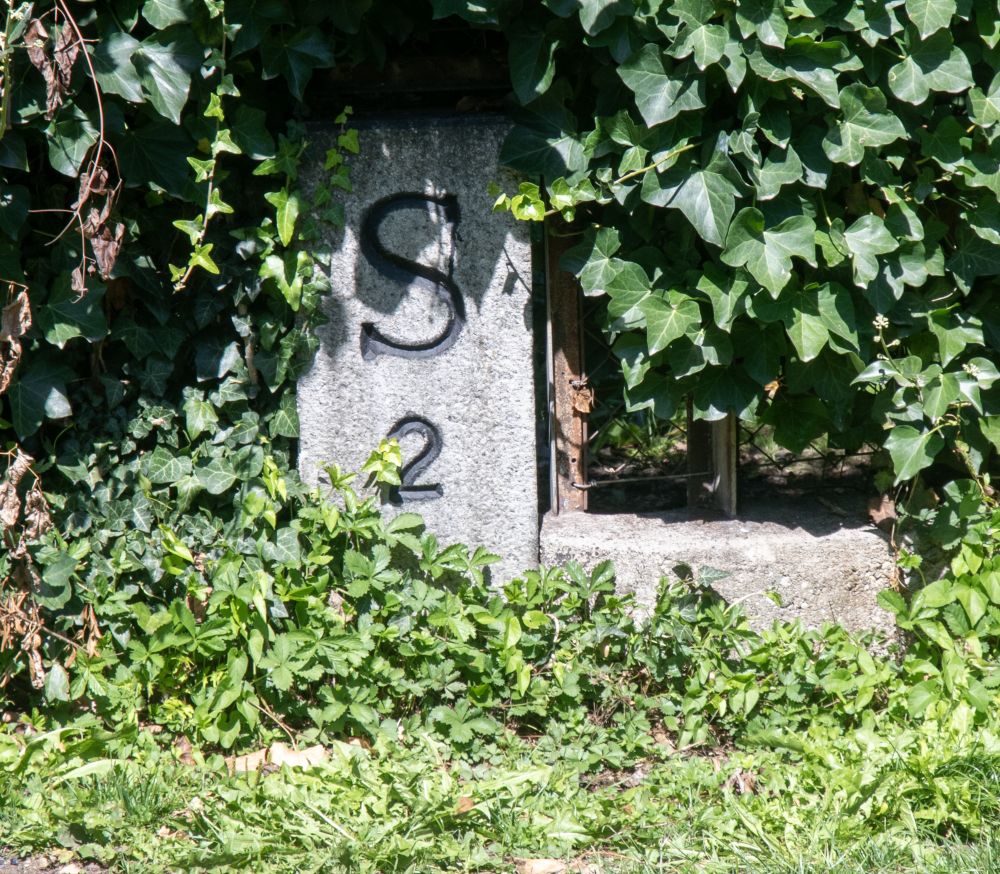
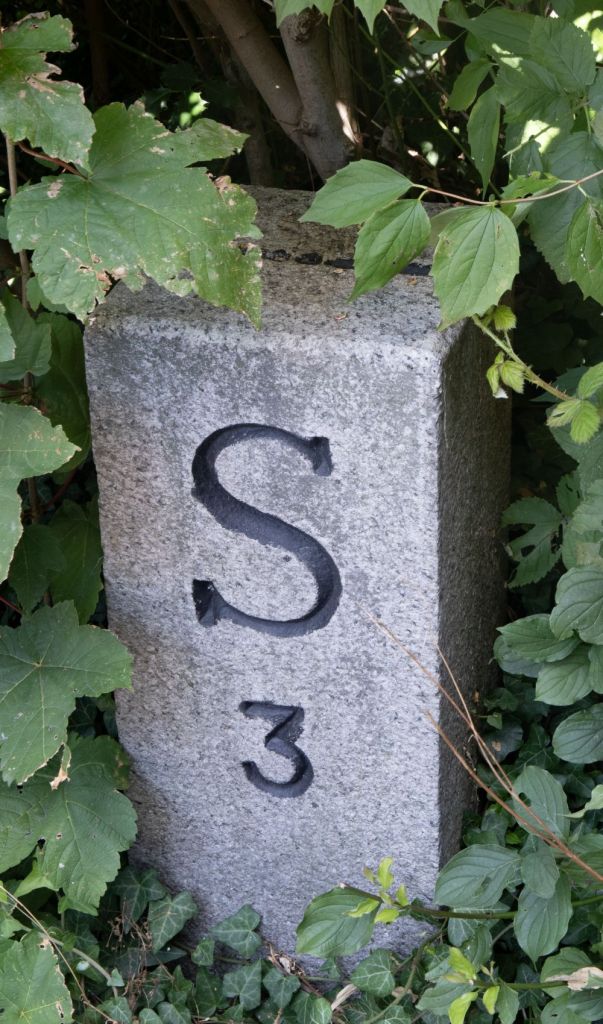
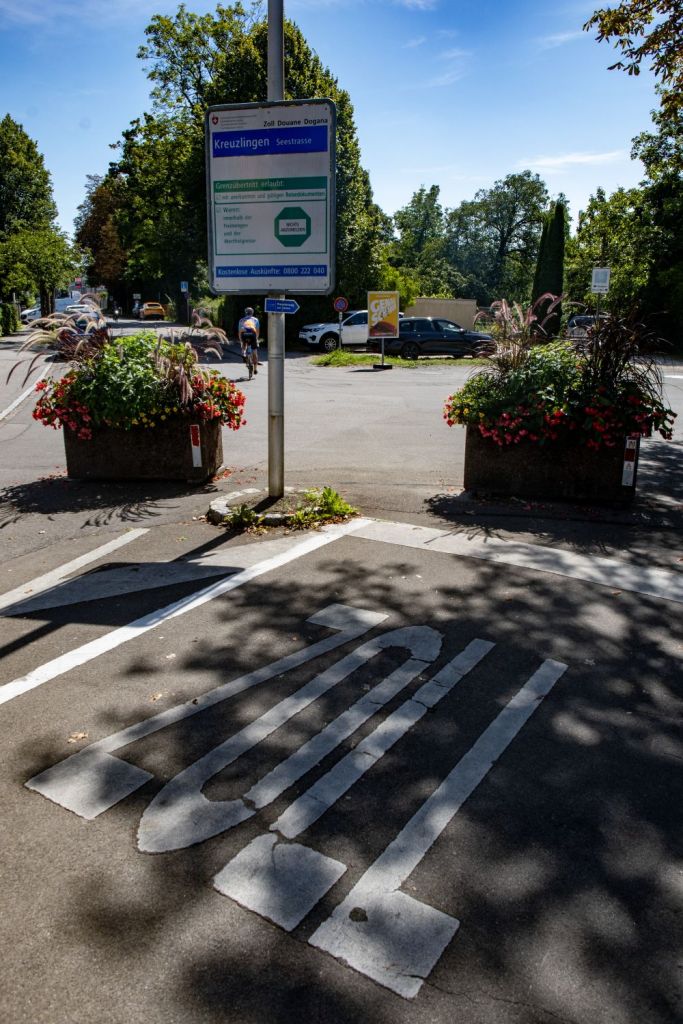
Railway crossings at borders are fascinating, this is particularly interesting as the border markers, on both sides of the crossing, national signs and road markings indicate a level of complexity. The crossing gates went down several times to allow for cross border trains to pass.
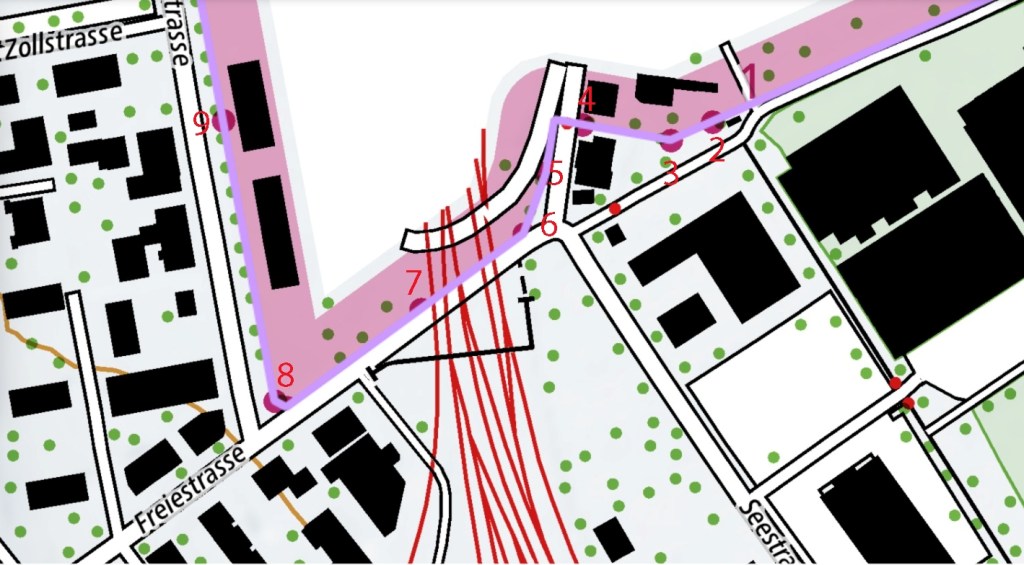
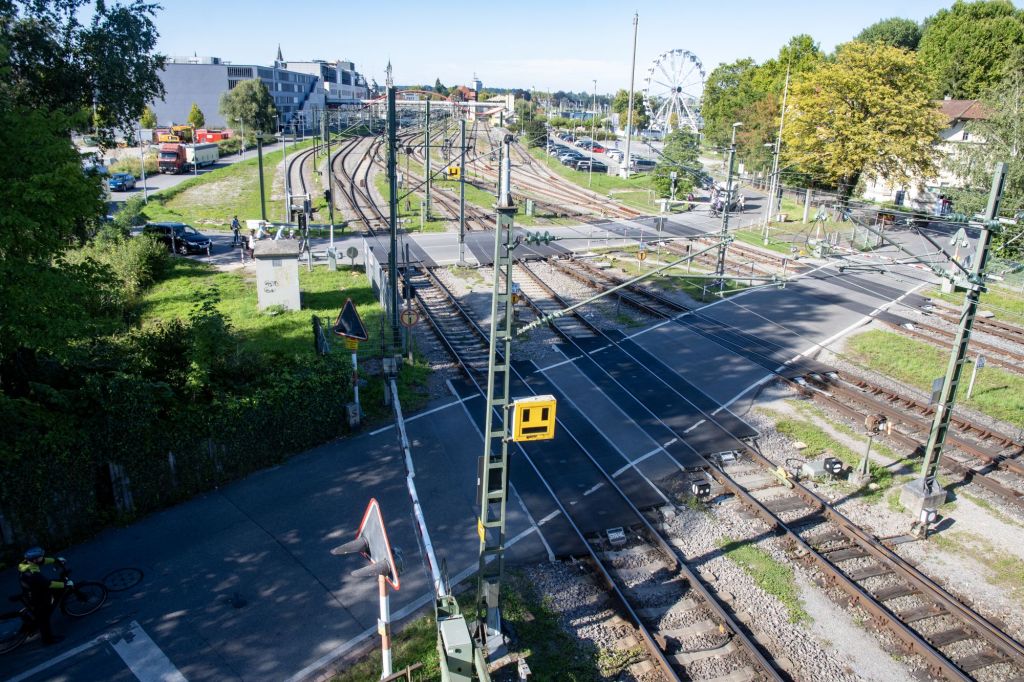
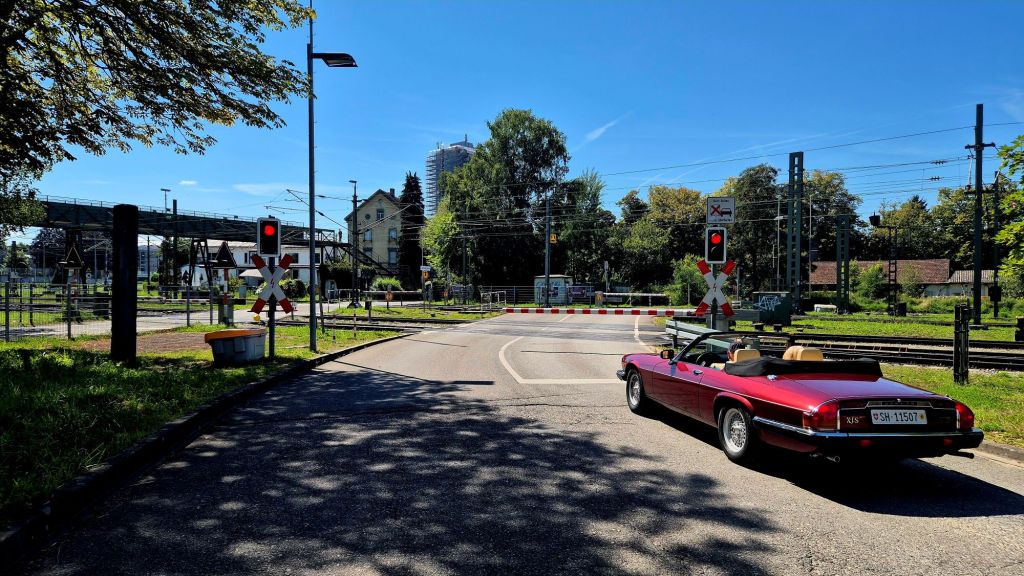
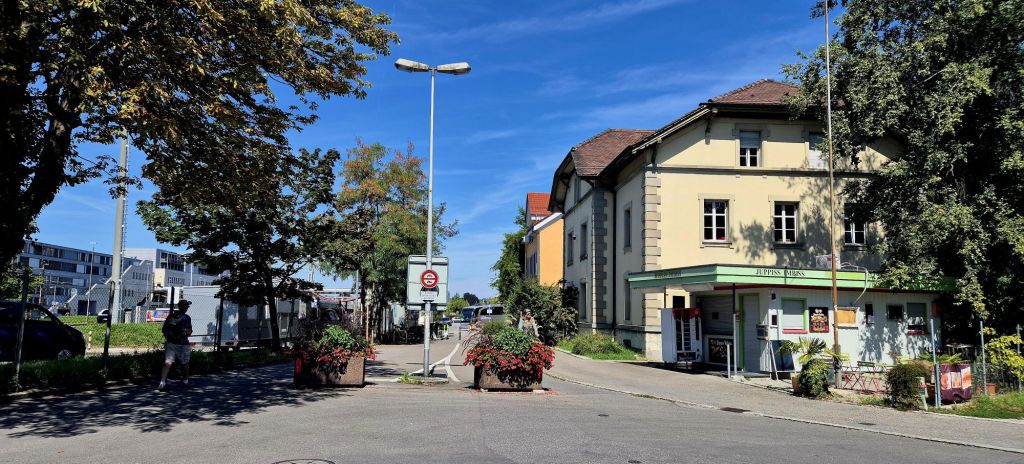
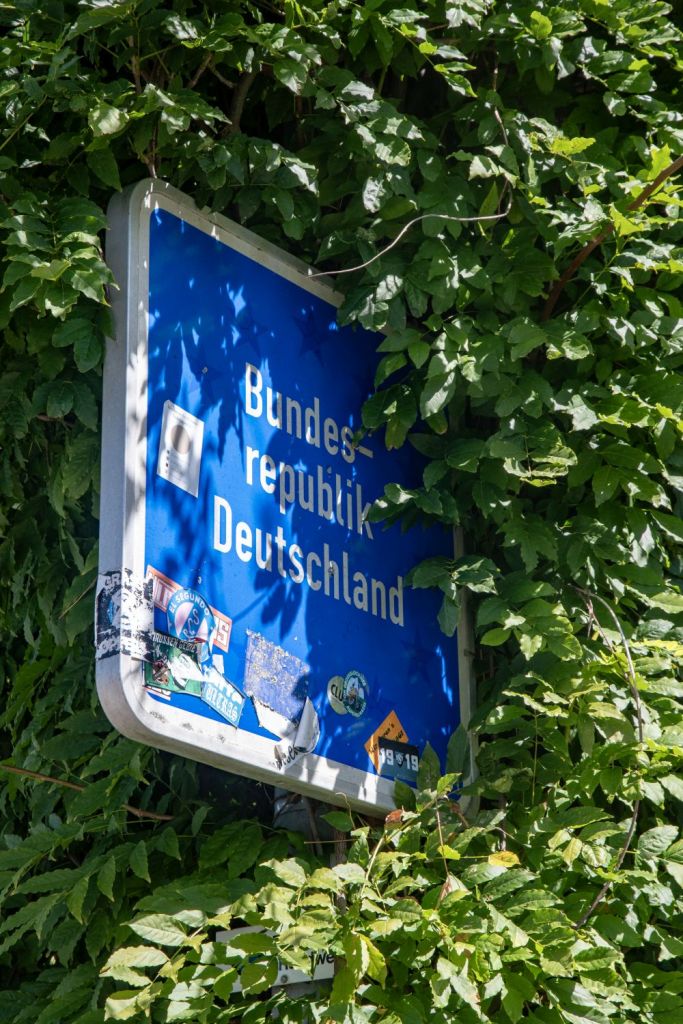
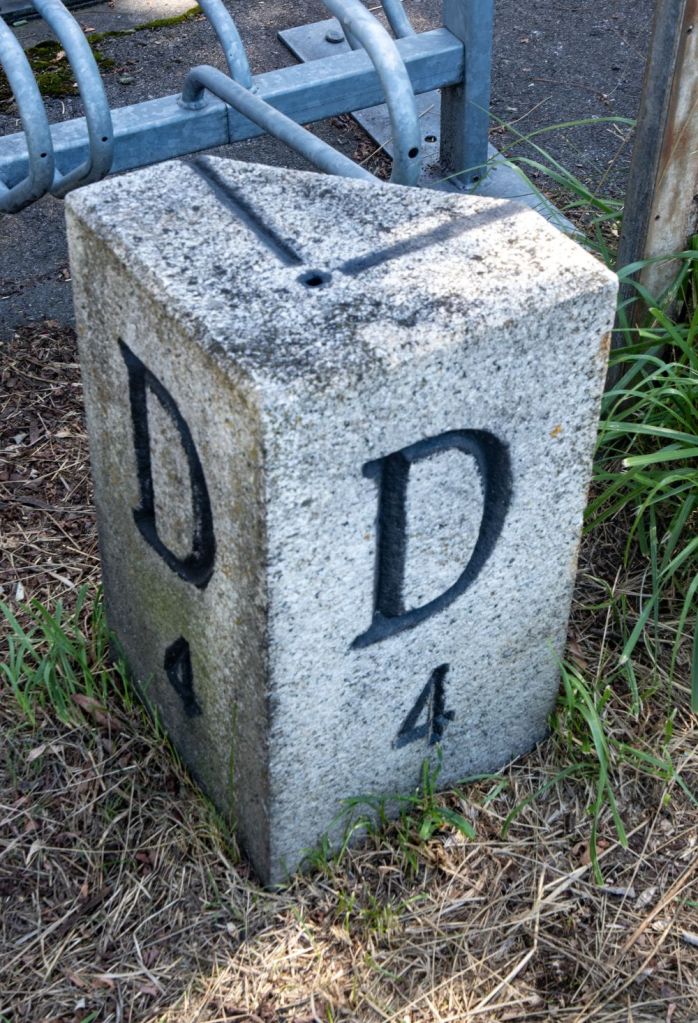
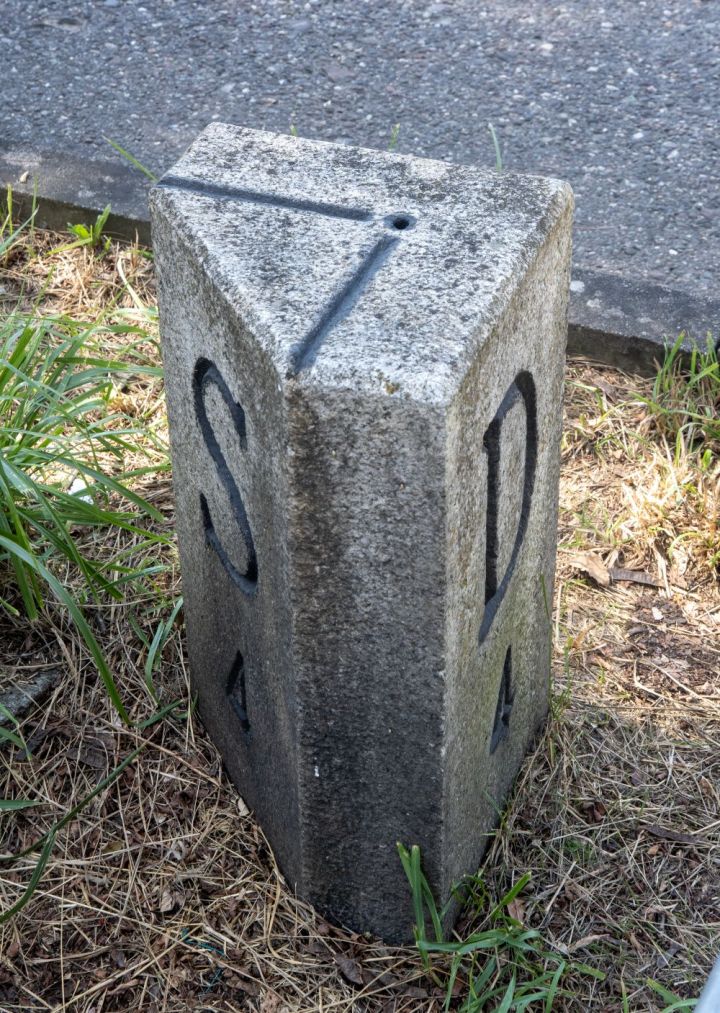
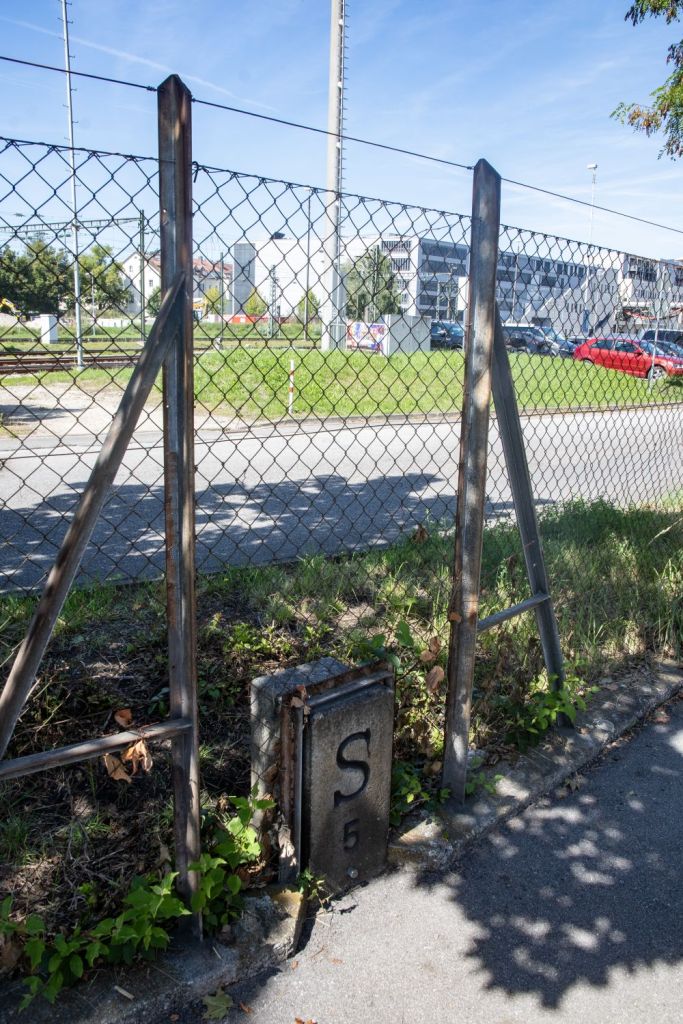
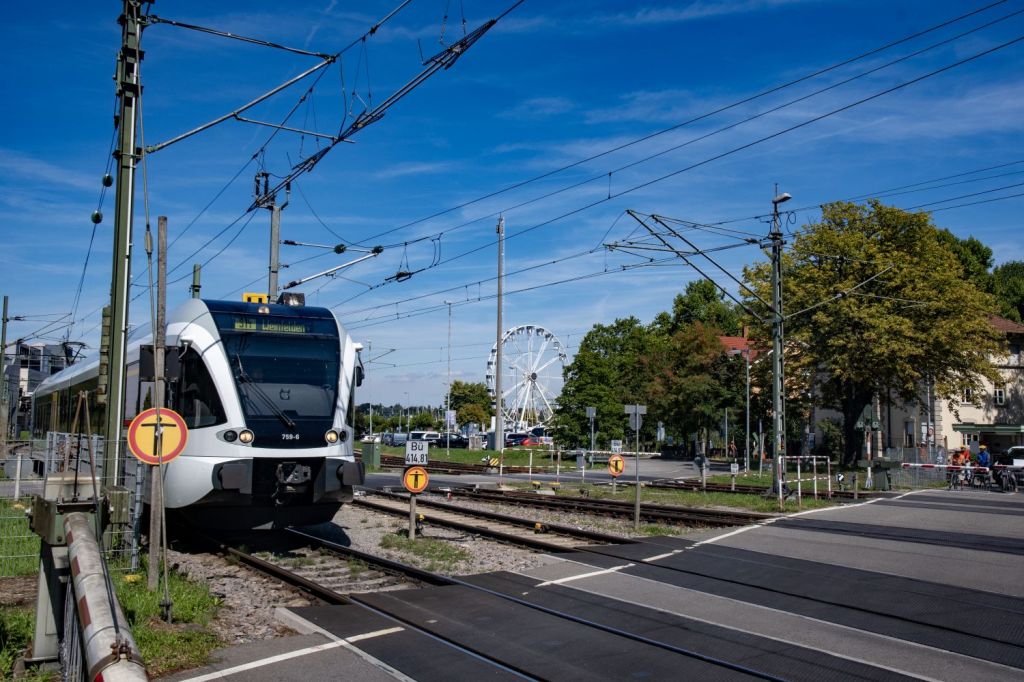
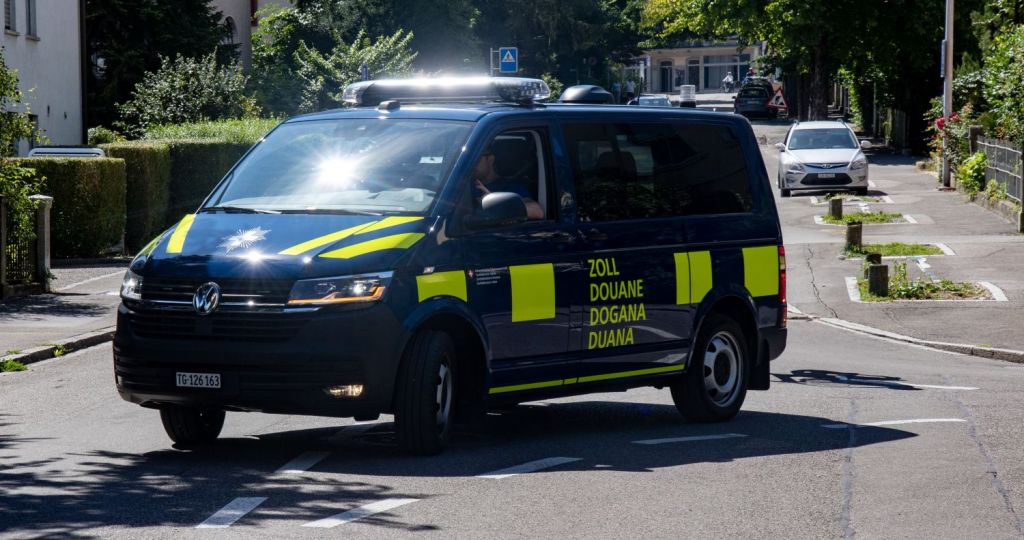
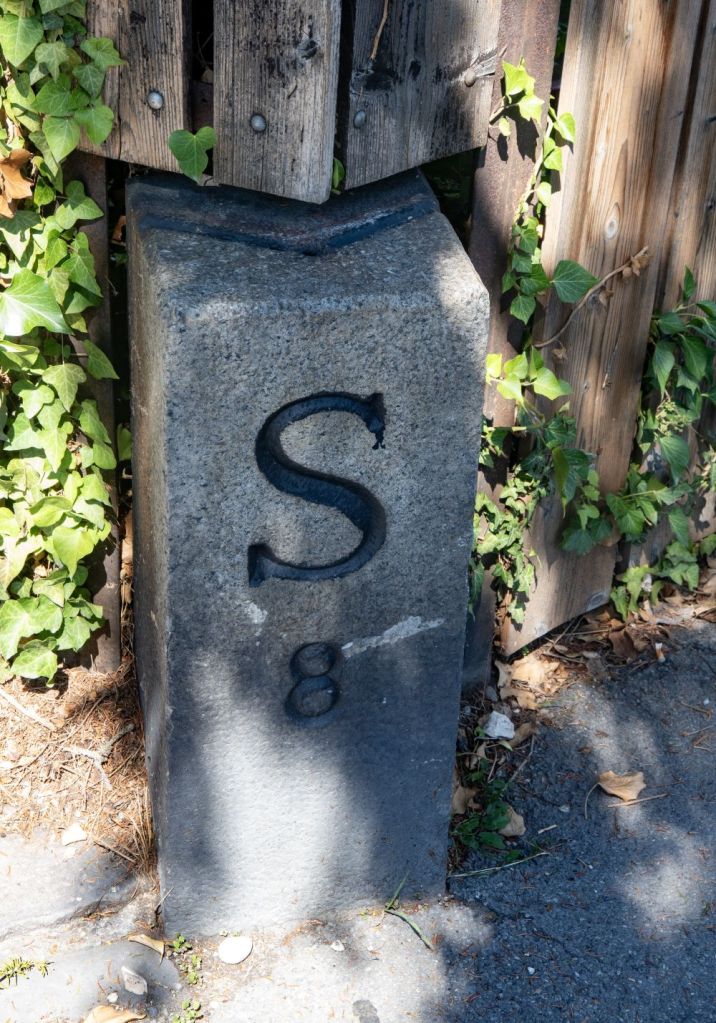
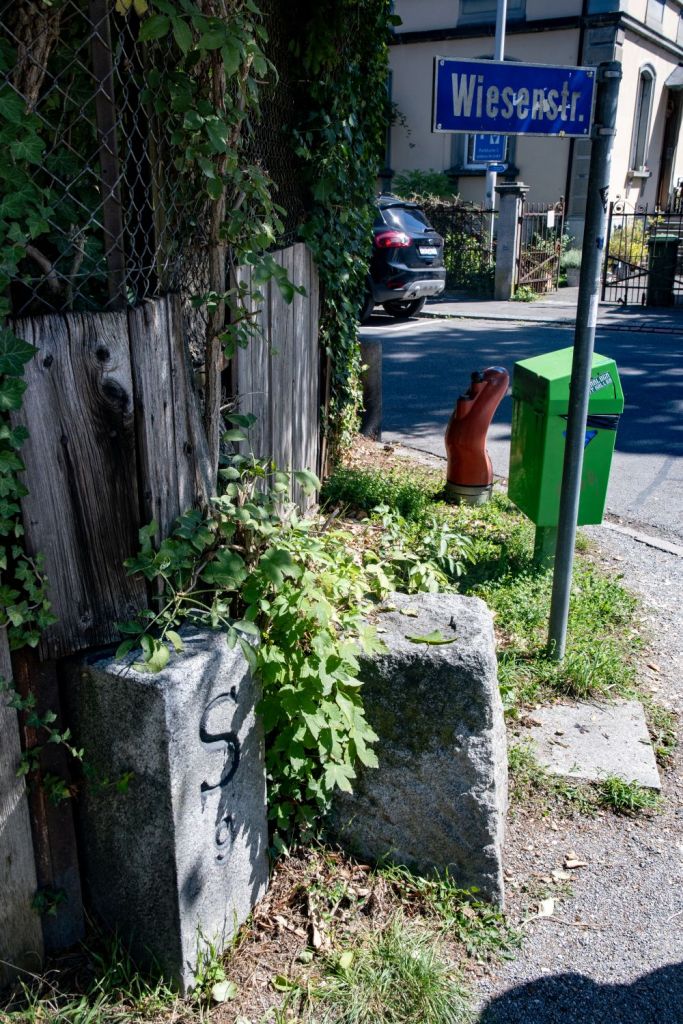
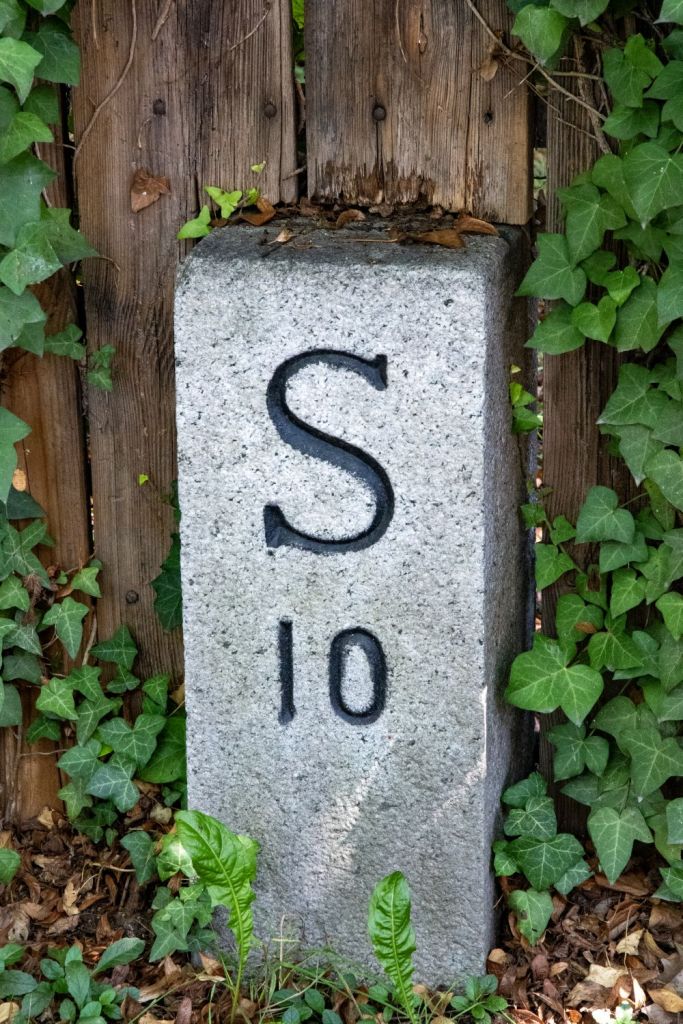
Wiesenstrasse border crossing
At the end of Wiesenstrasse there is a pedestrian crossing.
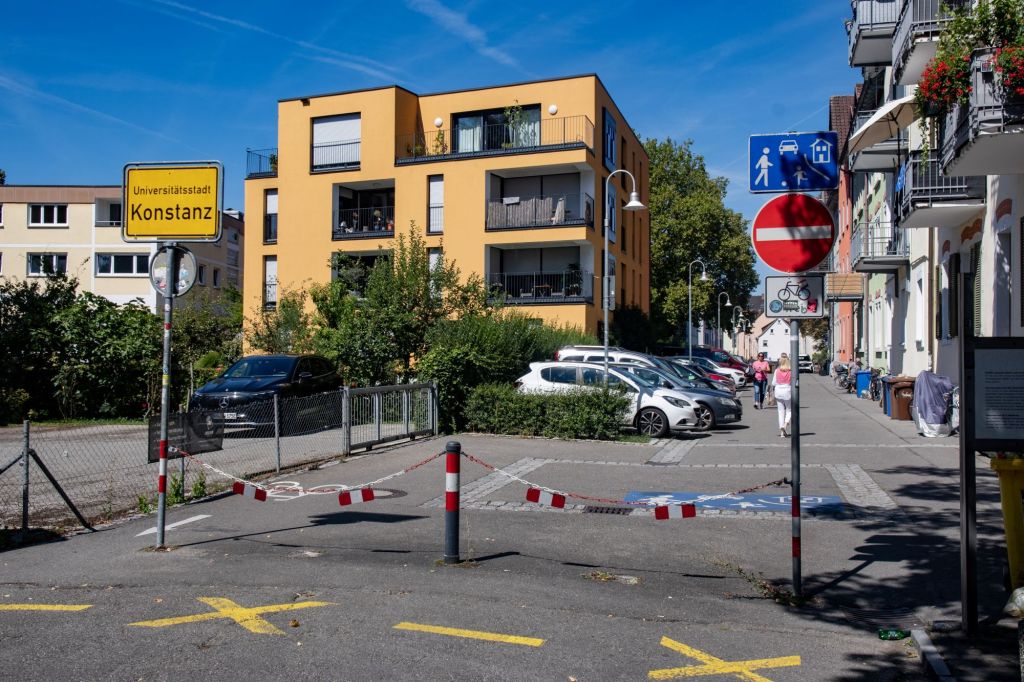
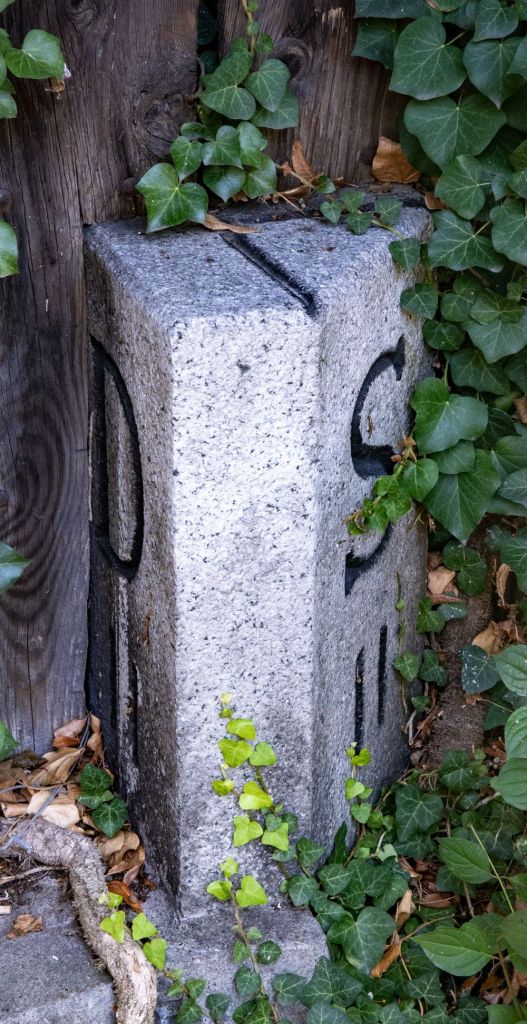
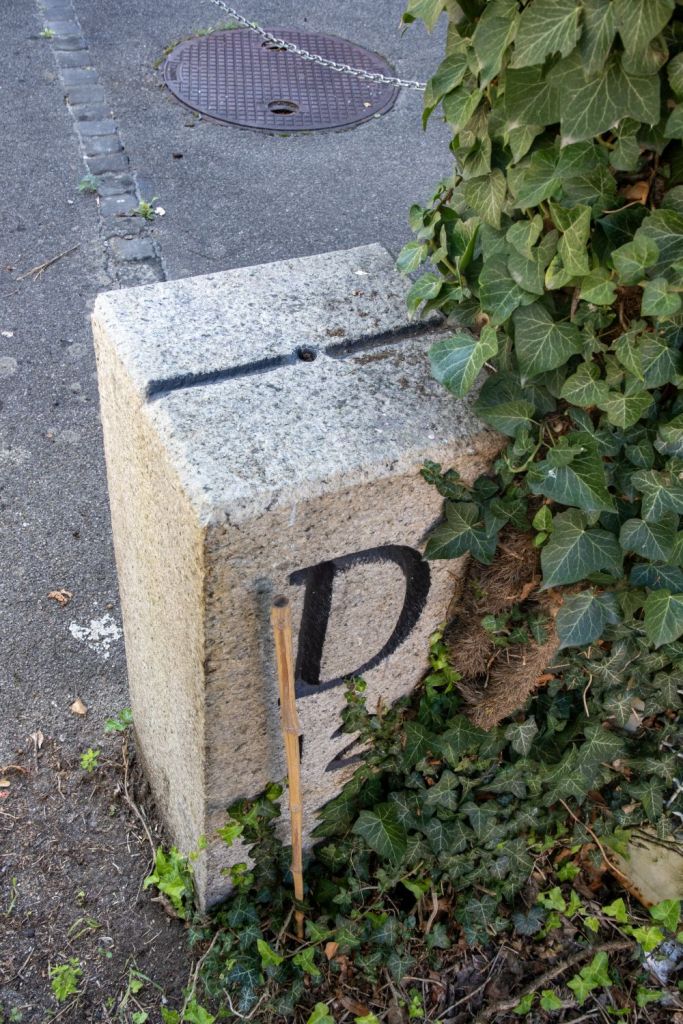
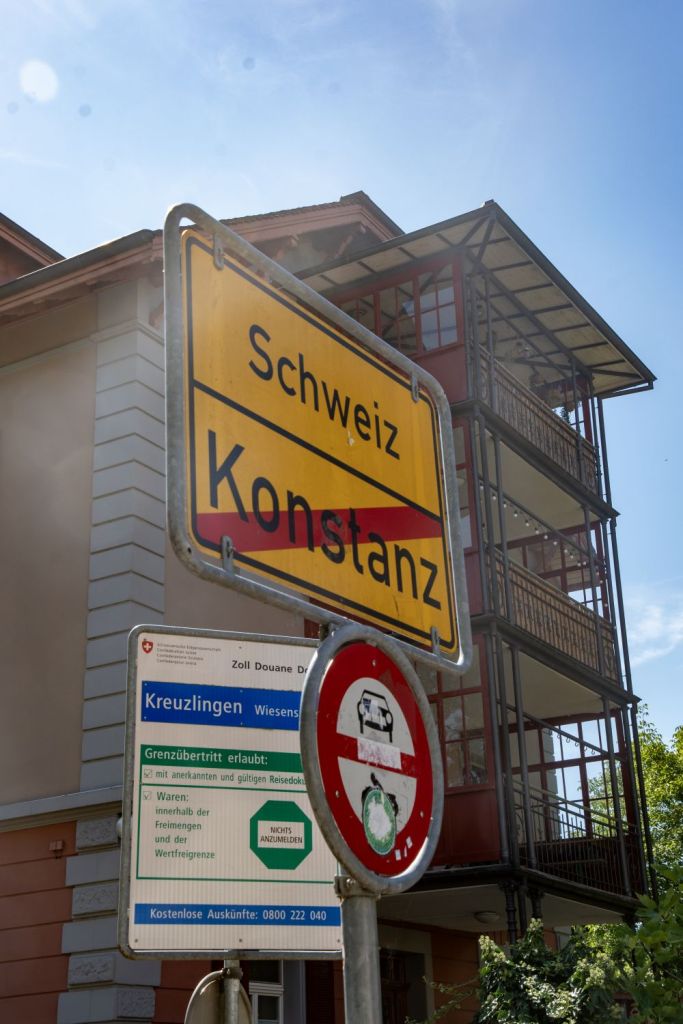
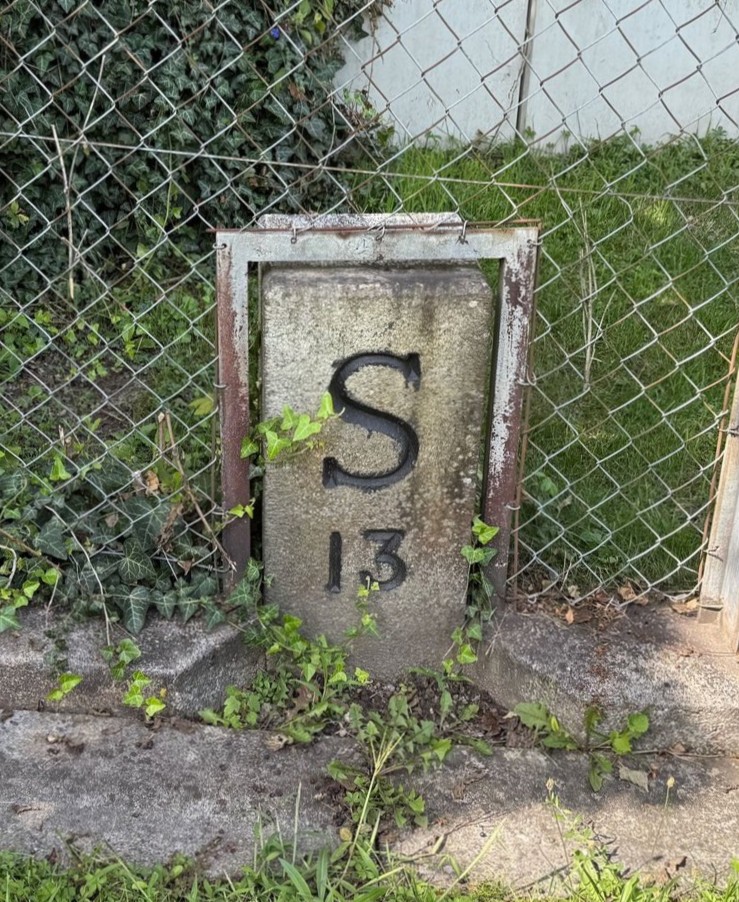
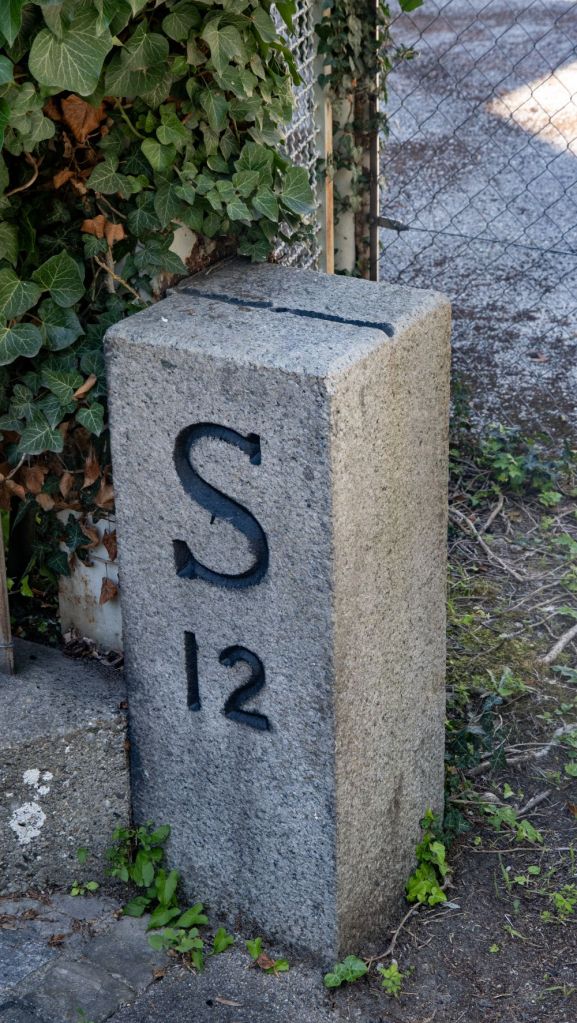
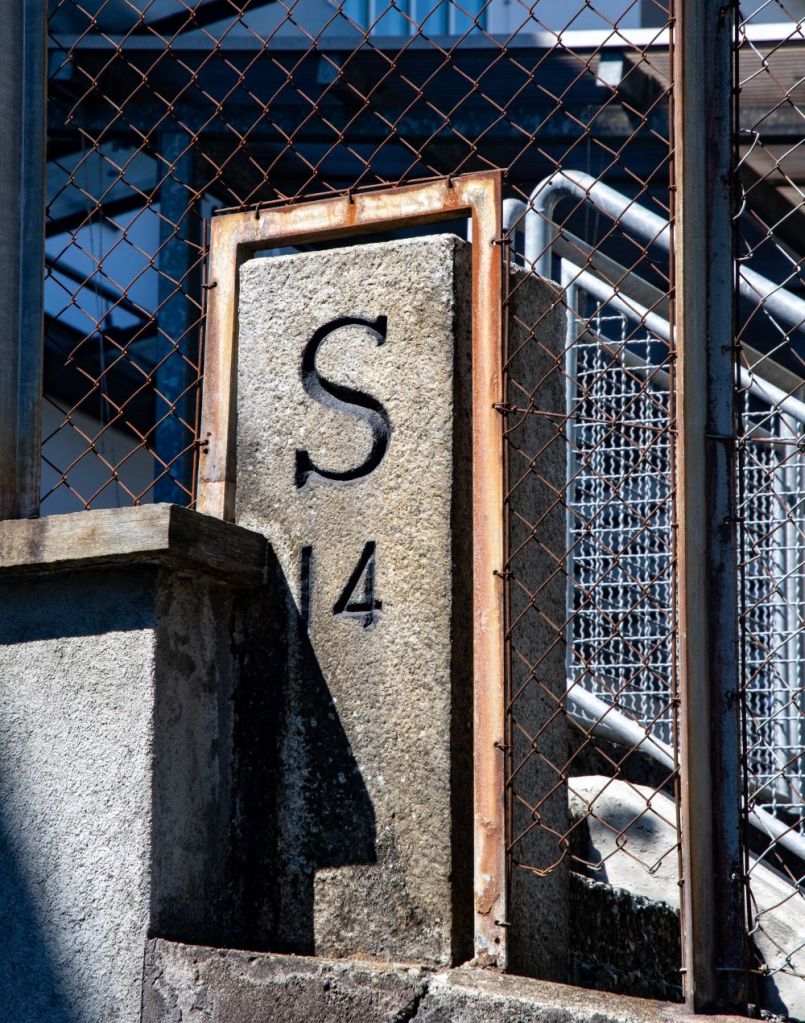
Konstanz – Kreuzlinger Tor border crossing
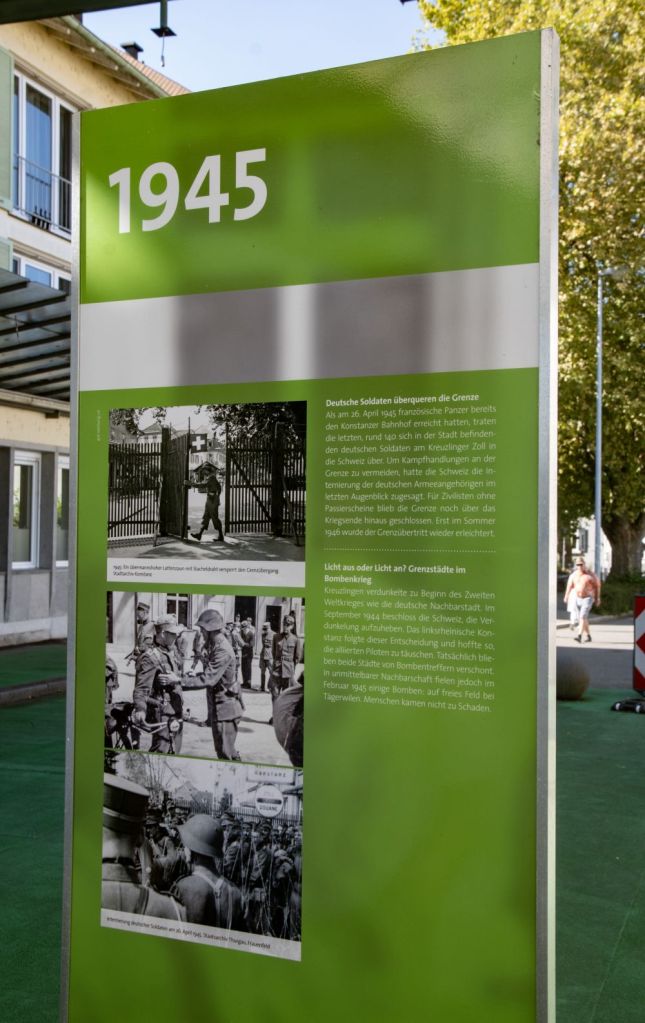
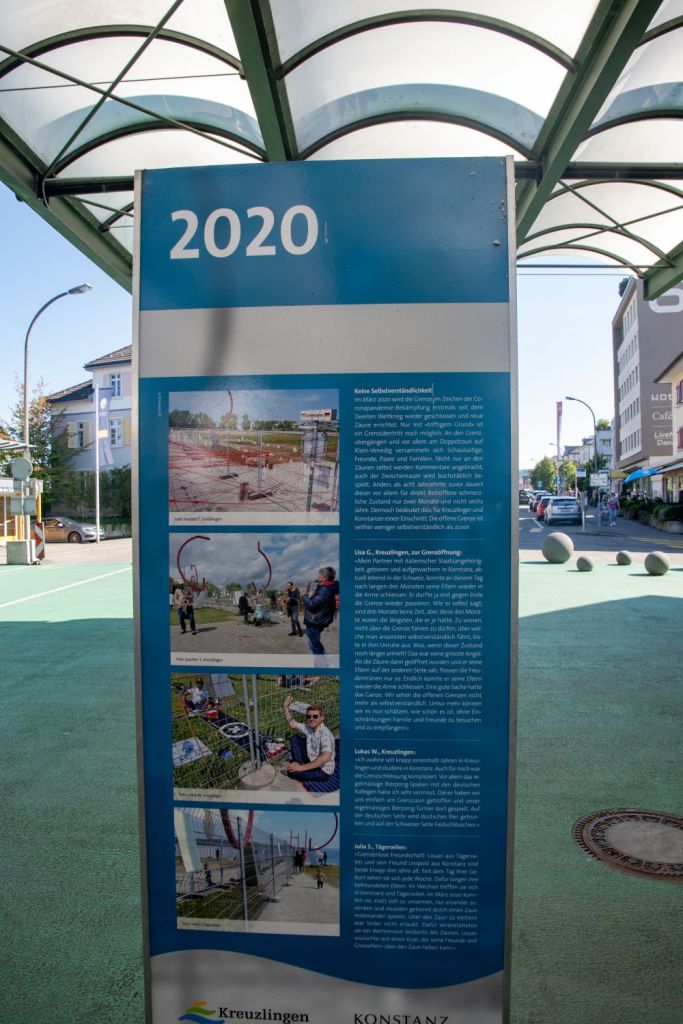
This is a pedestrian only border crossing with several border markers and several information boards explaining the history of the crossing. The artwork theme is continued here.
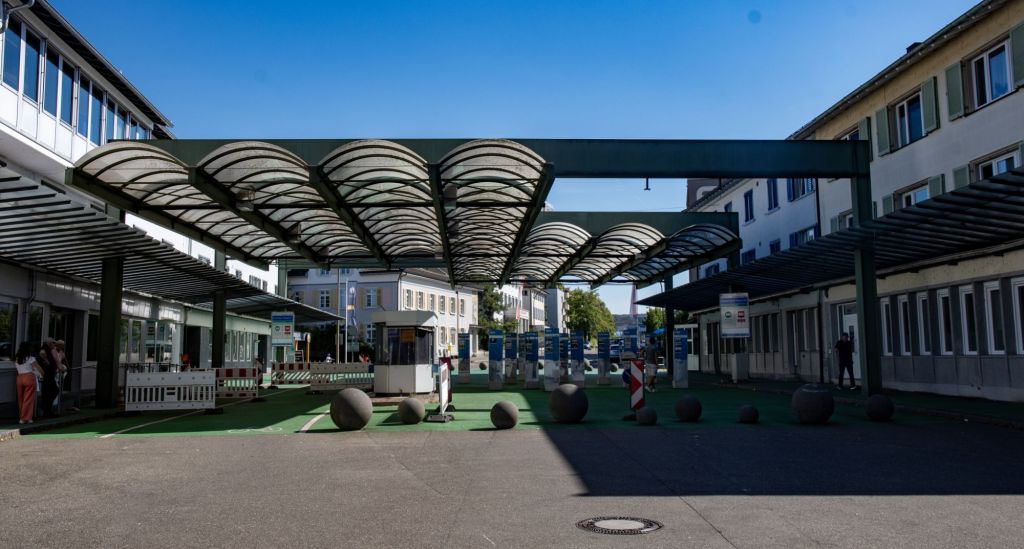
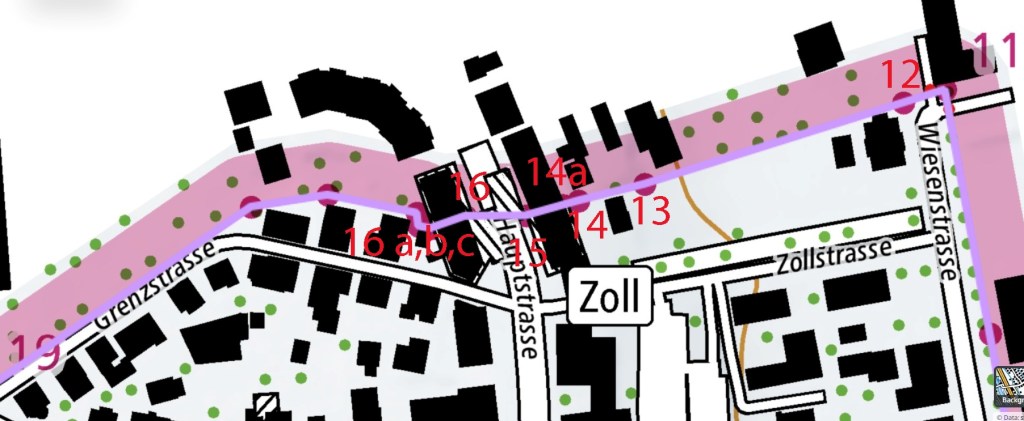
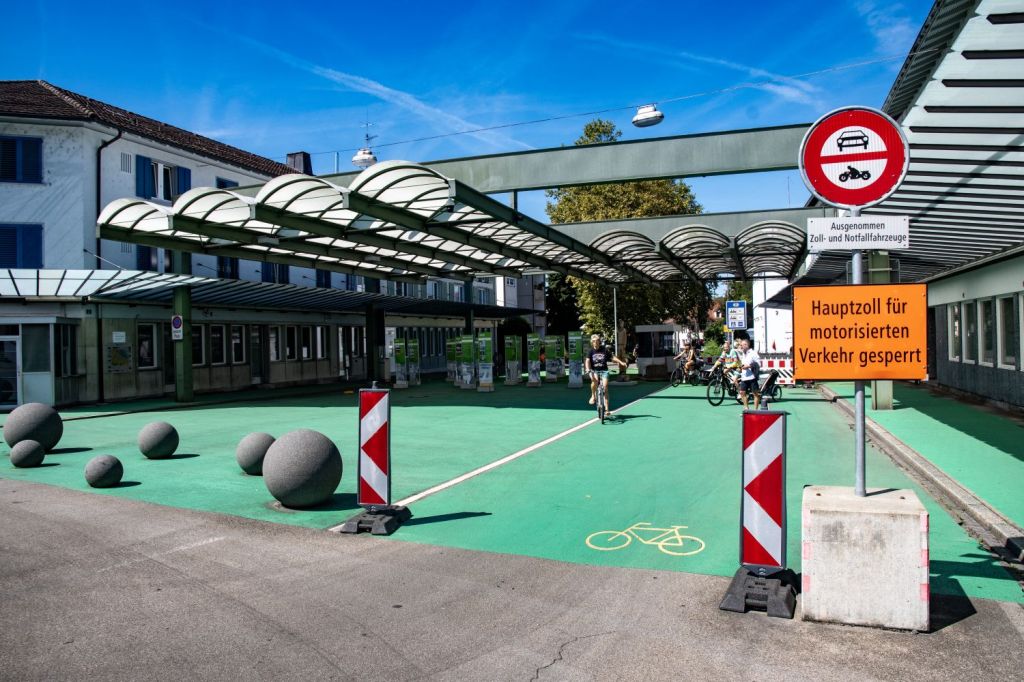
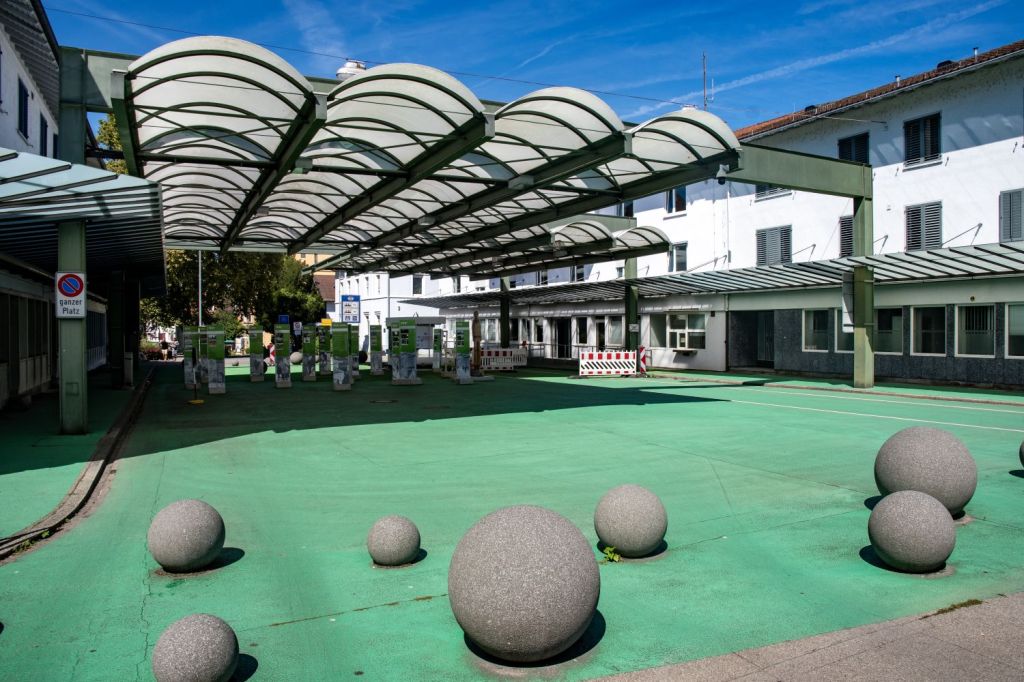
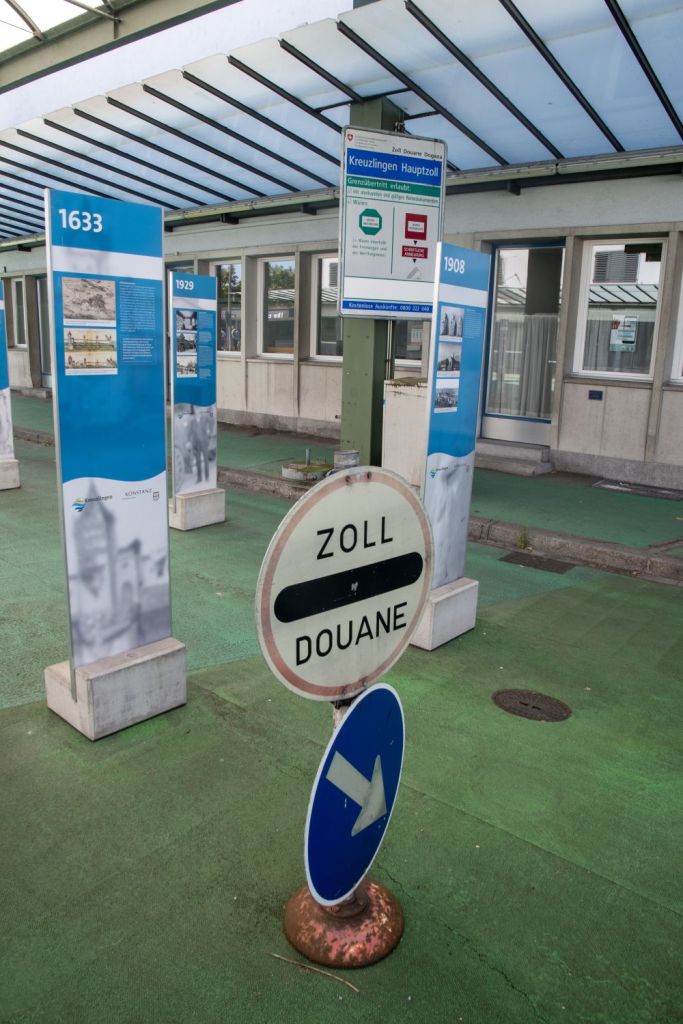
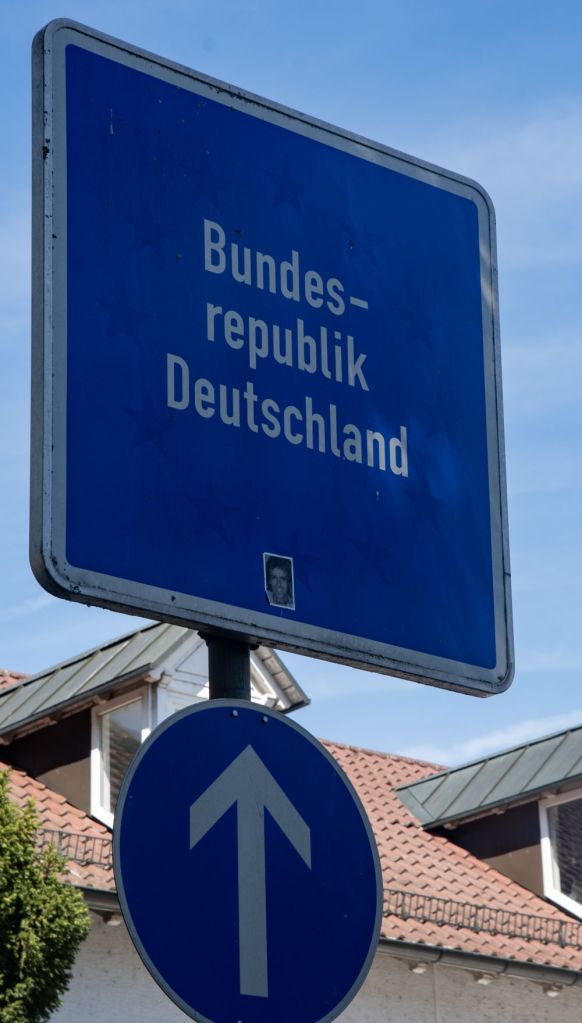
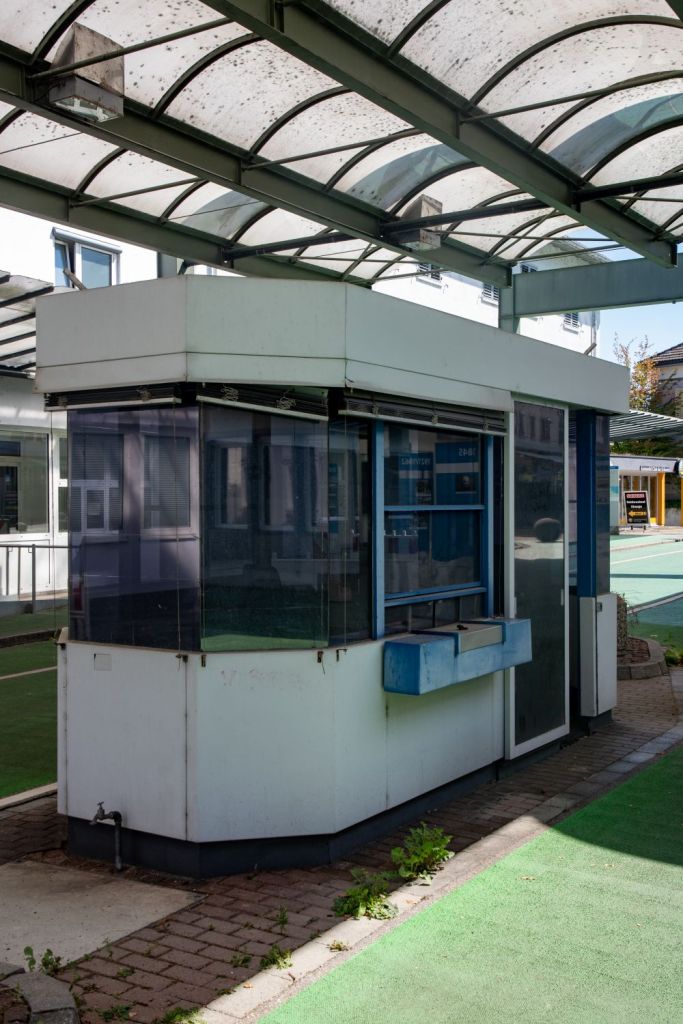
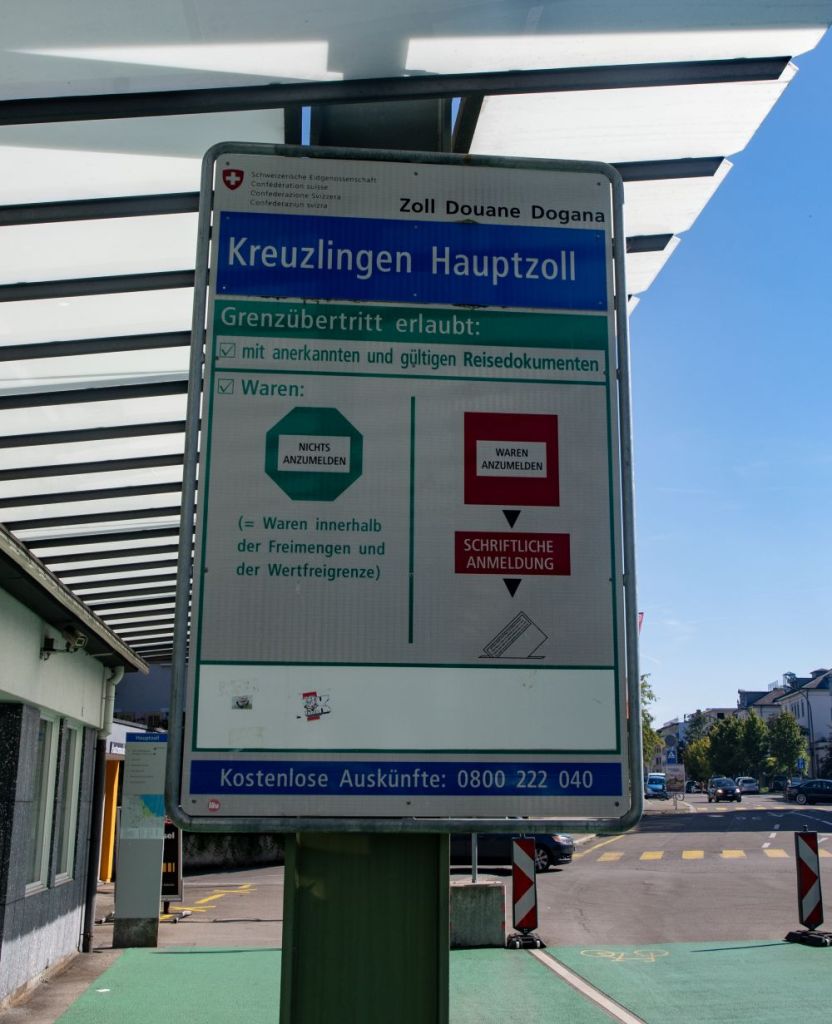
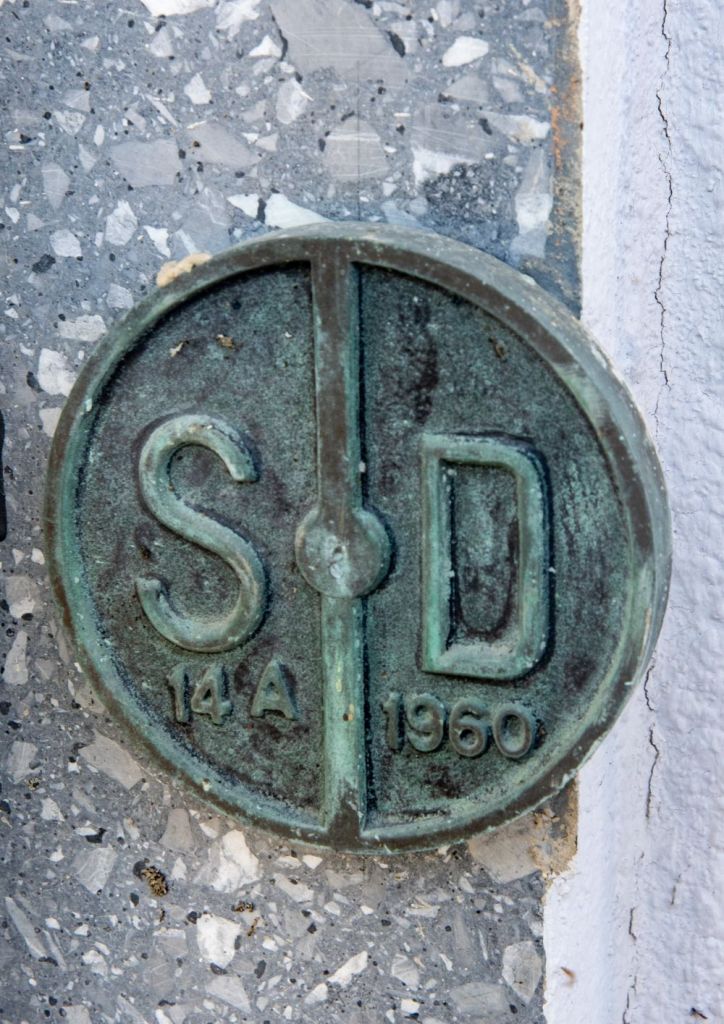
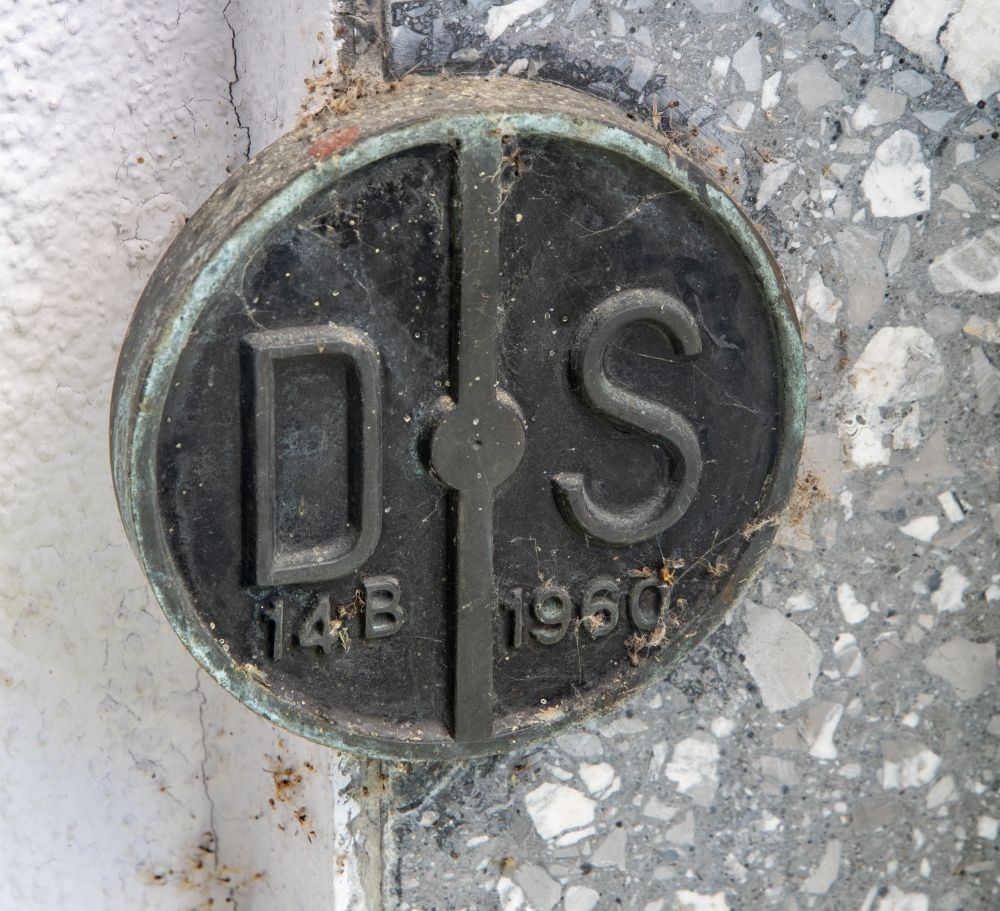
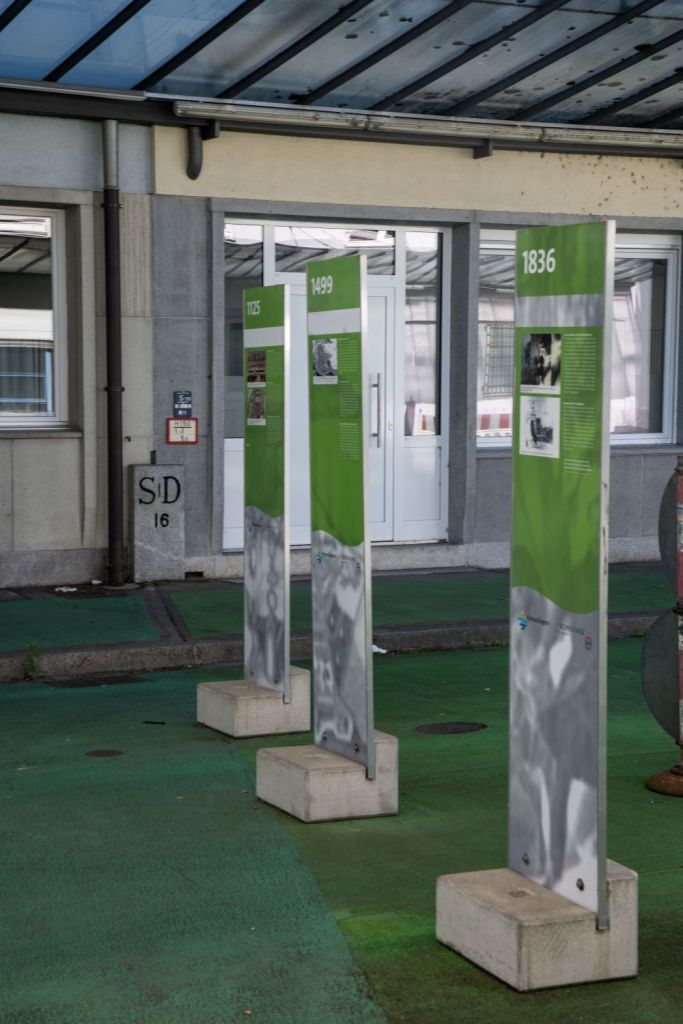
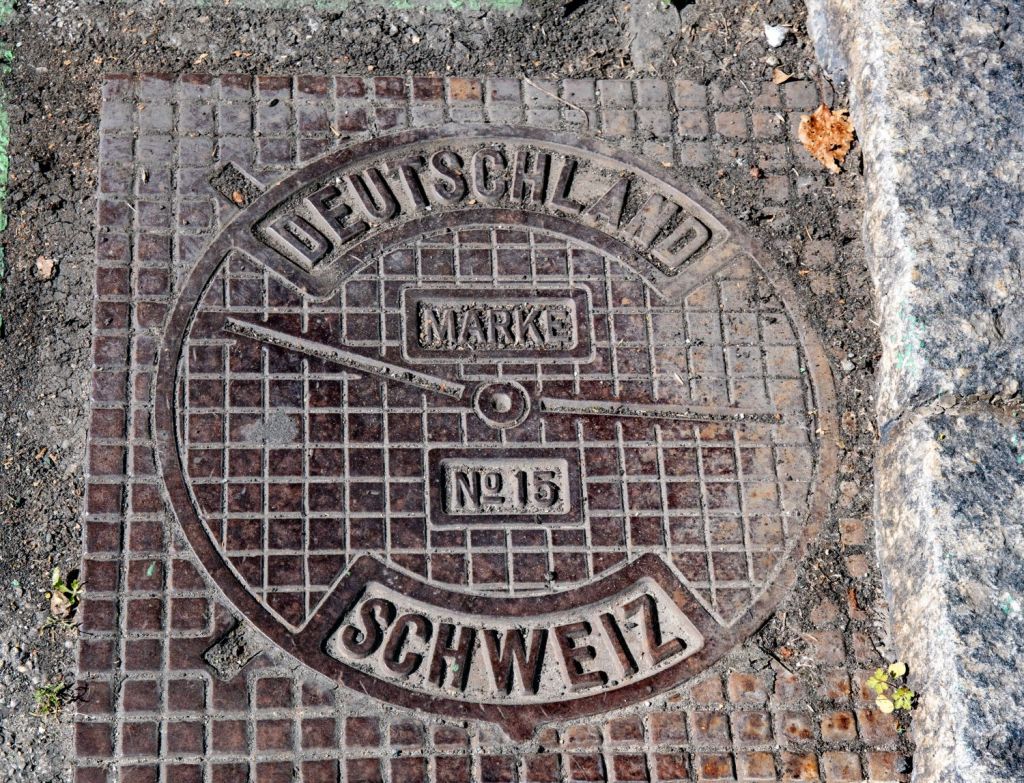
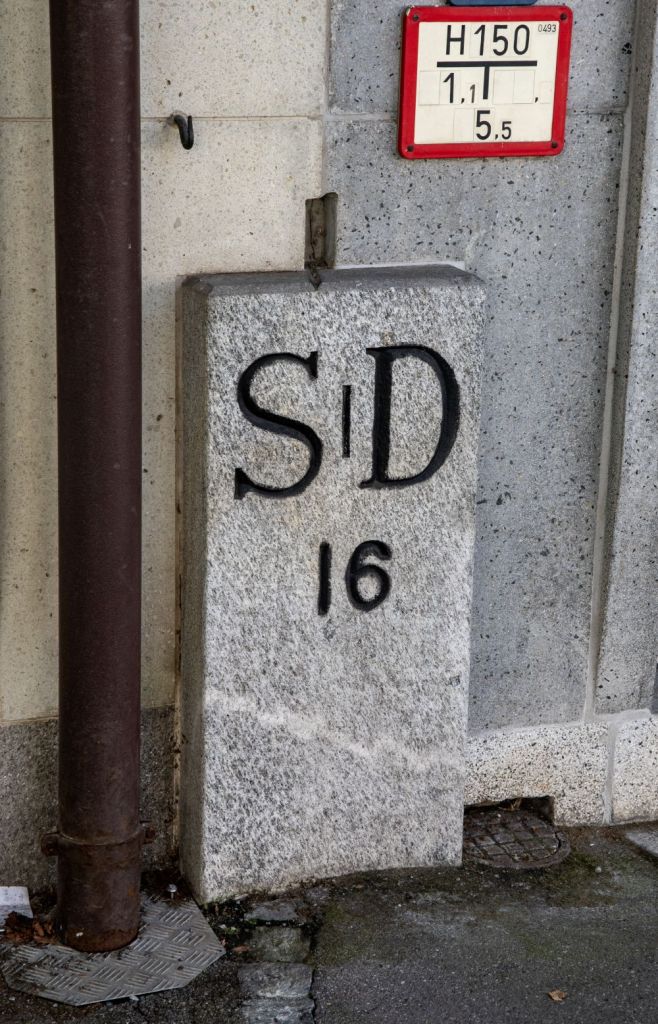
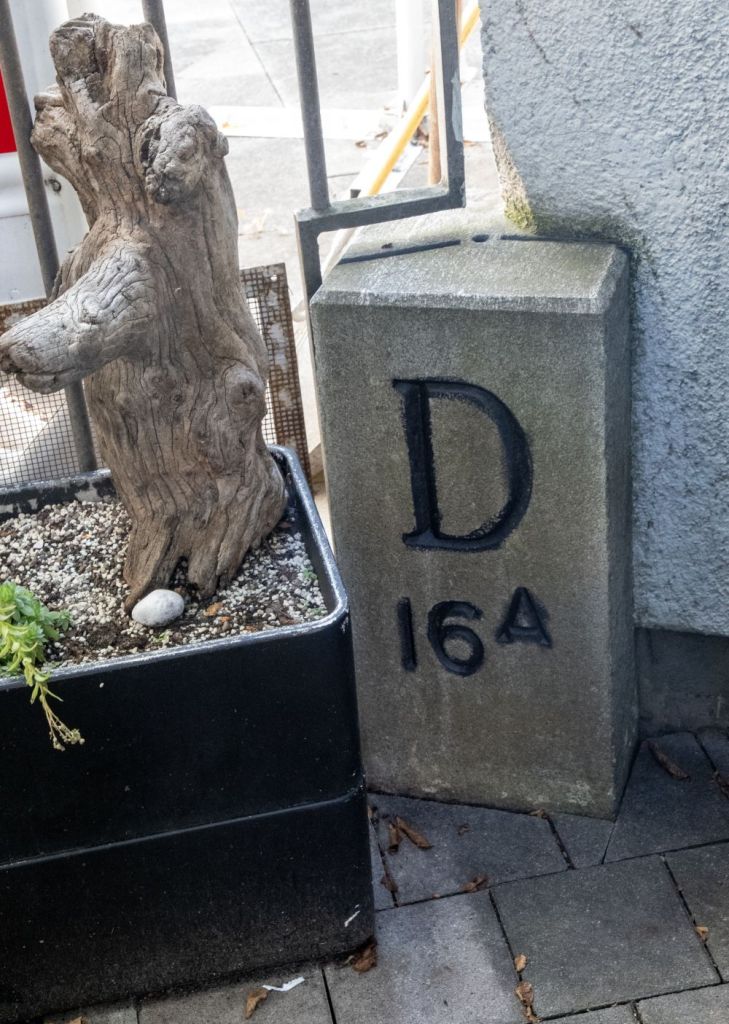
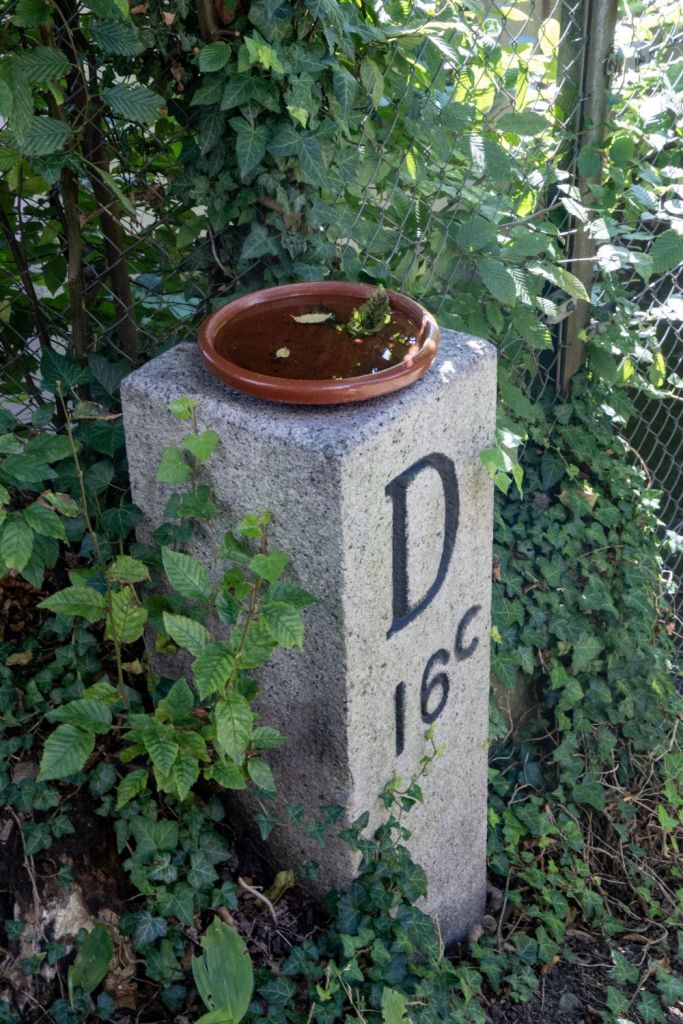
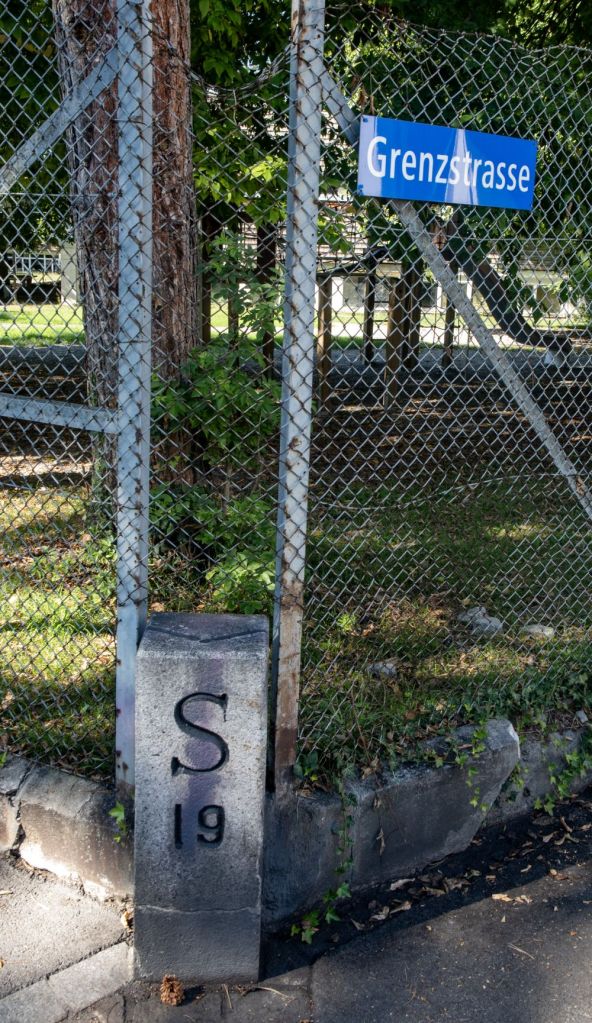
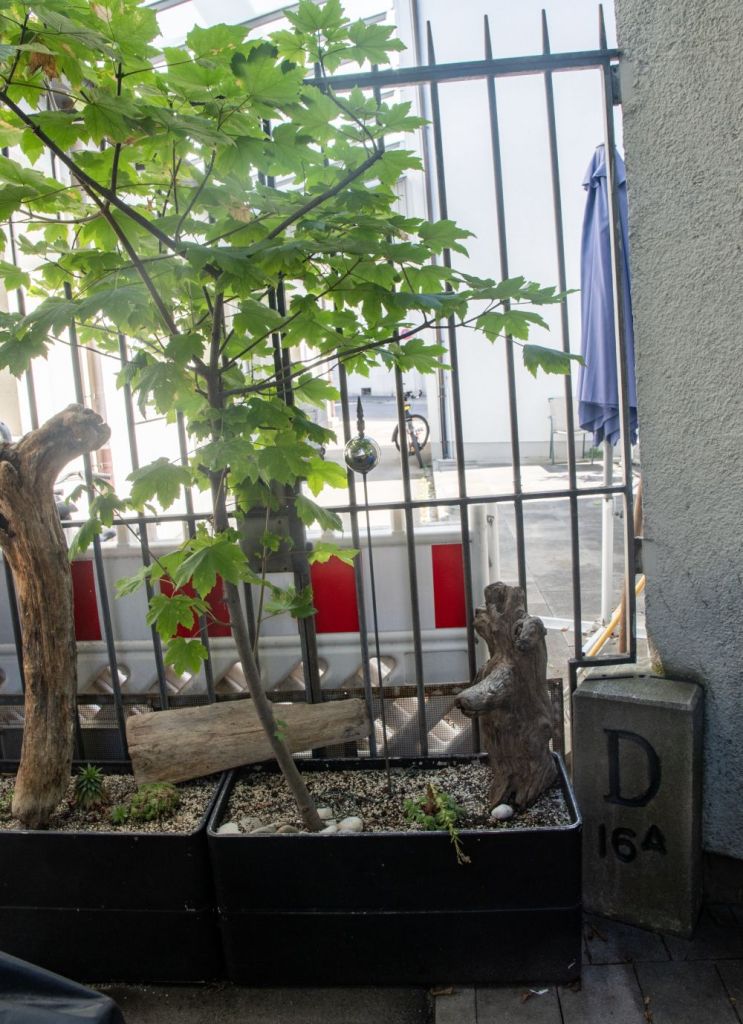
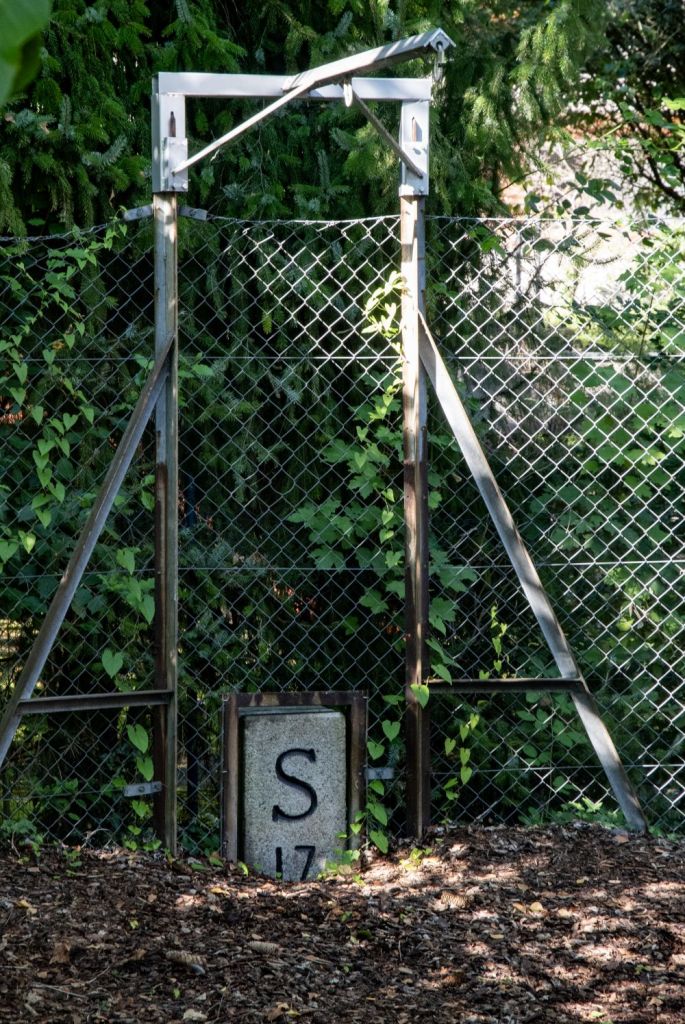
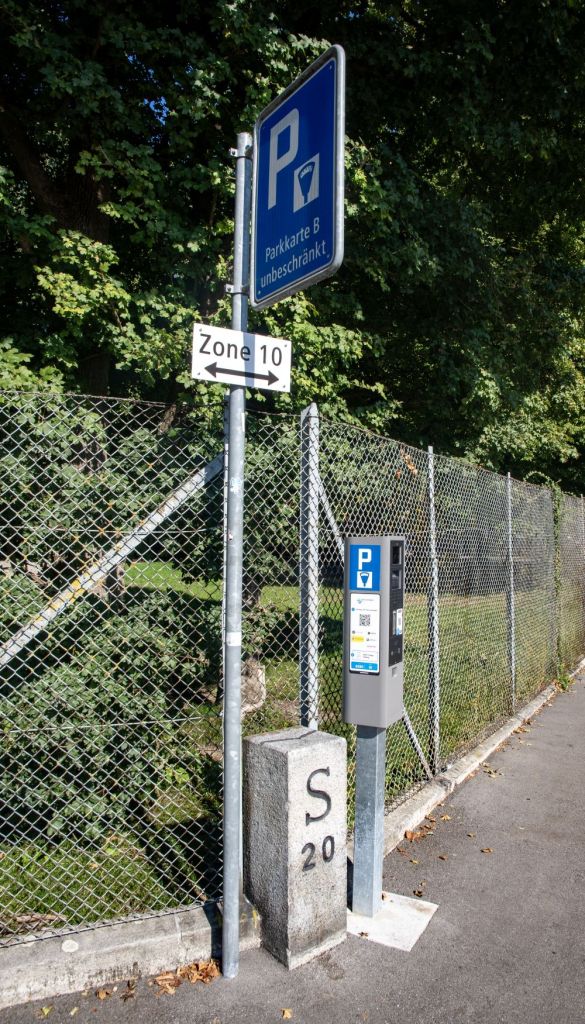
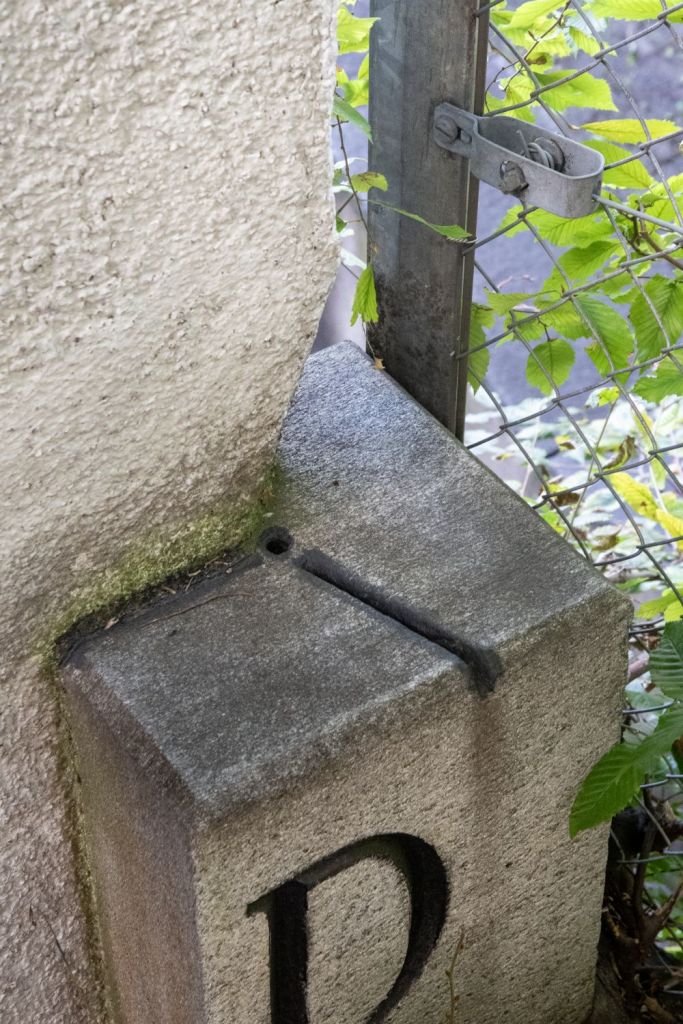
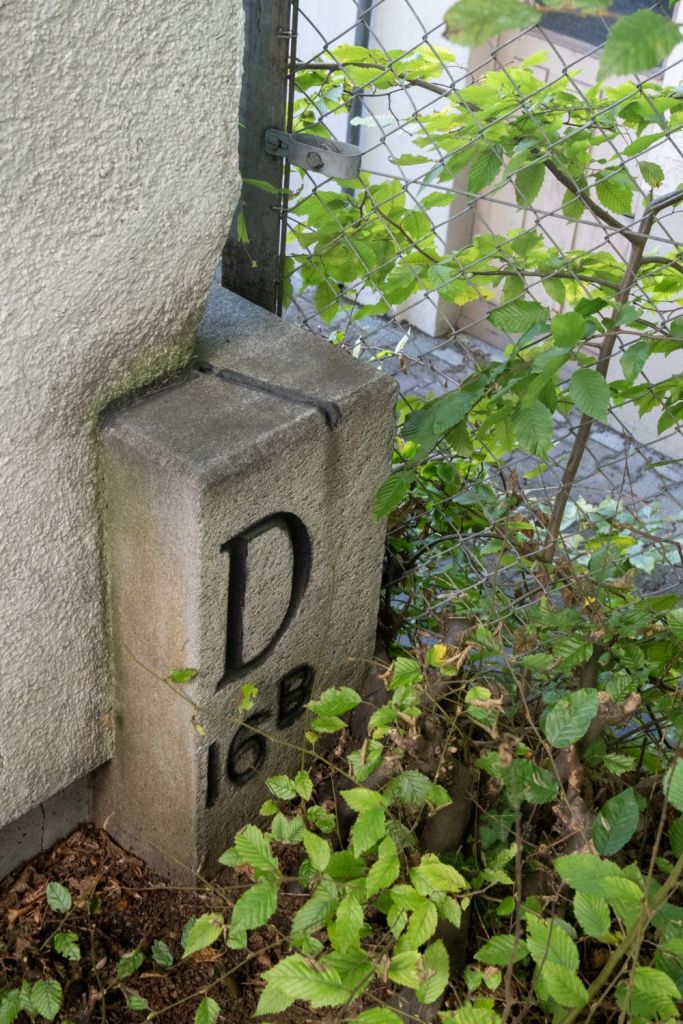
Moving along Grenzestrasse there were several more border markers.
Konstanz – Emmishofer Tor border crossing
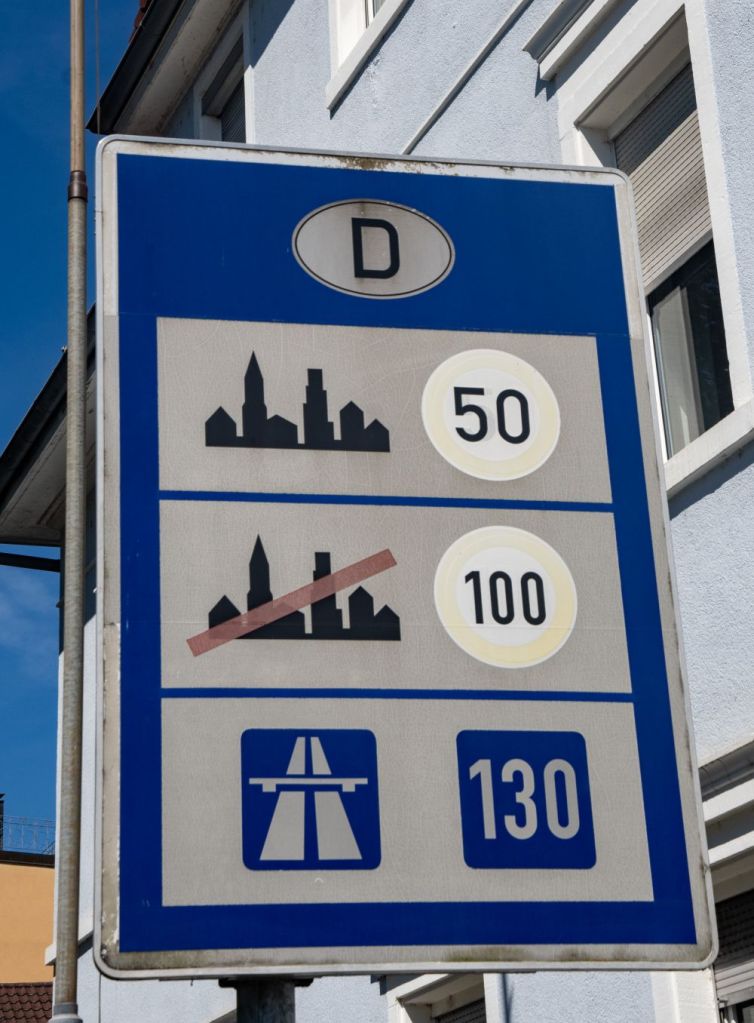
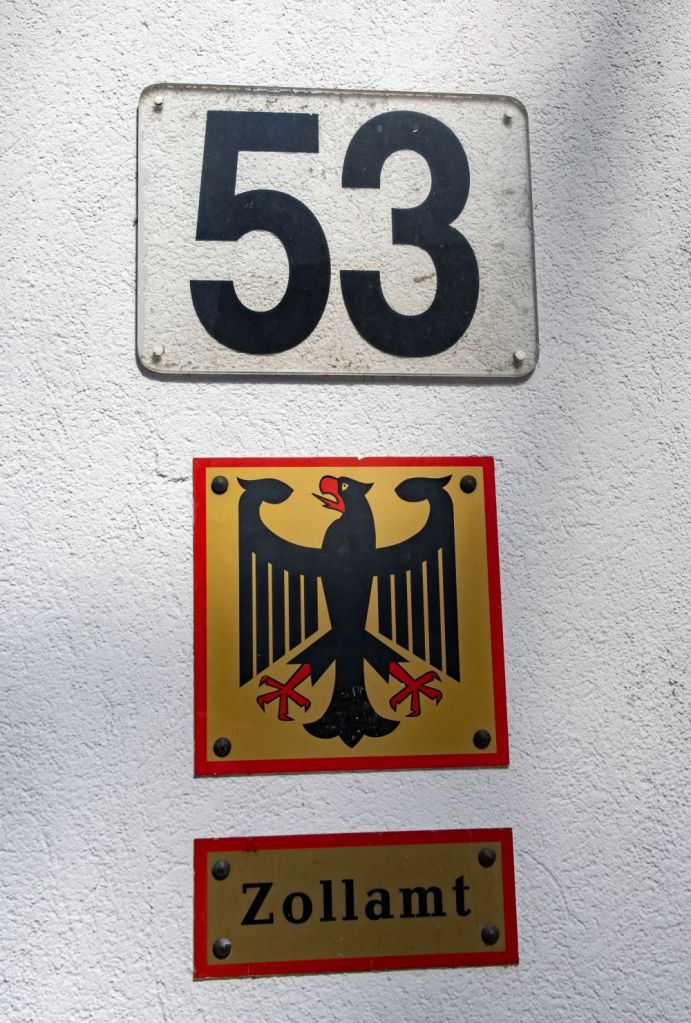
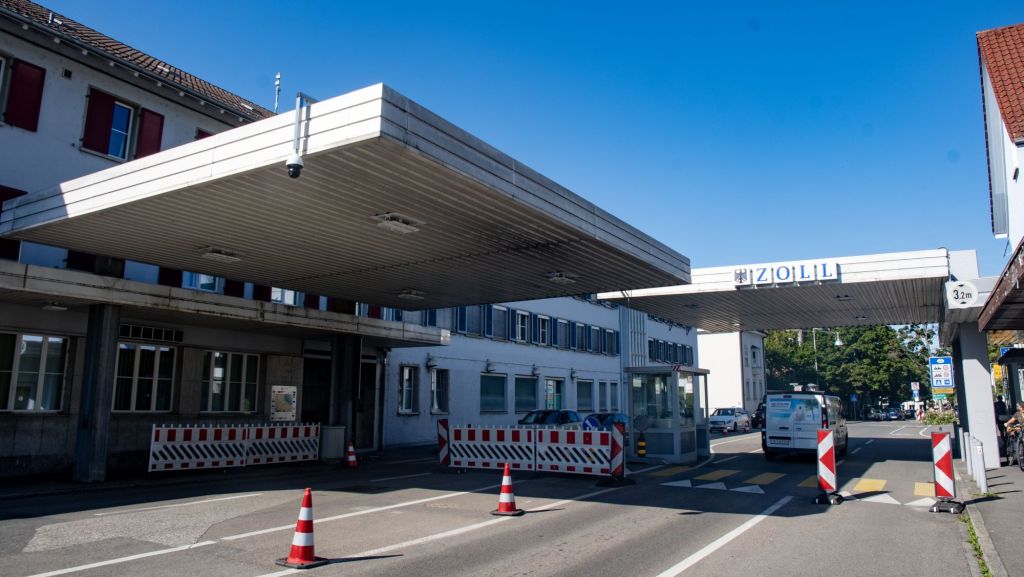
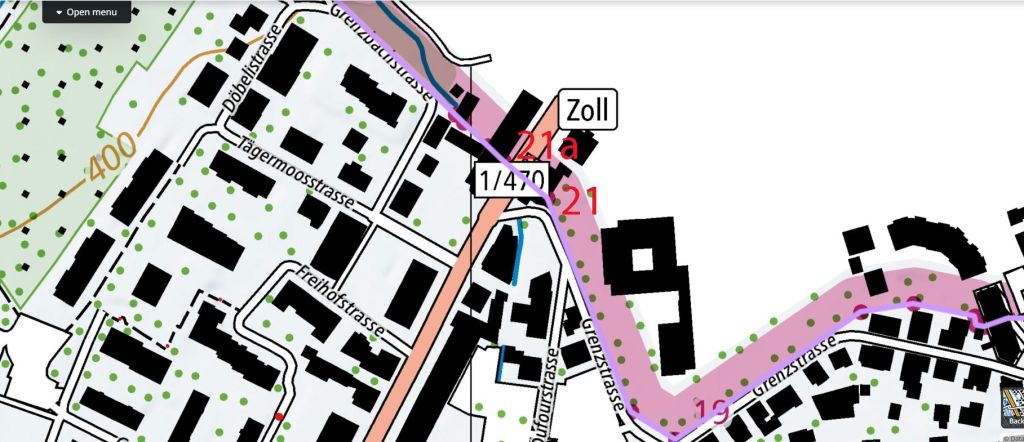
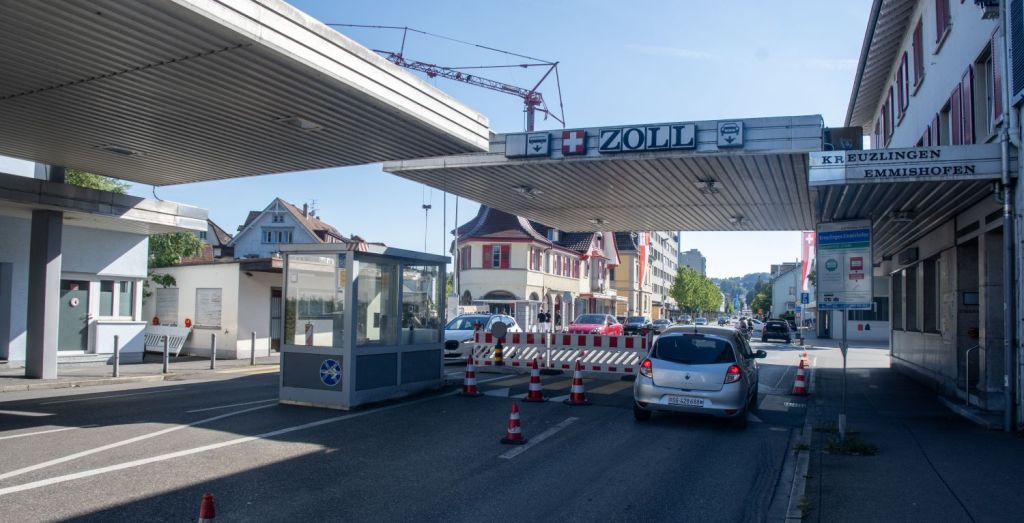
This was the major border crossing for both vehicles and pedestrians, with many cars stopping to get customs clearance on the goods that they had bought. There were no ad hoc checks occurring whilst we were there.
The border continued west where it meets the Rhine (again). Konstanz is the only German city south of the Rhine and it would be good to return to complete the border and to visit the picturesque old town. Border trips always leave things unseen, and reasons to return.
Date of Visit: 25 August 2025
 Barry's Borderpoints