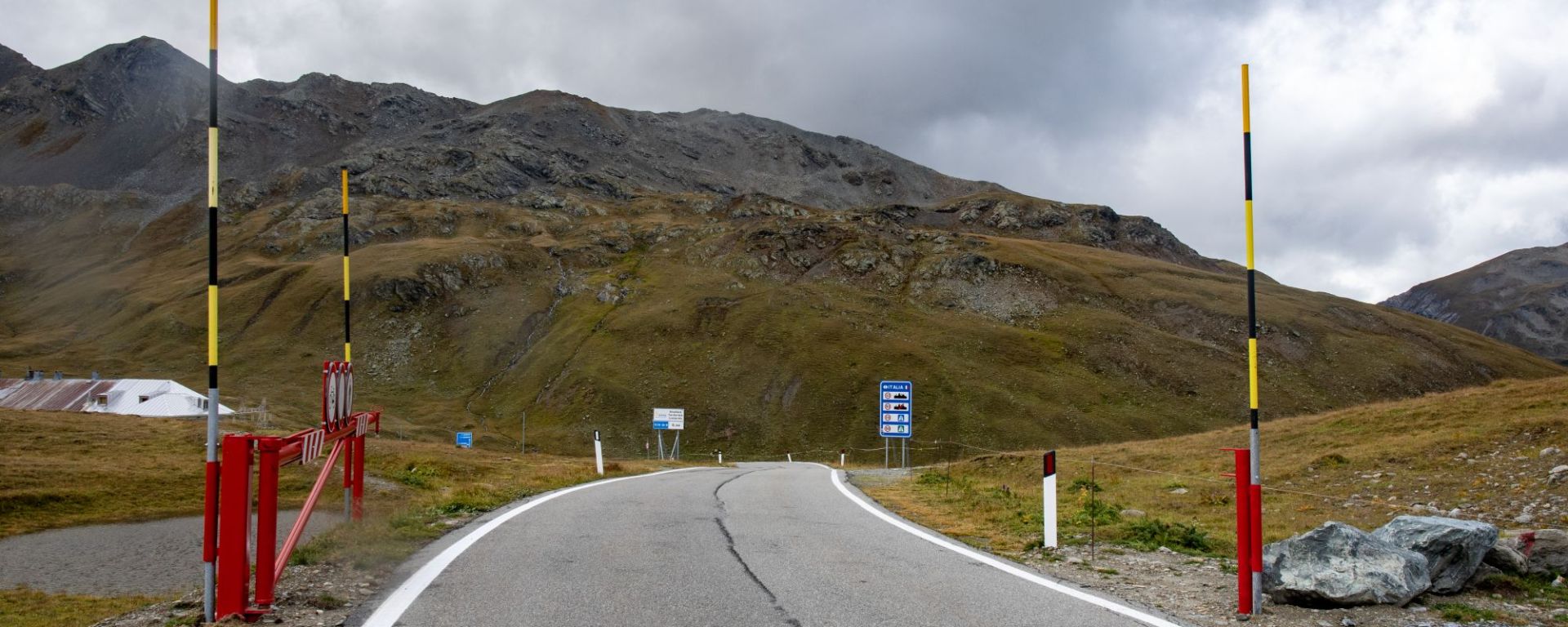
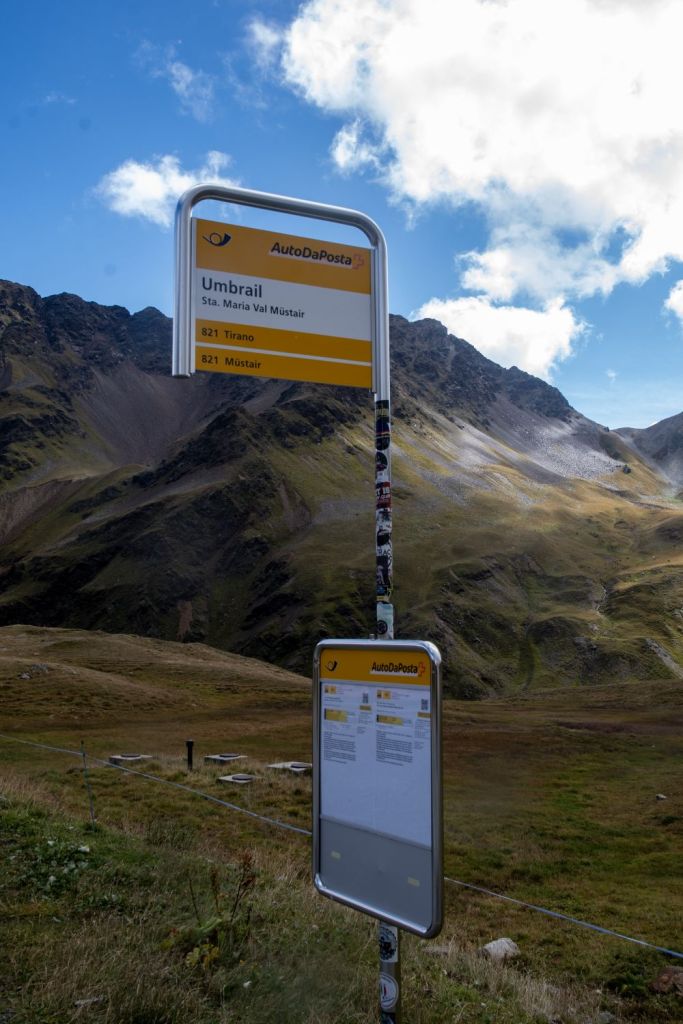
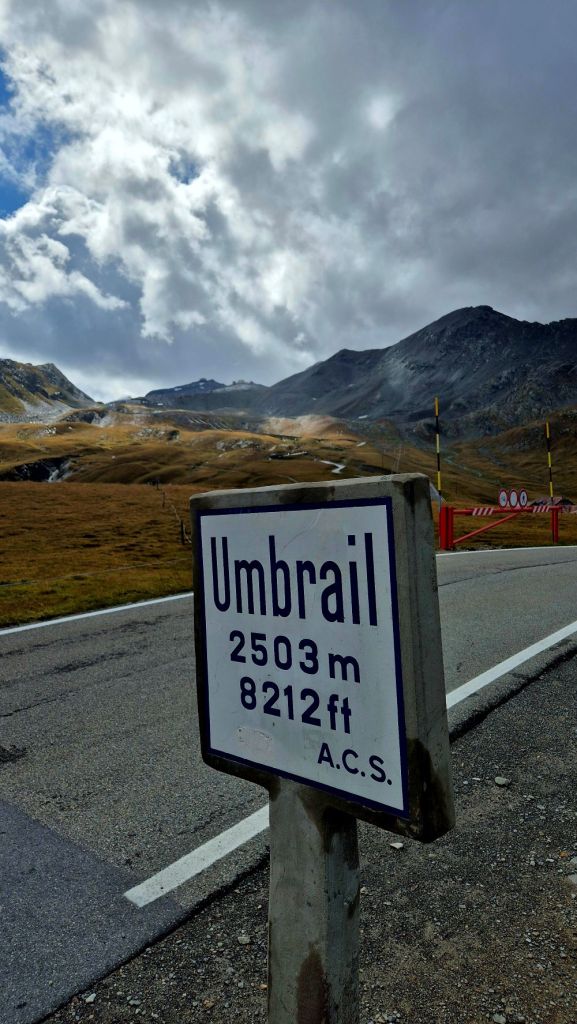
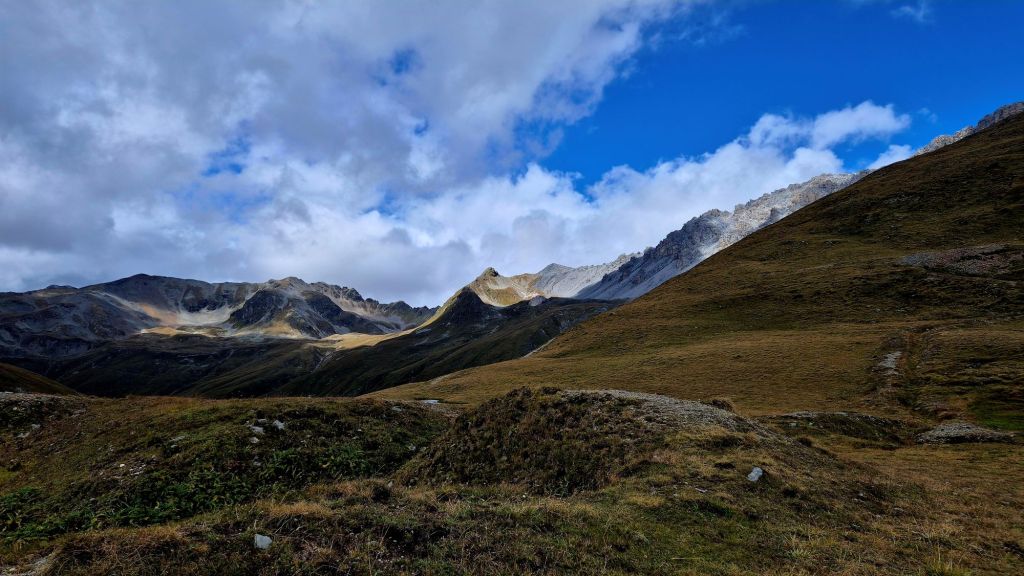
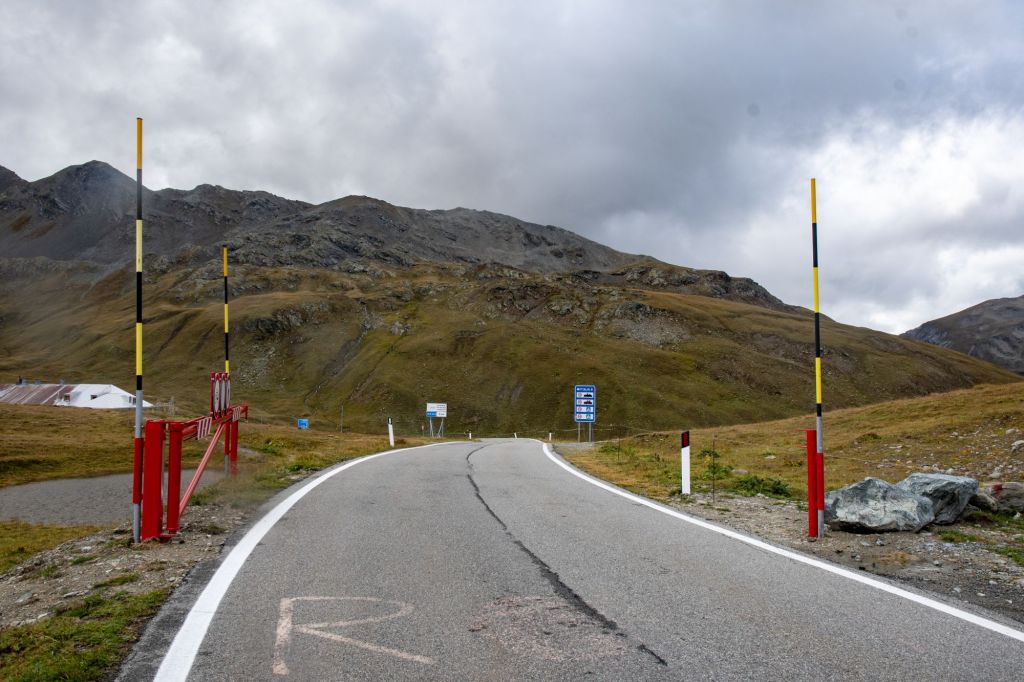
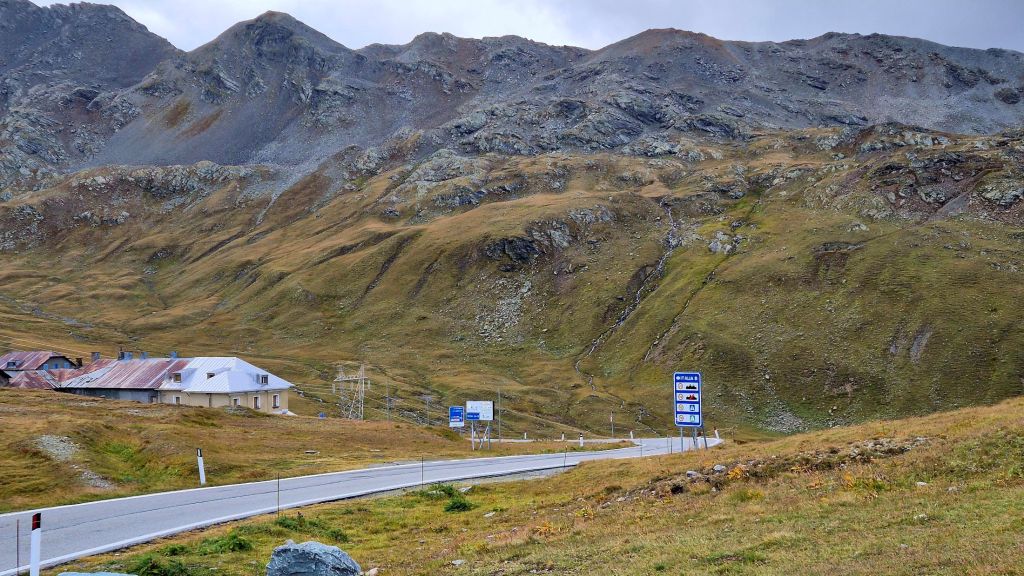
Umbrail Pass (2501m) is a high mountain pass on the Italy–Switzerland border, connecting Santa Maria in Val Müstair with Bormio in the Adda valley. On the Italian side, it connects to the Stelvio Pass road and the Valtellina. It is currently the highest paved road and border crossing in Switzerland. The pass is named after the “Piz Umbrail”, a nearby mountain peak. The crossing over the Umbrail between Santa Maria and Bormio existed in the middle ages. We visited this point as part of the IBRG LIVCO-25 expedition.
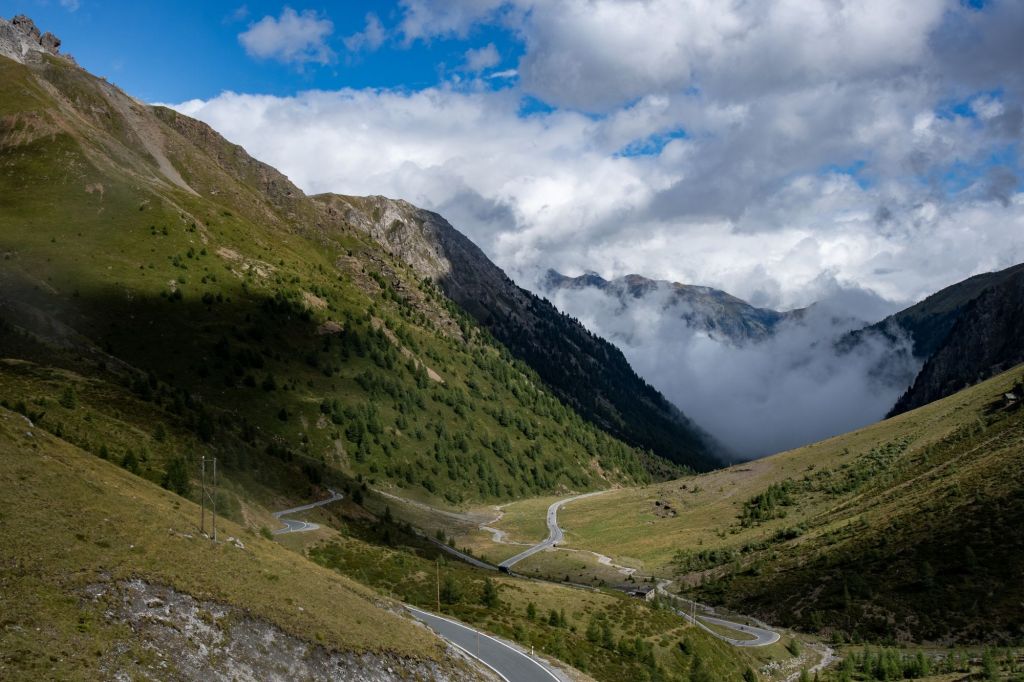
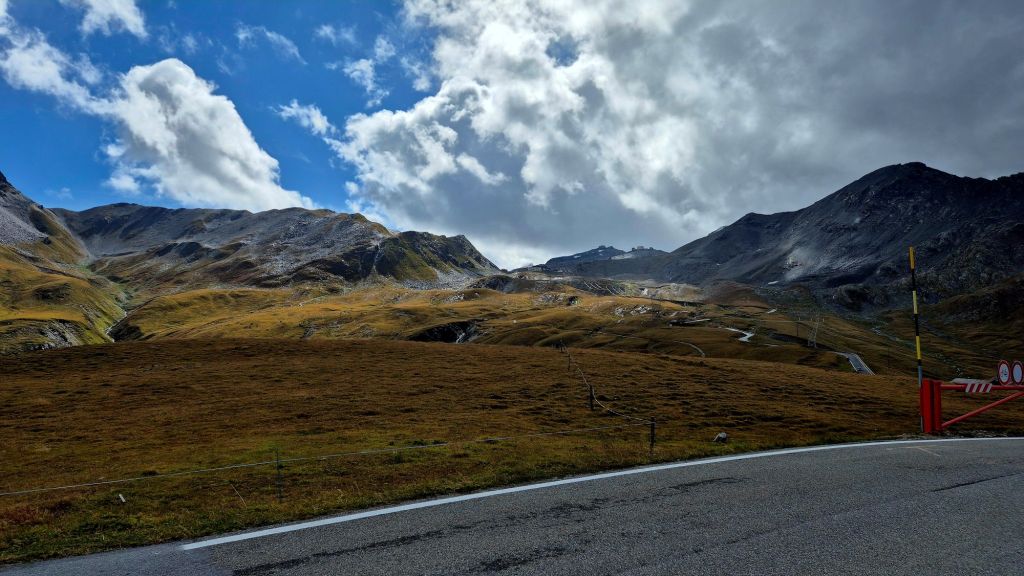
Napoleon’s troops marched over the pass during the French revolution and into the Müstair Valley. North-bound mule-train traders brought with them corn and wine and salt from Halle in the Tirol was transported southwards. In 1901 a road, financed by the Swiss Government and the canton, was built from Santa Maria to access the Stilfserjoch road, which was built 75 years earlier. This new road was initially used by horse-drawn wagons and post coaches and around 1925 the first motorised vehicles began using the pass. The road has been entirely asphalted since 2015. Nowadays the pass is popular with motorcyclists and cyclists for its challenging, less-congested nature compared to the nearby Stelvio Pass. It is considered a “hidden gem,” known for excellent asphalt and 35+ hairpins.
During World War I (1914–1918), the Umbrail Pass served as a critical, high-altitude border defence point for neutral Switzerland against the neighbouring Italian-Austro-Hungarian front. Located at over 2,500 meters, it was part of the “front in rock and ice” where Swiss forces established trenches, fortifications, and supply lines to prevent violations of their territory. Today, the site features “Military History Hiking Trails” (Stelvio-Umbrail 14/18) that allow visitors to view the preserved trenches, bunkers, and the monument to the Swiss border guards.
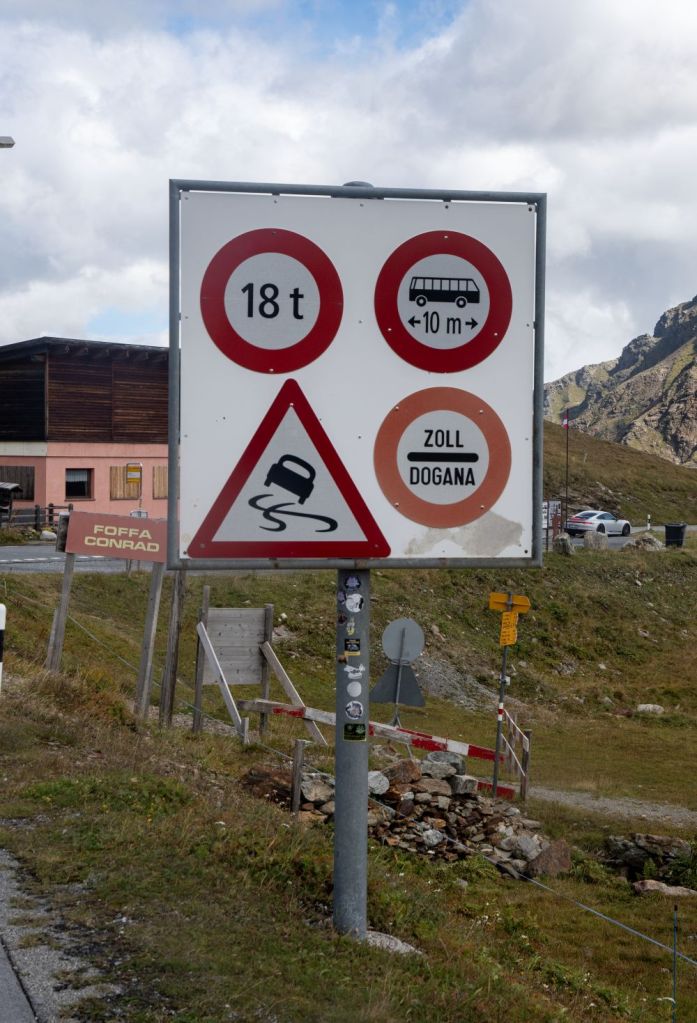
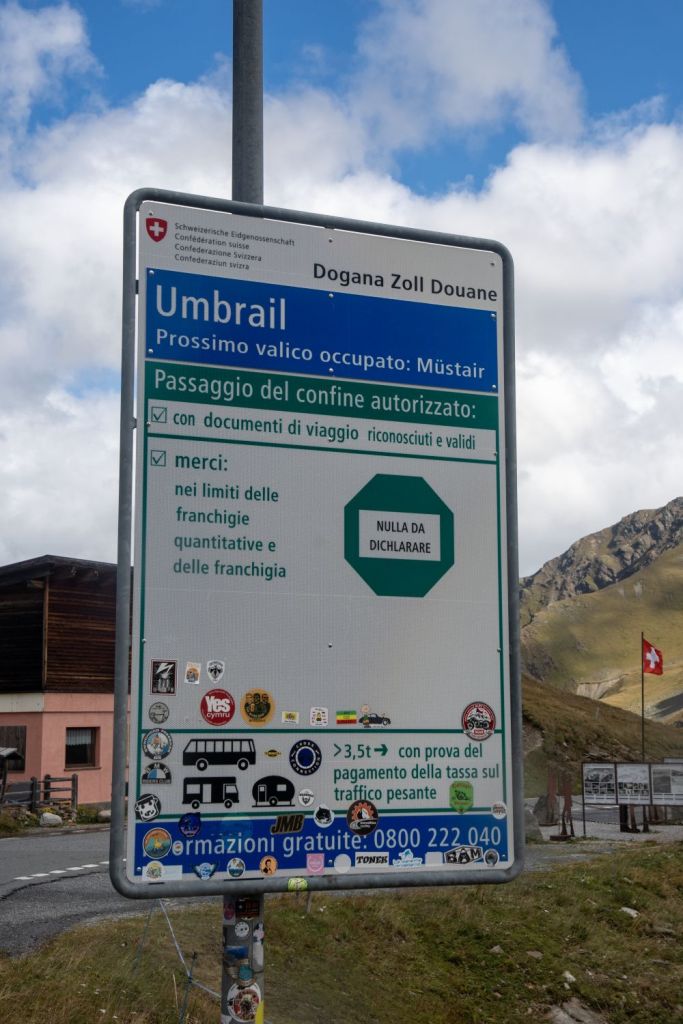
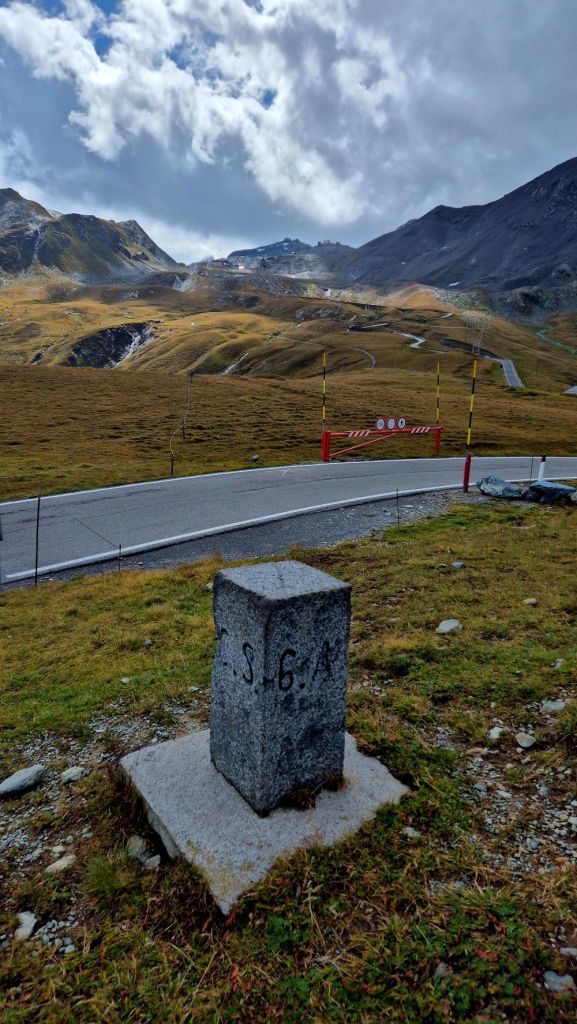
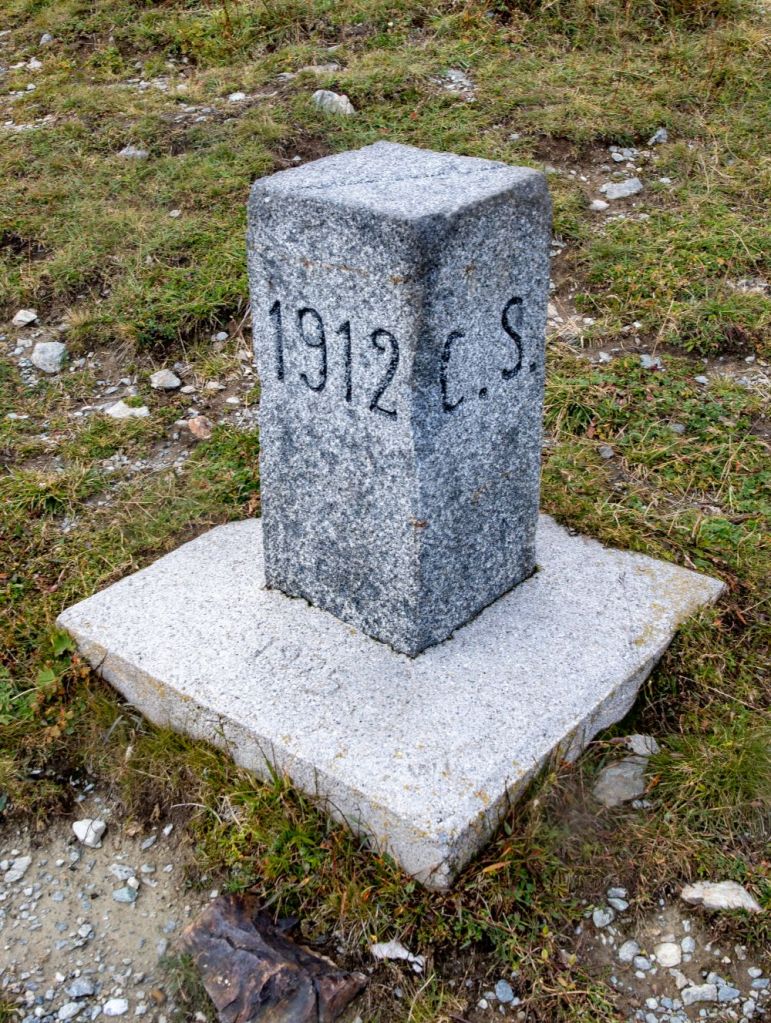
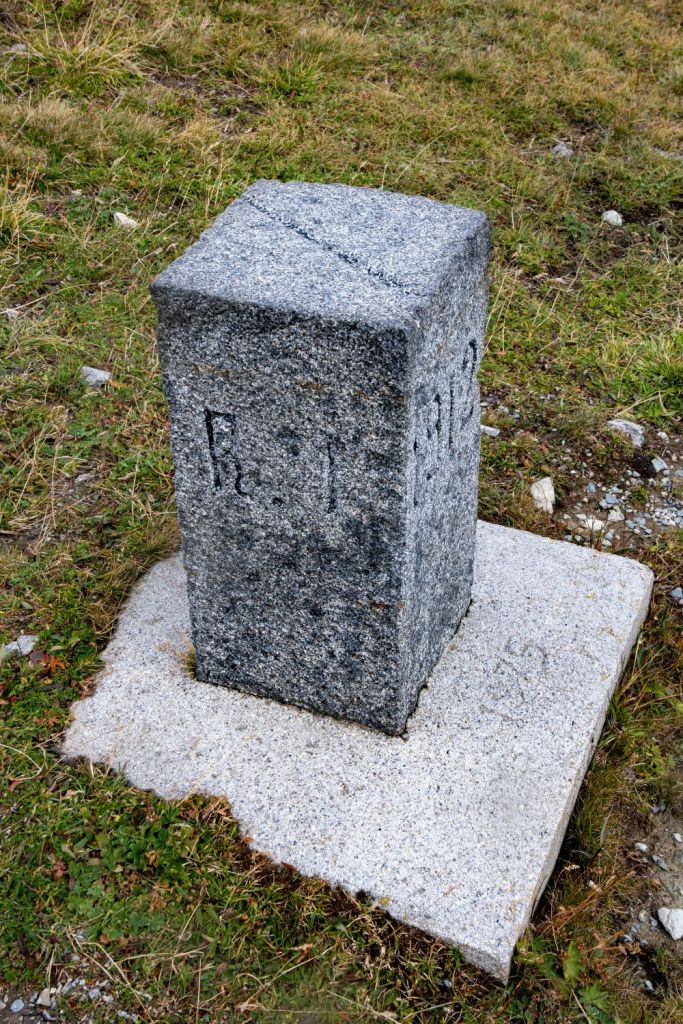
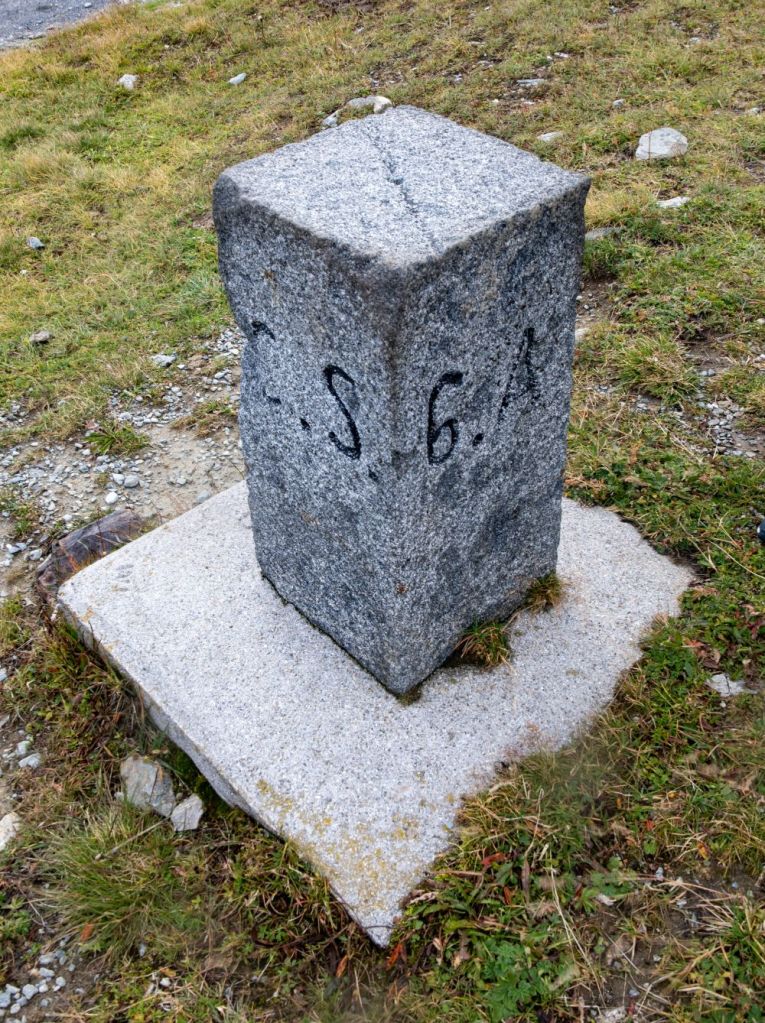
The border crossing is characterised by its stunning Alpine beauty, signs, border markers (BM#16) and information about WW1.
Swiss Side
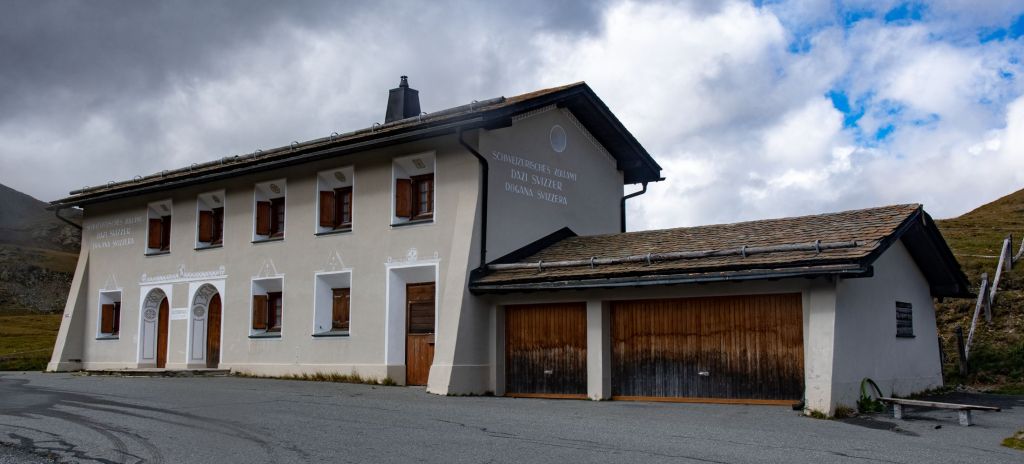
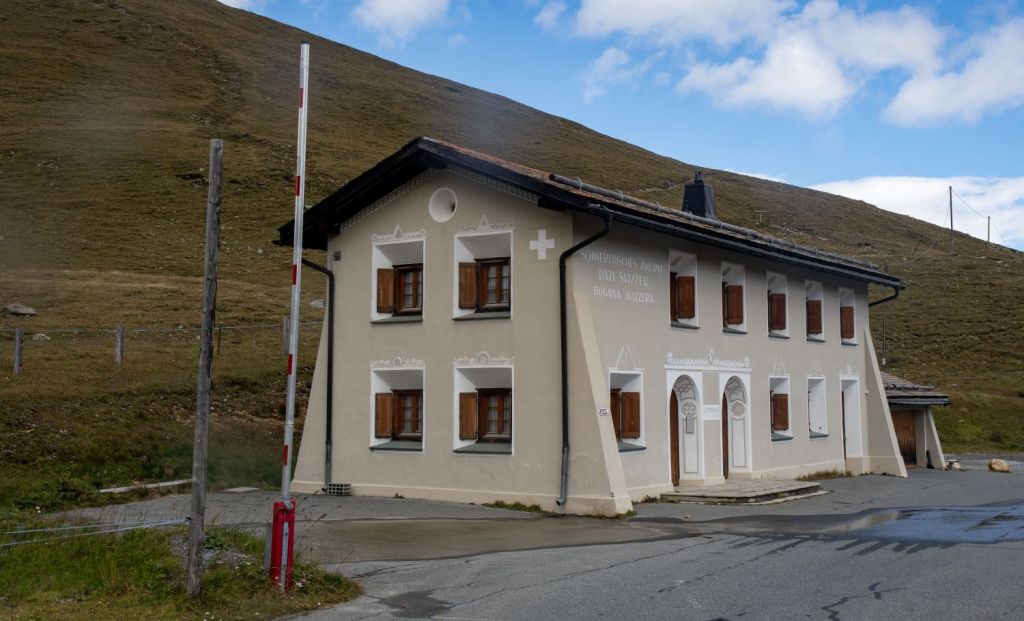
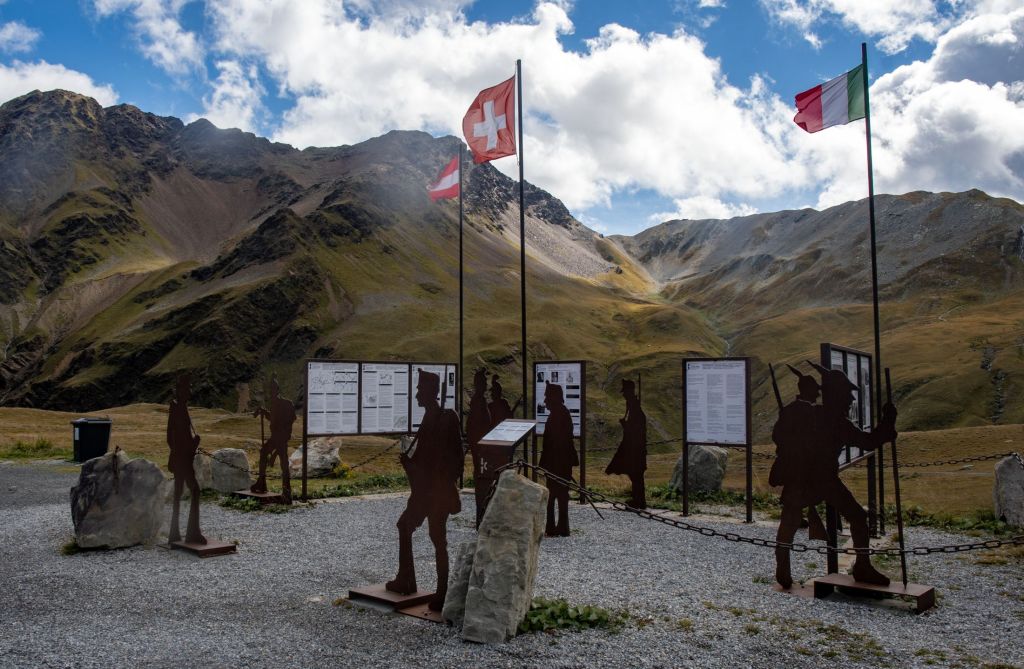
Swiss customs buildings are located neat the top of the pass. Opposite the building is a sculpture and display commemorating the service of soldiers in the relatively unknown battlefields that surround this point.
The Memorial
Designed as both a monument and an information point, the structure was opened exactly 100 years to the day after the Swiss Army was mobilised on 2 August 1914. The installation was renovated in summer 2025. The square was designed by Duri Fasser, an artist from Val Müstair. Seven soldiers in their uniforms of the time stand guard together. They guard the knowledge of the events in the trilingual region. In the centre, the two most important Swiss protagonists of the First World War, General Ulrich Wille and his Chief of Staff Theophil Sprecher von Bernegg, face each other.
The Pass
Border markers
Italian Side

Date of Visit: 29 August 2025
 Barry's Borderpoints