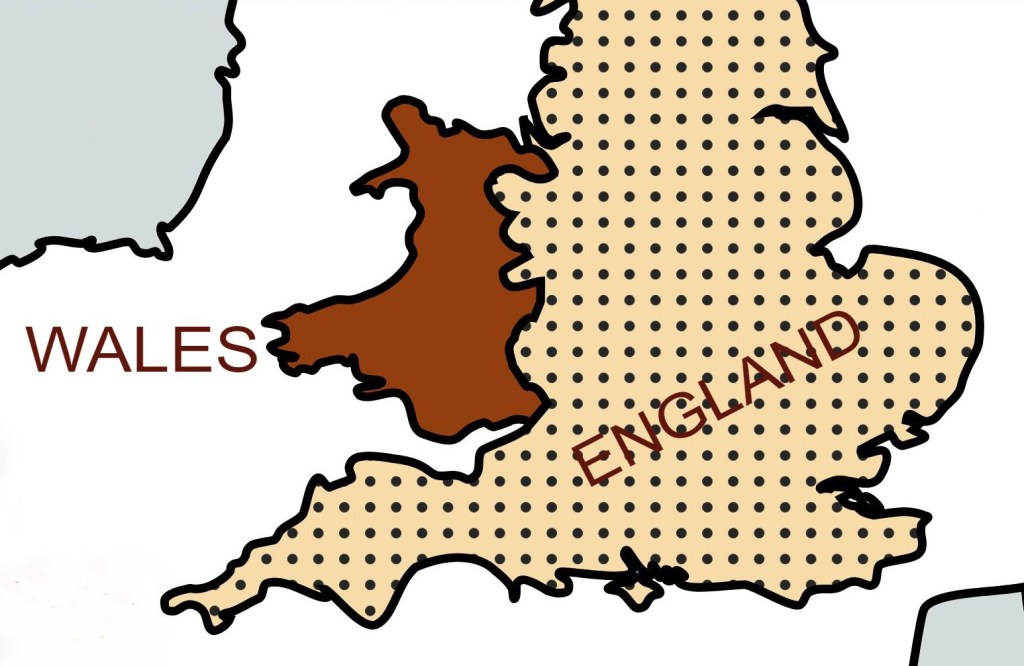
Wales (Welsh: Cymru) is a country that is part of the United Kingdom. It is bordered by England to the east, the Irish Sea to the north and west, the Celtic Sea to the southwest and the Bristol Channel to the south. The country has a distinct national and cultural identity. Both Welsh and English are official languages. The 2021 census showed that 55.2 per cent identified as “Welsh only” and 8.1 per cent identified as “Welsh and British”, giving the combined proportion of 63.3 per cent for people identifying as Welsh. Welsh is a compulsory subject in all of Wales’s state schools for pupils aged 5–16 years old.
Wales is a country that is part of the sovereign state of the United Kingdom. Constitutionally, the UK is a de jure unitary state, with a parliament and government in Westminster. Wales has a devolved, unicameral legislature known as the Senedd which holds devolved powers from the UK Parliament via a reserved powers model. Devolved areas of responsibility include agriculture, economic development, education, health, housing, local government, social services, tourism, transport and the Welsh language. The Welsh Government also promotes Welsh interests abroad. The is currently no great desire for independence from the UK.
In area Wales is 20,758 sq. kms, This represents 8.5% of the area of the United Kingdom, Wales is slightly smaller than Israel and larger than Lithuania, Latvia, Estonia and Slovenia. Wales has a higher GDP than Lithuania and Slovenia.
Despite being a net recipient of EU regional funding, Wales voted to leave (52.6%) the EU in the referendum of 2016. Research suggests that this was in part due to “English voters” residing in Wales voting to leave. As of 2021, 46% of Welsh voters stated that they believed the decision to leave the EU was wrong, compared to 40% who thought the opposite. Indeed, Welsh voters have also become increasingly likely to say they would also vote to re-join the EU in the years since the referendum. This may be in part due to the loss of funding Wales has faced since leaving the EU, due to the EU’s withdrawal of structural funds and the UK government’s failure to supply equivalent funding until 2025.
Border Facts
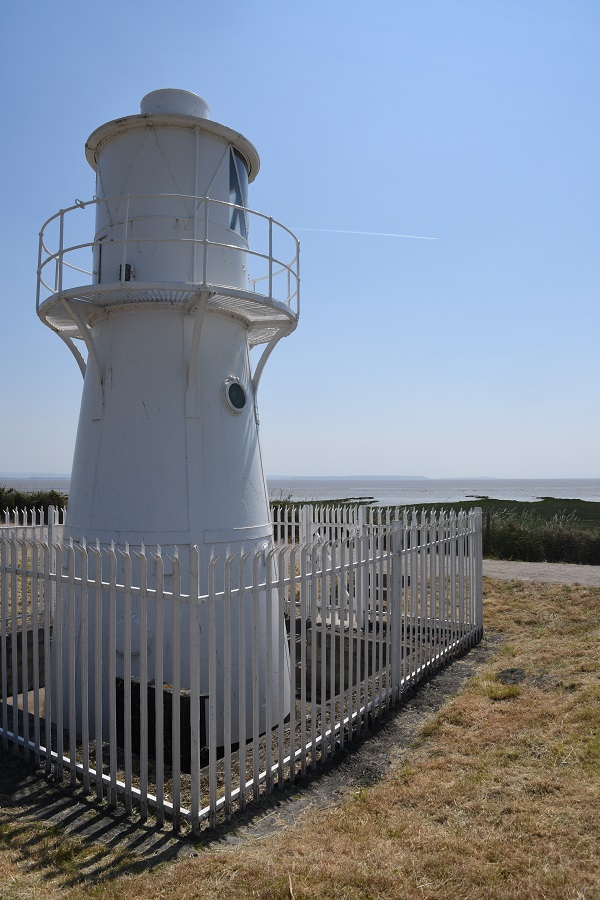
The England–Wales border, runs for 160 miles (260 km) from the Dee estuary, in the north, to the Severn estuary in the south, separating England and Wales. It has followed broadly the same line since the 8th century, and in part that of Offa’s Dyke; the modern boundary was fixed in 1536, when the former marcher lordships which occupied the border area were abolished and new county boundaries were created. The administrative boundary of Wales was confirmed in the Local Government Act 1972.
The boundary passes between Flintshire, Wrexham County Borough, Powys, and Monmouthshire in Wales and Cheshire, Shropshire, Herefordshire and Gloucestershire in England. In the south the border is marked by the River Wye.
There are several places where the border runs along the centre of a lane or street, resulting in properties on one side of the street being in Wales and those on the other side being in England. Notable examples include Boundary Lane in Saltney and the main street of Llanymynech. On major routes there are CROESO I GYMRU signs, but for the most part the border is marked by county signs if at all.
Normally the England – Wales border is porous with thousand of journeys each way both for business, leisure and tourism. Significant population centres exist close to the border on each side. During the COVID pandemic differing rules existed which led to non essential travel being banned. Although the border was not closed or policed formally, ad hoc checks existed. In September 2023, Wales introduced a national 20mph speed limit on most roads leading to a divergence with its English neighbour.
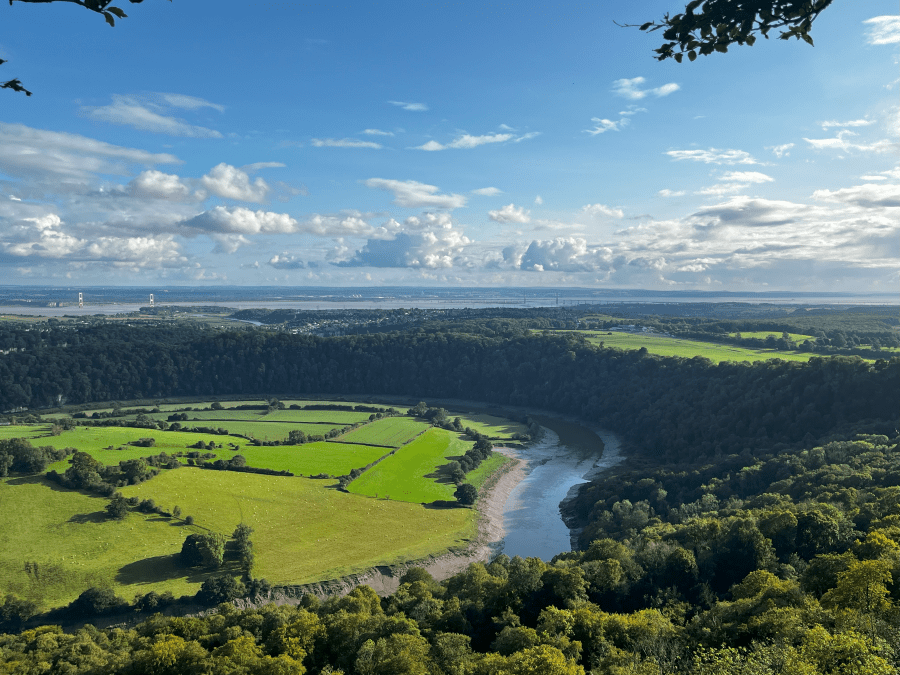
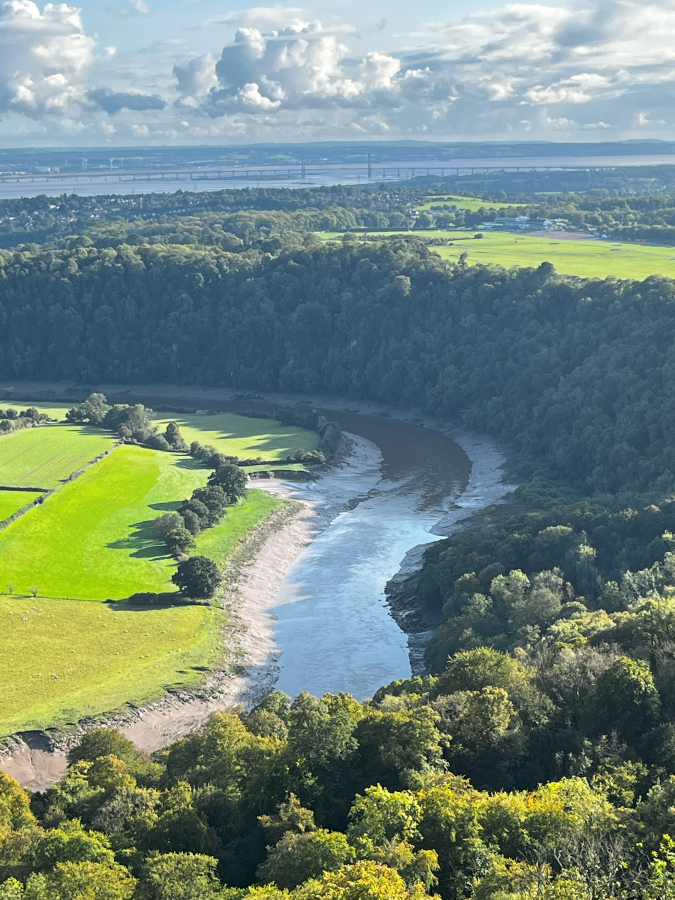
The Wye valley forms the border and meanders towards the Severn estuary.
Welsh Registration Plates
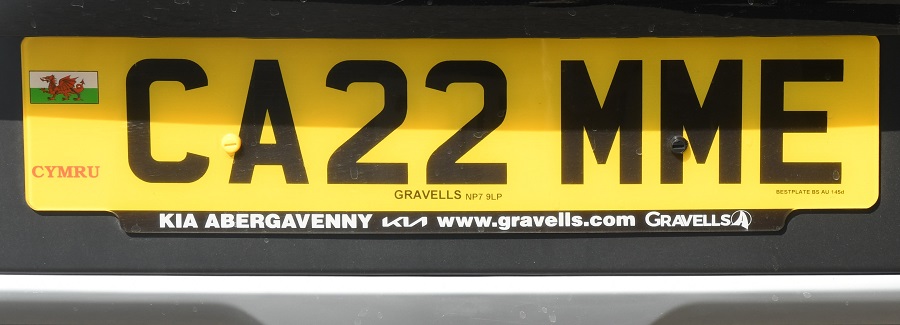
Wales (along with currency and a central bank) does not have its own registration plates and they follow the centralised format of the rest of Great Britain. Welsh registered cars can however have the Welsh dragon on the left hand side of the number plate.
Site Navigation
In order to find your way around the site, either click on the links (text in red) or use the menus at the top and side of the pages. About leads you to the main areas of the site. The European Tripoints menu leads directly you to my visit reports whereas the Country Visits page allows you to choose which country to look at first. Clicking on photos can lead you directly to reports too

Mobile Users Advice
Tables display correctly when holding your mobile horizontally.
To access the links to other pages please click on the 3 horizontal dots at the bottom of the page.

 Barry's Borderpoints