
Solkan
Gorizia is a town in north eastern Italy, situated on the Isonzo River north of Trieste. By treaty in 1947 Yugoslavia received the northern outskirts of the town, and the adjoining Yugoslav town of Nova Gorica was developed. With the breakup of Yugoslavia, the frontier remained as the division between Italy and Slovenia until the implementation of the Schengen Agreement by Slovenia on December 21, 2007. Since May 2011, these towns have been joined in a common trans-border metropolitan zone, administered by a joint administration board. This report is part of a series from a day I spent visiting the borders in this divided town. Links to the right for the other reports as I did them.
Solkan; Italian: Salcano, is a settlement in the Municipality of Nova Gorica in the Gorizia region of western Slovenia, at the border with Italy. Although it forms a single urban area with the city of Nova Gorica today, it has maintained the status of a separate urban settlement due to its history and the strong local identity of its residents. The culture of Solkan has been strongly influenced by the contacts with neighbouring Italian region of Friuli. The influence can be felt in the local cuisine, language, customs and traditions.
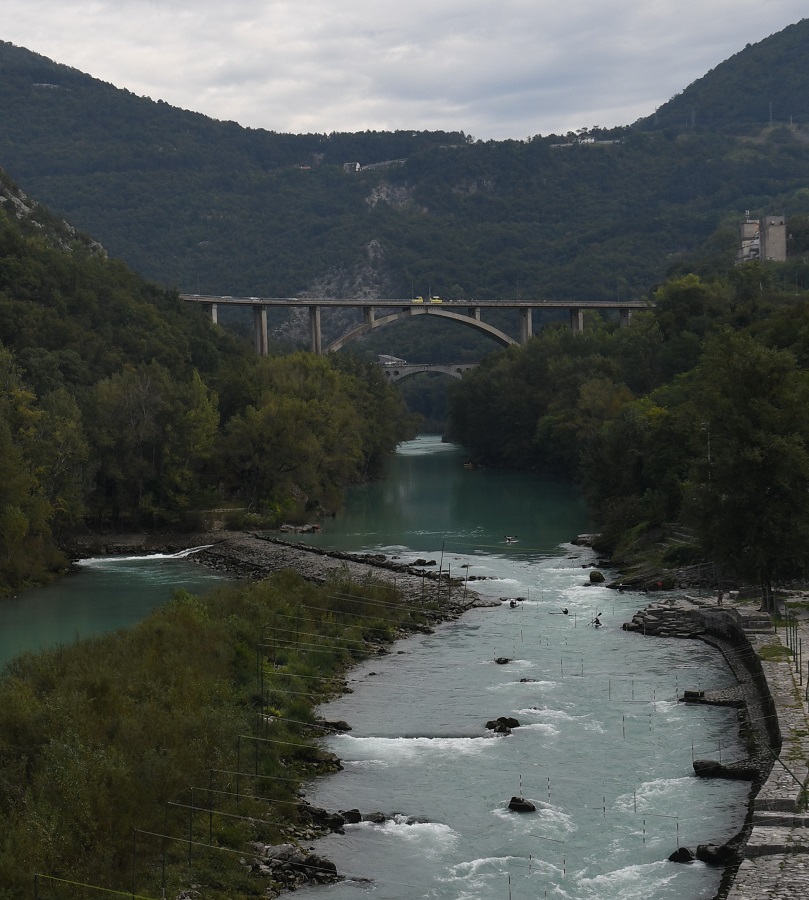
Its most prominent landmark is the Solkan Bridge, built between 1904 and 1905. It is a bridge over the Soča on the Jesenice-to-Nova Gorica railway. It is 220 m long with a central arch spanning 85m, making it the longest stone arch spanning a river and the longest stone-arch railway bridge in the world. We saw the bridge from a distance.
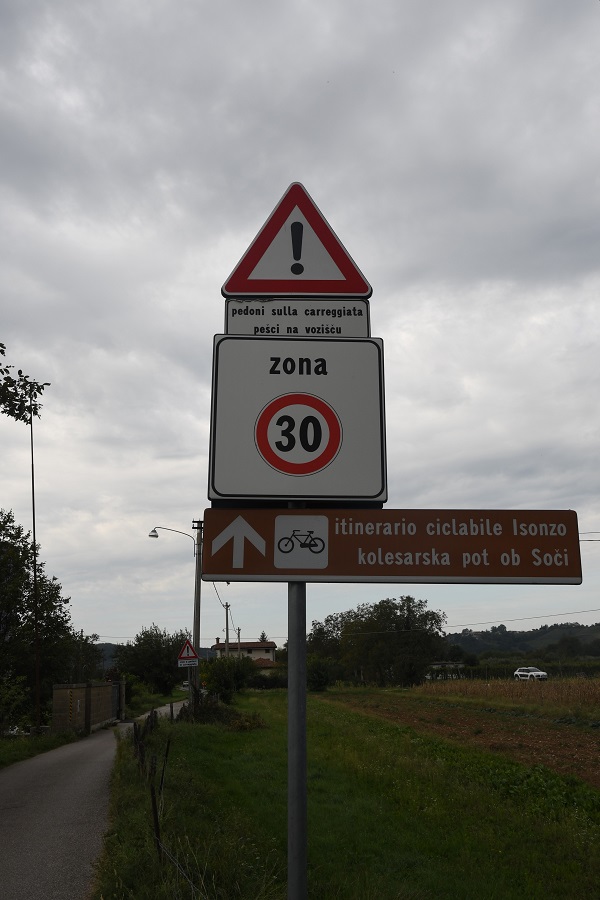
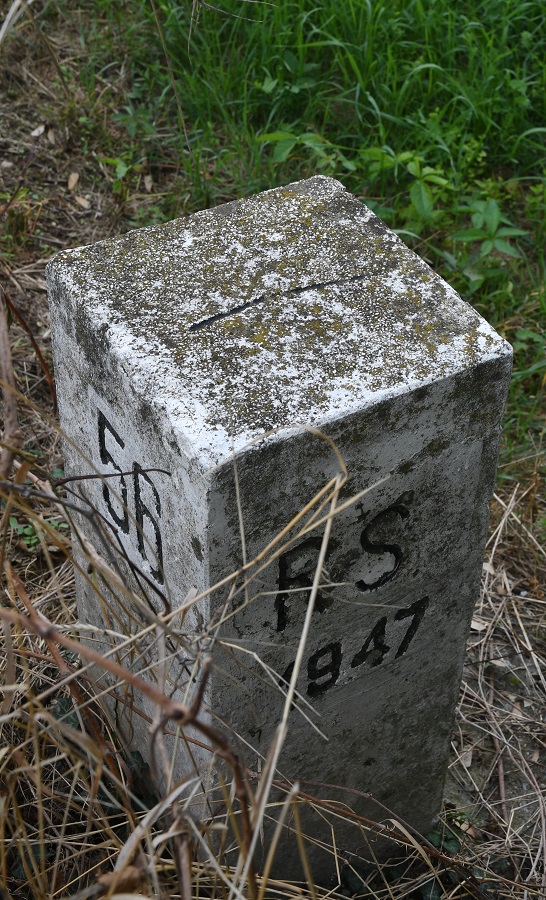
Our focus in Solkan was a small road that crossed the border with a range of border markers. I visited this point as part of the IBRG SITEX-23 expedition.
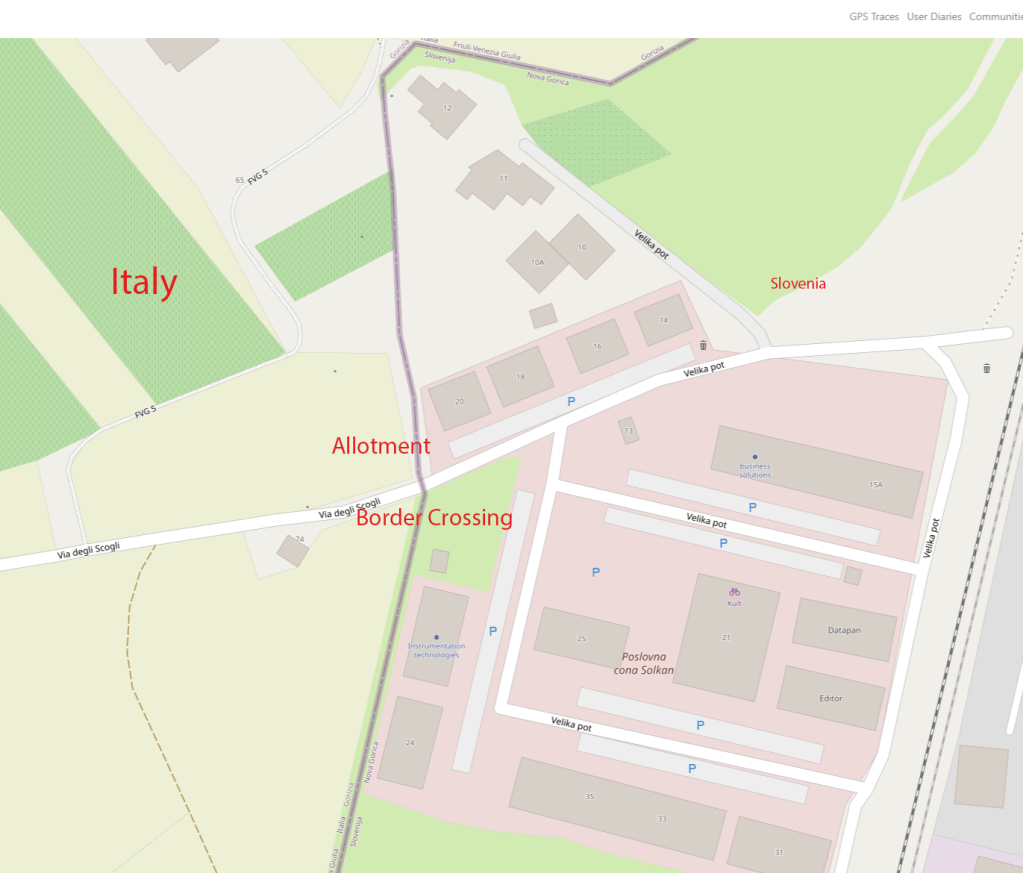
Border Crossing



A divided allotment



Date of Visit: 30 September 2023

