
EPTEX-24 stemmed out of a discussion within the Borders Facebook Group; a Polish member had visited BYPLUA and his photos and report inspired other members of IBRG to plan a visit which was essentially a trip along the Polish border between Ukraine and Belarus, travelling south to north. It’s primary focus was to visit the BYPLUA tripoint as well as border crossings, border markers and the newly constructed fence between Poland and Belarus. Would there also be an opportunity to cross the border into Ukraine?

The Bug or Western Bug is a major river in Central Europe that flows through Belarus, Poland, and Ukraine, with a total length of 774 kilometres. A tributary of the Narew, the Bug forms part of the border between Belarus and Poland for 178 kilometres and part of the border between Ukraine and Poland for 185 kilometres.
Unlike other IBRG trips this expedition was deliberately fluid and flexible as we were not sure what the situation would be like given the political and military situation across the border. The expedition began and finished in Warsaw. There were 5 participants from Denmark (3), Netherlands (1) and the UK (1).
Three members arrived in Warsaw a day early and took the opportunity to visit the old town and have a catch up meal. As with all the IBRG trips there was lots of discussions, food and drink! This page is an introduction to the trip with individual reports being accessible by clicking on either the photos or the links (in red) either within the text or via the menu of the right hand side of the page.
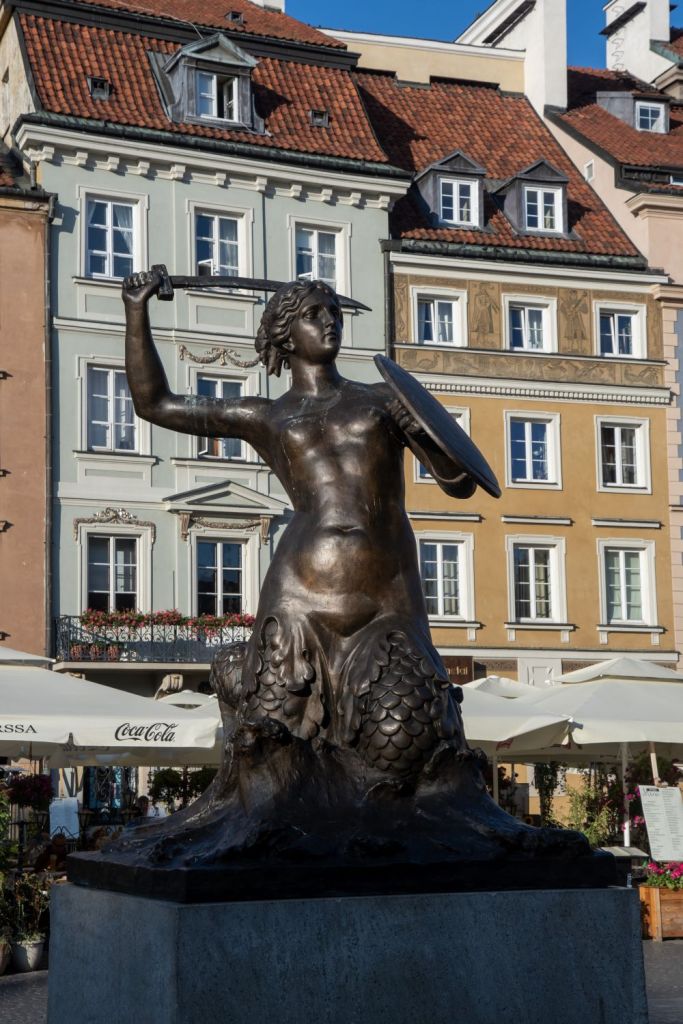


Day One

Steen and Jonna arrived in Warsaw from Poznan and we headed east towards our first POI. En route however we visited the Majdanek concentration camp. Majdanek (or Lublin) was a Nazi concentration and extermination camp built and operated by the SS on the outskirts of the city of Lublin during the German occupation of Poland in World War II. It was one of the largest concentration camps.
Majdanek concentration camp
Today, the Majdanek State Museum is a Holocaust memorial museum and education centre devoted entirely to the memory of atrocities committed in the network of concentration, slave-labour, and extermination camps and sub-camps of KL Lublin. It houses a permanent collection of rare artifacts, archival photographs, and testimony. The official estimate of 78,000 victims, of those 59,000 Jews murdered by the Germans during WW2.


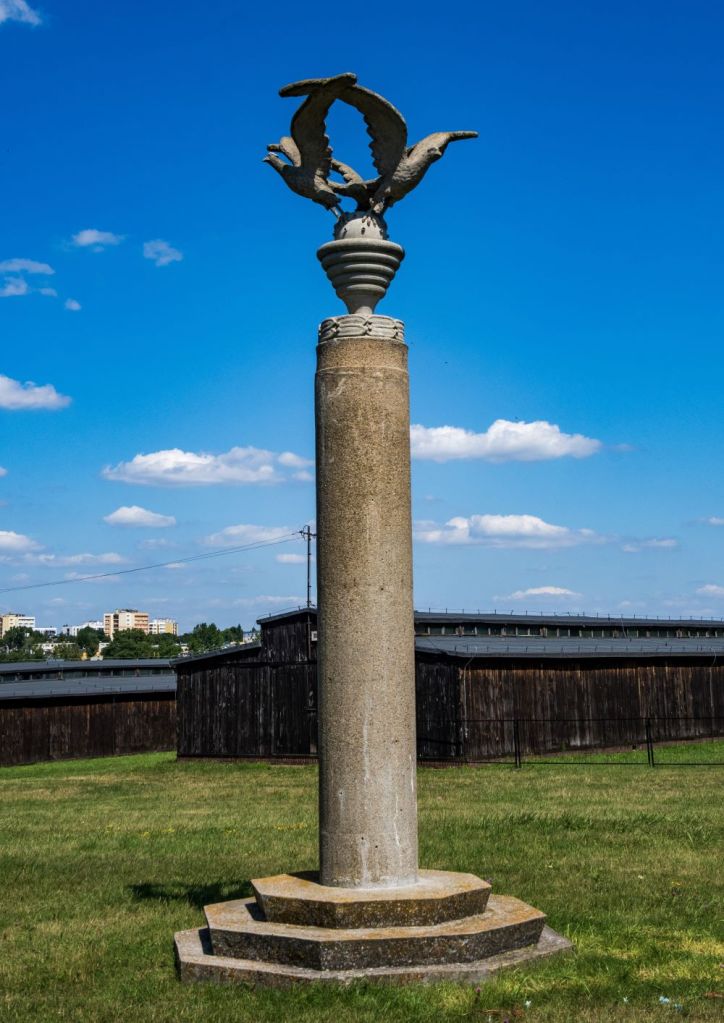


Please click on the photos below to access additional information, photos and maps of the POI’s.
The Easternmost point of Poland
We headed further east towards our first border POI, extremities are of interest to border geeks. This one was on the banks of the River Bug marked by a pair of border markers #903. This marked the spot of our first interaction with Polish border guards.
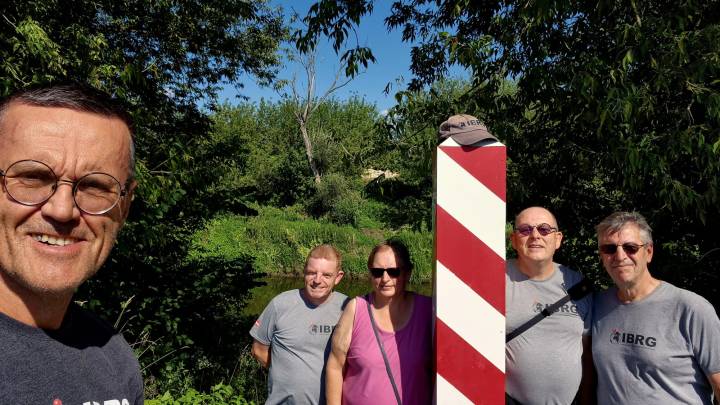


Border Crossings
Very close the the easternmost point were 2 border crossings, one rail and one road. We had hoped to cross into Ukraine but this road crossing point was for vehicles only and had no infrastructure for pedestrians. The border crossing was busy with queues of an hour or more. A pleasant walk along the River Bug brought us to an impressive railway crossing point with paired border markers and views of Ukraine beyond. The closest we would get to Ukraine on this trip.
Road crossing point


Rail Crossing Point


A hilltop fortress
Almost by accident we came across a hillfort just south of Horodło called Grodzisko “Wały Jagiellońskie”. Although on an elevated position overlooking the River Bug, the tall trees and bushes prevented any views of Ukraine. A border marker and interesting historical information sufficed.
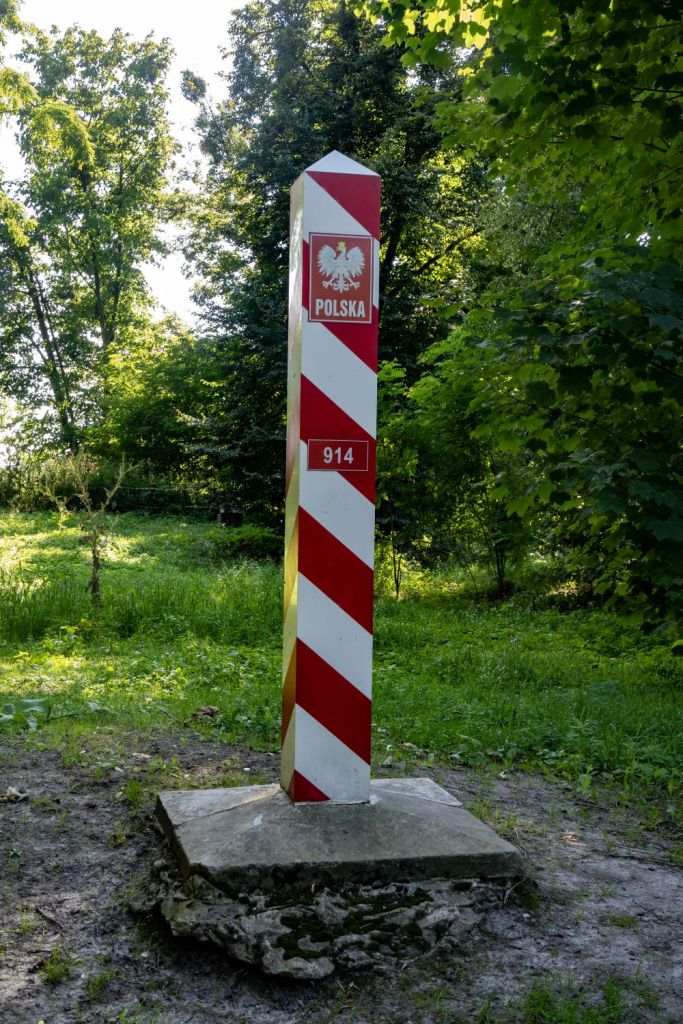

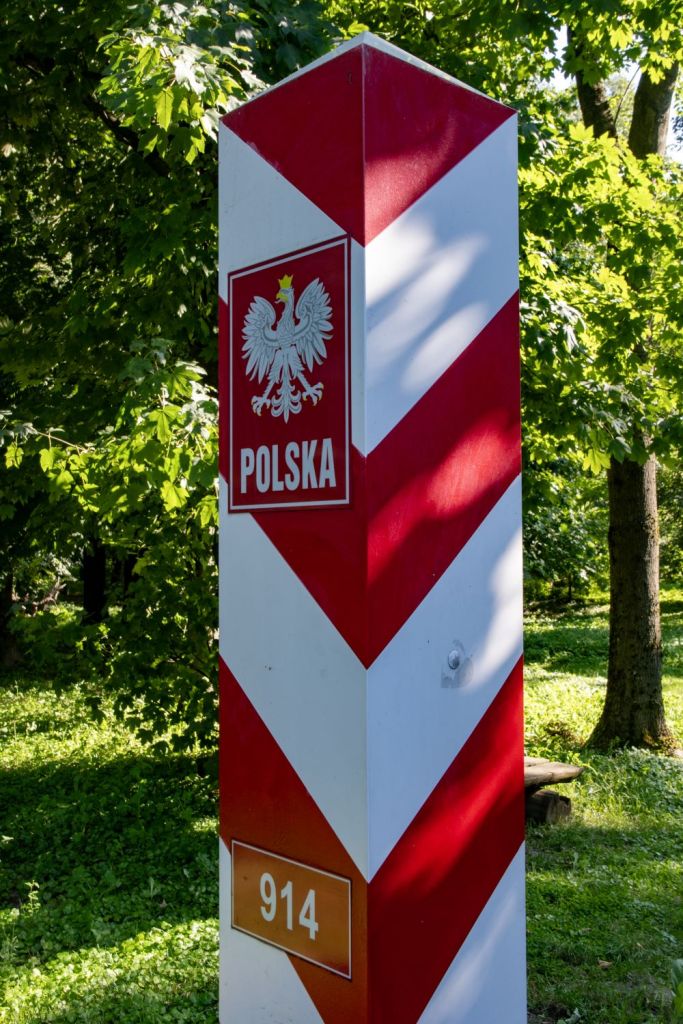
BYPLUA
The highlight of the first day was our visit to the tripoint between Belarus, Poland and Ukraine. This tripoint is marked by 3 indirect monuments of similar design. There are several border markers and the heavily fortified Ukrainian section of the tripoint. A lot of time was spent identifying the actual point where the borders meet in the River Bug. It was here that we had a lengthy interaction with the Polish Border Guard but we were able to see all we wished to.
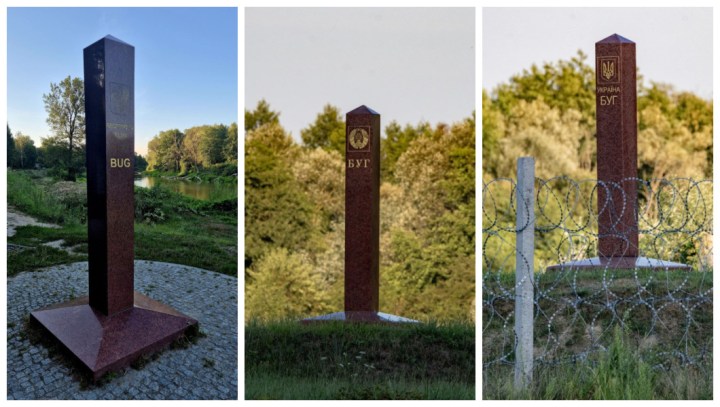

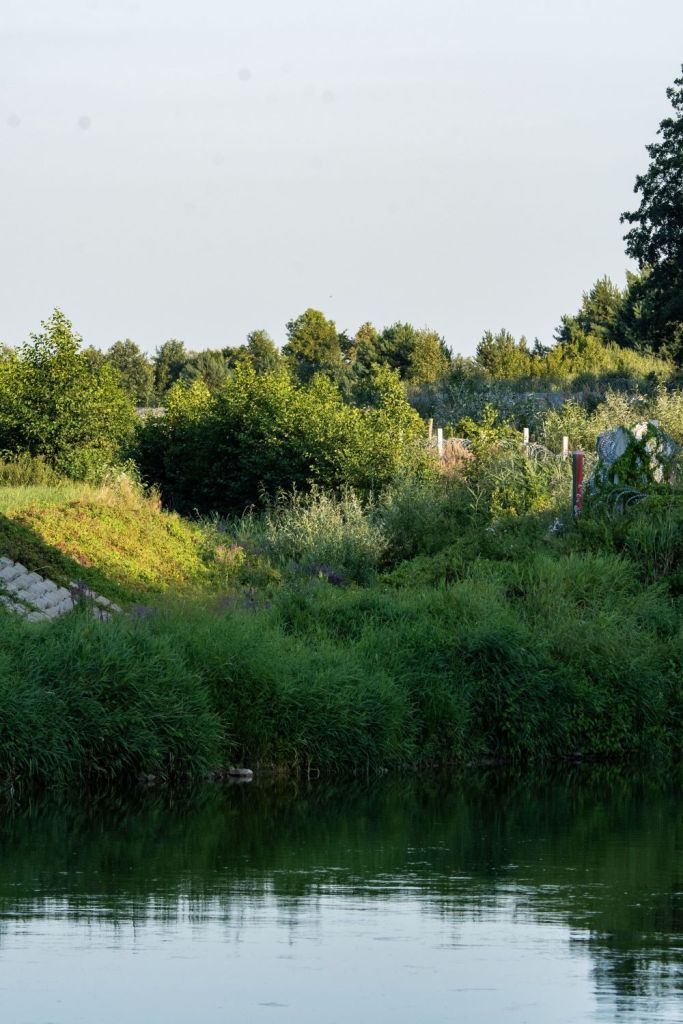
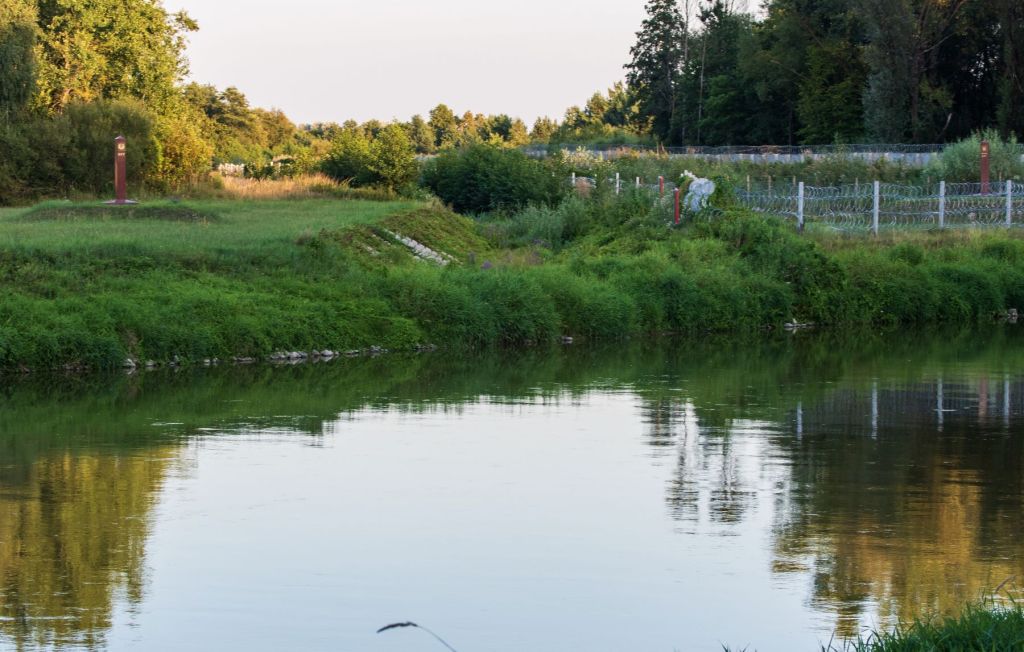

After a day full of adventures we travelled to our hotel in Szuminka the wonderful Villa Nova. As it was late we found the only restaurant open – the Atmosfera caffe which had a great host and good food. Lots to discuss and reflect upon. The eastern Polish border has been adventure thus far.
Day Two
Museum of the Former Sobibór Nazi Death Camp
Our second day began with a visit to Sobibor extermination camp, it is It was located in the forest near the village of Żłobek Duży. As an extermination camp rather than a concentration camp, Sobibor existed for the sole purpose of murdering Jews. The vast majority of prisoners were gassed within hours of arrival. On October 14, 1943, some 300 Jewish labourers at the camp rose in revolt and killed several SS supervisors and Ukrainian guards. Many inmates were killed during the rebellion or in the attempt to escape. All who remained were executed the following day. The Nazis dismantled the installations and planted the area with trees. Only about 50 Sobibor prisoners ultimately survived the war.
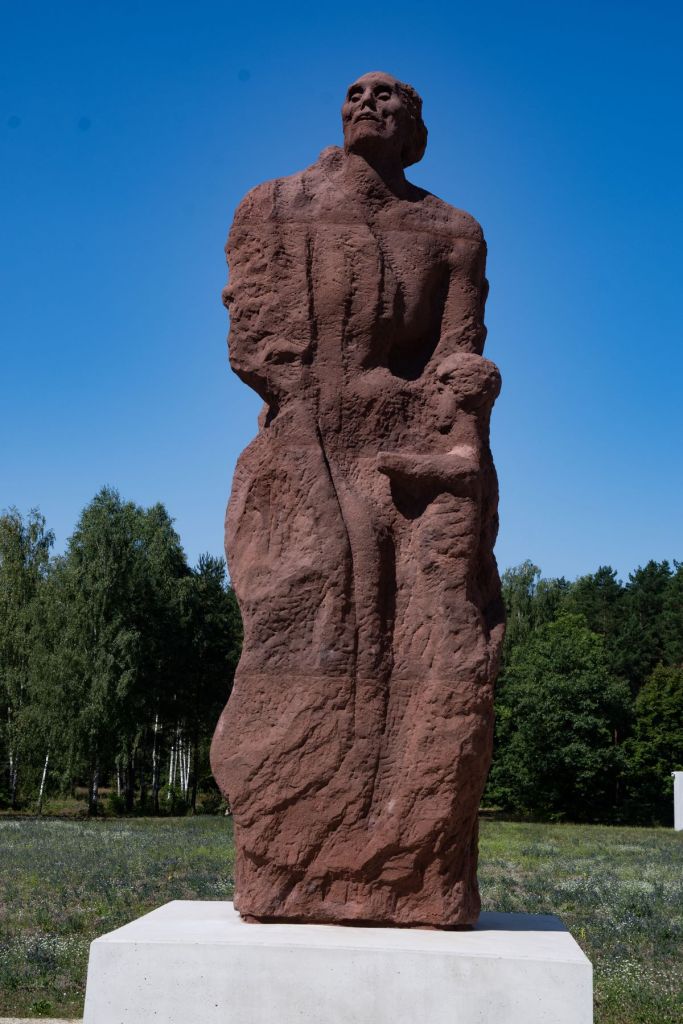
The Museum complex comprises the museum building located near the former railway station, which are connected by a paved Trail of Memory; a cast-iron statue of a woman with child on the “Road to Heaven” (Himmelfahrtstrasse) sculpted by Mieczysław Welter, as well as a large circular enclosure with a mound of ashes and crushed bones of the victims, collected at the site and formed into a broad pyramid next to the original open-air cremation pits.
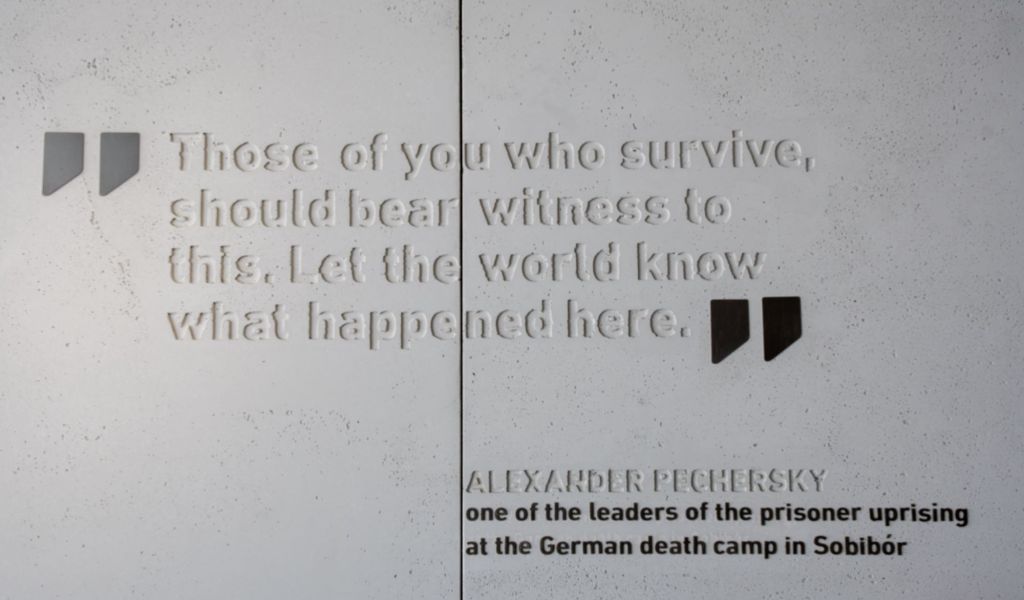

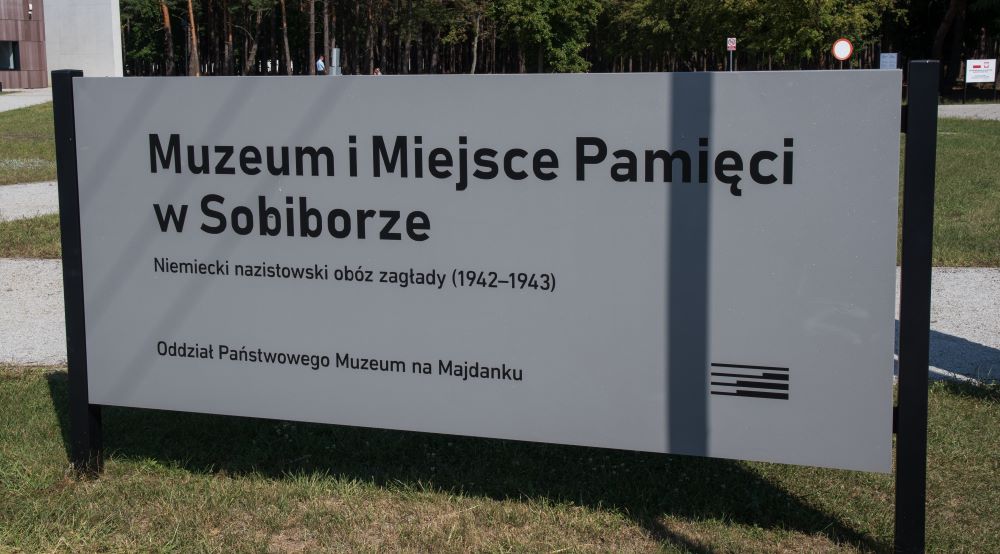
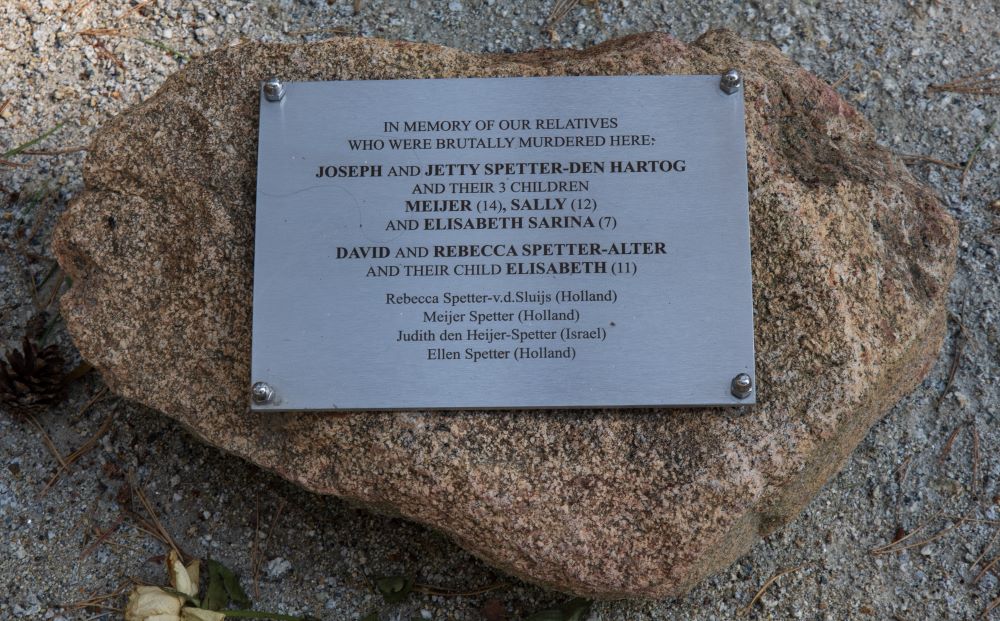

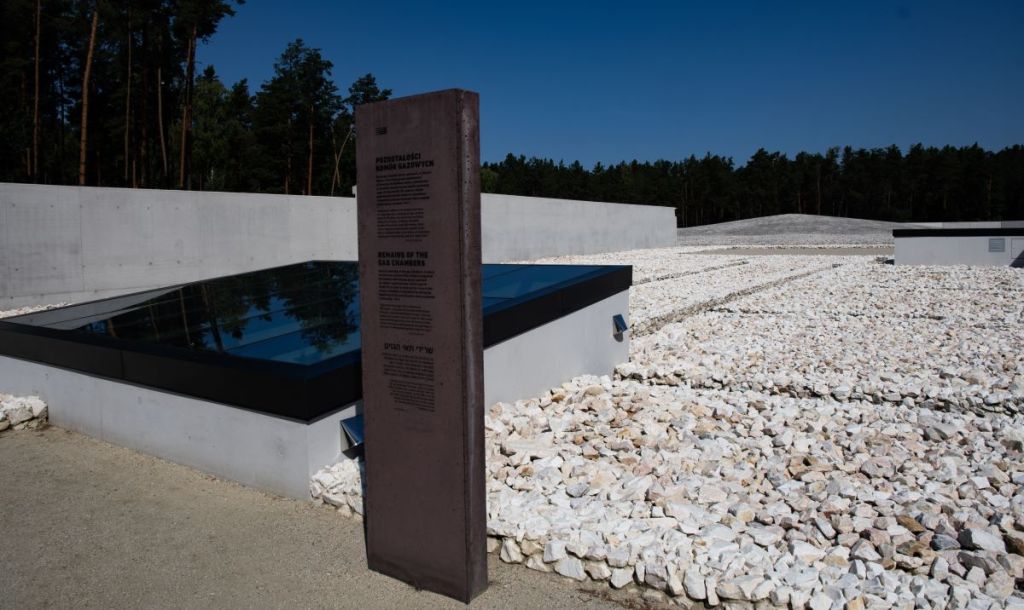


Please click on the photos below to access additional information, photos and maps of the POI’s.
Sławatycze
Sławatycze is a village adjacent to the River Bug, it has 2 impressive churches at the crossroads and a picnic spot on the banks of the river where BM#60 is located. Lots of signage and a peaceful spot to observe the border
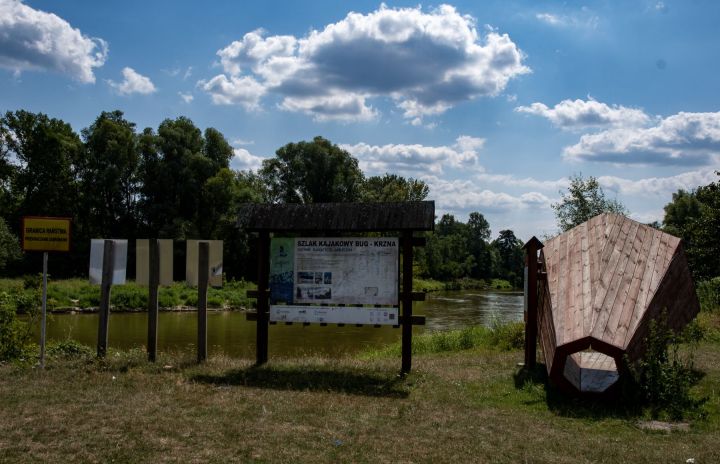
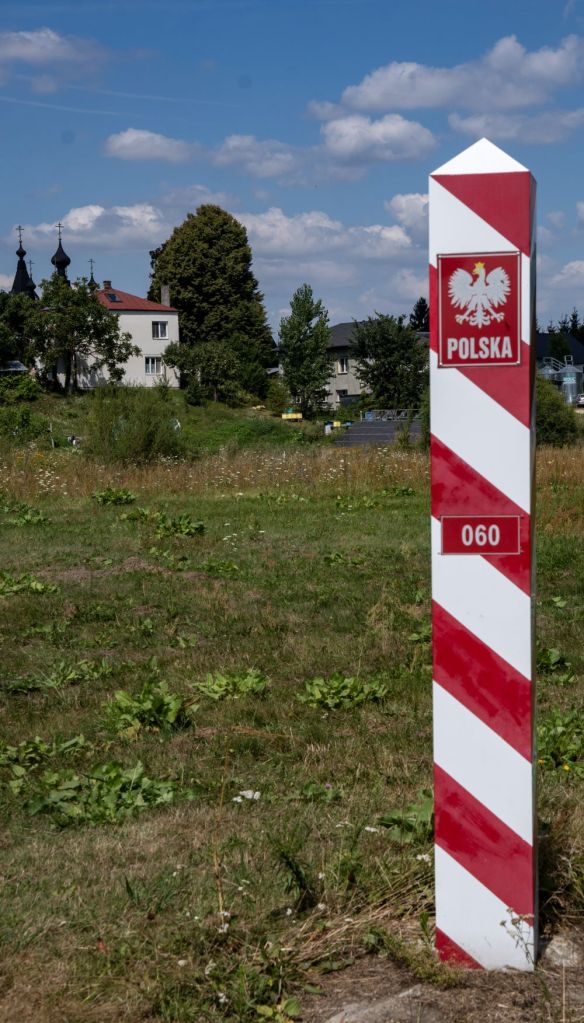


Sławatycze – Domaczewo Border Crossing
The Sławatycze – Domaczewo Border Crossing is a modern crossing point with a new dual lane access road. It has however been closed since 2016 due to the poor condition of the border bridge across the river.

BM#076
Heading north we arrive at the Polish Orthodox St. Onuphrius Monastery in Jabłeczna. This was a fascinating place with its 3 churches, the River Bug scenery, matching border markers and a monument recognising the Soviet Border Guards who faced the Germans in June 1941.
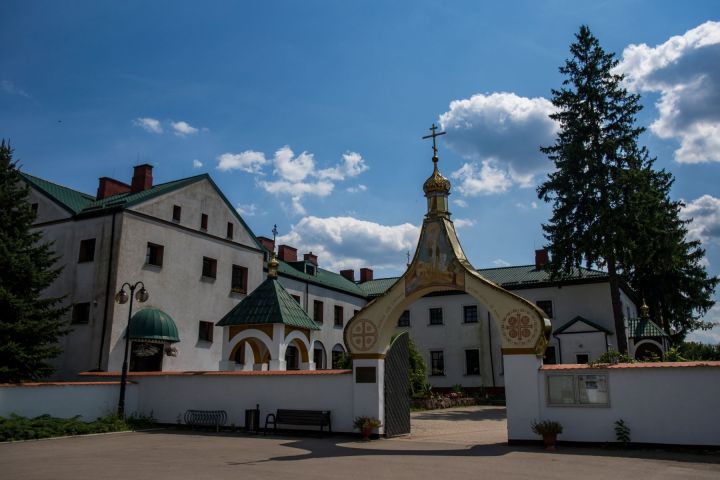
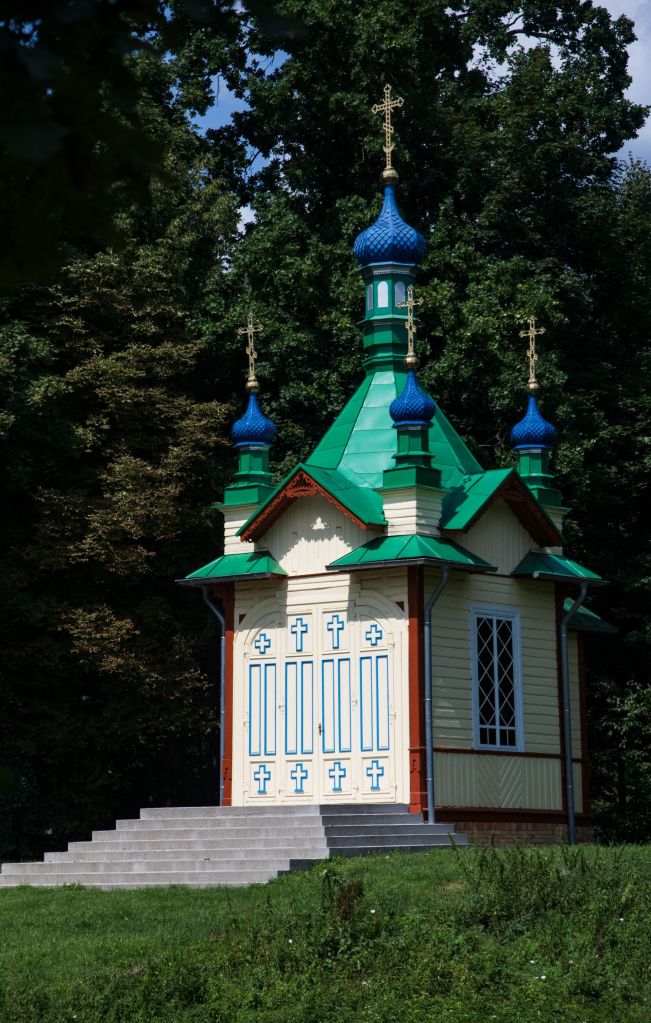


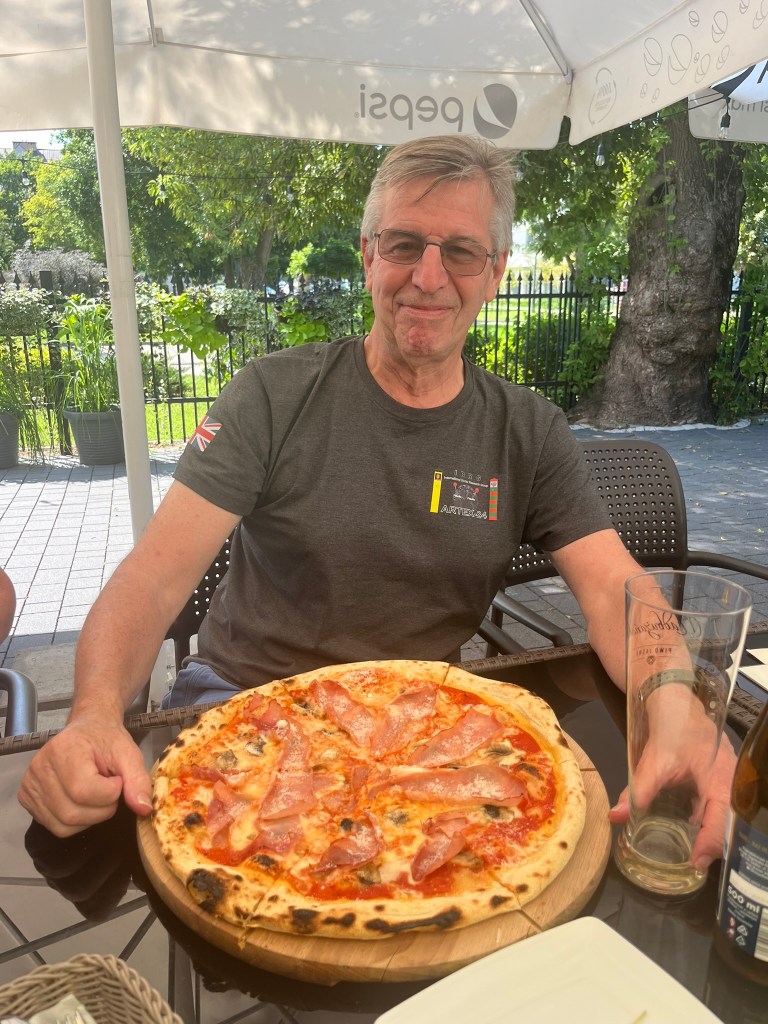
It is soon time for lunch and after a quick internet search we opted for Galeria Smaków is Terespol. On refection cutting down on lunch portions and beer might be a good idea moving forward but these meals provide a good opportunity to review and reflect what we have seen. It was our waitresses first day and she was so nervous, but nailed it.

Terespol – Brest Border Crossings
Terespol is a border town in eastern Poland on the border with Belarus. It lies on the border river Bug, directly opposite the city of Brest, Belarus. We explored 3 border crossings both road and rail. There were challenges here and the border and Belarus remained behind trees and or within a restricted border zone.


BM#165 at the Szwajcaria Podlaska Nature Reserve
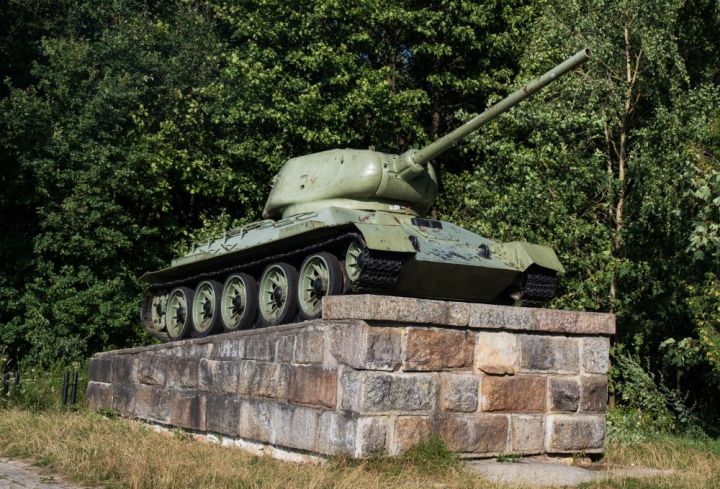
This area is characterised by its fantastic landscape of lakes, bays, rivers and peace and quiet. At the entrance to the park is an old T34 Soviet Battle Tank and after a short walk a solitary border marker over looking the Bug valley. It really was beautiful at this point.



After exploring the reserve, all that remained on Day 2 was the head to our hotel for the night ‘Oberza’ in Borsuki – a typical rustic traditional hotel.
Day Three
Please click on the photos below to access additional information, photos and maps of the POI’s.
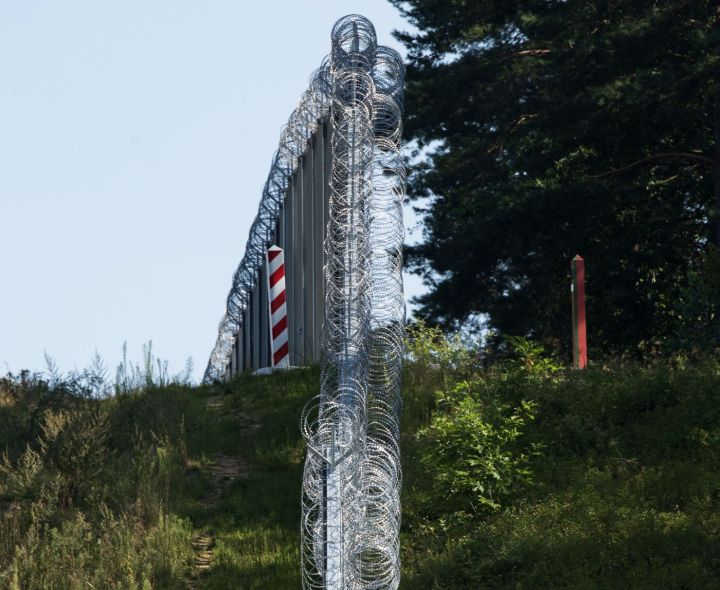
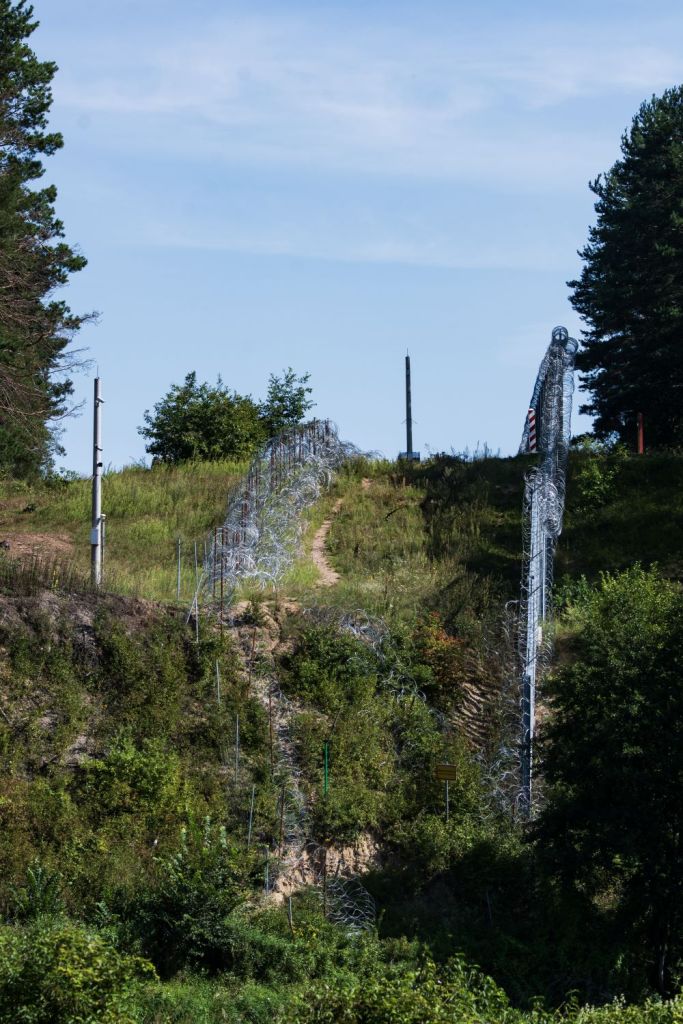
Our final day! Our first visit of our final day was to the point where the Poland – Belarus border turns north-east away from the River Bug and becomes “dry”. It is at this point that the Polish border wall begins. Today was a shortened day as we needed to head back to Warsaw to drop one of the group off for their return flight. Our focus was on the Poland Belarus border wall built in 2022 to prevent illegal immigration.
As well as having great views of the the beginning of the border wall we also found our first Polish directional marker.
BM#224k and the westernmost point of Belarus
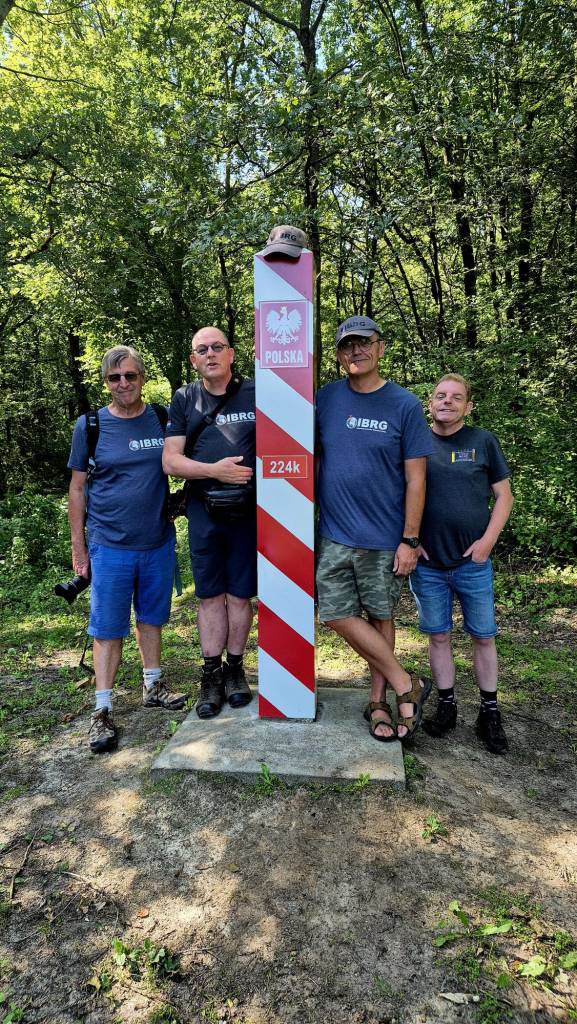

For the first time on this trip we crossed the River Bug, which at this point had ceased to be the border and both

sides belonged to Poland. IBRG trips use a multitude of transport modes but this was the first time a hand driven chain ferry formed part of our trip.
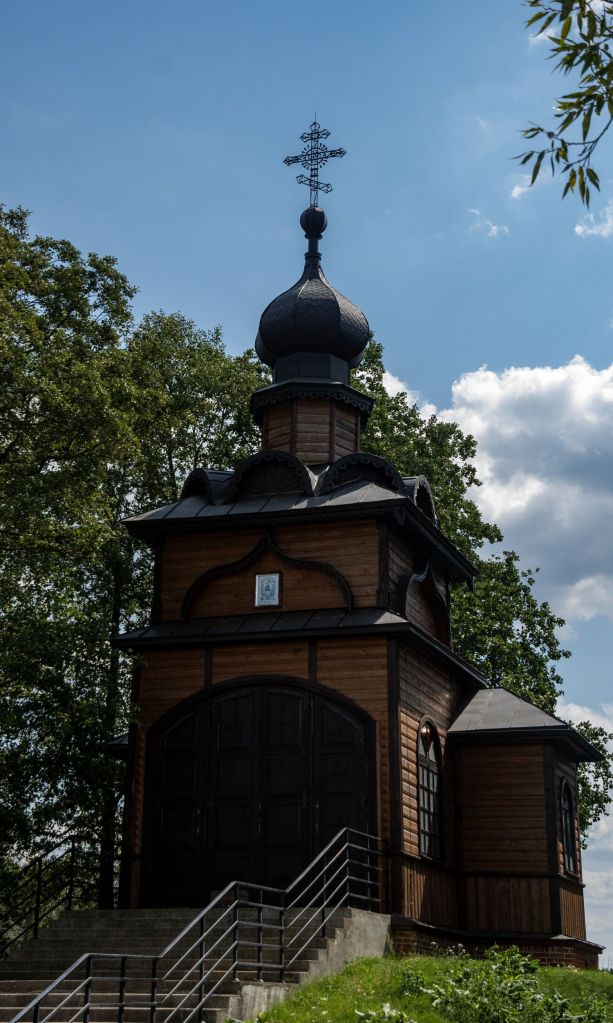
A short drive north east took us to our last 2 POI’s, here the border was created in 1945 when the Soviet Union occupied to eastern part of Poland. At the Koterka – Tokari border was a beautiful wooden church cut off from its traditional congregation.
Koterka – Tokari


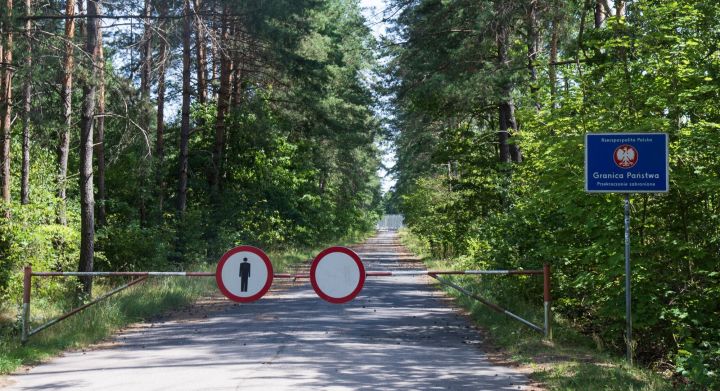
A short distance away was the small village of Tokary which was situated very close to the border fence. Because we needed to get to the airport we maintained a distance from the fence and did not interact with the military there.
Tokary – Tokari


All that remained was to have a look at the Synagogue in Mieljeczce . The synagogue in Milejczyce remains one of the few surviving masonry structures of its kind in the Podlaskie province, dating back to the first half of the 20th century. Restored with EU support.

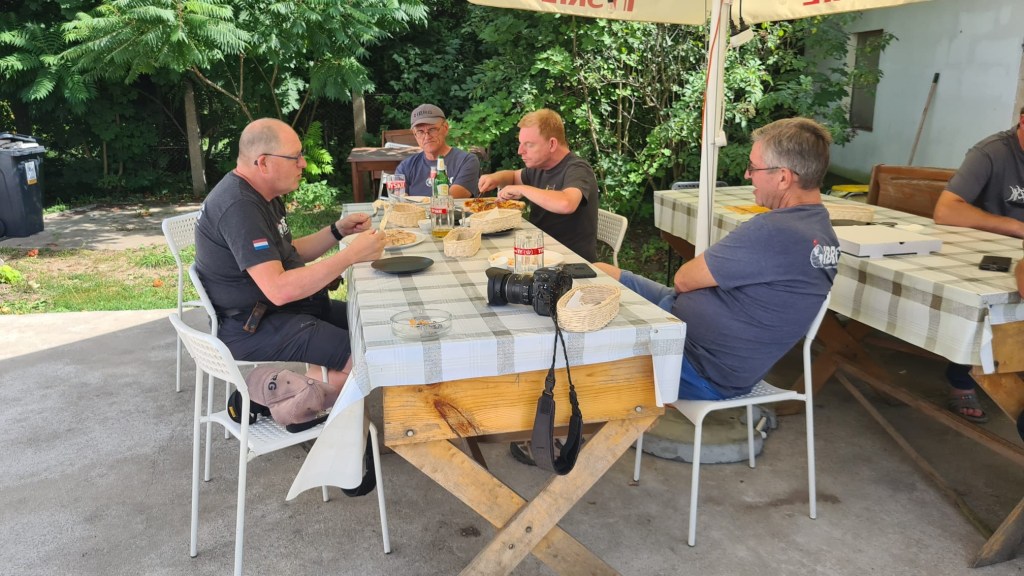
There was time for a quick celebration lunch at Kukuryykuu in Nurzec-Stacjaand and talk about our adventures over the past 3 days. Most participants flew home the next day at varied times. An amazing visit, with lots of memories, with great company and much fun.

Post expedition border interest
Please click on the photos below to access additional information and photos of the POI’s.
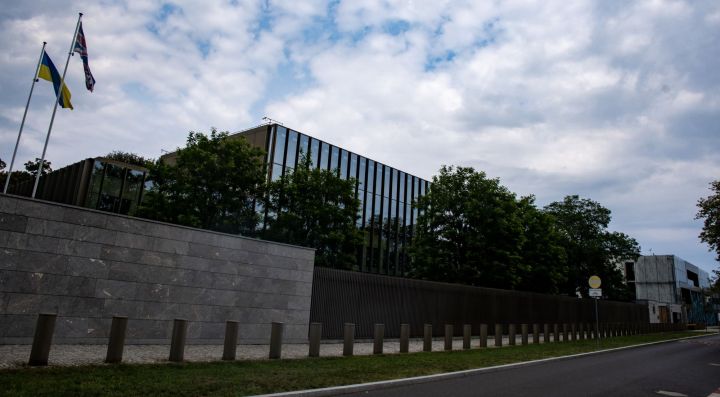
I decided to stay on a few days in Warsaw, a city I did not know for general sightseeing and chilling out. There was however an opportunity to indulge in 2 aspects of my border interests. Firstly, I took the opportunity to go embassy spotting and bagged quite a few including, the UK, US and Russia amongst a lot of others and secondly, I continued my search for fragments of the Berlin Wall around the world and found 6 sections in Warsaw in 2 locations.

Other IBRG Members Reports
- Piet van der Giessen (NL) an IBRG member and author of the Grenspalen.one website. His report is here

Dates of Visit: 31 July 2024 – 02 August 2024
 Barry's Borderpoints