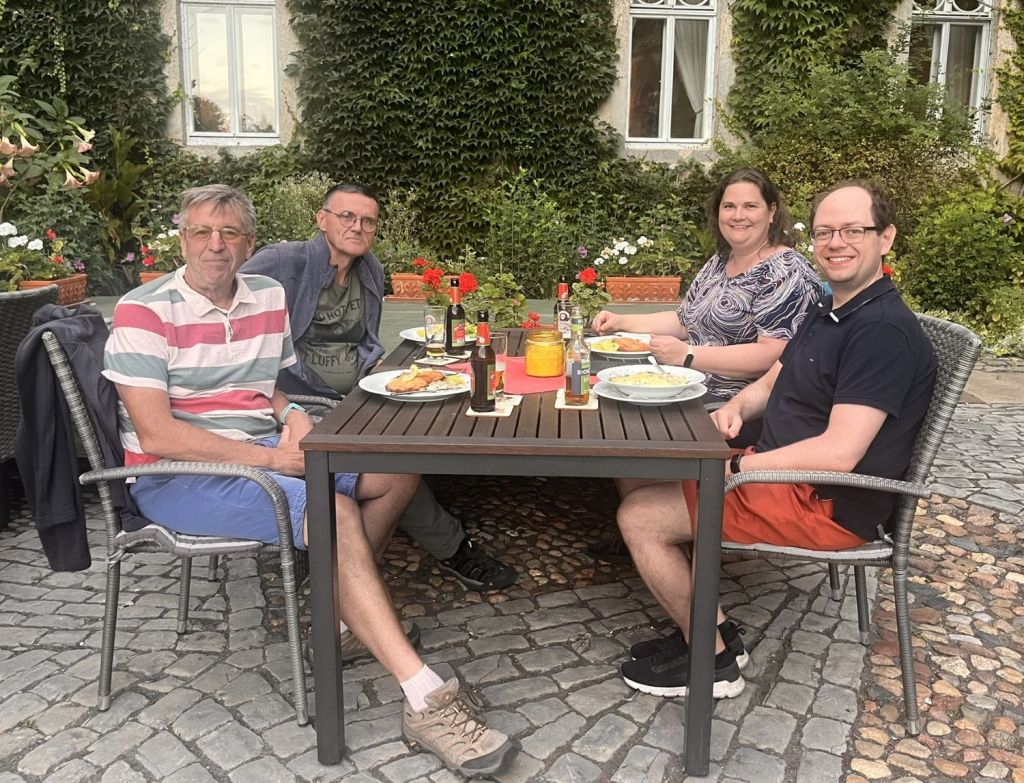
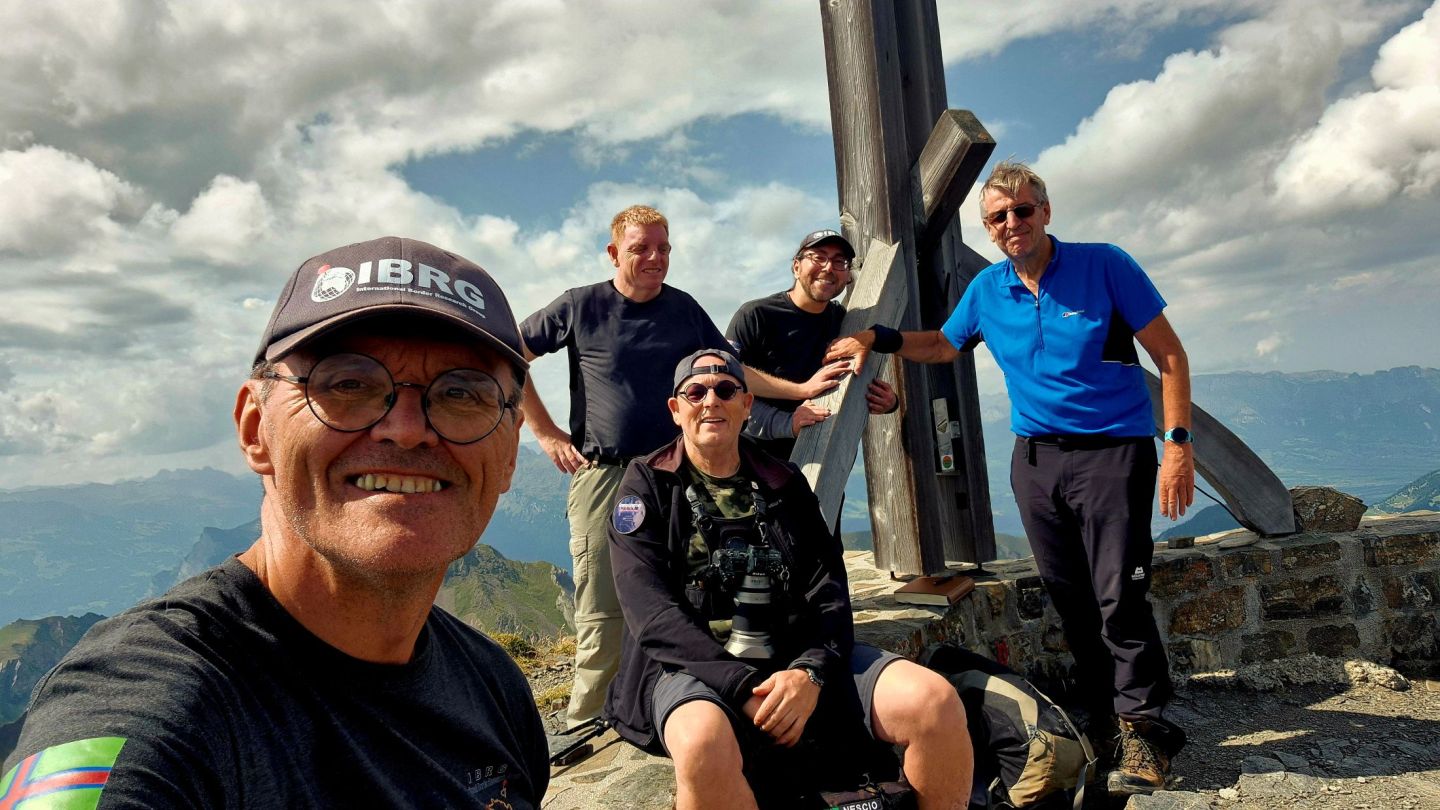
In total, 10 IBRG members participated on this trip from the UK (1), Austria (1) Czech Republic (1) Denmark (4), Germany (1),the Netherlands (1) and the USA (1).
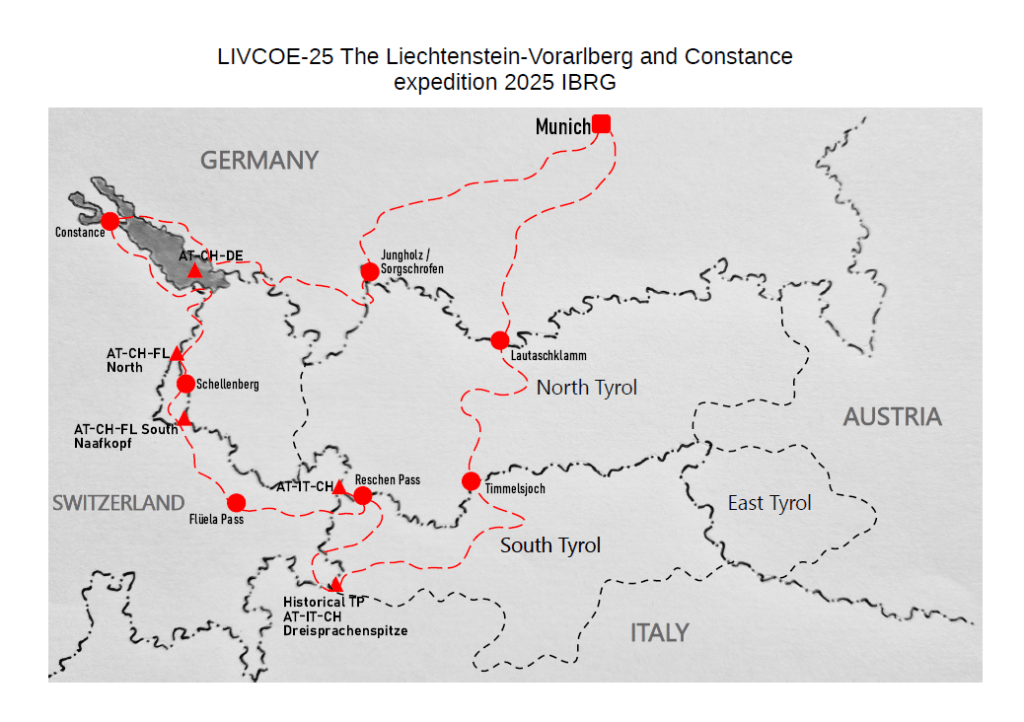
This expedition focused initially on the historic inner German border and the Czech-German border, before focusing on the borders and tripoints of the countries near Lake Constance which include Austria, Germany, Liechtenstein and Switzerland. The final section of the trip focused on the Italian borders with Austria and Switzerland. As with most IBRG trips the focused shifted between current and historical tripoints, rare quadripoints, current and historical borders, border markers, border crossings and their infrastructure.
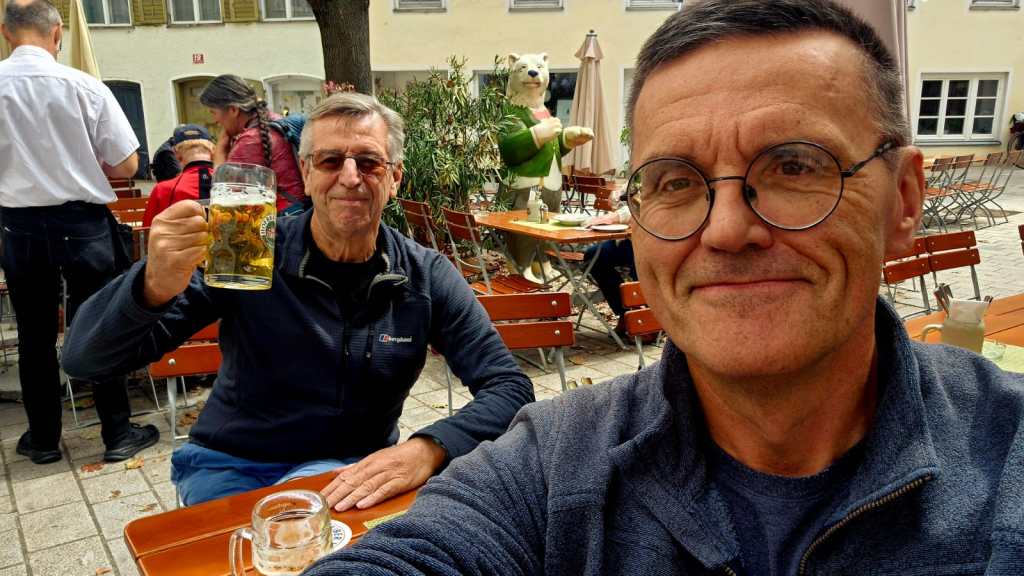
For those who were there for the whole trip there 6 tripoints (2 historical) to bag.
As with all the IBRG trips there was lots of discussions, food and drink! This page is an introduction to the trip with individual reports being accessible by clicking on either the photos or the links (in red) either within the text or via the menu of the right hand side of the page.
Please click on the images to access full trip reports with maps. photos and analysis.
Stage 1
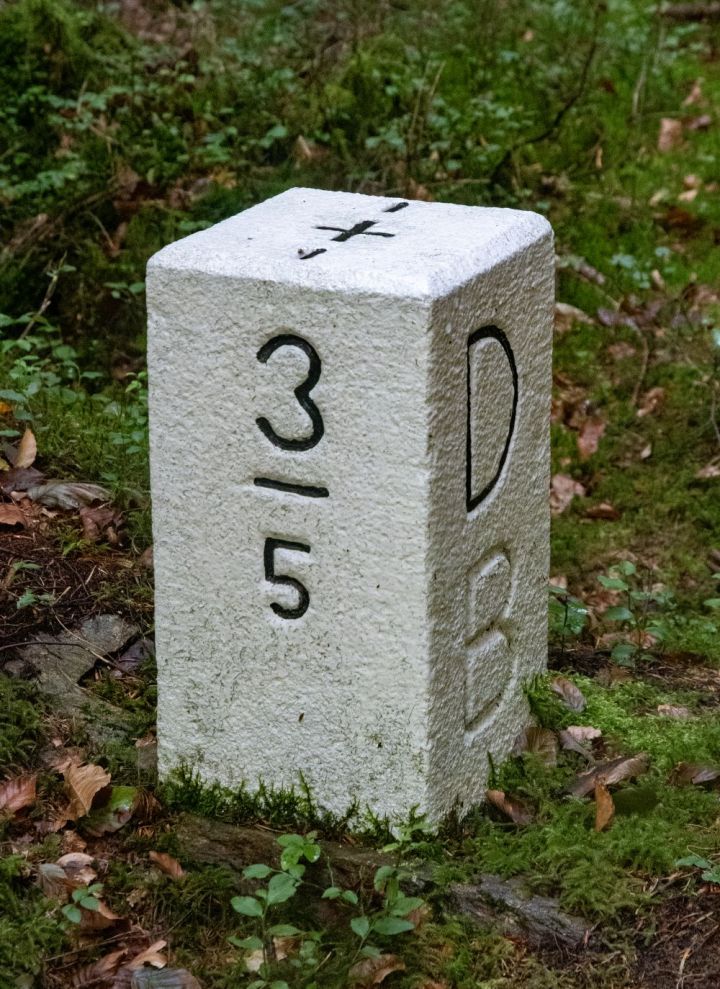
This part of the expedition focused initially on the historic inner German border and the Czech-German border, very different from what was to come but nevertheless fascinating. The inner German border element involved visiting the Michael Gartenschläger memorial which commemorates the death of an activist who highlighted the use of SM-70 self-firing devices which the DDR denied installing. It was great to meet Per Broderson, a new member of IBRG who guided us around the site. Other POI’s included a railway station which acted as the main route to West Berlin and Deutsch-Deutsches Museum at Mödlareuth which recreates dramatically what life was like in a village divided by the Iron Curtain.
Inner German Border
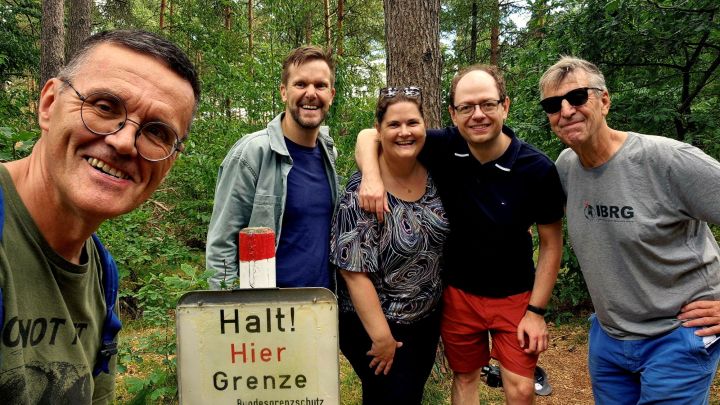
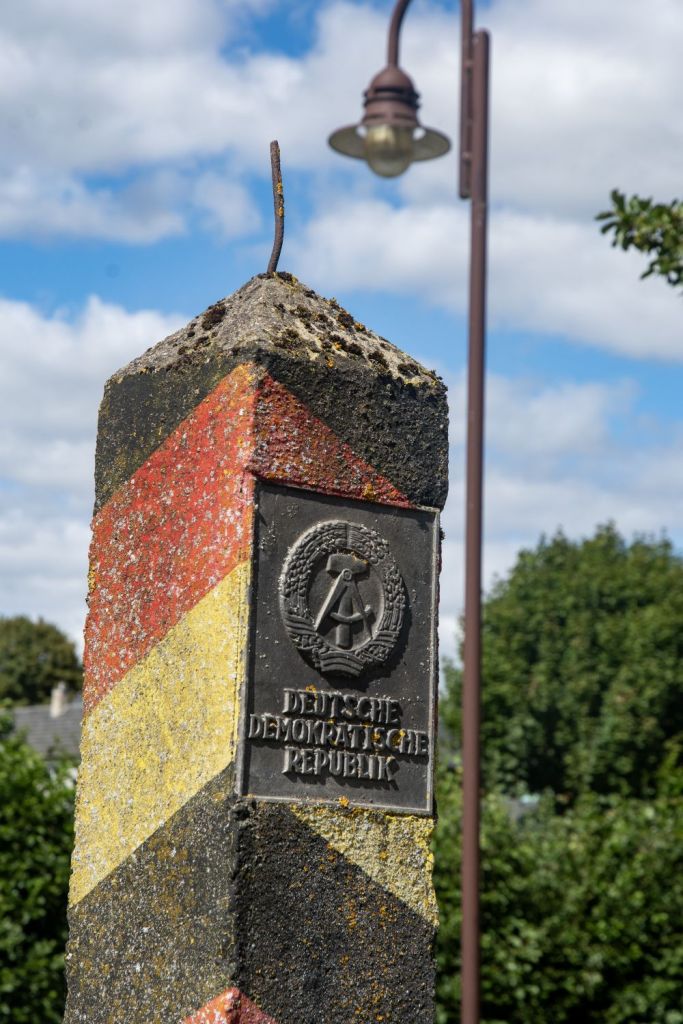


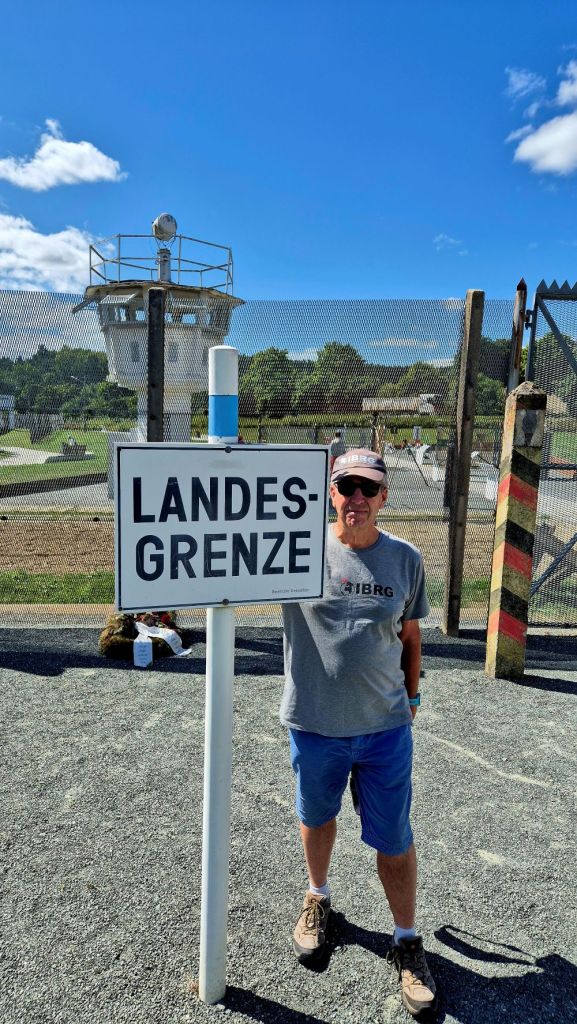
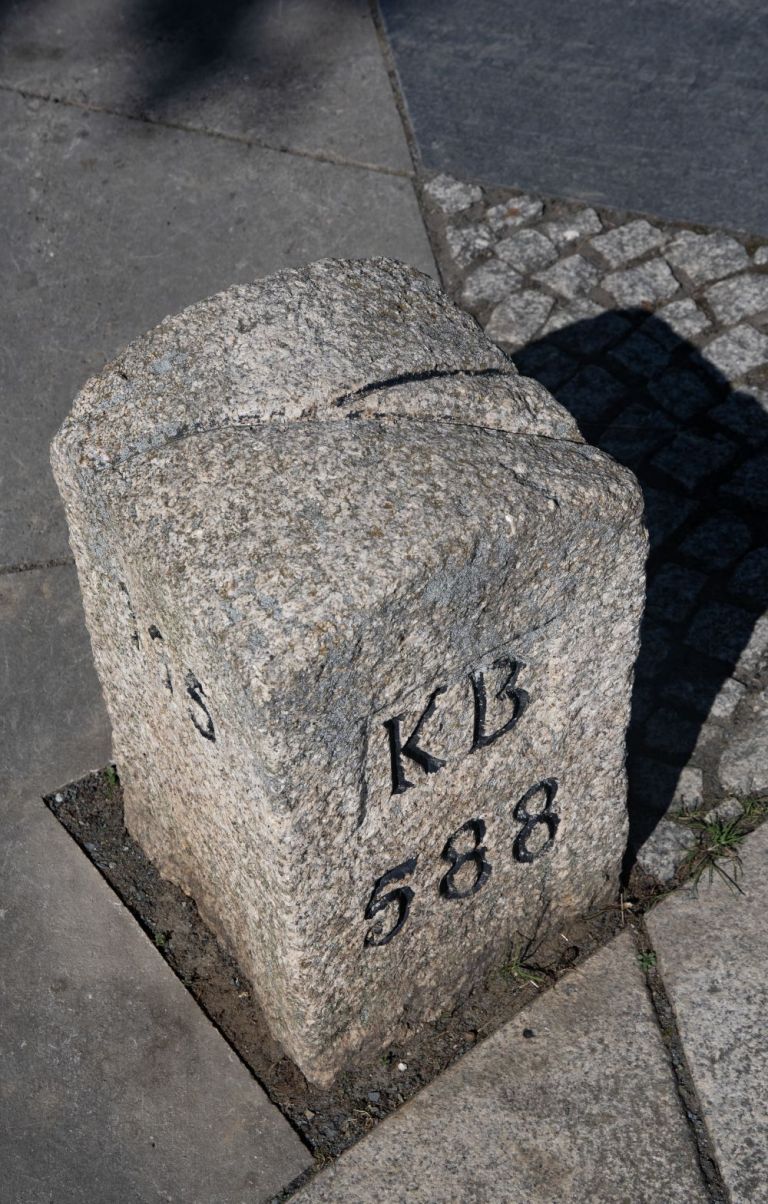
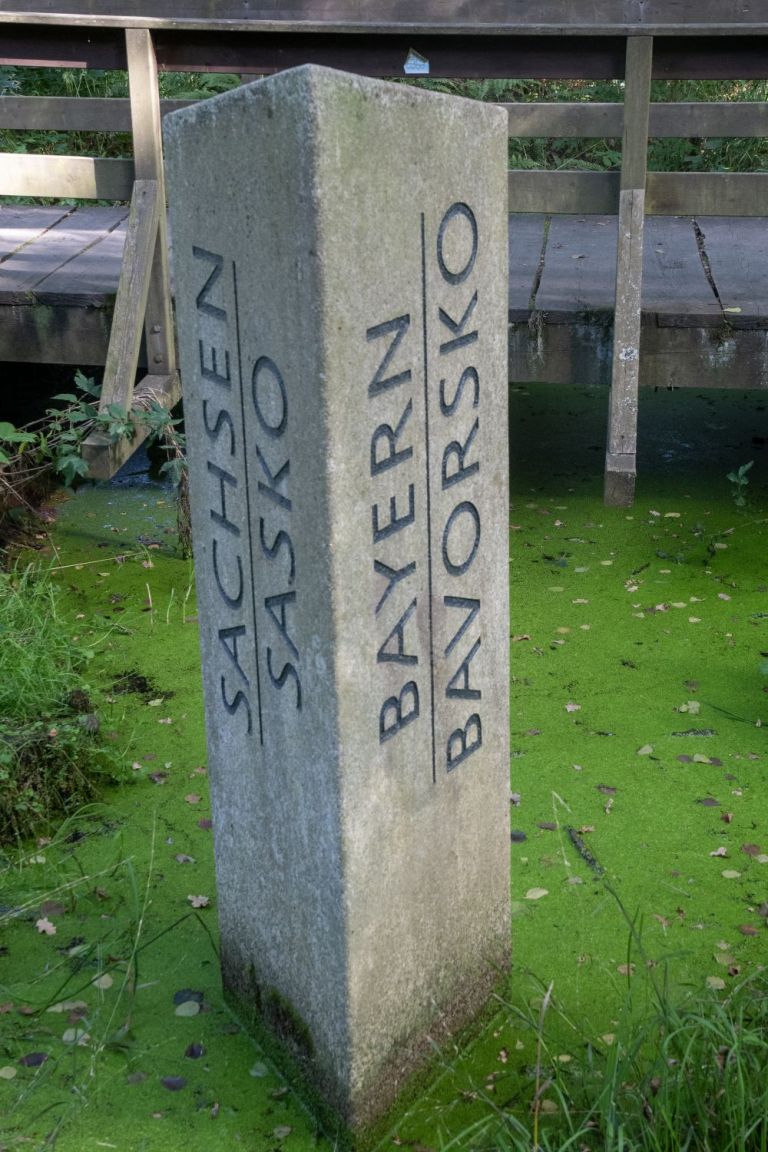
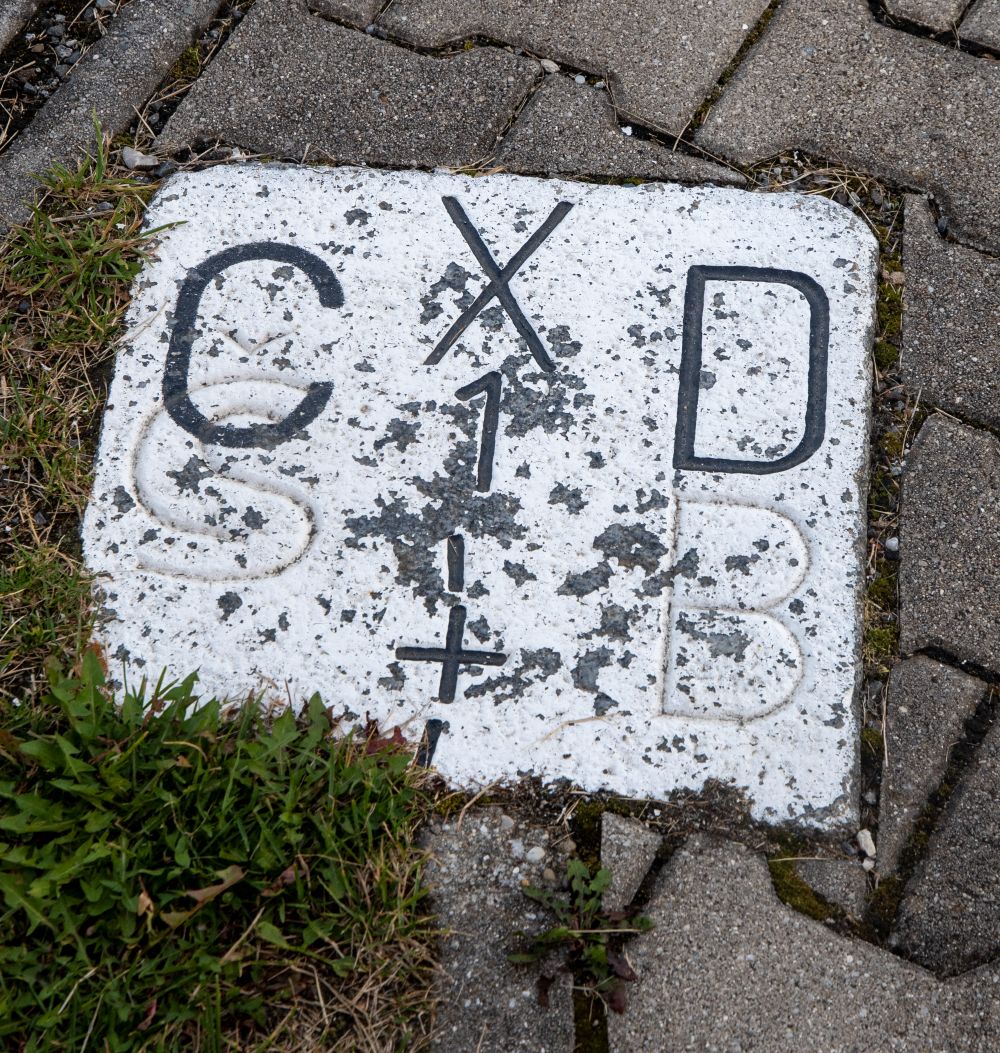
An added bonus for those of us who like collecting tripoints, we had the opportunity to visit the Drei Freistaaten Stein which marks the point where the 3 German states with “Free” in their title meet and was established in 1854. In 2007 the current monument was created. We also visited the historical tripoint where East and West Germany met Czechoslovakia. None of these states remain but Bavaria, Saxony and the Czech Republic have marked this point with a series of markers and information boards.
Internal German Tripoint
Historical Tripoint
Czech – German Border
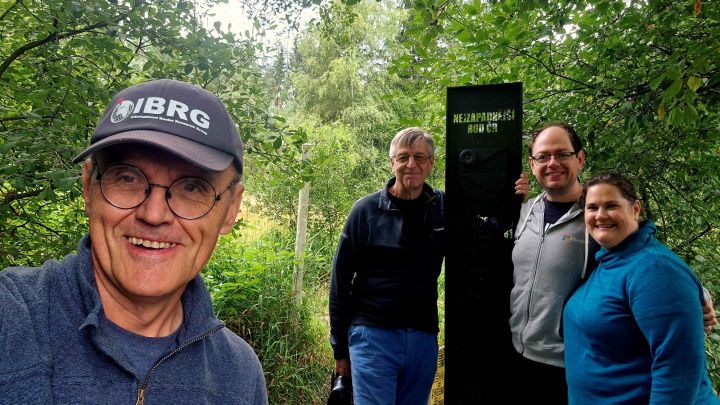
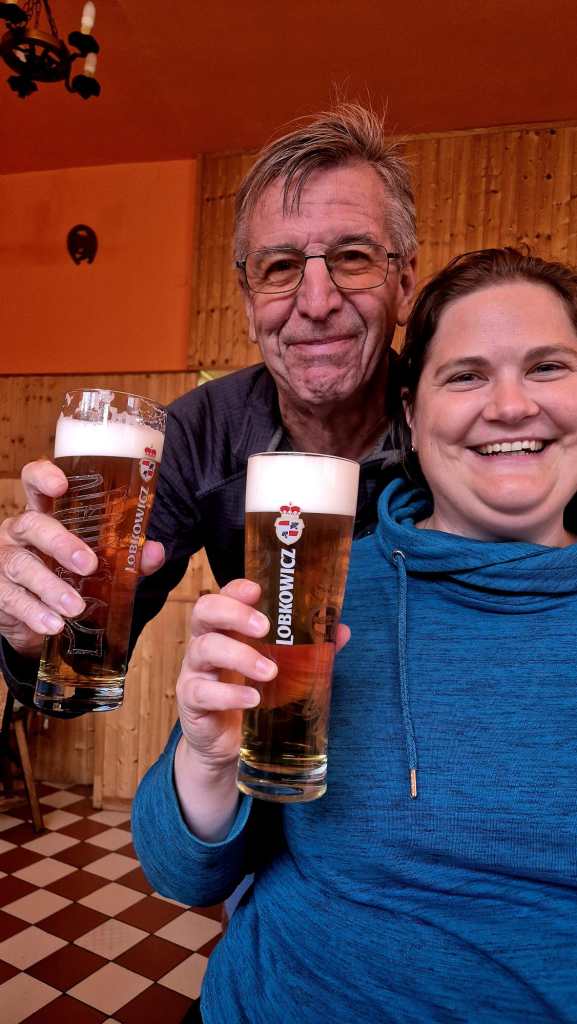
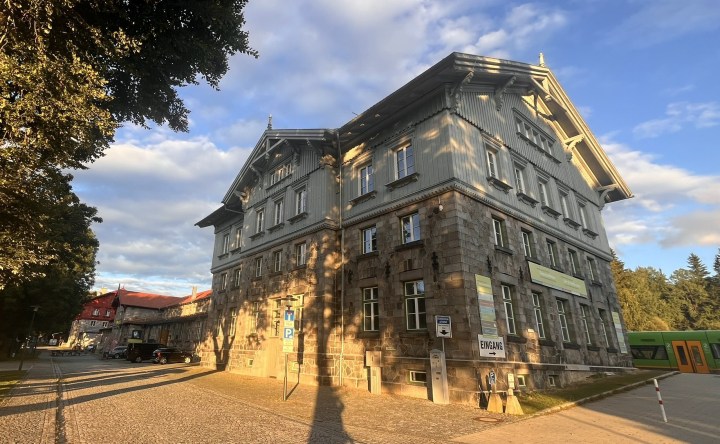
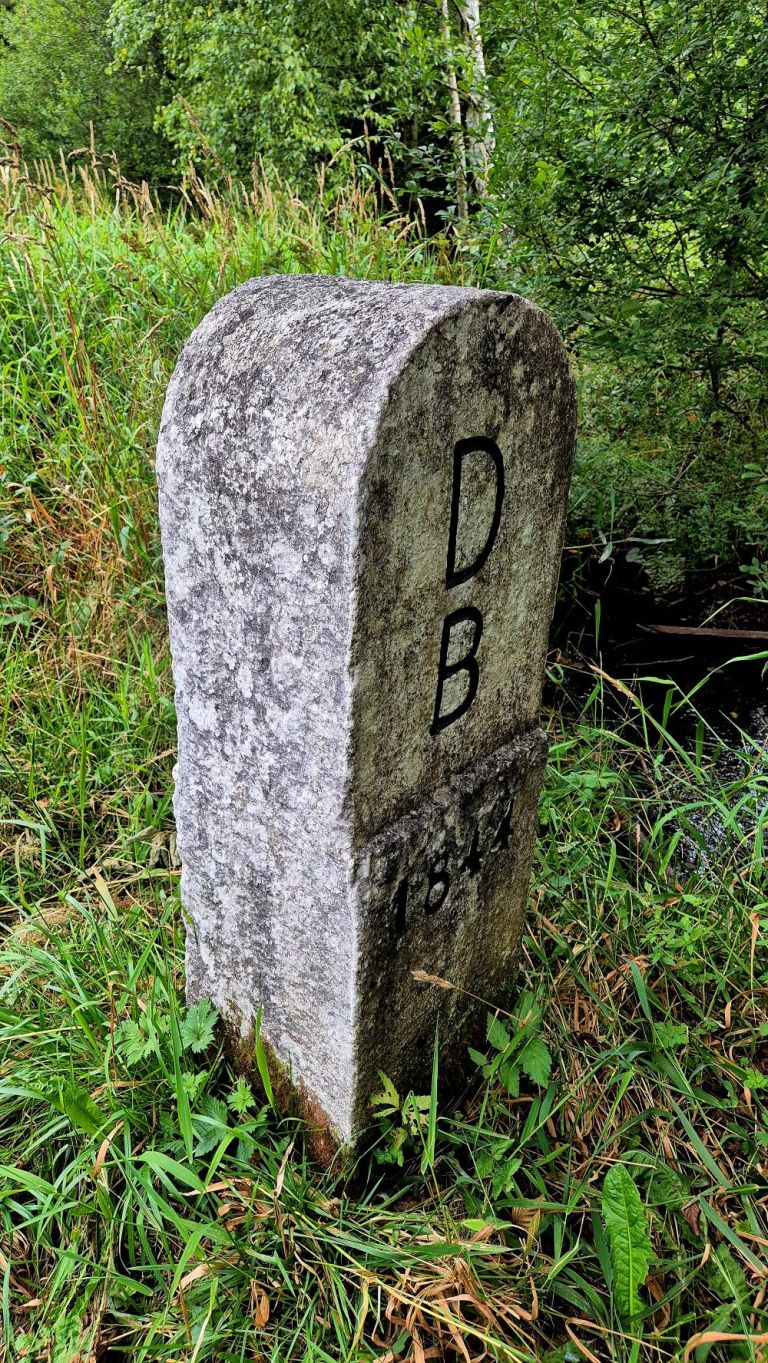
What remained was to drive south and explore further POI’s on the Czech – German border. These included 2 road border crossings, a fascinating railway station divided by the border and the westernmost point of the Czech Republic. Lot’s of border markers , signs and other points of border interest including a wall in Doubrava which had lots of old border signs. As well as lots of Goulash and Czech beer, Eva was in her element.
Please click on the images to access full trip reports with maps. photos and analysis.




Stage 2
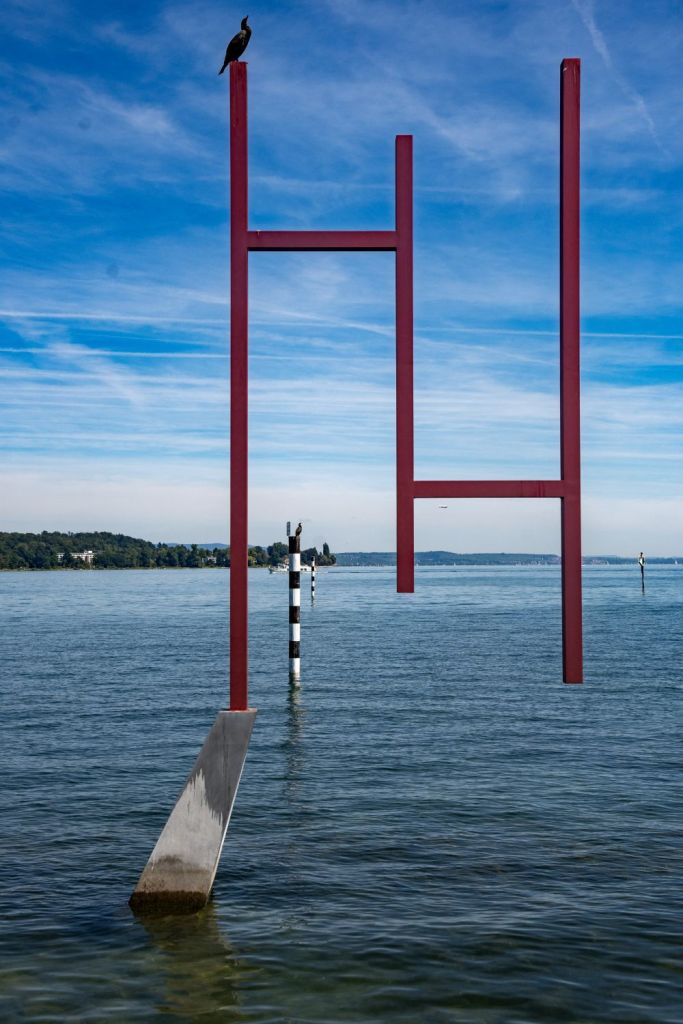
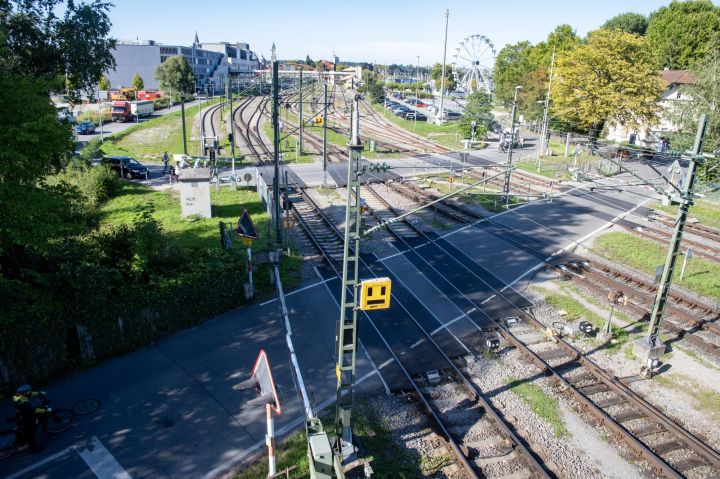
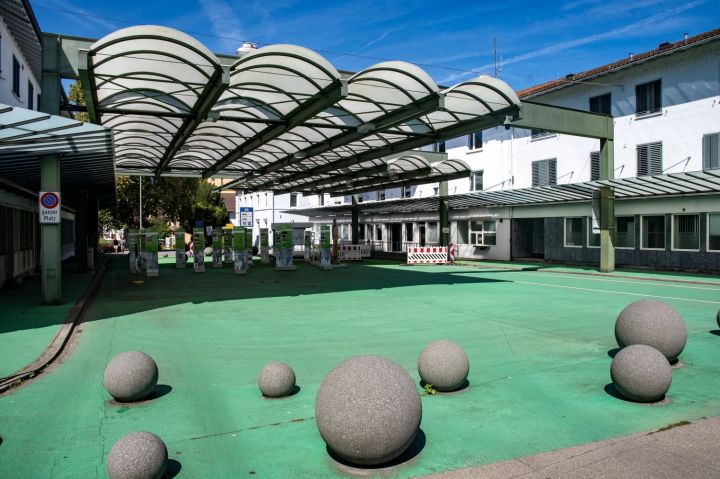
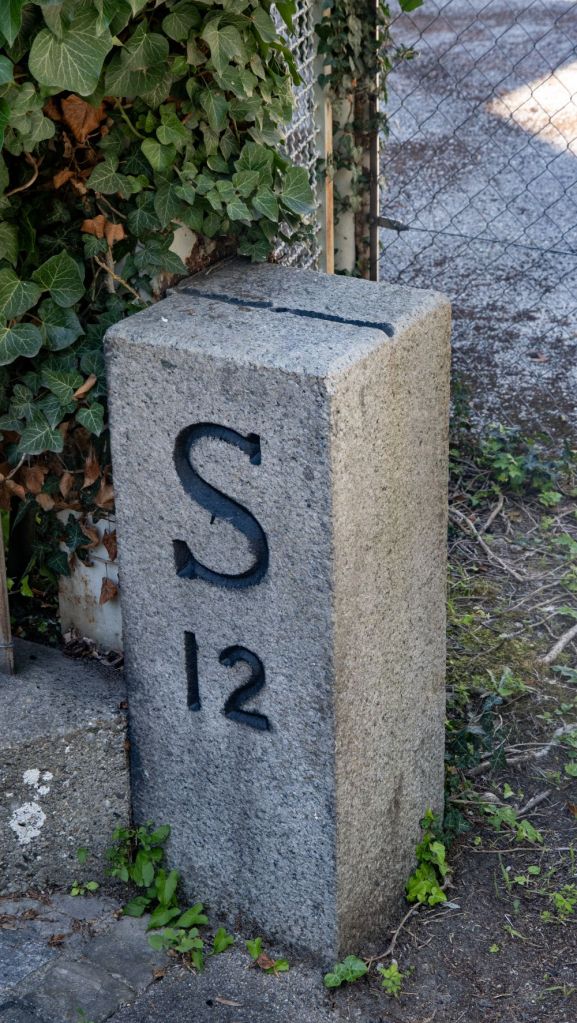
The second stage focused on the border of countries near Lake Constance (Bodensee), Austria, Germany and Switzerland which border the Lake and Liechtenstein which lies 24 km south. This area contains a lot of border related interest. Austria was the primary common denominator for this stage, with its borders with Germany, Liechtenstein and Switzerland, however, the first border POI was our visit to Konstanz (DE) and Kreuzlingen (CH) 2 towns divided by a well demarcated border, with art installations, border markers and crossing points (rail, pedestrian and road).
Please click on the images below to access detailed visit reports with maps and additional photos.
Konstanz (DE) and Kreuzlingen (CH)
Tripoint Visits
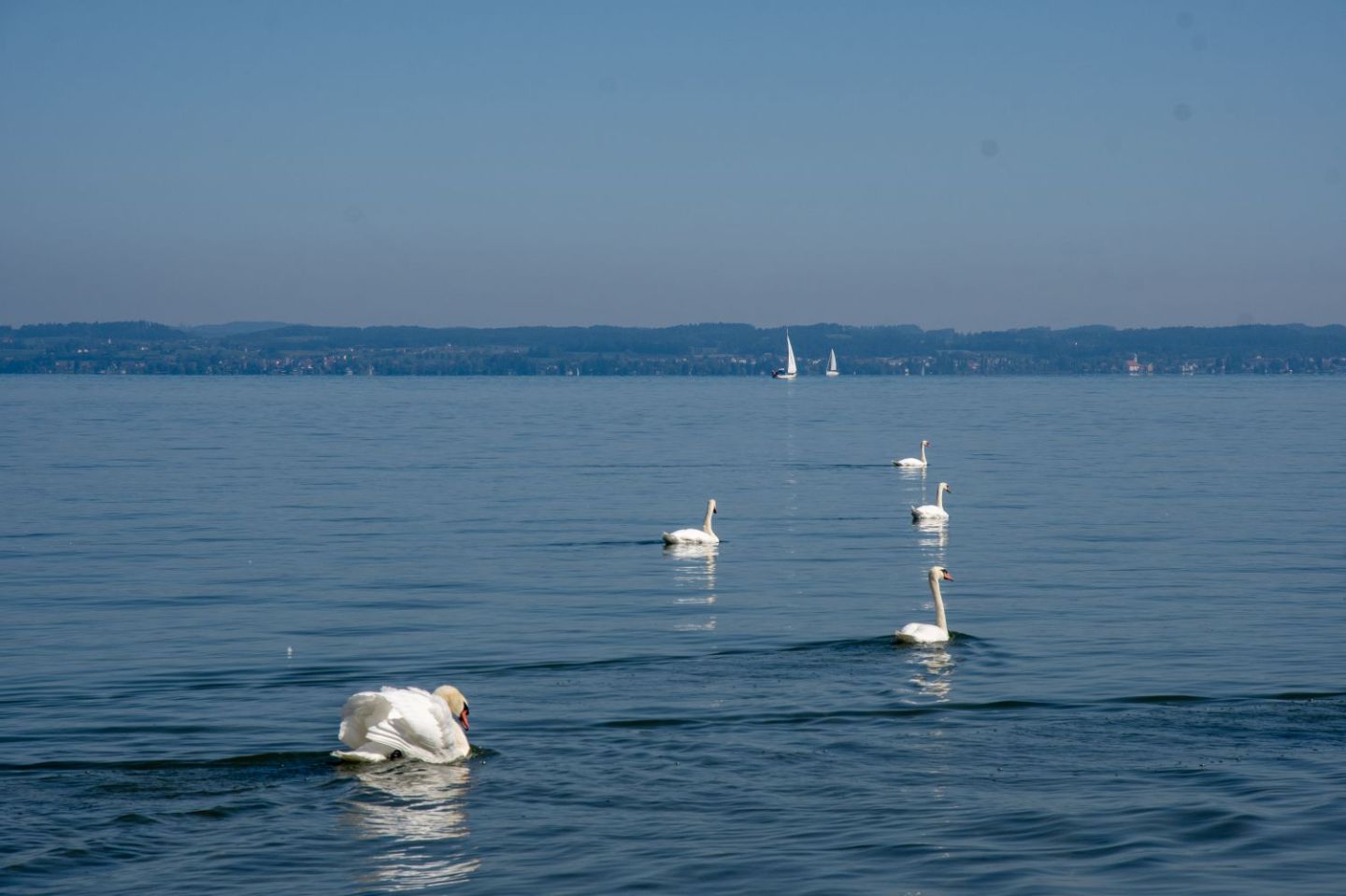
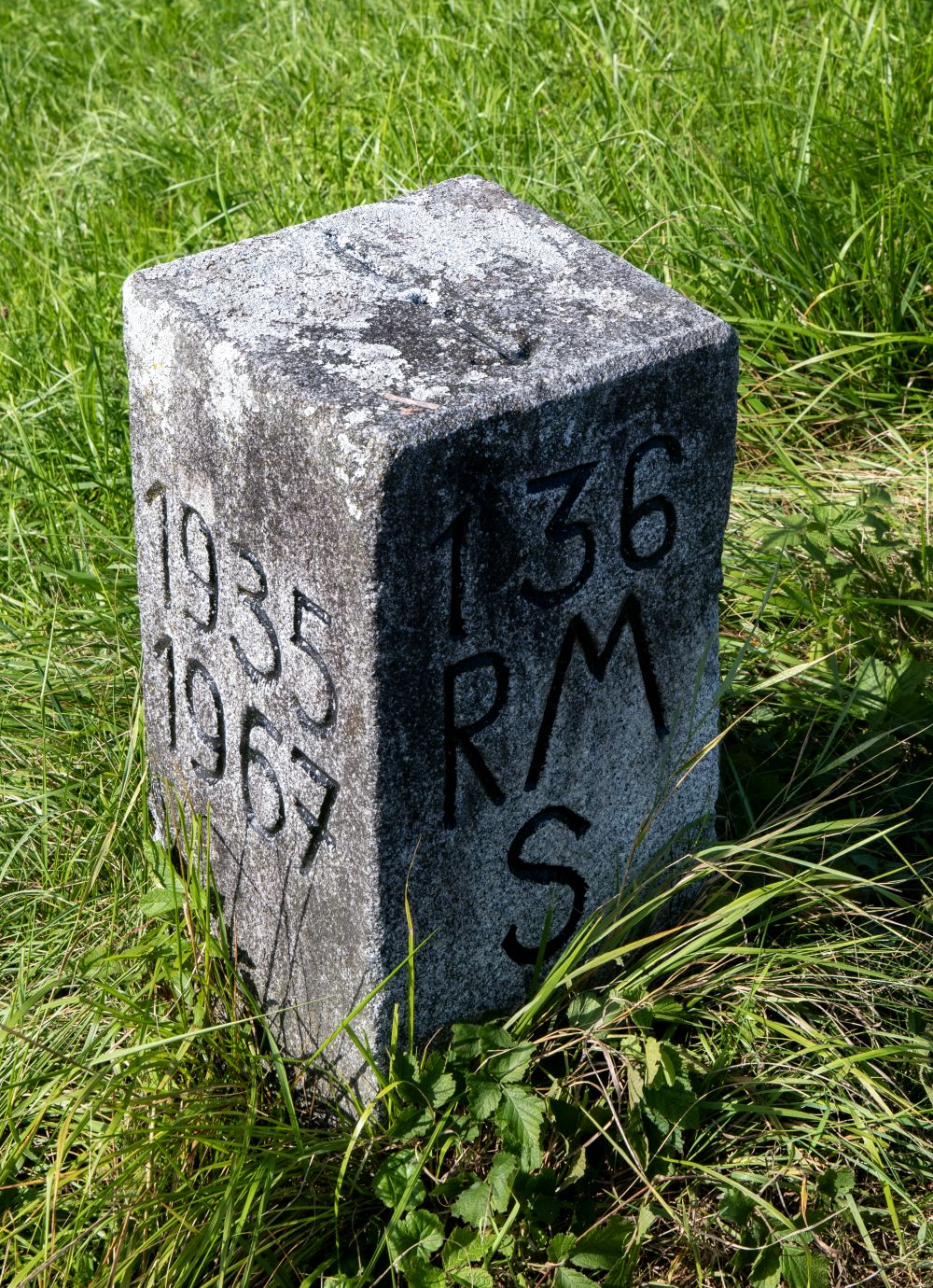
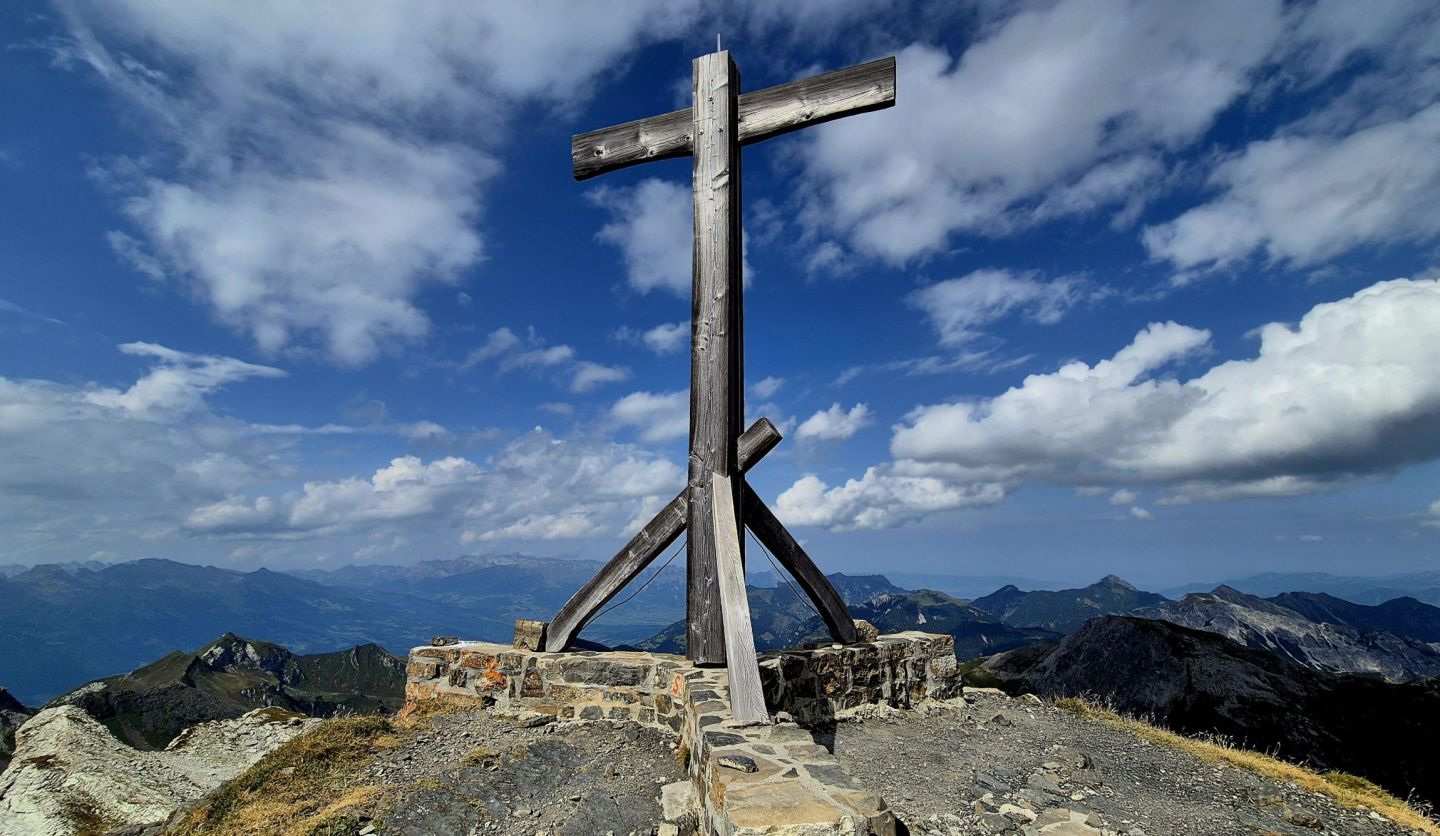
The highlight of any IBRG expedition is our tripoint visits. In this stage there were 3, the first ATCHDE is unusual as a European tripoint as it is located in a large body of water and it has never been clearly defined geographically as the actual locations of the country borders within the lake are disputed, with Austria, Germany and Switzerland all holding different opinions on the matter. The other 2 are ATCHLIn and ATCHLIs, the northern and southern tripoints of Liechtenstein. The northern tripoint is at the intersection of the Alpenrhein river with the AT/LI border which is demarcated by border markers on each side of the Rhine BM#135 in Austria and BM#136 in Switzerland. BM#135 is commonly described as marking the westernmost point of Austria which an added point of interest. BM#136 is the tripoint marker. The southern tripoint is one of the harder tripoints to reach in Europe with a long alpine trek to the summit of Naafkopf (2570m) the peak is surrounded by steep cliffs, open alpine meadows, and three distinct ridges delineating international borders. The tripoint is marked by a wooden cross supported by a brick base, symbolising the meeting point of the three nations.
Austria – Lichtenstein
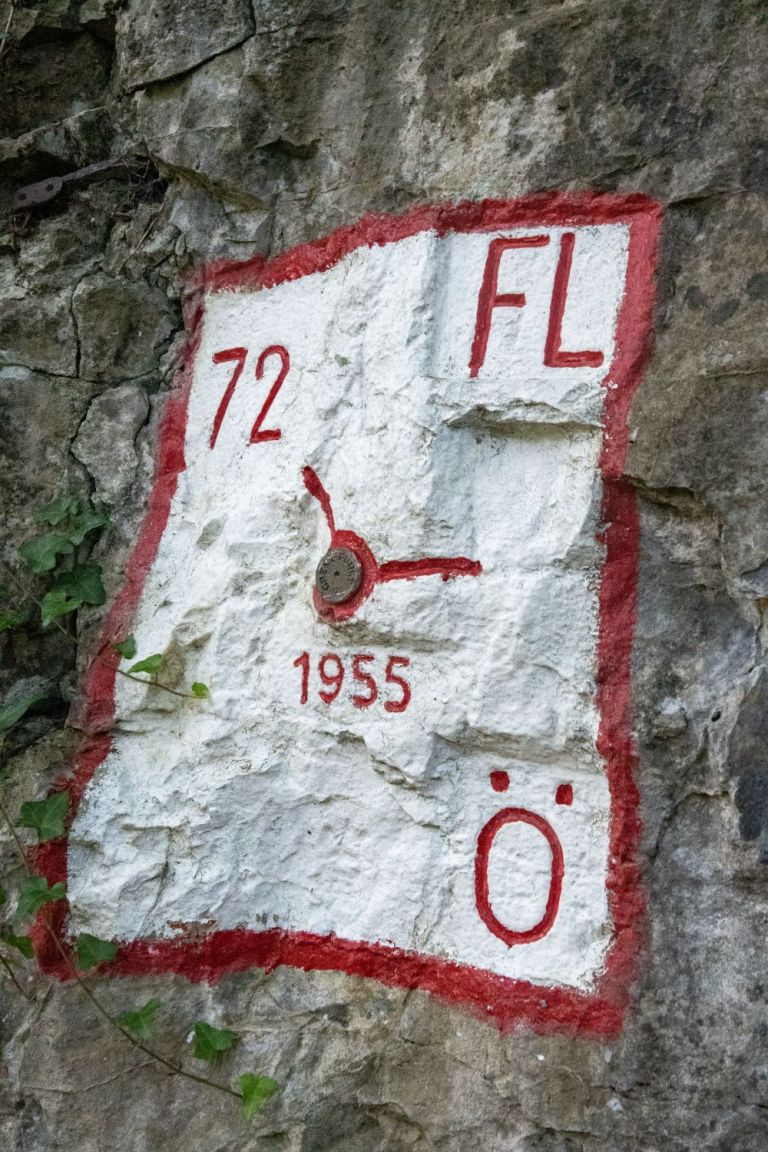
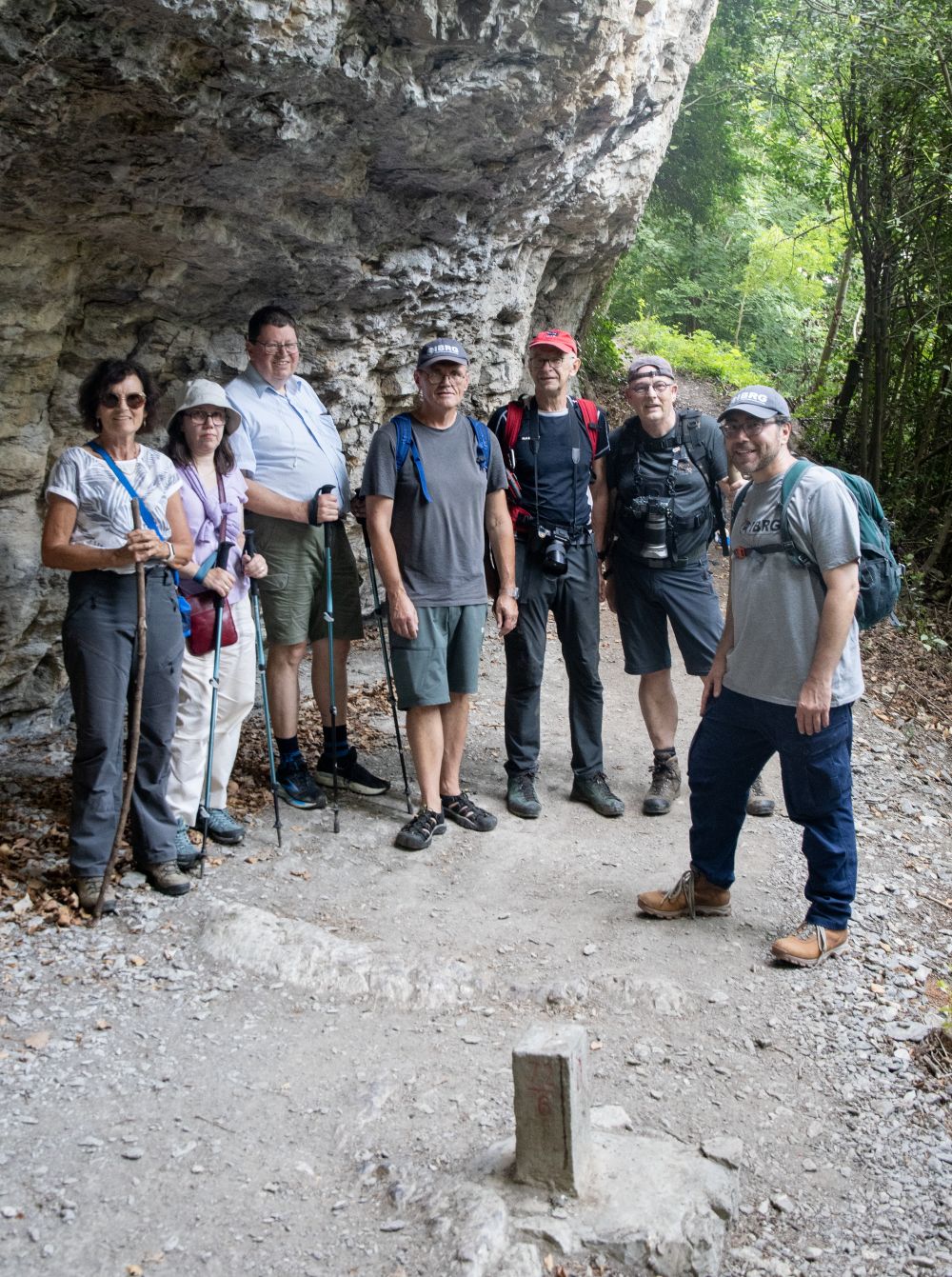
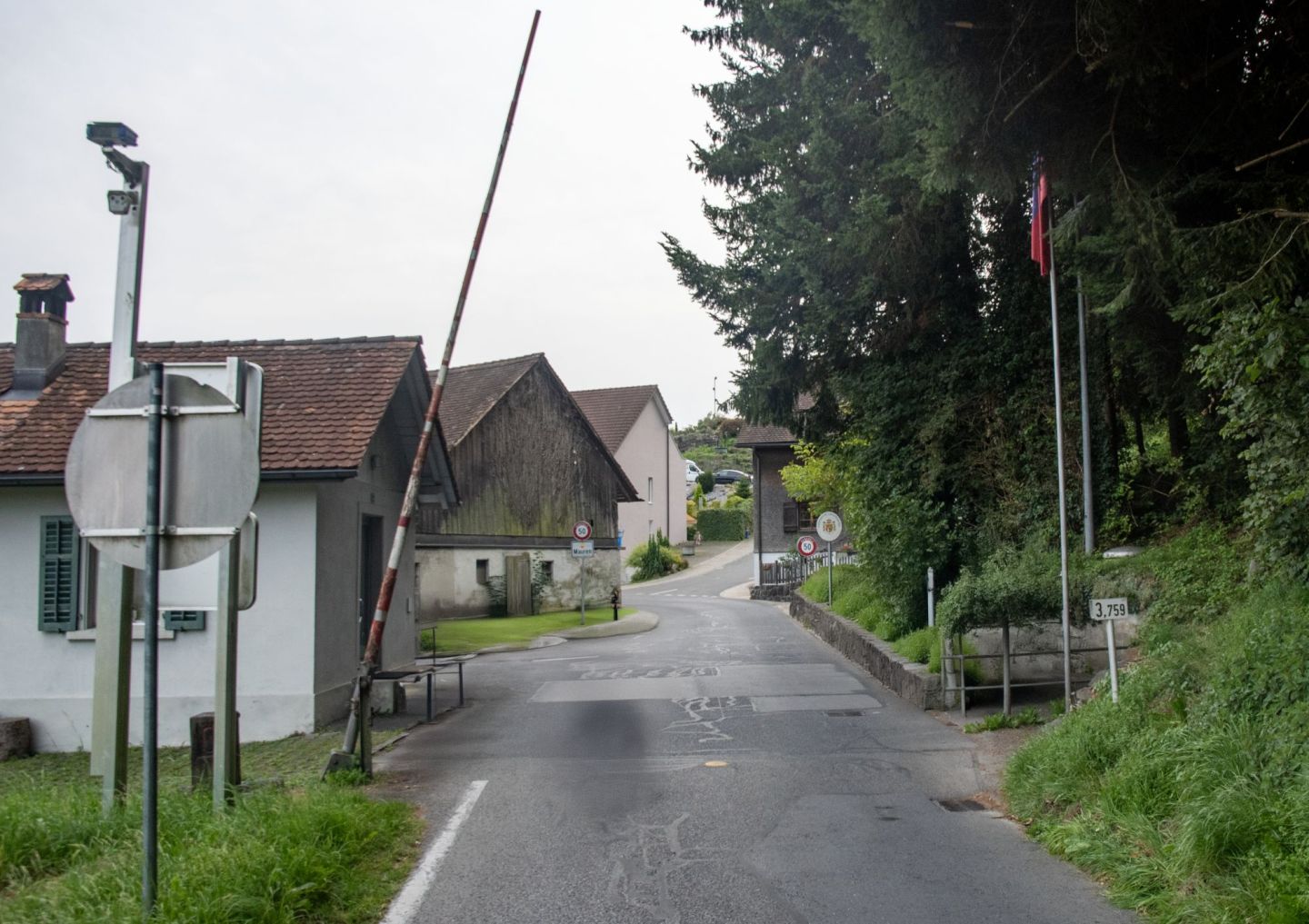
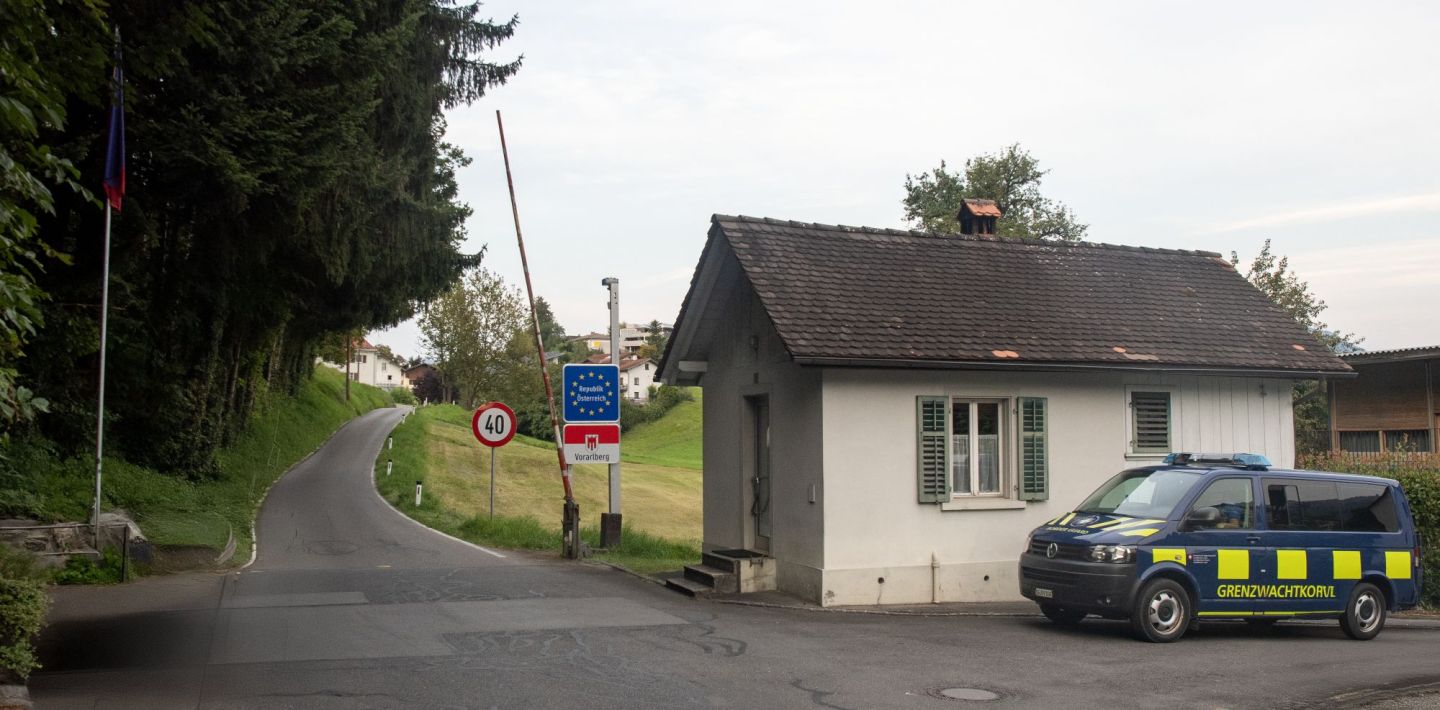
Although a micro state, Liechtenstein offers a lot of border related interest in addition to the 2 tripoints, we visited a fascinating sandstone rockface and hiked the Felsbandweg a popular hiking trail that hugs the cliff face of the mountains Hinterer Gantenstein (695m) and Eschnerberg (698m). The path along the Austrian-Liechtenstein border was a famous smugglers’ route during the World Wars and marked with many border markers some painted on the rock face itself.
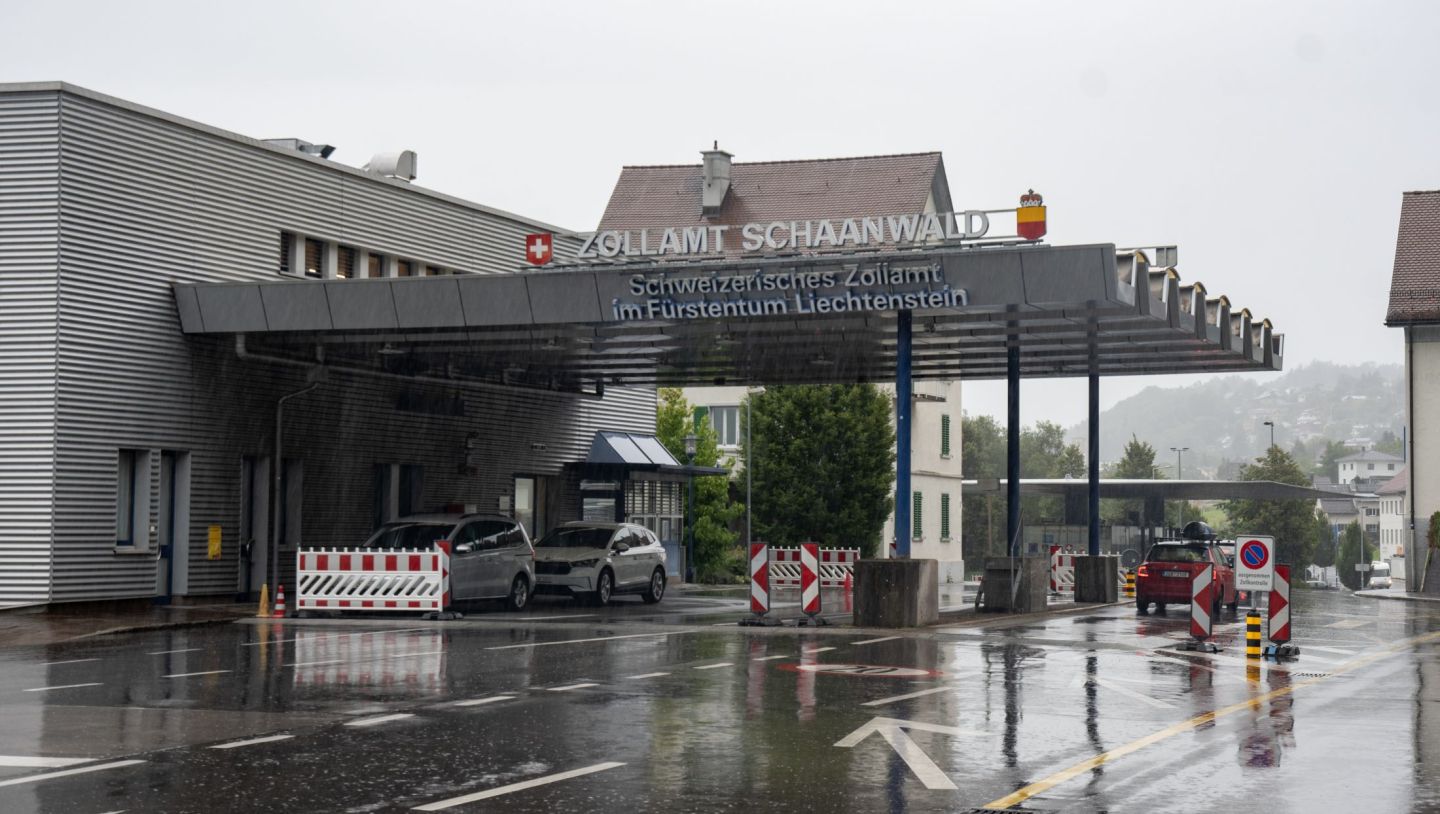
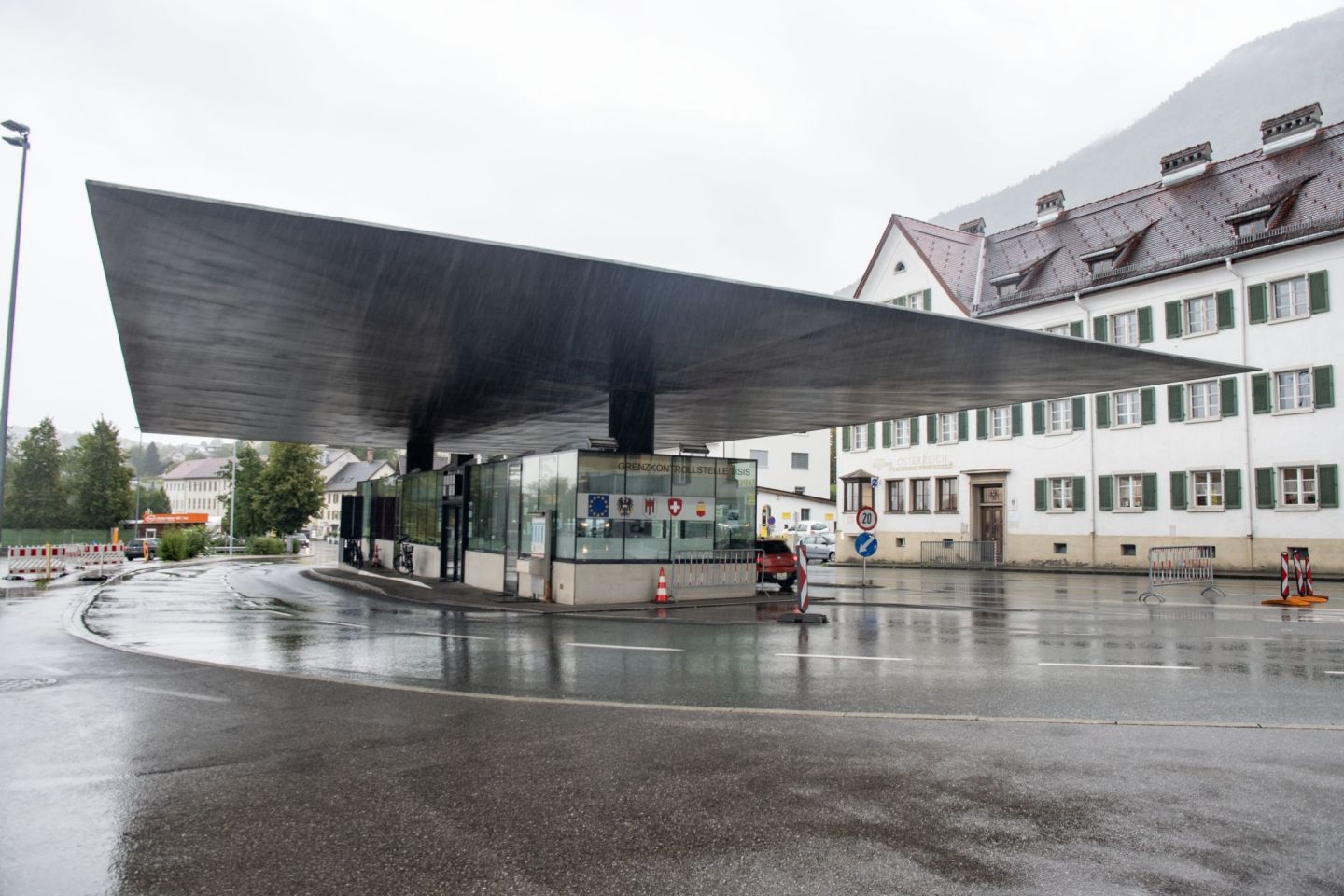
Austria – Switzerland
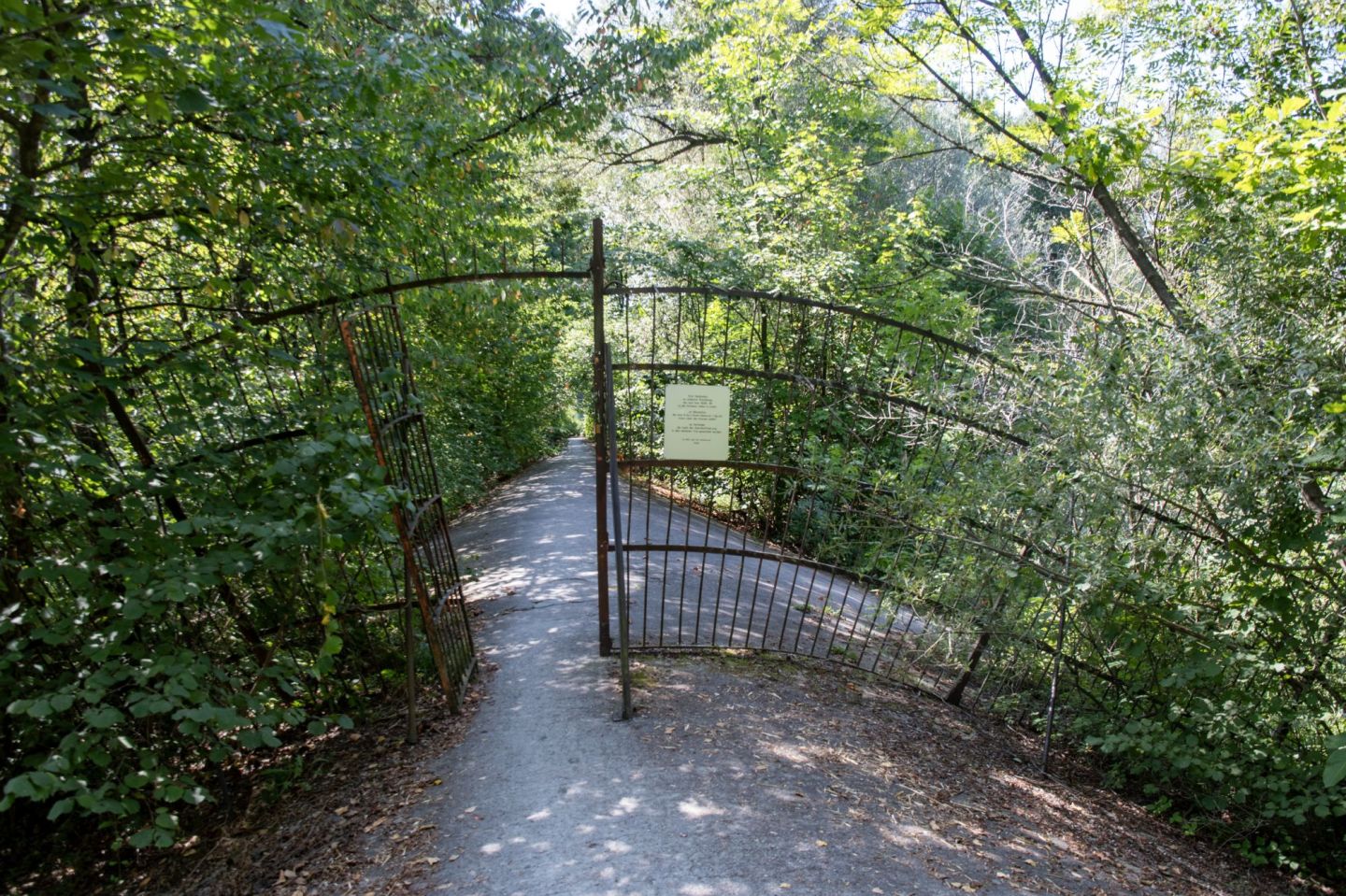
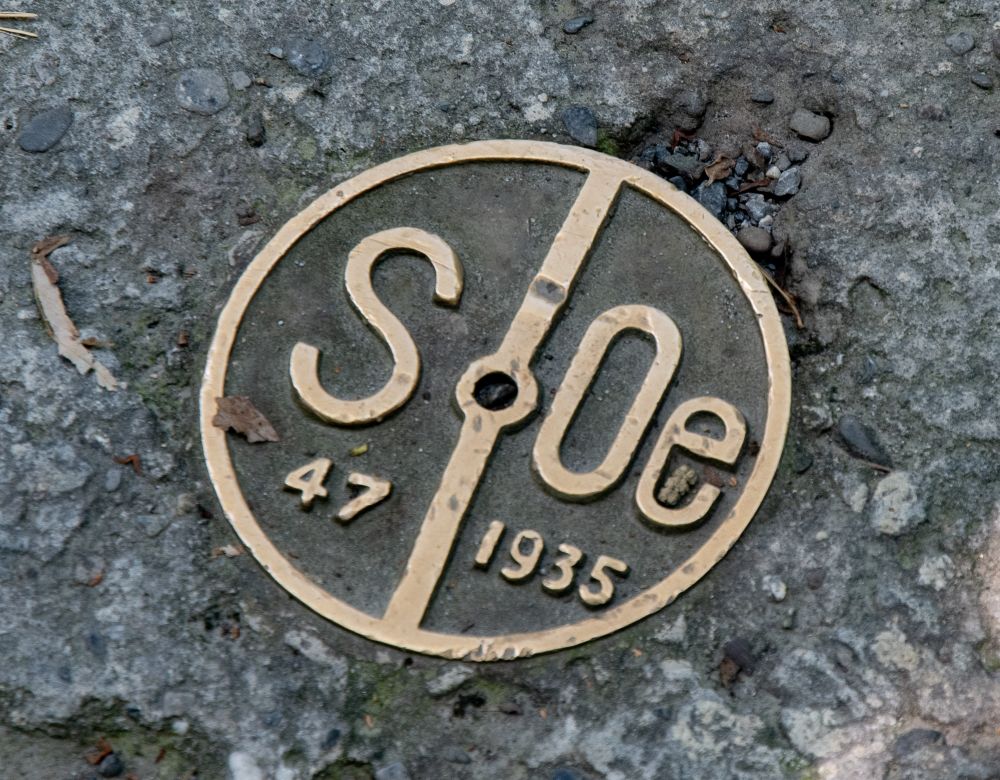
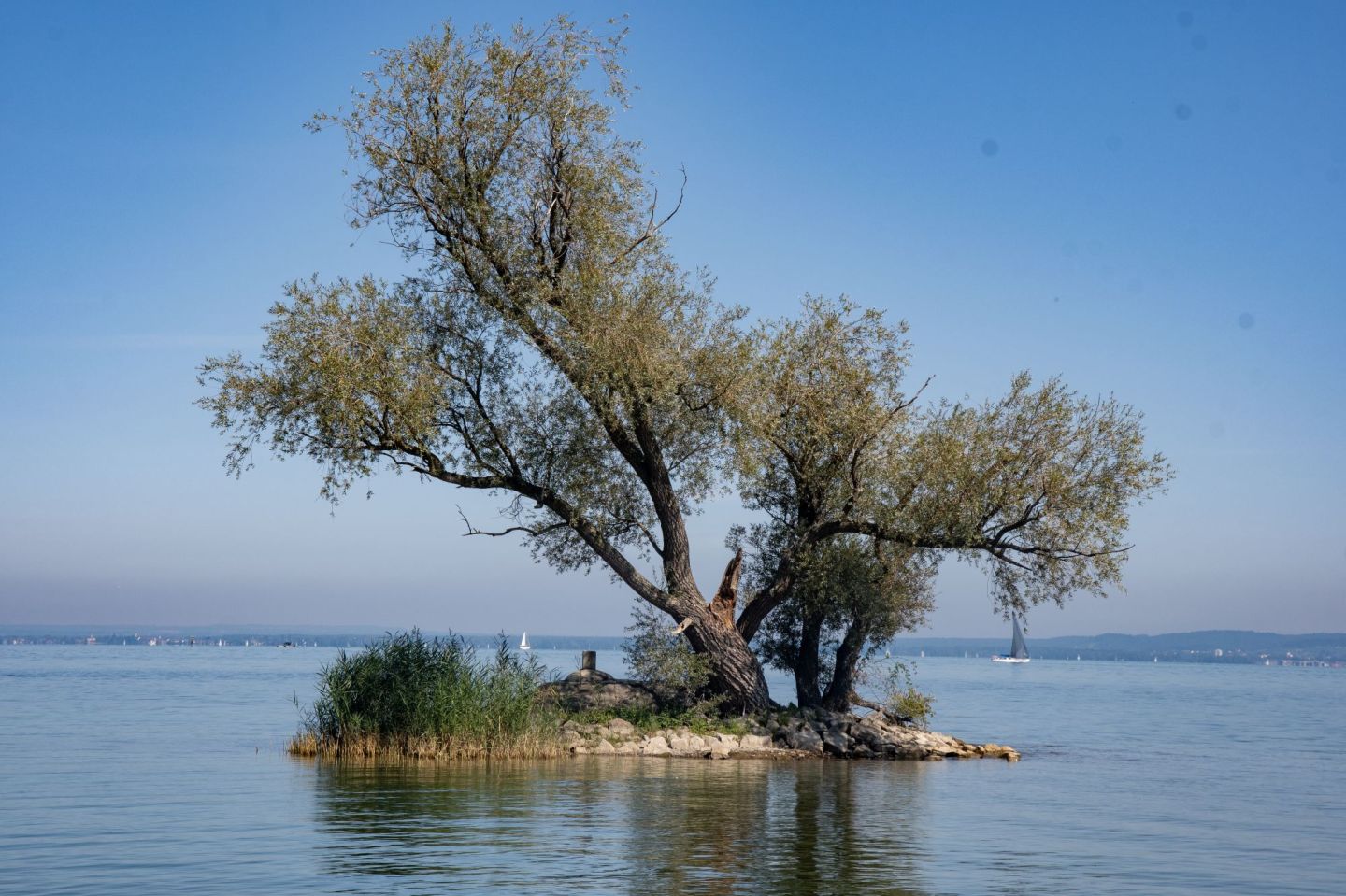
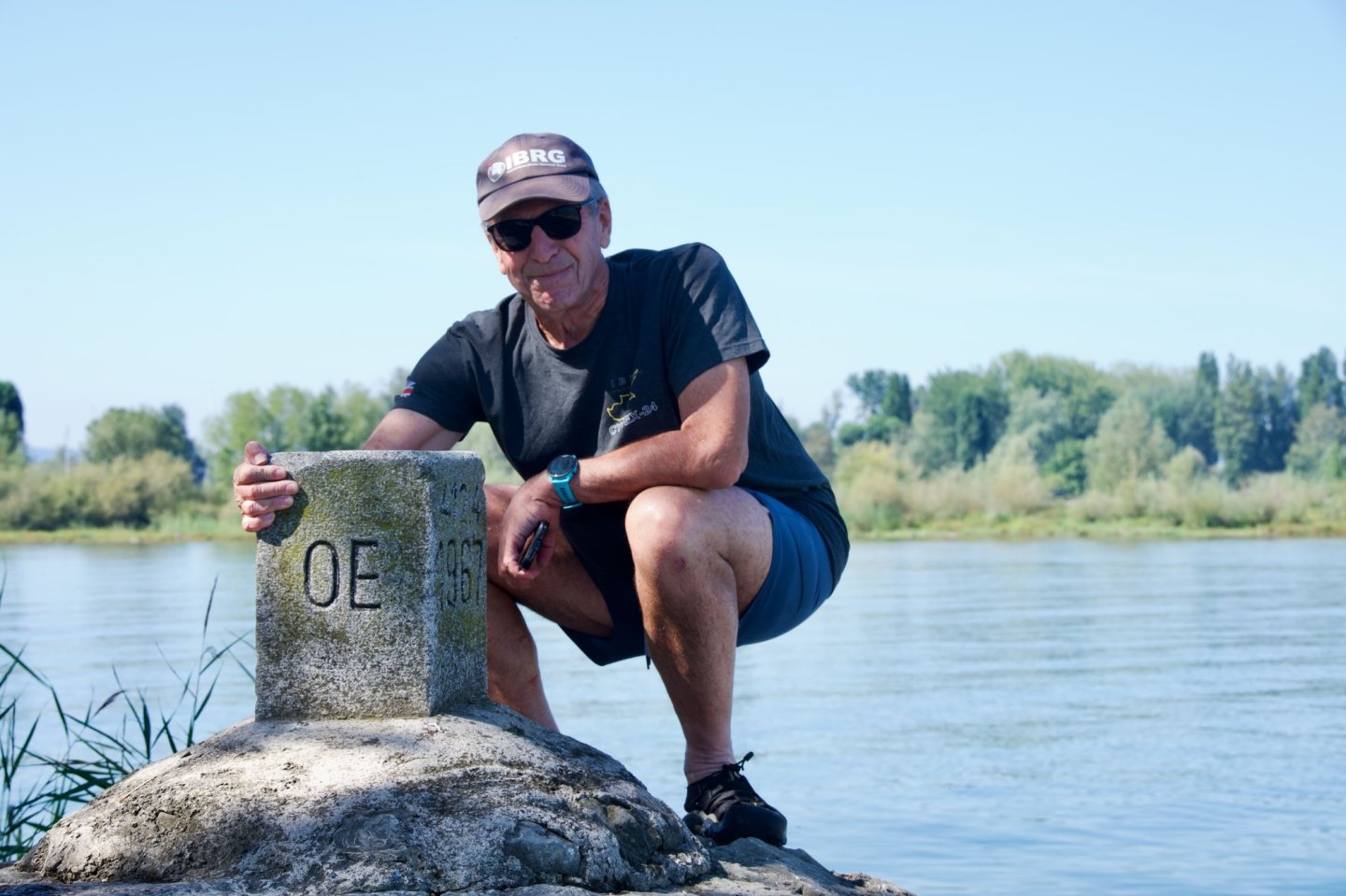
Our additional 3 POI’s on this border were varied, firstly a bridge border crossing across the Rhine, just north of the ATCHLIn tripoint. Secondly, one of the strangest border crossings I have visited, which was a drainage pipe (Am Rohr) that cuts through the Old Rhine and was an escape route for Jewish refugees fleeing persecution before and during WW2. The final POI was equally interesting, a small island in Lake Constance on which the final border marker on the Austrian – Switzerland border is located.
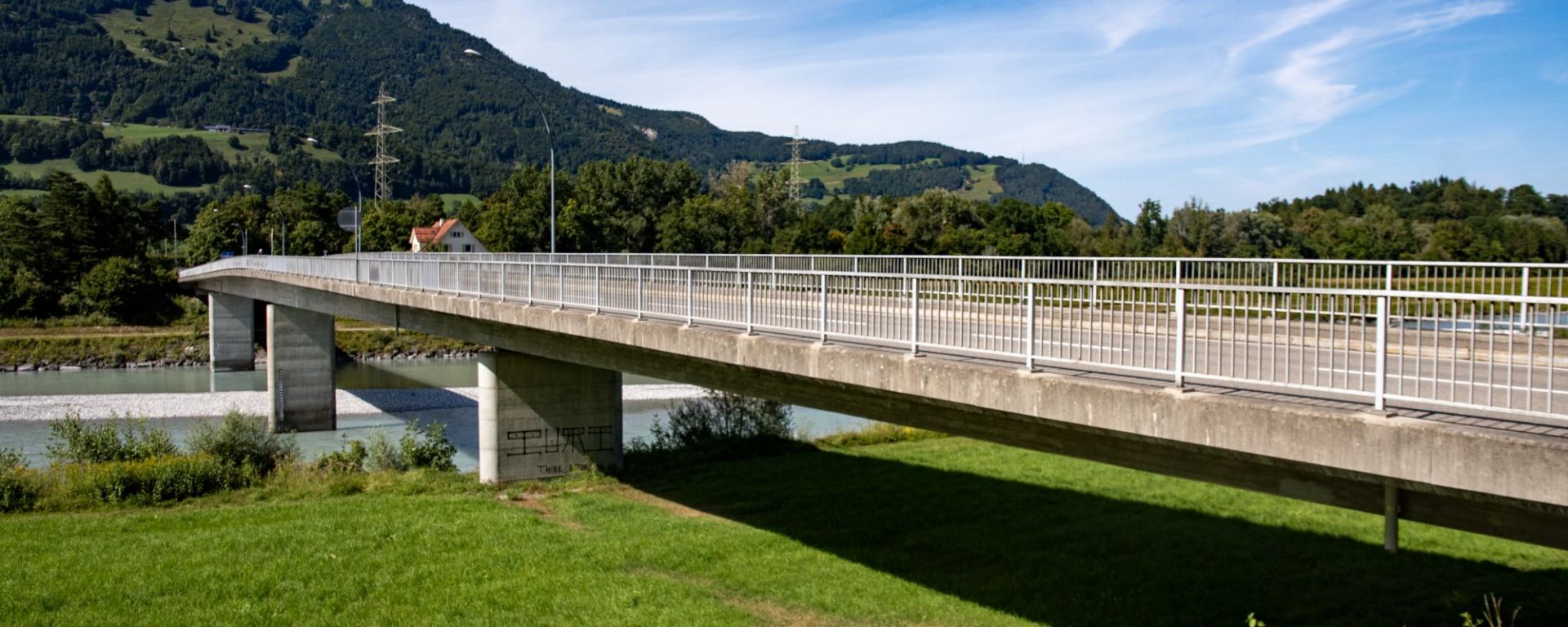
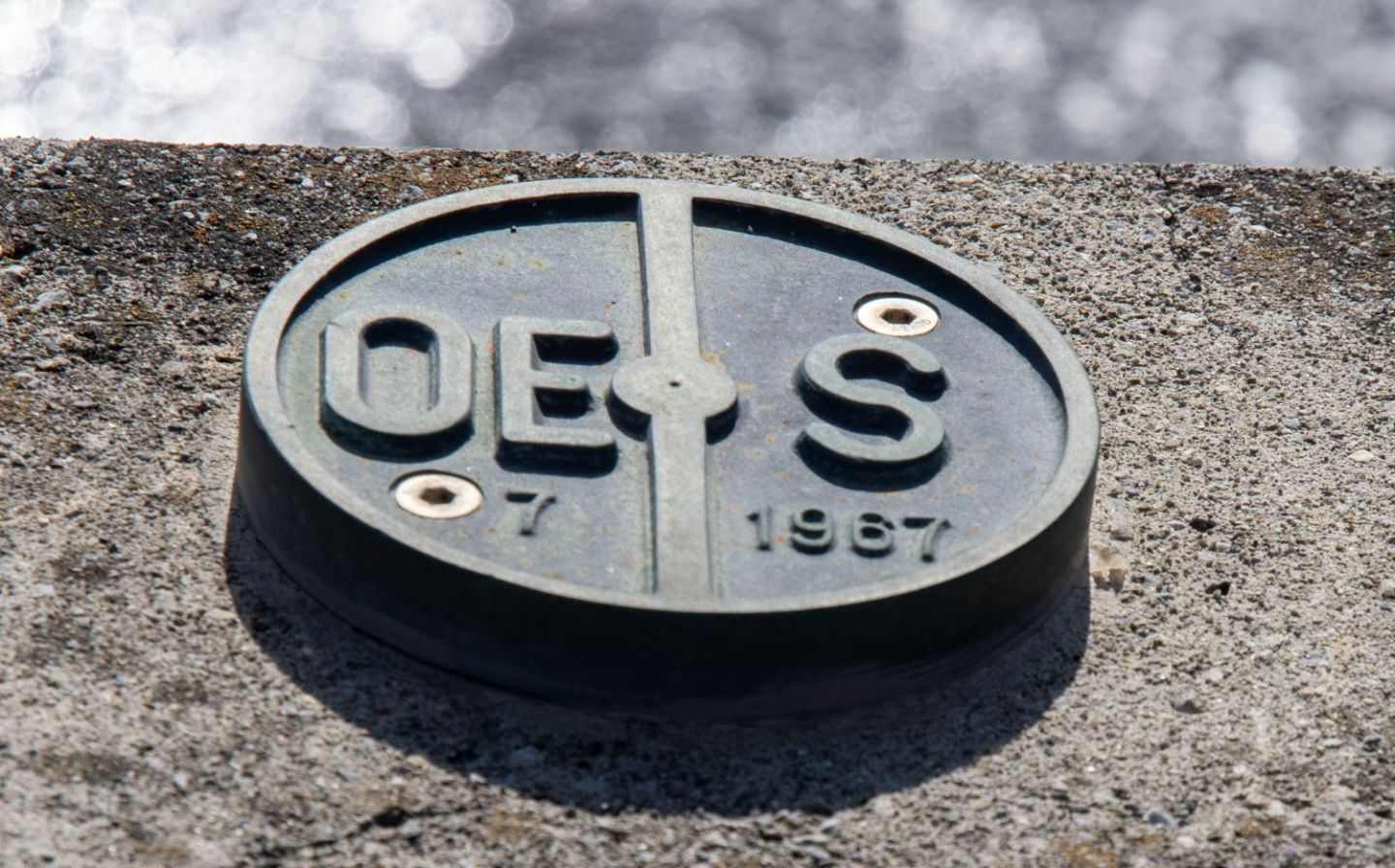
Austria – Germany
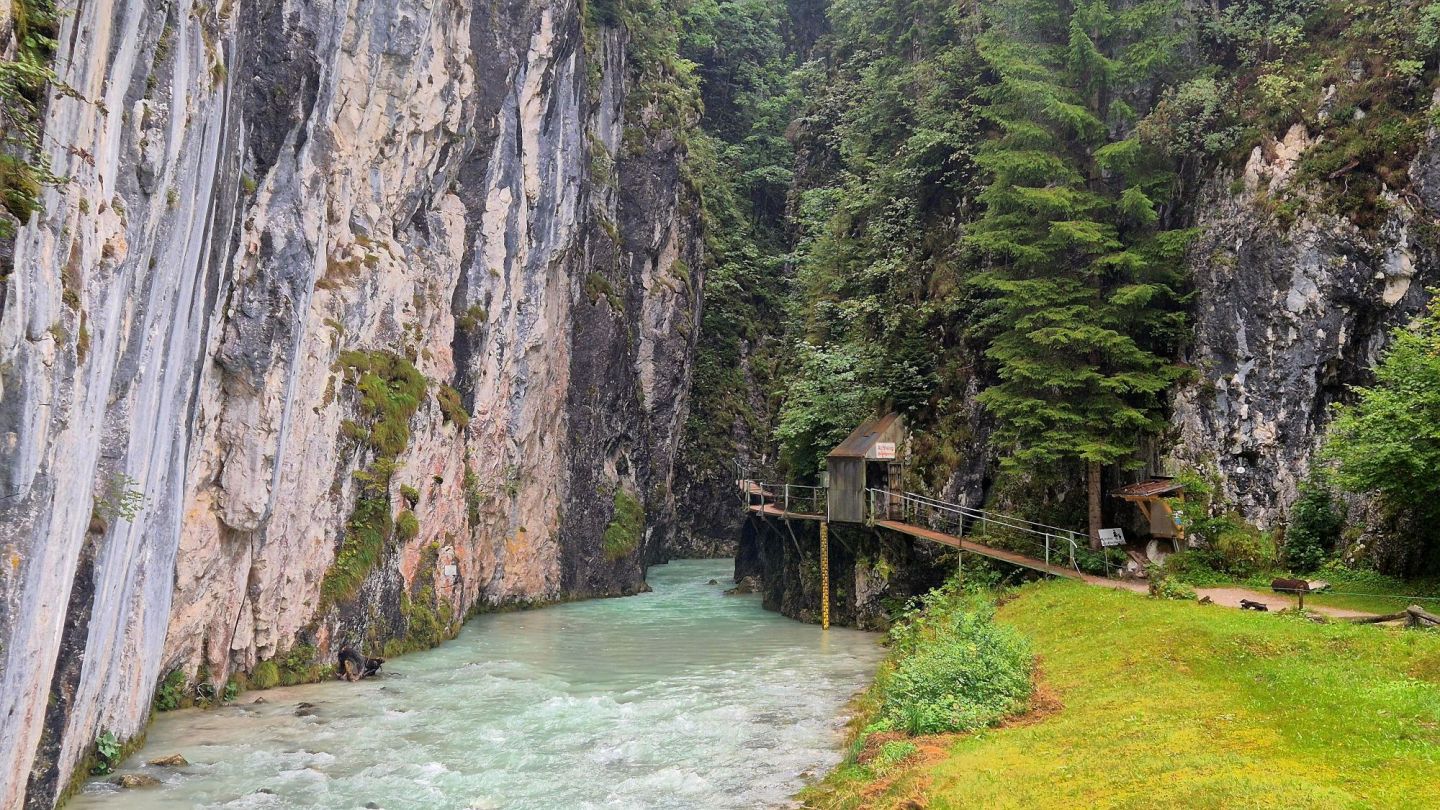
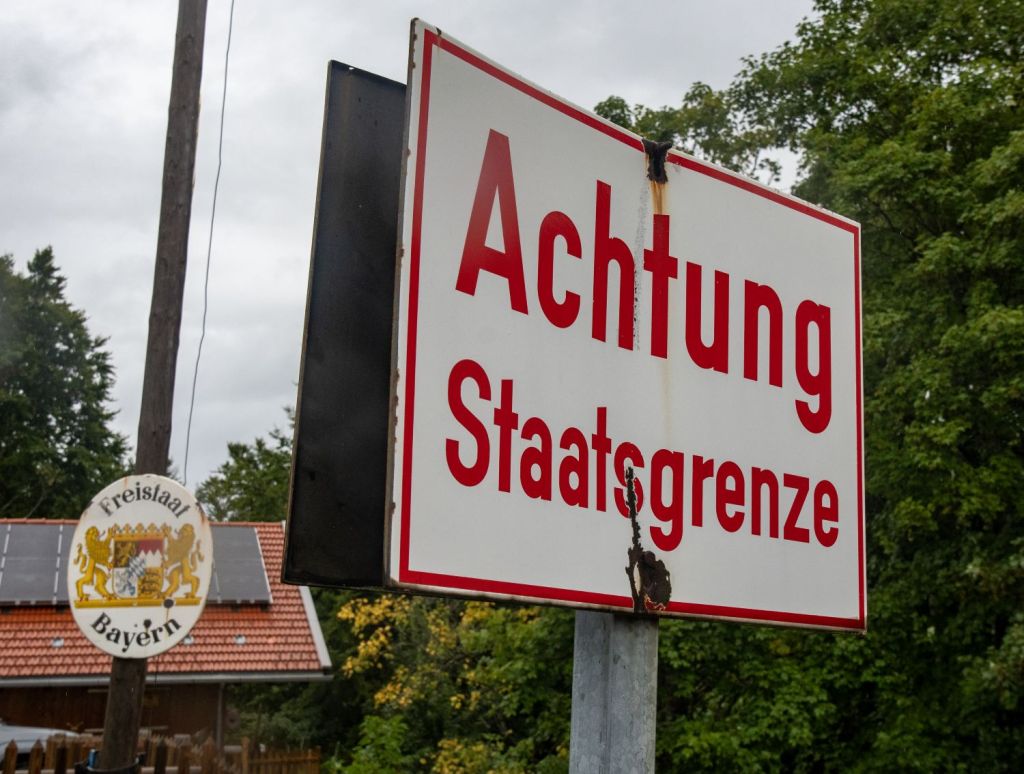
Our final 2 visits in this stage were contrasting, the Leutasch Gorge is a gorge near Mittenwald and Unterleutasch on the Bavarian-Tyrolean border area through which the Leutascher Ache river flows. It is very steep-sided and was not opened to tourists until 2006. Access to the gorge is from Austria and there are markers and signs to explore. The second POI is the Berggasthaus Ederkanzel one of those border oddities what makes border visits so fascinating. The border that actually cuts through the inn, with the restaurant being in Germany and the terrace and garden being in Austria. There are several signs and a border marker to explore.
Stage 3
The final stage of this expedition focused on the border POI’s that included Italy. An additional 6 POI’s, these included alpine border crossings, historical borders and 2 final tripoints one historical and one current. It is a fascinating area with beautiful scenery.
Austria – Italy
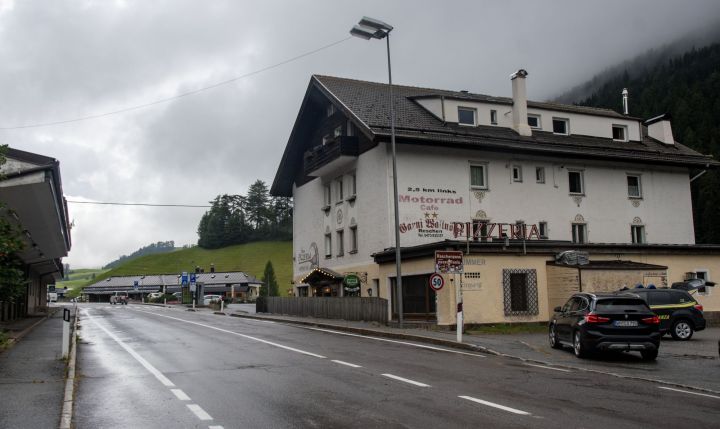
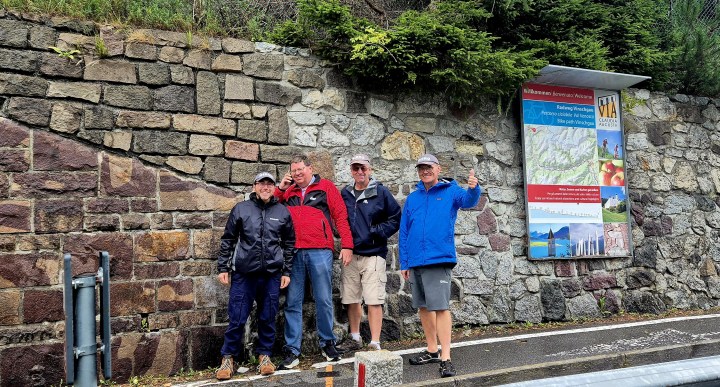
We visited 2 POI’s on this border during this trip. The first was Reschen Pass (German: Reschenpass, Italian: Passo di Resia) is a mountain pass across the main chain of the Alps, connecting the Upper Inn Valley in the northwest with the Vinschgau region in the southeast. Since 1919, the border between South Tyrol, Italy and Tyrol, Austria has approximately followed the watershed, the pass summit at a height of 1,504 metres being completely on Italian territory. It was raining, but of course we checked out the markers and signs.
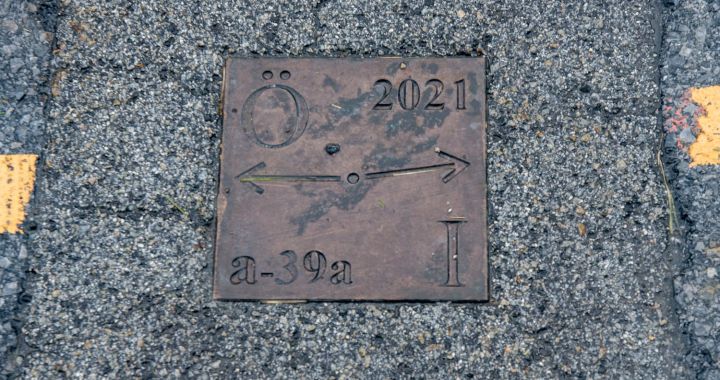
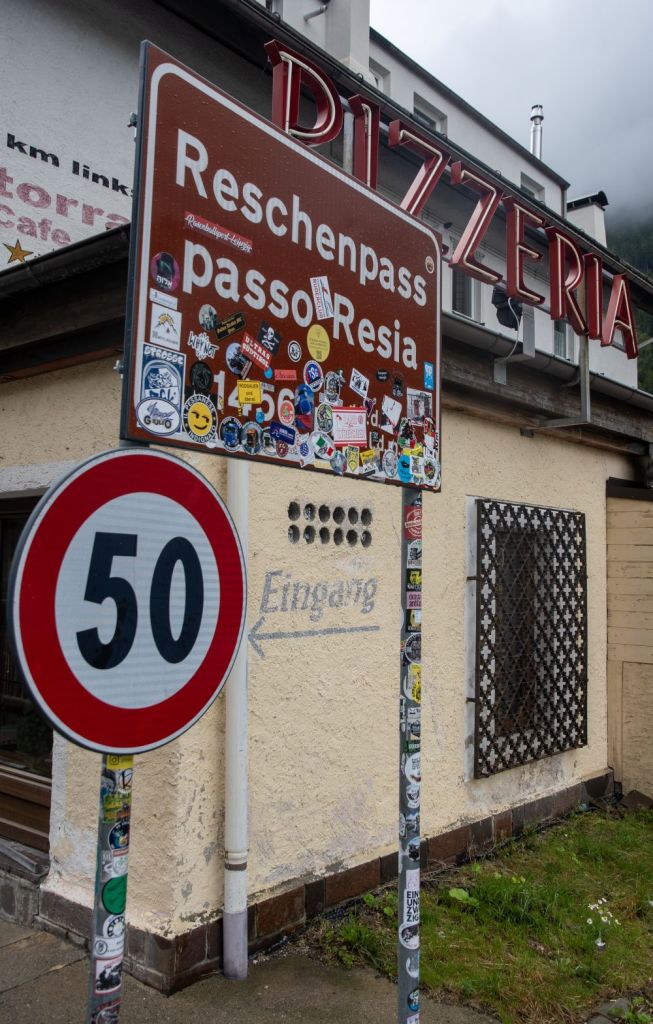
The second was Timmelsjoch, a high mountain pass that creates a link through the Ötztal Alps, and connects the Ötztal valley in the Austrian state of Tyrol to the Passeier Valley in the Italian province of South Tyrol.


Switzerland – Italy
We visited 2 POI’s on this border during this trip. The first was the border crossing between Müstair in Switzerland and Taufers im Münstertal in South Tyrol. The border infrastructure was intact as Switzerland is not in the EU Customs Union, so customs checks still apply. There were also border markers and signs to explore.


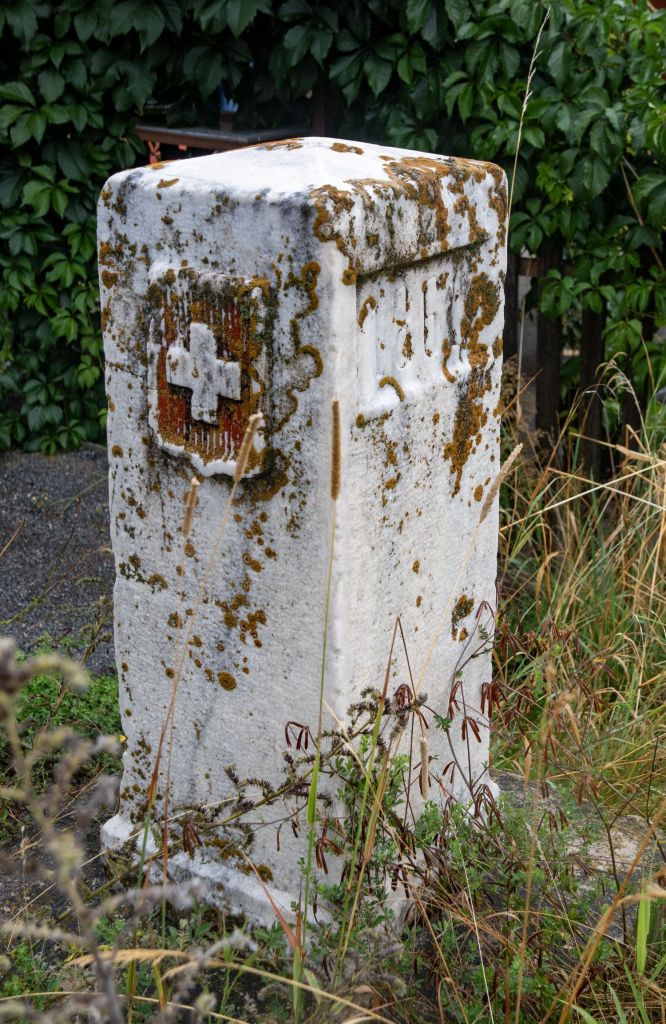
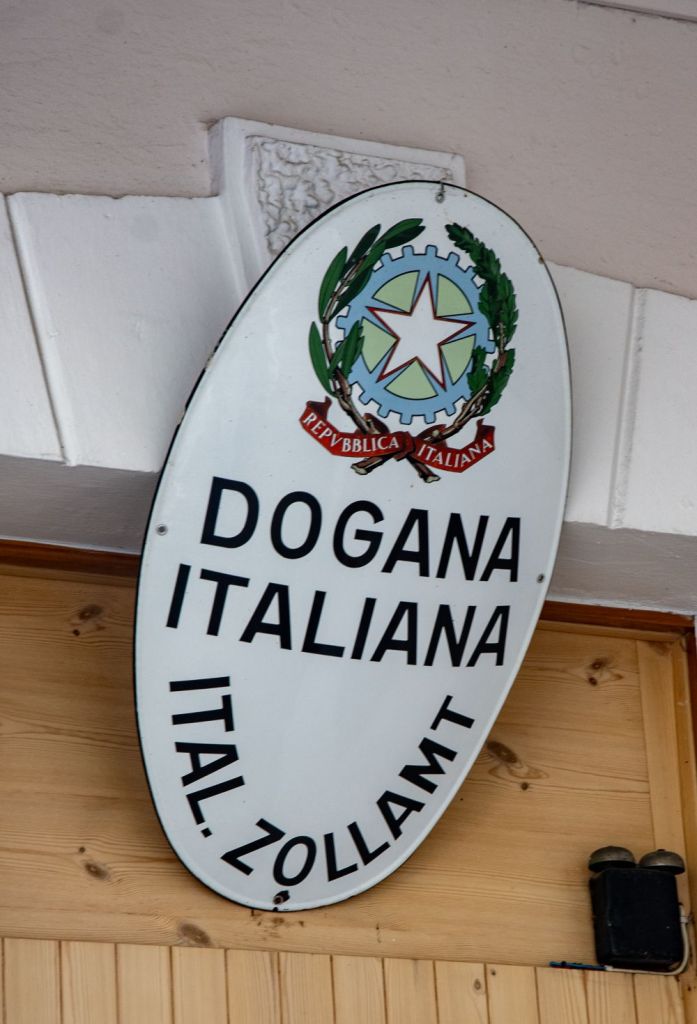
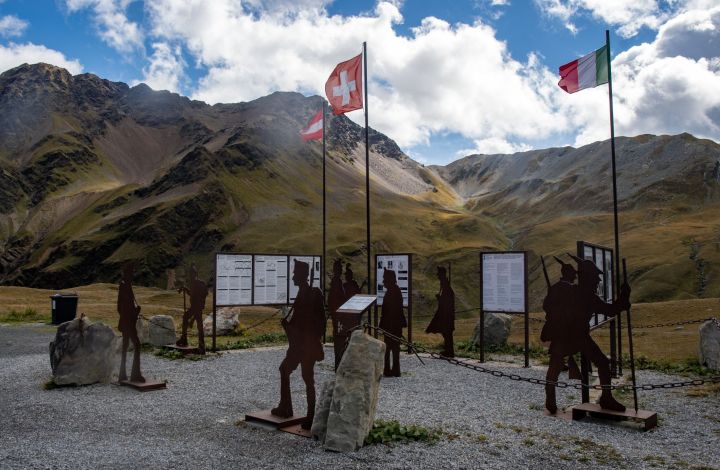
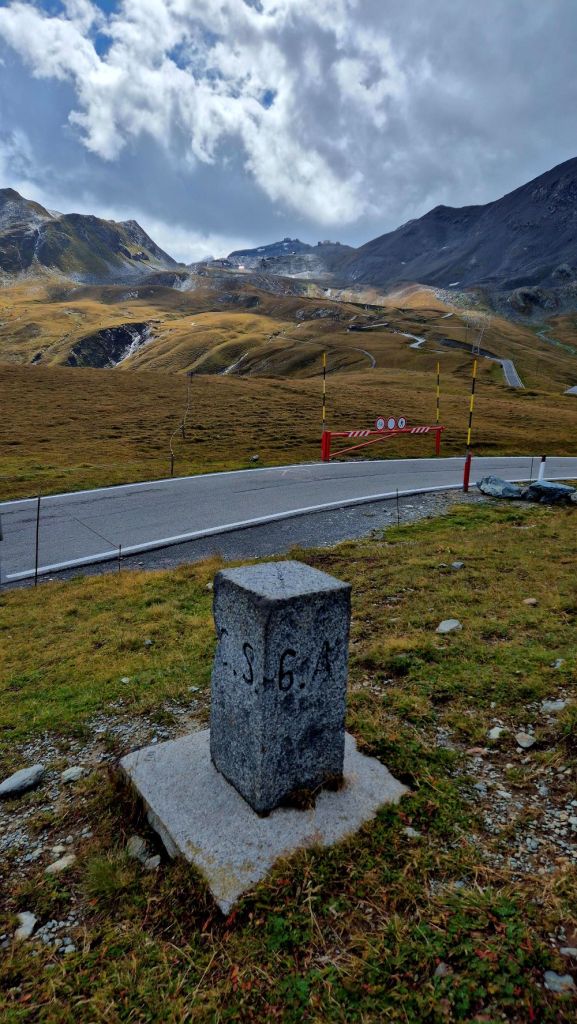
The second was the highest paved road in Switzerland at the Umbrail Pass. During World War I (1914–1918), the Umbrail Pass served as a critical, high-altitude border defence point for neutral Switzerland against the neighbouring Italian-Austro-Hungarian front. There is an interesting monument about the conflict.

Tripoint Visits
Tripoint #5 and #6 of this trip. One current and one historical. The current one is between Austria, Switzerland and Italy and is located at the Resia Pass (2174m) near Piz Lad. The tripoint is marked by a border marker placed flat on top of a rock. On the day of our visit it was pouring with rain!!


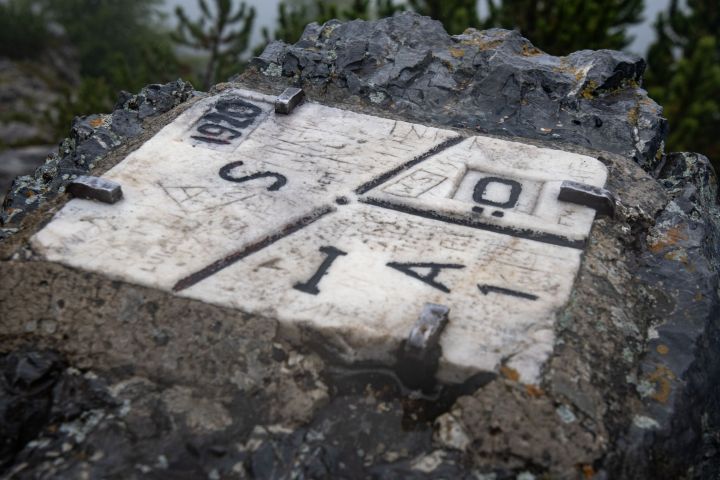
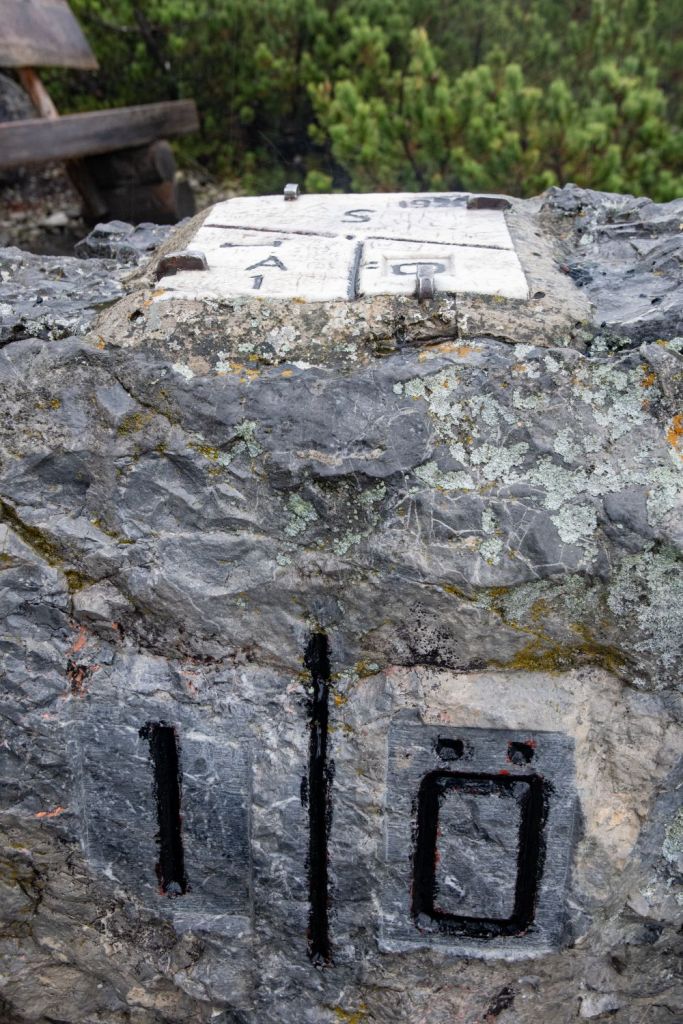
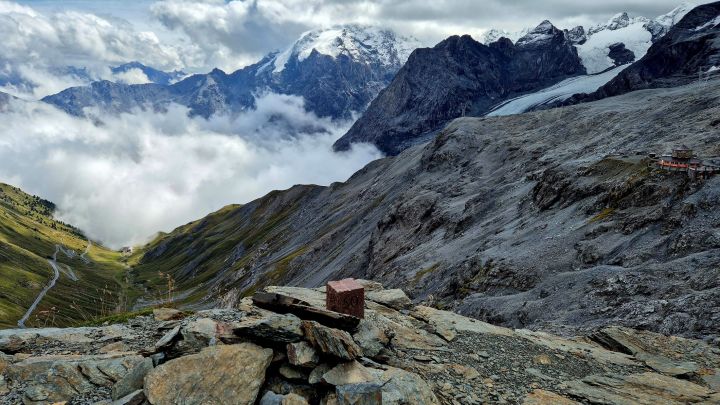
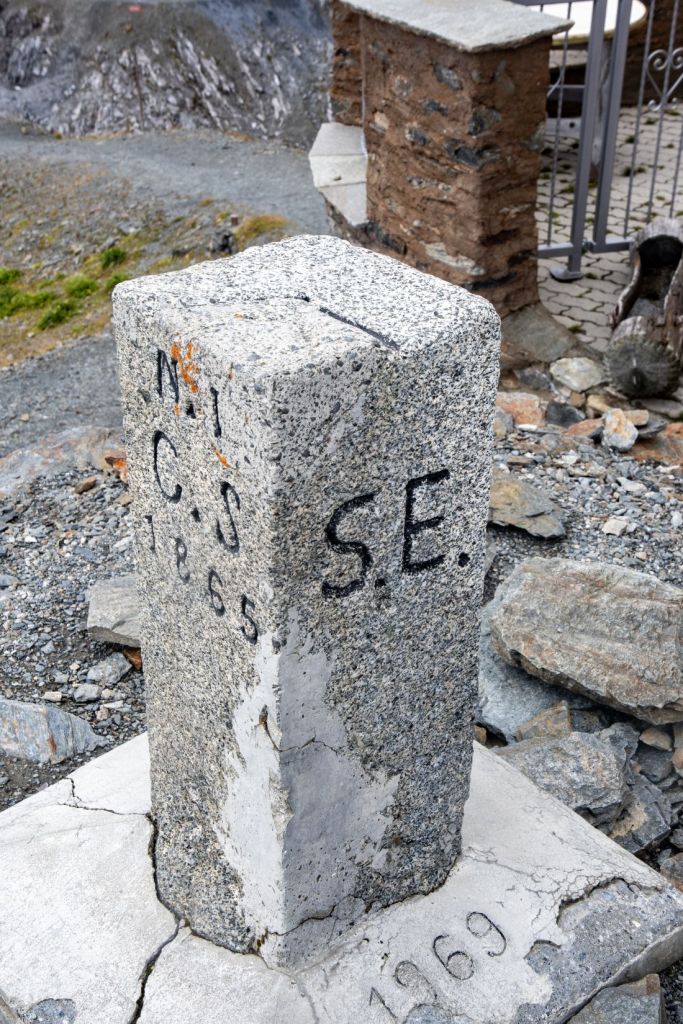
The second tripoint and last POI of our trip was historical. The Dreisprachenspitze (Three Language Peak, 2,843m in the Ortler Alps, the historic meeting point of Italian, German, and Romansh languages.) on the border of Italy and Switzerland features a significant war memorial and historical site from World War I. It currently is a secondary tripoint (marking regions rather than countries) between Lombardy (Province of Sondrio), South Tyrol both Italian, and Graubünden in Switzerland. Until the Treaty of Saint-Germain came into effect in 1920, which ceded South Tyrol to Italy, this was the tripoint of The Kingdom of Italy, Austria – Hungarian Empire, and Switzerland, and therefore is a historical tripoint. It is located near the Stelvio Pass.

Countries visited
Click on the flags above to access country specific information.
Date of Visit(s): 21st to 31st. August 2025
 Barry's Borderpoints