This expedition started in Tangiers and finished in Gibraltar with IBRG members travelling from Denmark and the UK. The focus of the trip was to focus on the Spanish enclaves and exclaves on the Moroccan coast, before returning to Tangier and travelling to explore the borders between the British overseas possession and Spain. Because of time and logistical issues we travelled east to the Alhucemas islands leaving Melilla and the Chafarinas Islands plus the closed Algerian border for another trip. This allowed for a 2 day focus on Gibraltar which was a great decision. The focus was on borders, border crossings, and the cultural differences on both sides. As with all the IBRG trips there was lots of discussions, food and drink! This page is an introduction to the trip with individual reports being accessible by clicking on either the photos or the links (in red) either within the text via the menu of the right hand side of the page.
Participants: Barry Arnold (UK) and Steen Schelde (DK).

Day One
After a late flight into Tangier and our first Moroccan meal, the next morning was to the Spanish exclave of Ceuta. Our first POI was the westernmost Spanish possession of Perejil Island.
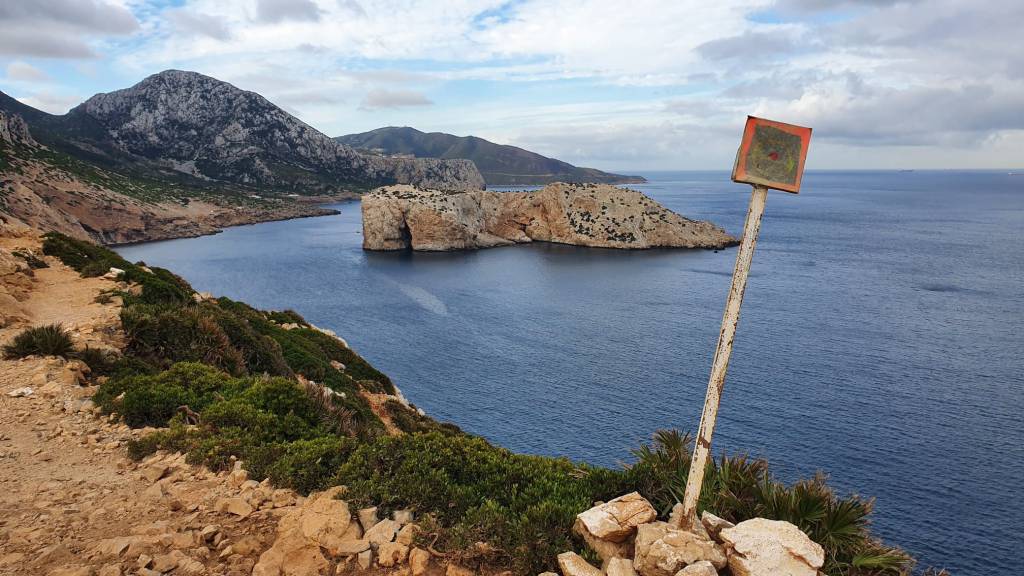
The island lies 250 metres off the coast of Morocco, 3 kilometres from the border of the territory of the Spanish city of Ceuta, 8 km to Ceuta itself and 13.5 km from mainland Spain. The island is about 480 by 480 metres in size, with an area of 15 ha or 0.15 square kilometres. It has a maximum height of 74 metres above sea level.
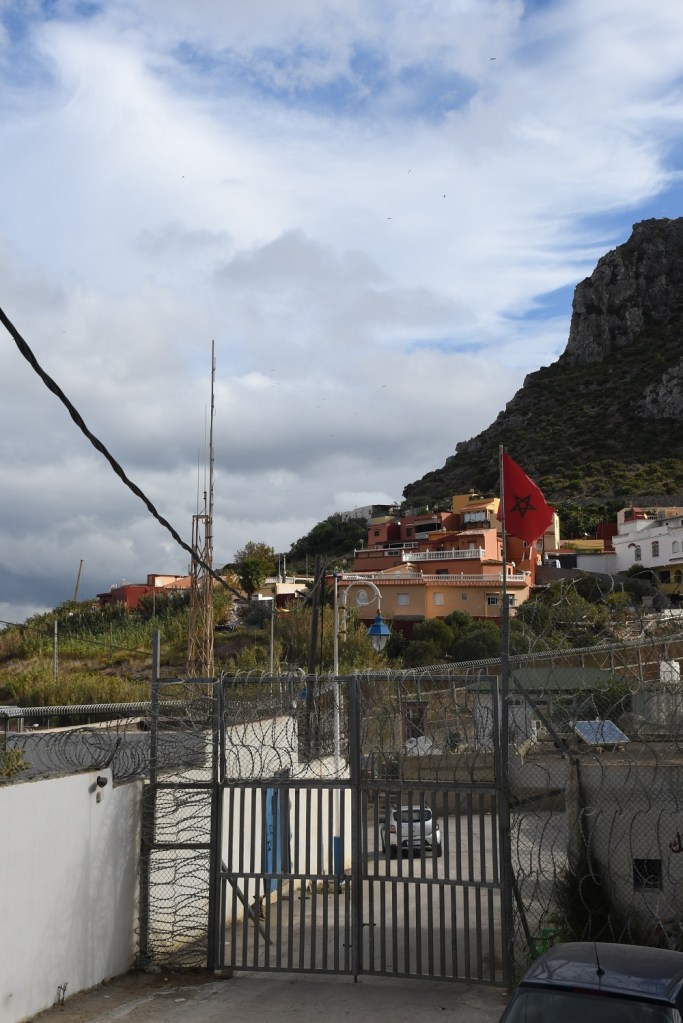
We then moved on to the closed border crossing at Belyounech. The area immediately by the crossing is a restricted zone and the access road is guarded and can be sealed with a large blue metal gate. On the Spanish side of the border is Benzú a small settlement within the Spanish autonomous city of Ceuta. We explored this border from both the Moroccan and Spanish sides.

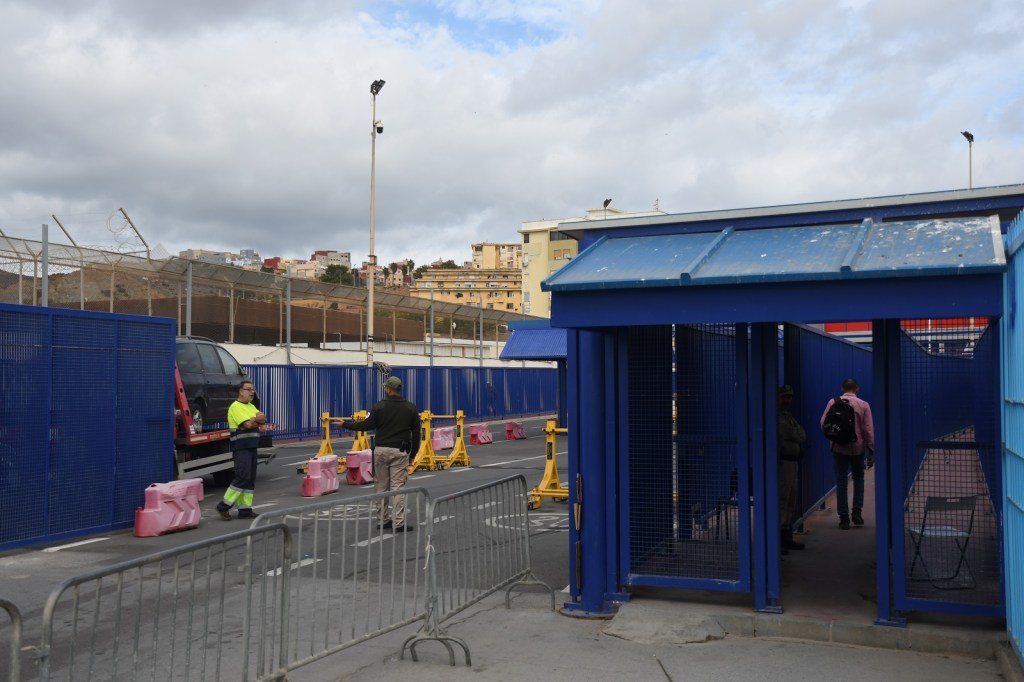
The last POI of the day was the open border crossing between Fnideq – Ceuta where we crossed into the exclave. The crossing was straightforward but as an external border of the EU was rigorous.

Day Two
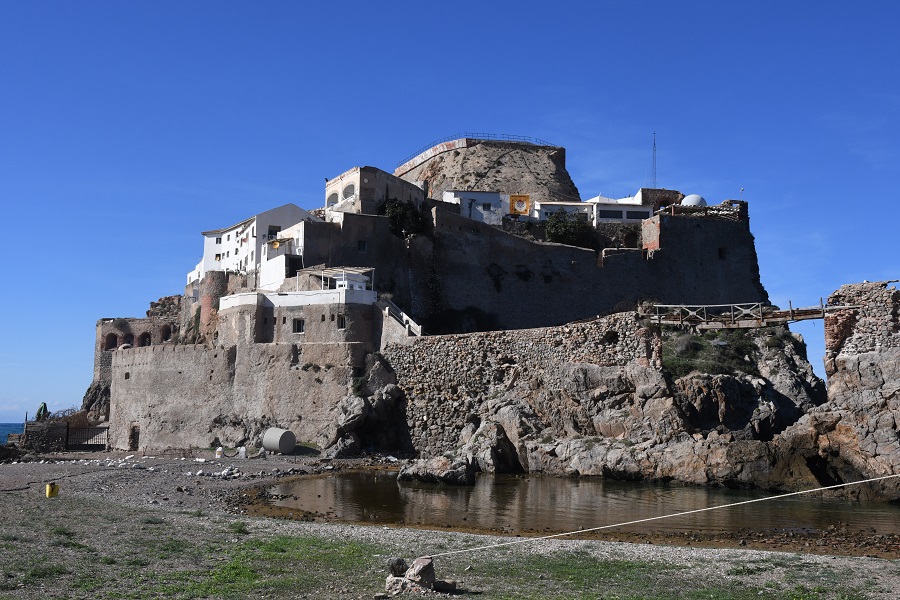
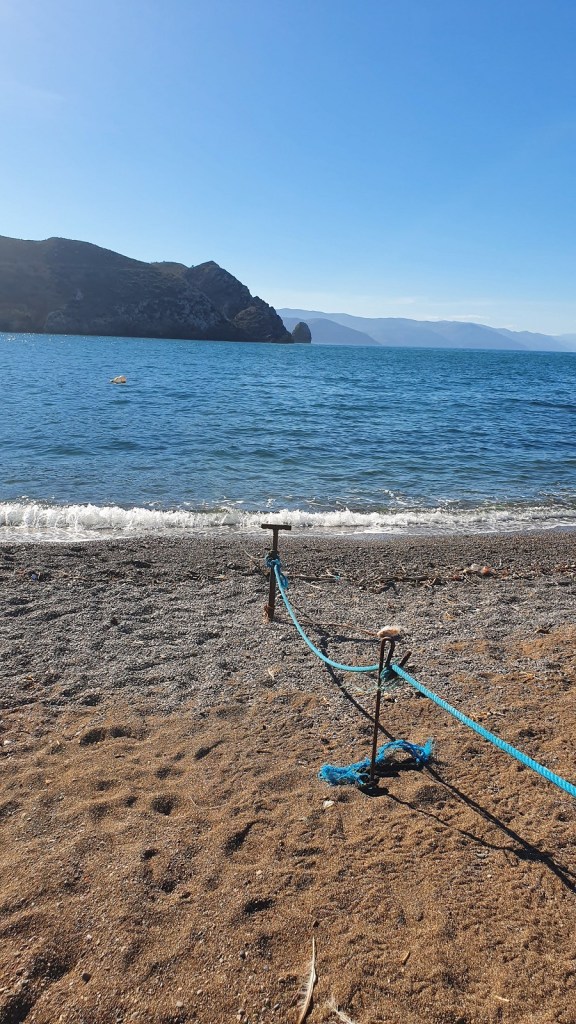
This was one of the many highlights of the trip. Peñón de Vélez de la Gomera is located 119 km southeast of Ceuta. It was a natural island in the Alboran Sea until 1930, when a huge thunderstorm washed large quantities of sand into the short channel between the island and the African continent. The island became a peninsula, connected to the Moroccan coast by an 81 m long sandy isthmus, which is the world’s shortest single land-border. With a length of 400 m northwest-southeast and a width of up to 100 m, it covers about 1.9 ha. Unlike the highly fortified borders of Ceuta the border here was marked with a simple blue rope.


Day Three
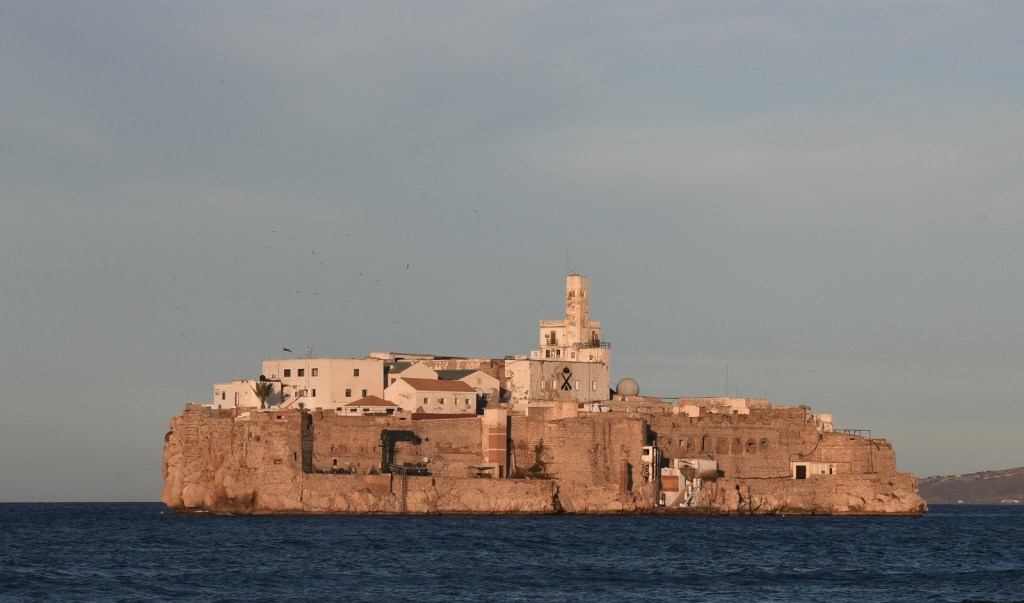
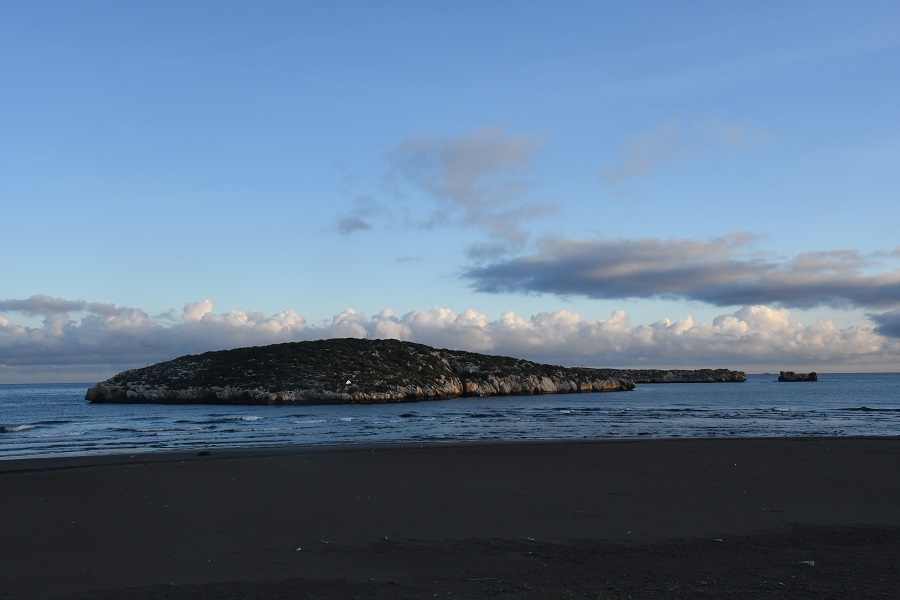
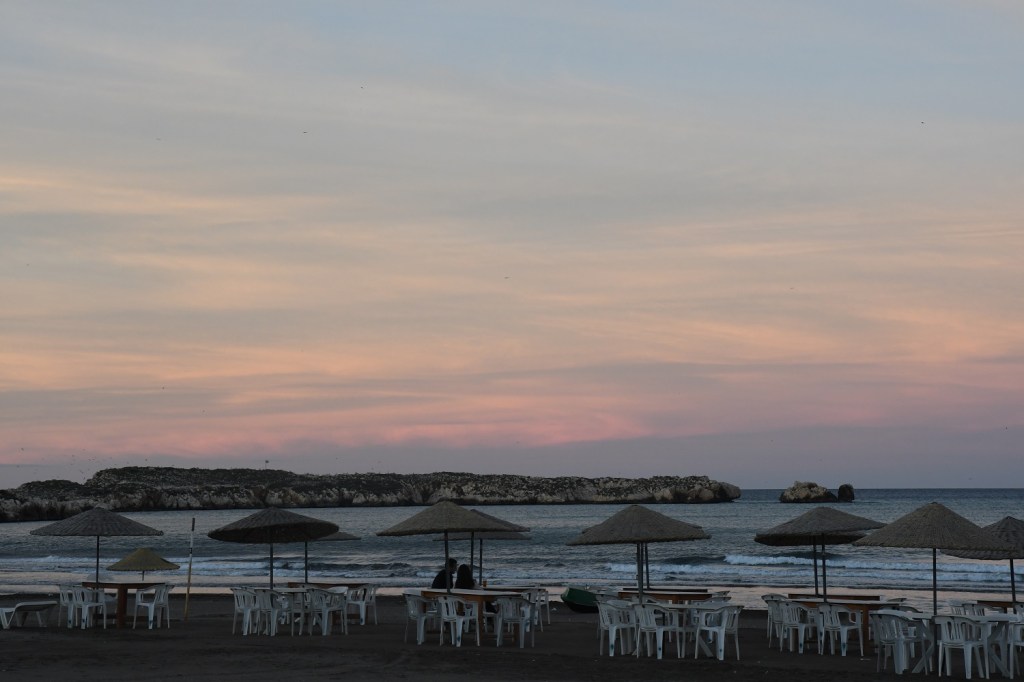
Peñón de Alhucemas, together with the islets of Isla de Mar and Isla de Tierra slightly to the west, form the Alhucemas Islands. They are located 300 metres off the Moroccan town of Al Hoceima, 146 km east of Ceuta and 84 km west of Melilla. The aggregate land area of the group of three islands is 4.6 ha. Peñón de Alhucemas is a rock island, measuring 220 m east-west and up to 84 m north-south, with an area 1.5 ha, and a height of 27 m. The rock is entirely occupied by a fort, several houses, and a church.
Day Four
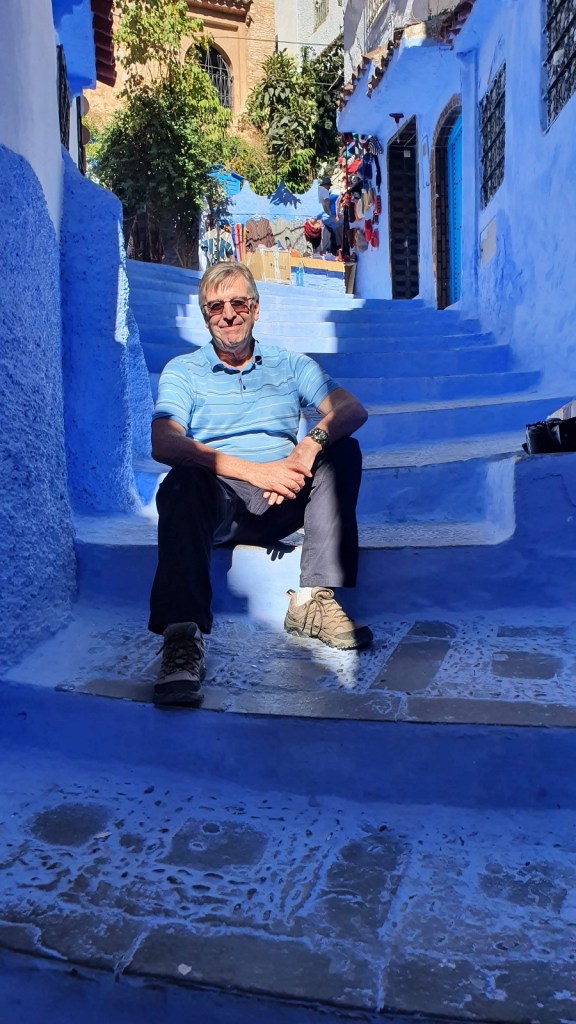
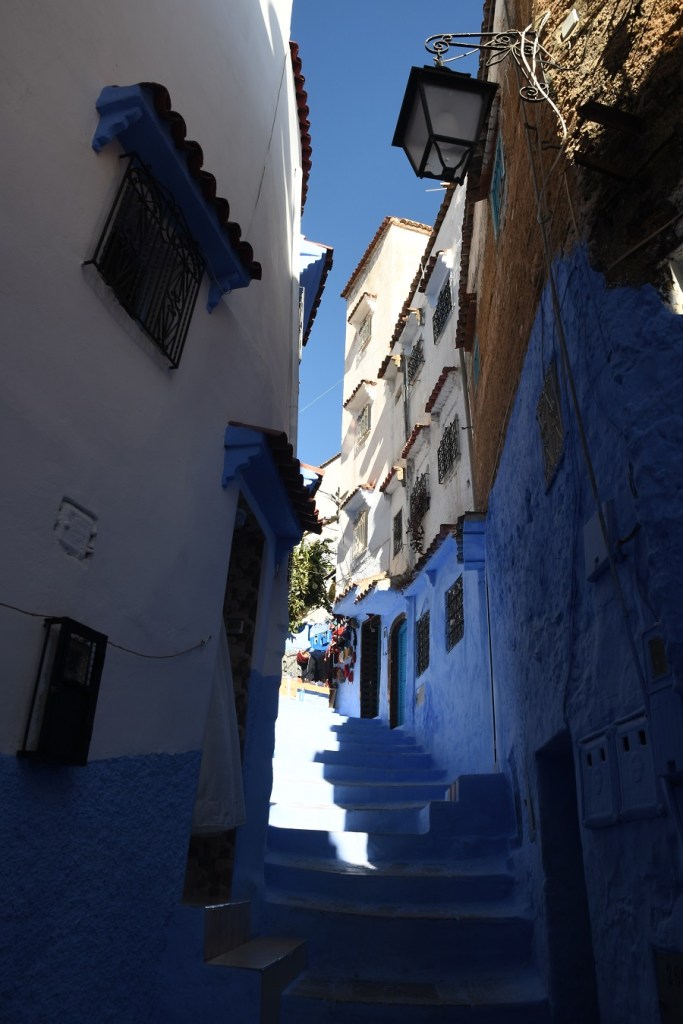
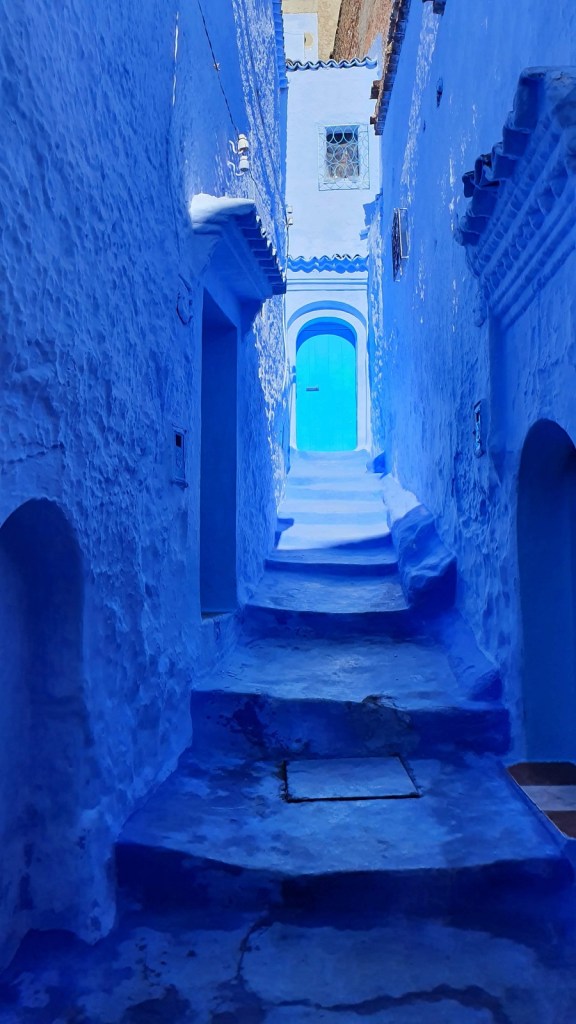
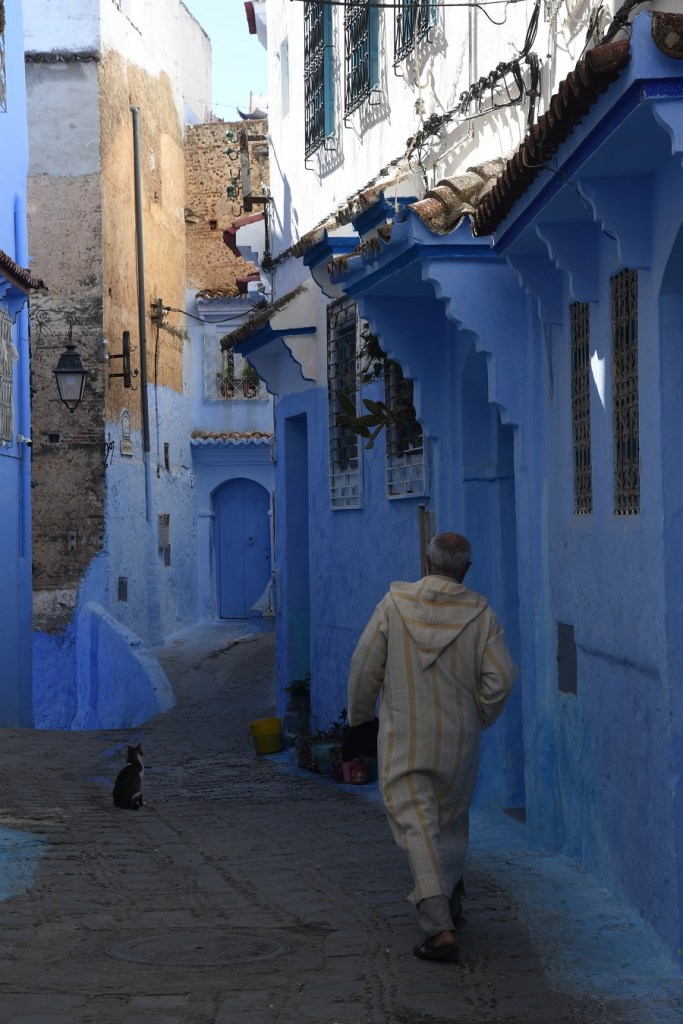
After an early breakfast and one more visit to the beach to view the Alhucemas Islands it was time to return to Tangiers. So no more borders today but a pleasant drive firstly along the coast and then into the the cooler forested highlands. We took and opportunity to visit Chefchaouen and to visit its Kasbah and striking blue washed buildings in its old town.
Day Five
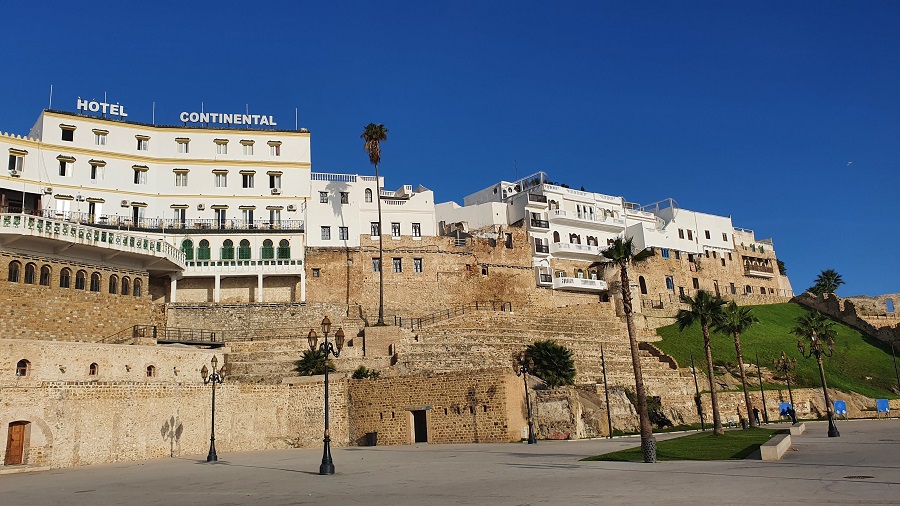
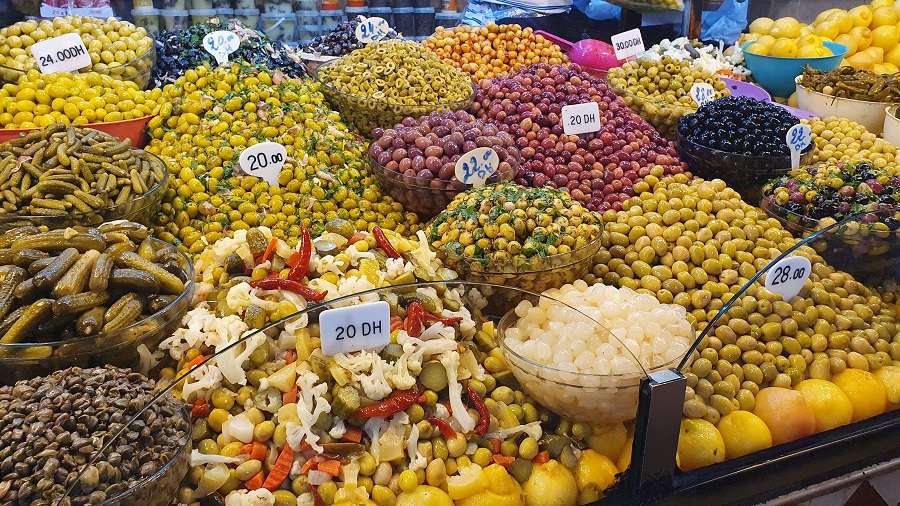
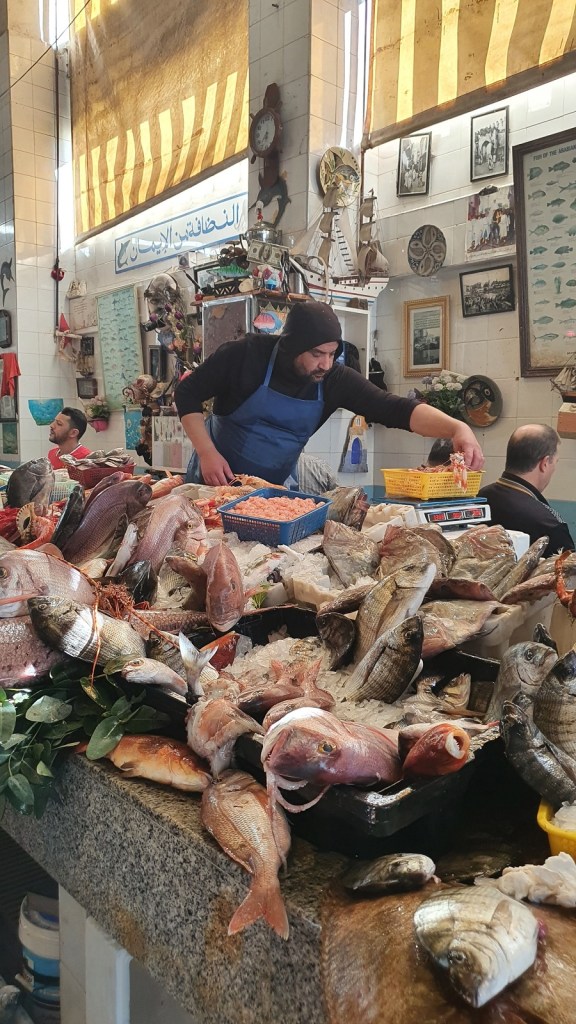
More sightseeing at least initially in Tangier which is really worth a visit, with interesting buildings, markets and people. It’s hillside Medina, the American Legation and its art deco Cinema are all worth more time than we had. After a morning of looking around it was time to explore the port and then travel to Tarifa in Spain. Two contrasting maritime border crossings.
Tangier
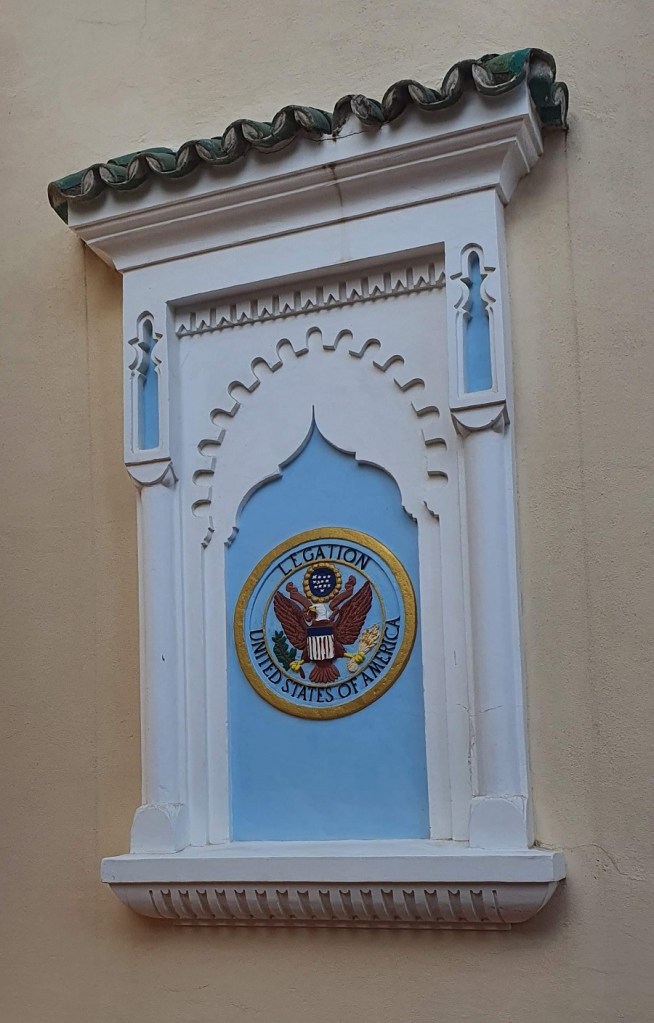

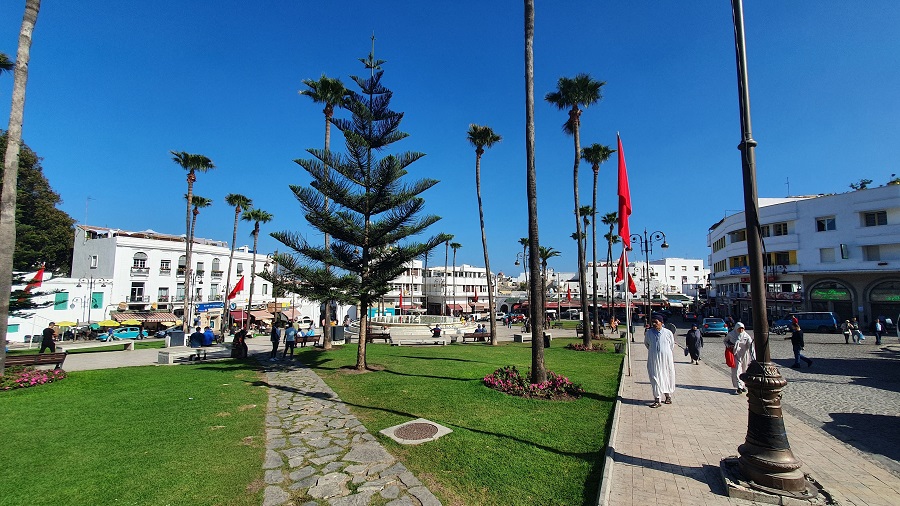
Border POI’s
After sightseeing, there was still time to visit Tangier Port for our trip to Tarifa Spain and onwards to Gibraltar. Port facilities are always interesting with security architecture and controls.
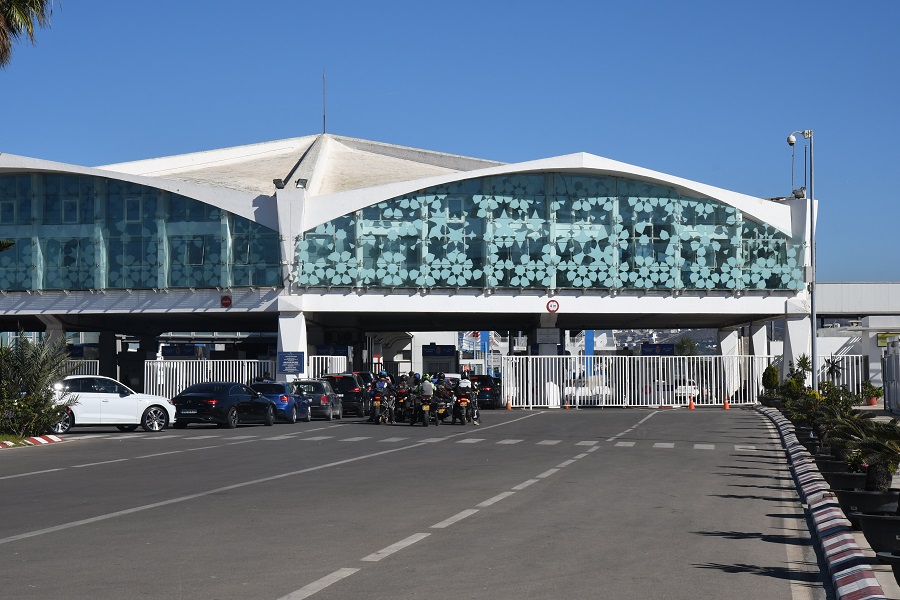
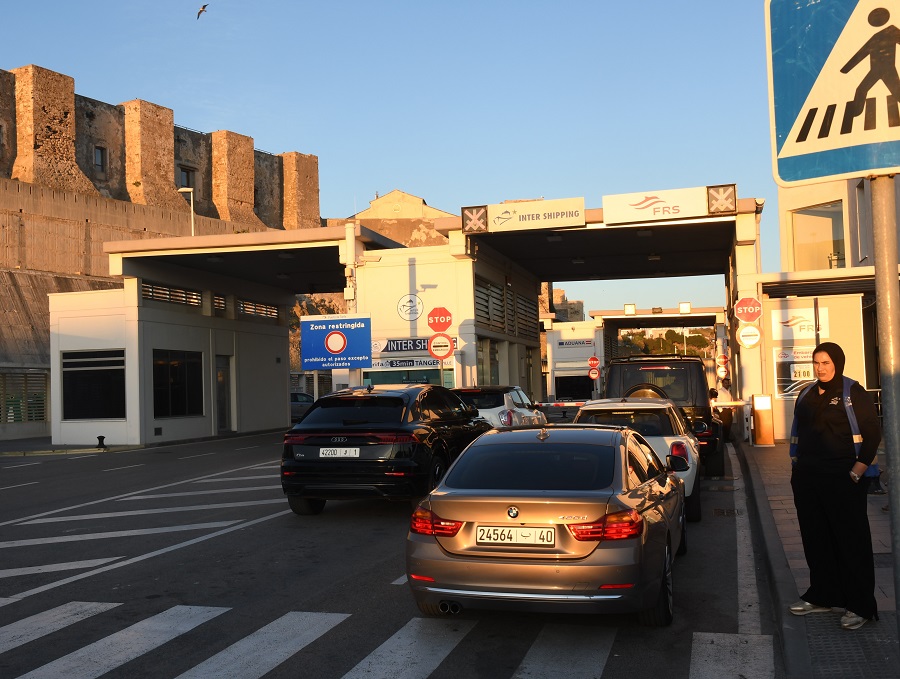
Days Six and Seven
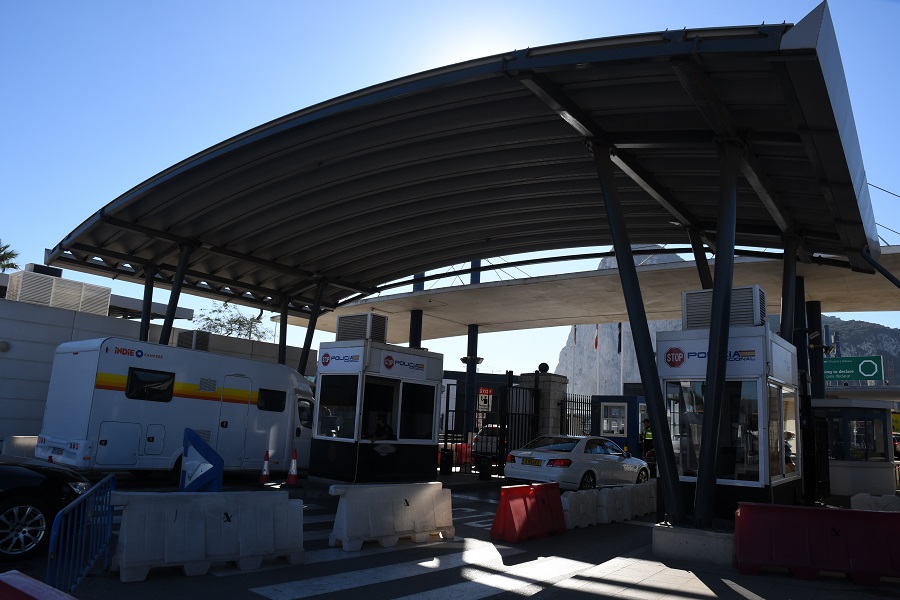
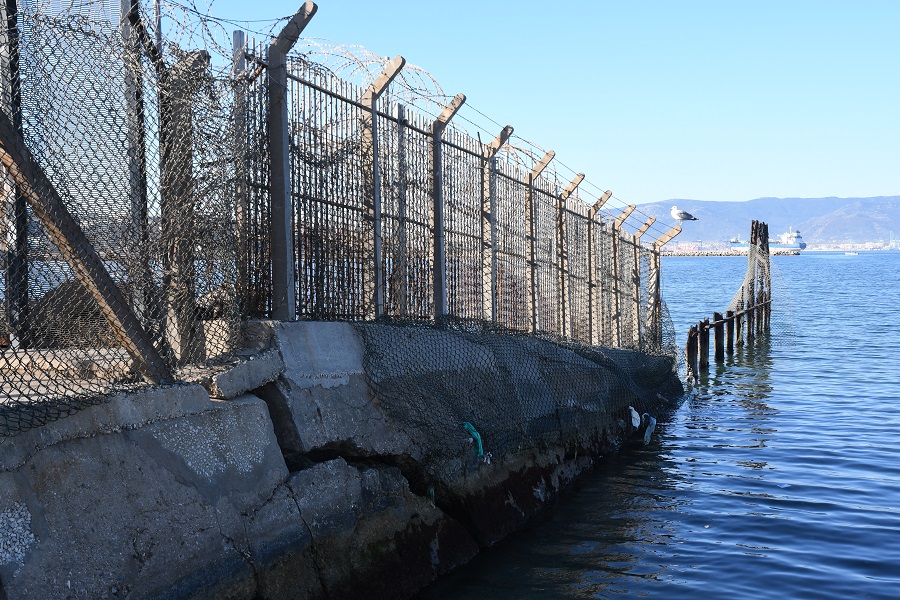
Our last 2 days were spent focusing on the borders and border crossings between and Gibraltar and Spain. The status of Gibraltar is a point of contention between Spain and the United Kingdom. The land border is 1200 metres long and one of the shortest in the world. There are 3 border crossings and a well defined border. We walked the border (twice) and crossed into Gibraltar several times. It was a great 2 days. Gibraltar is a fusion between Spanish culture and British tradition. We also focused on the unique Gibraltar Airport with it’s contested status and the strange situation of the main road crossing the runway.


Dates of Visits: 1 November 2022 to 8 November 2022
 Barry's Borderpoints