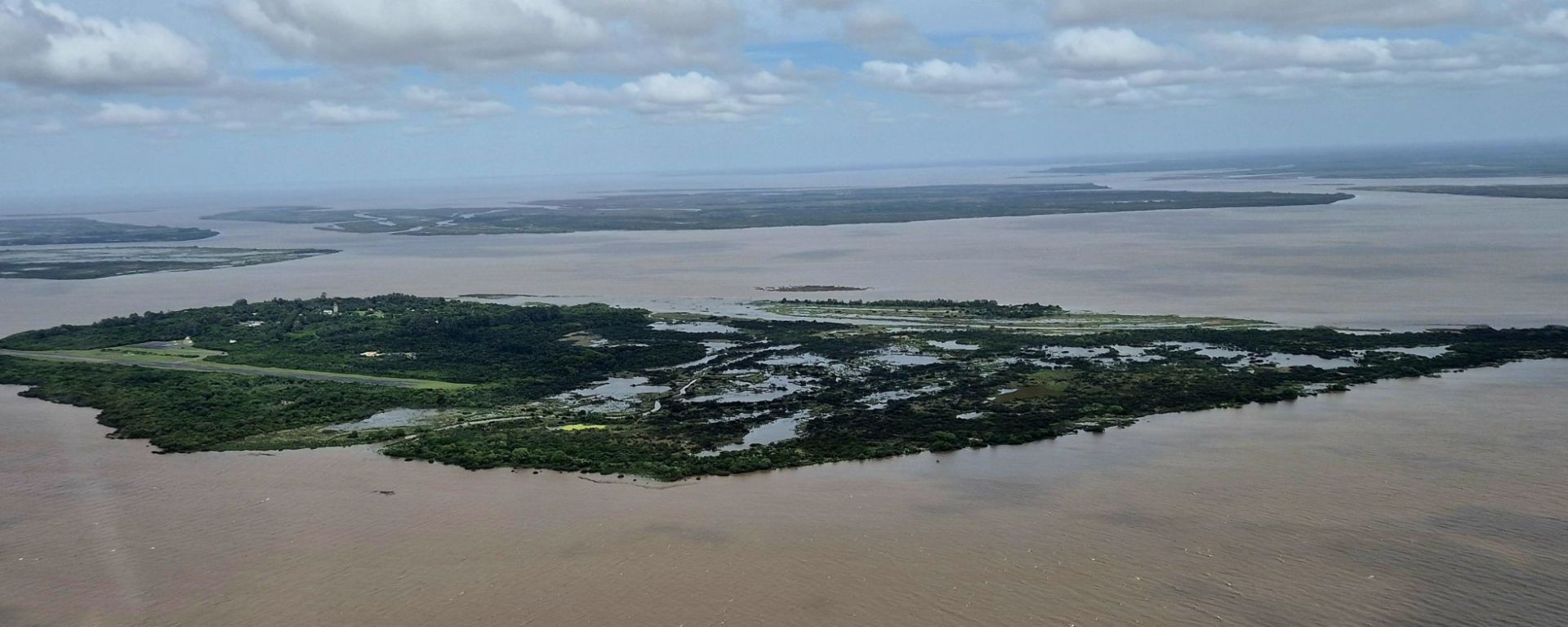
Martín García Island (Spanish: Isla Martín García) is an island in the Río de la Plata. The island is in Uruguayan waters but in 1973 Uruguay and Argentina reached an agreement establishing Martín García as Argentine territory and a nature reserve. The island of 1.84 km2 has a permanent population of about 150 people (50 families), and falls within the jurisdiction of Buenos Aires Province. The island is accessible by air from San Fernando Airport (FDO) in Buenos Aires, taking approximately 25 minutes to Martín García Island Airport (MGI or SAAK) and by ferry that departs from Tigre, near Buenos Aires taking approximately 2 hours.
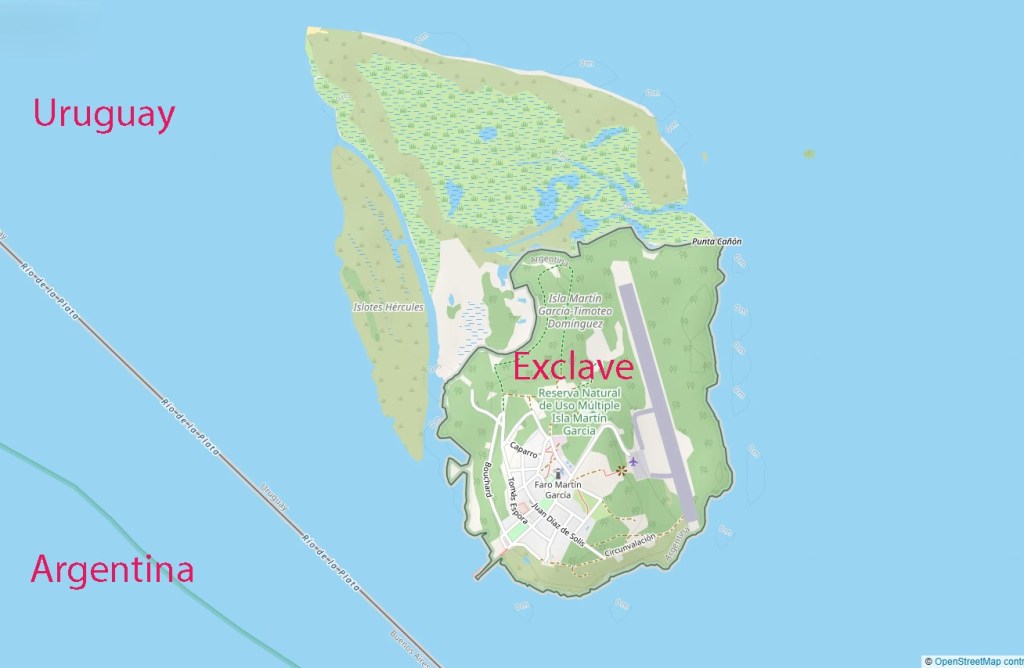
The island is of interest to border enthusiasts as an exclave but also as the only land border between Argentina and Uruguay which was formed as the Timoteo Domínguez Island developed from a small sand bank north of Isla Martín García and ultimately merged in the 1980’s. The Uruguayan island is low lying and unhabituated.
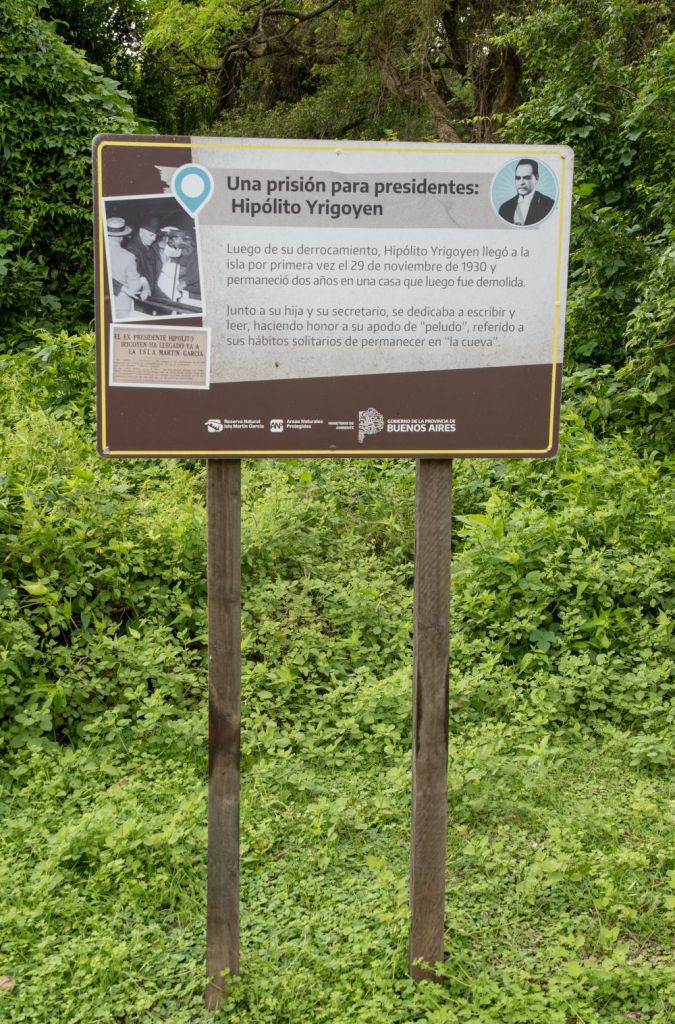
Martin Garcia Island was discovered by the Spanish in the expedition of Juan Díaz de Solís in 1516; it is named after the storekeeper Martín Garcia, who died on board and whose body was buried on the island. The island was continually disputed by Spain and Portugal due to its strategic position amidst the main river channel and as a gateway to its main tributaries, the Paraná and Uruguay rivers. The island was used as a penal colony from 1765 until 1886. Prisoners from the Indian Wars of 1879 were interned on the rocky island, which was also a place of exile for various presidents of Argentina, including Hipólito Irigoyen (1930), Juan Perón (1945), and Arturo Frondizi (1962). German prisoners from the Graf Spree were also interned there.
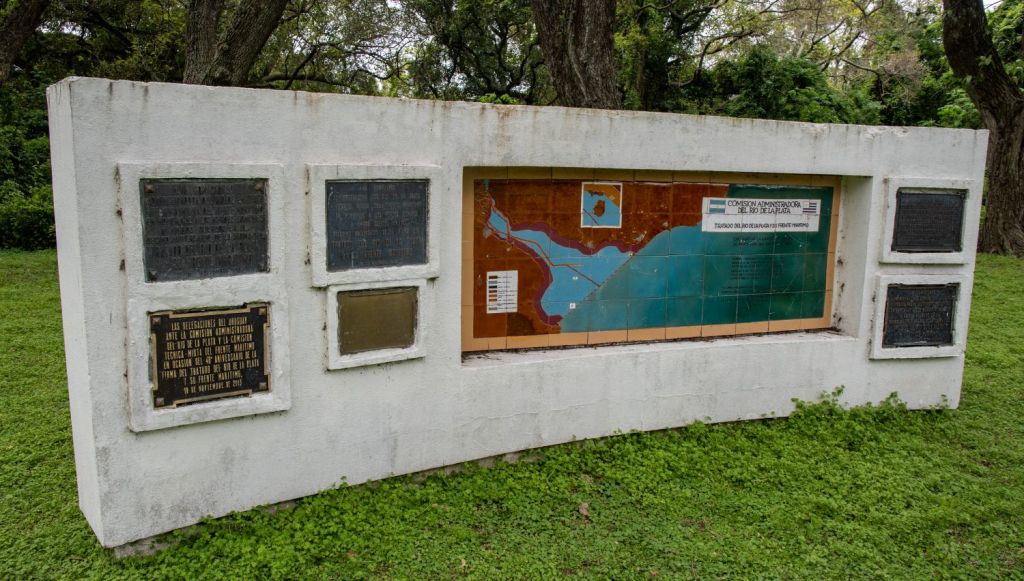
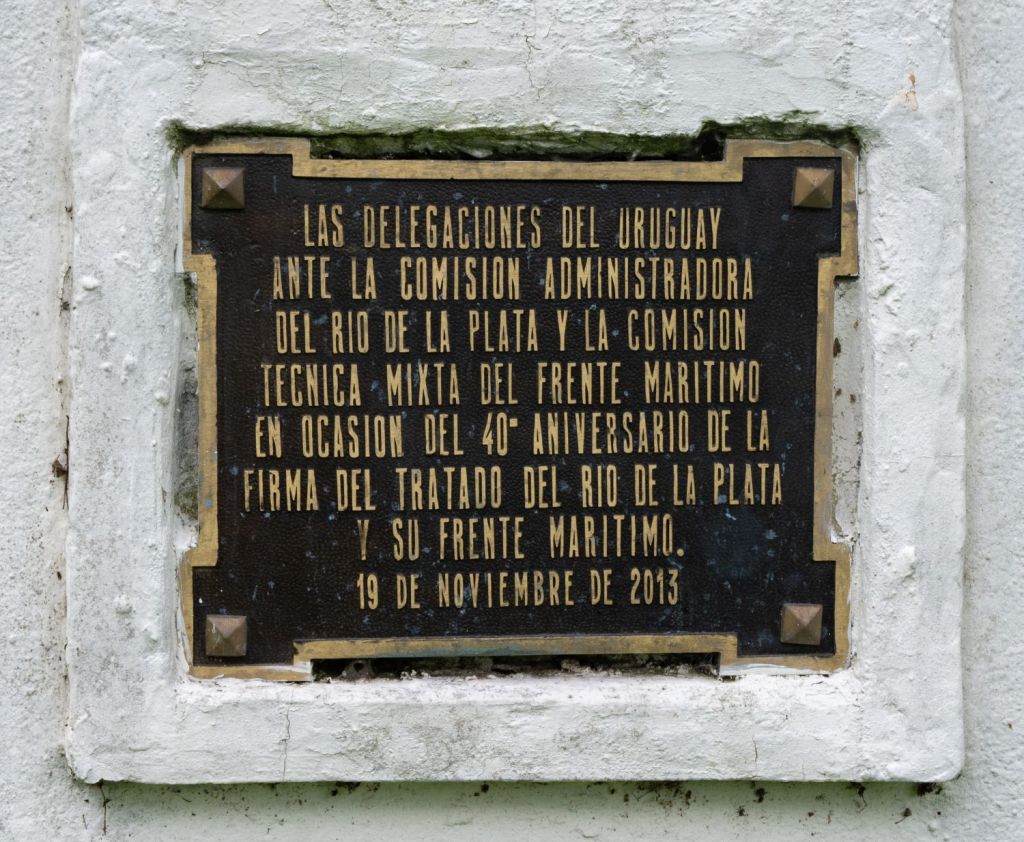
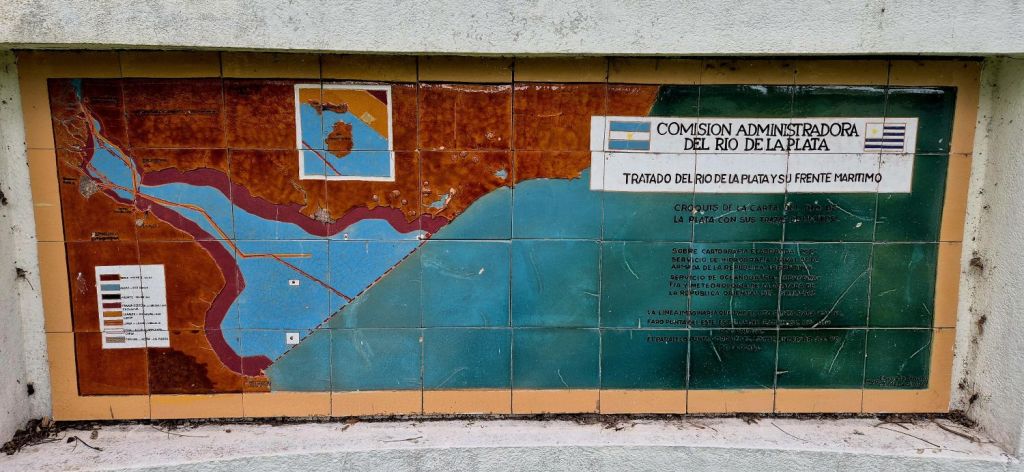
The jurisdictional status of the island was formally established by the Treaty of Río de la Plata between Argentina and Uruguay on November 19, 1973. This treaty stipulates that the Martín García Island is an Argentine exclave surrounded by Uruguayan waters. In return for recognition of Argentina’s sovereignty over the island, Argentina made territorial concessions in the Río de la Plata, notably the cession of Juncal Island to Uruguay. Article 45 of the treaty states: The Martín García Island shall be exclusively destined as a natural reserve for the conservation and preservation of fauna and flora. Article 46 set out the geographical limits of the island.
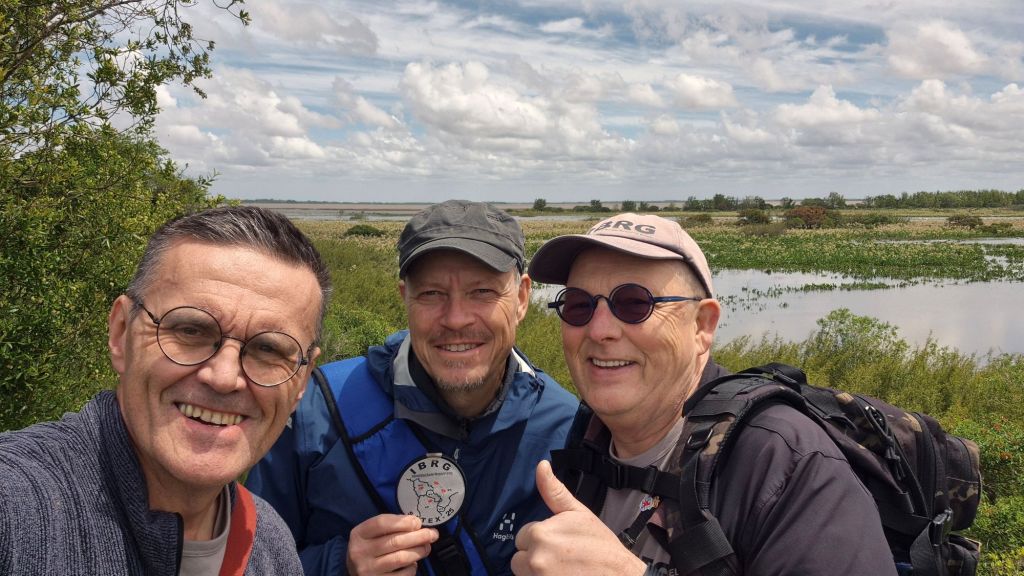
My visits to other exclaves are reported here. I visited this point as part of the IBRG SATEX-25 expedition.
The flight
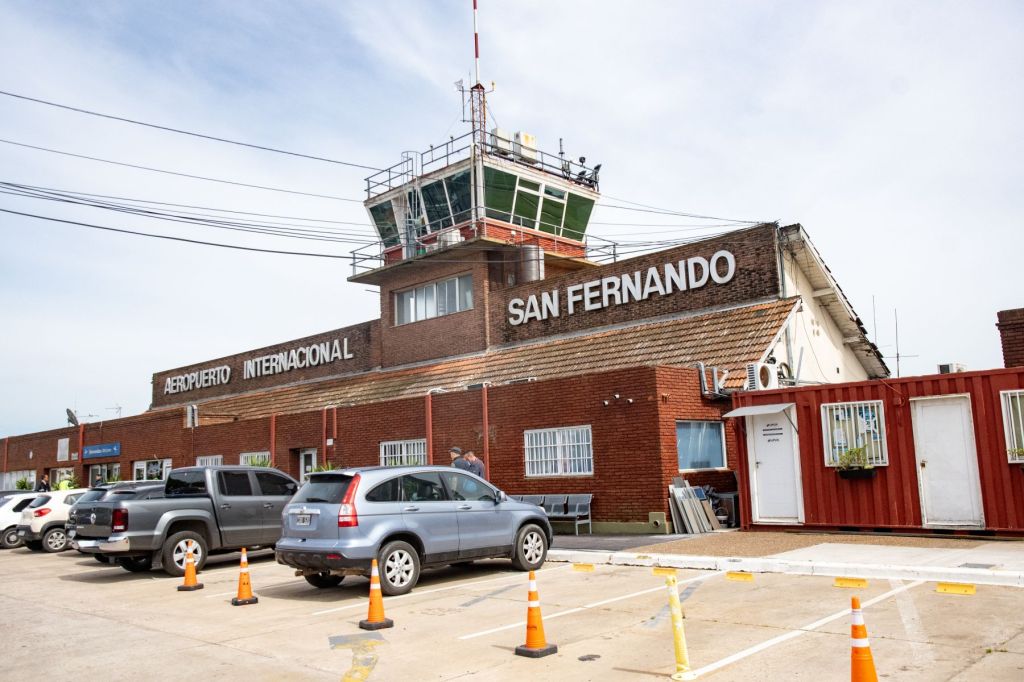
A first for IBRG, due to logistical constraints we opted to charted a small aircraft to go to the island. Our journey began at San Fernando International Airport (Spanish: Aeropuerto Internacional de San Fernando) (IATA: SFE, ICAO: SADF) which is located 2 km southwest of the centre of San Fernando, a northwest suburb of Buenos Aires in Argentina. The airport is operated by Aeropuertos Argentina 2000. We were all really excited about this trip in a small light aircraft, the flight took us over low lying delta landscapes and the estuary of the Uruguay river.
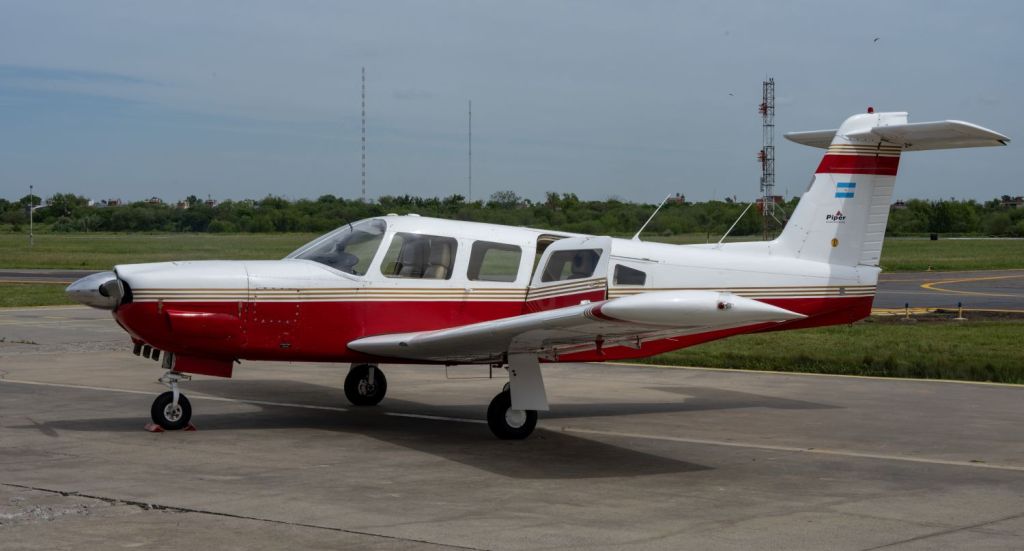
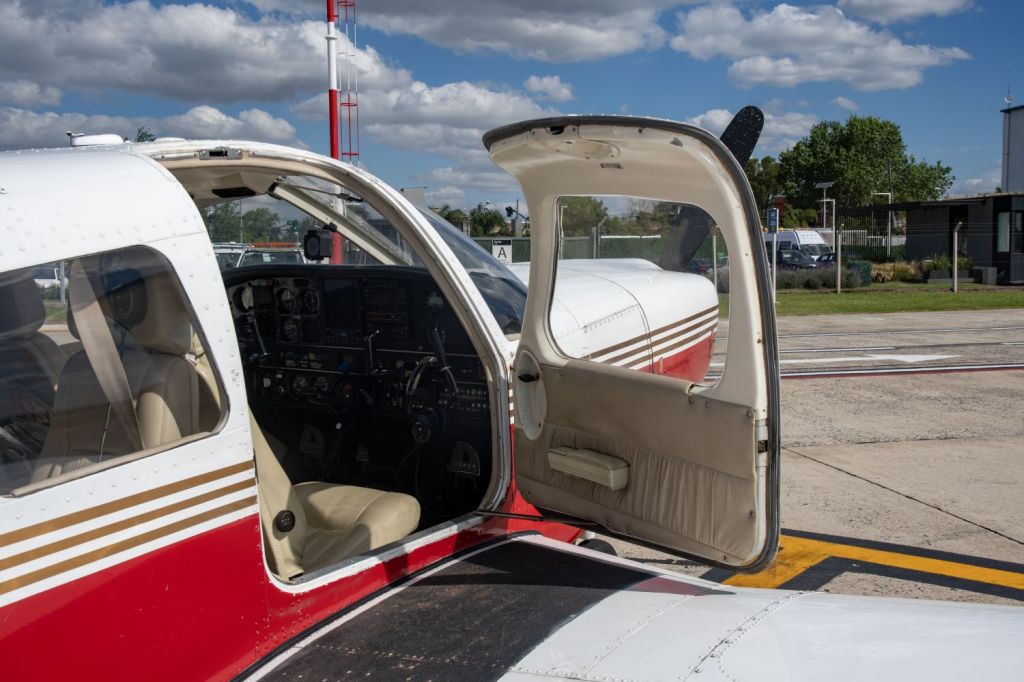

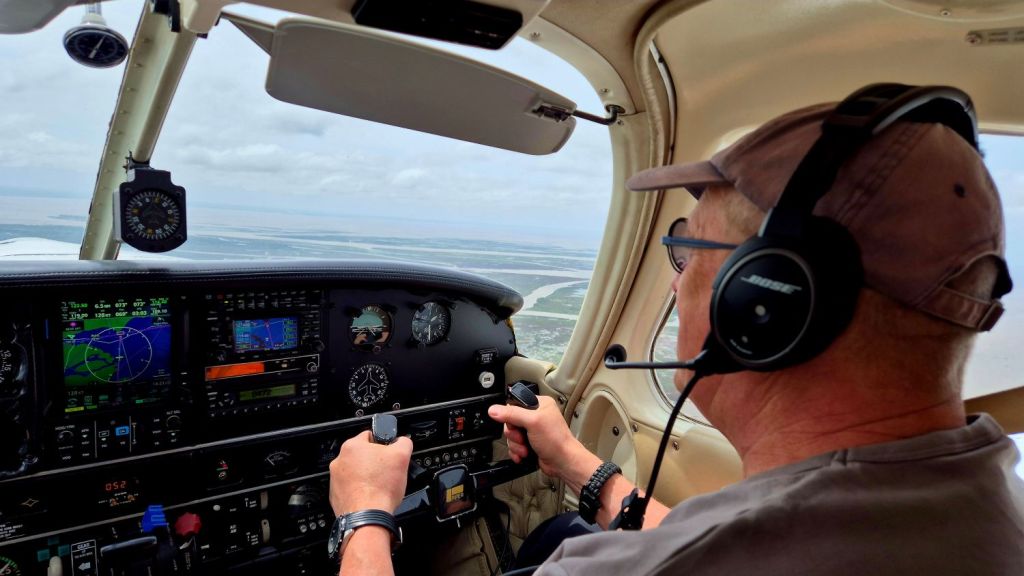
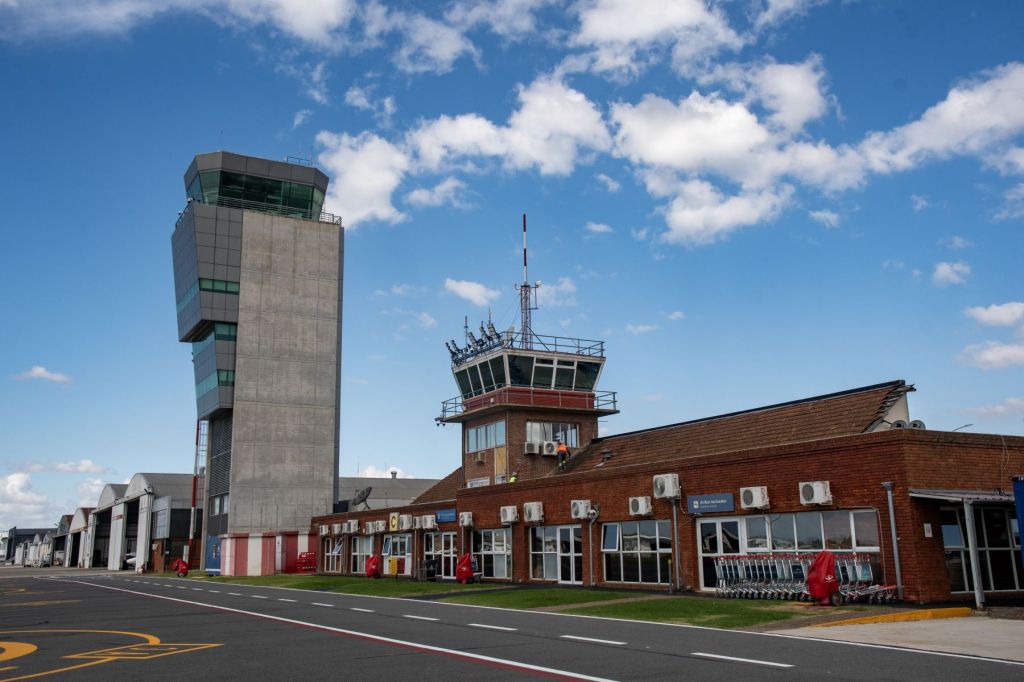

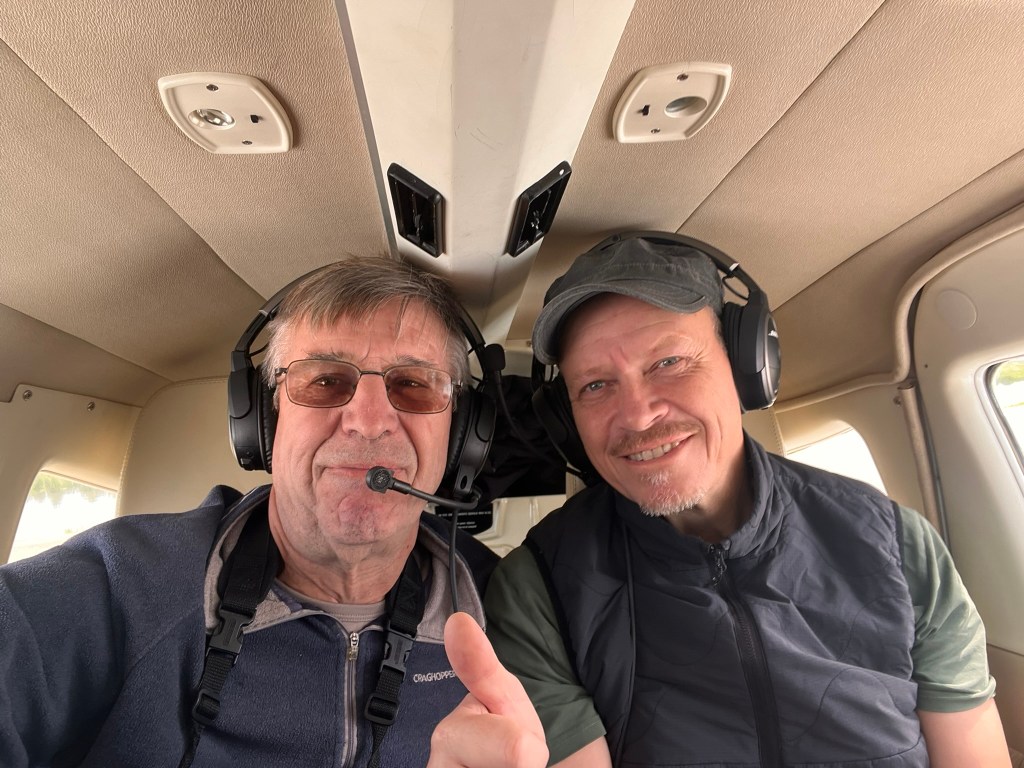
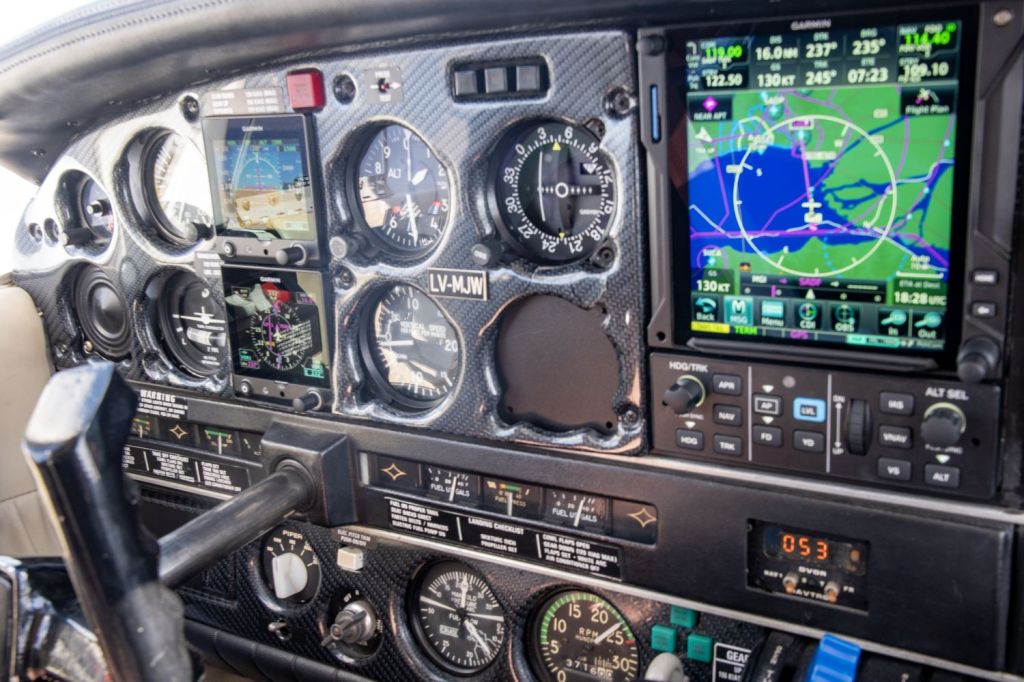
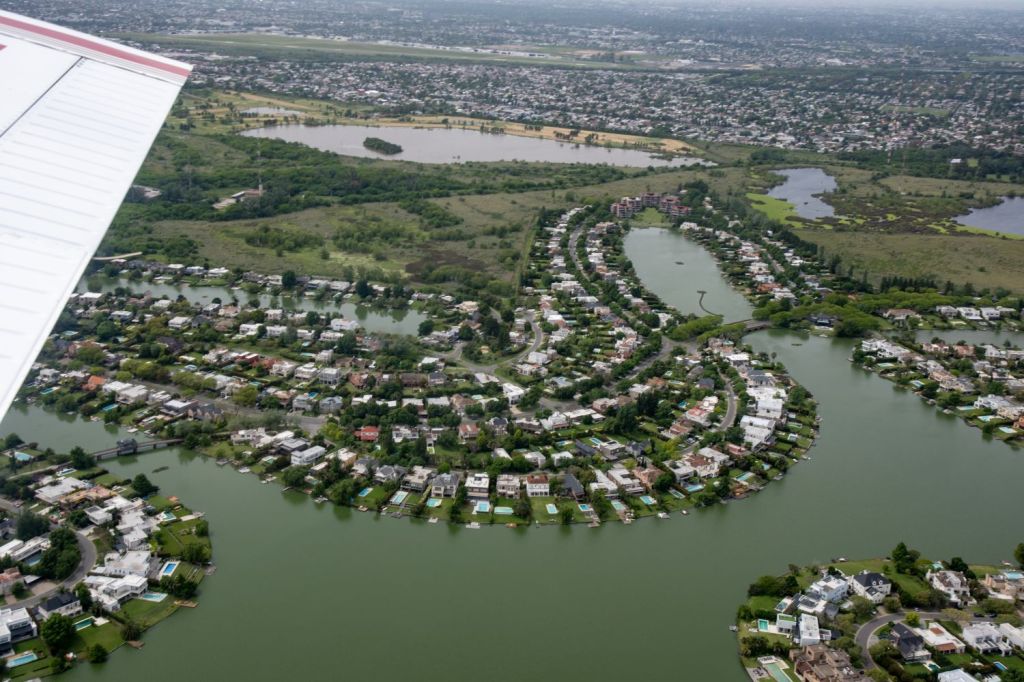
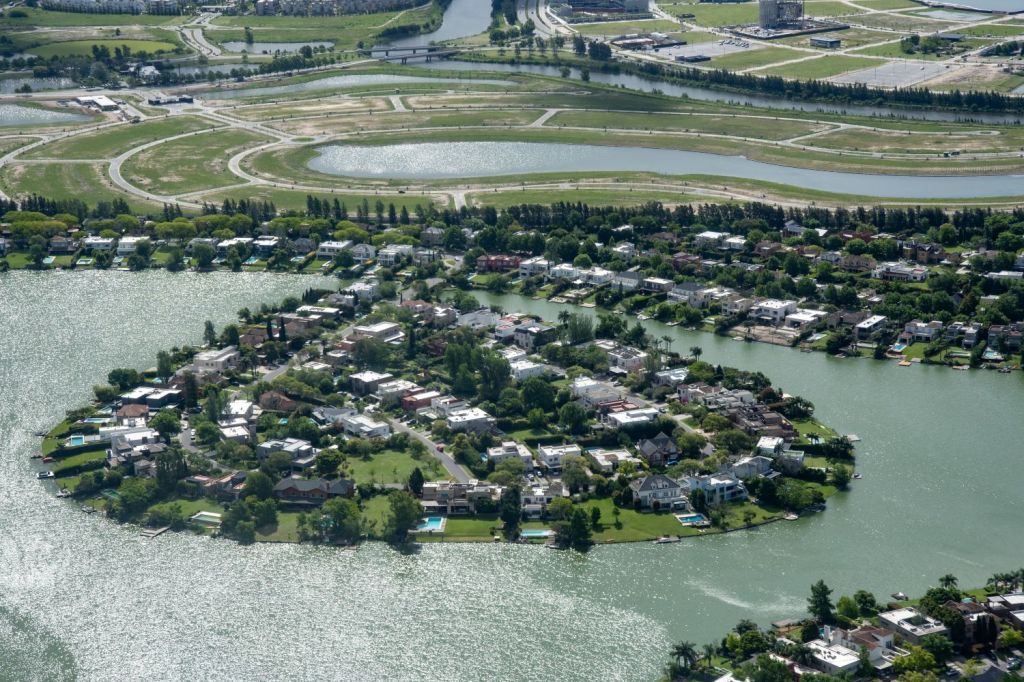
Views from the aircraft
As the aircraft flew at a low altitude there was an opportunity to get views of the suburbs of San Fernando and the coastal and estuary landscapes.
Click on the images to enlarge
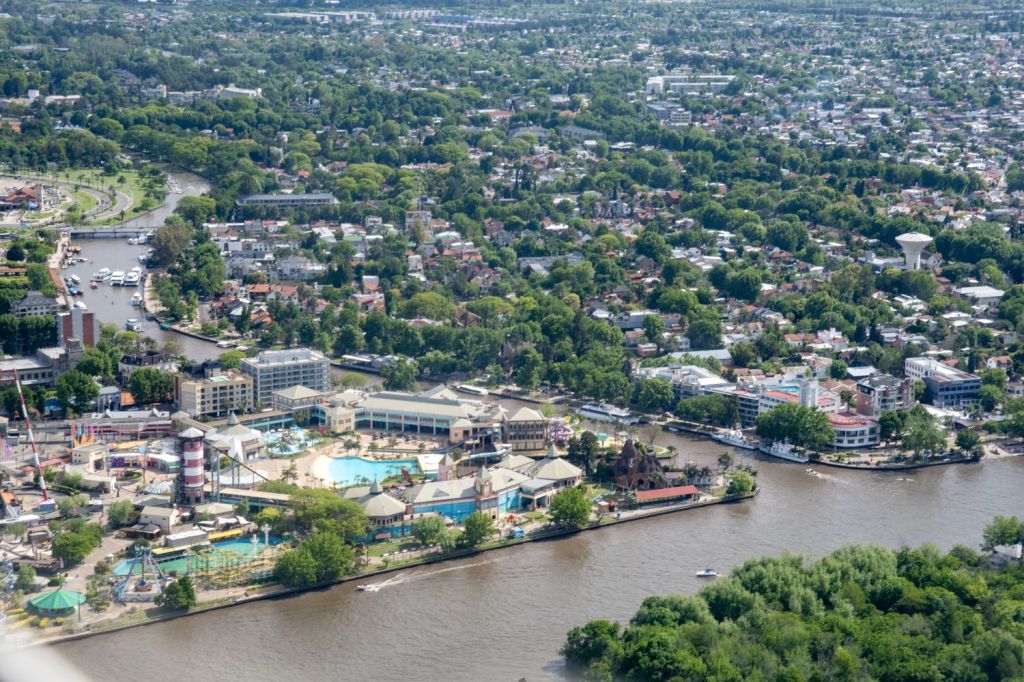
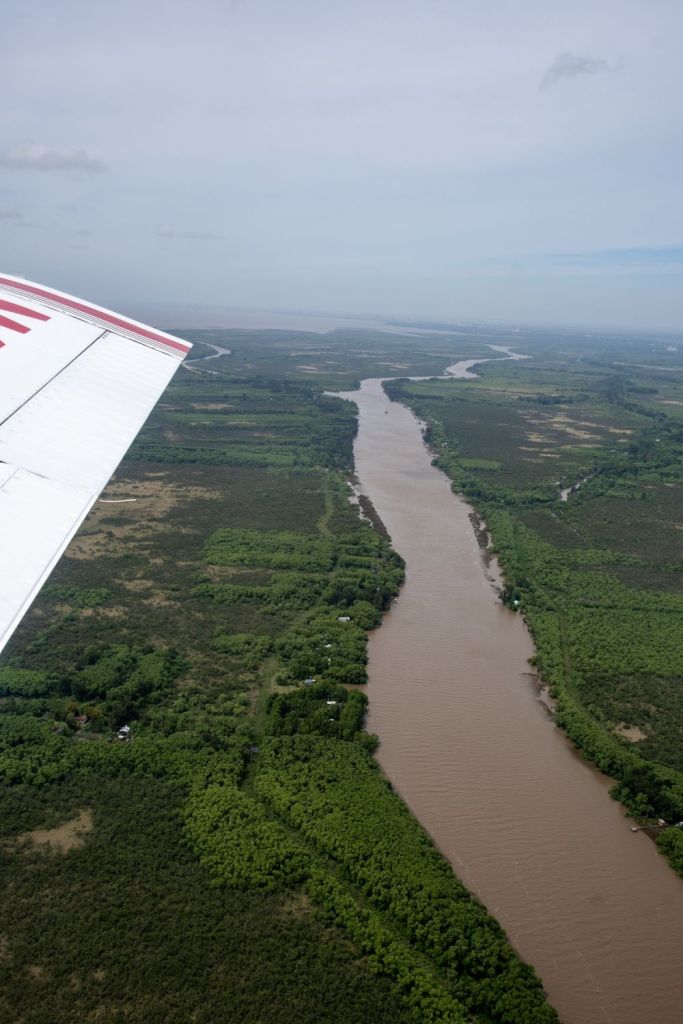
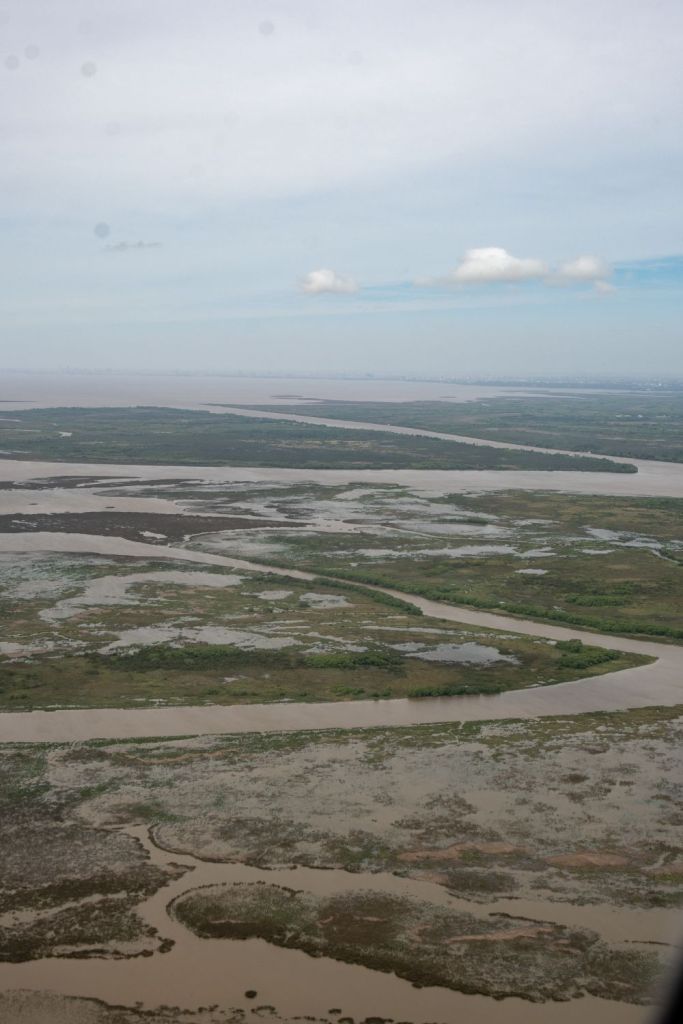
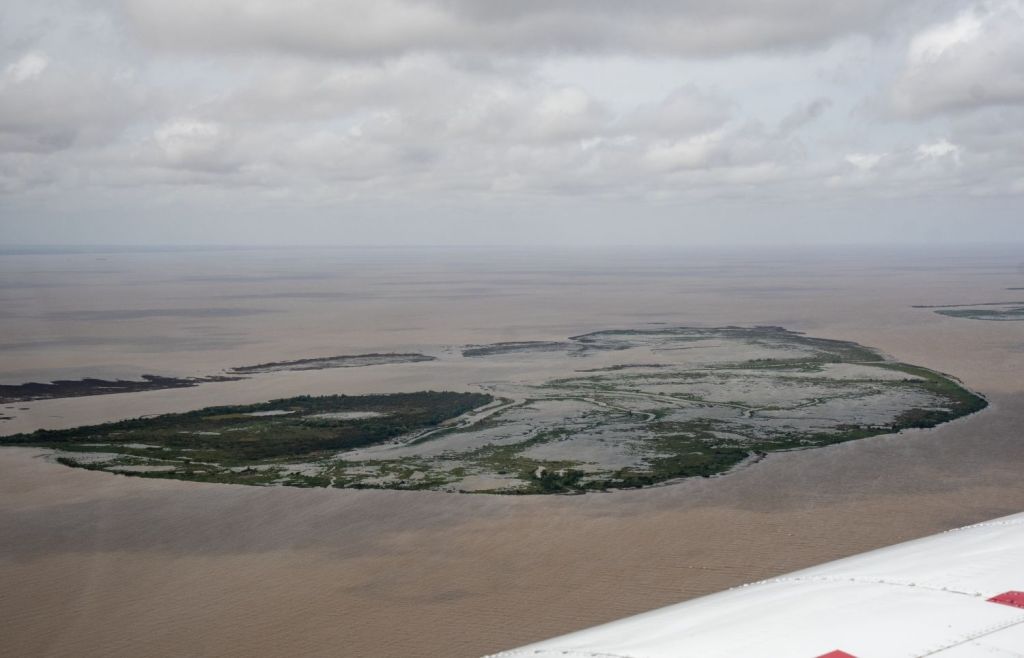
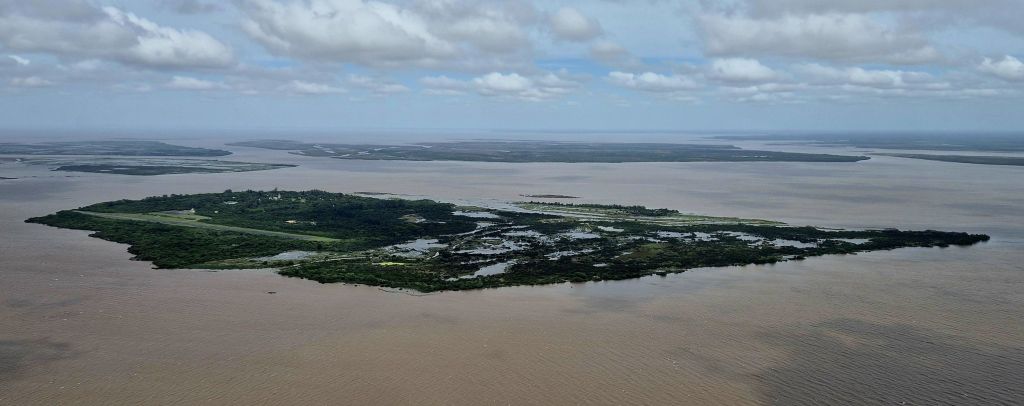
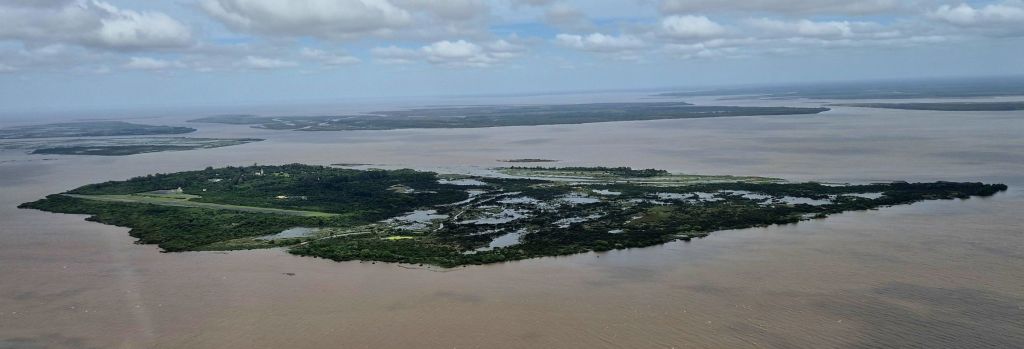
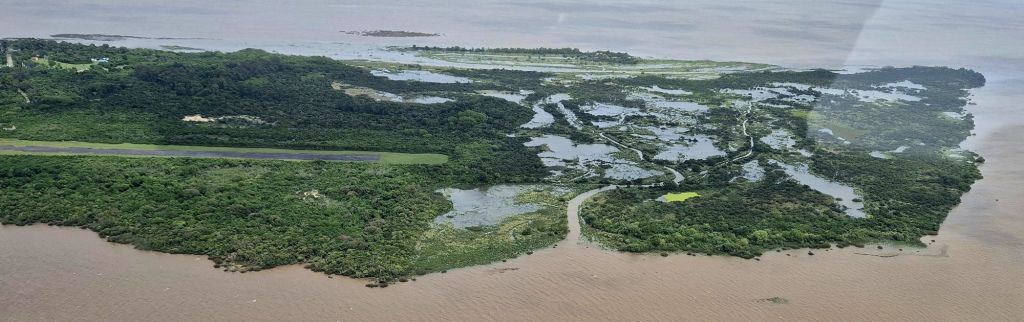
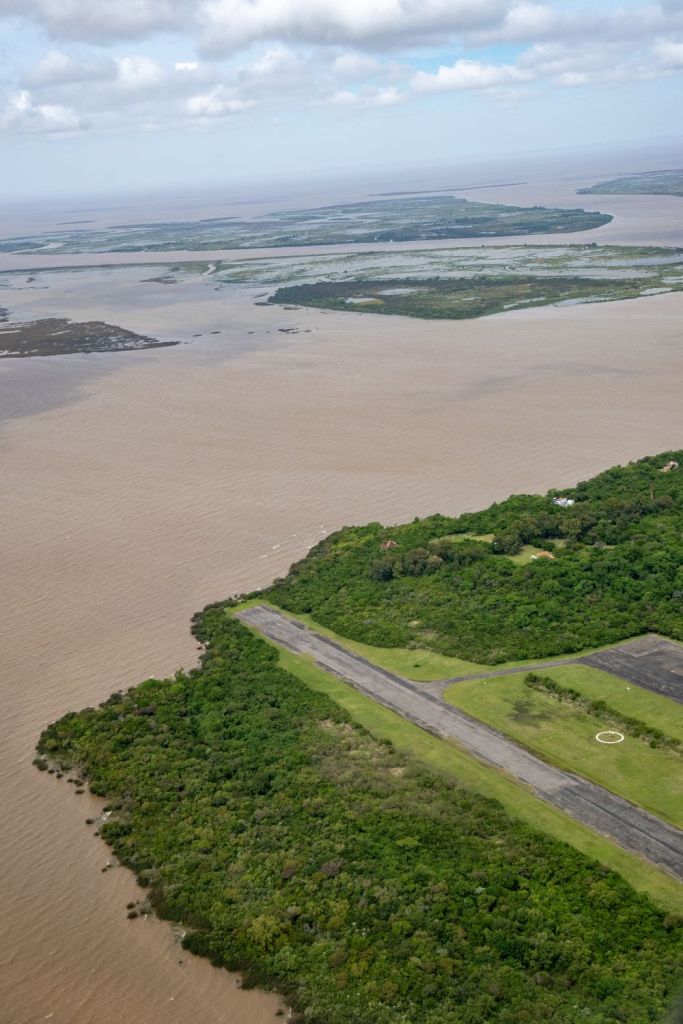
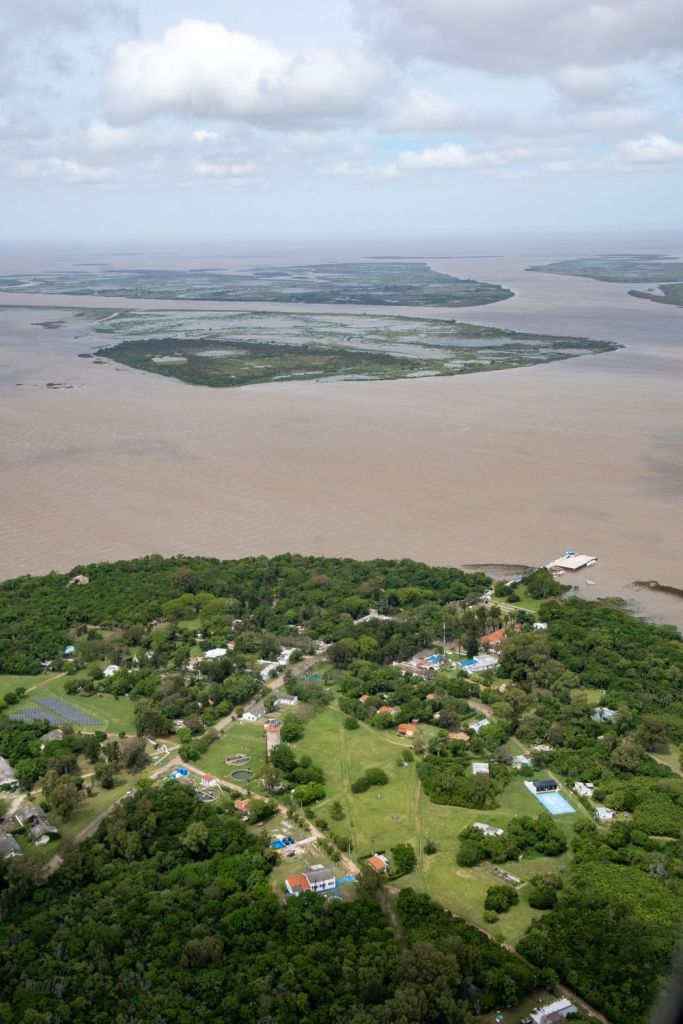
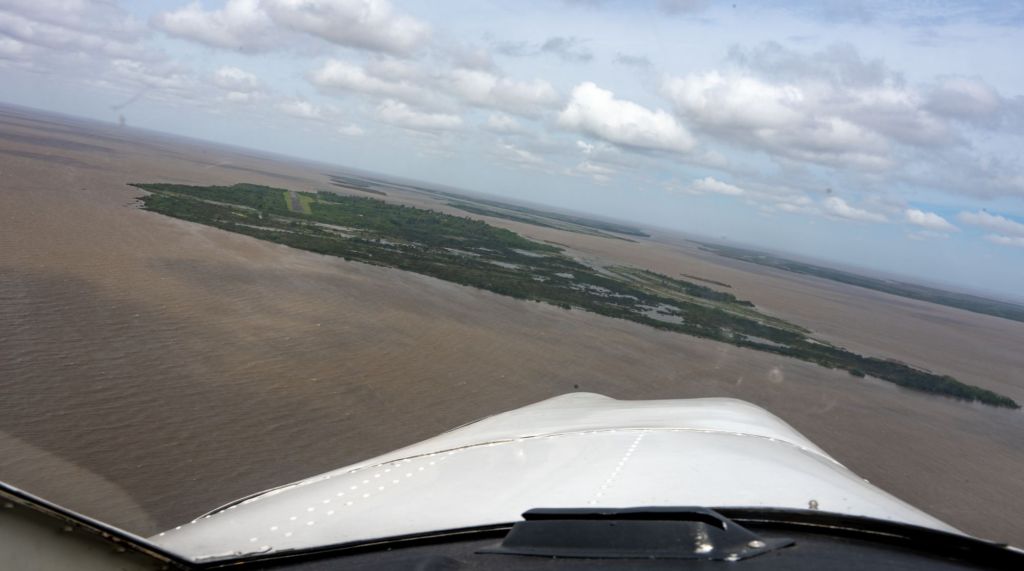
First views of Isla Martin Garcia
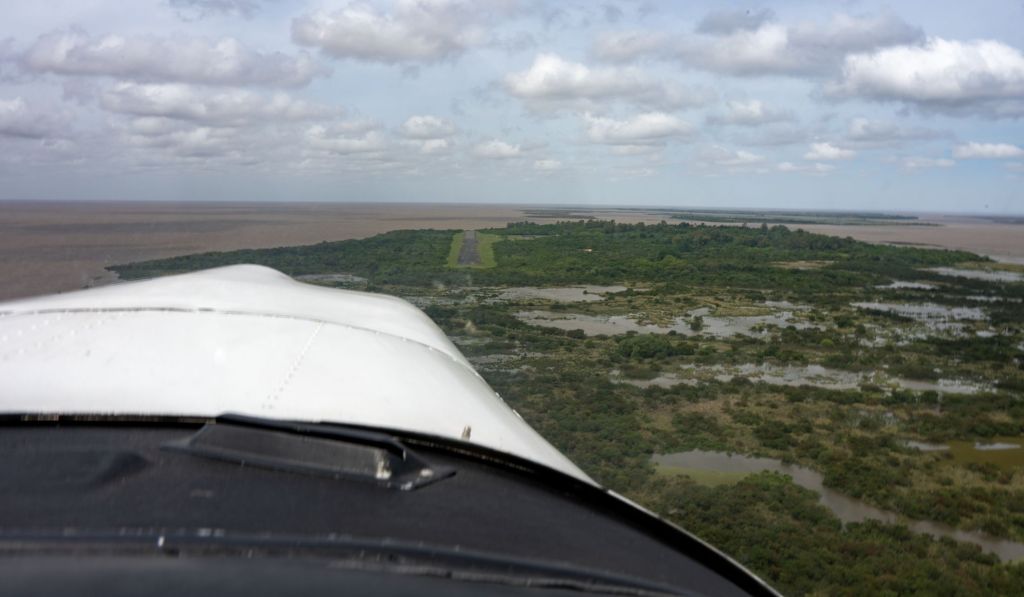
It was easy to see the division between Isla Martín García and Timoteo Domínguez Island with the contrast between the developed former with roads, buildings and cultivated land, and the uninhabited marshy latter.
Click on the images to enlarge
The Island
The Argentinian side of the island is developed with roads, residential and administrative buildings, a church and a school. Tourists will be interested in the old fortifications, the prison and the bakery, where you can buy the famous panettone of the island. It is a quiet place, perfect to enjoy nature and to watch birds and other animals. Its coast, covered by reed beds and scrublands, features its typical landscape.
On the island, there is a hostel and an inn, as well as 2 camping sites and places to eat. Apparently, there is also a brewery, unfortunately we were unable to find it, although perhaps we would have missed our flight back if we did.
The Airport
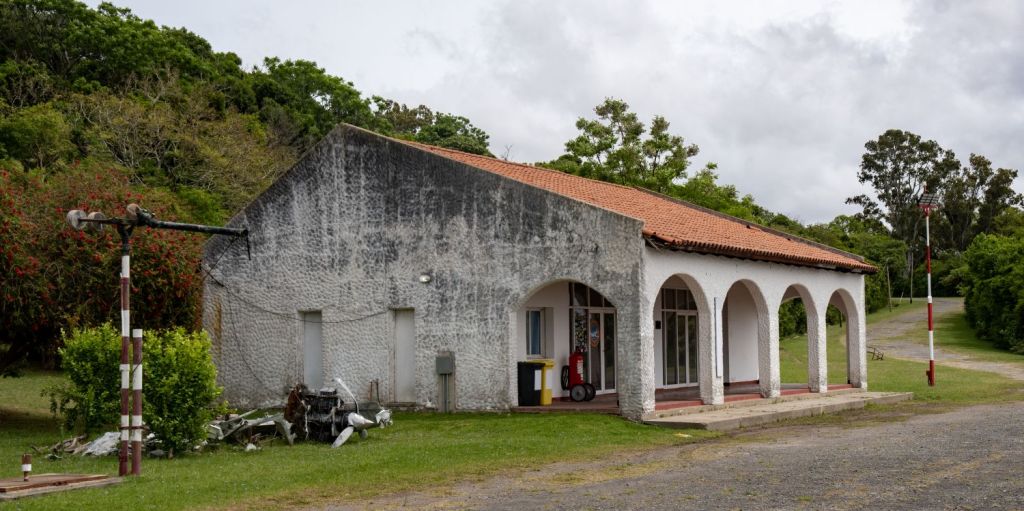
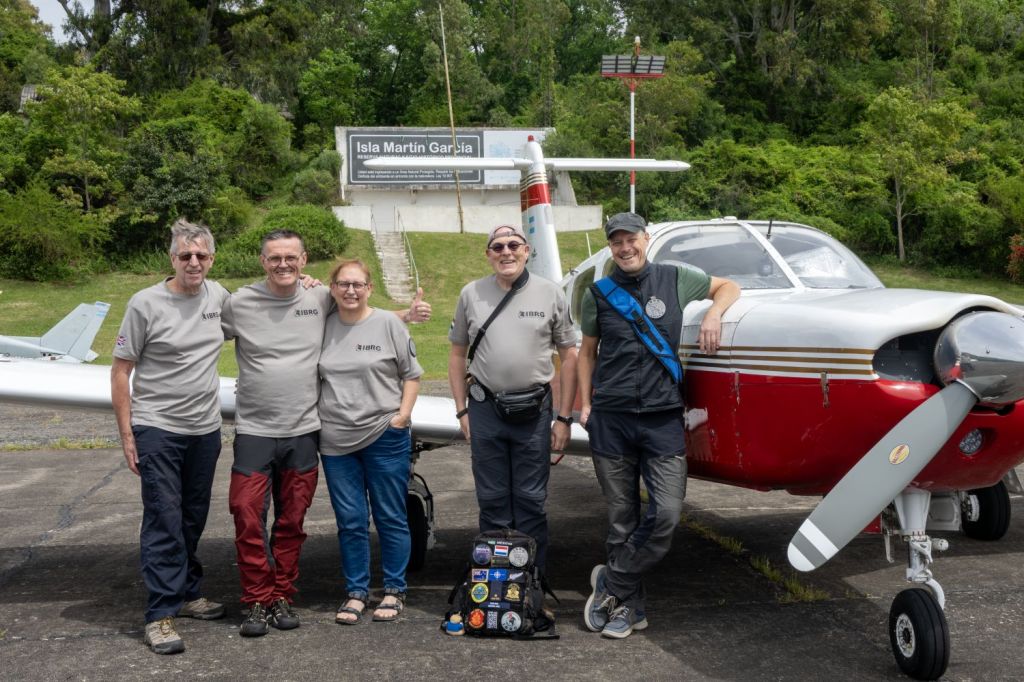
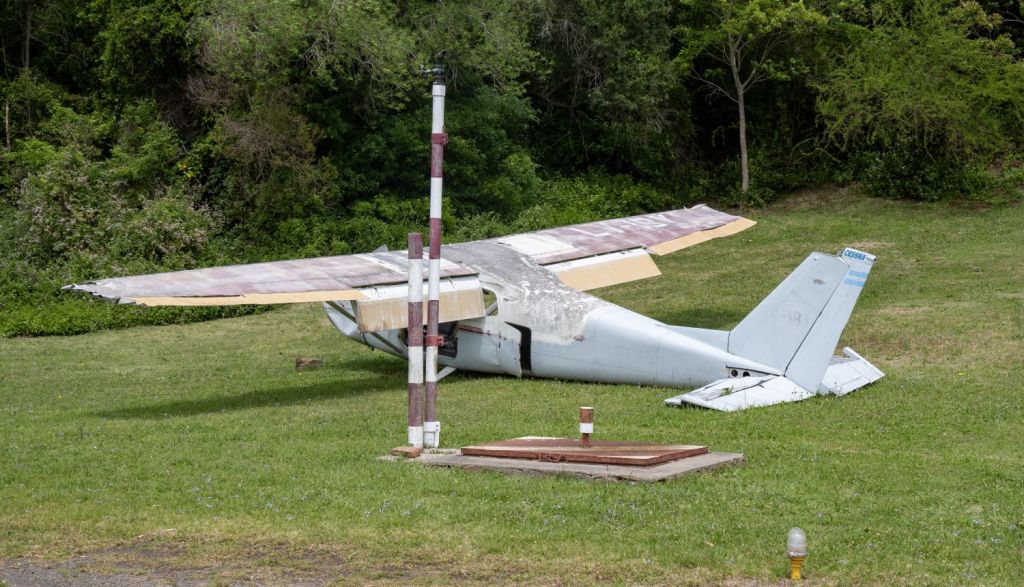
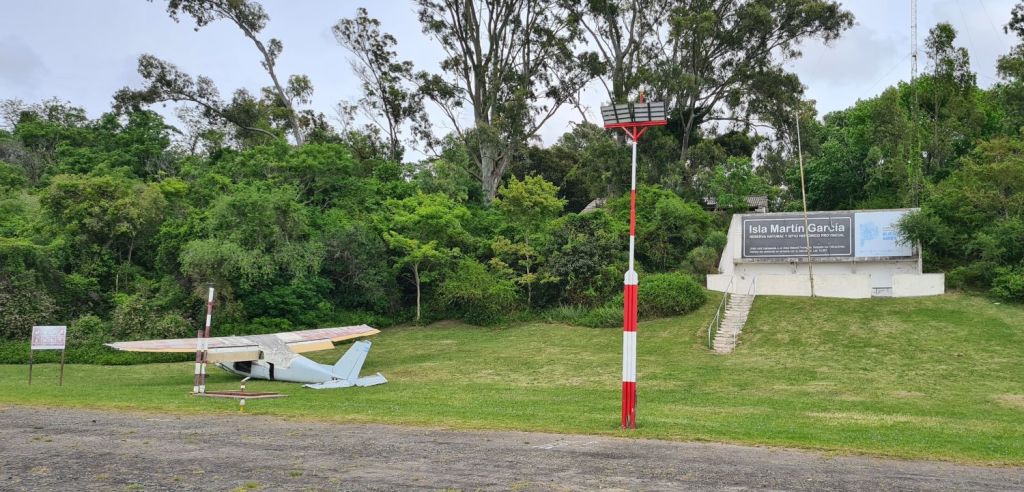
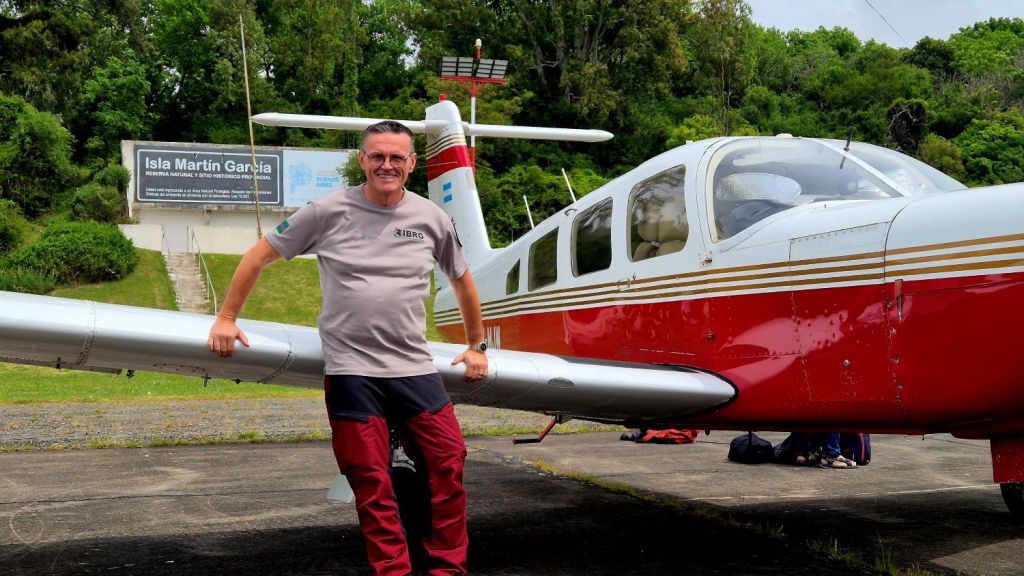
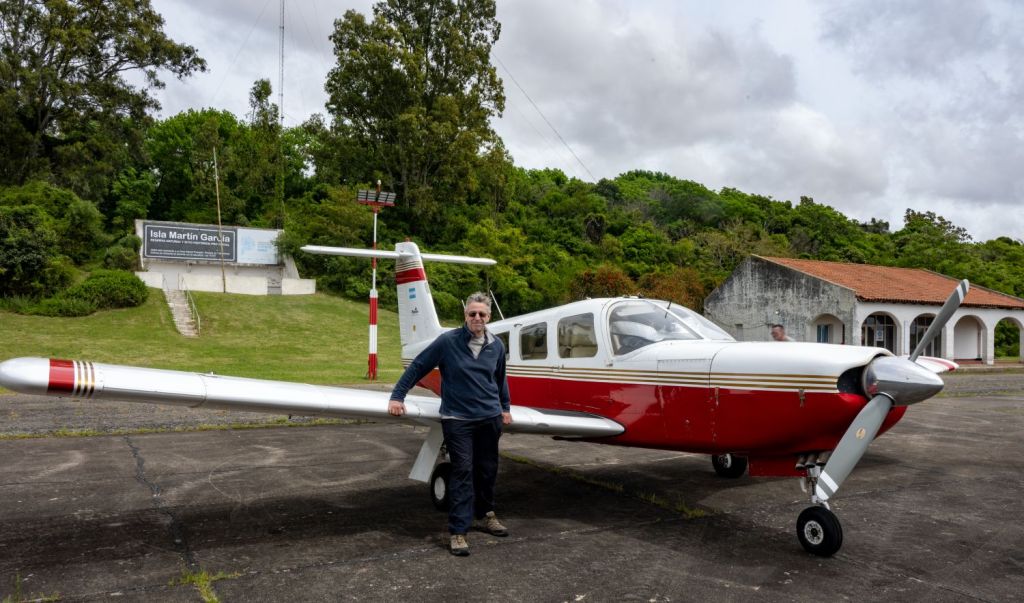
A small airfield awaited us on the island. The approach is over the Uruguayan island and then onto the single runway. It was exciting to land and finally be in the exclave that up to that moment had what we had read and researched.
The Town
As our focus was to initially focus on the border between the 2 islands, we did not explore all the buildings in detail, although there were many, an old lighthouse, a prison, a theatre, a school, administrative buildings some shops and a church and bakery (baking a local delicacy), amongst others. There were also several old fortifications that reflects the history of the island as a contested place. As with all these visits there is never enough time to see everything.
Click on the images to enlarge
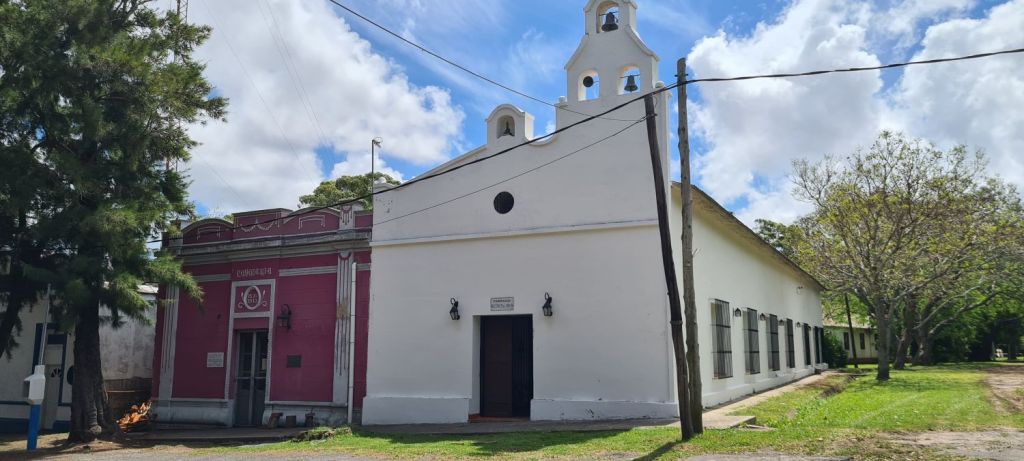
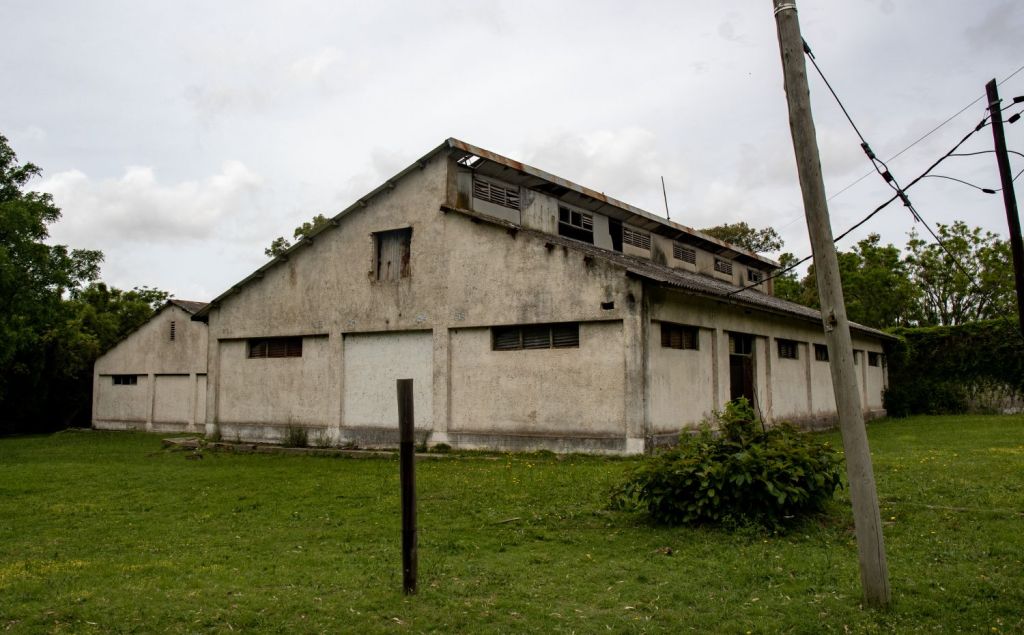
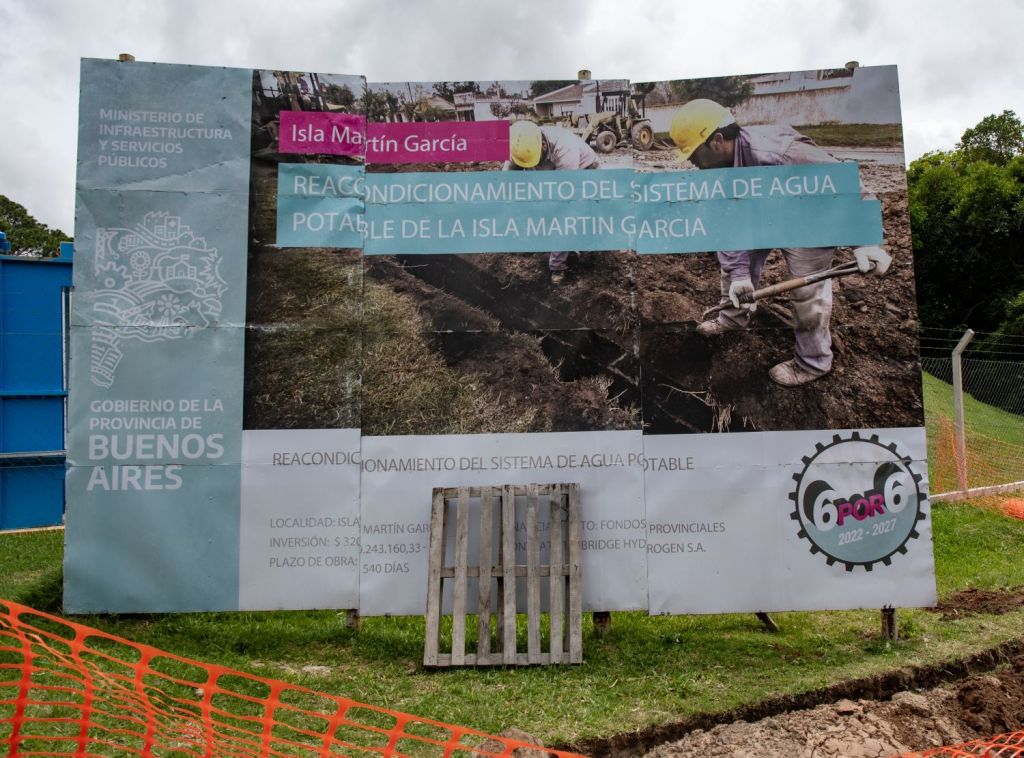
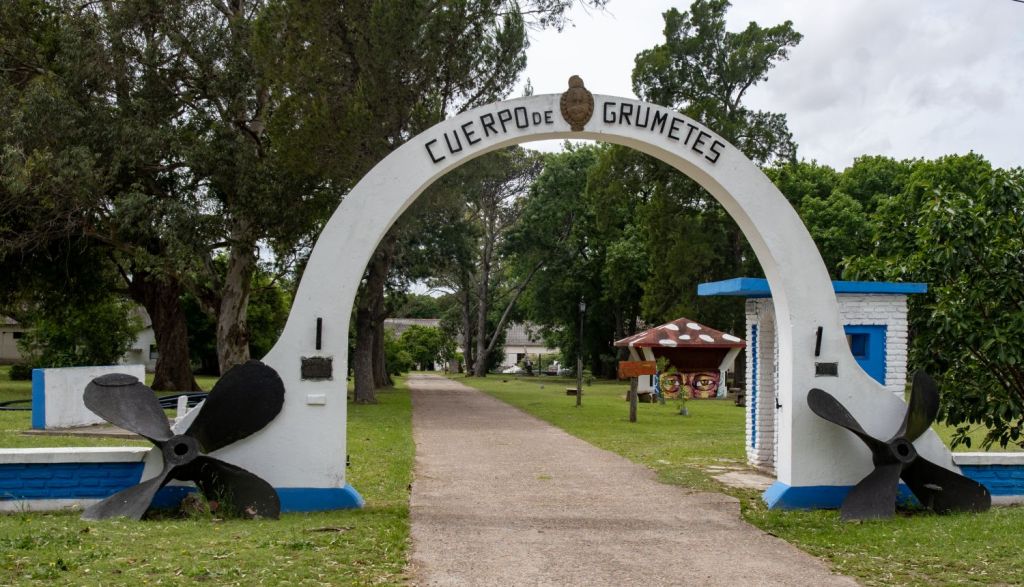
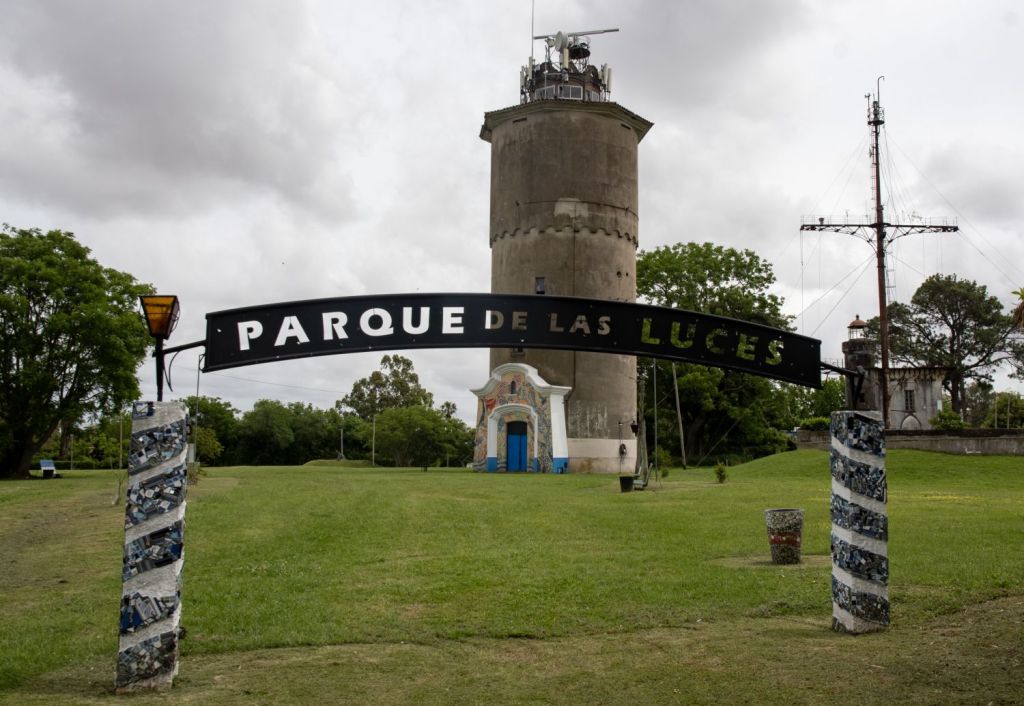
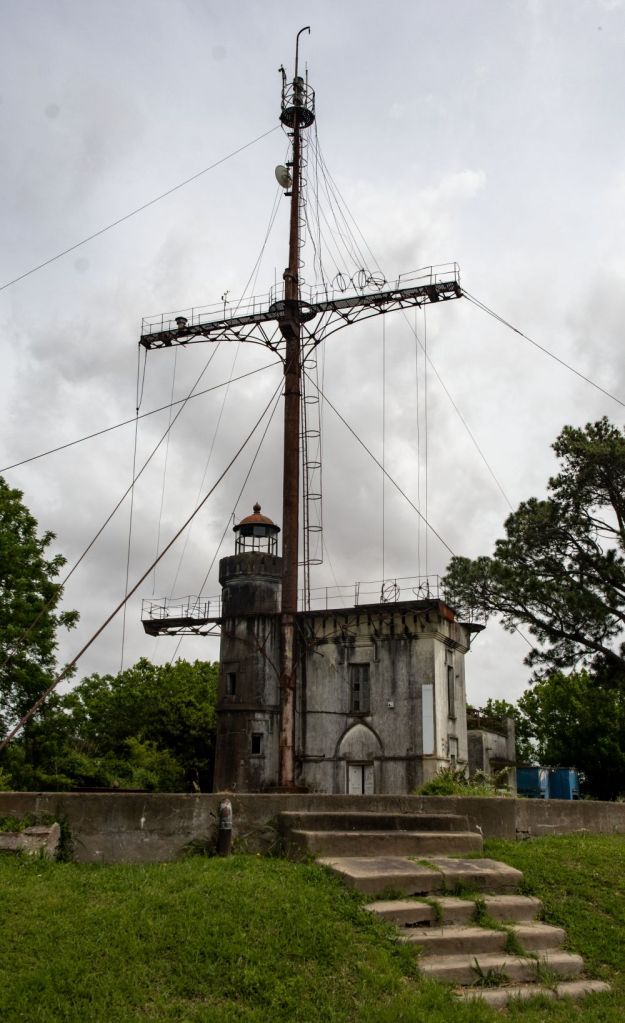
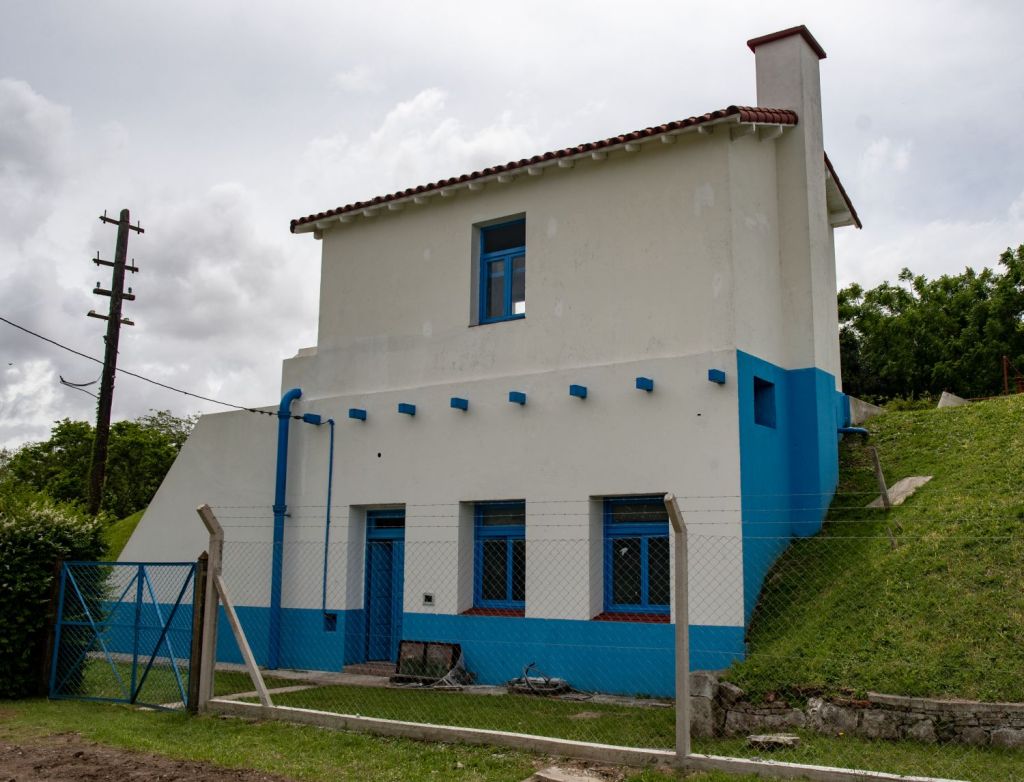
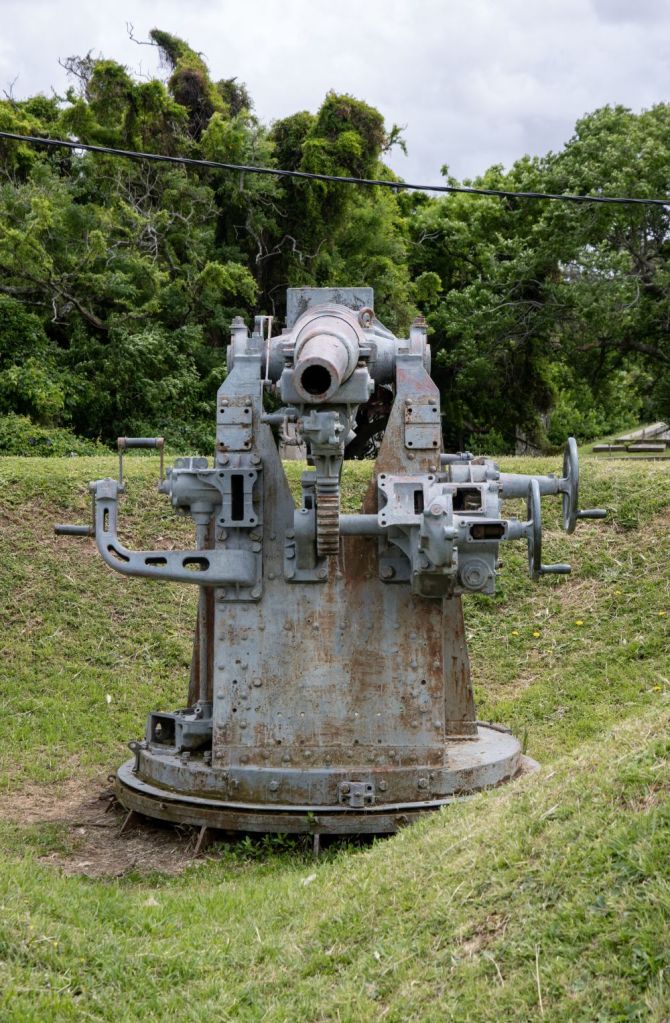
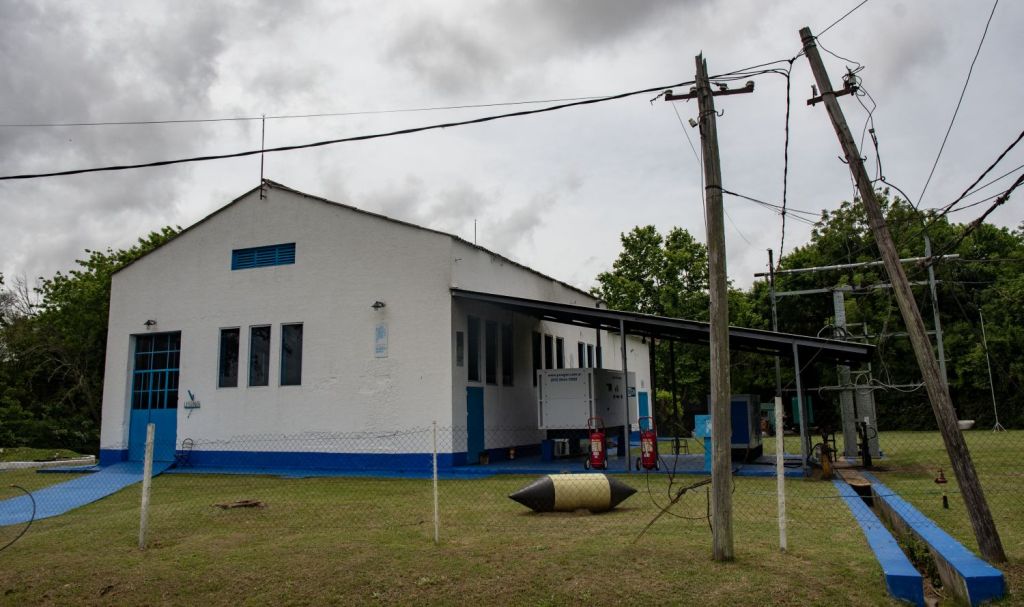
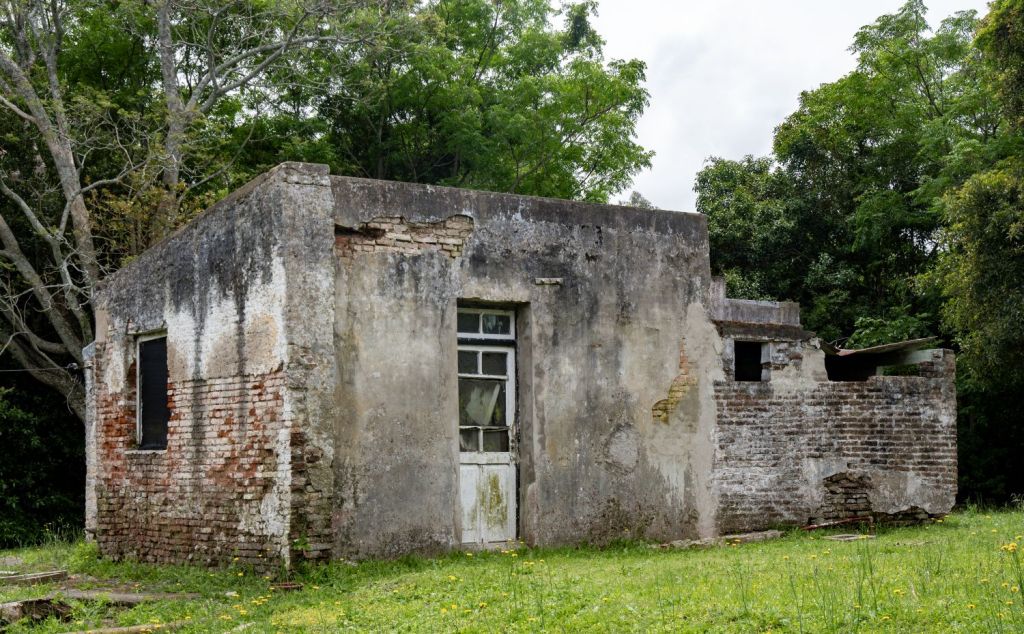
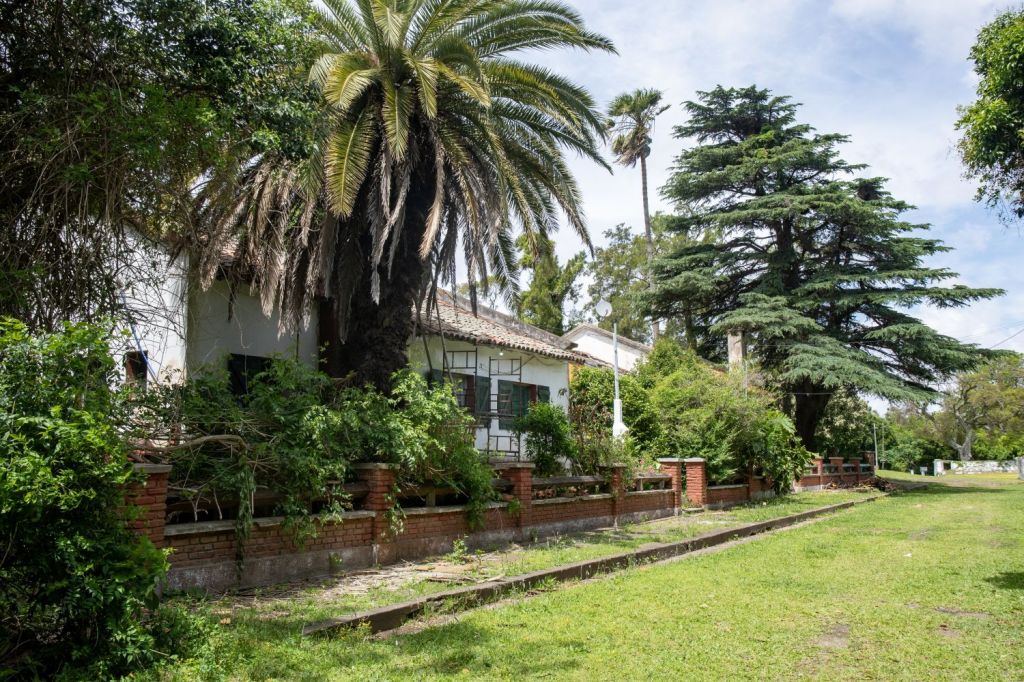
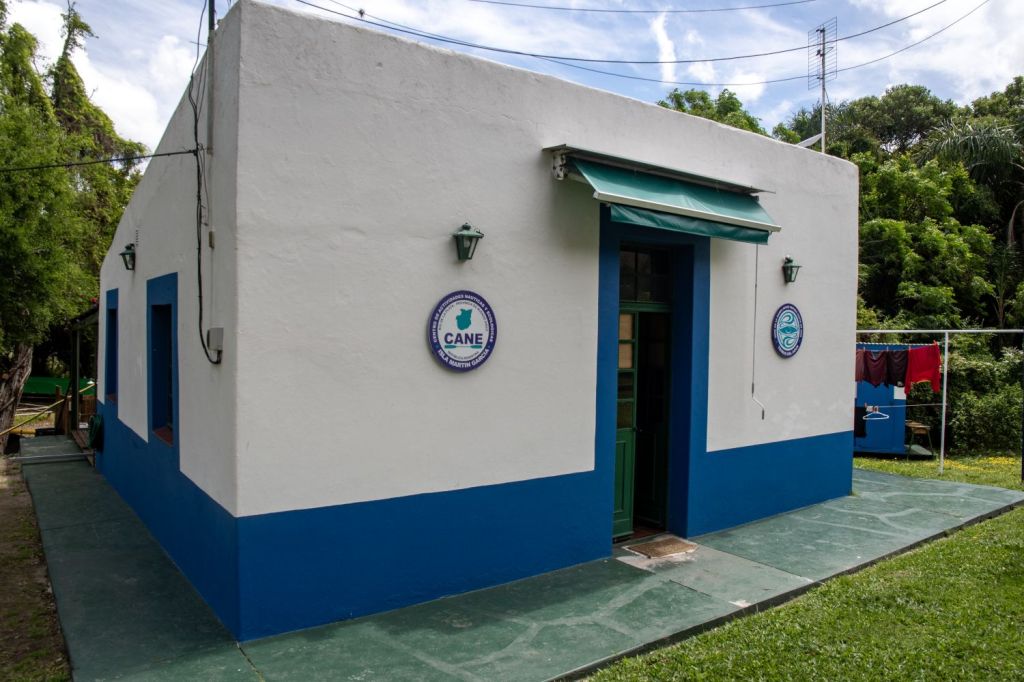
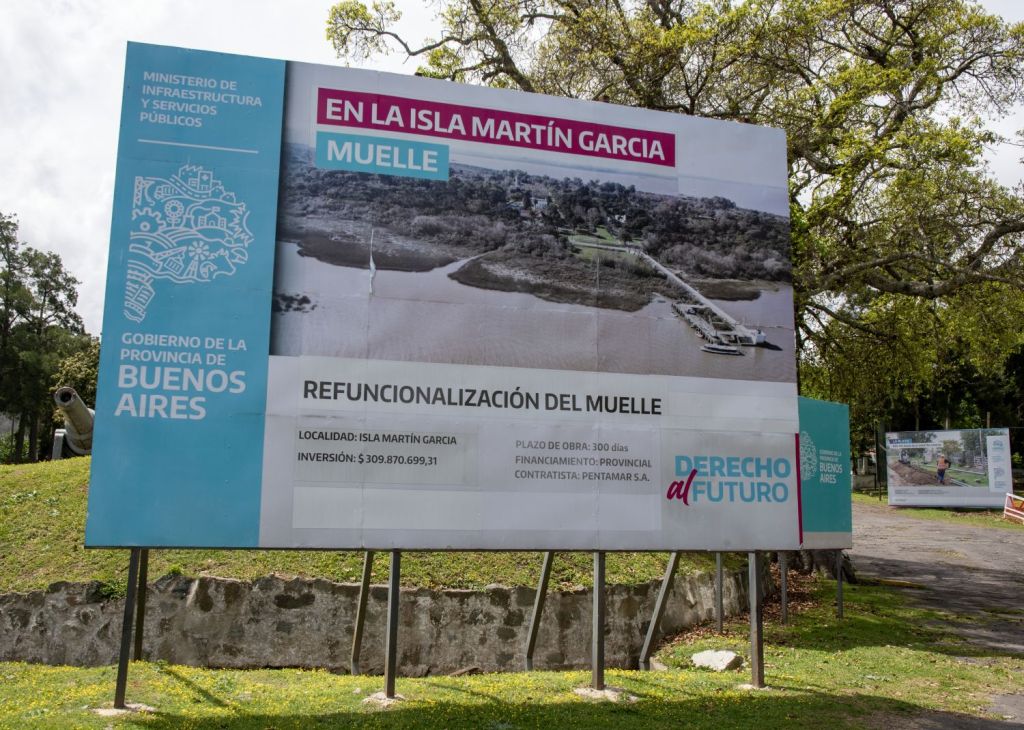
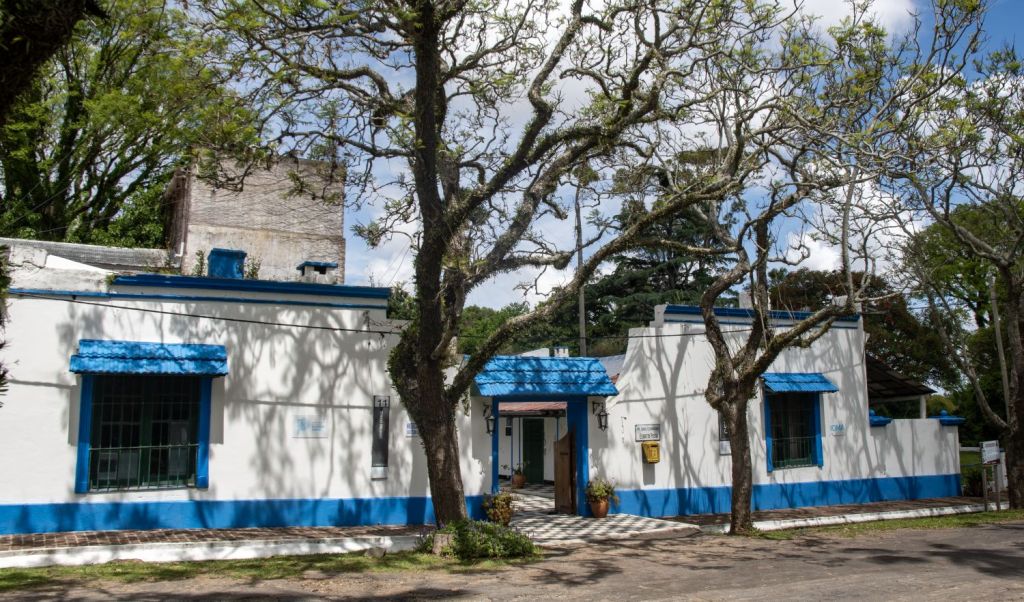
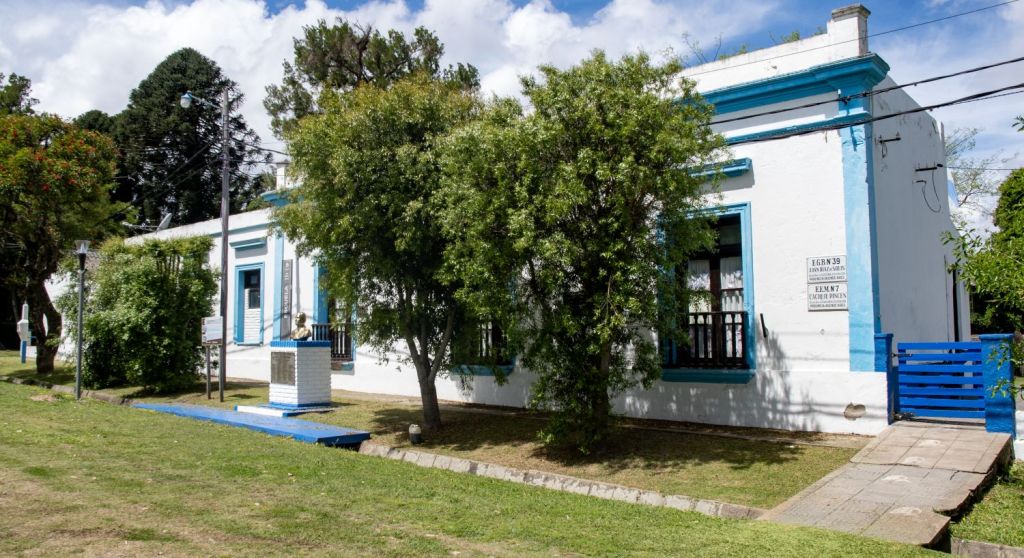
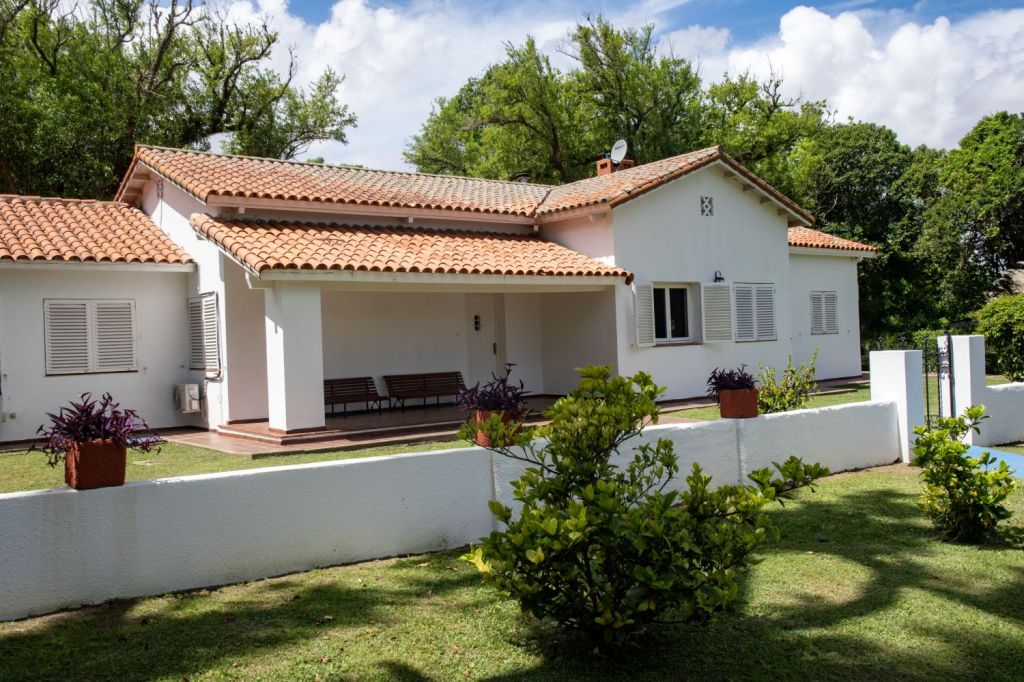
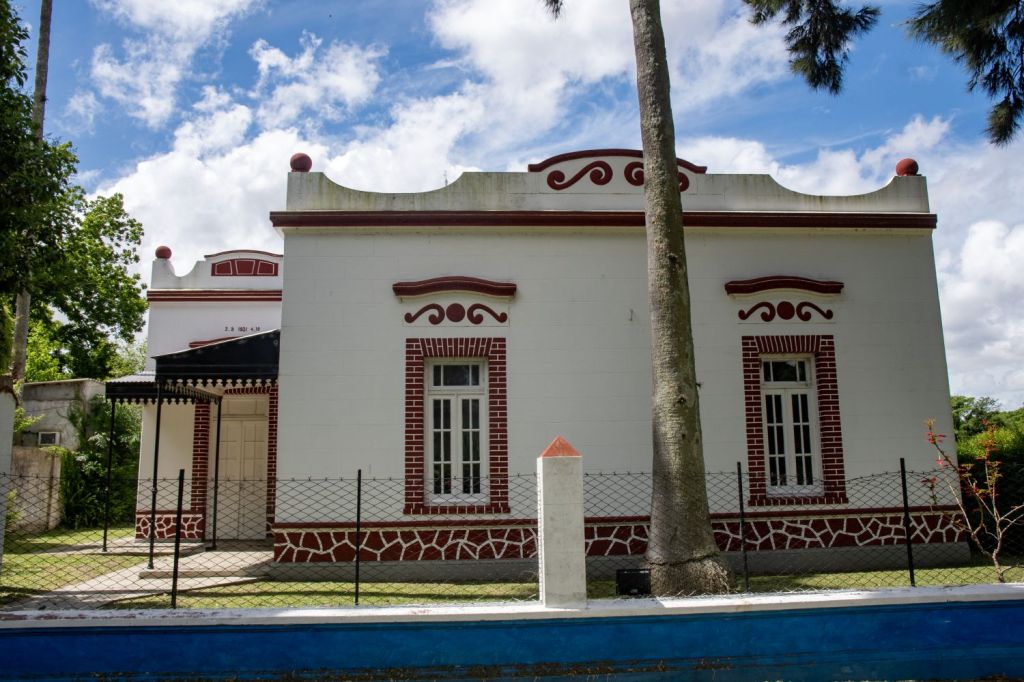
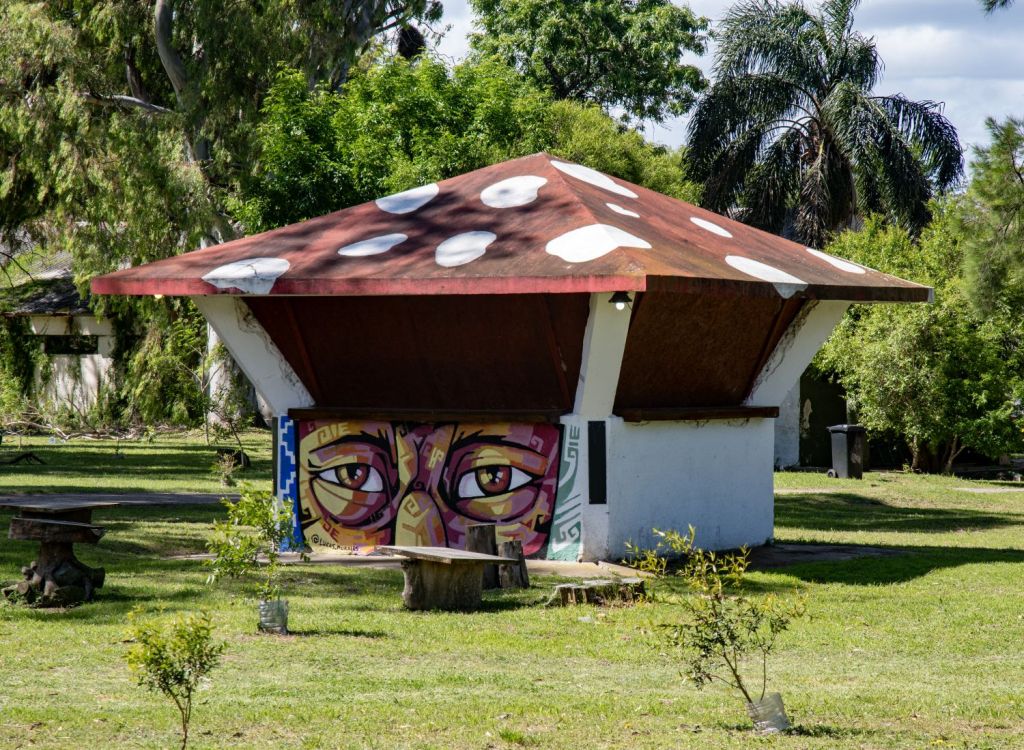
Monuments
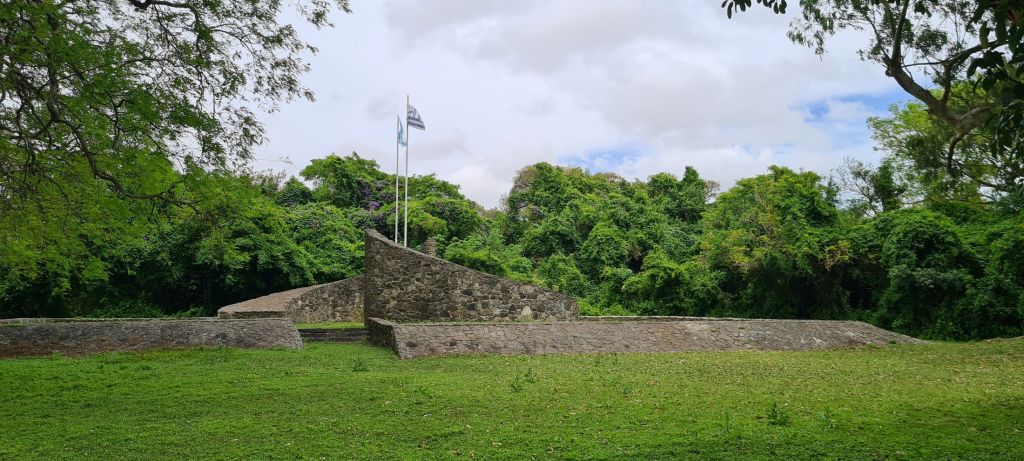
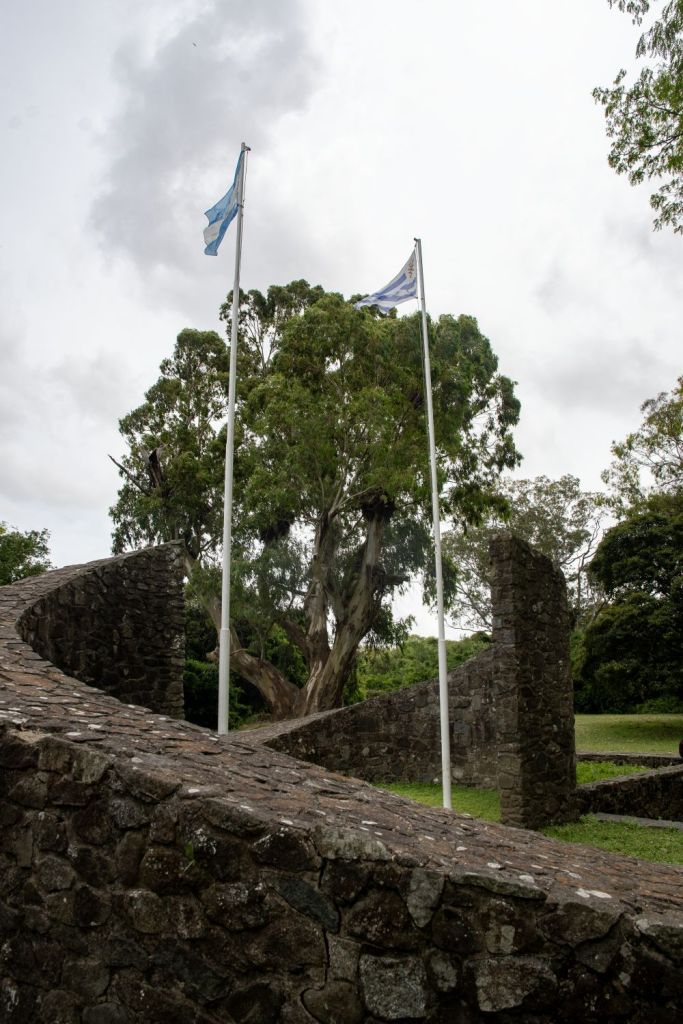
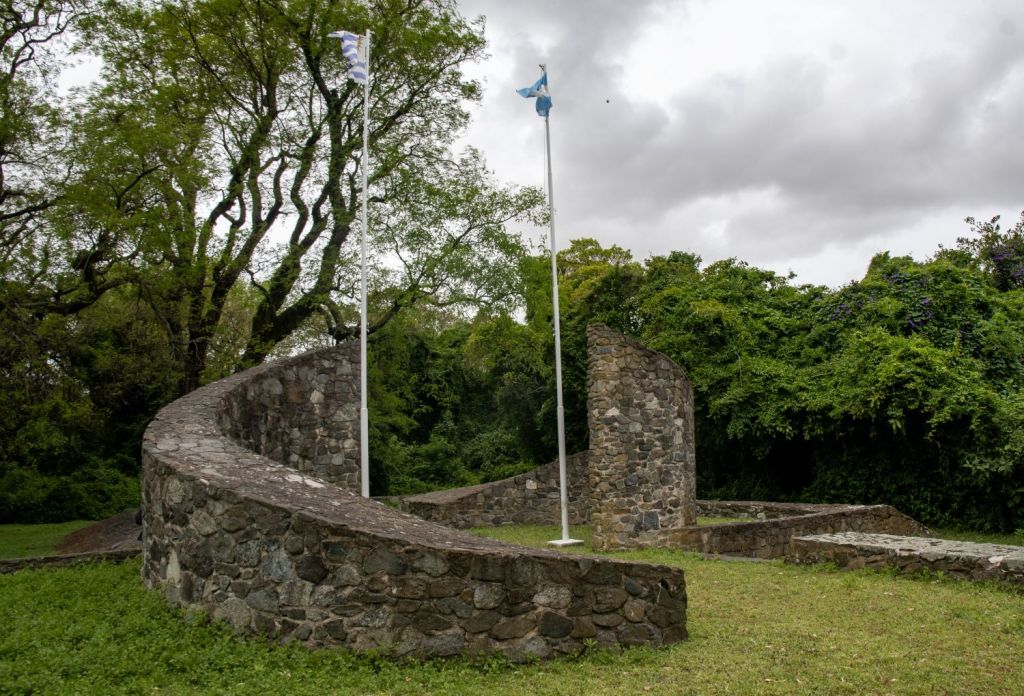
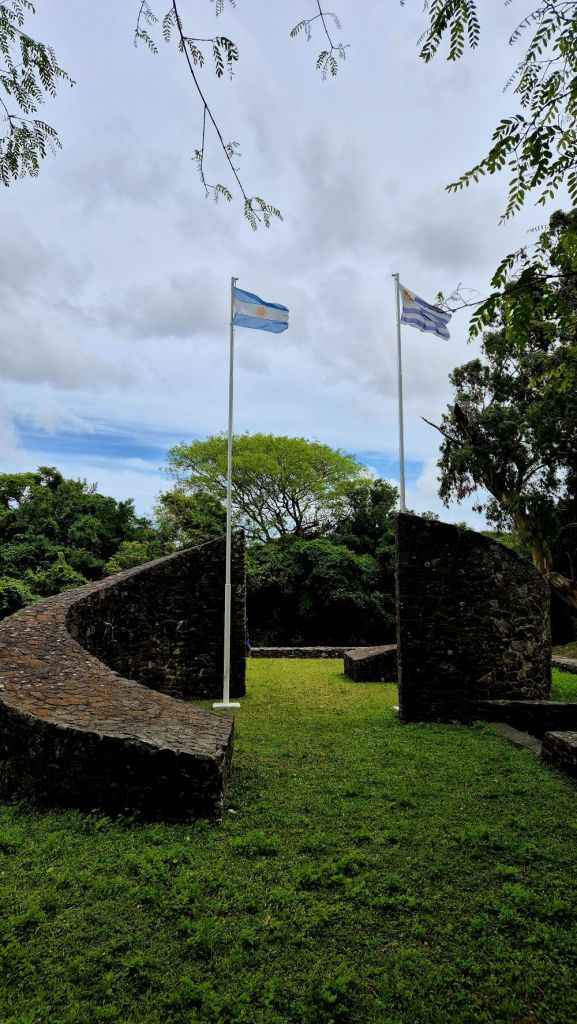
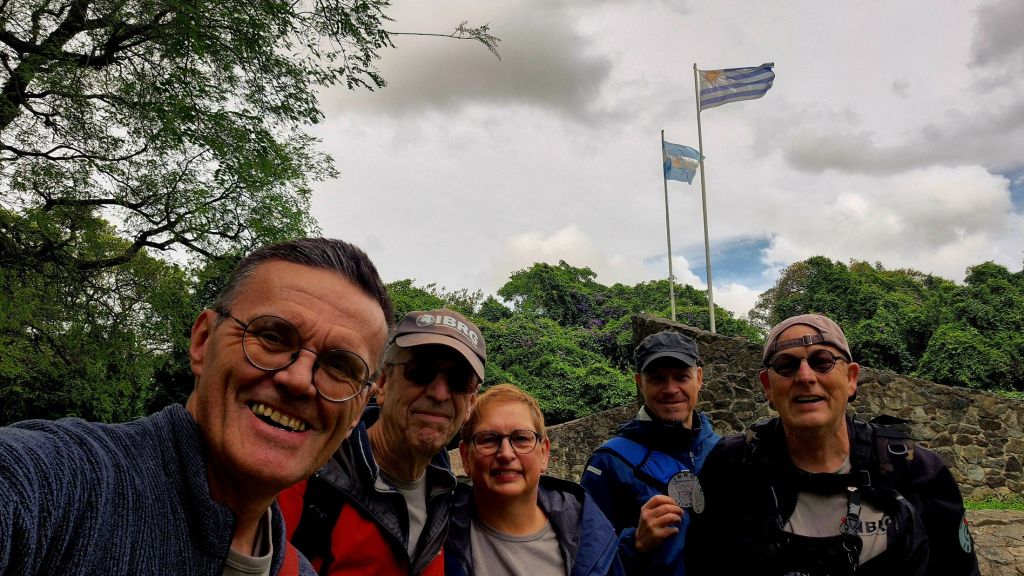
There are many monuments on the island reflecting the military and historical associations. Perhaps the most impressive was the 2 Flags monument (monumento a las dos banderas) which commemorates the border agreement between Argentina and Uruguay.
Click on the images to enlarge
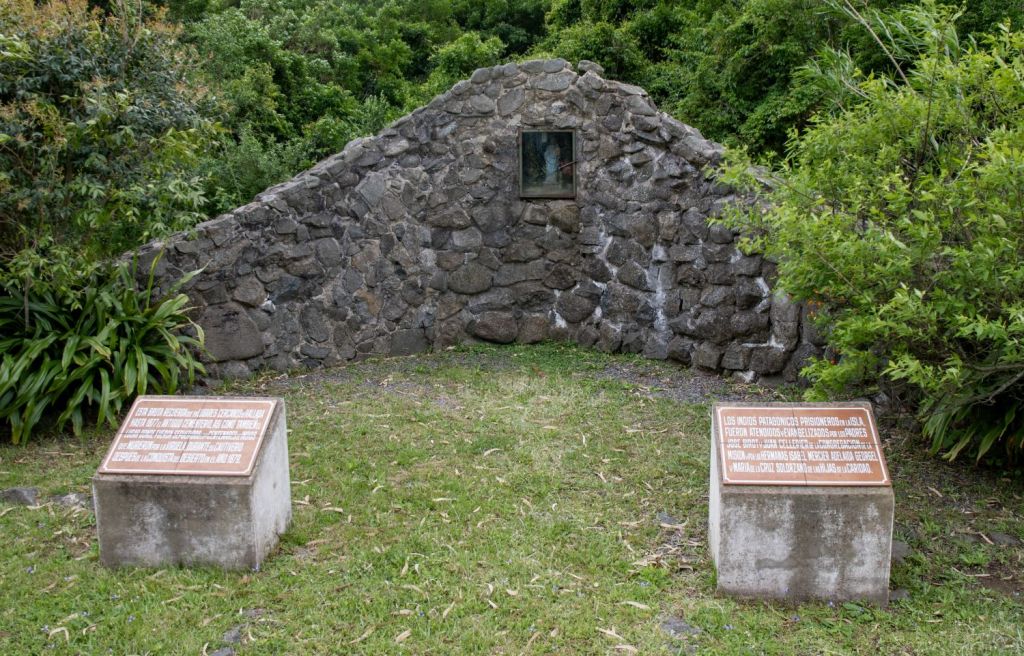
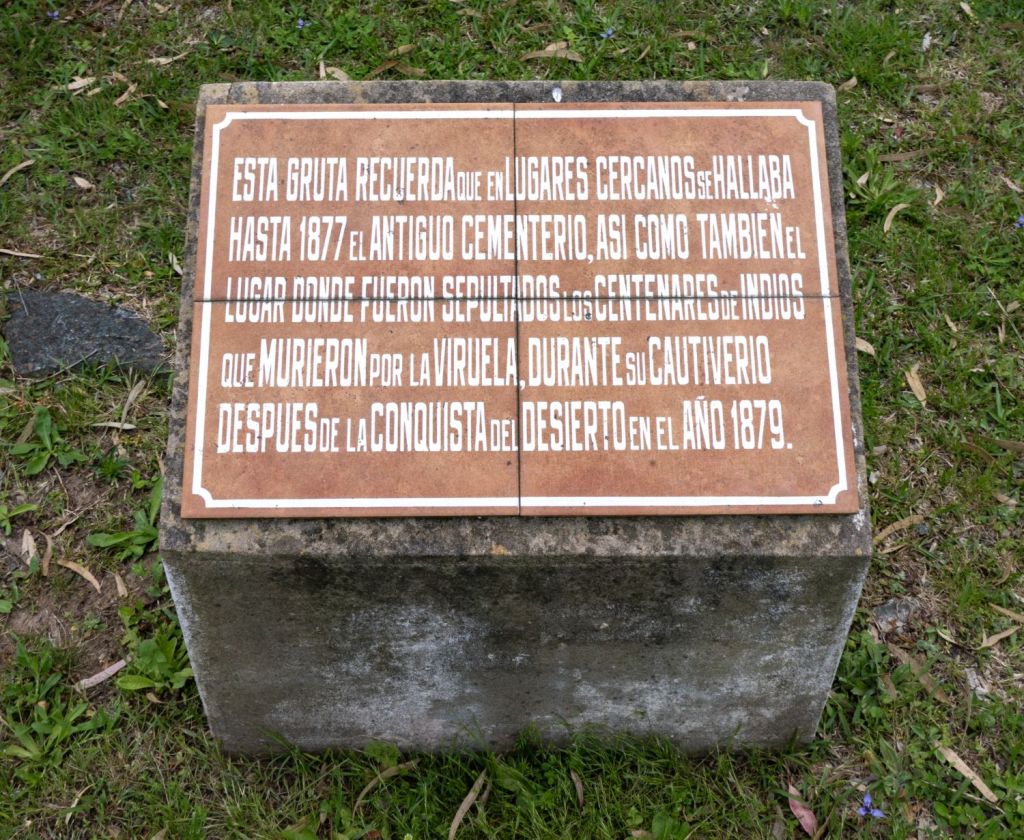
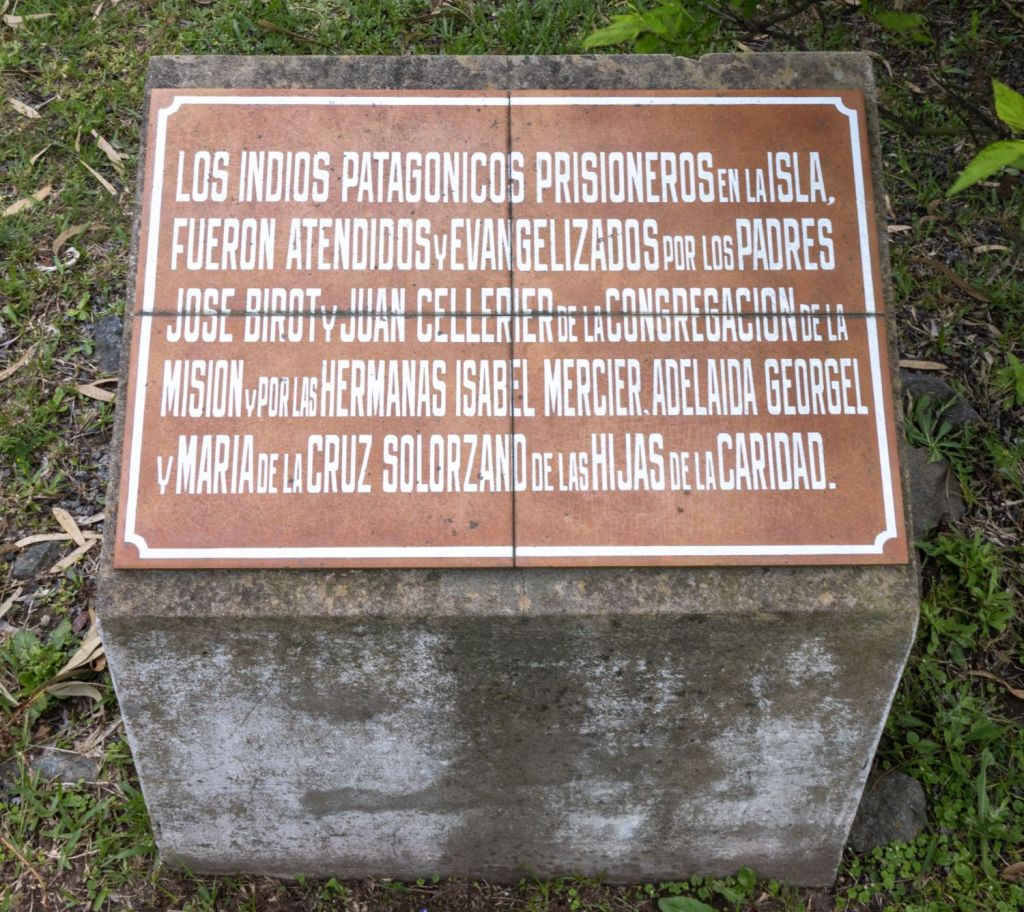
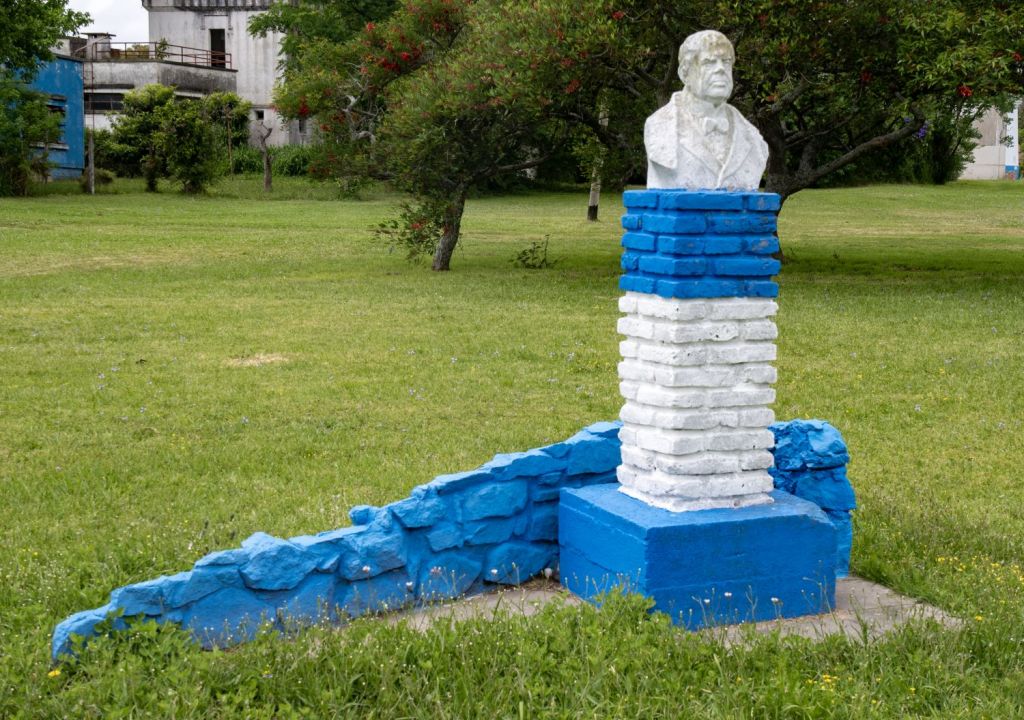
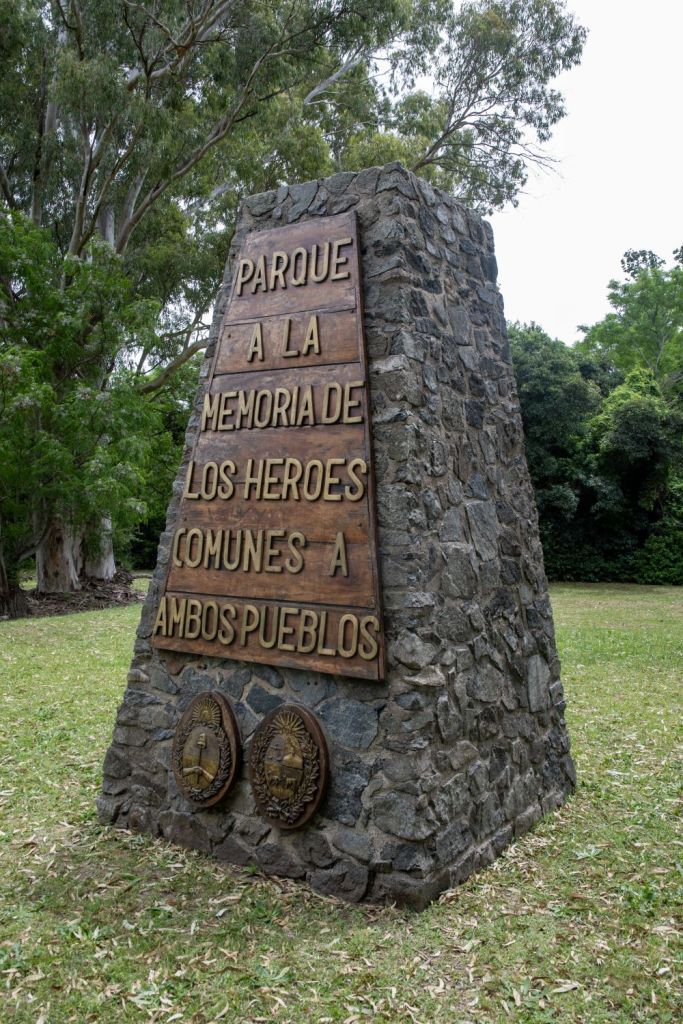
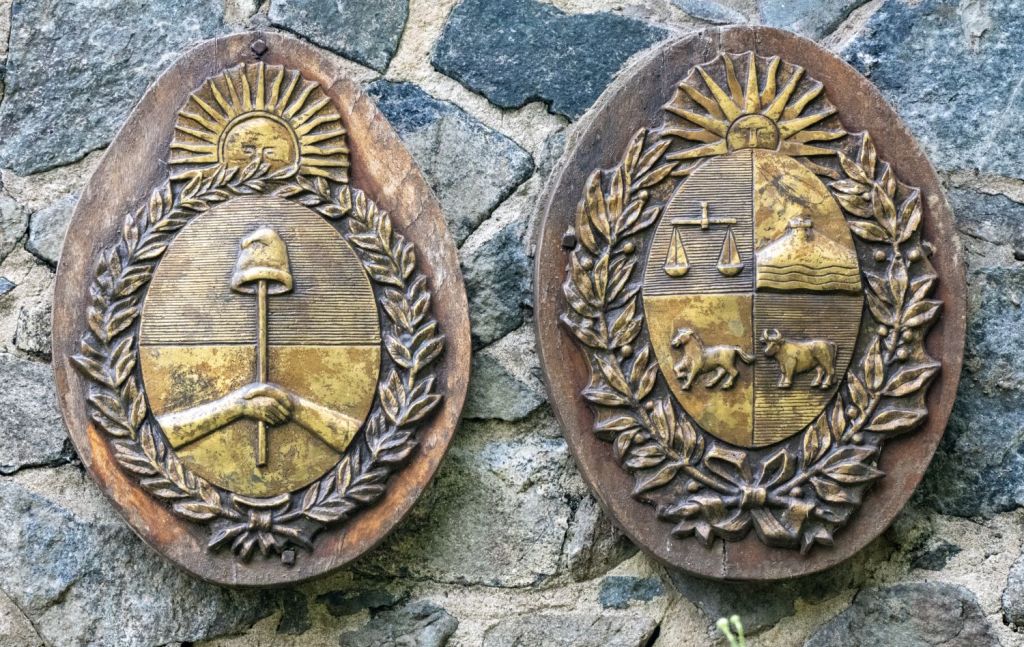
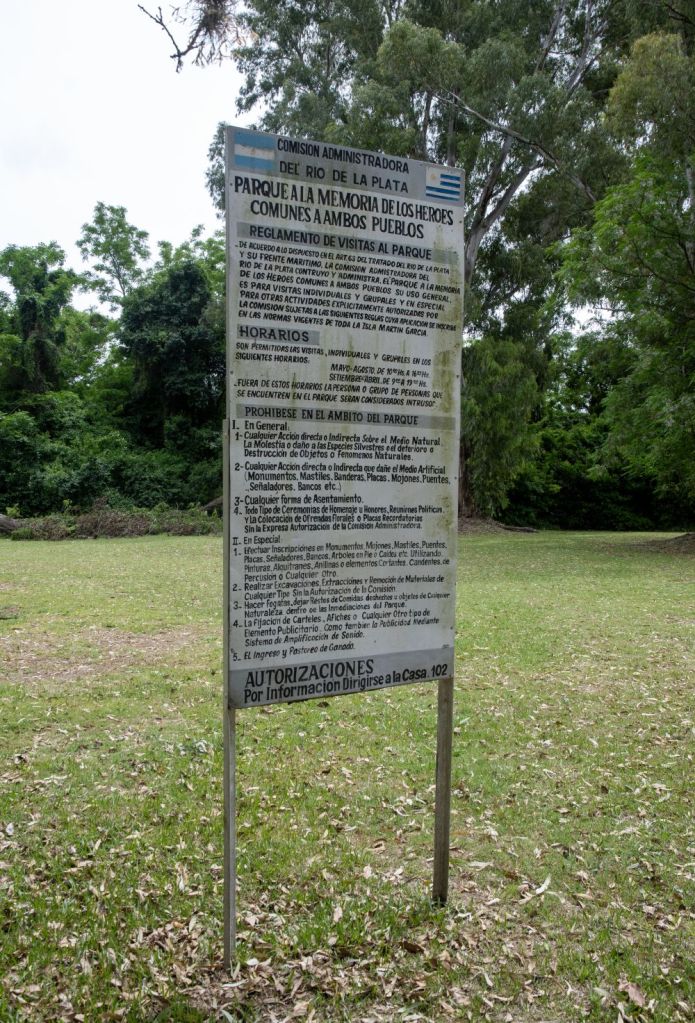
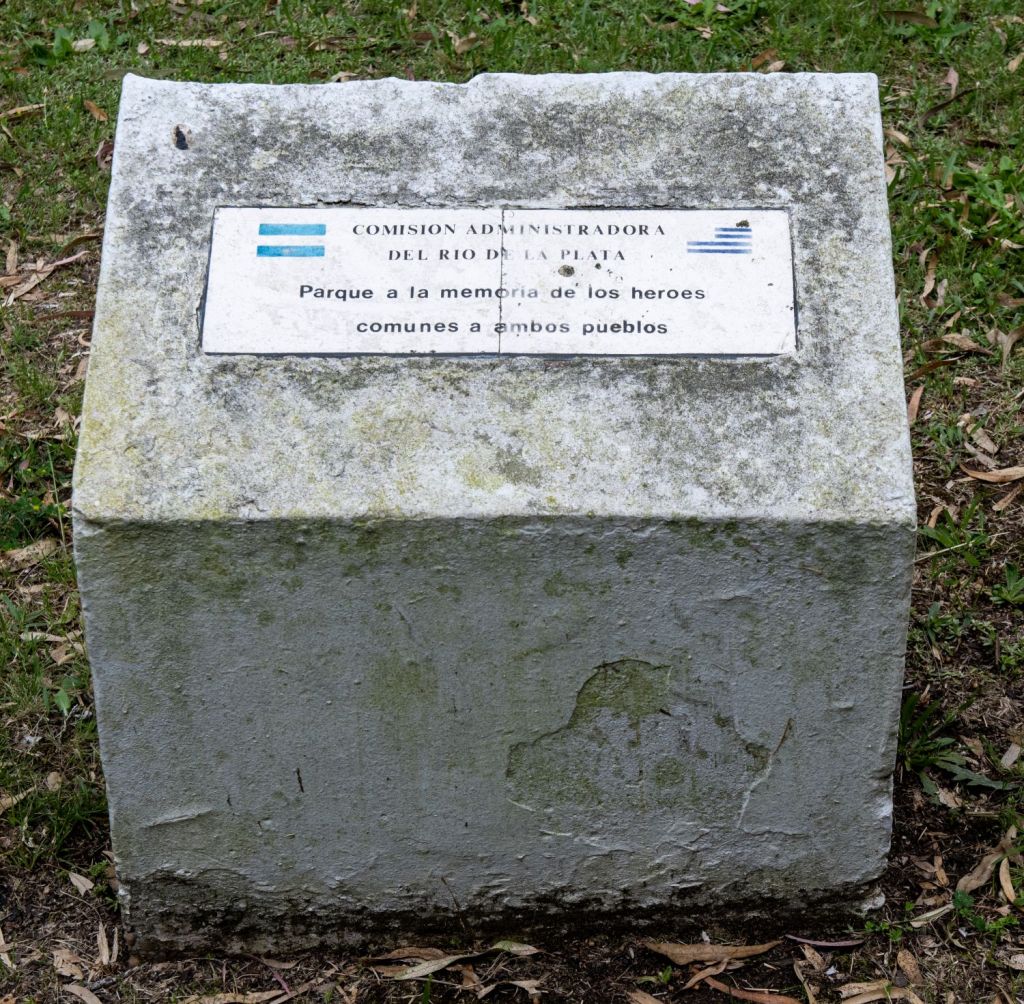
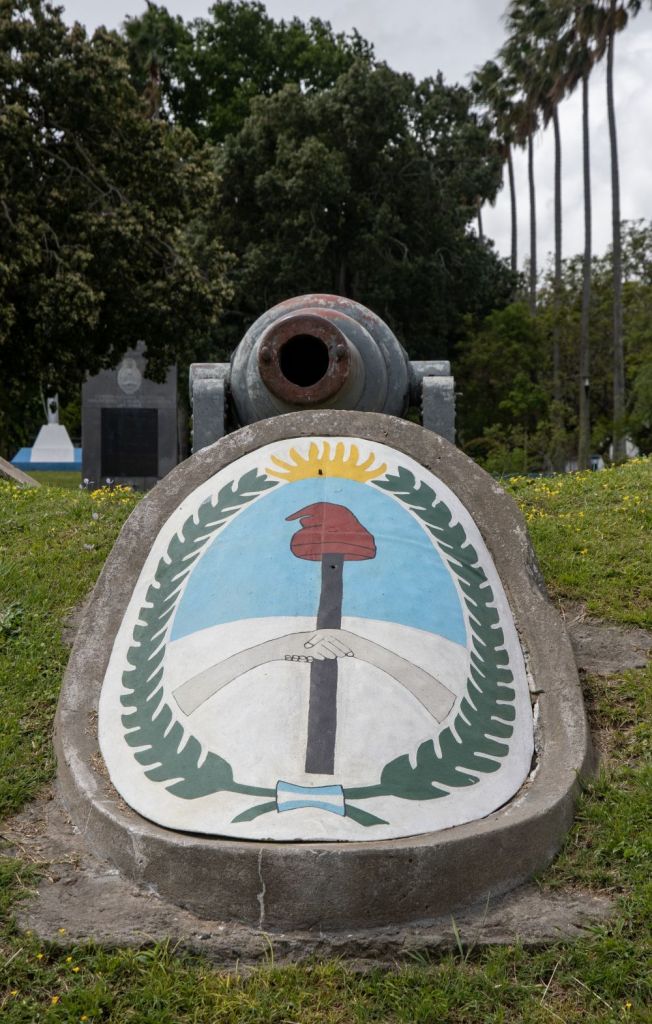
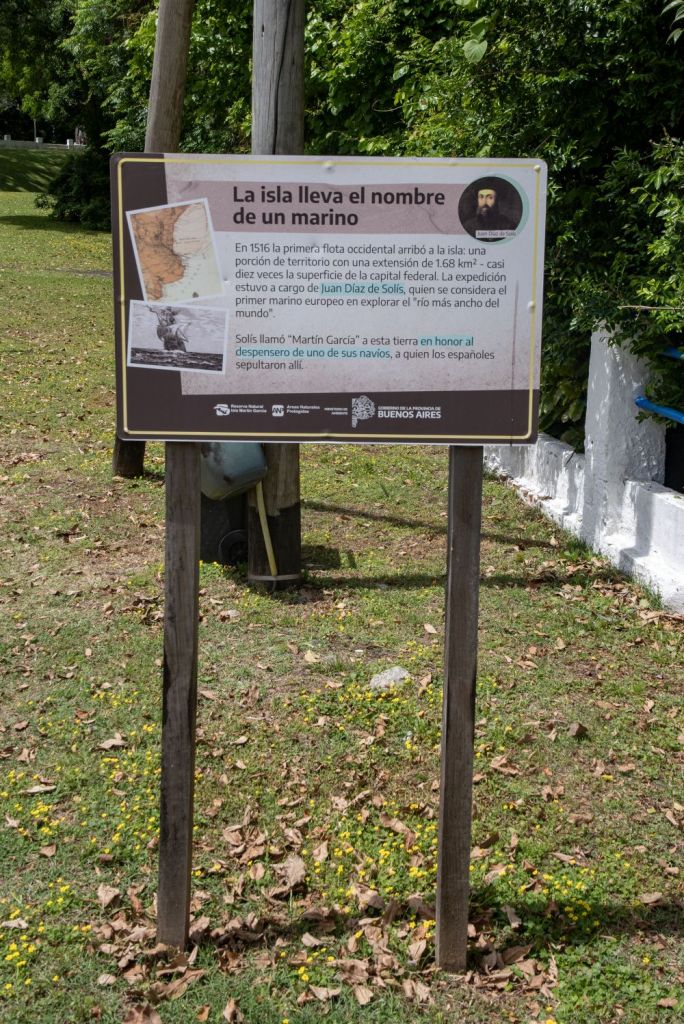
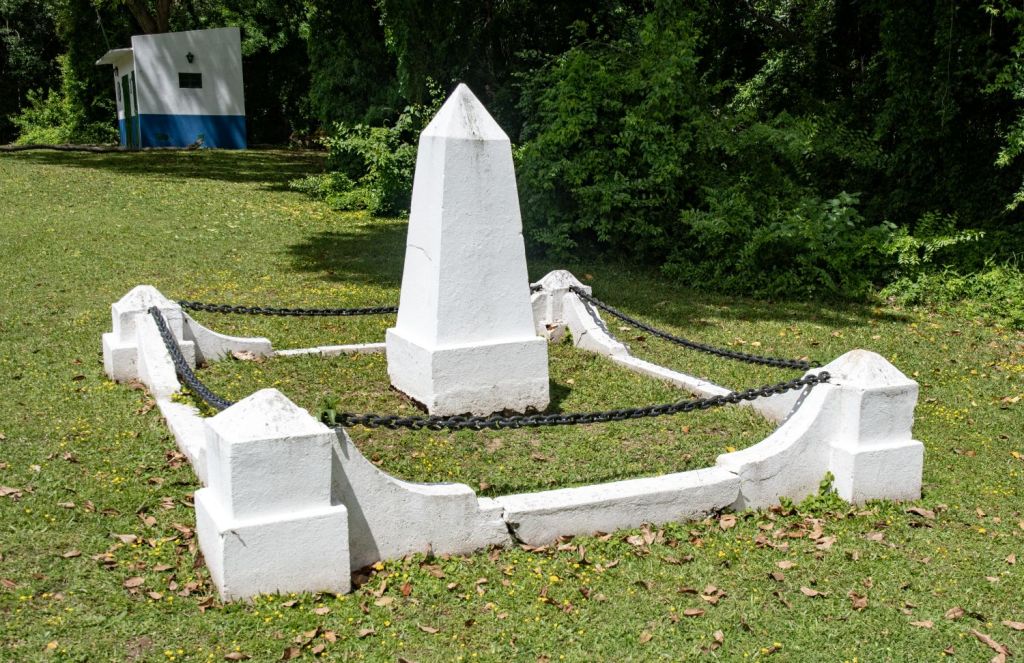
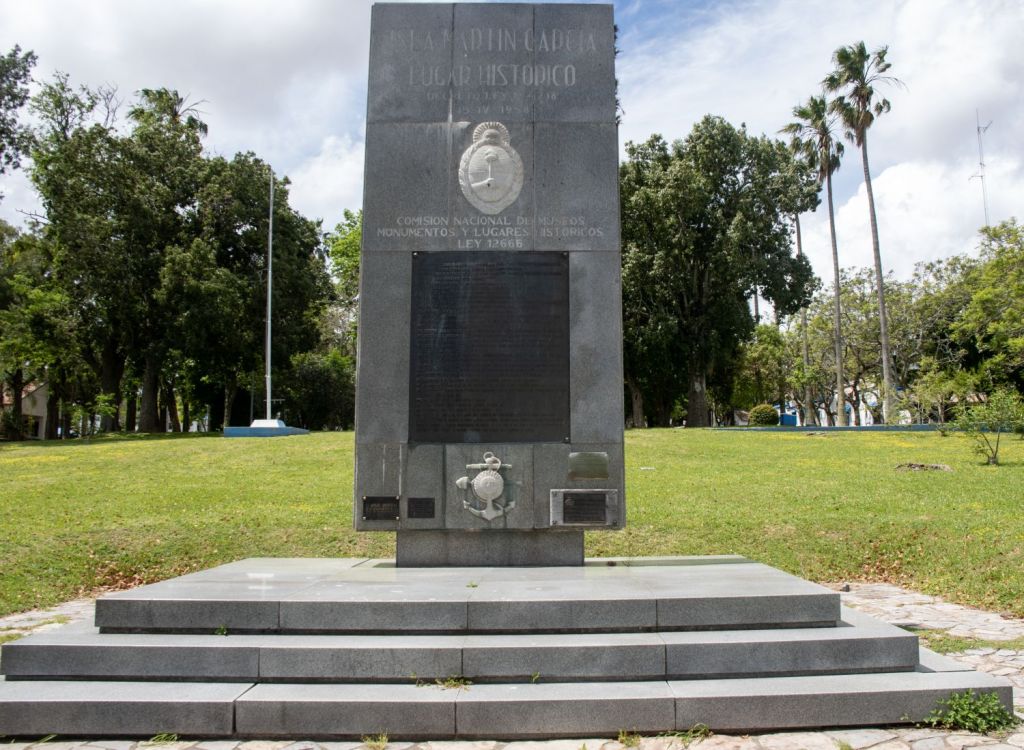
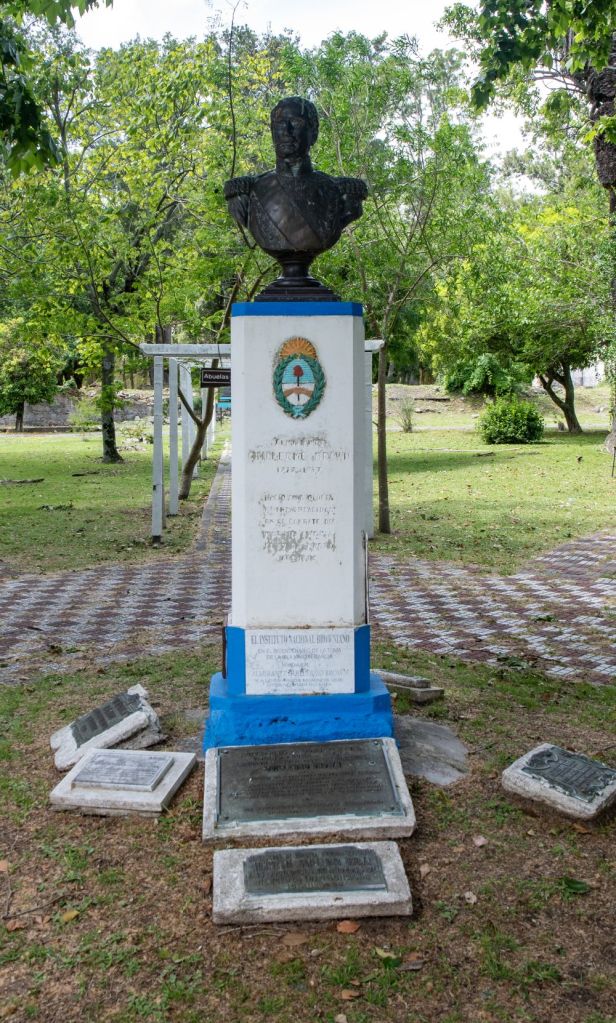
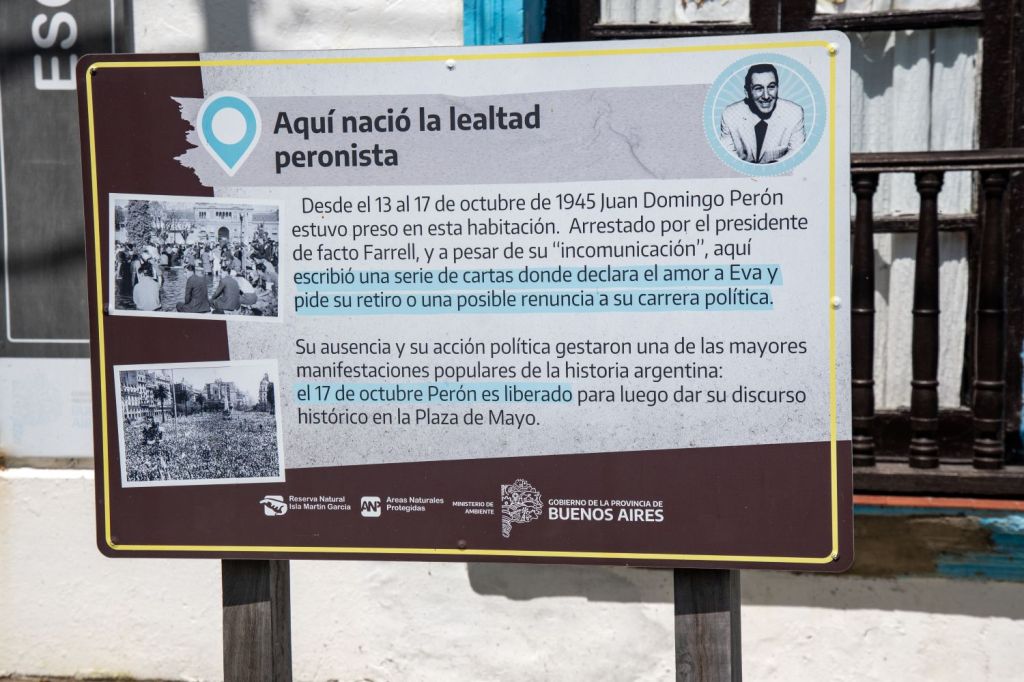
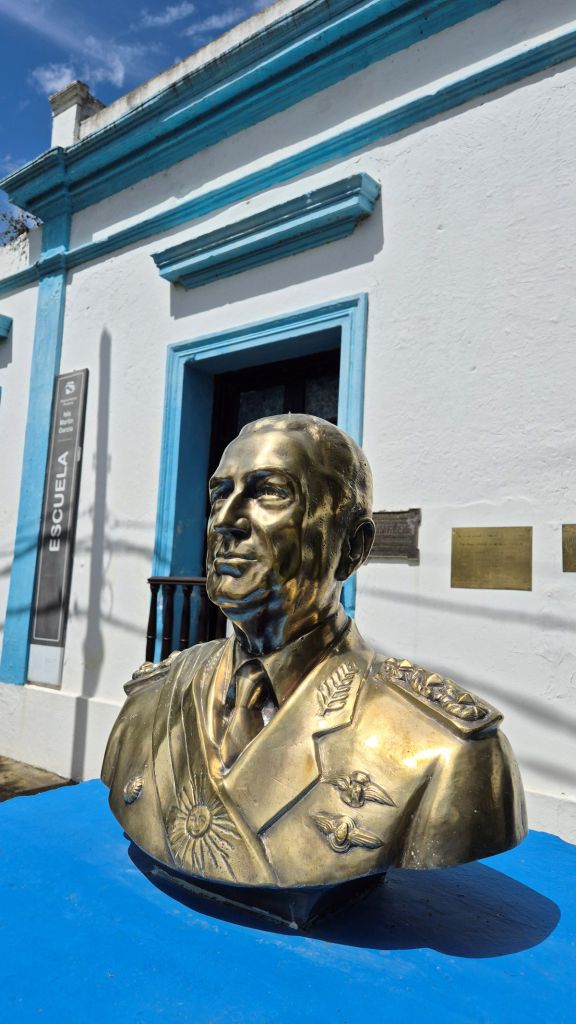
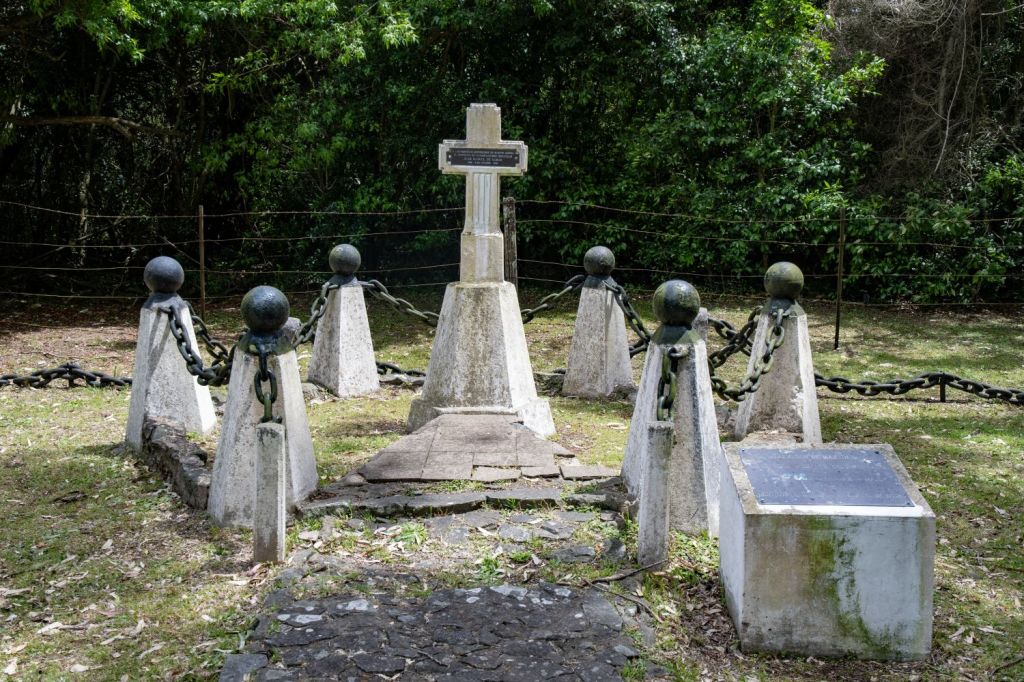
The 2 Flags Monument
Click on the images to enlarge
Flora and Fauna
About 150 species of butterflies inhabit the island (including the Argentine flag butterfly) and a wide variety of birds including eight species of hummingbirds, sparrowhawks, lapwings, herons, vultures, parrots, cardinals, pigeons, sparrows, finches, larks, pygmy owls (caburé), and great horned owls, among others. The island is also home to a variety of reptiles, lizards, geckos, turtles, frogs, coypu (or pseudonutrias), capybaras, alligators, red deer that turn the island into a paradise for birdwatchers and photography lovers. The photos below hopefully capture some of the wonder of the island.
Click on the images to enlarge
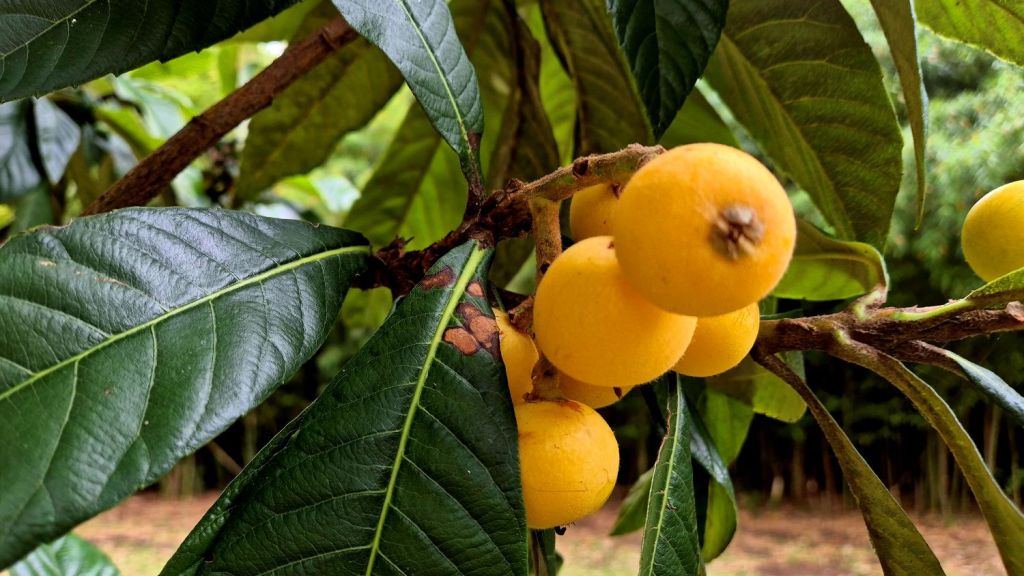
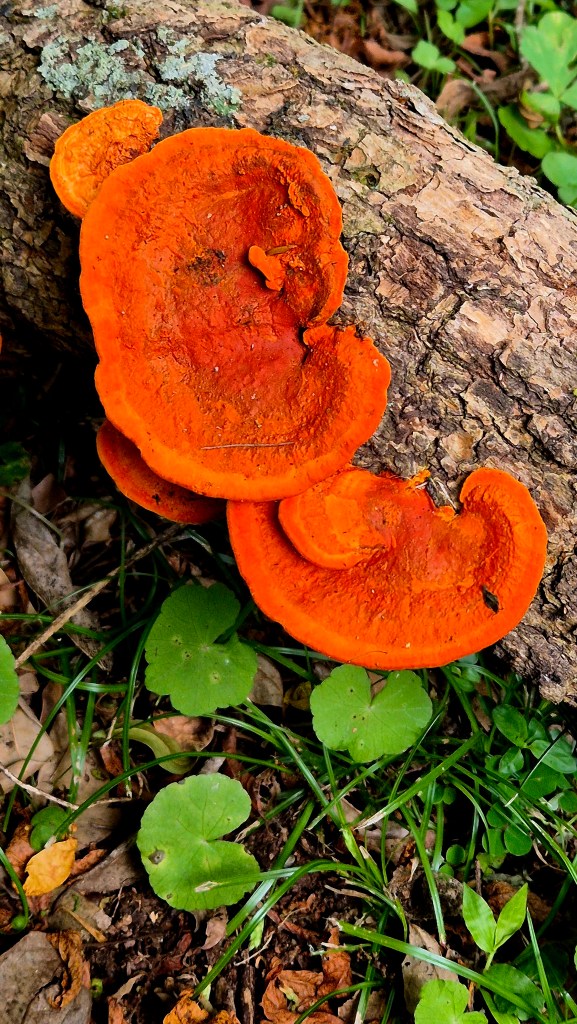
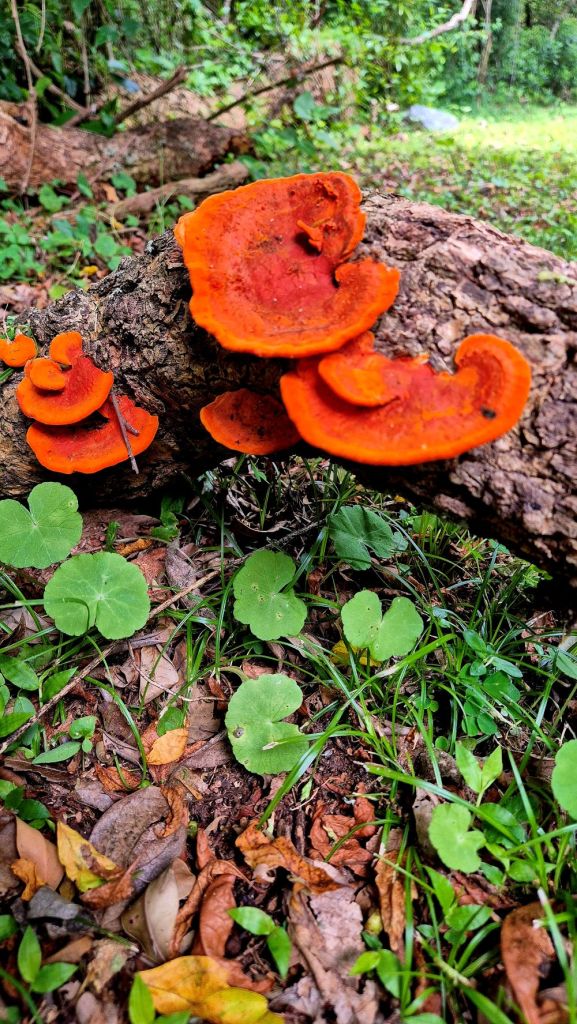
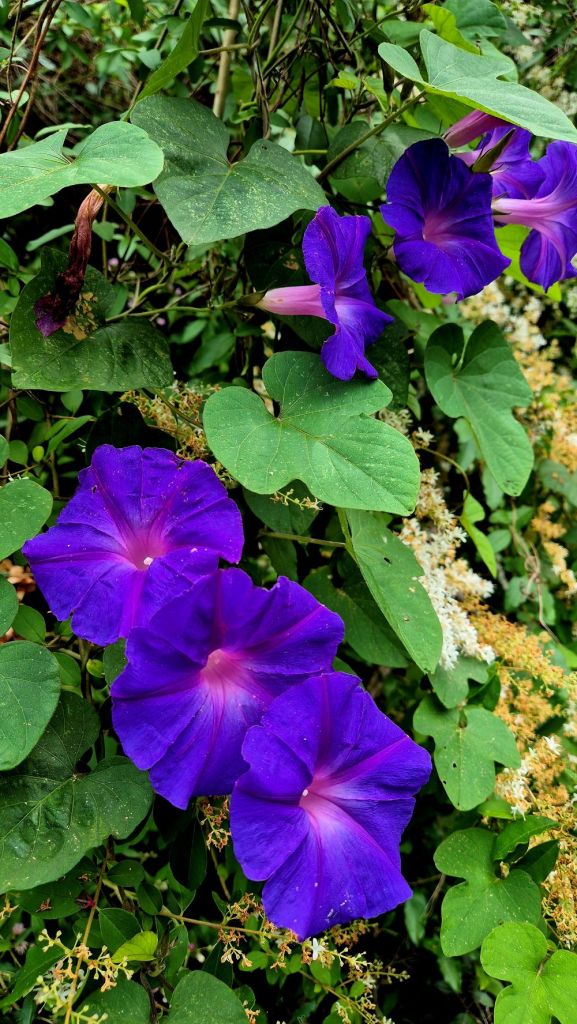
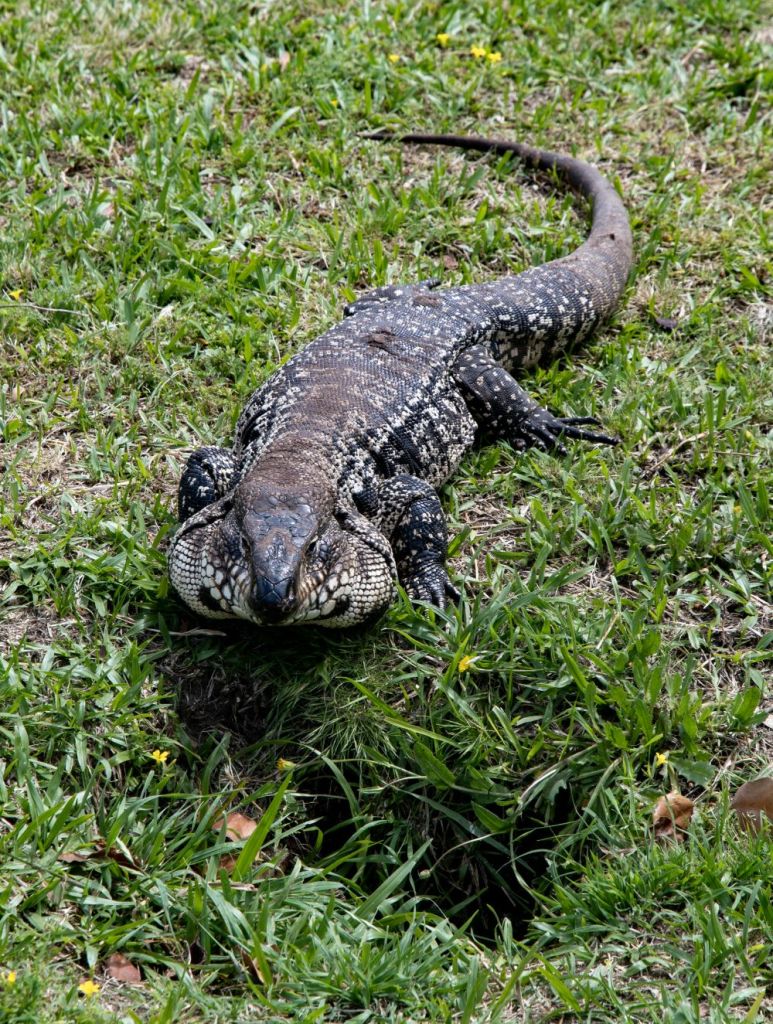
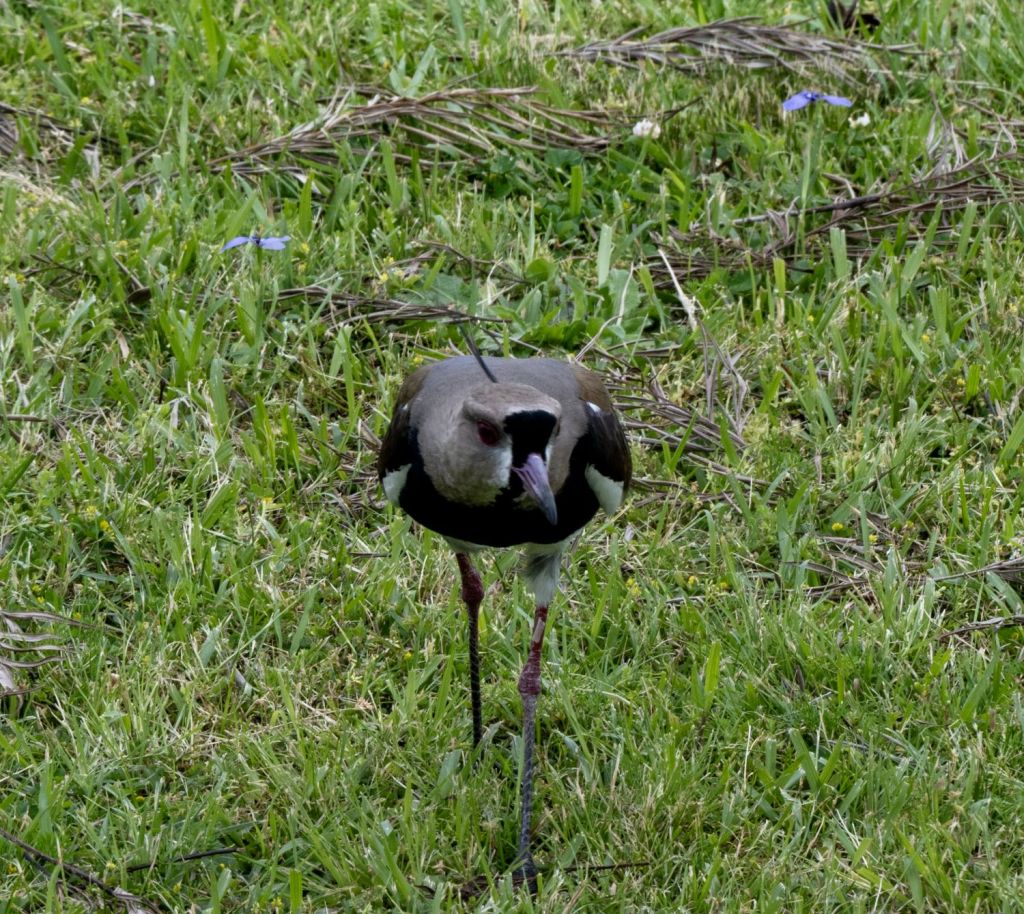
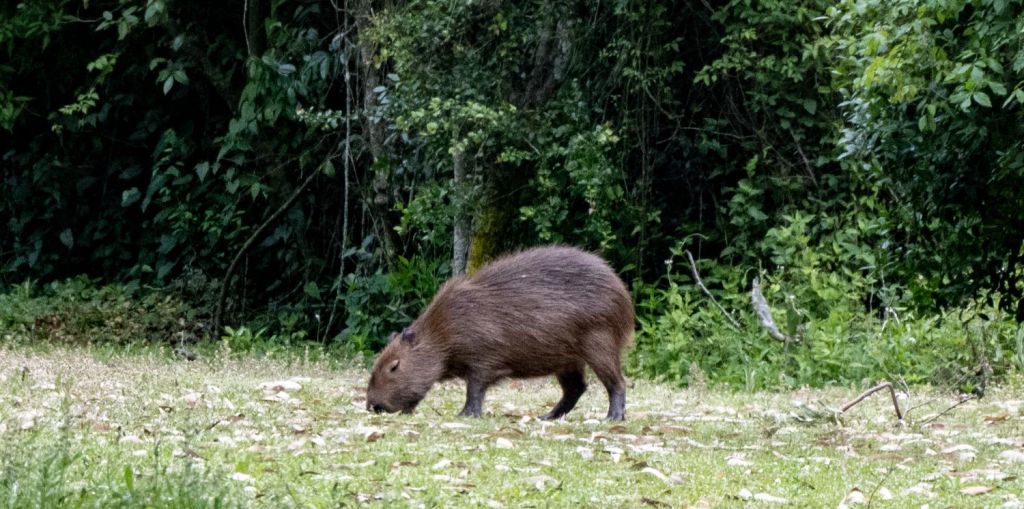
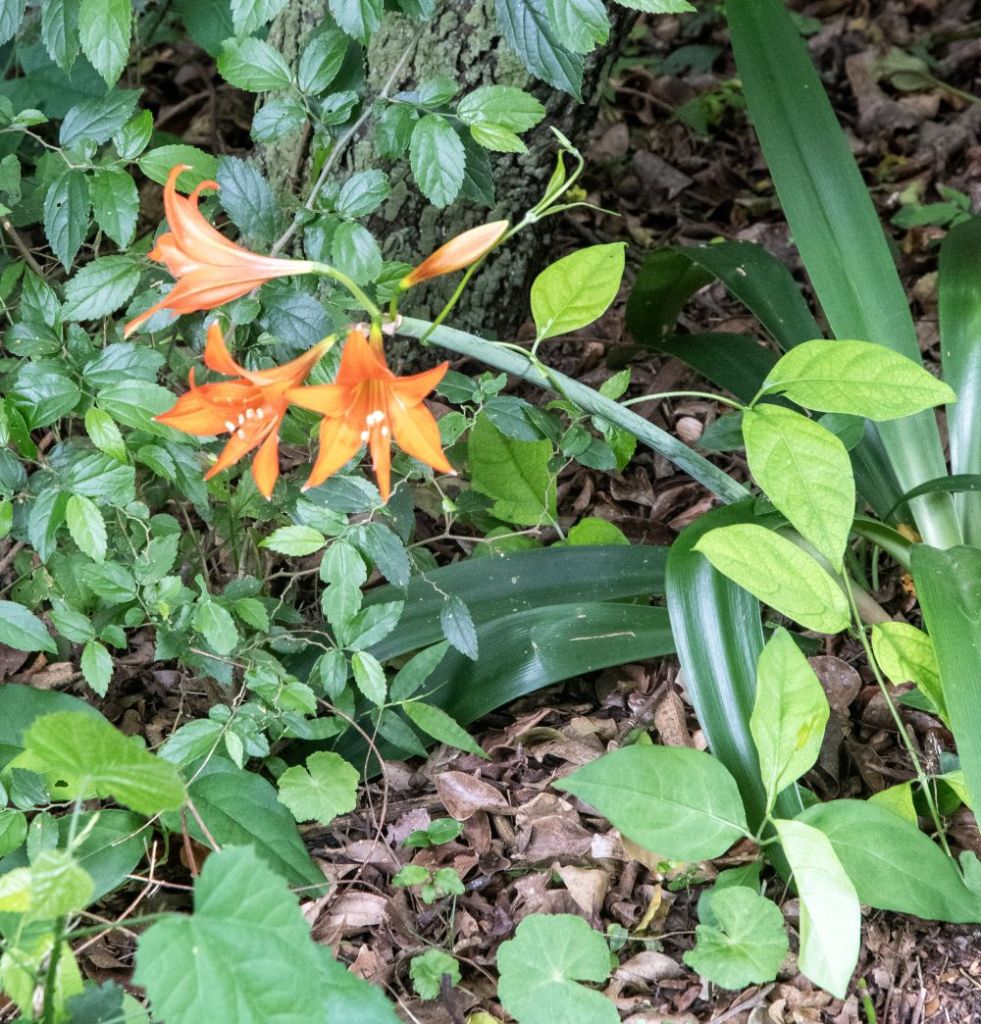
Chinatown and the Border
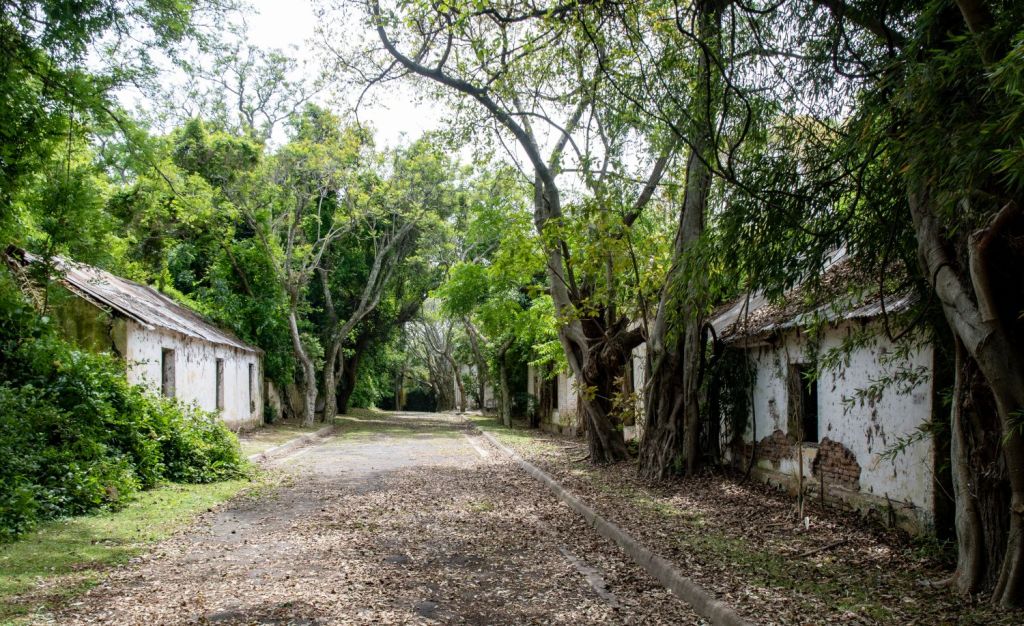
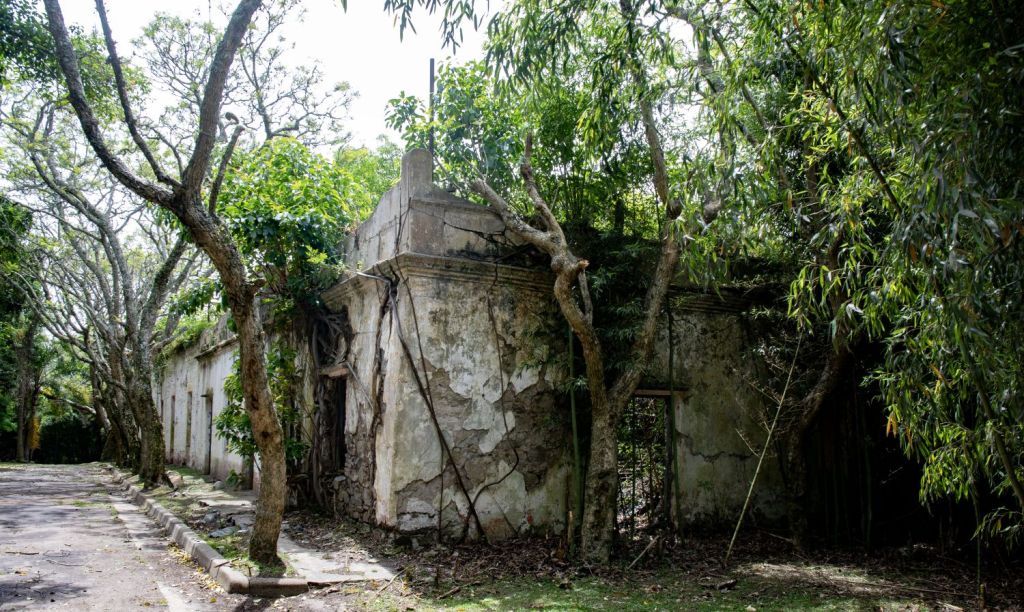
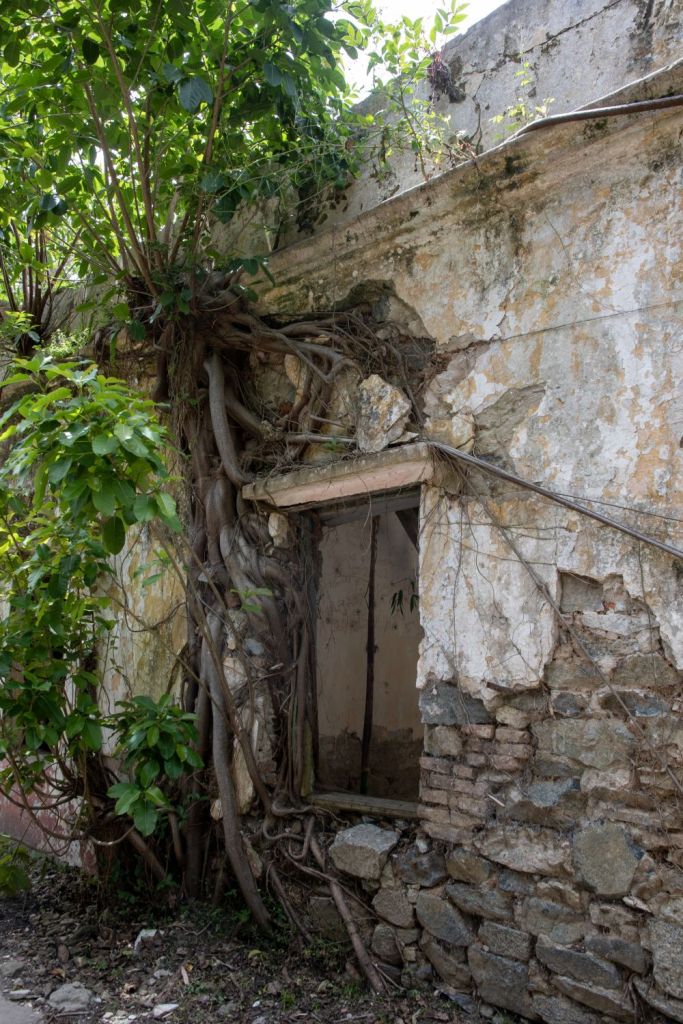
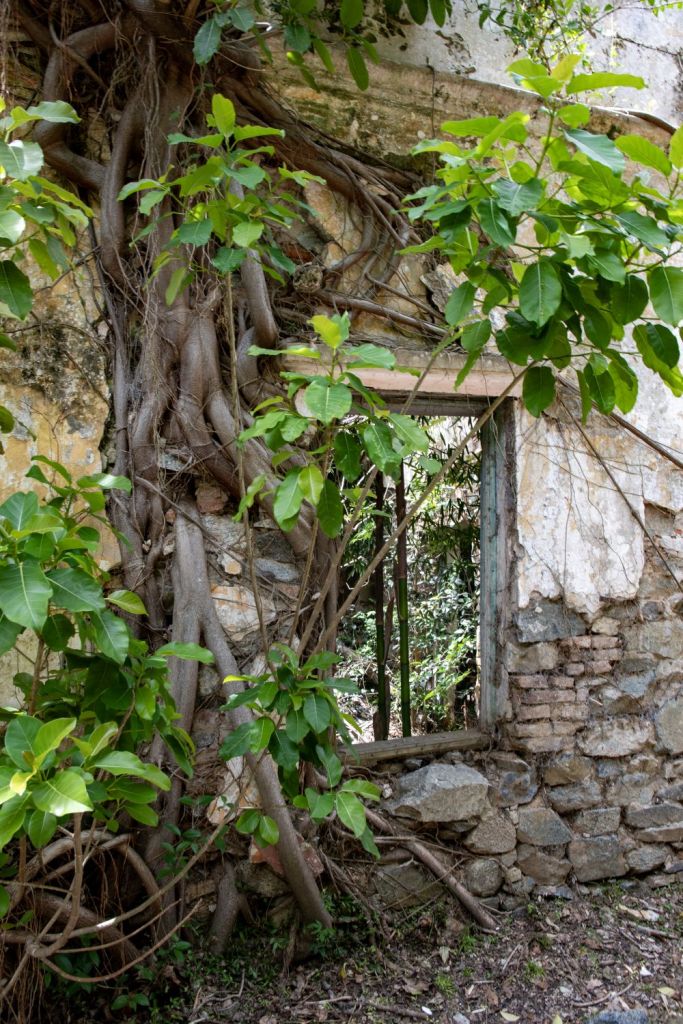
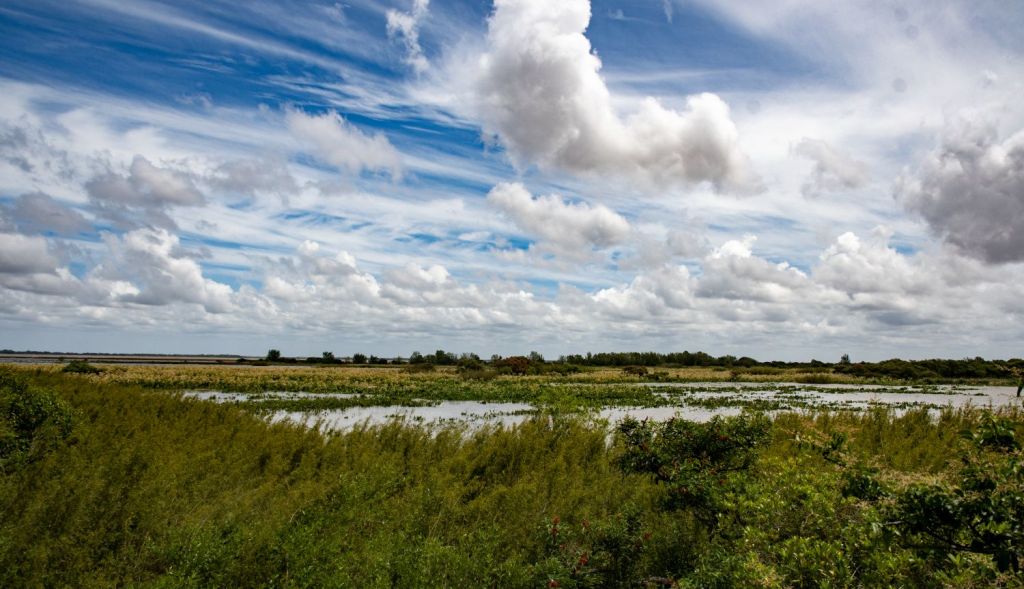
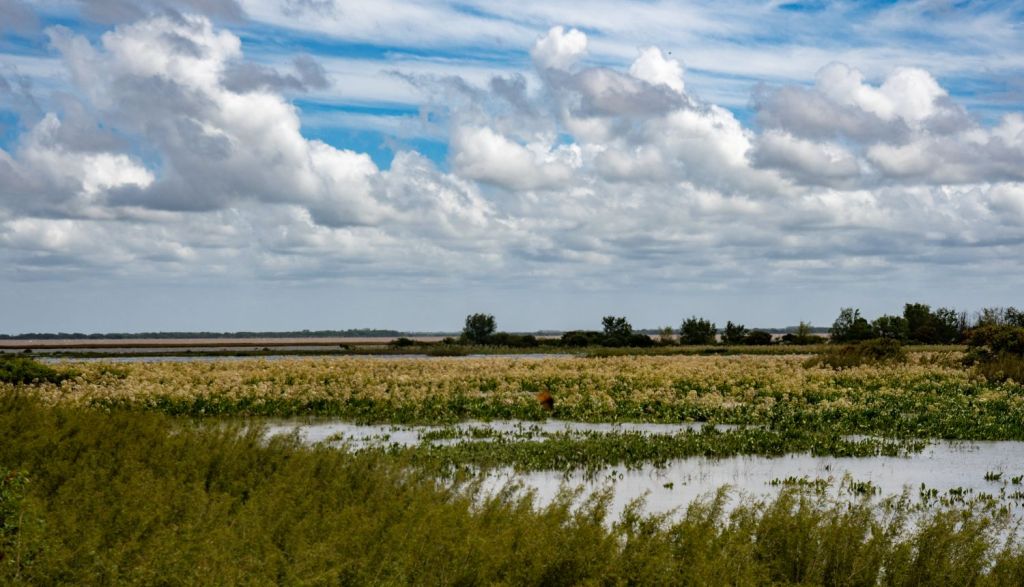
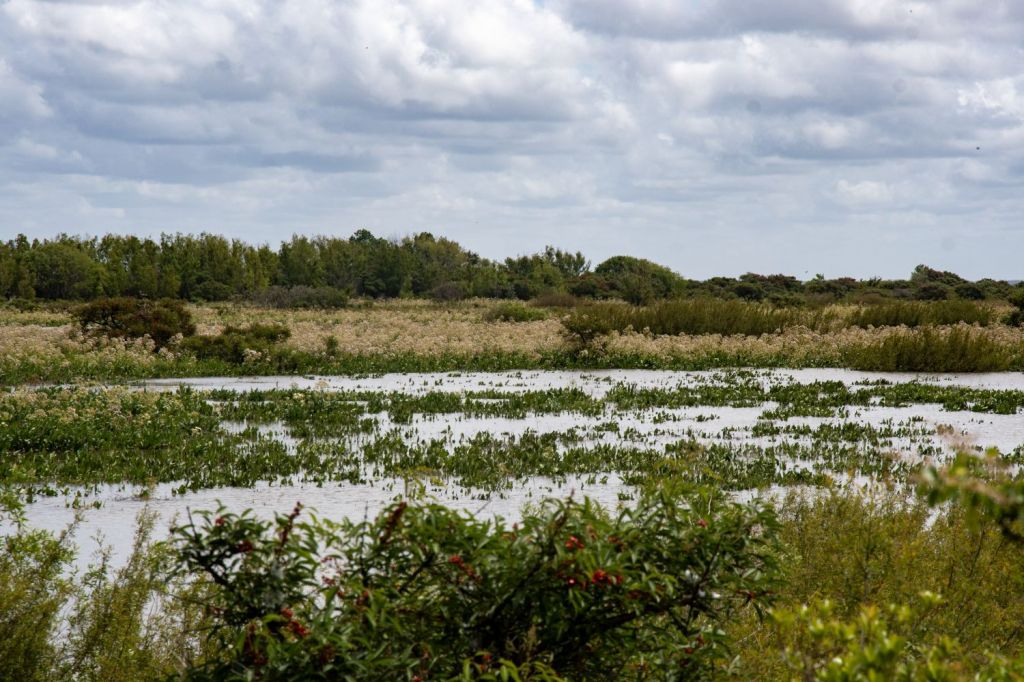
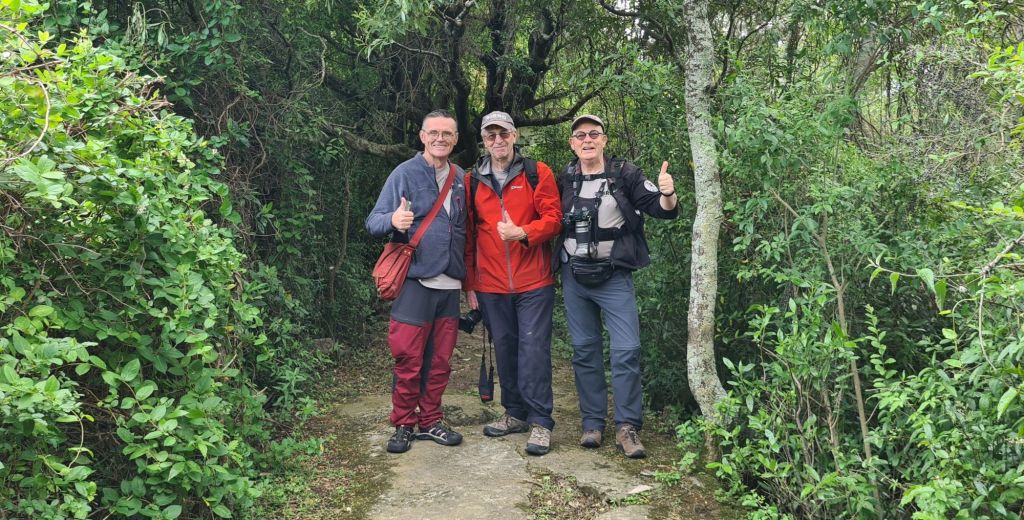
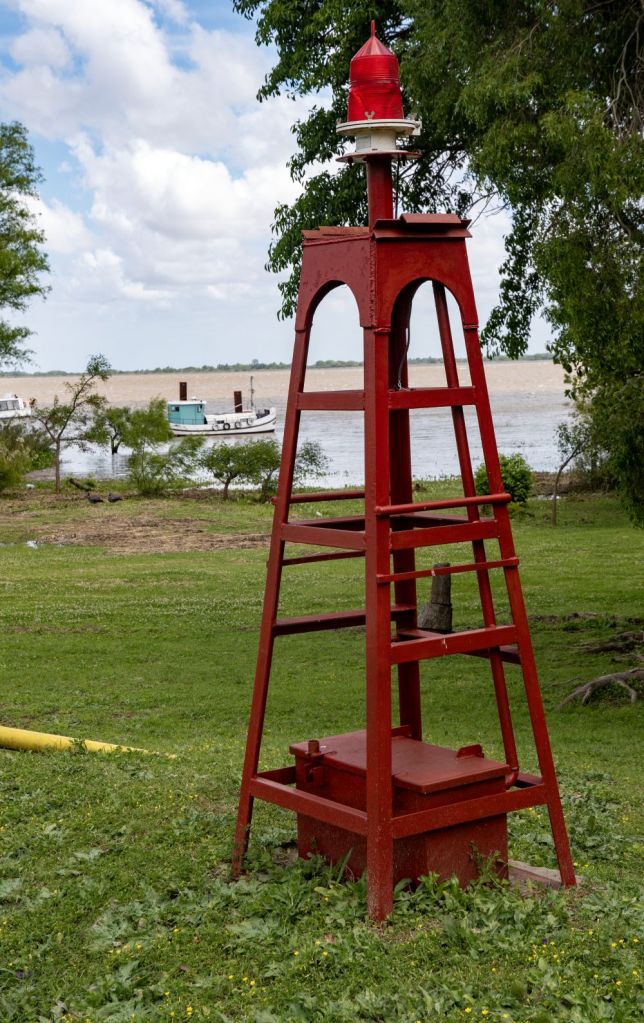
The “Chinatown” (Barrio Chino) on Isla Martín García is a historic, abandoned area near the old port, characterized by dense bamboo groves and rustic houses. Once serving as the island’s first port, it is now a derelict tourist stop on the island’s guided tours, featuring dark wooden structures often called chinitas. It was a bustling area in the past when the island had a population of 5,000, it is located near the area where the island connects with the Uruguayan island Timoteo Domínguez, the only dry border between the two countries. We followed a narrow path north and found an old lookout tower. The path ends shortly after the tower and probably was part of an old quay. The tower provided a viewpoint to look into Timoteo Domínguez Island which over time due to sediment accumulation joined the Argentine-owned Martín García creating the unique physical land border.
This border between the 2 countries and is clear to see on the ground, with the low lying swampy areas being Uruguayan. Our digital maps had the border incorrectly before (south) of the tower.
Click on the images to enlarge
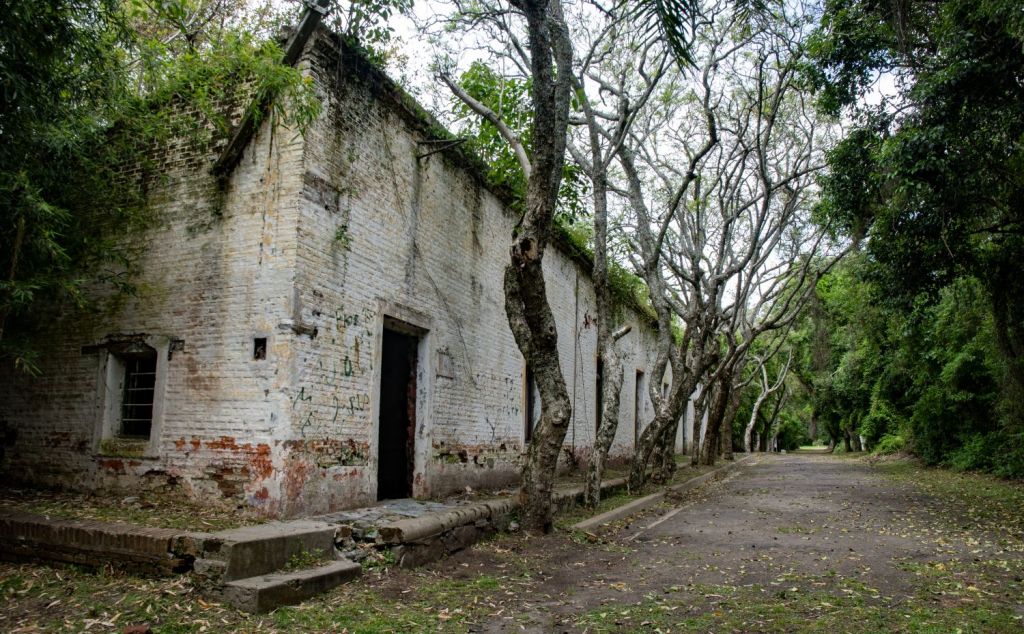
The Tower, border and views into Uruguay.
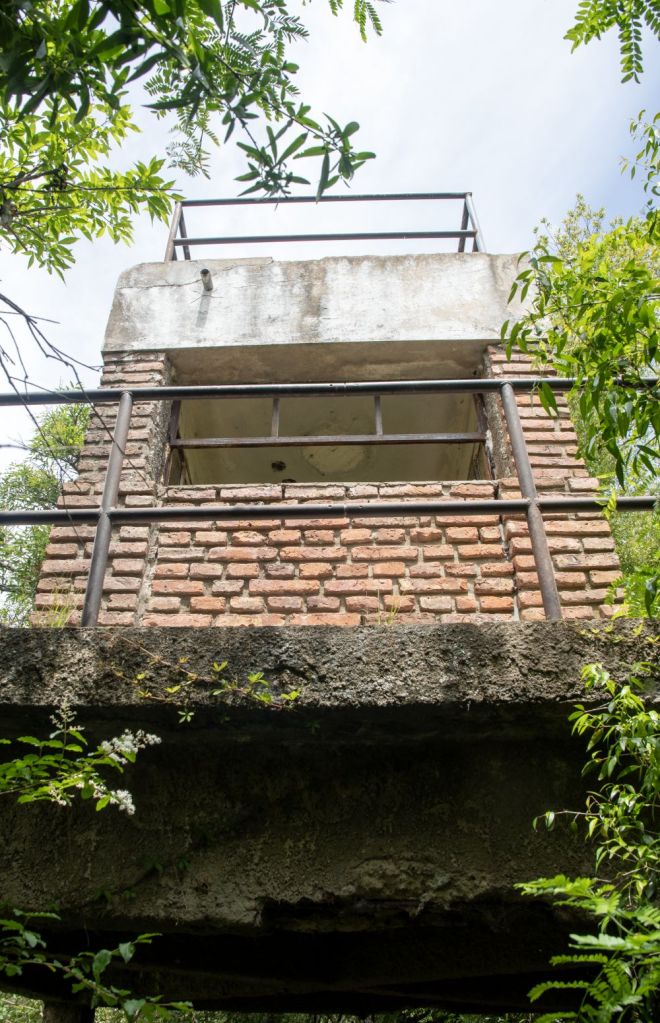
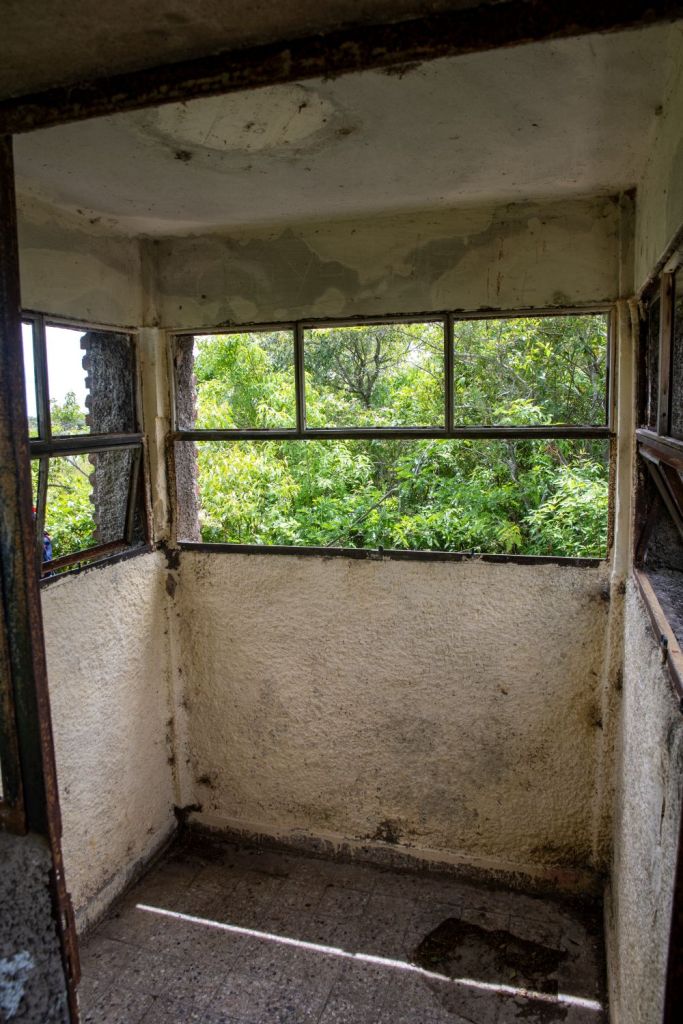
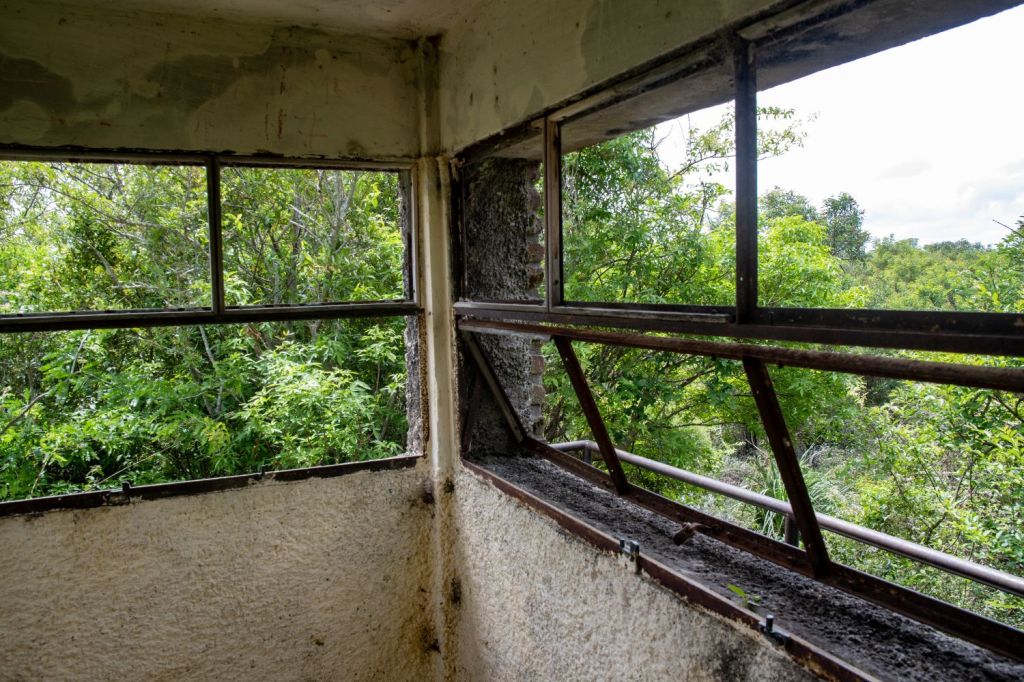
The Pier and Argentinian Navy
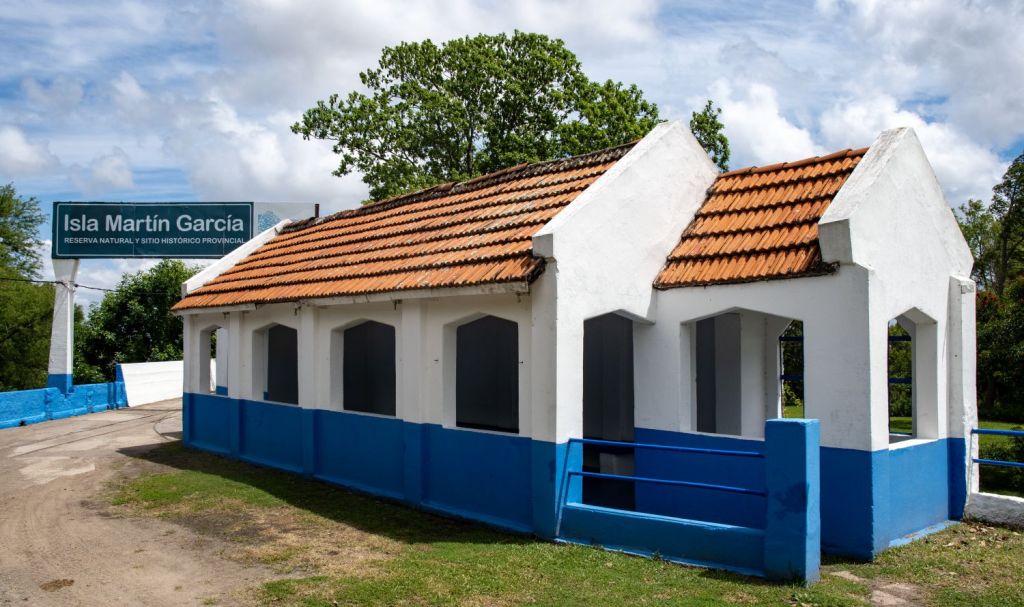
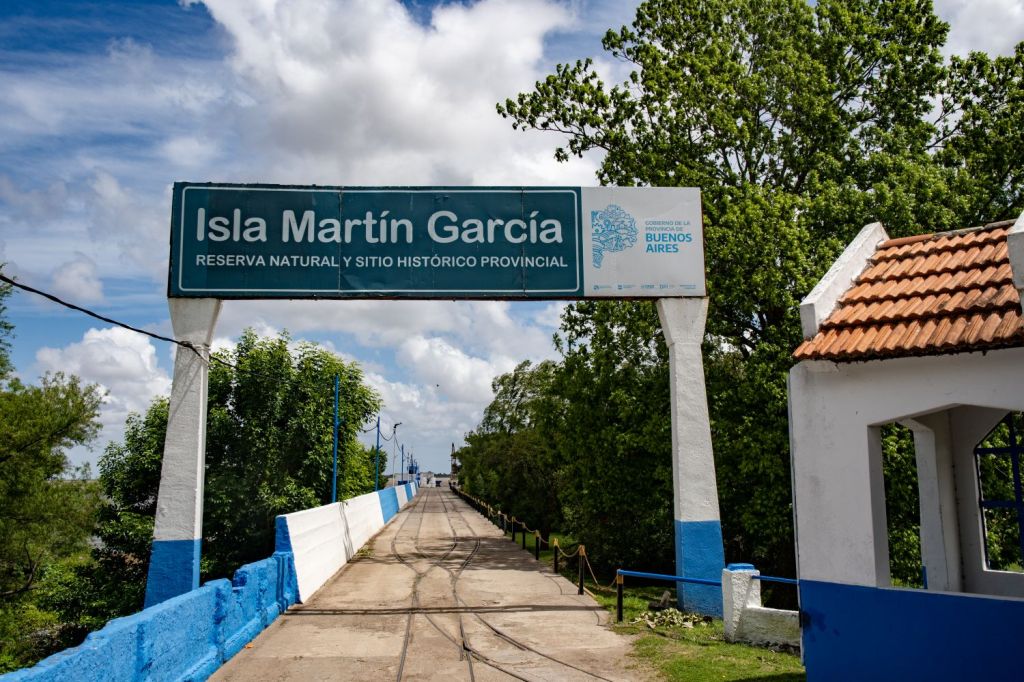
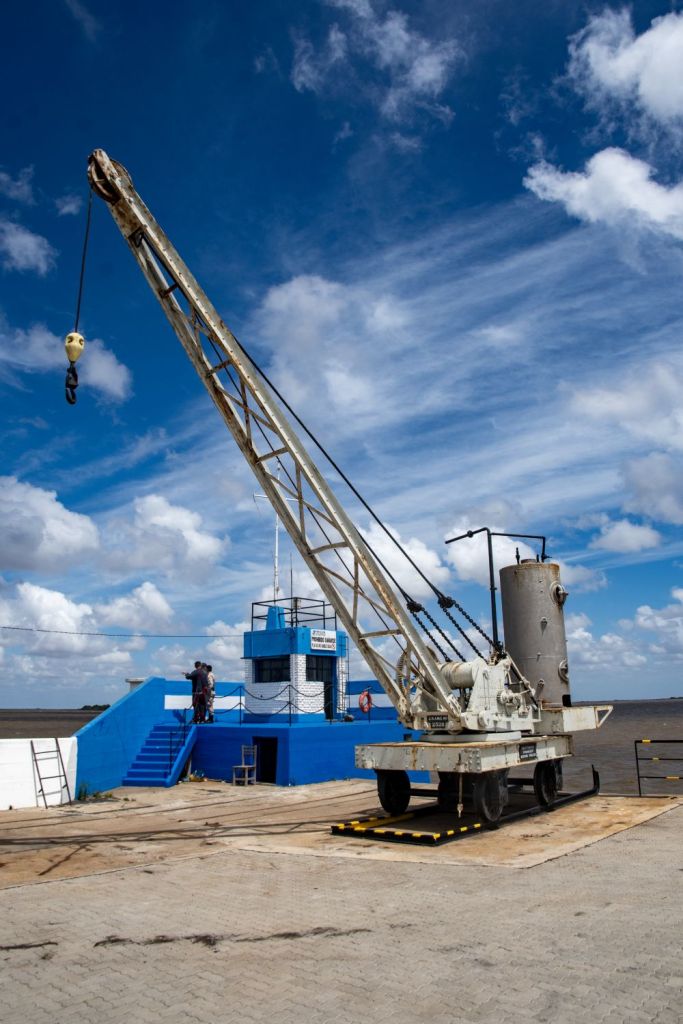
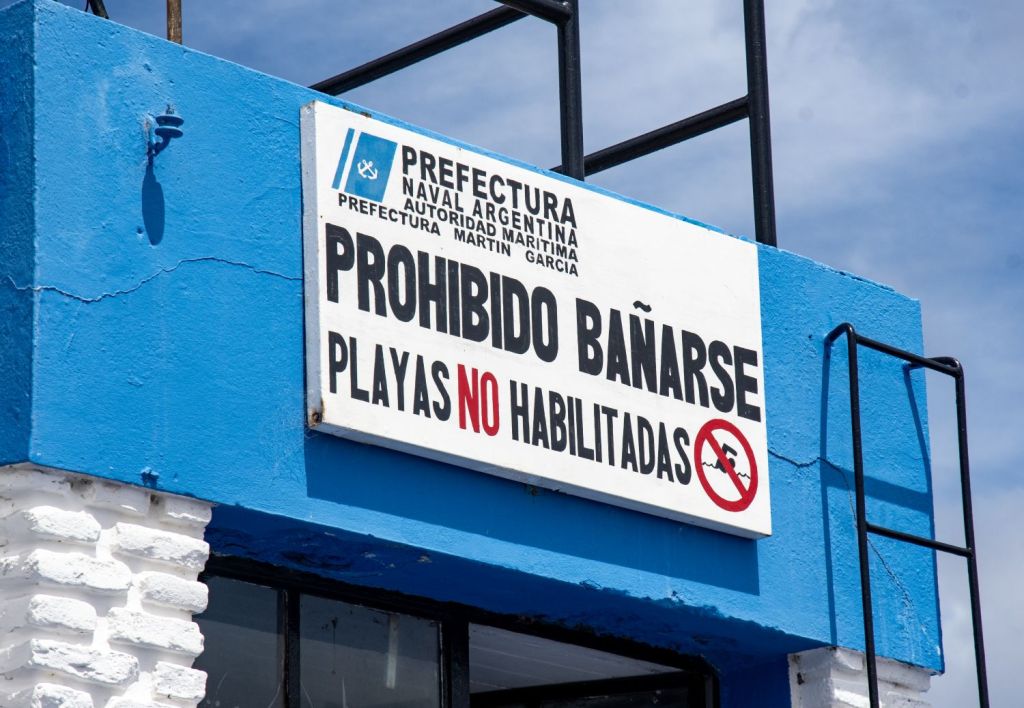
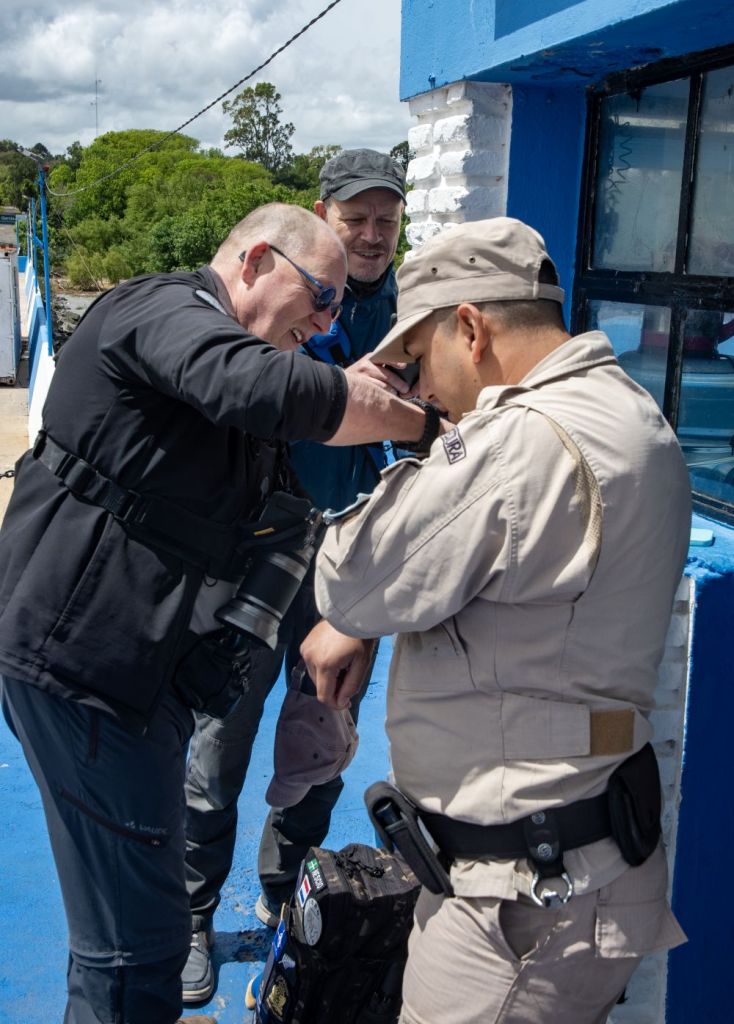
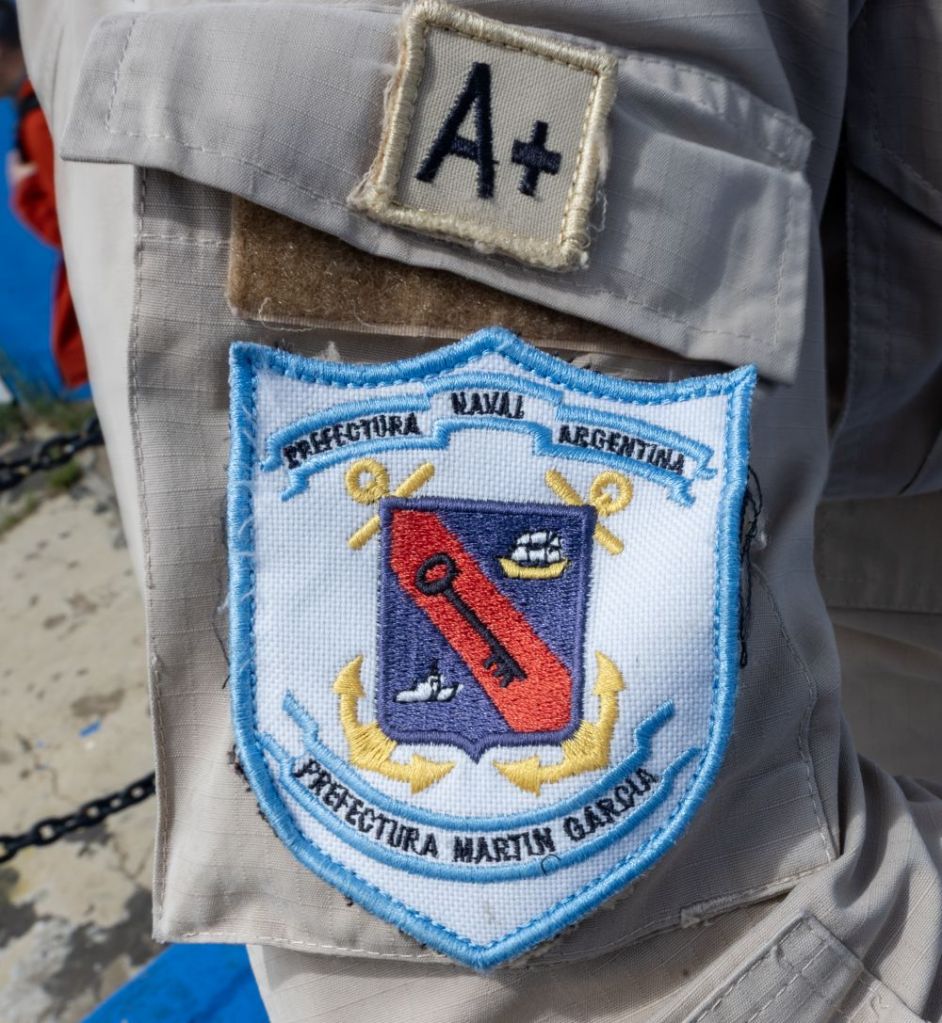
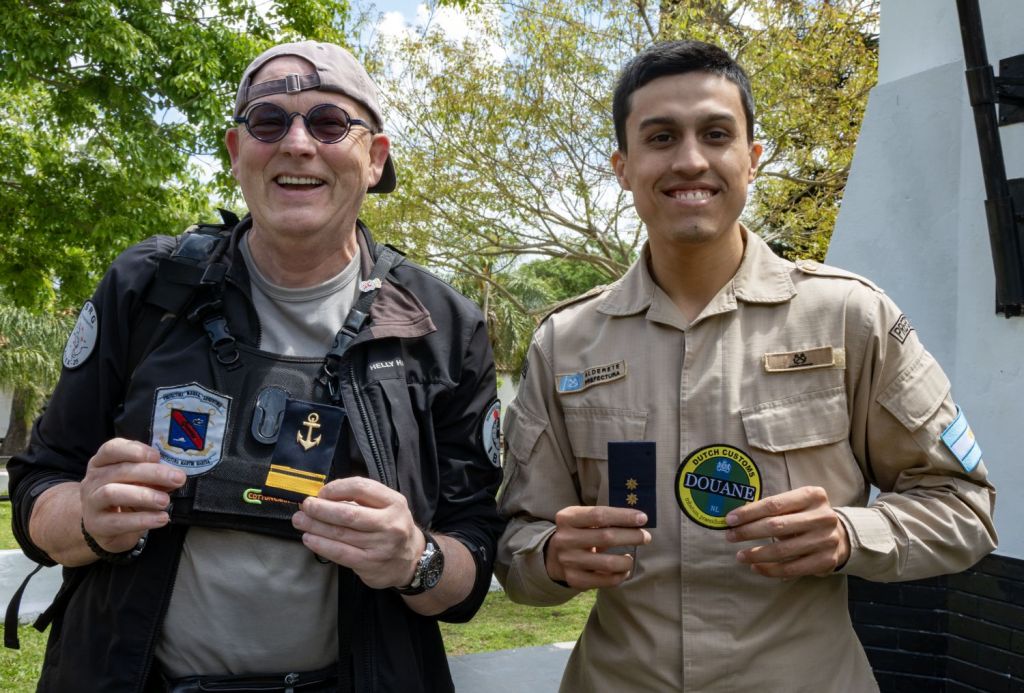
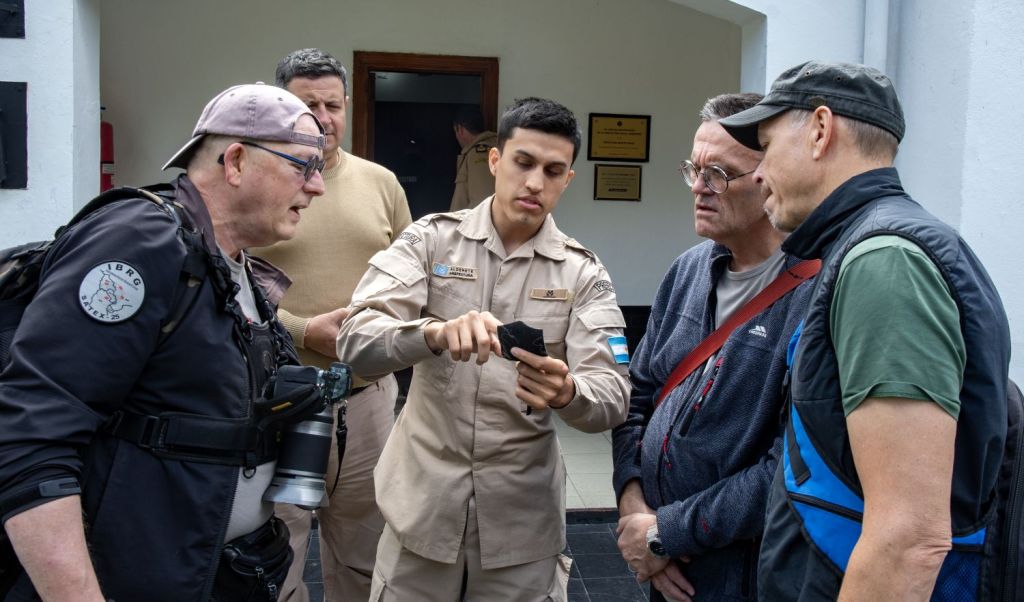
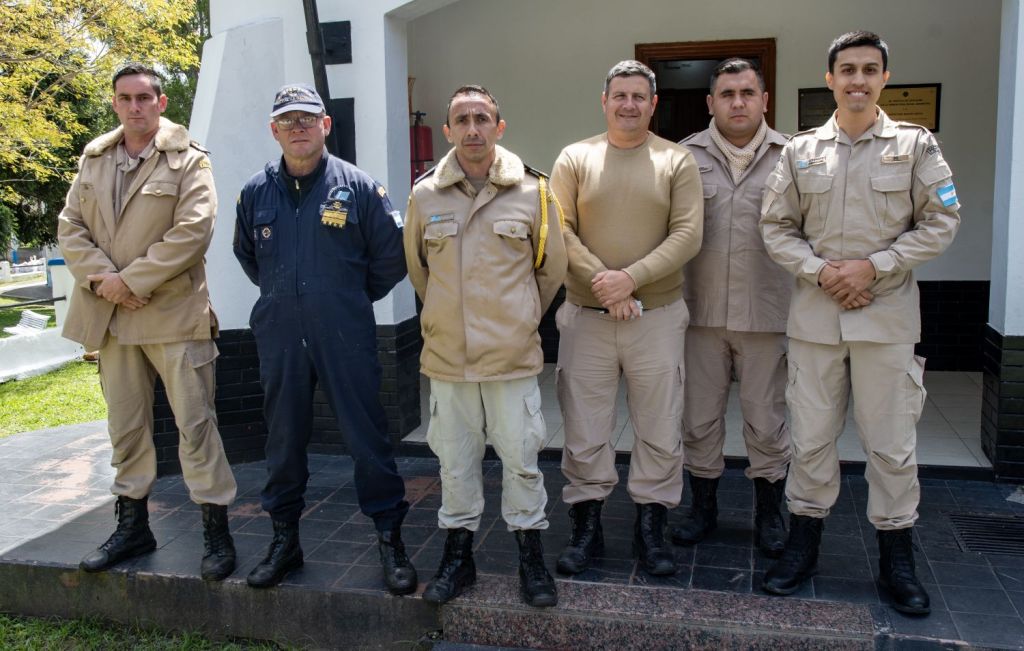
According to OpenStreetMap the border of the exclave follows the coastline, and this raised the possibility of the pier being in Uruguayan waters. There was nothing to indicate this was the case and the pier appeared completely Argentinian. An added bonus was the crane was built by Grafton & Co. of Bedford England. We met with members of the Argentinian Navy, firstly on the pier and then in the town. We spoke of our interest in borders and exclaves. Everyone was friendly and welcoming.
Click on the images to enlarge

The tee shirt!!
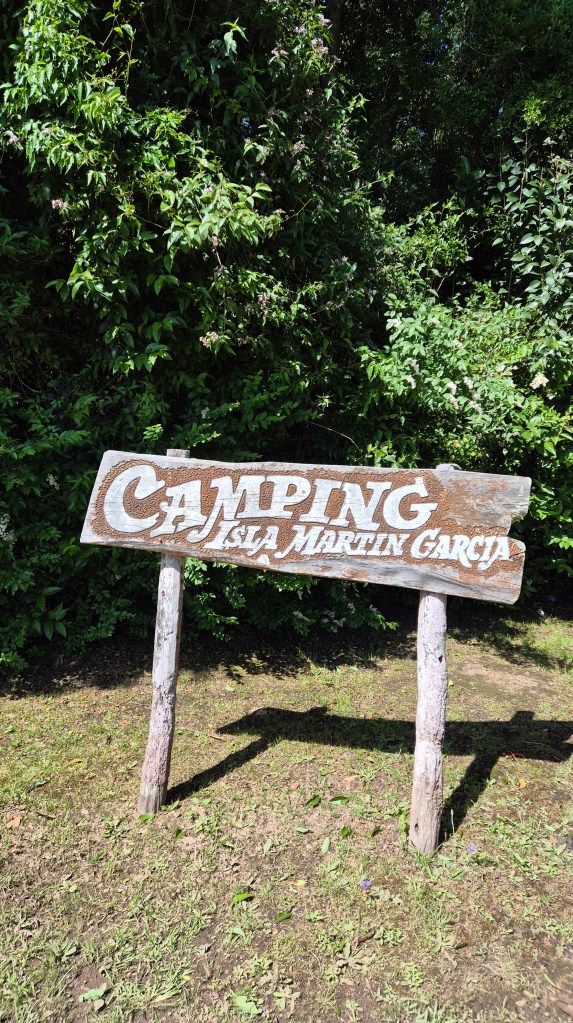
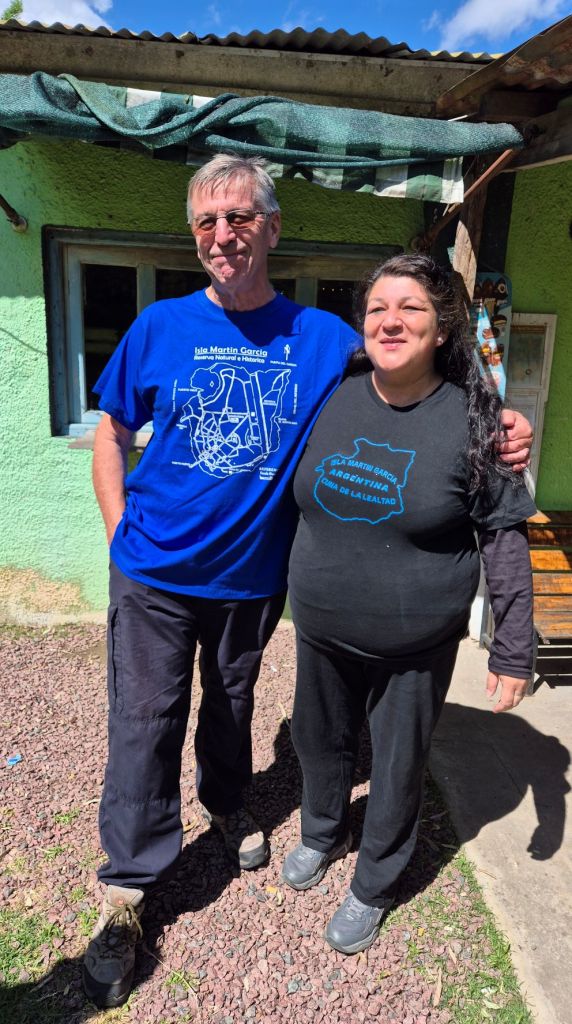
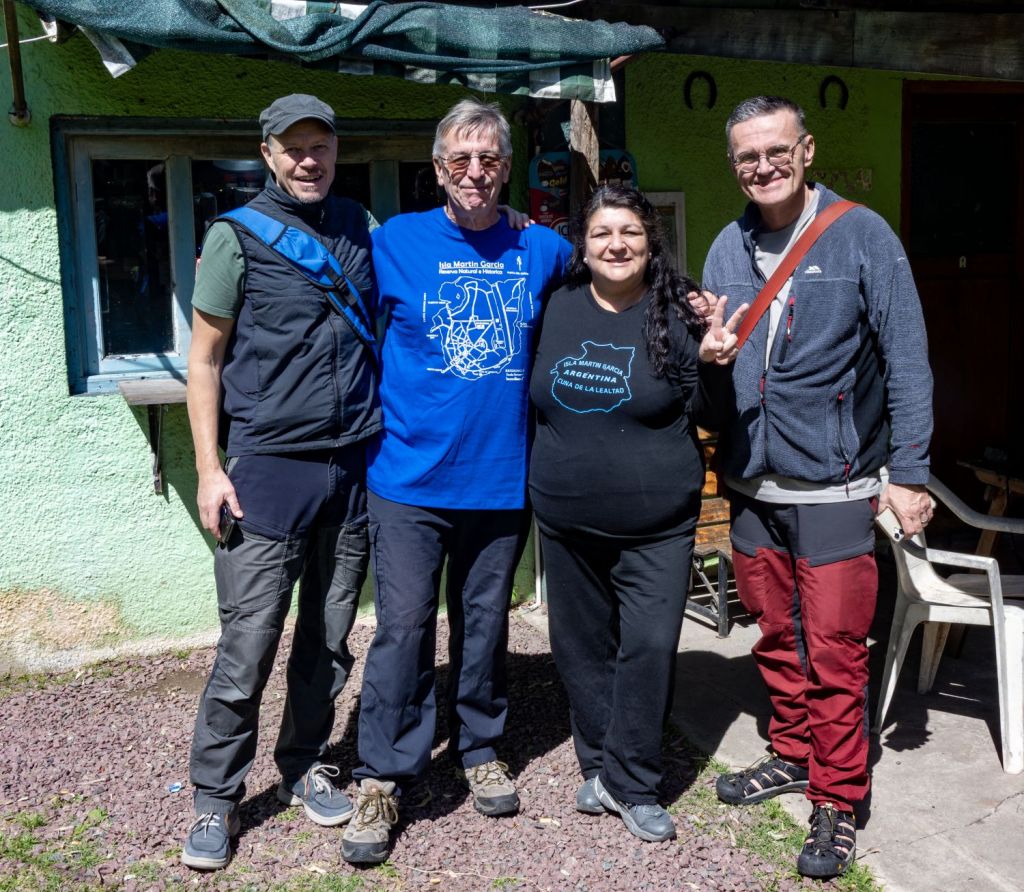
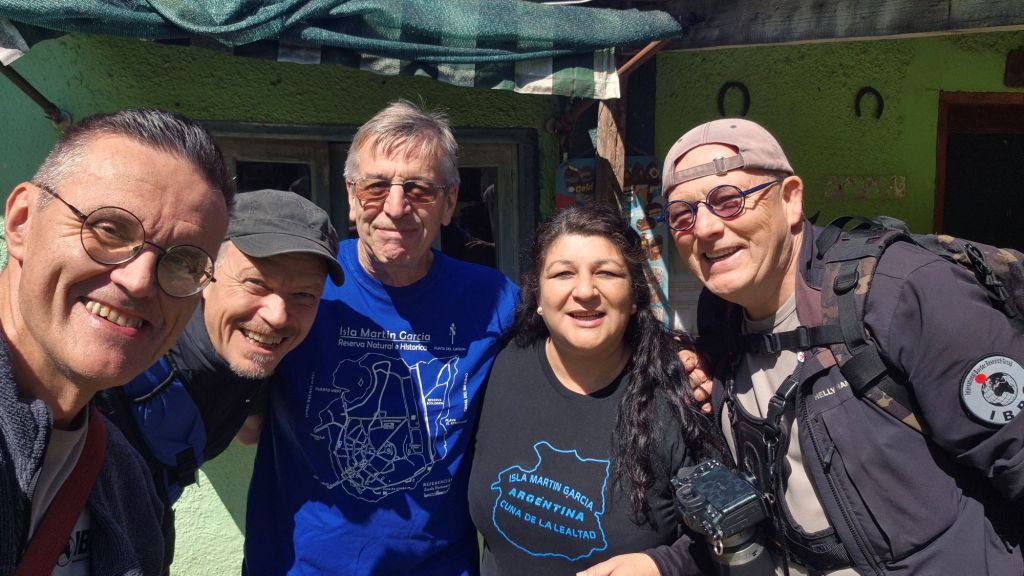
By this time we were tired after exploring so much in a short period of time, we stopped for a beer and a meal before our final task on the island. We wanted to buy a border related tee shirt, and headed towards the camping ground, where we met a lovely lady who sold them. Do have local currency however, as cards and USD are not taken here. All that remained was for us to head to the airport for the flight back.


Date of Visit: 28 October 2025
 Barry's Borderpoints