
The power station is situated in Sør-Varanger Municipality near the village of Skogfoss on the river Paatsjoki (Pasvikelva). The power station, which is owned by Pasvik Kraft, a subsidiary of Varanger Kraft, makes use of a 20-metre (66 ft) fall in the river. Although the power station is located on a river, Lake Inari in Finland is regulated as storage for all of the power stations in the drainage basin. There are two installed Kaplan turbines producing a total of 60 megawatts (80,000 hp).
The Paatsjoki River flows from Lake Inari in Finland and for most of its duration, it marks the border between Russia and Norway. On the river there are several Norwegian and Russian hydroelectric stations: Kaitakoski (Russia), Jäniskoski (Russia), Rajakoski (Russia), Hevoskoski (Russia), Skogfoss (Norway), Melkefoss (Norway), Borisoglebskaya (Russia) form the series of hydroelectric installations on the river. The list is in downstream order, from Lake Inari to the Barents Sea.
Parts of the dam pass over the Russian border (although it is all under Norwegian control) and it would be possible to drive over the dam. There are roads to the road network of both countries, but the border crossing is not open to public. There is only one road on the Norwegian side from the Pasvik valley to the outside world, meaning visitors have to drive the same way back. There are wishes from local people to build a road to Finland, so that tourists can pass through the valley. Such plans have been rejected due to cost reasons. It would be possible to use the road over the Skogfoss station or the one over the Hevoskoski/Hestefoss dam upstream and the existing Russian road to the Finnish border. But this has not been politically possible.
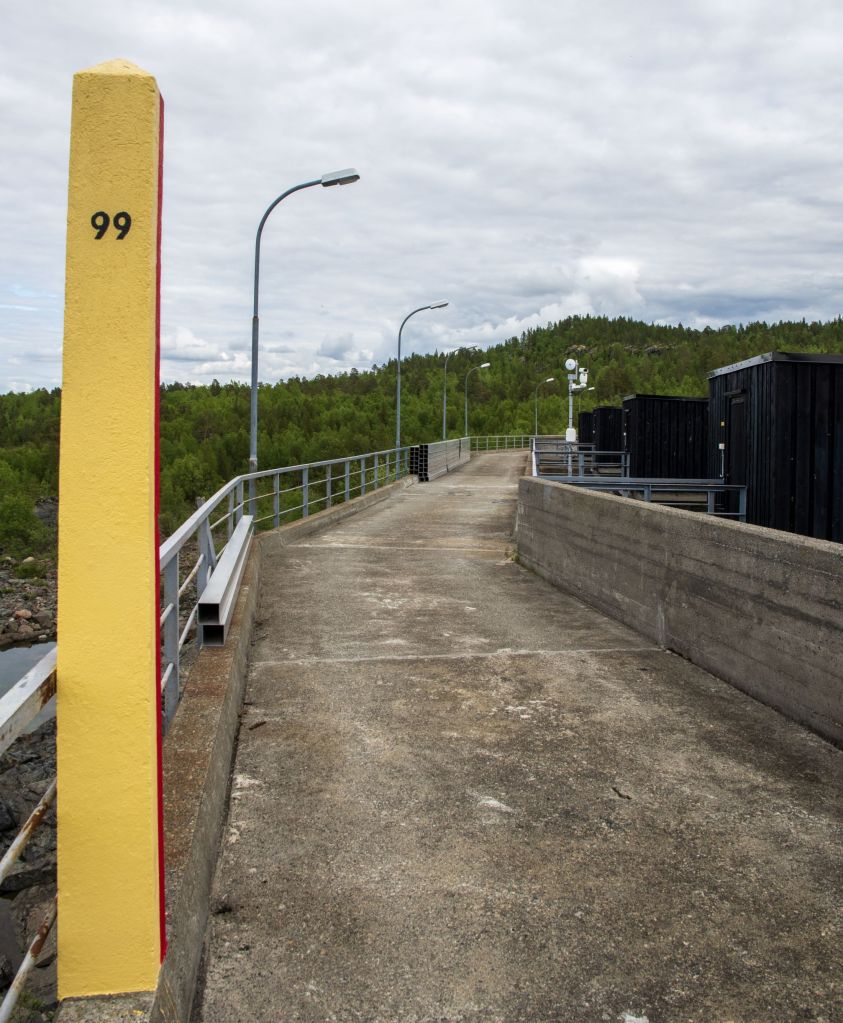
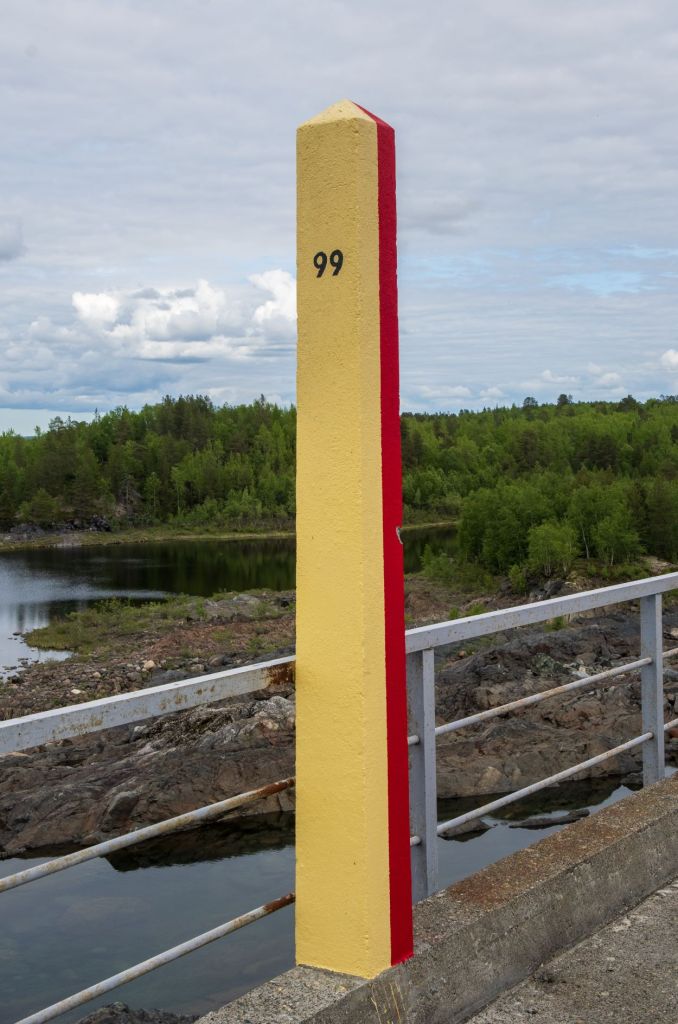
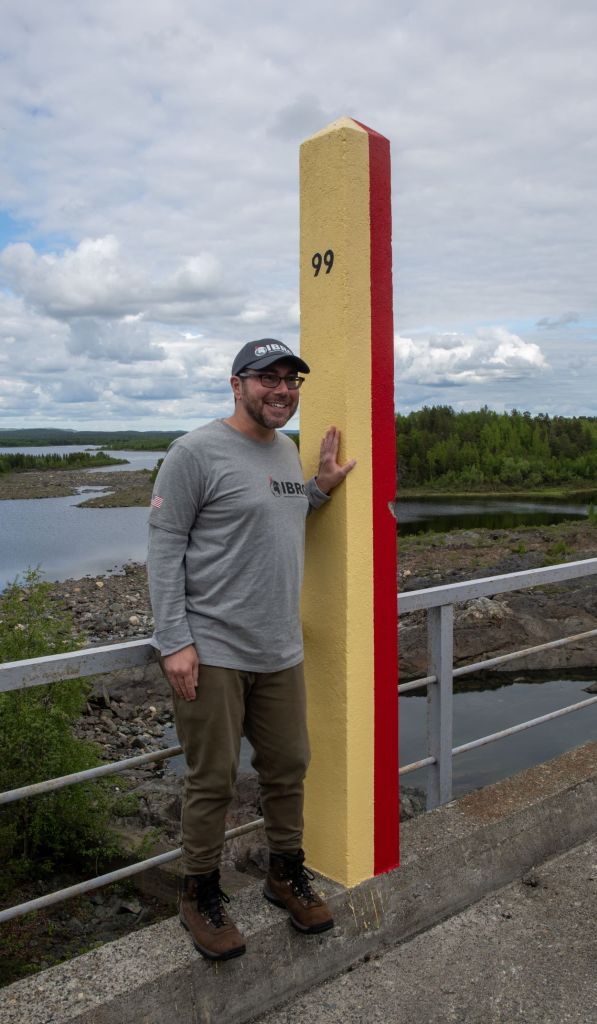
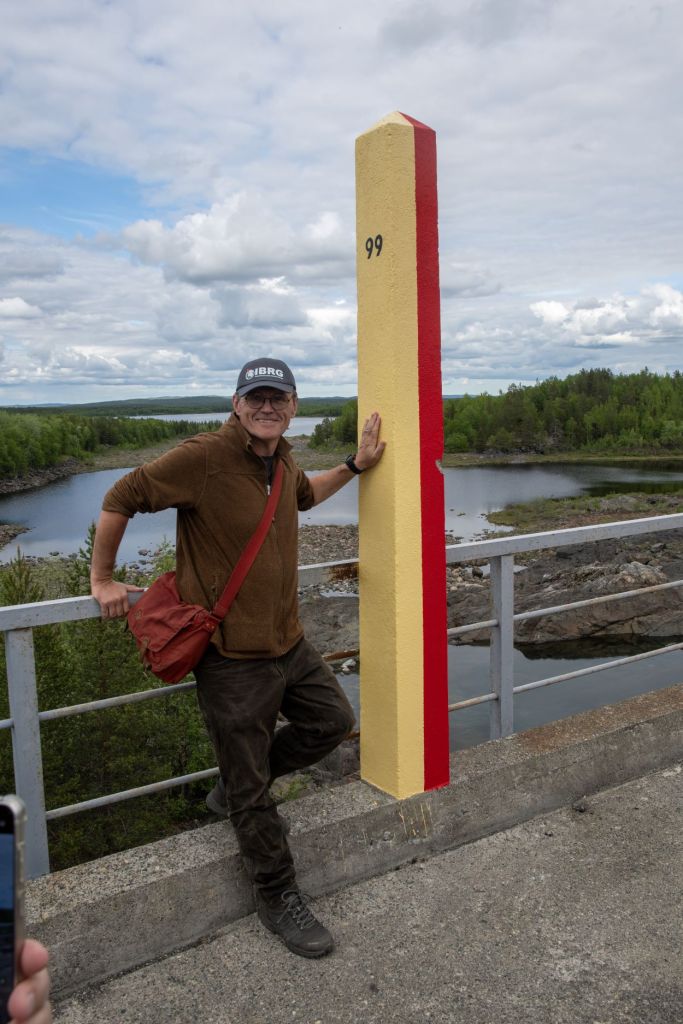
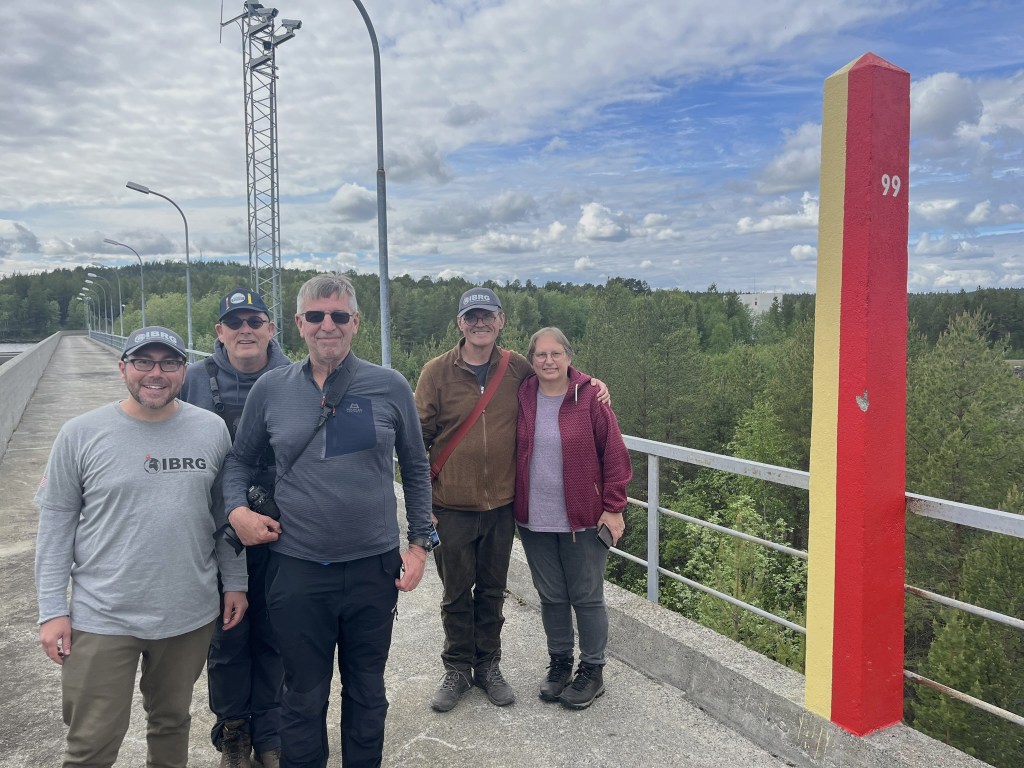
From a border point perspective the focus is on BM#99 a special border marker which is well known with the community but not often visited. BM#100 is slightly further north.
I visited this point as part of the IBRG ARTEX-24 expedition.


On arrival we met our host, an employee of the hydro electric company who would guide us whilst we are on site. The dam is a secure area and there are many cameras and locked gates to get through.
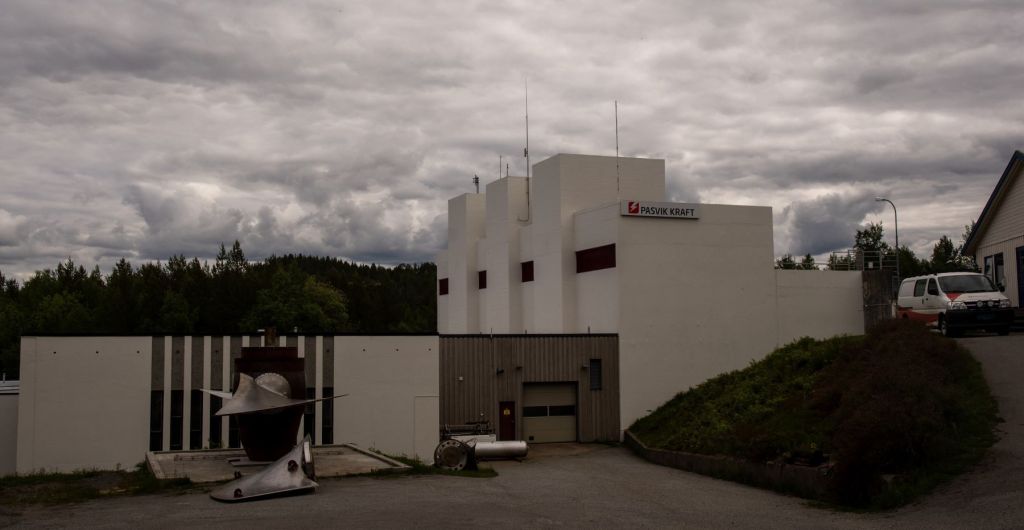


Access to the Dam

We were guided through 2 locked security gates, with our guide informing others by radio of our movements constantly. As we walked towards the border, the cameras tracked us constantly. It was a strange feeling.
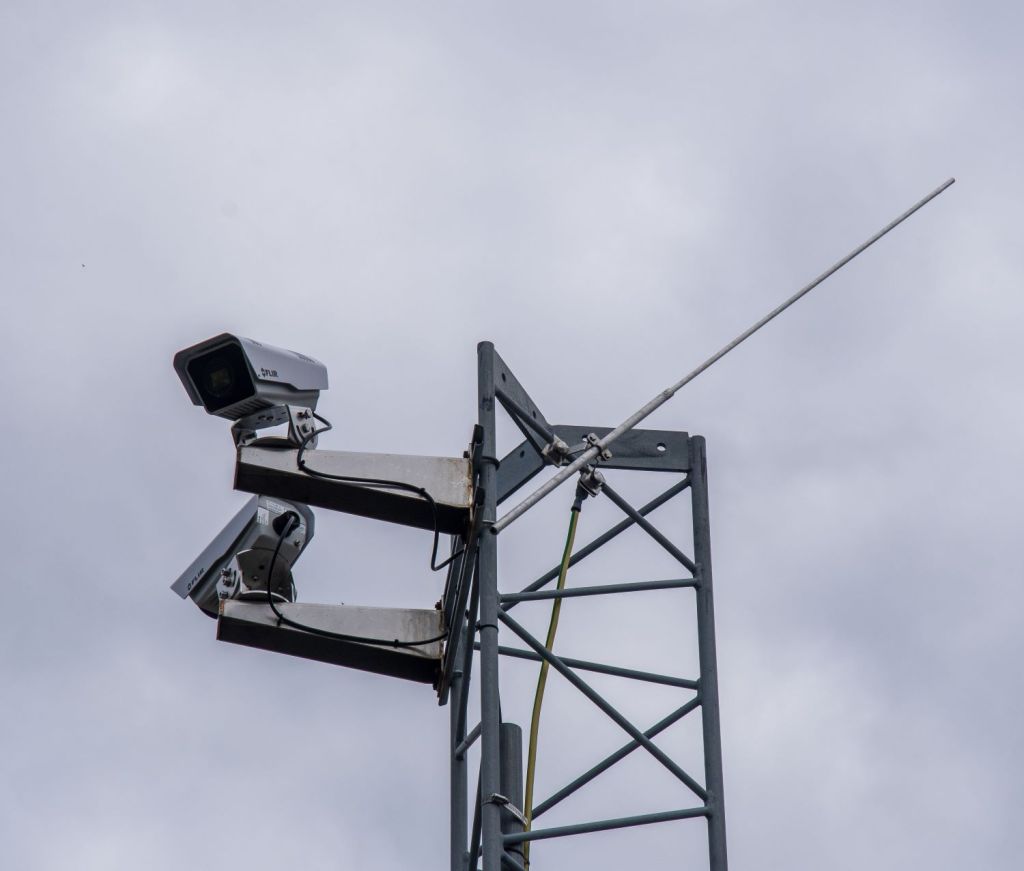
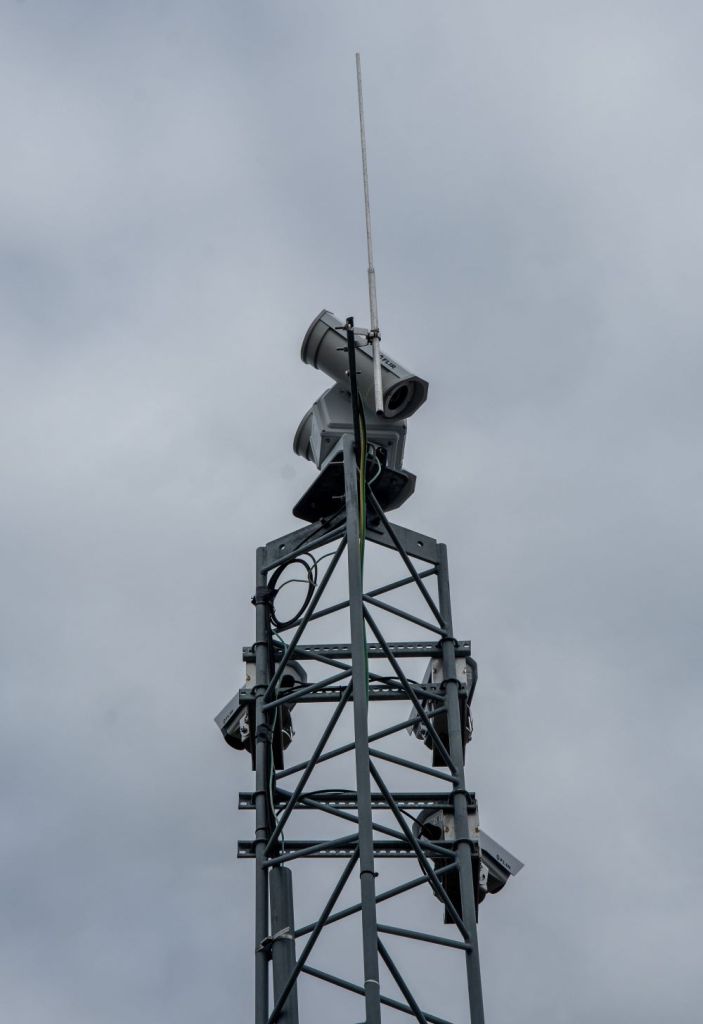
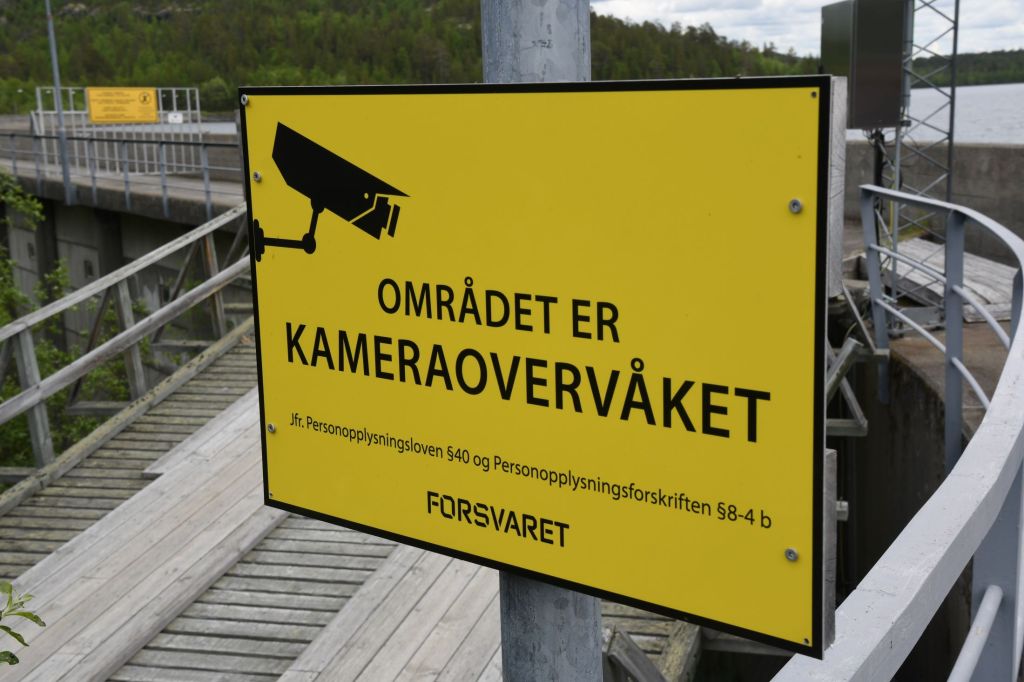

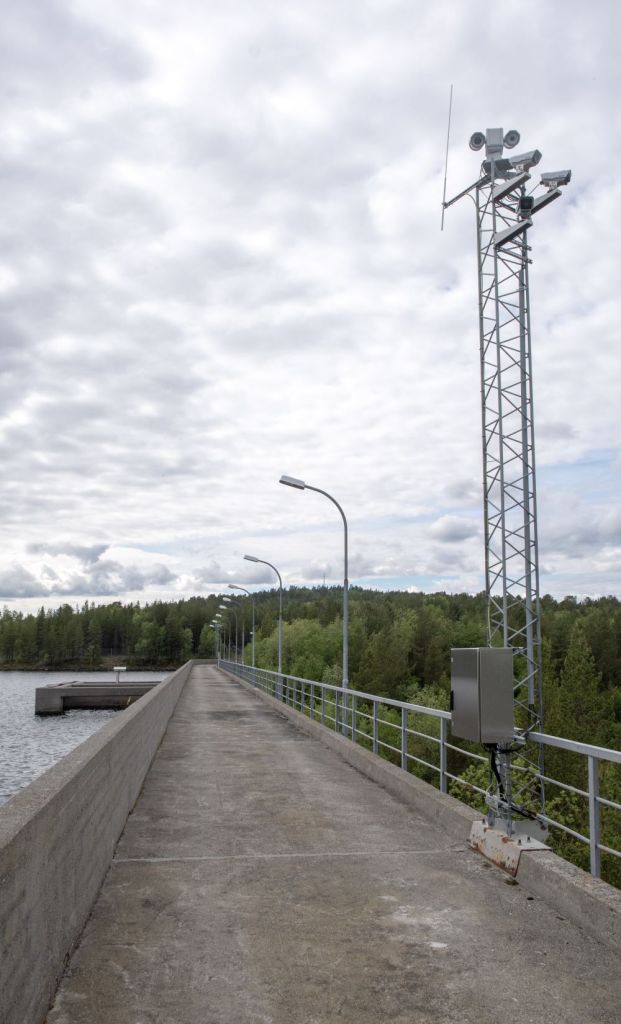
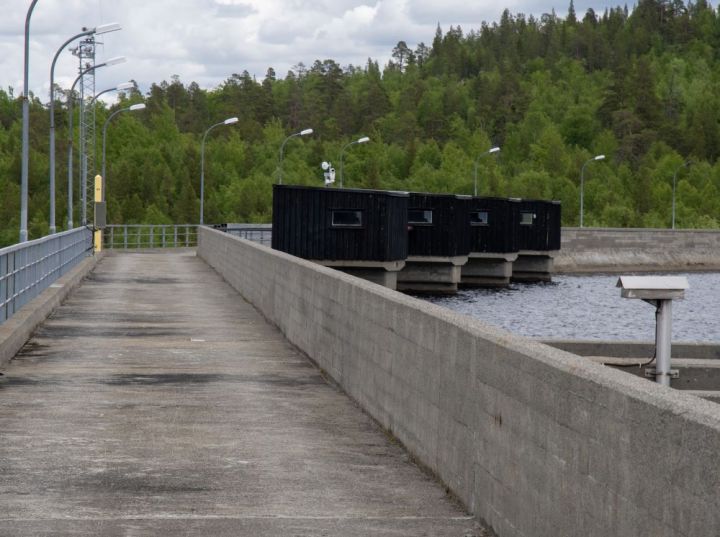


Only looking back from the border do you get a sense of the scale of the dam – it is huge. The dam spans the border but all of it belongs to the Norwegian company, The employee has special permission to cross into Russia (one of only 9 people). To facilitate this he has a special pass written in both Russian and Norwegian.
BM#99
After clearing the last security gate it was a short walk to the border line where BM#99 stands. A shared pole, we were allowed to touch the Norwegian side but not the Russian. As the company employee had permission to cross the border he was able to take a rare photo looking back with us standing on the border line with the Russian side of border marker.





BM#100
Looking north from the dam BM#100 is visible (but inaccessible to us).


Post visit checks
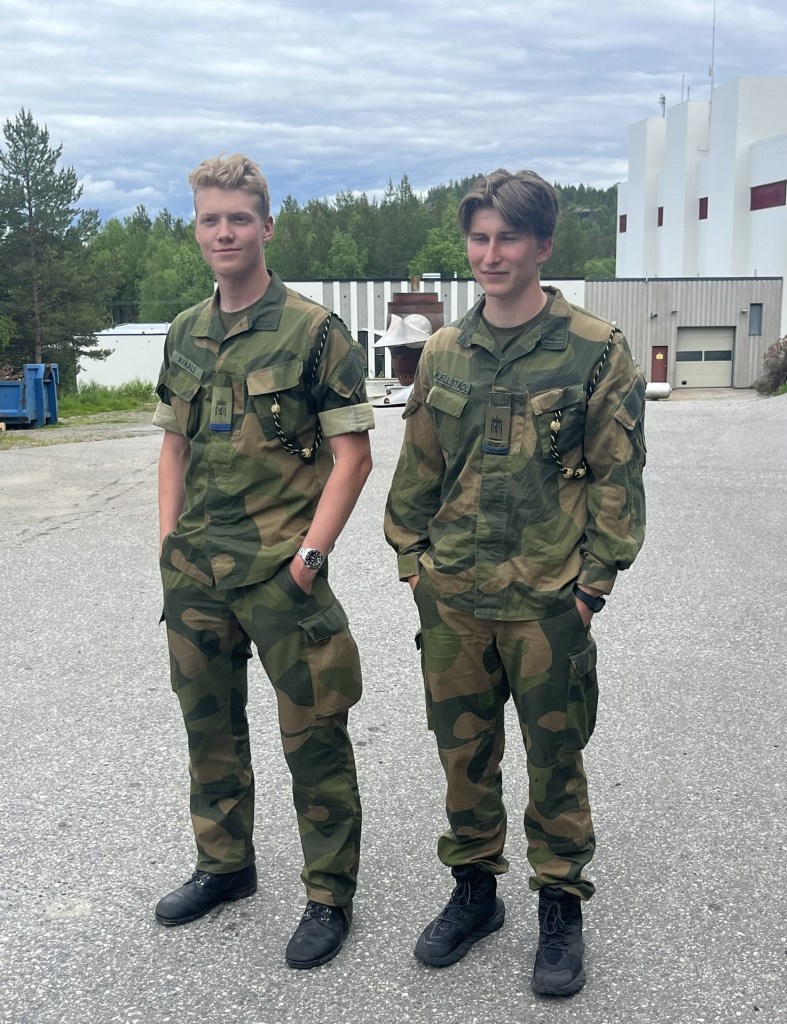
We have become used to being checked by border guards during or after our visits. In this case it was all a matter of misunderstanding. The employee who has the rare permission of being able to cross the border was questioned about why he crossed the border. What was confusing was he was in constant communication with the border guards by radio as we accessed the dam, and yet was still questioned. The young guards had never seen the cross border pass. All was eventually settled.


Date of Visit: 16 June 2024
 Barry's Borderpoints
It was worth every second of hrs driving on bumpy roads.
Good report, Barry!
LikeLike
So true Piet!
LikeLike