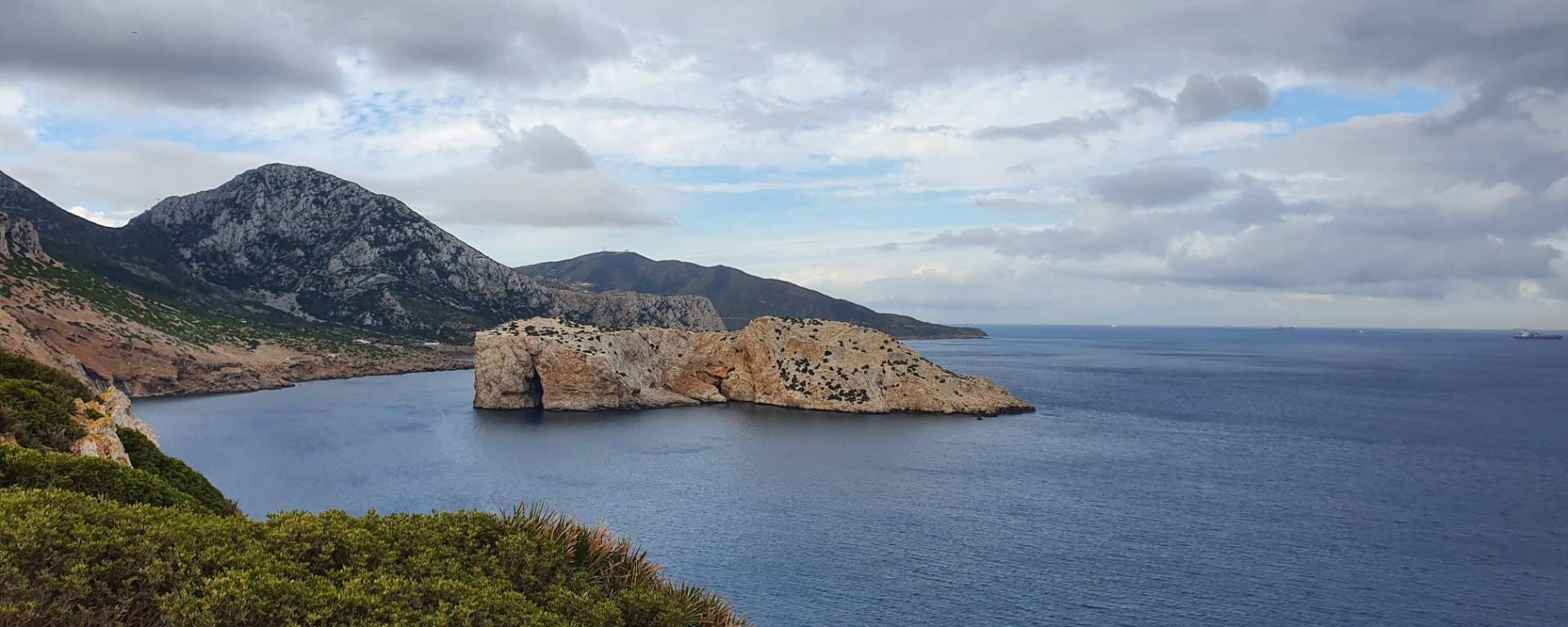
Perejil Island (Spanish: Isla de Perejil, Berber languages: Tura or Toṛa, Arabic: تورة, romanized: Tūra), also known as Parsley Island, is a small, uninhabited rocky islet located 250 metres off the coast of Morocco. Portugal took possession of the Islet in 1415, together with conquering Ceuta. In 1580, Philip I of Portugal who was also the King of Spain, created an Iberian Union under one king. Ceuta then remained under Spanish Sovereignty when the Union split in 1640. It is now administered by Spain as part of one of the plazas de soberanía, and its sovereignty is disputed by Morocco. I visited this point as part of the IBRG SPEGEX-22 trip.
The island lies 250 metres off the coast of Morocco, 3 kilometres from the border of the territory of the Spanish city of Ceuta, 8 km to Ceuta itself and 13.5 km from mainland Spain. The island is about 480 by 480 metres in size, with an area of 15 ha or 0.15 square kilometres. It has a maximum height of 74 metres above sea level.
It is the westernmost Spanish possession.

They include (west to east) Perejil Island, Peñón de Vélez de la Gomera, the Alhucemas Islands, Alboran Island and small islote de La Nube and finally the Chafarinas Islands.
Just to complicate things a little further Perejil Island is considered by Spain to be part of Ceuta and not an individual plazas de soberanía. Perejil Island has no permanent human population, the island is well monitored from both sides in order to maintain the status quo that leaves it deserted and virtually a no man’s land.

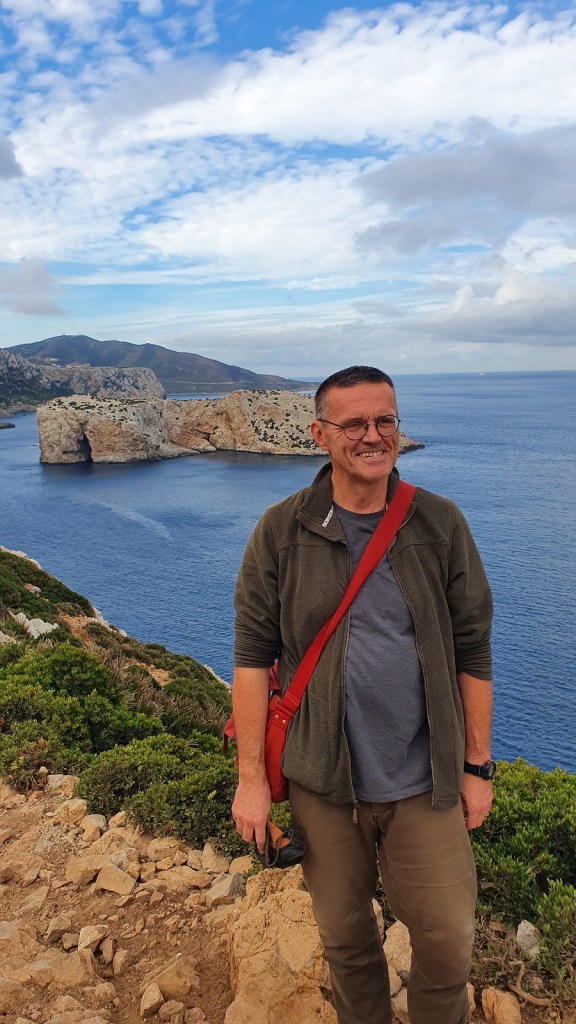
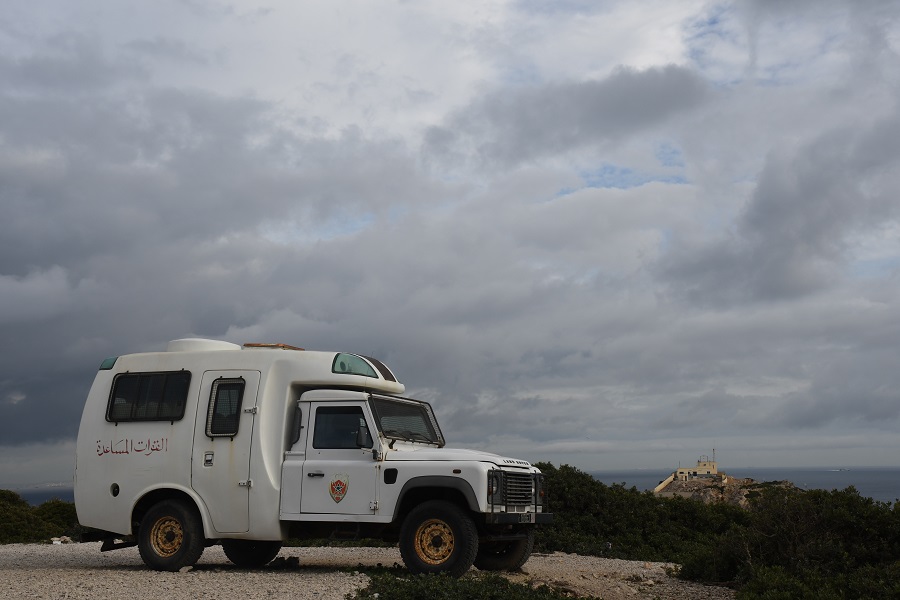
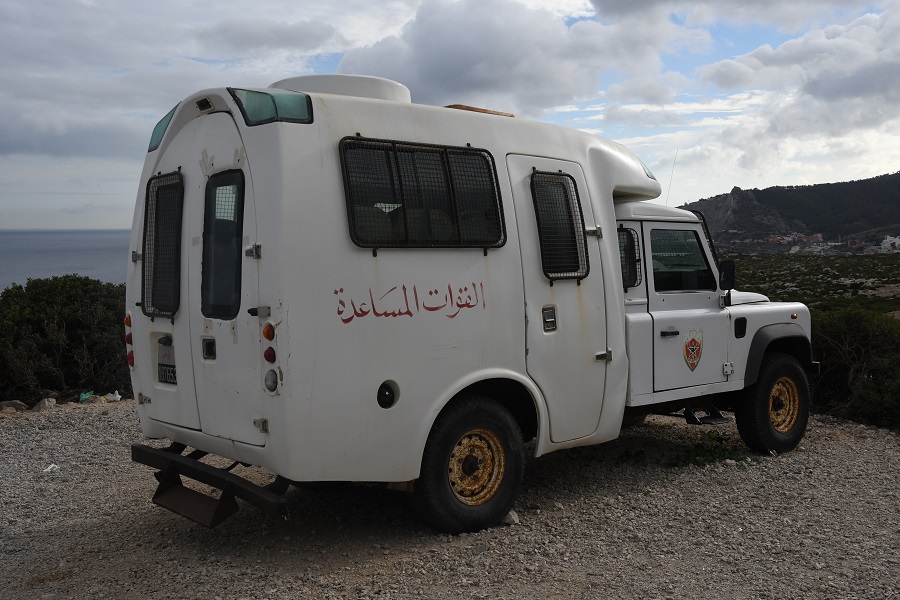
Photos of my visit
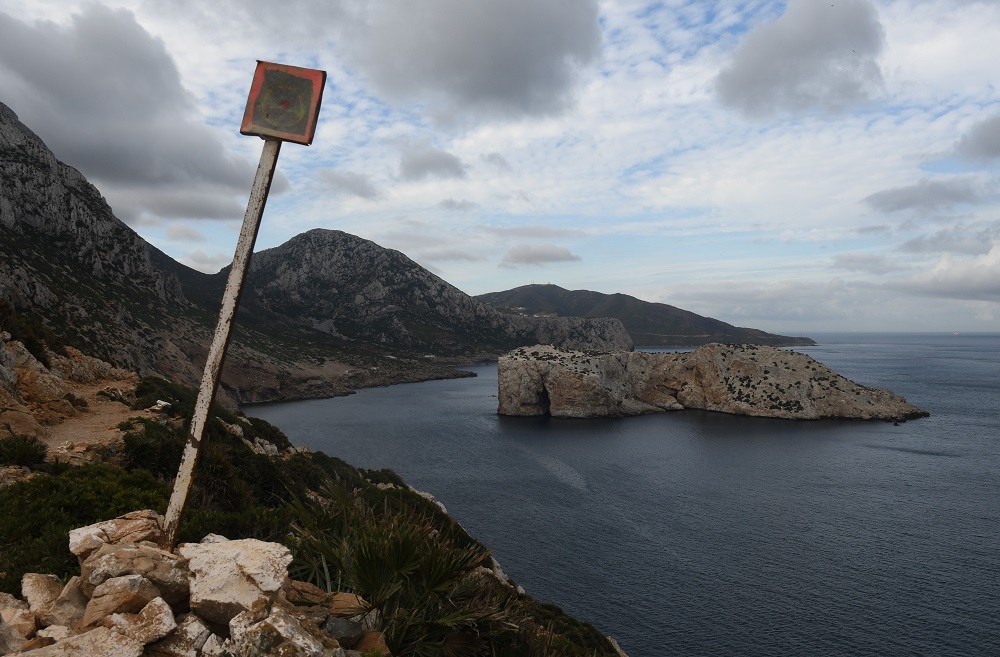
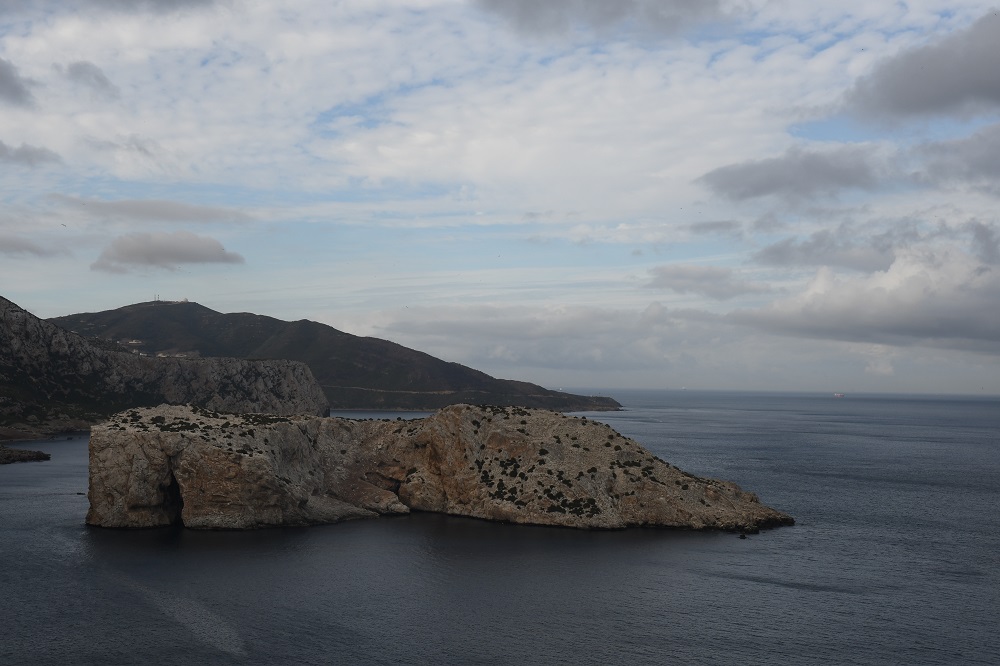
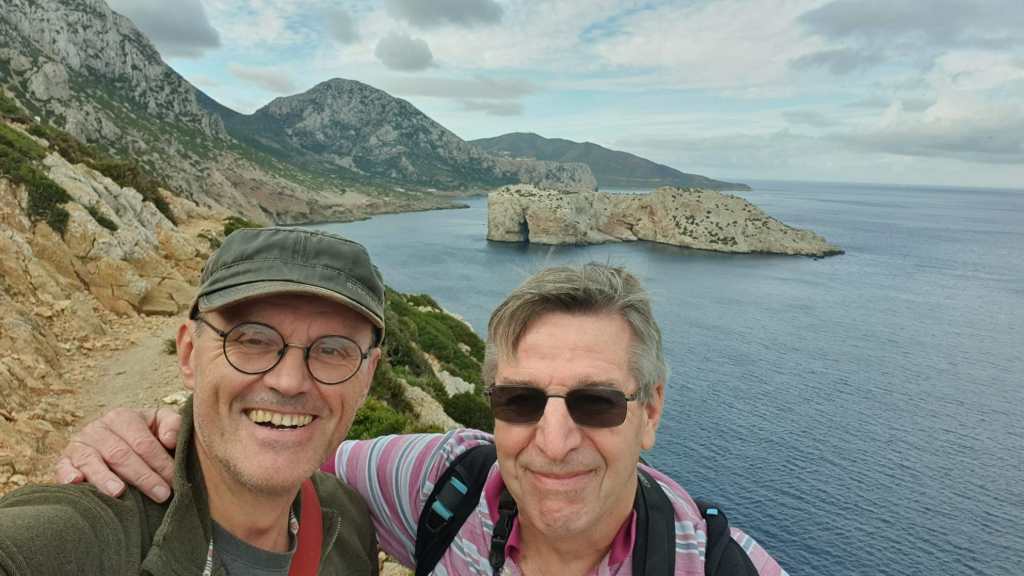
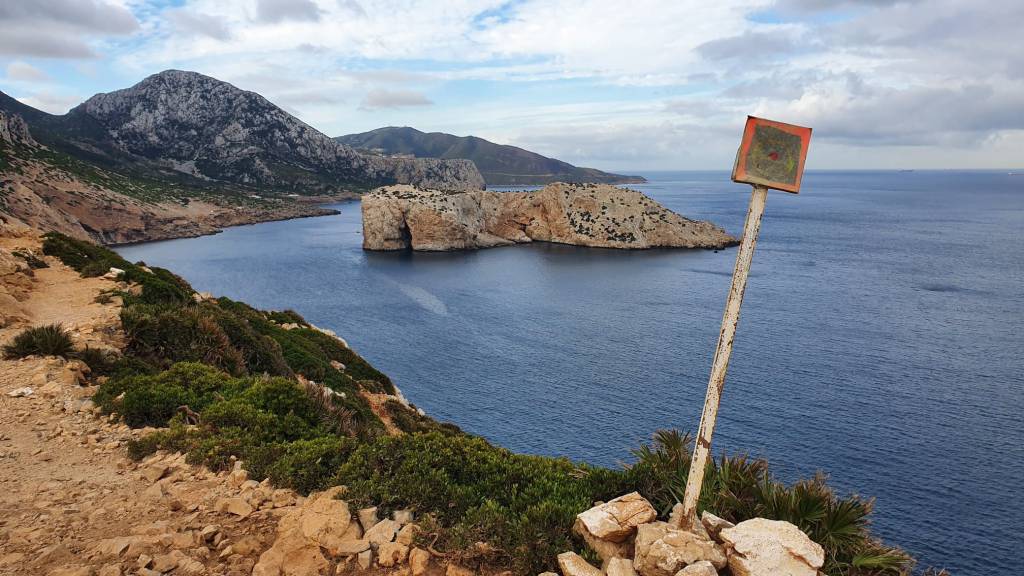

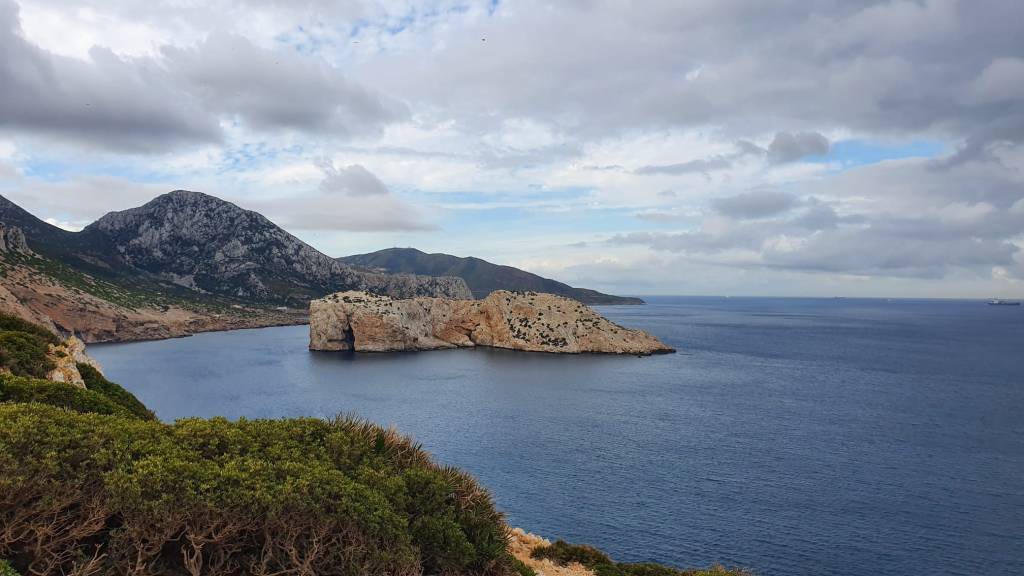
As we walked towards the viewpoint, we were chased by a young Moroccan border guard to ensure we did not go any further. I assume the weather beaten sign marked a restricted zone. It was not possible to go any further.
In the vicinity

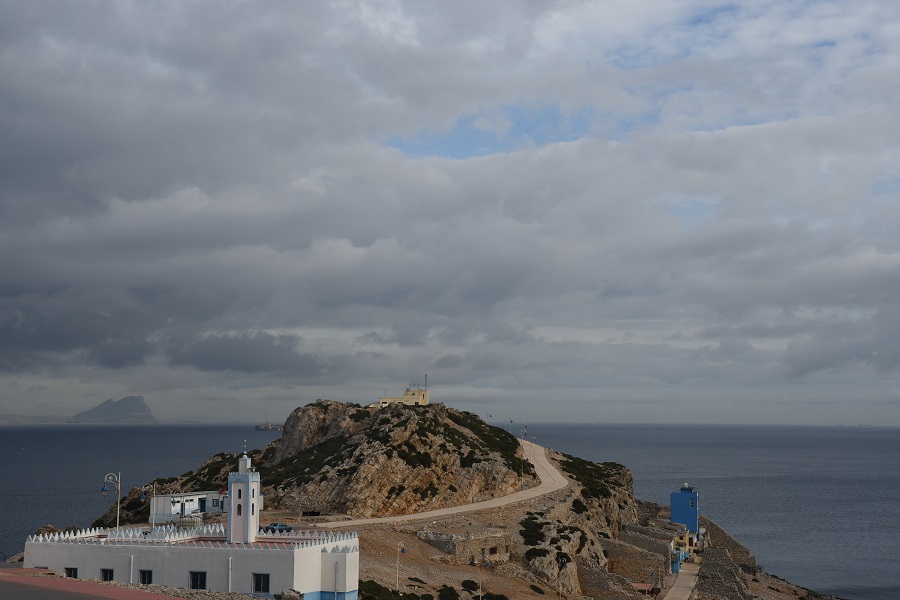
The Battle of Perejil Island (2002)
The Perejil Island crisis was a bloodless armed conflict between Spain and Morocco that took place on 11–18 July 2002. It will go down in history as the first military invasion of western European soil since the second world war. In a secret operation carried out by sea, Moroccan soldiers took the Spanish-owned Isla del Perejil. Twelve soldiers of the Royal Moroccan Gendarmerie landed on the island, equipped with light arms, a radio, and several tents. The soldiers raised their nation’s flag and set up camp. A patrol boat of the Spanish Civil Guard, in charge of coast guard service in Spain, approached the island from Ceuta during its routine check, when the crew spotted the Moroccan flag flying. The officers disembarked to investigate the issue. When they landed on the island, they were confronted by the Moroccan soldiers, who forced them back into their boat at gunpoint.
Morocco claimed that the occupation was carried out in order to monitor illegal immigration, and to fight drug dealers and smugglers who use the island as a logistic platform. Following protests and calls to the return of the status quo from the Spanish government, the soldiers were called off, but were replaced by six Moroccan marines, who set up a fixed base on the island, which drew further protests from Spain. A Moroccan patrol boat was also deployed to the area, and was seen carrying out maneuvers near the Chafarinas Islands. Spain reacted by deploying a frigate, three corvettes, and a submarine to Ceuta and Melilla, and three patrol boats to the vicinity of Perejil island, stationing them about a mile off the island. Reinforcements were also sent to isolated Spanish outposts in the area.
On the morning of July 18, 2002, Spain launched Operation Romeo-Sierra to remove the Moroccan soldiers. The operation was carried out by Spanish special forces. Four Eurocopter Cougar helicopters that had taken off from Facinas landed 28 Spanish commandos on the island. The entire operation was coordinated by the Spanish Navy from the amphibious ship Castilla, on station at the Strait of Gibraltar. The Spanish Air Force deployed F-18 and Mirage F-1 fighters to provide air cover in case the Royal Moroccan Air Force attempted to intervene. The Spanish patrol boats Izaro and Laya came alongside the Moroccan gunboat El Lahiq, at anchor off the island, in order to prevent it from interfering with the operation.The boat’s 20mm cannon was considered to be a significant threat by the Spanish forces. The boat’s crew prepared their weapons and used their spotlight to try to blind Spanish pilots but did not otherwise obstruct the landing.
The Spanish forces were under orders to try to achieve their objective with zero casualties and their rules of engagement permitted them to use lethal force only if the Moroccans fired on them. The Moroccan marines present on the island did not offer any resistance and rapidly surrendered. Within a matter of minutes, all of six Moroccan servicemen were taken prisoner, and the island was secured. The prisoners were transported by helicopter to the headquarters of Civil Guard in Ceuta, from where they were transported to the Moroccan border. Over the course of the same day, the Spanish commandos on the island were replaced by soldiers of the Spanish Legion. The Spanish Legion troops on the island remained there after the operation was complete. The United States mediated the situation, that eventually returned to the status quo prior to the incursion. All Spanish troops were withdrawn, and the island remains unoccupied but claimed by both sides.

Date of Visit: 3 November 2022
 Barry's Borderpoints