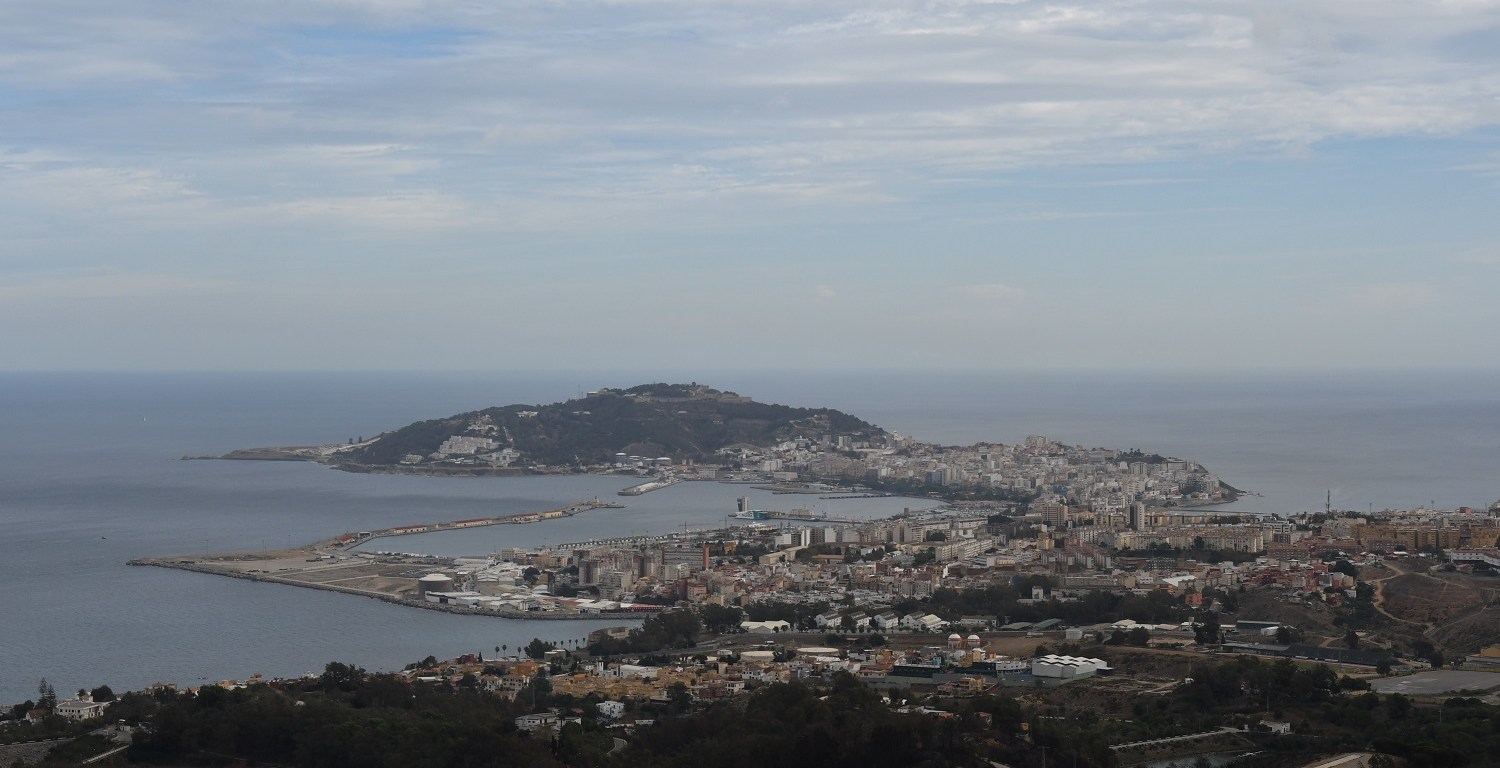
Ceuta (Spanish: sewta; Arabic: سَبْتَة, romanized: Sabtah) is a Spanish autonomous city on the north coast of Africa. It is one of several Spanish territories in Africa and, along with Melilla and the Canary Islands, one of only a few that are permanently inhabited by a civilian population. It was a regular municipality belonging to the province of Cádiz prior to the passing of its Statute of Autonomy in March 1995, henceforth becoming an autonomous city. Portugal took possession of Ceuta in 1415. During the Iberian Union 1580 to 1640, Ceuta attracted many settlers of Spanish origin.
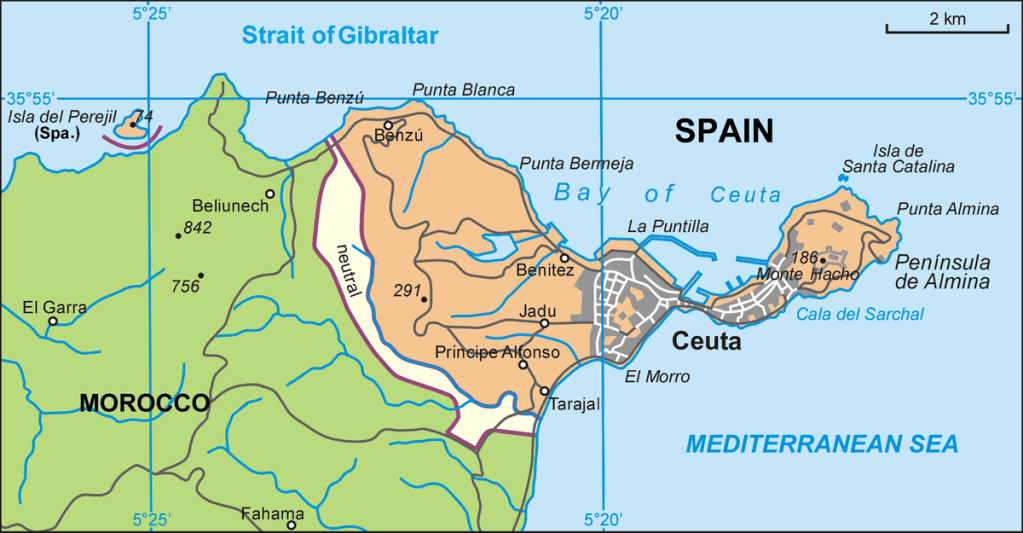
I visited this point as part of the IBRG SPEGEX-22 trip.
Ceuta is separated by 17 km from the province of Cádiz on the Spanish mainland by the Strait of Gibraltar and it shares a 6.4 km land border with M’diq-Fnideq Prefecture in the Kingdom of Morocco. It has an area of 18.5 km2. It is dominated by Monte Anyera, a hill along its western frontier with Morocco, which is guarded by a Spanish military fort. The Civil Guard is responsible for border security and protects both the territory’s fortified land border as well as its maritime approaches against frequent, and sometimes significant, migrant incursions.
Today the economy of the city depends heavily on its port (now in expansion) and its industrial and retail centres. It is a Freeport.

Ceuta is one of the major plazas de soberanía (places of sovereignty) along with Melilla. There are also minor plazas de soberanía that include the rest of Spanish possessions that are mainly little islands with the exception of a peninsula.
They include (west to east) Perejil Island, Peñón de Vélez de la Gomera , the Alhucemas Islands, Alboran Island and small islote de La Nube and finally the Chafarinas Islands.

Ceuta border
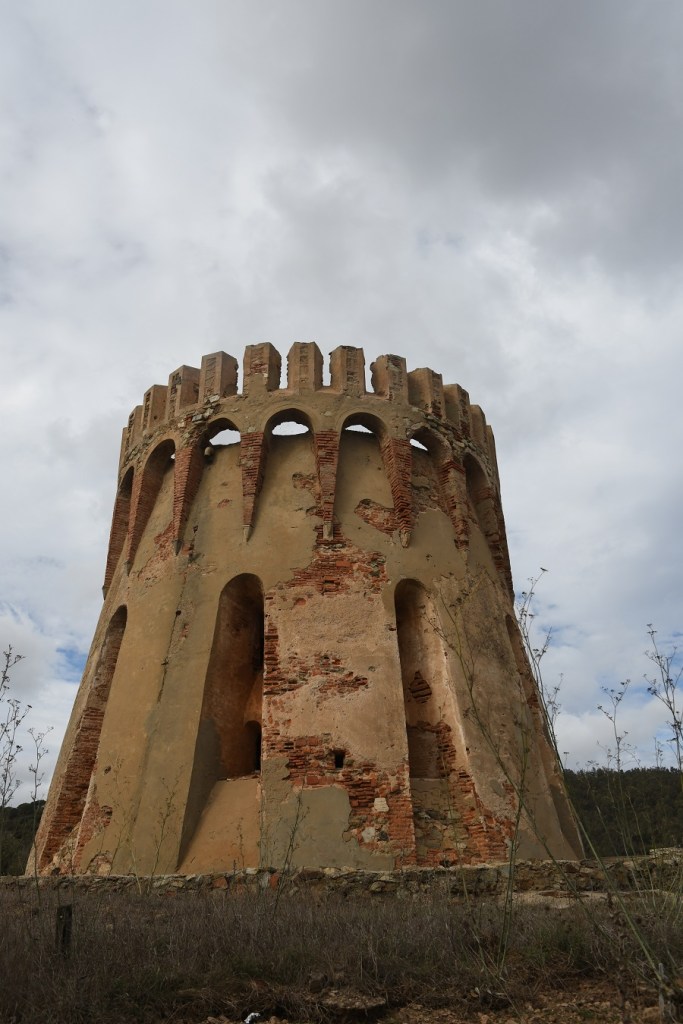
The Ceuta border is highly fortified with a high double fence to prevent entry from Morocco. Morocco objected to the construction of the barrier since it does not recognize Spanish sovereignty in Ceuta.
Ceuta is an integral part of Spain, and therefore of the European Union; its border and its equivalent in Melilla are the only two land borders between the European Union and an African country.
The fence consists of parallel 6 metre (20-foot) high fences topped with barbed wire, with regular watchposts and a road running between them to accommodate police patrols or ambulance service in case of need. Underground cables connect spotlights, noise and movement sensors, and video cameras to a central control booth; dozens of guard ships and patrol boats check the coast, while 621 Guardia Civil officers and 548 police officers control the shore.
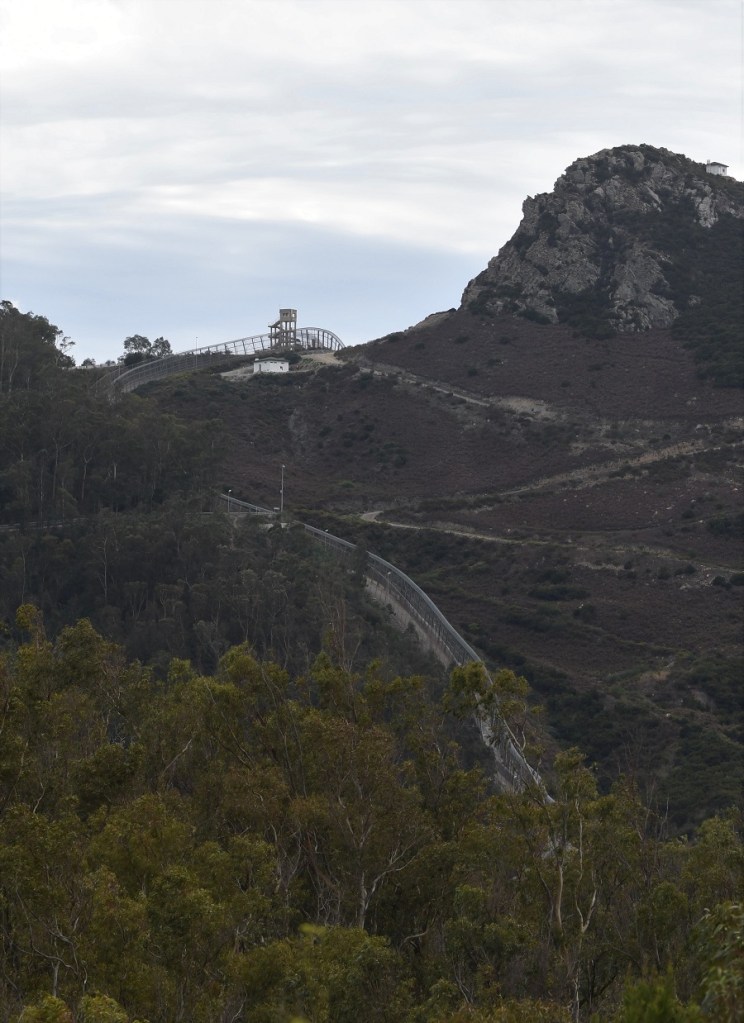


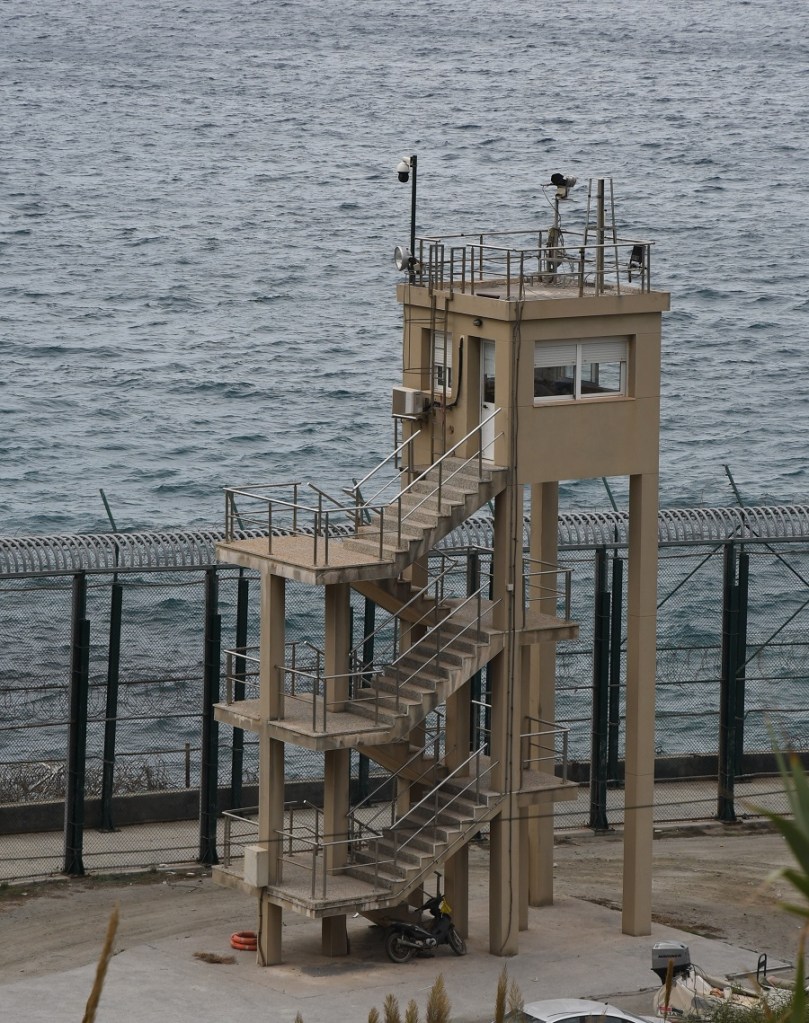

In spite of these defences there have been incursions and breaches by migrants. Human rights groups have been concerned about how these people have been treated by the Spanish authorities.
Border Crossings
At the time of my visit in November 2022, there was only one operating border crossing between Ceuta and Morocco at Fnideq – Ceuta to the south east of the exclave. There was however another closed border at Belyounech – Benzú to the north west of the exclave. For additional information about these crossings please click on the images below.

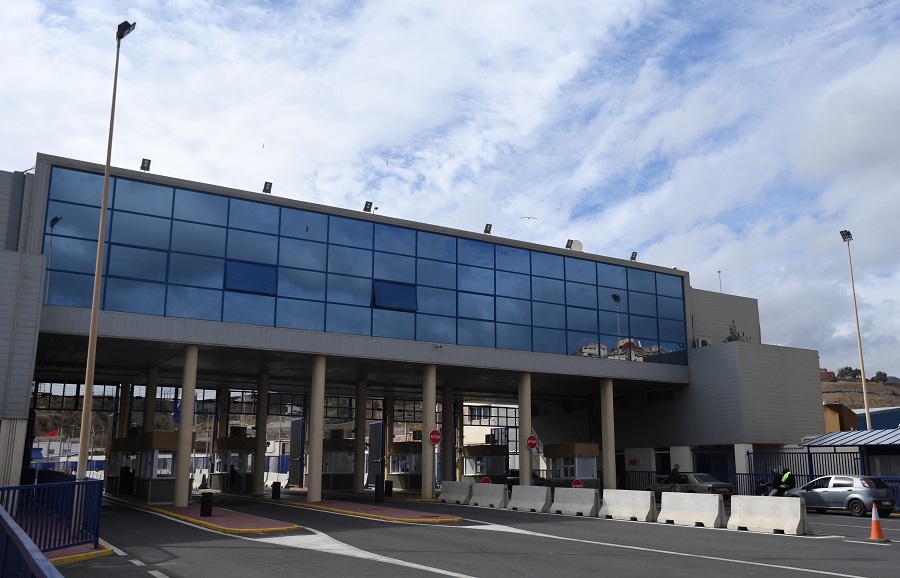

We initially visited the Belyounech – Benzú border crossing before driving to the Fnideq – Ceuta crossing where we crossed on foot.
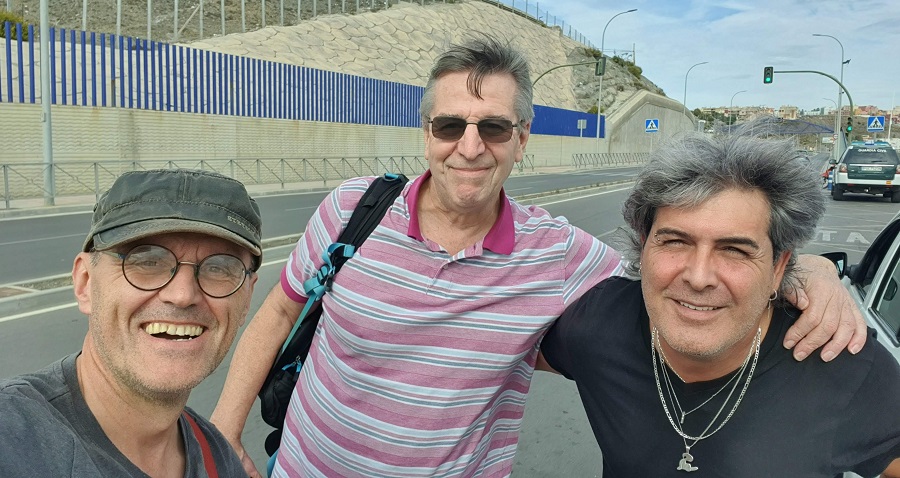
We then used a taxi to access border POI’s from the Spanish side. It was fascinating to see the border from each side. Photography was not approved at the actual border but possible a little distance away.

Date of Visit: 3 November 2022


There’s also a third, now seemingly permanently closed crossing just to the north of Tarjal I. It’s located within the industrial estate with the name of Tarjal II – https://elpueblodeceuta.es/art/14630/juan-vivas-cree-que-el-tarajal-ii-podra-estar-abierto-en-el-primer-trimestre-de-2017
It was used by the “porters” to take goods from the Ceutan warehouses into Morocco. As far as I know, Spain and Morocco have no intention of reopening it, as it was only useful for those taking large amounts of goods on foot as it didn’t connect anything to anything.
LikeLike
Ah, about Belyounech – Benzú. Yes, it was closed 21 years ago, after a lot of incidents from the “porters”. It’s alleged that they were attacking Moroccan customs officers, but it may also have been limiting the huge amounts of goods imported on foot there. From what I can find, the locals are calling for it to be reopened, but the Spanish government is firmly against it.
The crossing is still apparently open for a handful of frontier workers who have something to do with public utilities, though it doesn’t seem that way from your photos.
LikeLiked by 1 person
Thank you for this information, that adds some helpful information to this little visited border.
LikeLike
Thanks a lot! I was not aware of this third border crossing at all. The porters were absent on our visit in November 2022.
LikeLike