
The expedition picks up where the IBRG SPEGEX-22 left off. This expedition started and finished in Melilla with IBRG members travelling from Denmark and the UK. The focus of the trip was to visit the 2 most eastern Spanish possessions Melilla and the Chafarinas Islands before moving east to closed border between Morocco and Algeria. The borders between Melilla and Morocco and Morocco’s eastern border with Algeria are well fortified, with fences and groundworks and modern surveillance methods.
As with all the IBRG trips there was lots of discussions, food and drink! This page is an introduction to the trip with individual reports being accessible by clicking on either the photos or the links (in red) either within the text via the menu of the right hand side of the page.
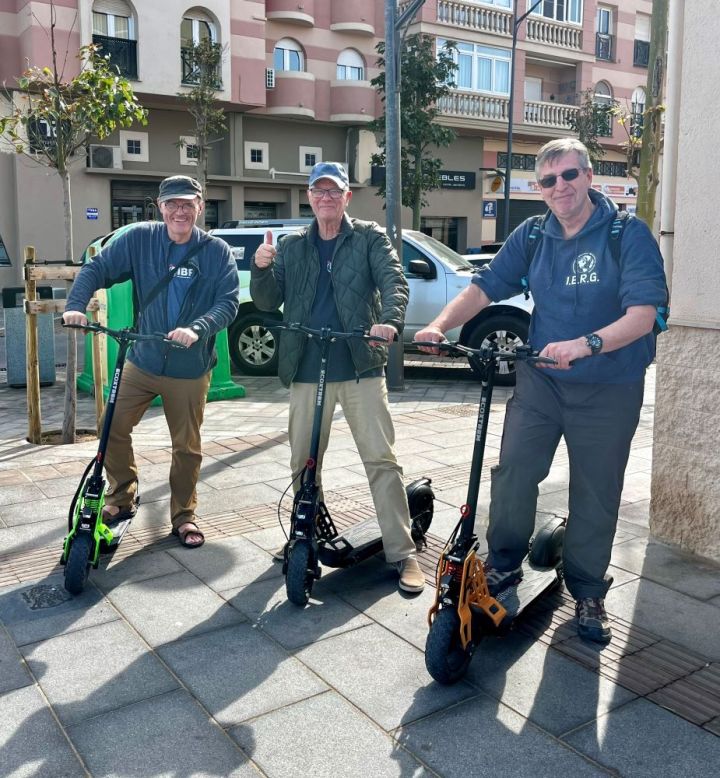
Participants: Barry Arnold (UK), Peter Hering (AT/DK) and Steen Schelde (DK).

Day One
After a weekend in Madrid, the group arrived in the Spanish exclave. The initial focus was to sort out our travel whilst in Melilla and some early exploration of town and of course the border.
The town
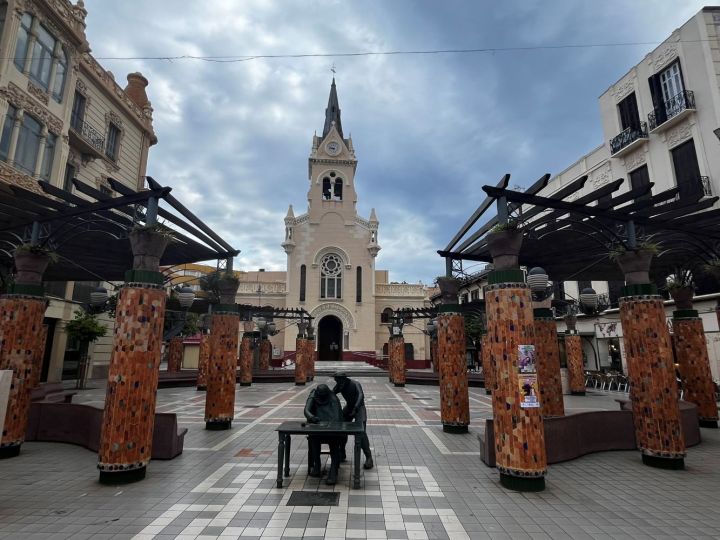
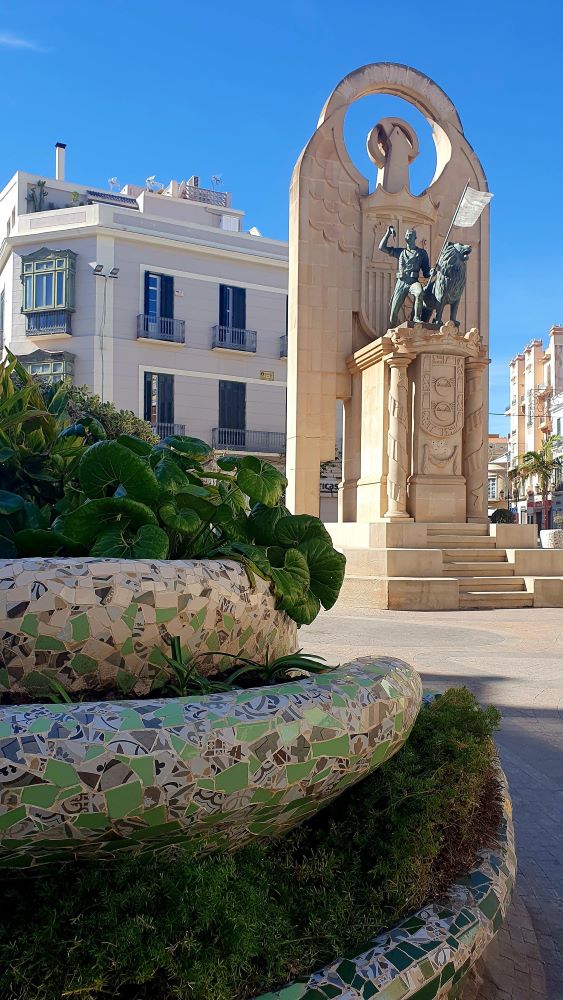
Today, Melilla is a modern Spanish town with a diverse multi faith population. It has a fort, harbour (shared with Nador) It is the Spanish city with the most Art Nouveau and Art Deco buildings, after Barcelona. You can see hundreds of examples on the streets, elegant façades appearing one after another, with curved forms, floral and plant motifs, wrought iron and stained glass. One of the joys of Melilla is simply strolling around and finding nice places to sit and watch the world go by.



The border
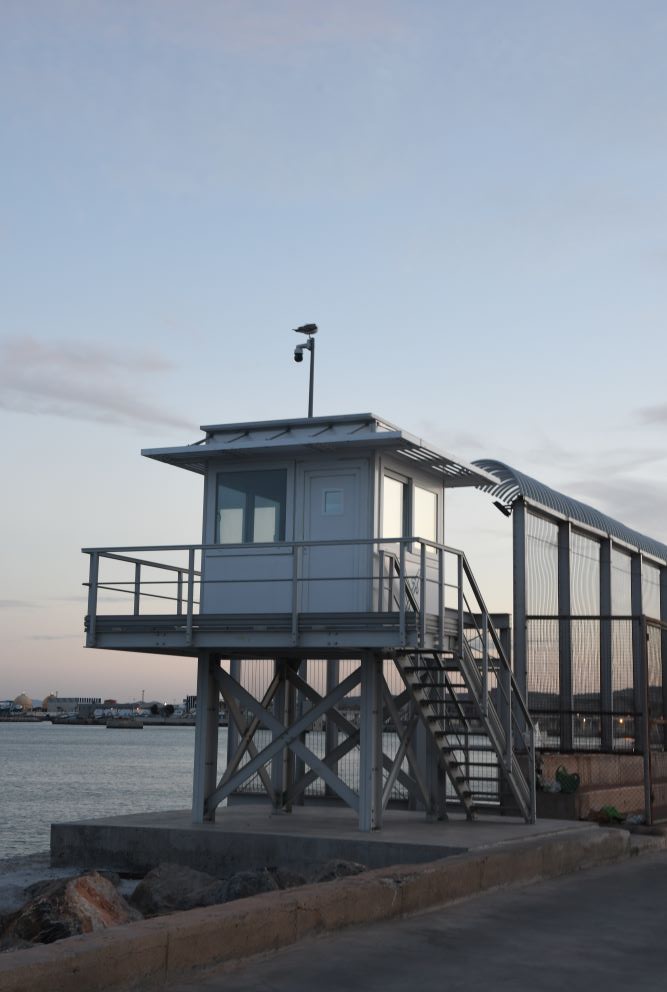
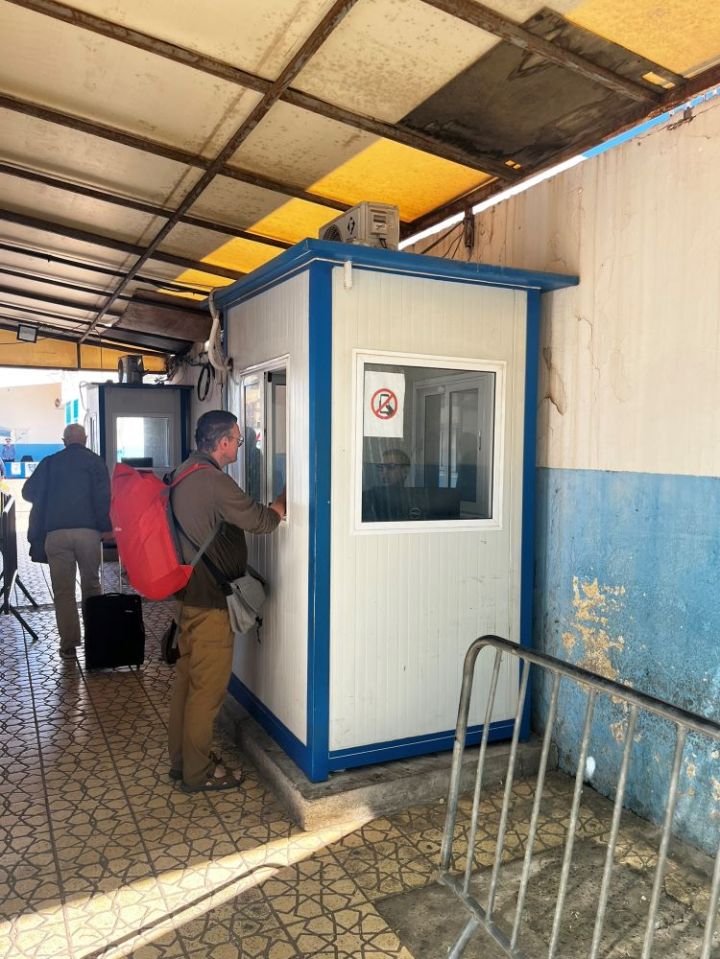
After getting to grips with the e scooters we rode south firstly towards the jetty that marks the border between the 2 harbours and our first close up visit to the fence. We then went and visited the Melilla – Beni Ansar border crossing.

Day 2
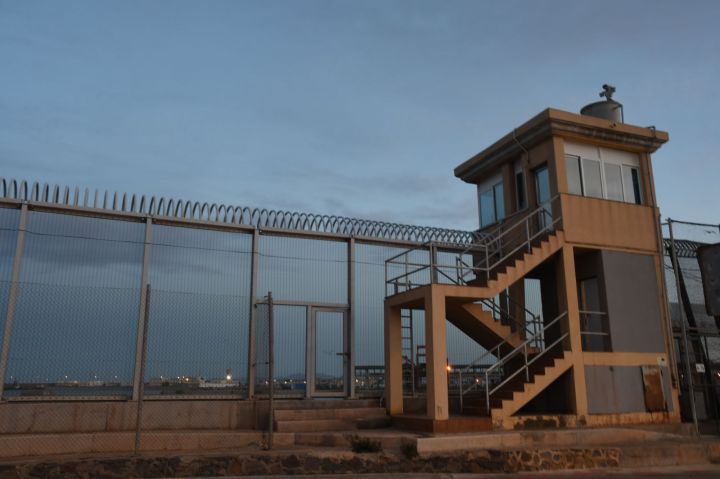
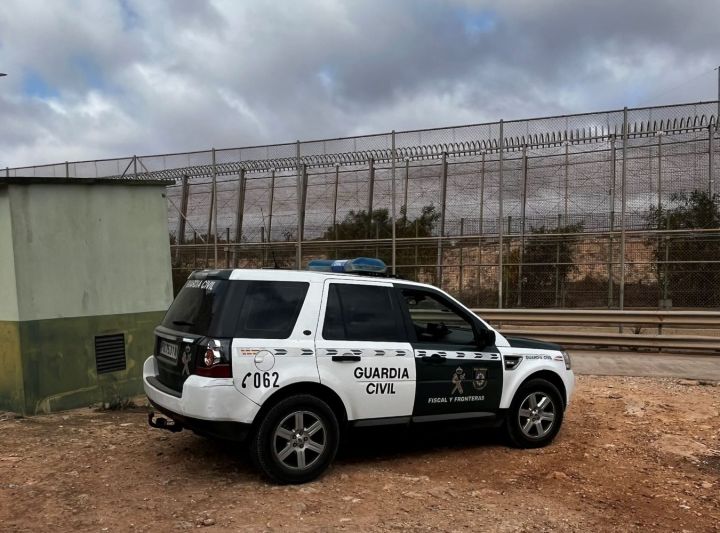
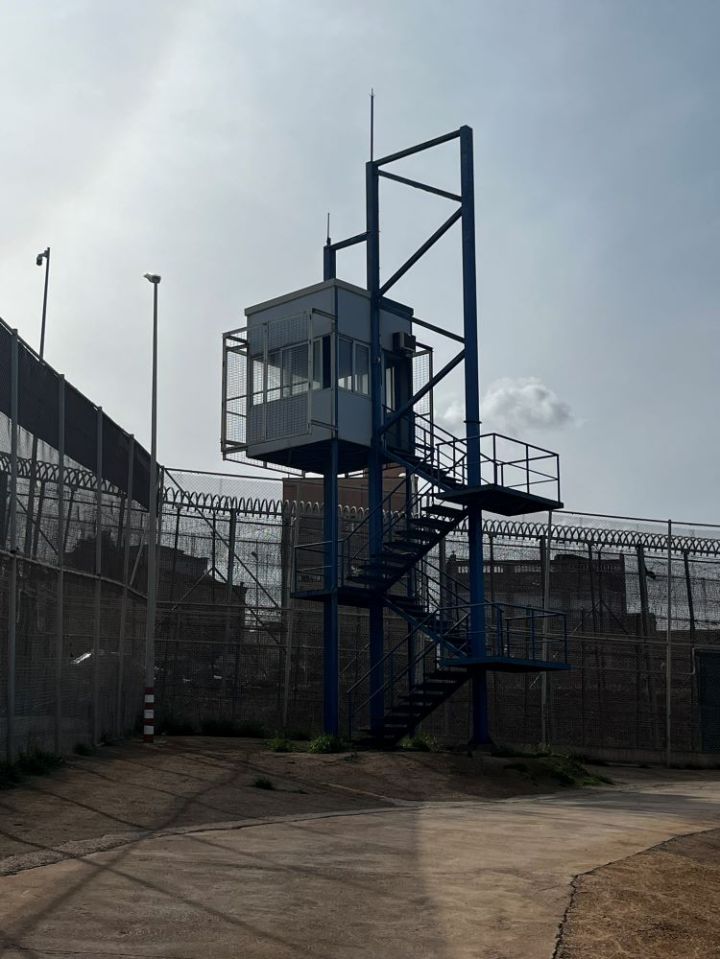
The Melilla border fence forms part of the Morocco–Spain border in the city of Melilla, one of two Spanish cities in north Africa. Constructed by Spain, its stated purpose is to stop illegal immigration and smuggling. Melilla’s border and its equivalent in Ceuta, are the only two land borders between the European Union and an African country. The barrier between Spain and Morocco, consists of a triple Spanish fence. The fence is approximately 11 km long. The triple fence was doubled in height in 2005 to 6m. It has watch towers, access roads, and a range of surveillance equipment. On the Moroccan side of the border, there are a further 2 fences, set back from the border and earthworks and ditches to prevent access. The Spanish side have mobile patrols whereas the Moroccan side have fixed observation points. We spent the whole day visiting the border from NW to SE, focusing on the border at the coasts and inland. We had several interactions with law enforcement officials especially at the 3 closed border crossing points between Melilla and Morocco.



Border Crossings
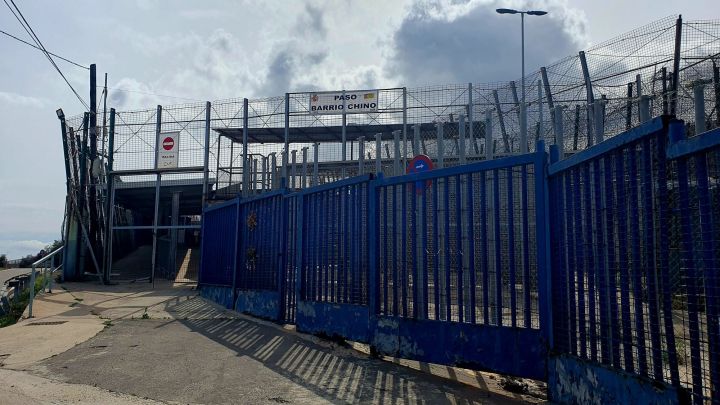
There are the crossings to Mariguari , Farhana, Barrio Chino and Beni Ansar (north to south). These were sensitive areas and we were challenged at 2 of them. For the reports for these, with maps, additional photos and reports please click on the photos below.



Day 3
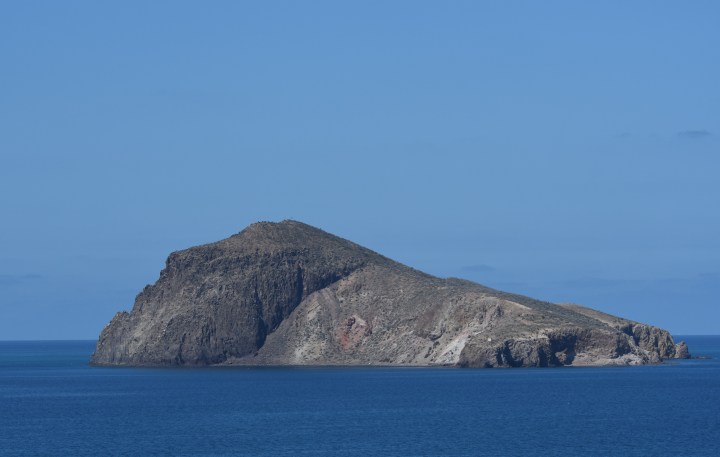
After a day of exploring the border between Morocco and Spain, we left the exclave via the Beni- Ansar border crossing and after collecting our hire car from Nador Airport headed east to visit the final Spanish possession on out list. The Chafarinas Islands are 45 km to the east of Nador and 3.3 km off the Moroccan town of Ras Kebdana. The Chafarinas Islands are made up of three islands. Under Spanish control since 1848, there is a 30-man military garrison on Isla Isabel II, is the only stable population on the small archipelago, down from 426 people in 1900 and 736 people in 1910. Small numbers of scientists, anti-trafficking police, and other authorized personnel sometimes increase the population to around 50.



Day 4
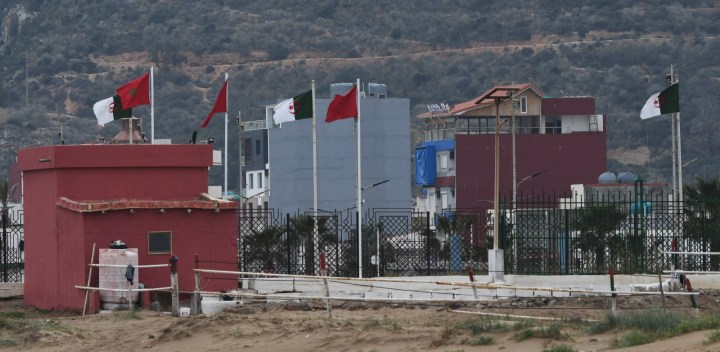
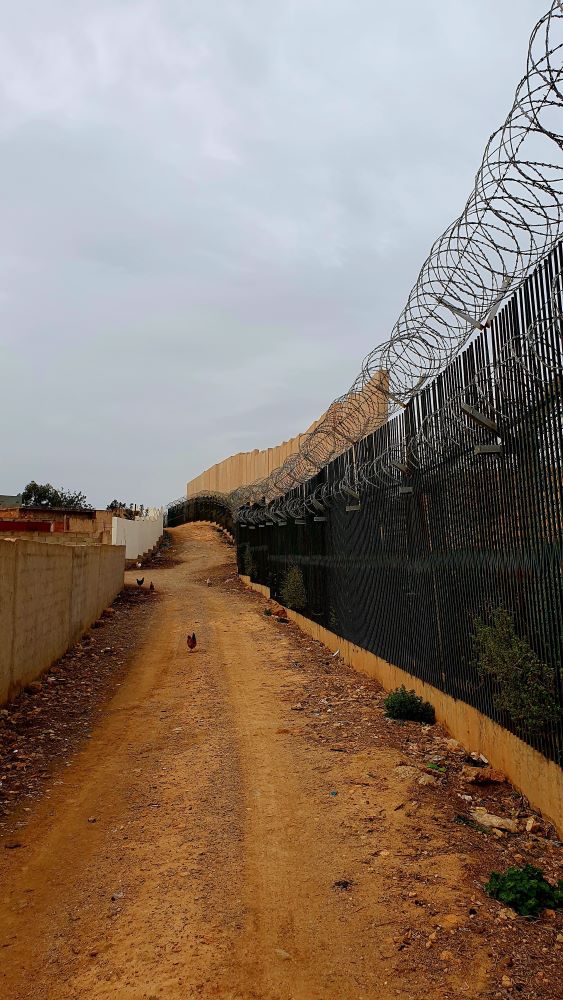
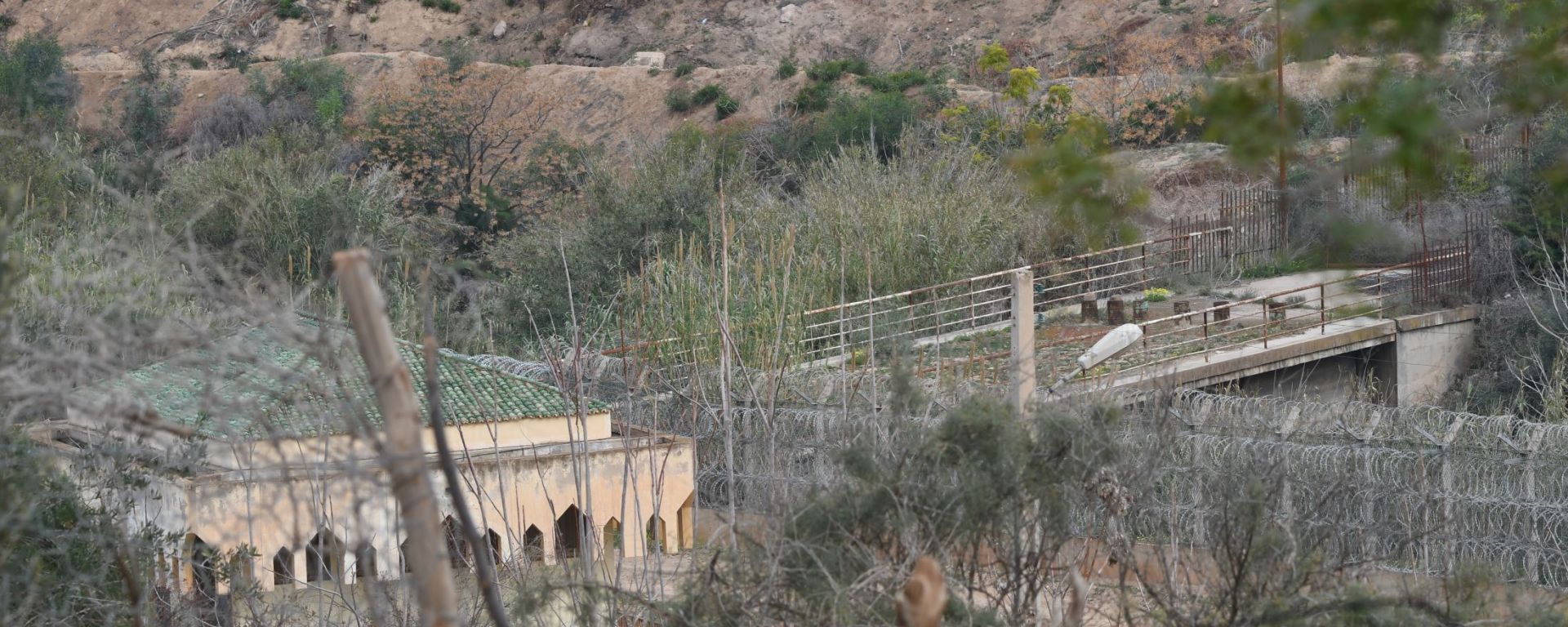
The forth day was a journey into the unknown. The Morocco – Algeria border has been closed since 1994 and relations between the 2 countries has not been good for some time. The whole border lies within a security zone and it is an uncharted area for border enthusiasts generally. In our pre trip planning we identified the Ahfir – Boukanoun and Zouj Beghal – Akid Lotfi border crossings as ones we would like to visit, there was very limited information available on line and few if any photos. We also visited Saïdia where the MA/DZ border meets the sea and Douar Cheraga, a small village near the border fence. We were unsure what we would find and what obstacles we would face. This was a very fortified border, and reminiscent of the Berlin Wall or Inner German border. Click on the photos below for full reports on each POI.



Day 5
Leaving the border and returning to Nador to overnight in a fabulously quirky hotel, we spent the final day exploring the Moroccan border with Melilla from the Moroccan side. Logistically this was more difficult as whilst settlements had been built close to the border fence, there were also fixed and mobile observation points. Border areas are deemed sensitive. Our focus to visit the 4 border crossing points from the “other” side.
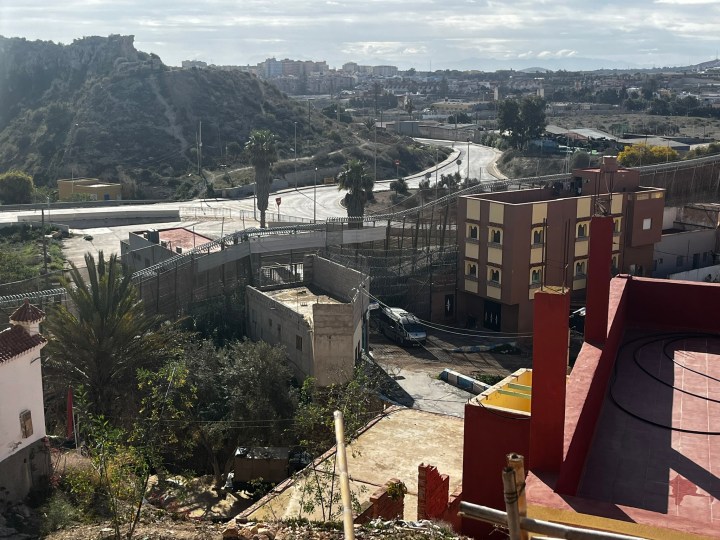

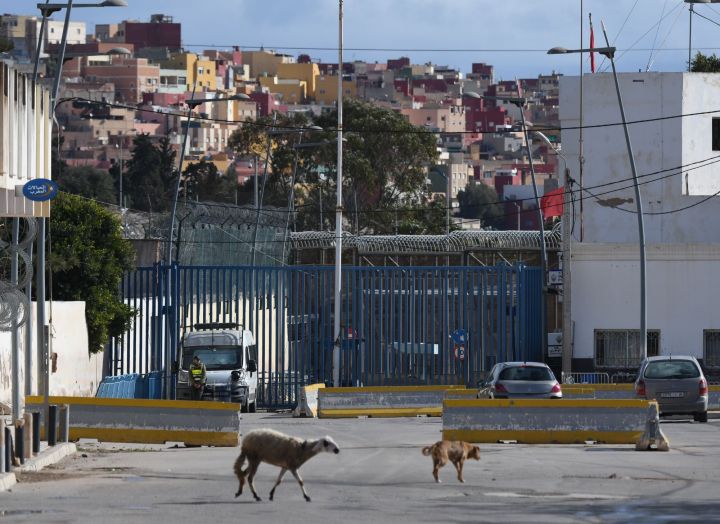
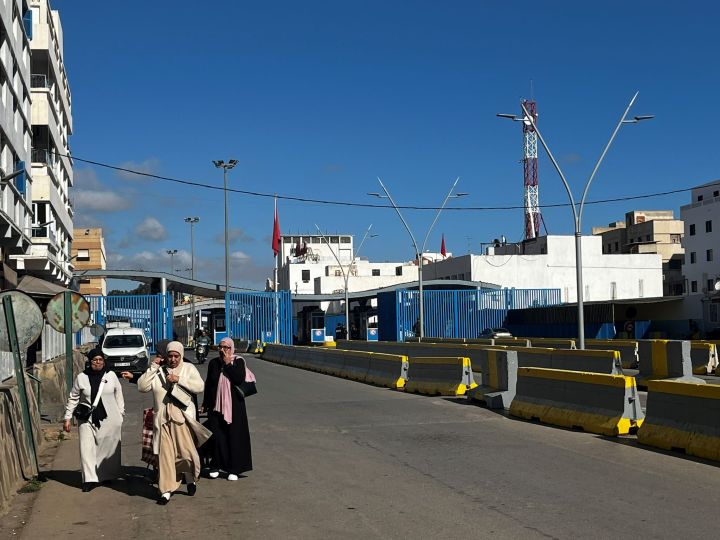
At each point there were police and military personnel and photography was discouraged. After returning the hire car to Nador Airport we returned to the Beni- Ansar border crossing and returned to Spain.

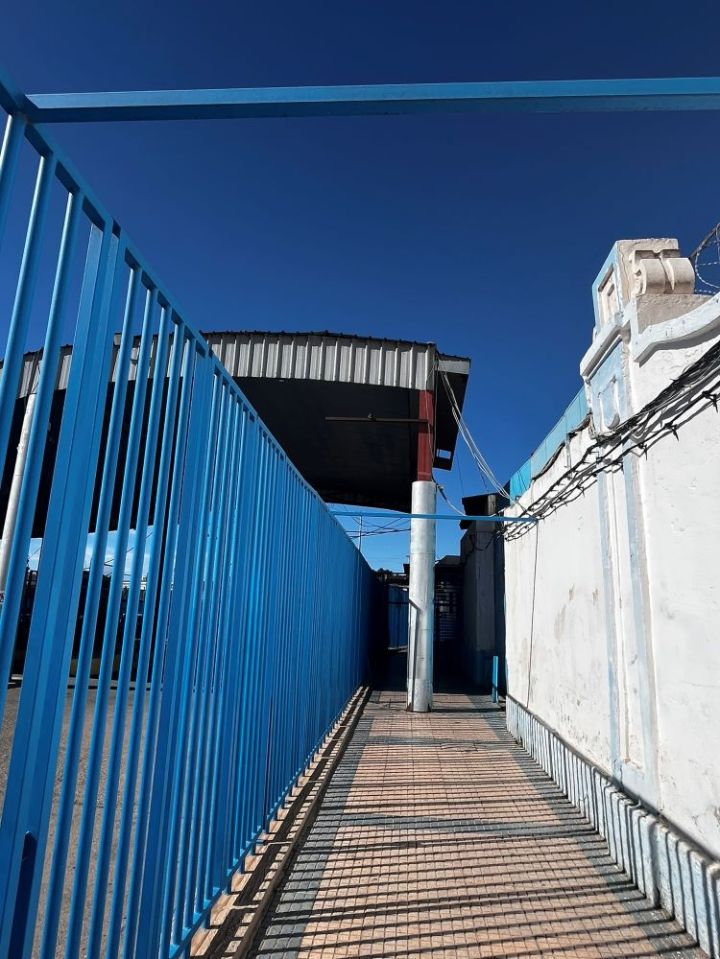
A celebratory meal and flights the next day marked the end of another IBRG trip. Lots of idea for future trips are in the pipeline.

Dates of Visit: 3 – 8 March 2024
 Barry's Borderpoints