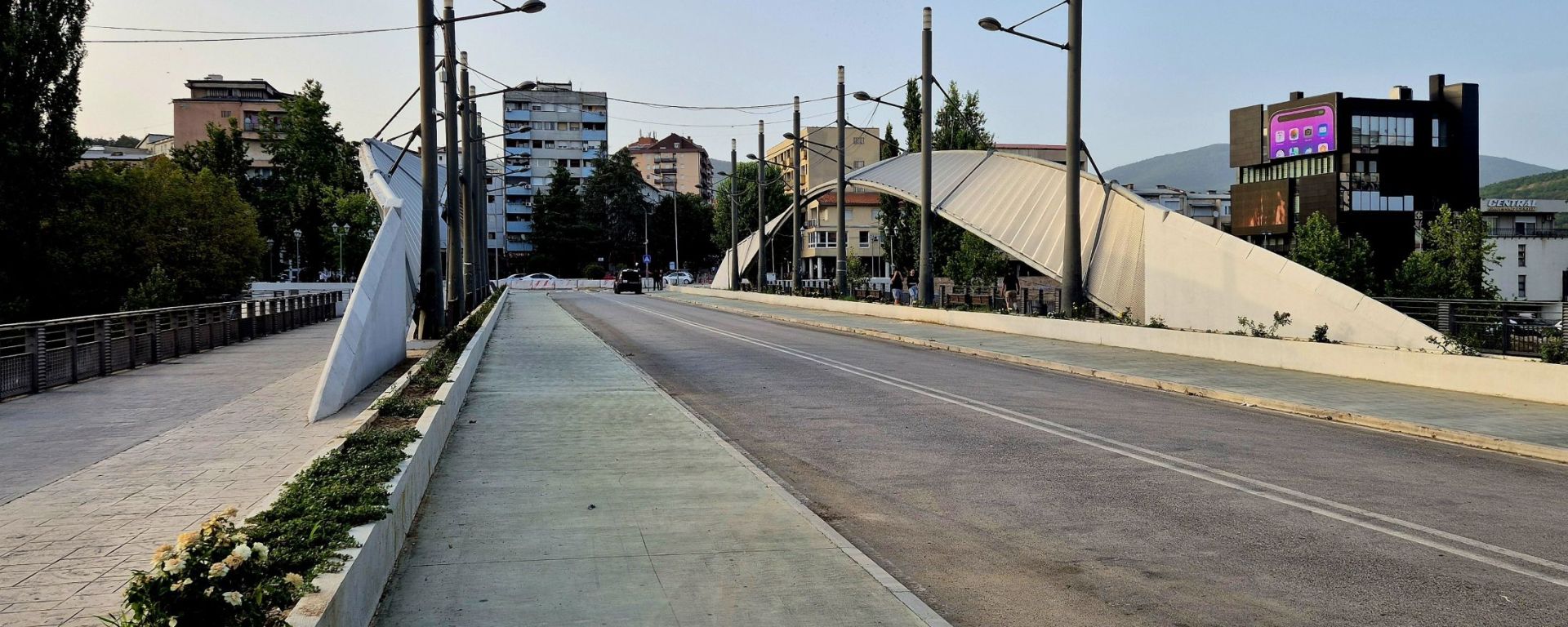
A city divided by ethnic borders
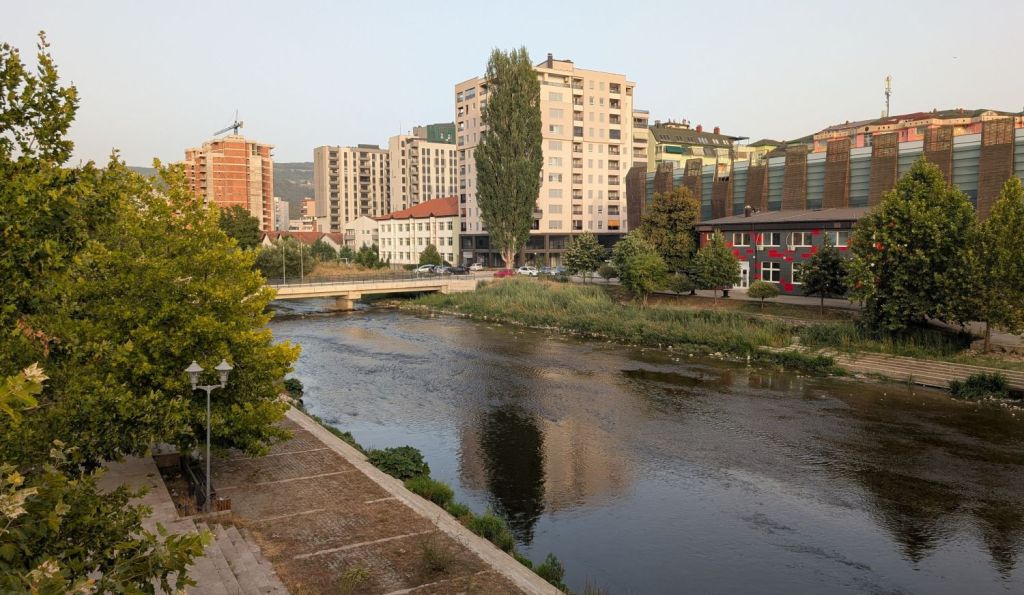
Mitrovica (also known as Mitrovicë in Albanian or Kosovska Mitrovica in Serbian) is a historically and politically significant city located in northern Kosovo. It acts as the administrative centre for the Mitrovica District and is famous for being a deeply divided city, split along ethnic lines by the Ibar River. I visited this point as part of the IBRG WEBTEX-26 expedition.
Following the 1999 Kosovo War and subsequent ethnic tensions, the city was formally separated into two distinct administrative municipalities in 2013.
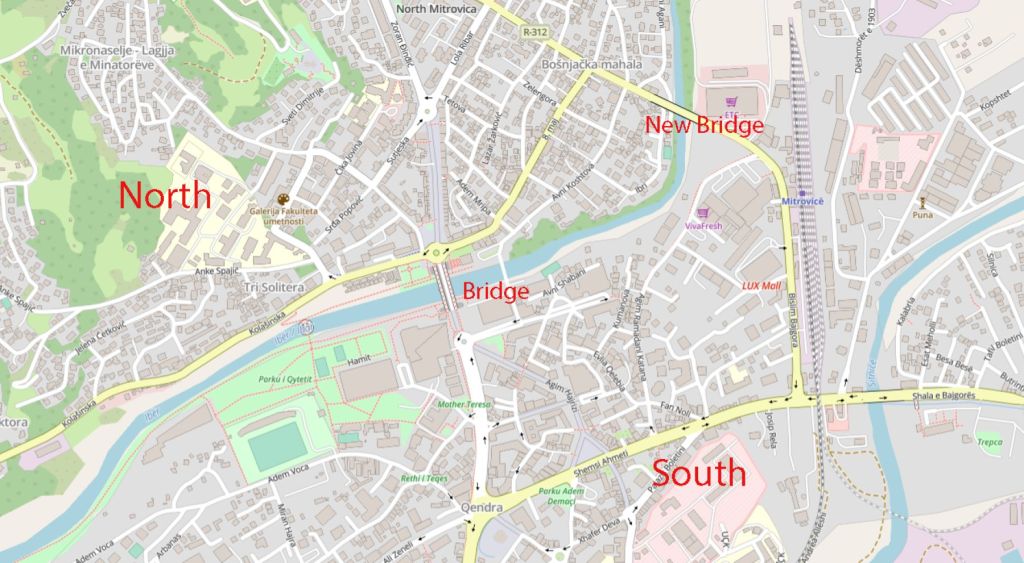
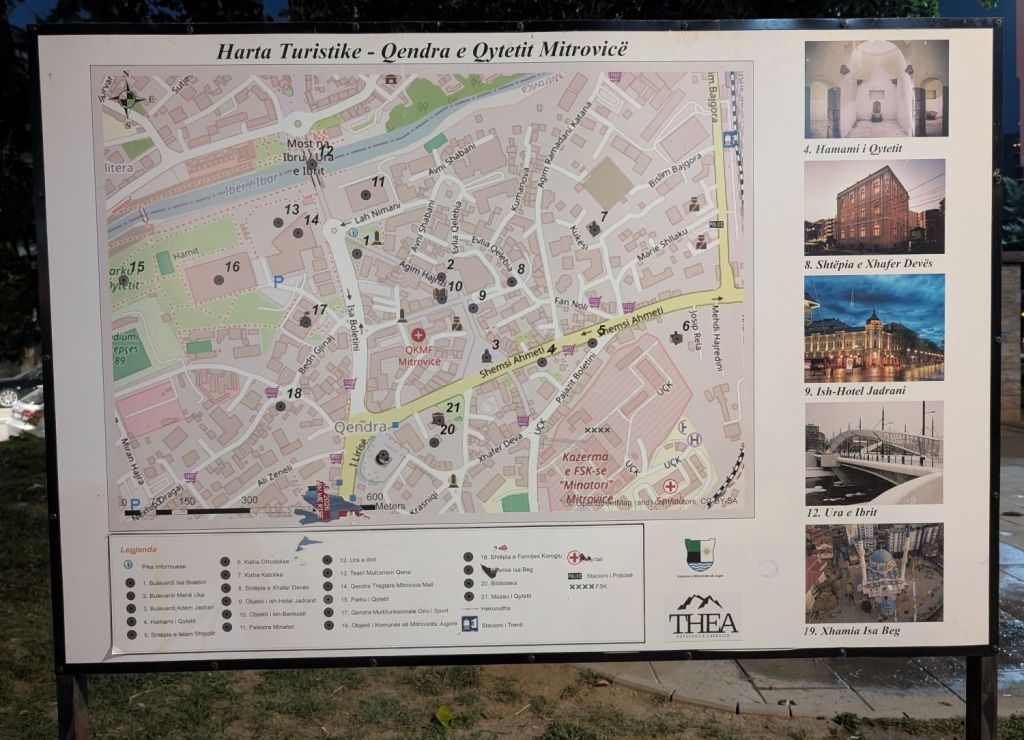
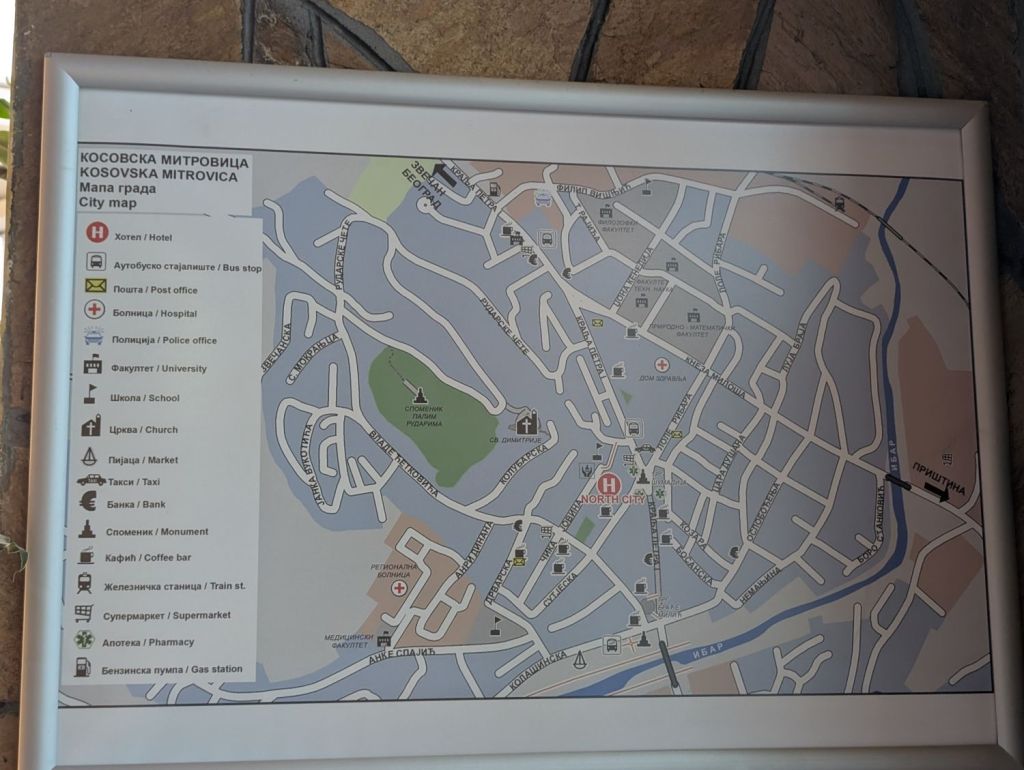
The respective maps do not show the other side of the city. Each tell a story
South Mitrovica
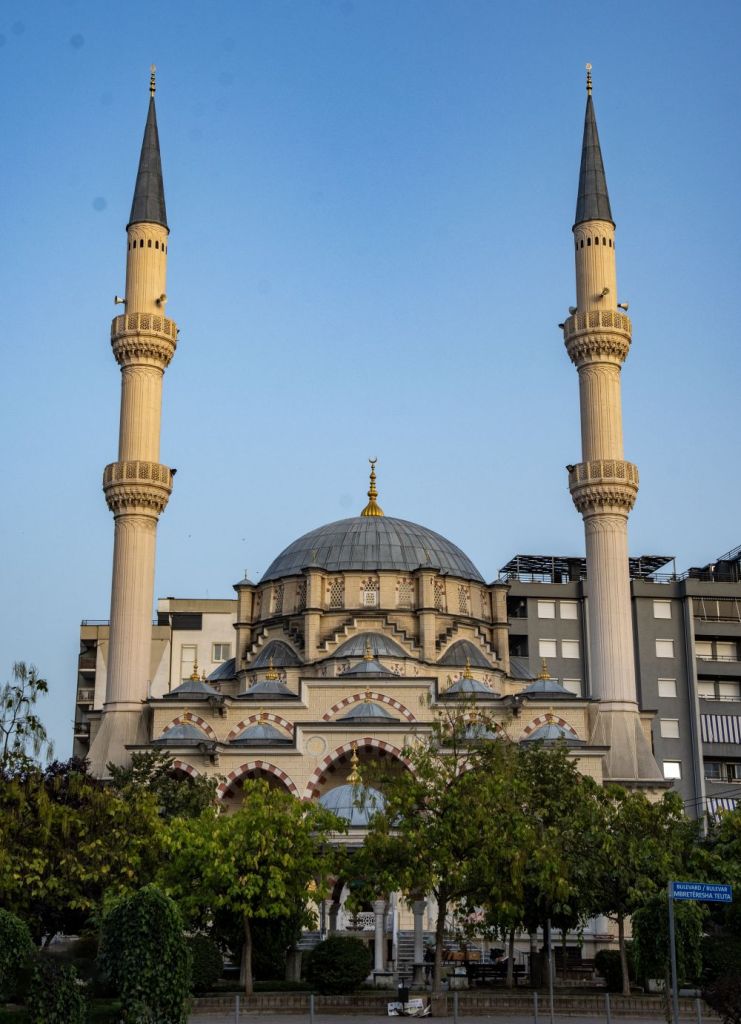
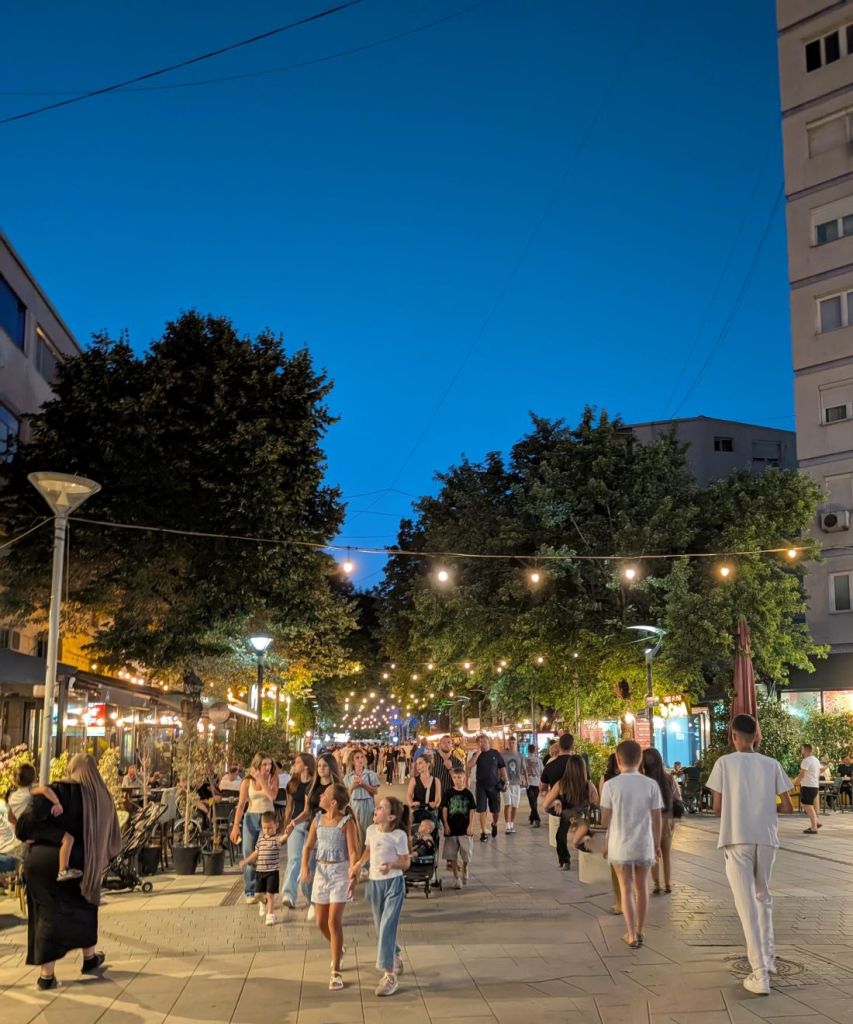
The larger half of the city (population ~64,742). It is overwhelmingly inhabited by ethnic Albanians (96.8%), uses the Euro (€), and is governed under the Republic of Kosovo framework via Pristina. It features busy pedestrian squares like Mehë Uka Square, modern high-rises, and numerous mosques. In August 2026 it appeared the most prosperous half, with modern high-rises, vibrant retail storefronts, and new mosque constructions and café culture.
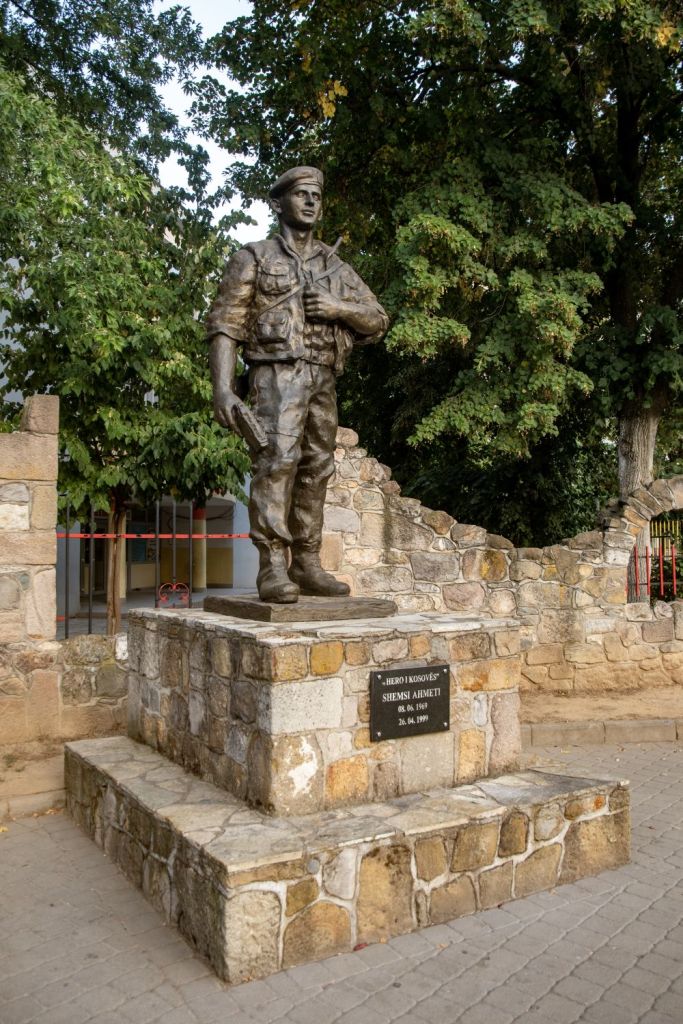
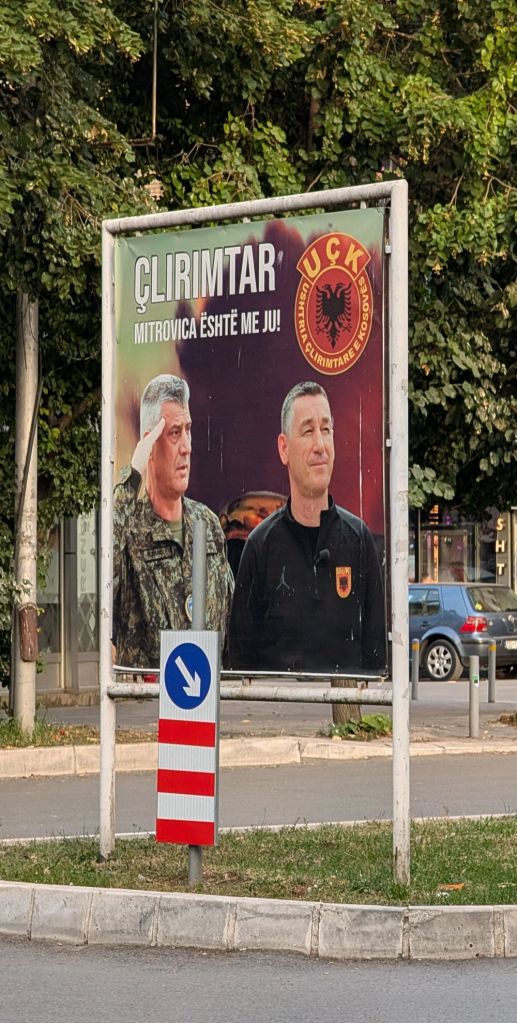
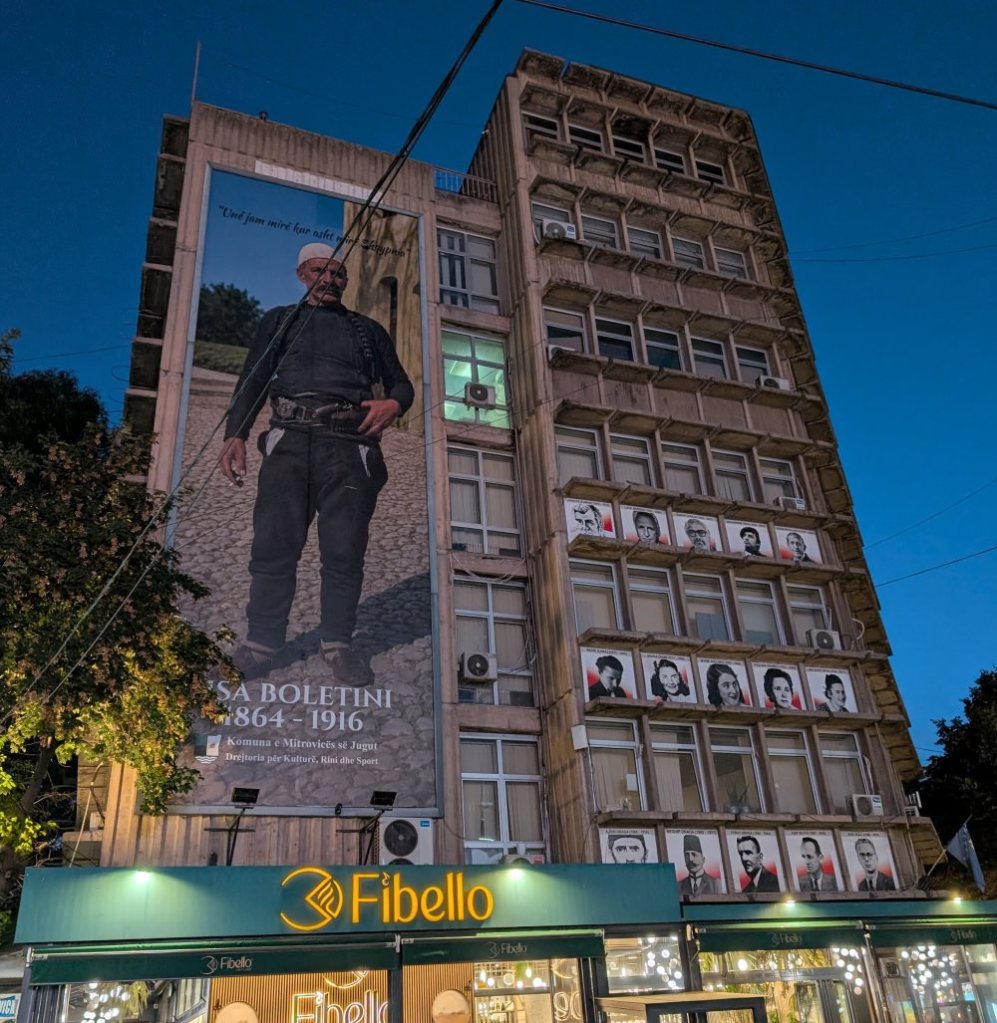
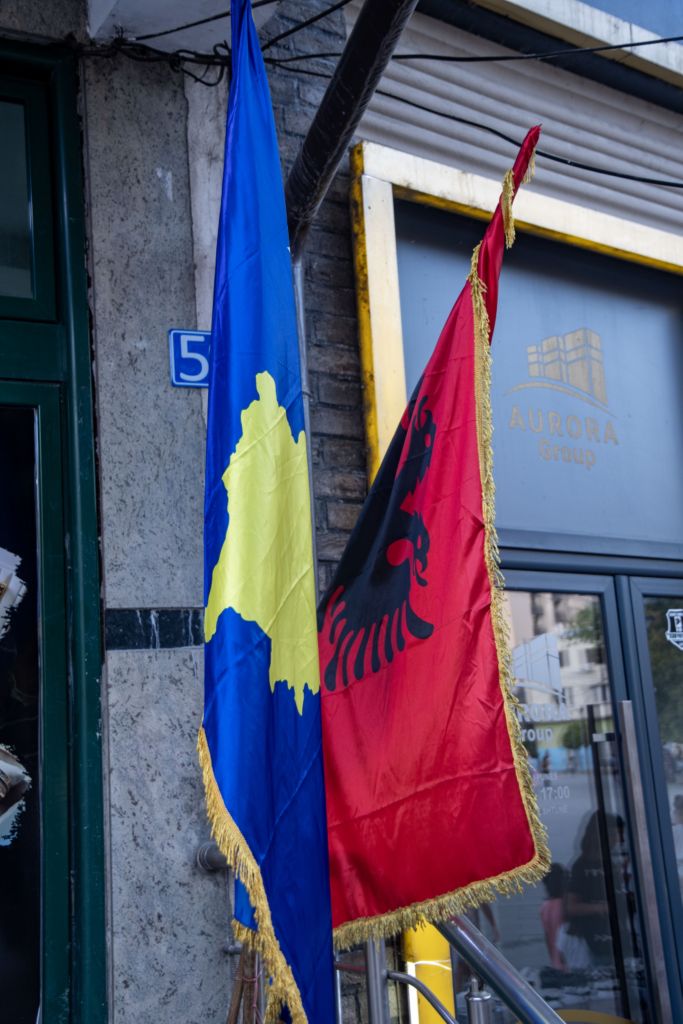
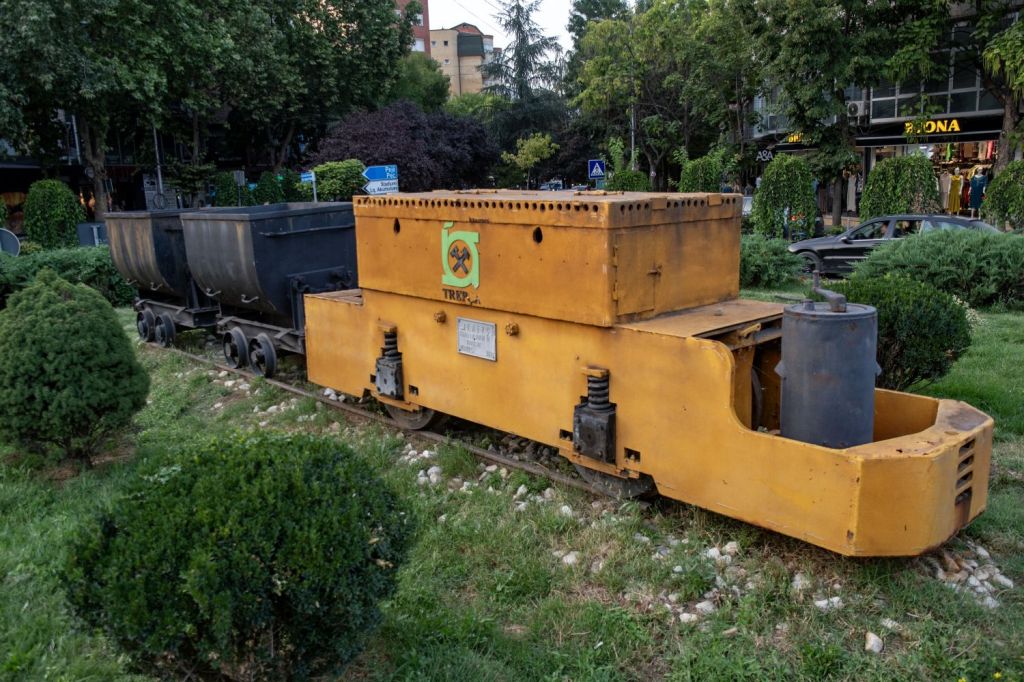
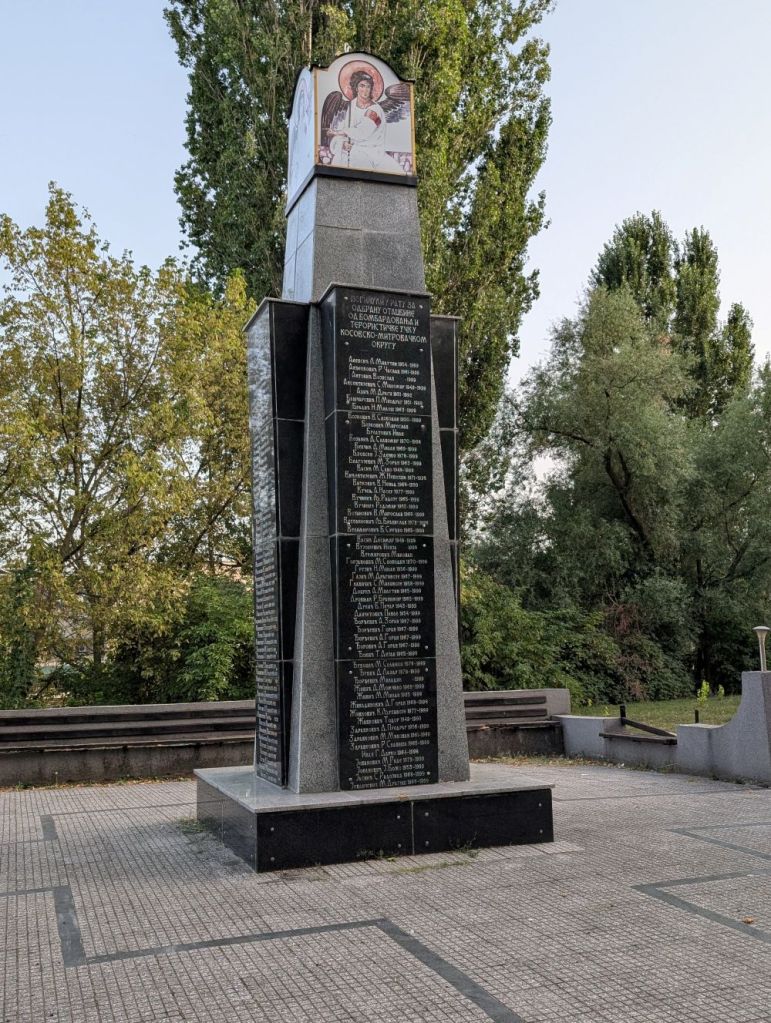
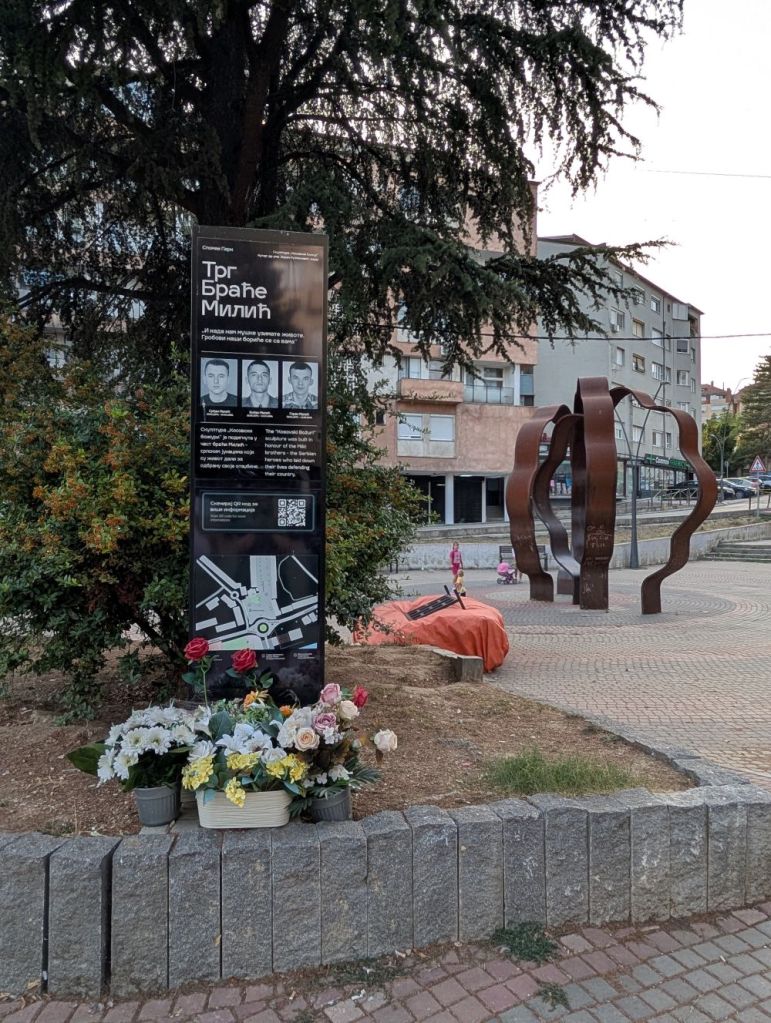
The past is never far away on both sides memorials exist commemorating heroes and patriots.
North Mitrovica
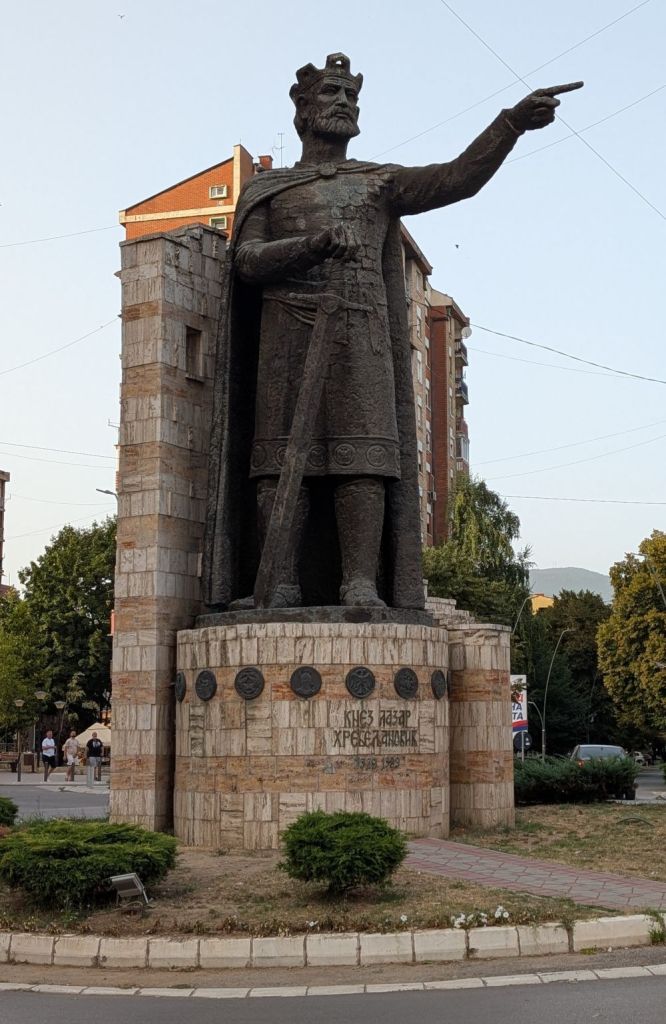
The northern half (population ~7,920), which serves as the primary urban, cultural, and political center for the Serbian community in Kosovo. It has a Serbian majority (70.6%), predominantly uses the Serbian Dinar (RSD), displays Serbian flags and Cyrillic street signs, and operates with heavy political alignment toward Belgrade. In contrast to the more modern south the north is characterised by crumbling socialist-era apartment blocks, nationalistic murals, and an unloved architectural landscape. However, behind those older facades, the heavy influx of public sector wages and double-funding mechanisms meant that northern residents maintained a higher average purchasing power compared with the south.
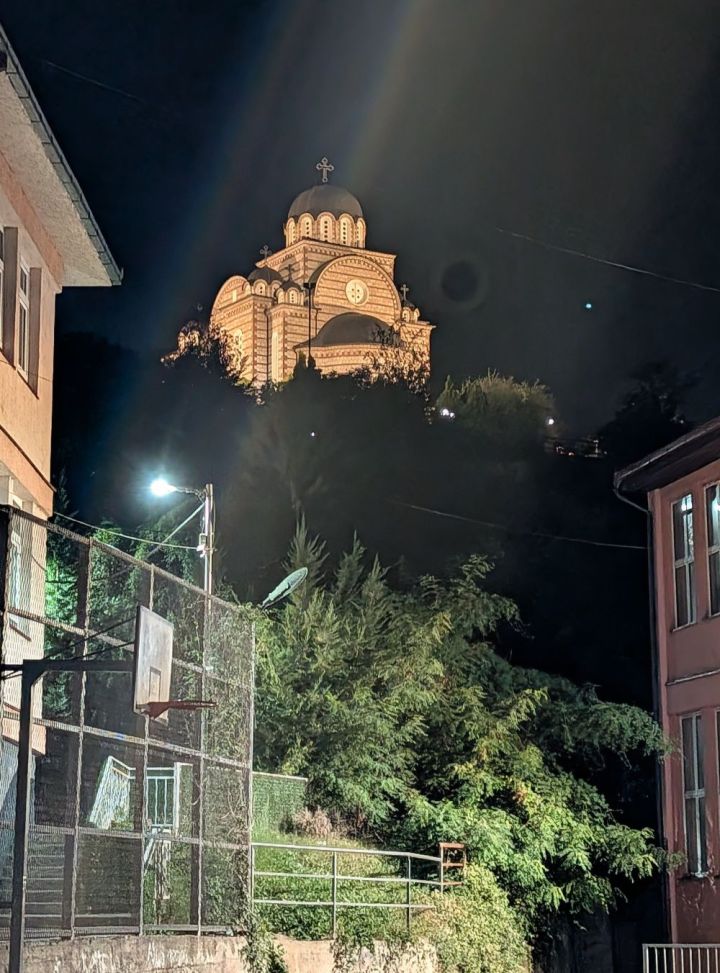
The Church of St. Demetrius was built in November 2005 partially to replace the Church of St. Sava which became completely inaccessible to the Serbian Orthodox population living in the north following the division of the city. That church was severely damaged by fire during the March 2004 ethnic unrest in Kosovo, it has since been restored and occasionally hosts services.
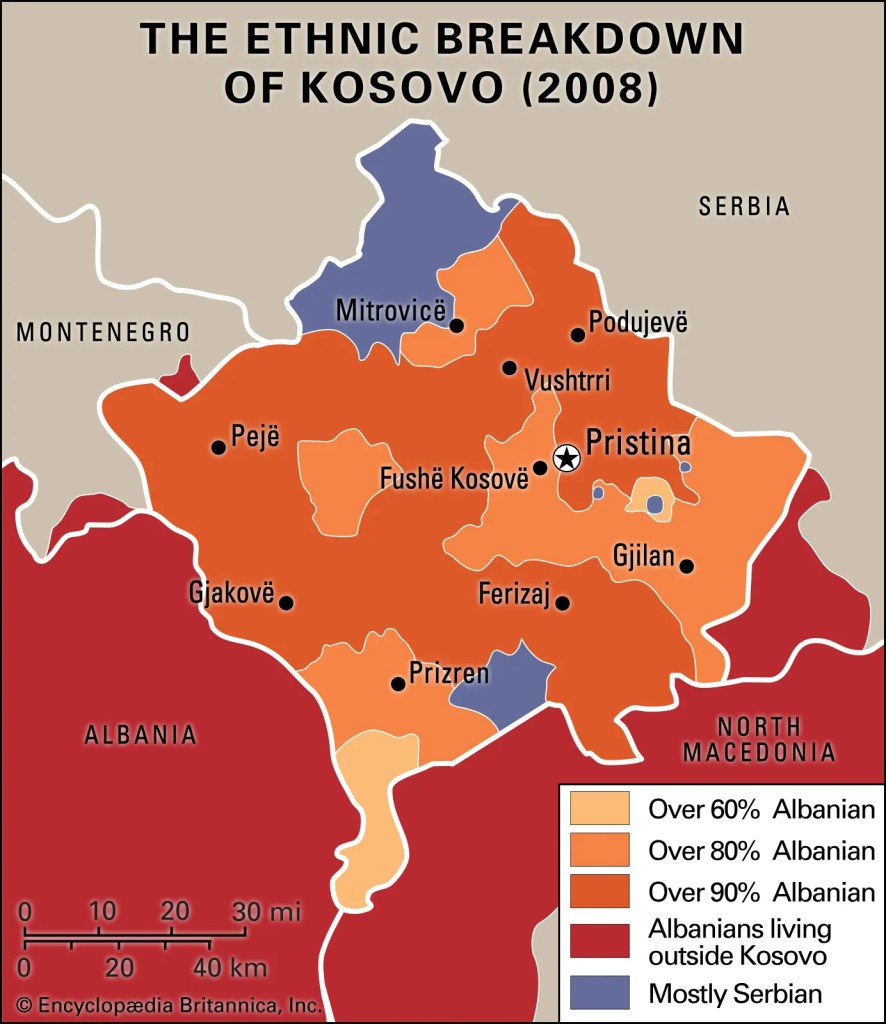
Entering Kosovo from Serbia, it was obvious that there was ongoing civil resistance to central Kosovan control. Graffiti, flags and the simple fact most cars were Serbian registered.
The area had a run down feel with many scrap yards bordering the roads.
Belgrade historically funded local public services, healthcare, and education systems in the north, though these parallel structures have faced continuous crackdowns or scaling back by Kosovo authorities The government in Pristina has actively moved to integrate the northern municipalities, dismantle parallel Serbian administrative and financial structures, and enforce central laws (such as vehicle registration and currency regulations).
Our hotel in North Mitrovica charged us in Serbian Dinar, when we asked why we received a lecture on how Kosovo was a neo colonist construct created by the EU and NATO, and that they, and the area was in fact Serbian.
A future possible solution might be a land swap where Kosovo cedes the 4 northern municipalities and Serbia the Preševo Valley which is Albanian populated. Both areas however have economic and strategic obstacles that make any transfer difficult.
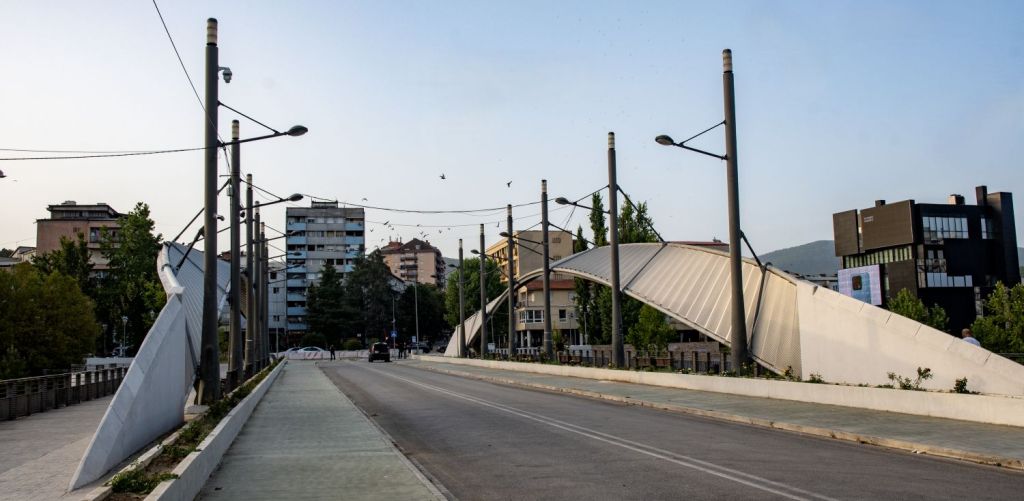
Ibar Bridge, Mitrovica
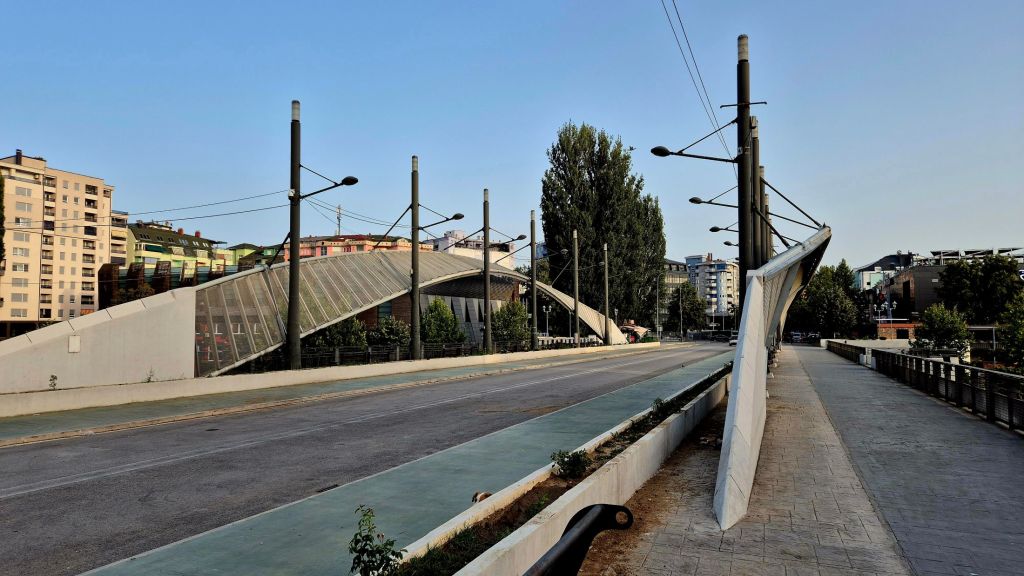
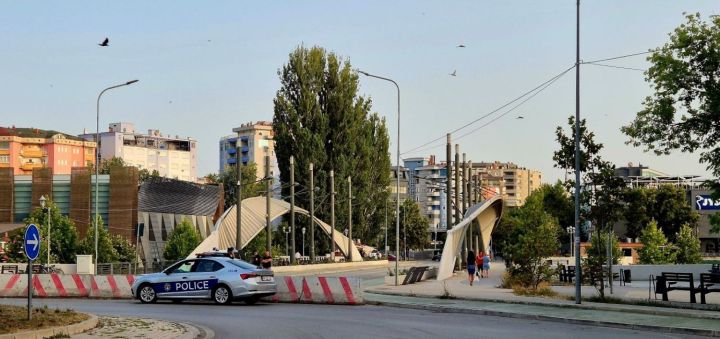
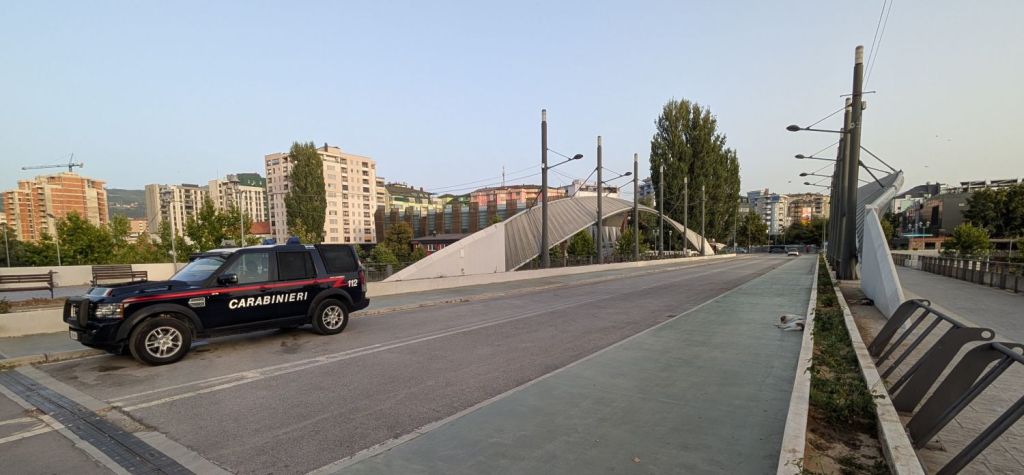
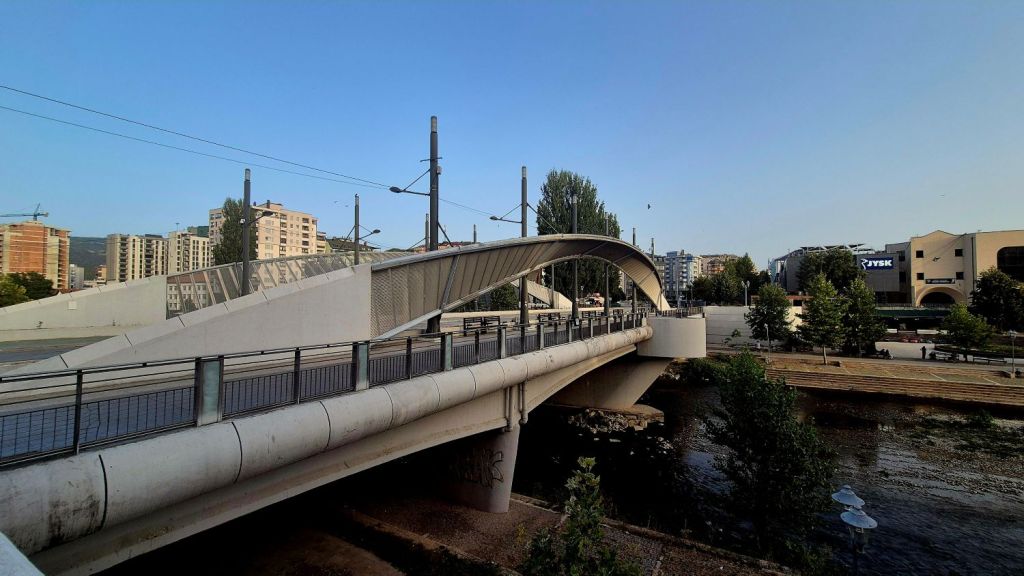
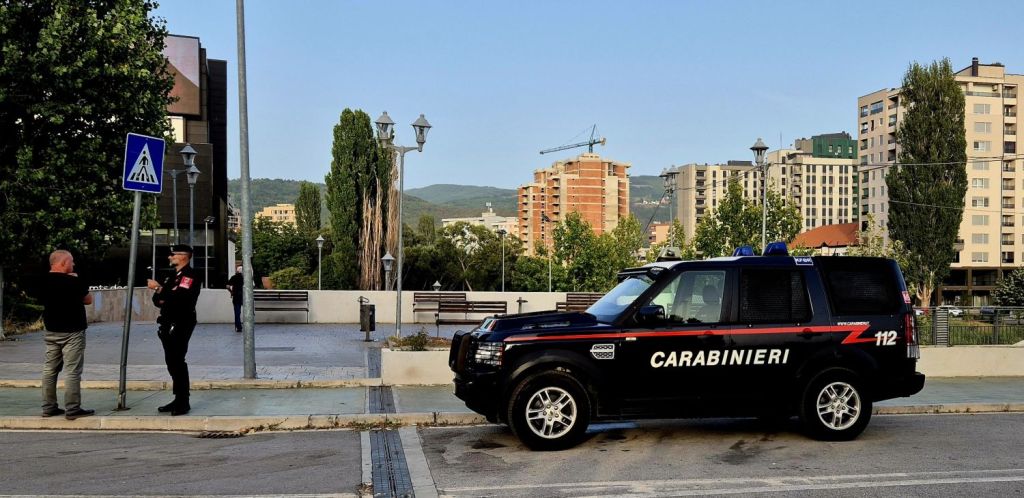
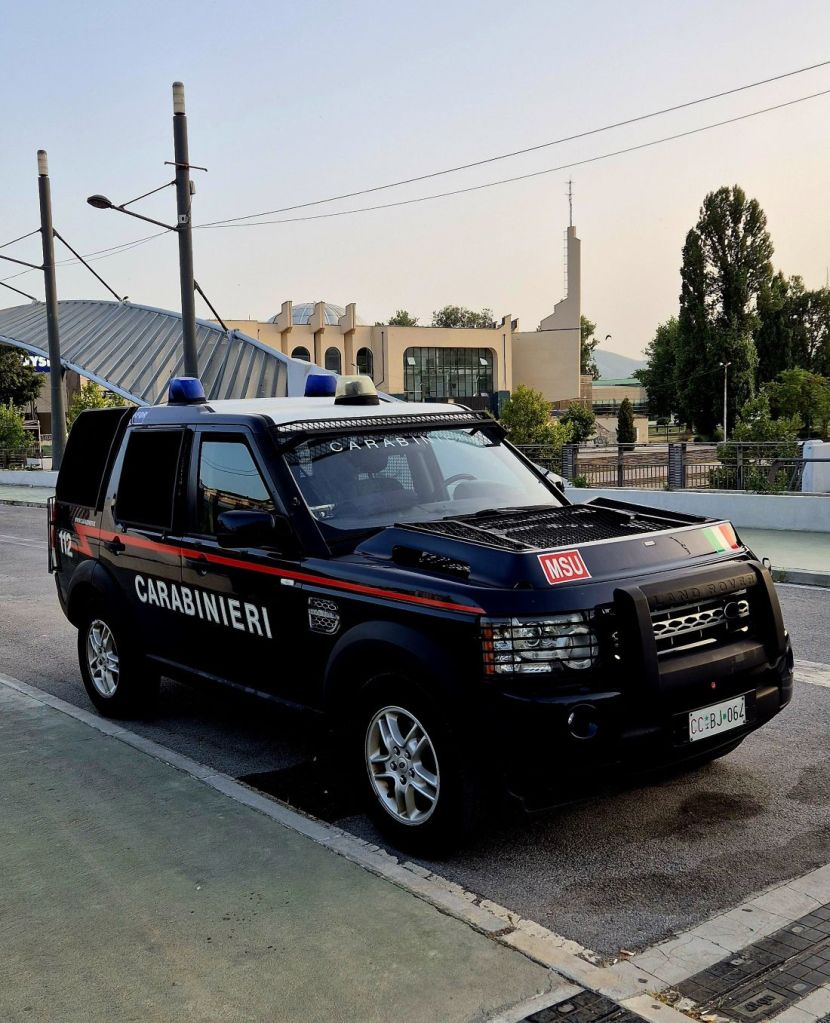
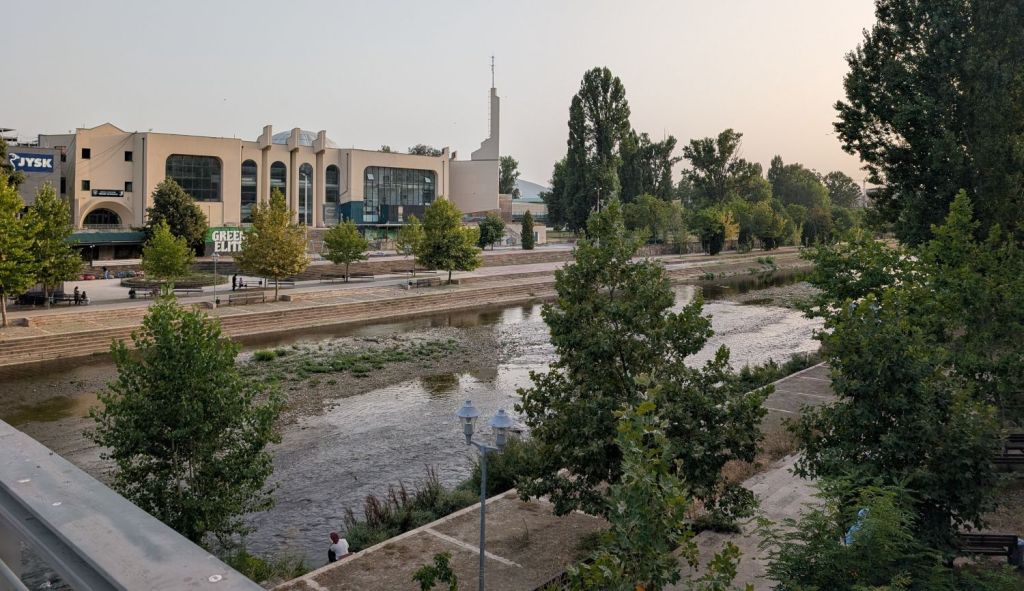
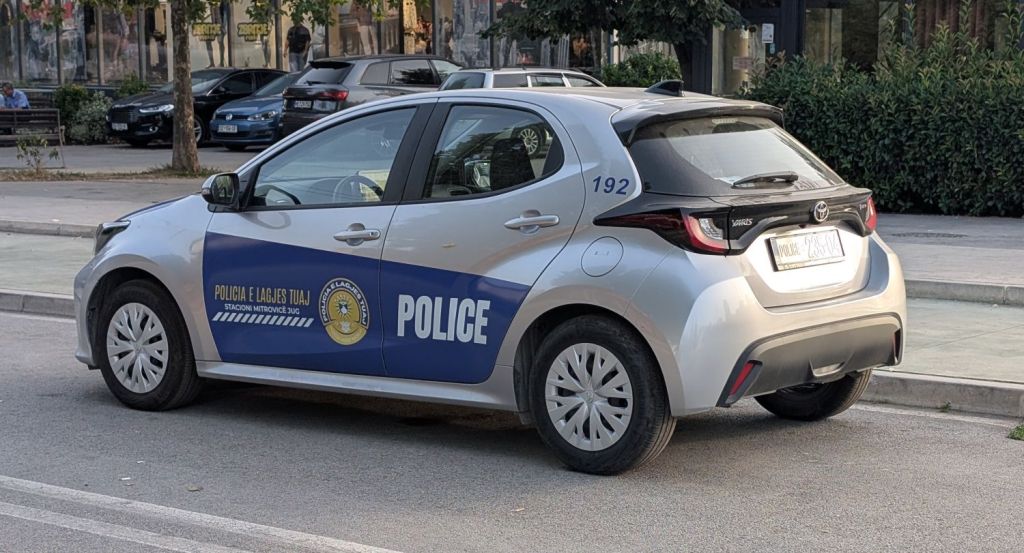
The Mitrovica Bridge (Ibar Bridge) crosses the Ibar River in Mitrovica, linking South Mitrovica (predominantly Albanian) and North Mitrovica (predominantly Serb). It is open to pedestrians but has been closed to traffic for 25 years (since 2001). It has become a well-known symbol of ethnic division, post-conflict tension, and political negotiations in Kosovo, and is regularly patrolled by international peacekeepers (KFOR and the Carabinieri).
It is one of three bridges over the Ibar within Mitrovica. In 2025, the Kosovo government in response to the continued closure of the Ibar Bridge, constructed and opened two further new bridges over the Ibar River in Mitrovica to connect Albanian-majority South Mitrovica and Serb-majority North Mitrovica. The vehicular and pedestrian bridge opened on August 2025, just weeks after the foundation stones were laid. The pedestrian bridge was subsequently completed and inaugurated in December 2025. This move drew sharp criticism and protests from local Kosovo Serbs, the Serb List party, Belgrade, and the European Union, who viewed the unilateral move as a political escalation. At the time of my visit the bridges were open.
Celebrations
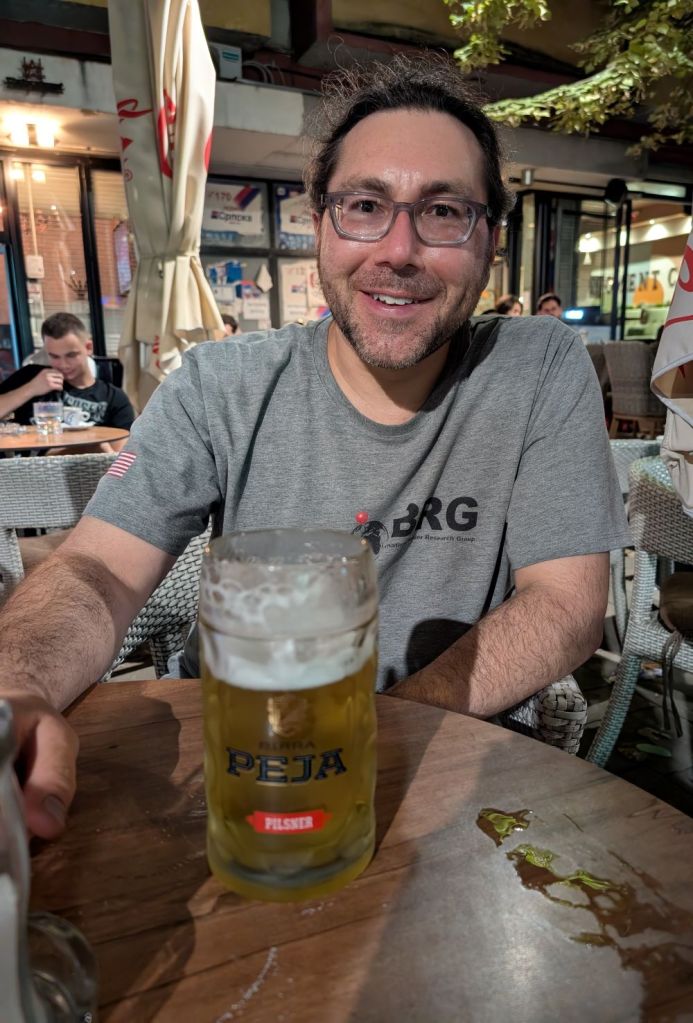
We spent time on both sides of the bridge, the south was busier with more choice, whereas in the north it was easier to get a beer. IBRG trips involve considerable celebrations, eating and drinking.
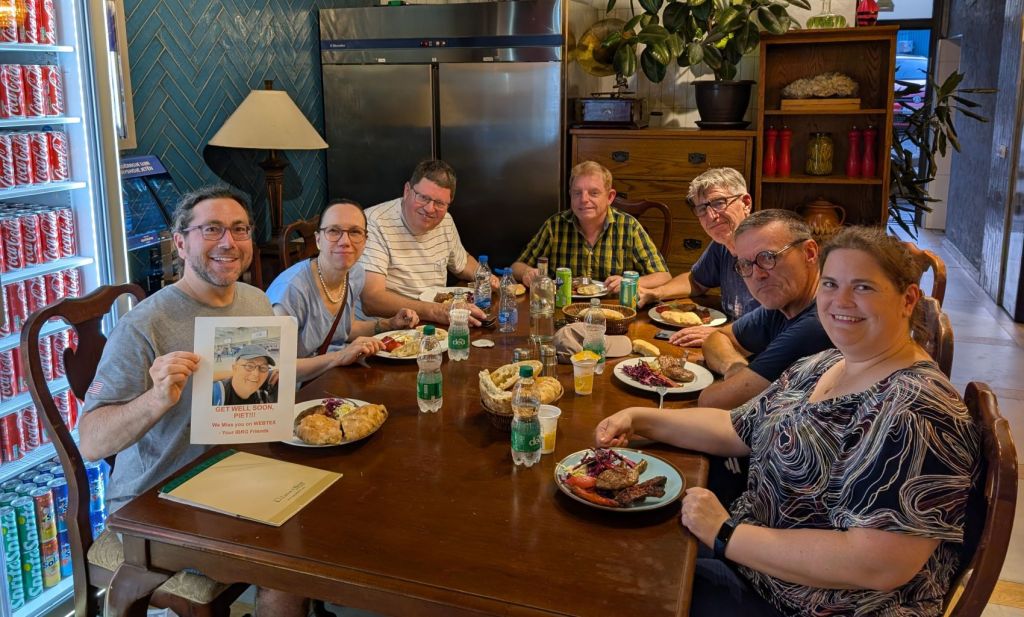
We sent our best wishes to a member of the group who was unable to join us this time
Community Engagement
Obstacles
Kosovo plans to open the Ibar Bridge and in August 2026 NATO’s peacekeeping mission in Kosovo (KFOR) began a gradual transition of its permanent presence from the main Ibër/Ibar River bridge in Mitrovica, paving the way for its long-planned opening to vehicular traffic. This move has been resisted by local Serbian politicians. Similarly, when the MitroRun 2026 (October 2026) took place parts of the 10K route passed along the Ibar River and extended into North Mitrovica, which in turn drew objections from the Municipality of North Mitrovica regarding coordination and consent. It appears as if the Serbian side resist any move towards normalisation within the city.
Strategies
Nevertheless, community engagement is occurring, and centres on efforts involving local grassroots organizations, international bodies, and youth-led initiatives. Community Building Mitrovica (CBM): a prominent interethnic, grassroots NGO run by a joint Serb and Albanian staff. It focuses on youth support, civic education schools, media literacy workshops, and reconciliation programs across the Mitrovica region. Youth summits like the Balkan International Youth Summit work to engage young people from diverse backgrounds to build local trust and civic participation
Videos

Date of Visit: 28 August 2026

