The tripoint between Bolivia, Brazil and Paraguay is remote. A rarely visited tripoint with limited information on the internet. Located at the confluence of the Negro and Paraguay rivers and only accessible from the Paraguayan side where a tripoint marker is located. We were quite excited to visit the last marker on the Bolivia – Paraguay border after visiting (ARBOPY) and BM#1 the day before. This is a long established tripoint created in following the Treaty of Petrópolis (1903) signed after the Acre War ceded Acre to Brazil.
Near the BOBRPY tripoint there is the “Dioniso Foyani” (or Foianini). Triangle, the above 1903 treaty with Brazil ceded this triangle to Bolivia so that Bolivia could build a port on the Paraguay River, ensuring a sovereign and direct river connection to the Atlantic Ocean via the Paraguay-Paraná Waterway and the Río de la Plata. I visited this point as part of the IBRG SATEX-25 expedition. This is Tripoint #40 for me. My other Americas tripoint visits are reported here.
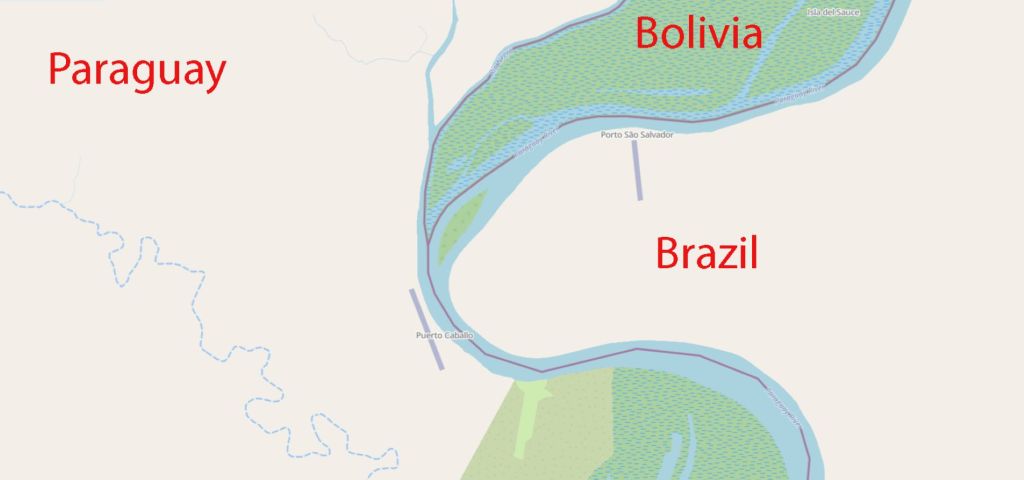
Many South American tripoints are remote, the region sits on the edge of the sprawling Pantanal wetlands and the remote, semi-arid Gran Chaco. We drove in from Lomo Plata a 6 hour drive away with the last 200 km on dirt roads.
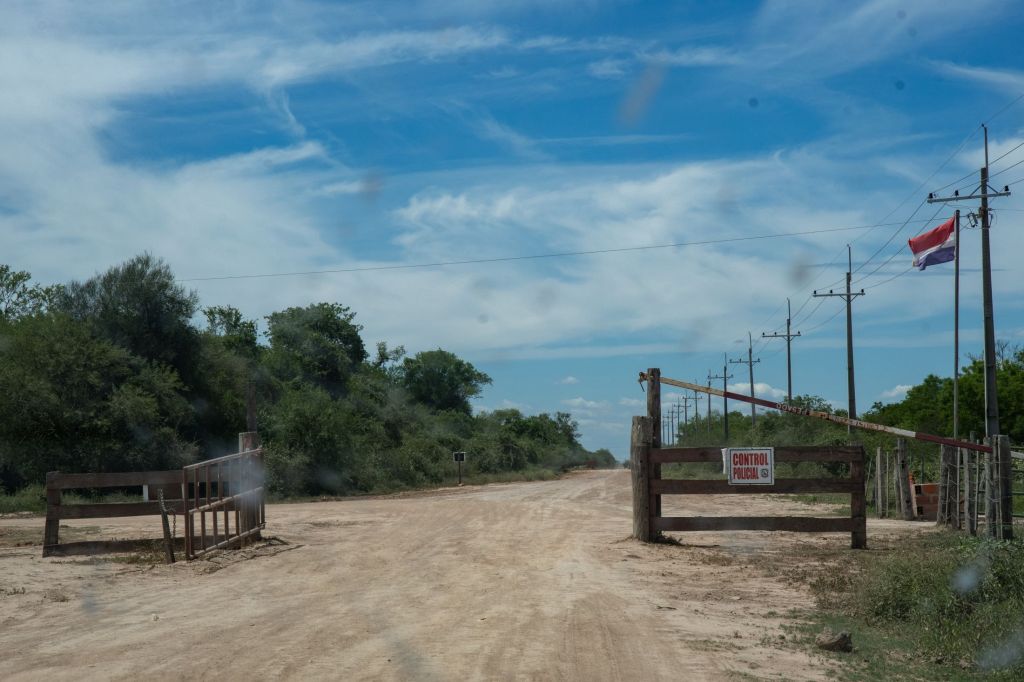
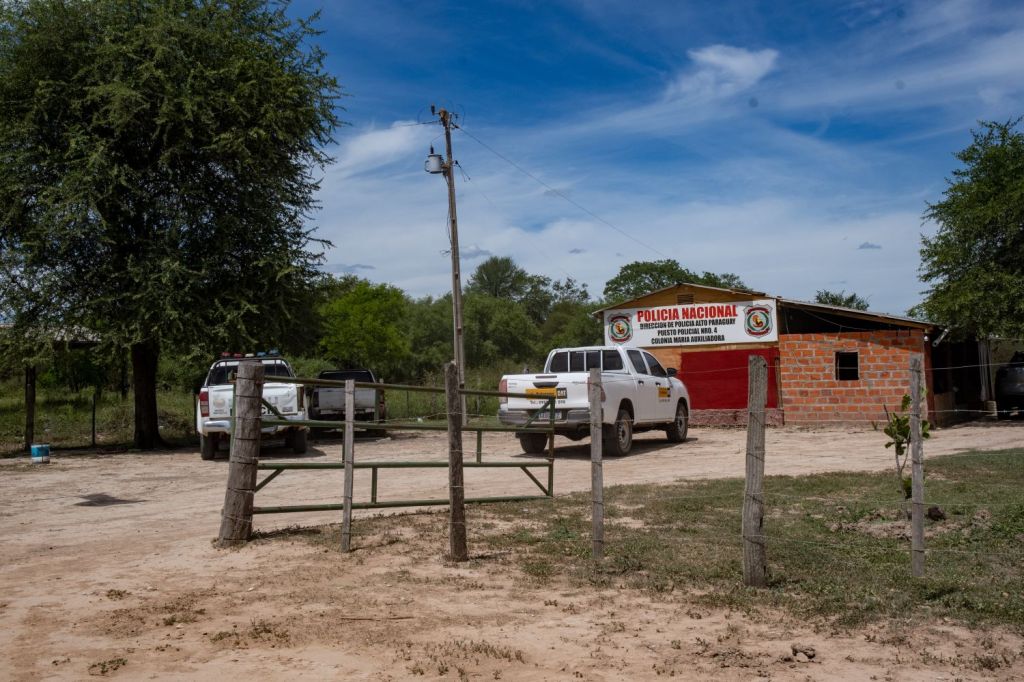
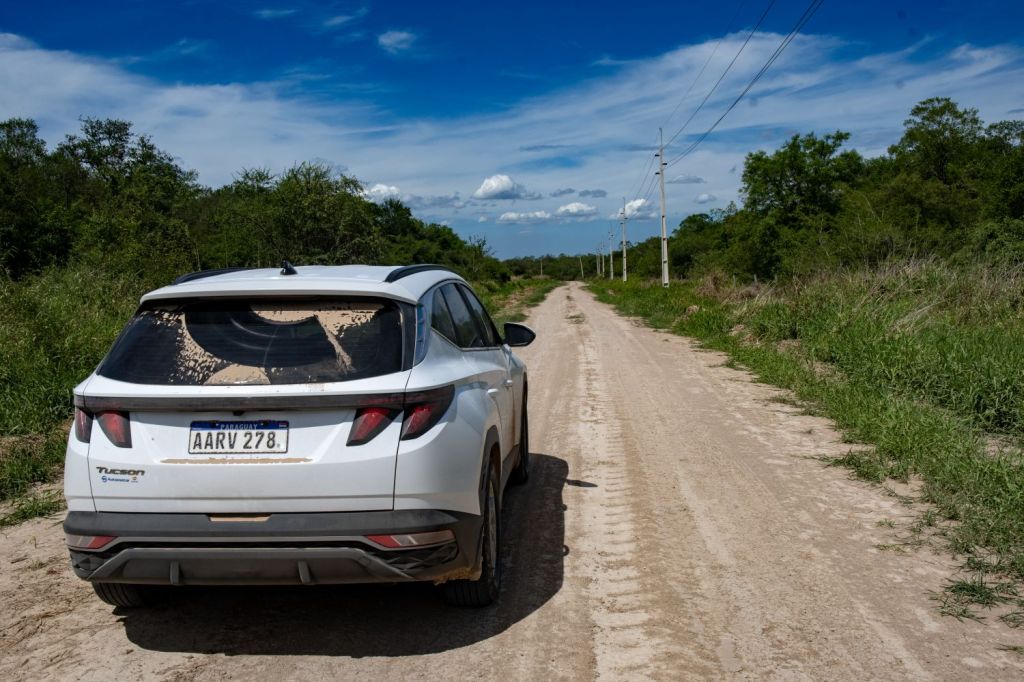
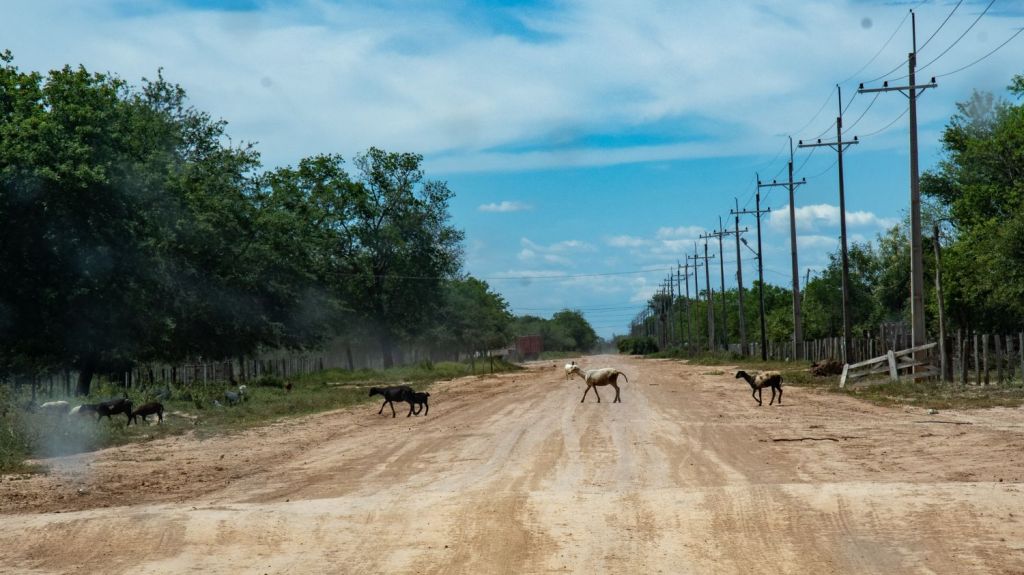
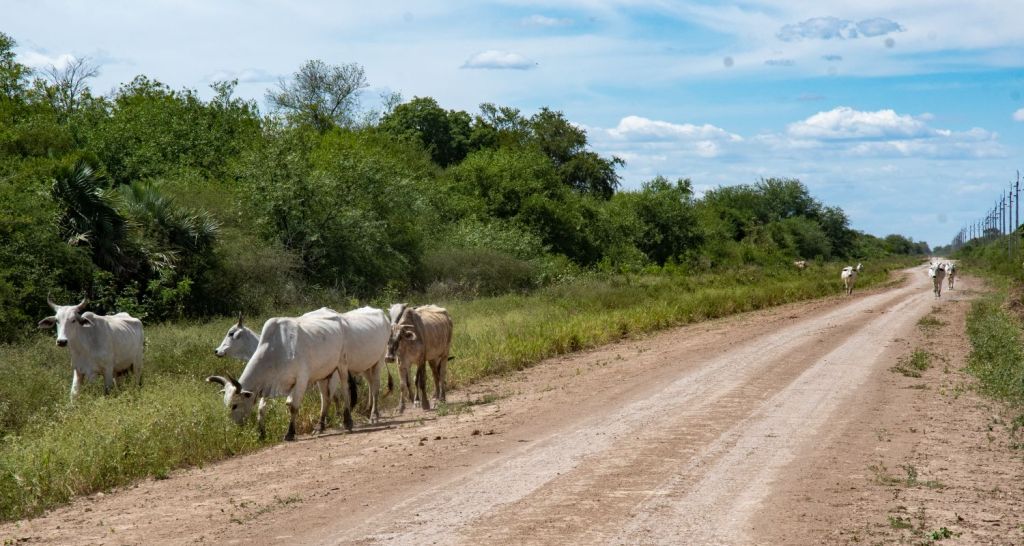
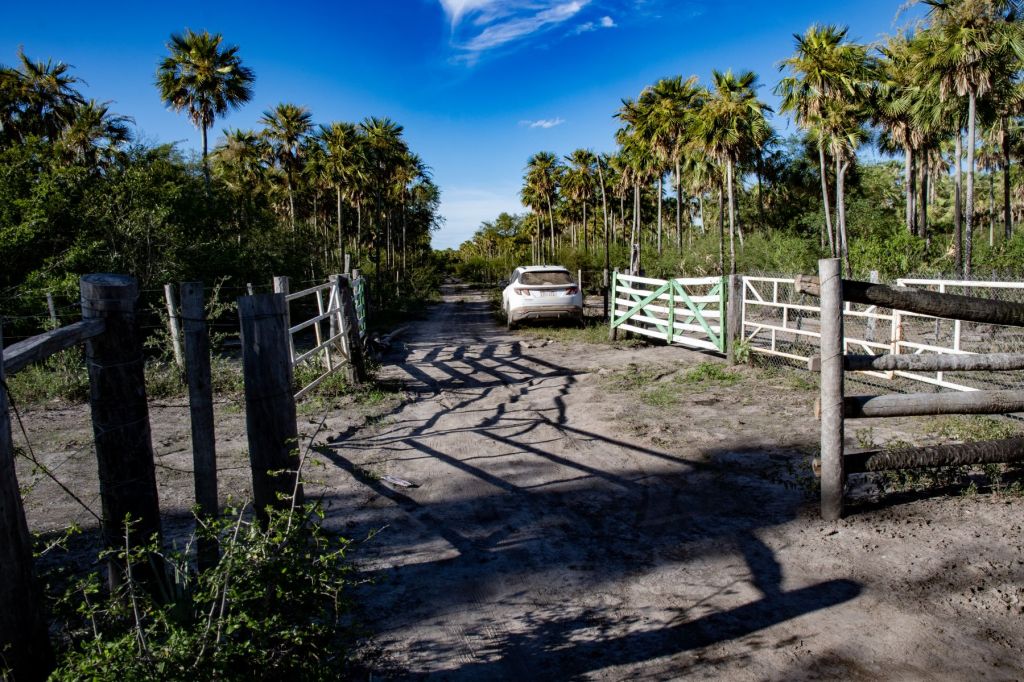
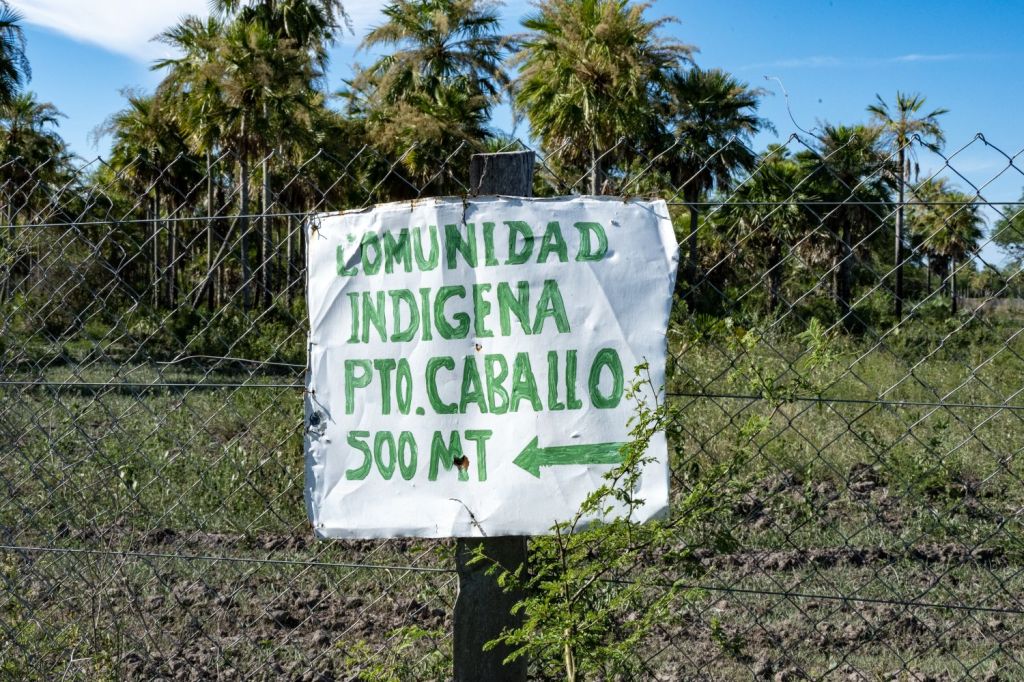
After a short stop in Bahia Negra, we decided to try to locate and visit the tripoint, we knew its approximate position but were not sure how easy it would be to access it, 7 km due north and then assess. Initially, we went to far and reached a dead end where the road led to an indigenous community.
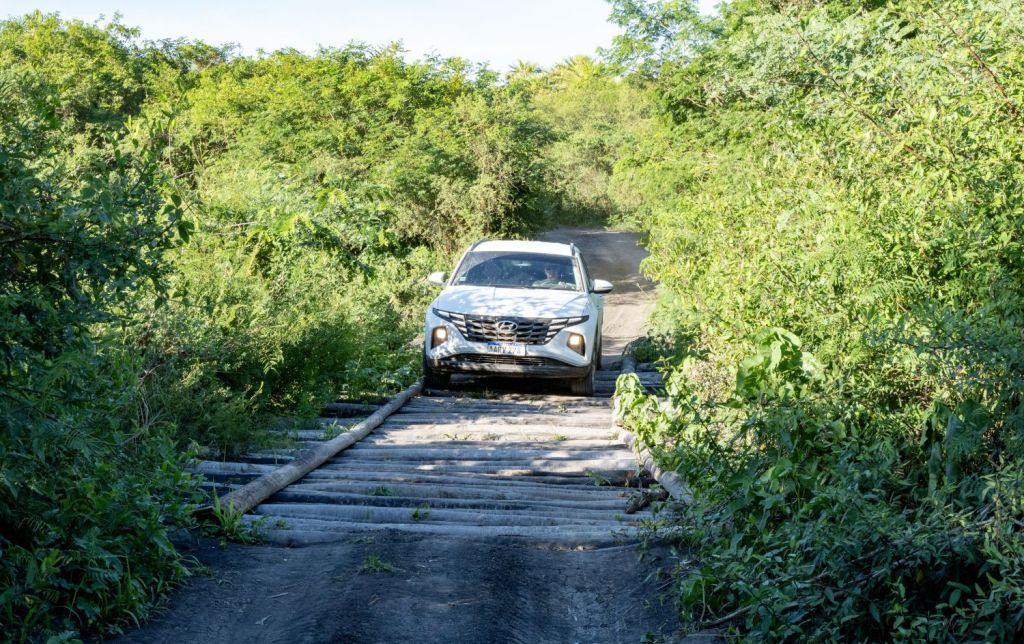
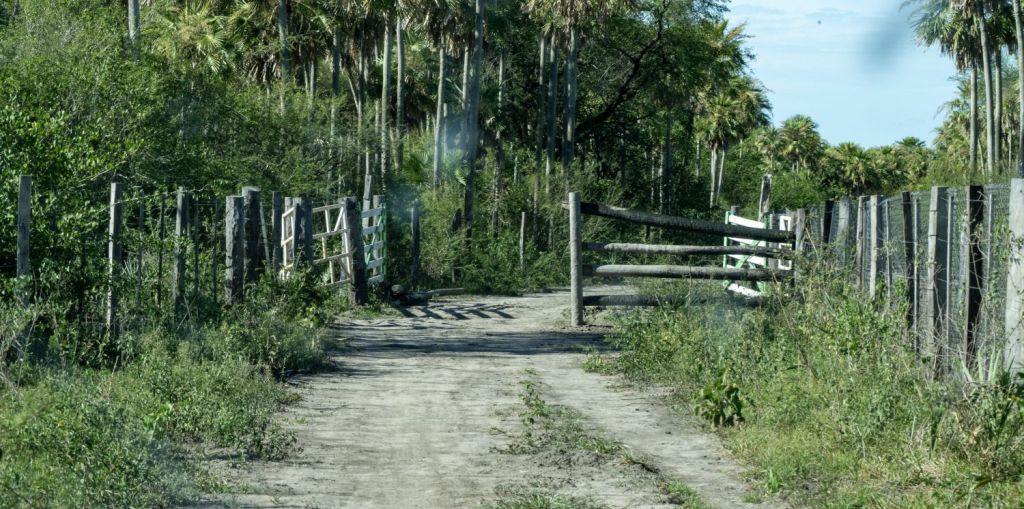
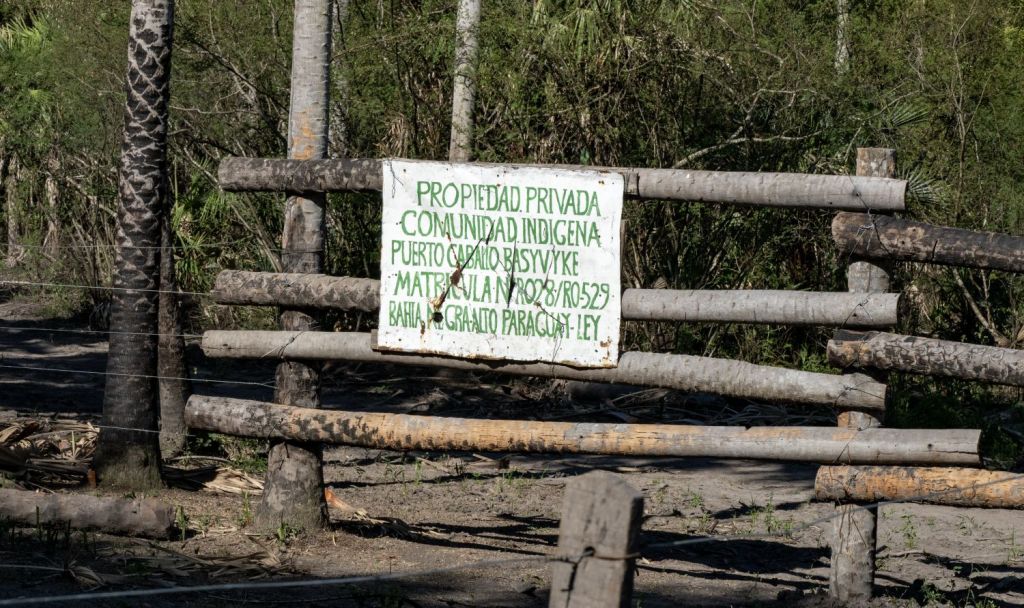
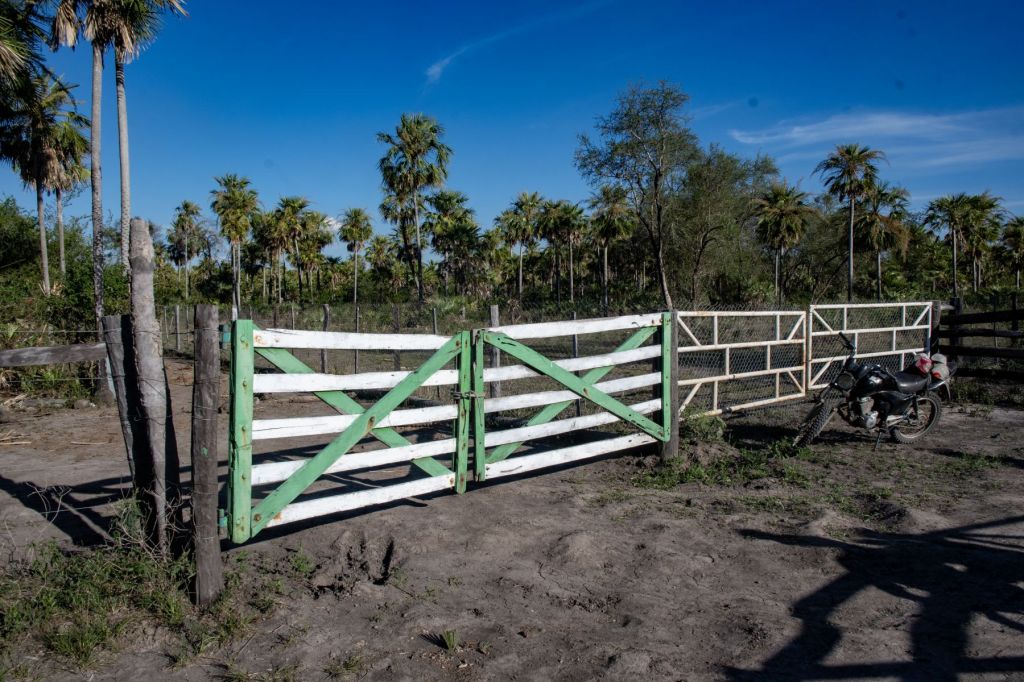
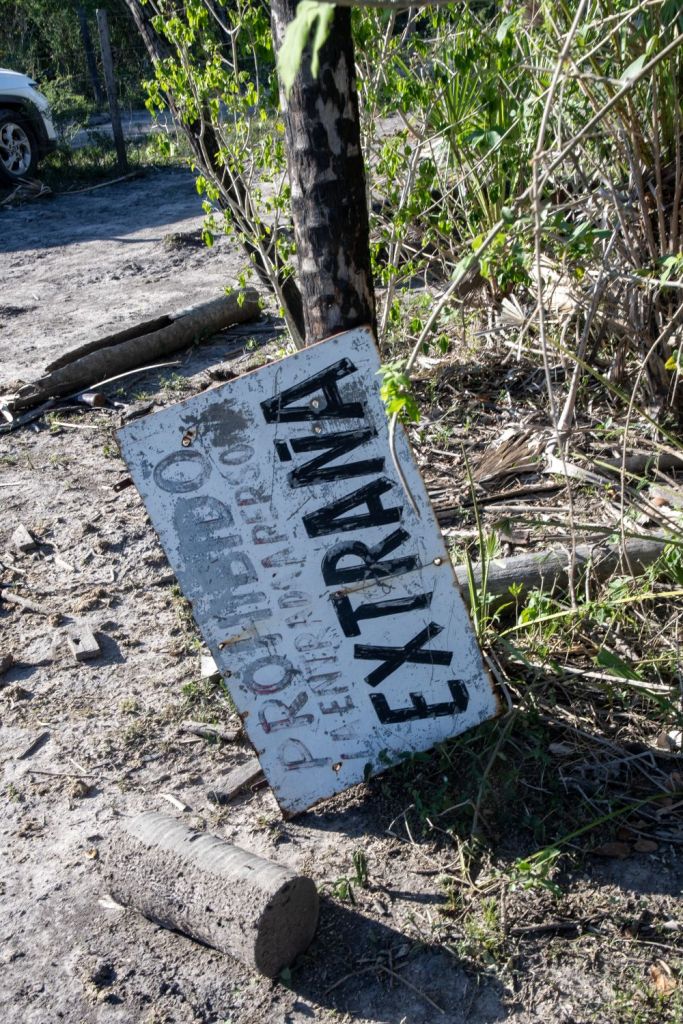
Respecting the privacy signs we returned 500m to a second gate that was (after checking on Google maps) approximately 220m from the marker, although again it appeared to be on private property. At that moment we met a young man from the local community and asked him “Donde esta el Hito?” in our best Spanish and without hesitation he gestured for us to follow him. The jungle was dense and although the walk was short we were grateful to be shown. Our guide asked for nothing, although we gave him some money as appreciation for his help, he did not want his photo taken and we respected that.
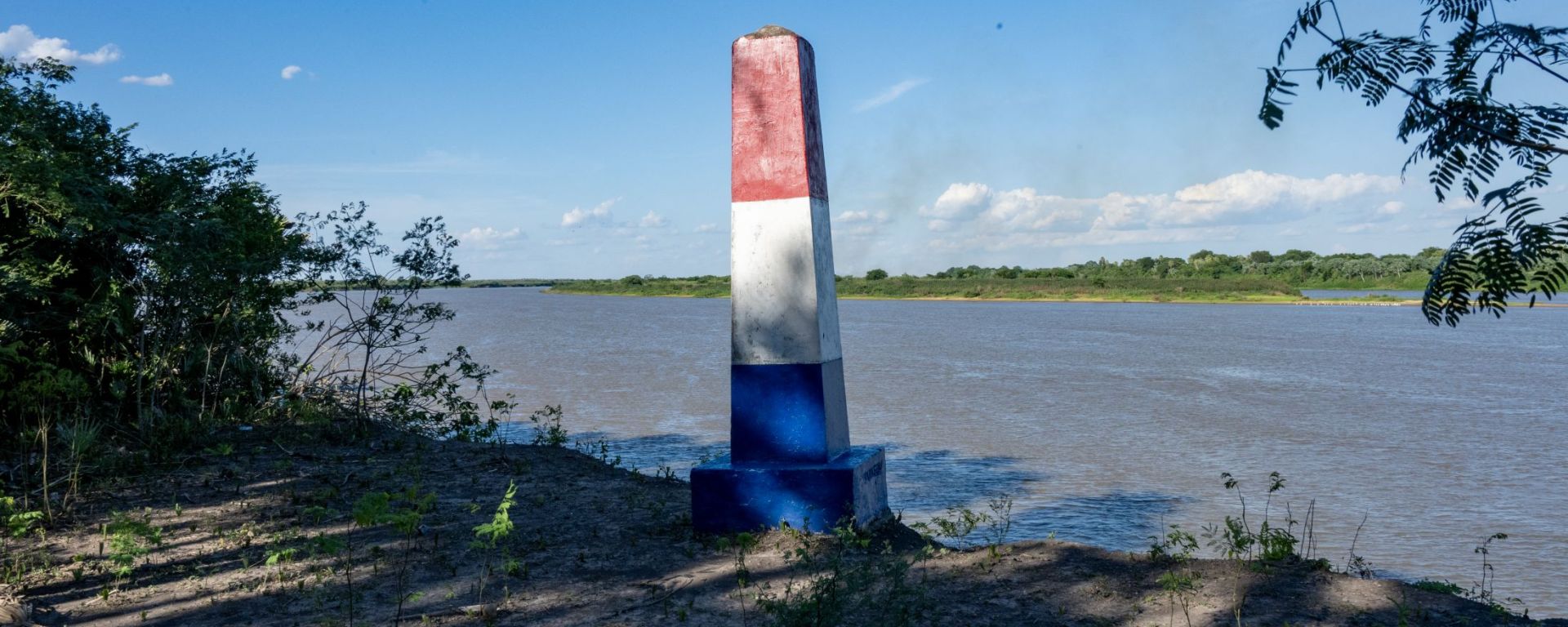
Hito XI Tripartito (The Triple Frontier Boundary Marker)
Finally we reach a clearing on the edge of the Rio Paraguay. We were only 220m away from the marker however it was really helpful to have a guide for that final section. The tripoint is located at the intersection of the thalwegs of the Negro and Paraguay rivers. Hito XI is a fluvial (river) border marker positioned at the tri-point boundary where Paraguay, Bolivia, and Brasil converge.
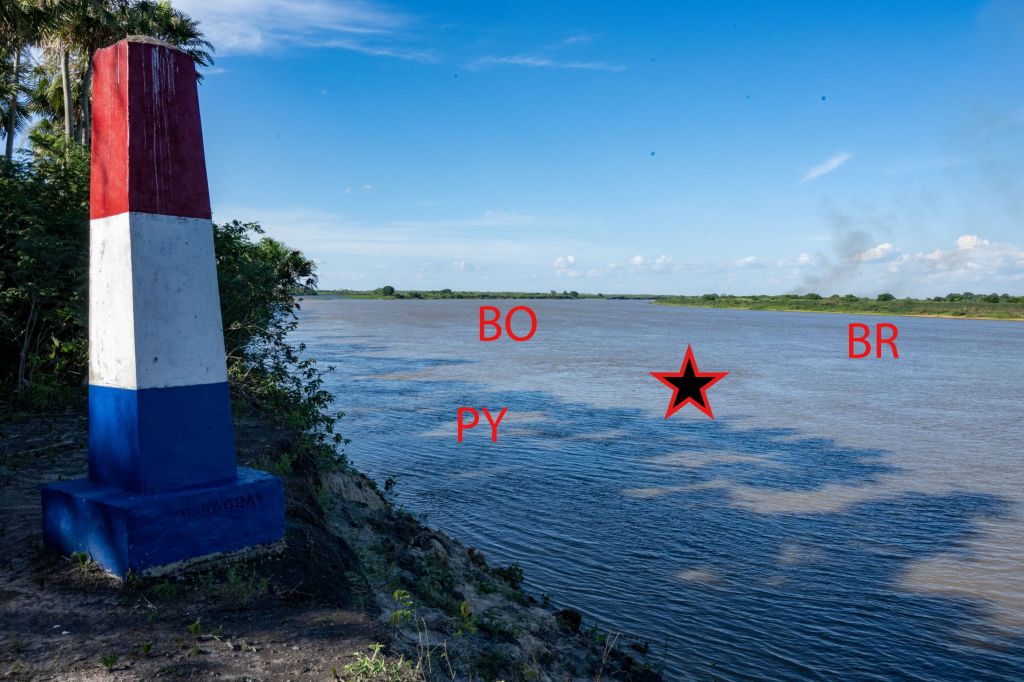
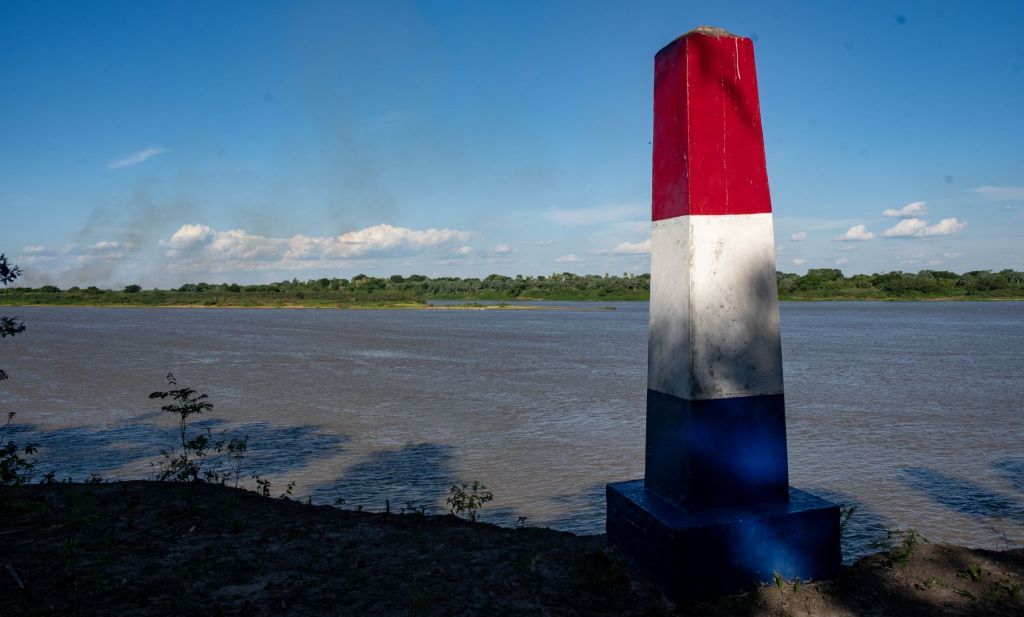
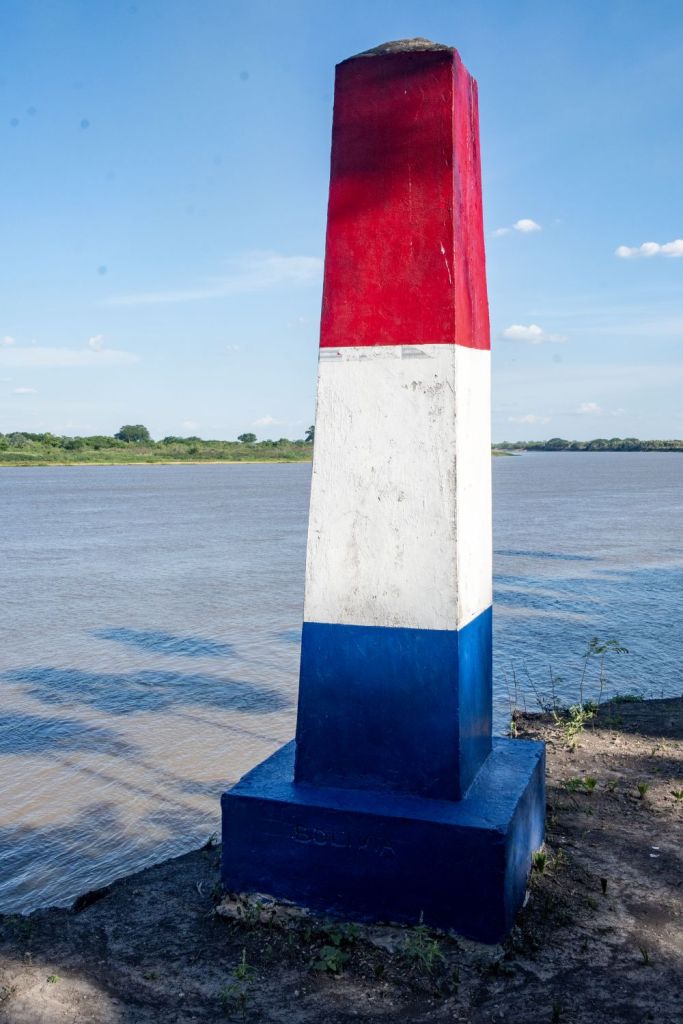
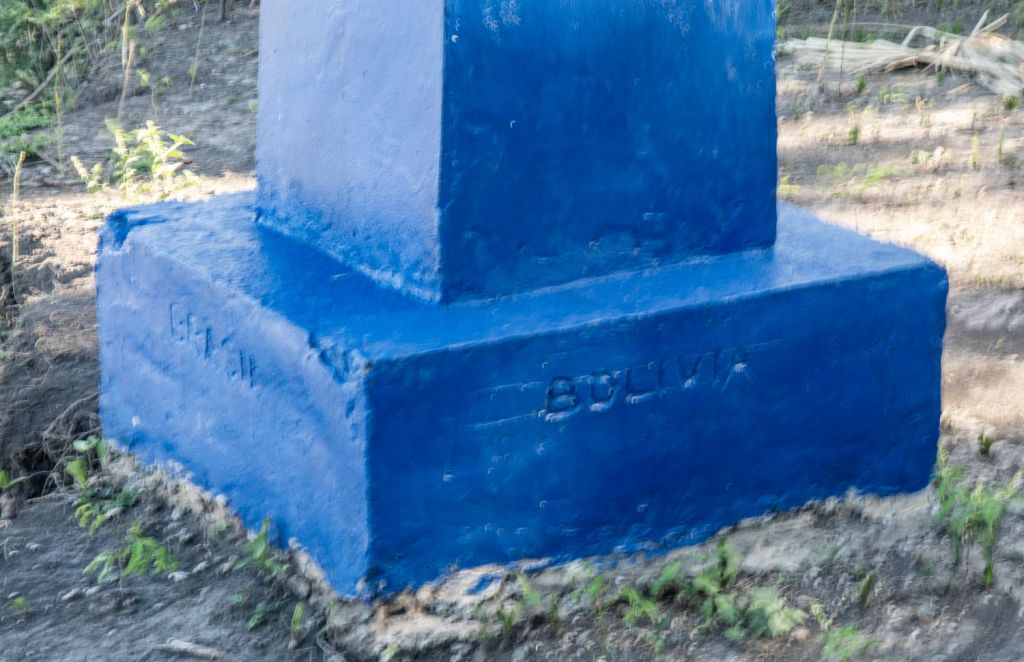
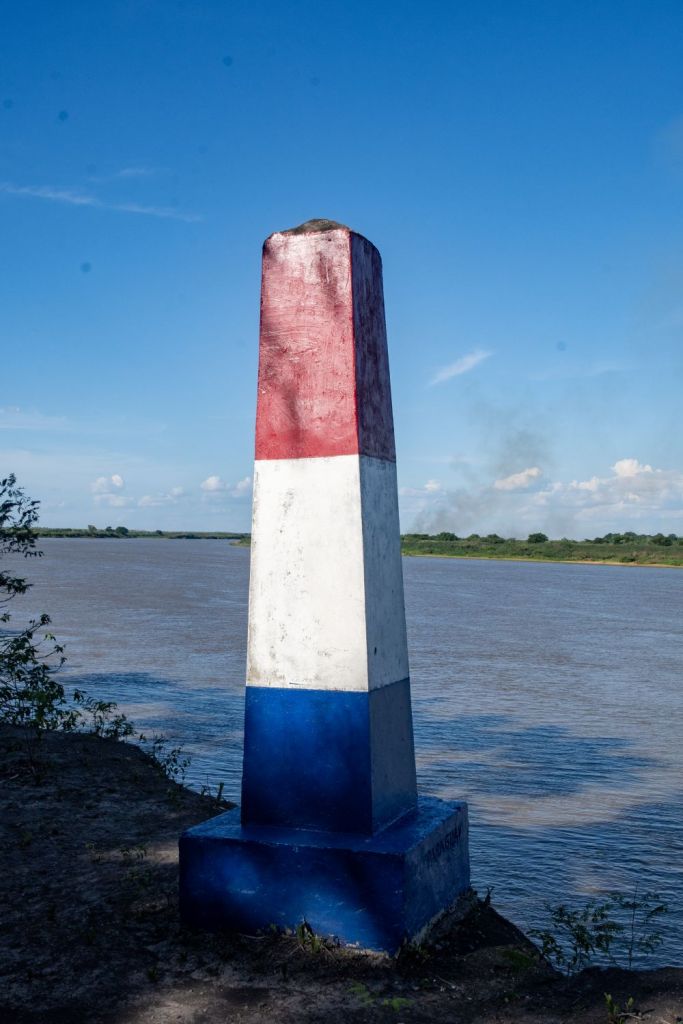
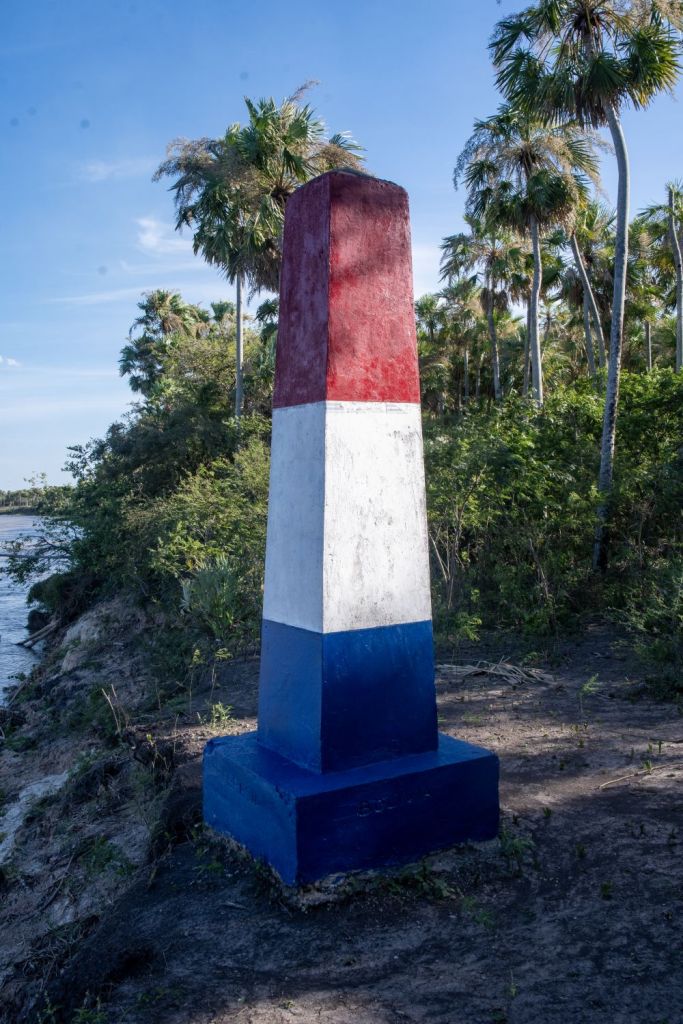
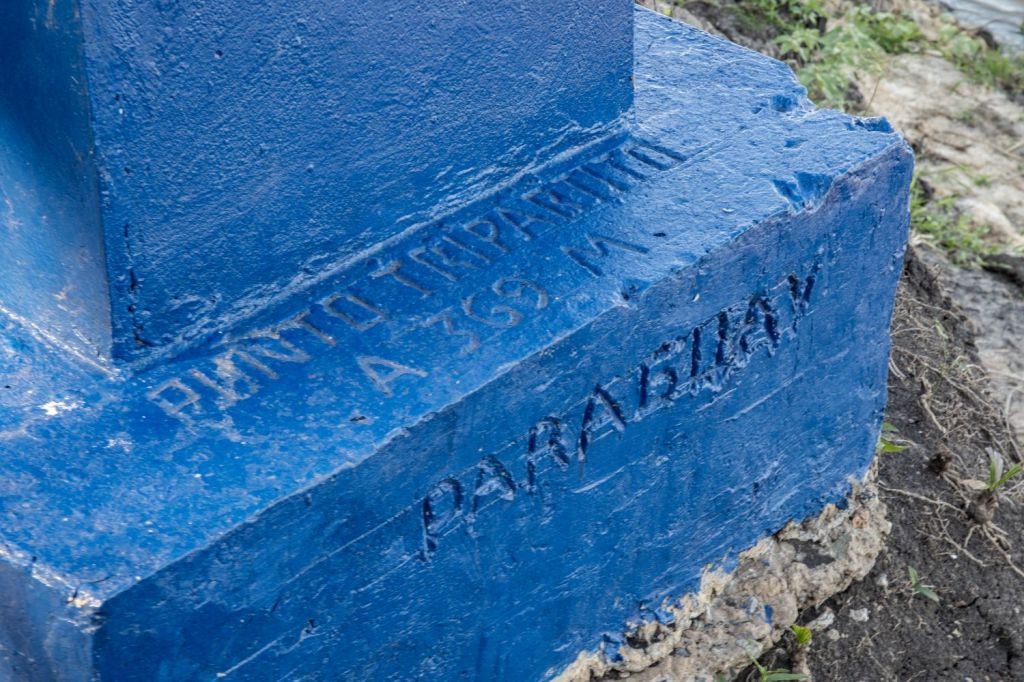
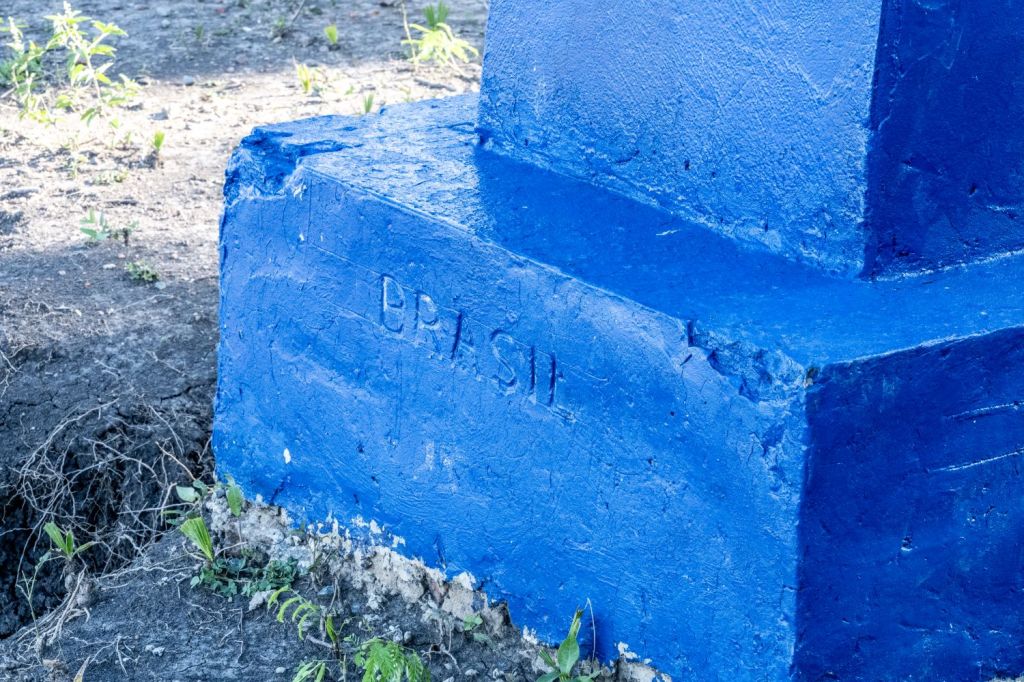
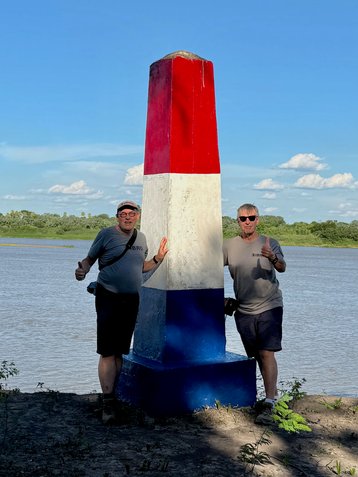
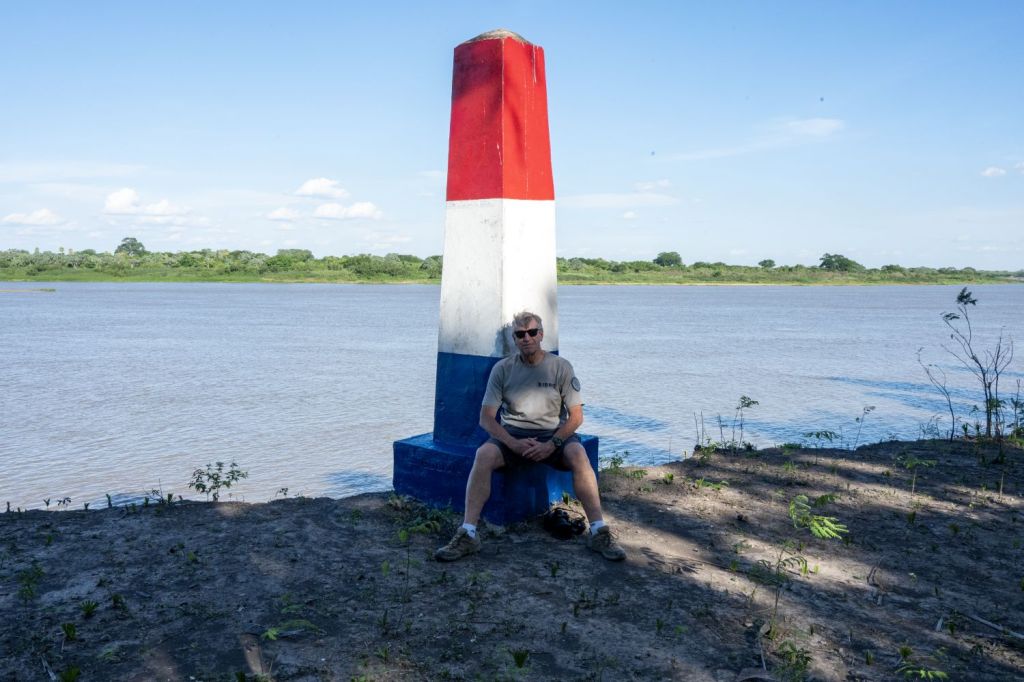
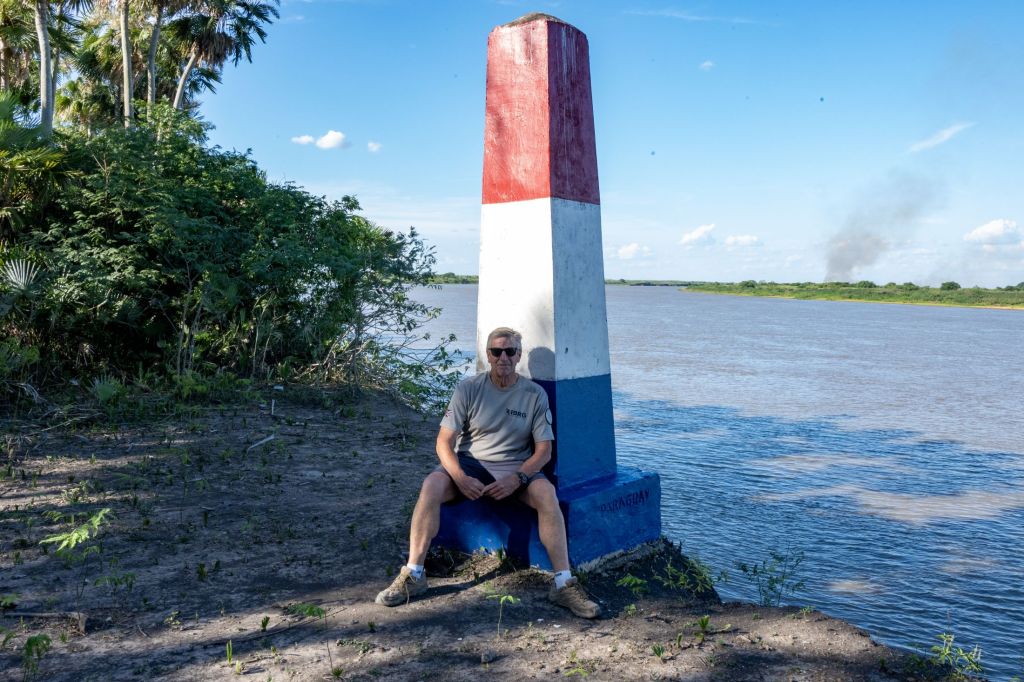
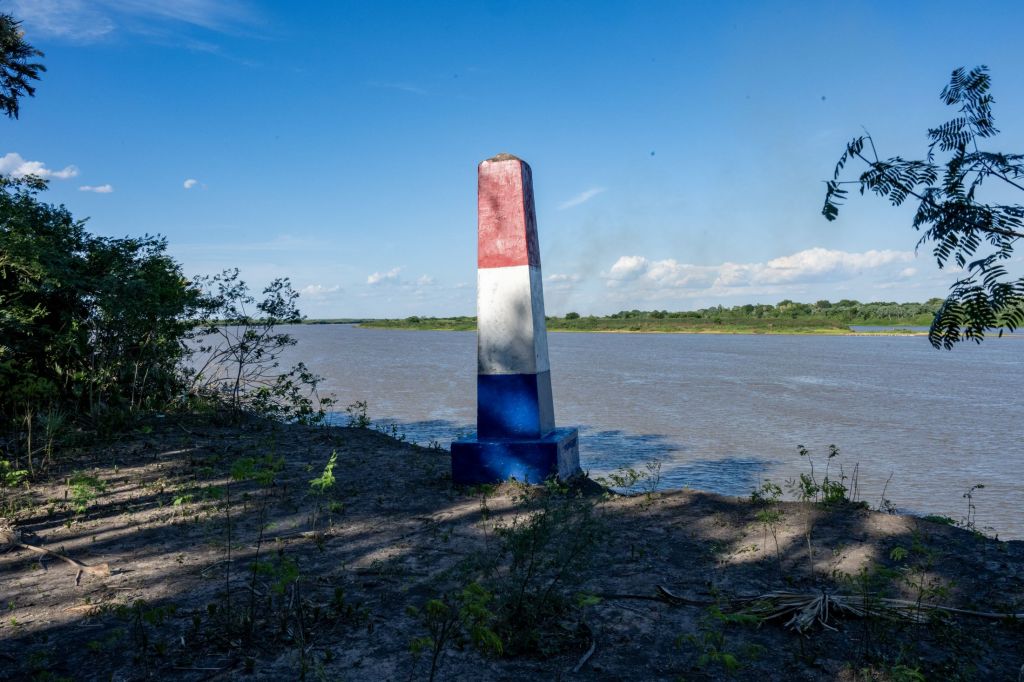
Update on Tripoint marker location
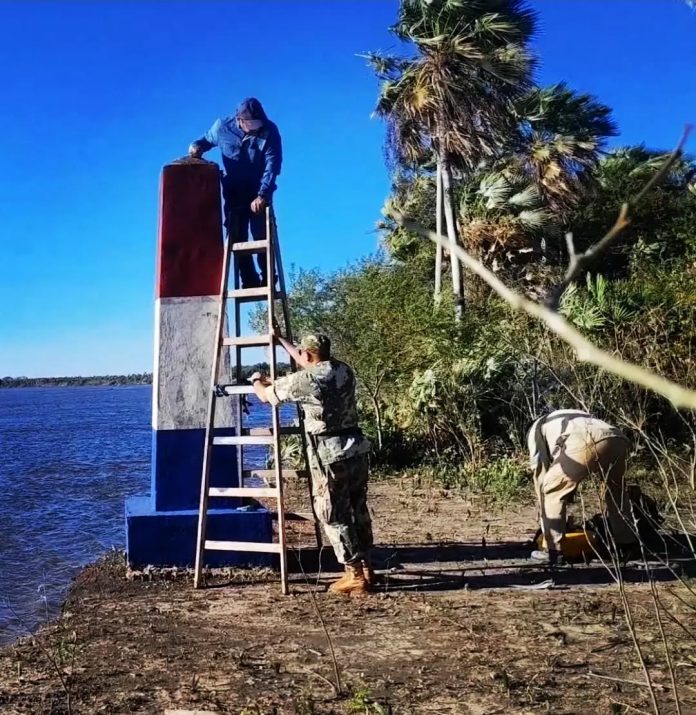
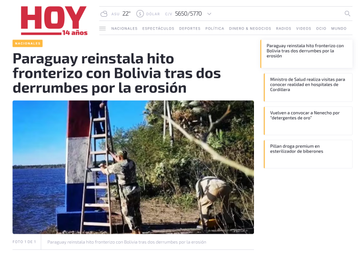
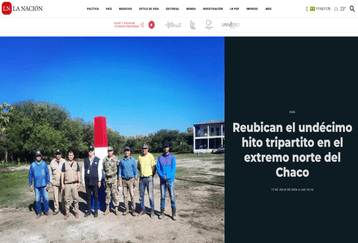
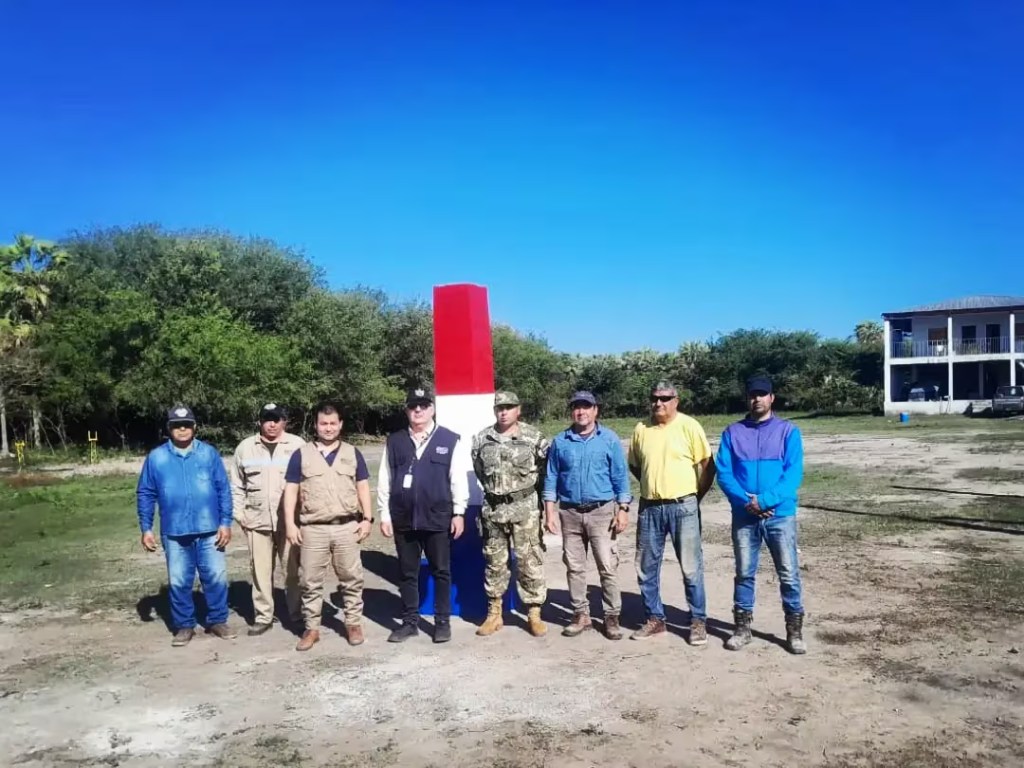
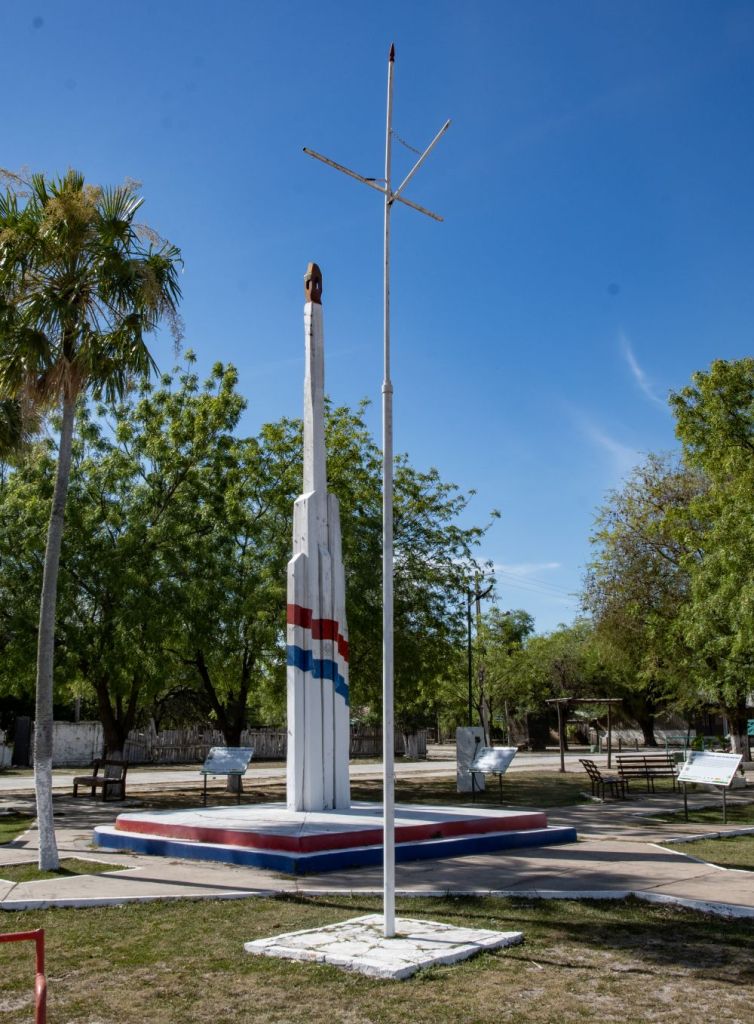
In July 2026 the marker was relocated due to erosion of the river bank (visible in these photos). Details here The National Border Demarcation Commission (Comisión Nacional Demarcadora de Límites – CNDL), led by Ambassador Carlos Fleitas, successfully moved and reinaugurated the monument in the Puerto Caballo area within the Bahía Negra district, located in the northern Chaco region of the Alto Paraguay department. The relocation was prompted after two previous monument structures were entirely swept away and destroyed by shifting terrain and river currents.
The specific confluence of the Negro and Paraguay rivers experiences intense climate-driven riverbank erosion, the first historical marker had been set up around 1950, and its replacement was erected in the 1970s. Puerto Caballo is further north and on our visit the road there was blocked off.
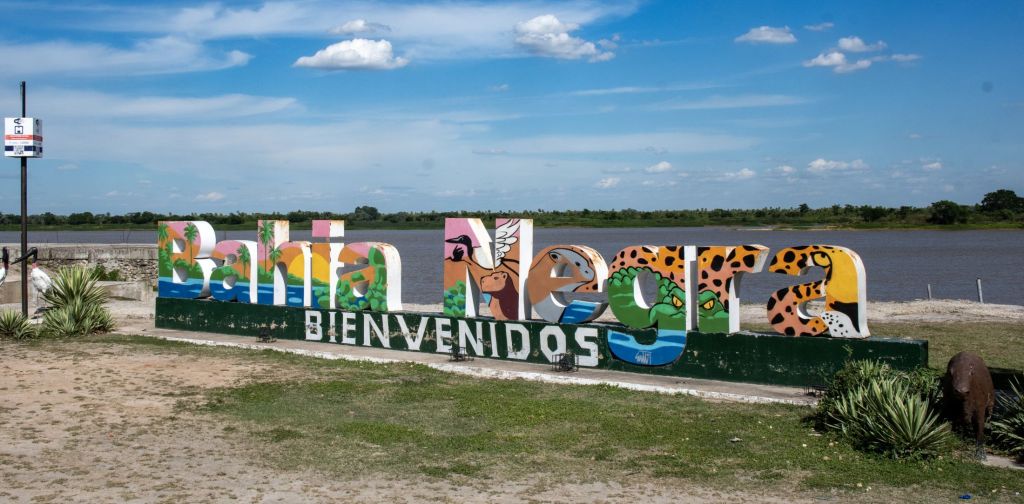
Bahia Negra
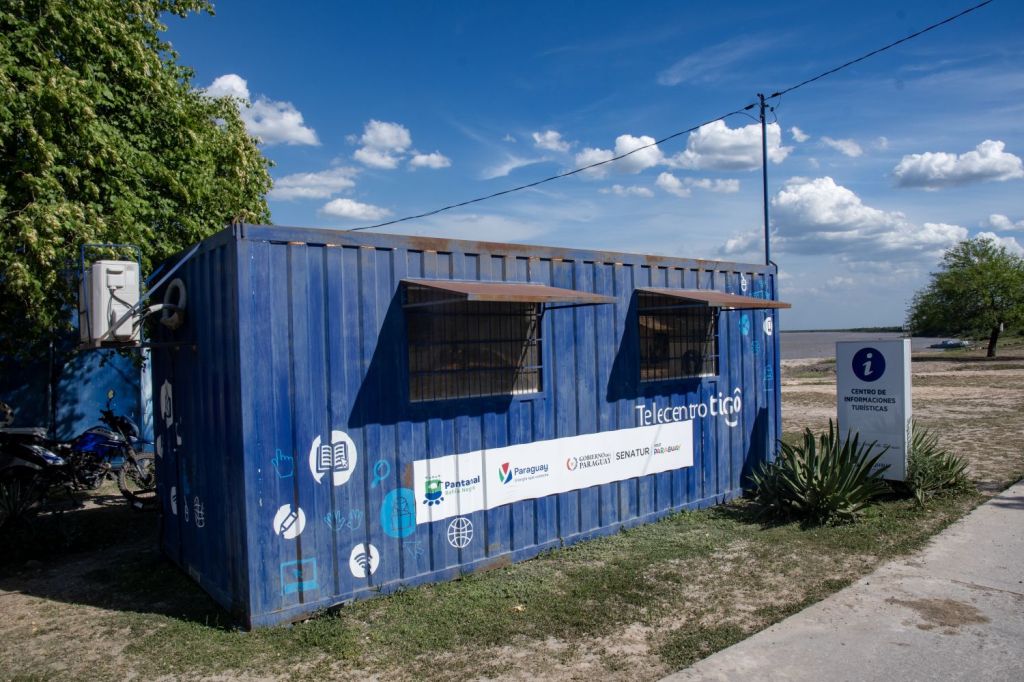
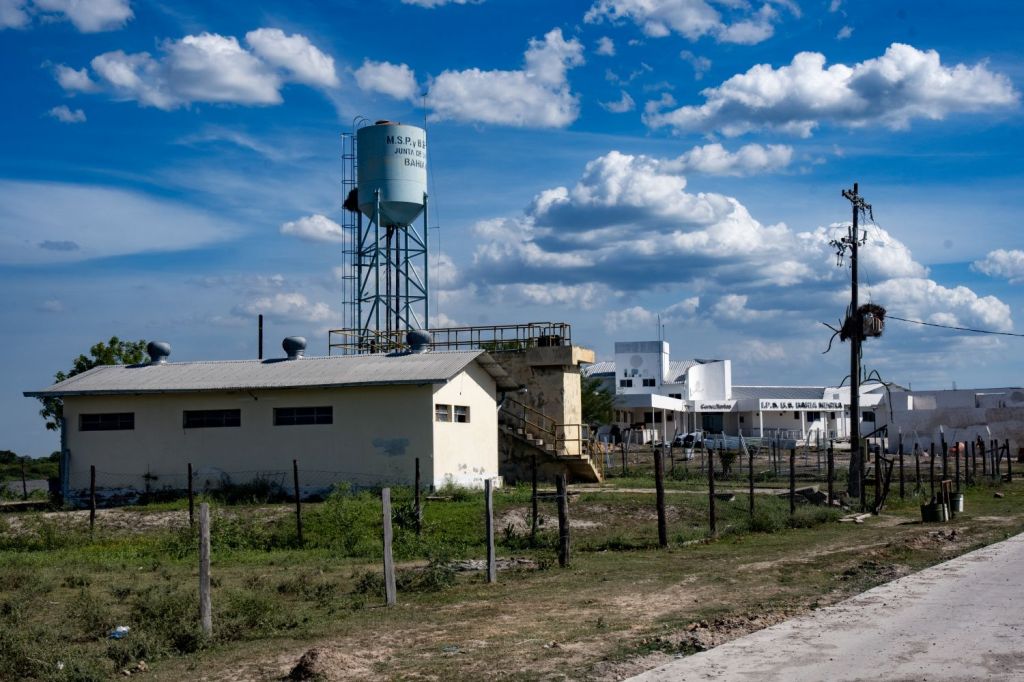
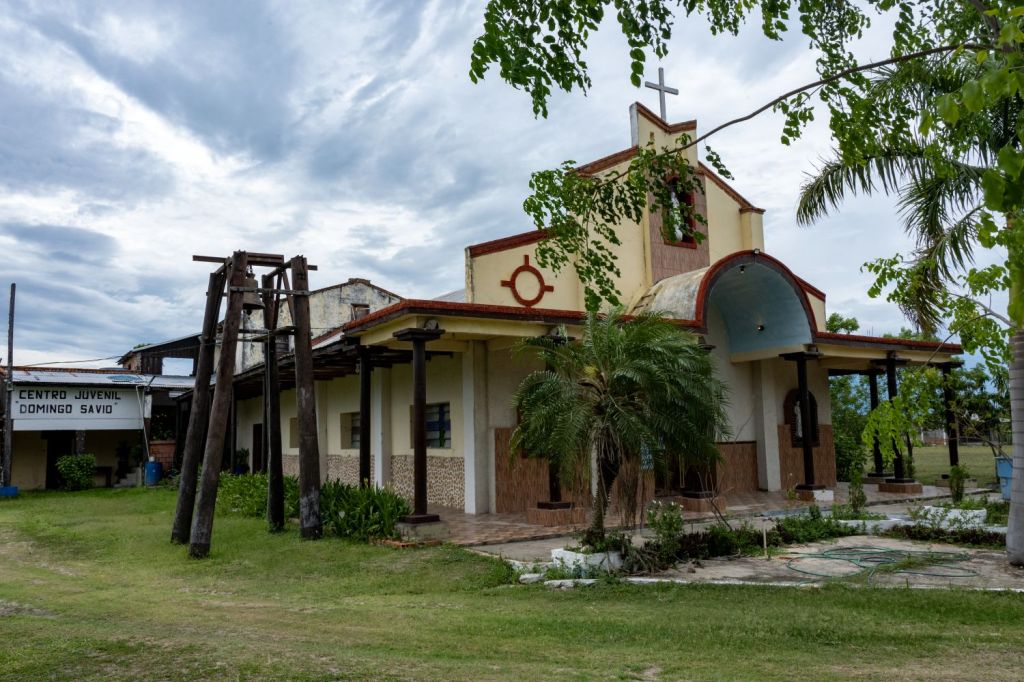
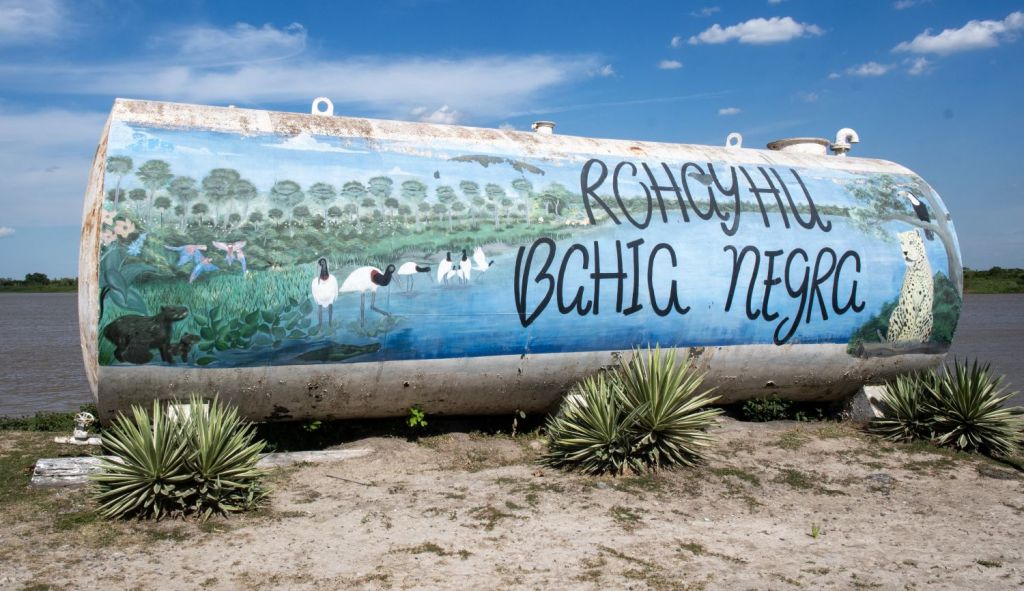
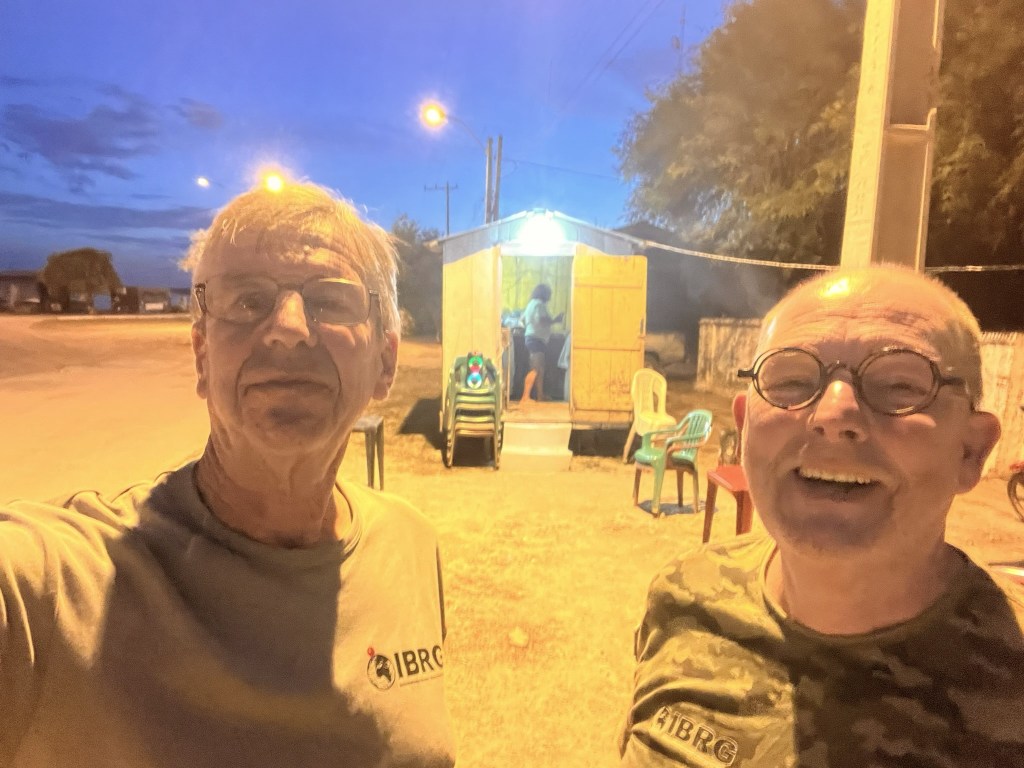
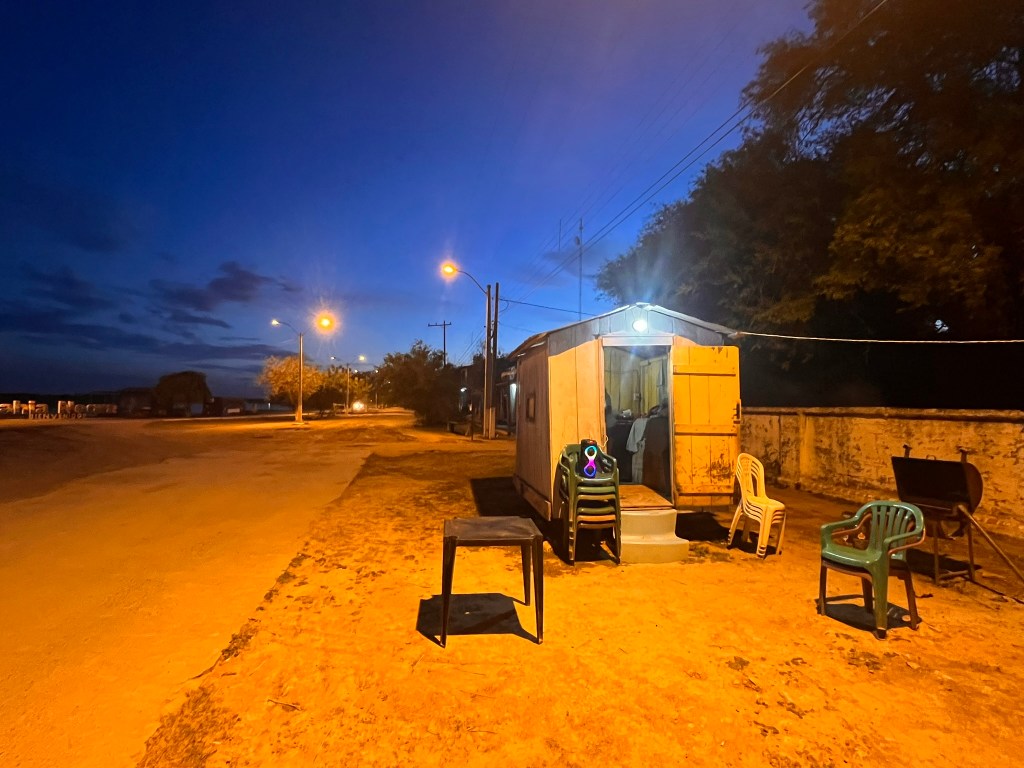
Bahía Negra is a district in the department of Alto Paraguay, Paraguay. Located on the right bank of the Paraguay River its population count is estimated to be around 2537 (2023). Bahía Negra sits at the convergence of the dry Chaco Boreal forests and the massive tropical wetlands shared with Brazil and Bolivia. There is a river port, warehouses for the collection of regional products, some establishments for the basic industrialization of regional production (wood, soybean, leather), modest fishing, and significant cattle ranching activity. There were a couple of places to stay and also small shops (which you need to search to find as they are part of peoples homes) but no cafes or restaurants. Our evening meal was at the side of the road from a trailer. We planned to stay overnight but ended up staying 3 more days as the roads were washed out with heavy rain. Details of our escape from Bahia Negra are here.
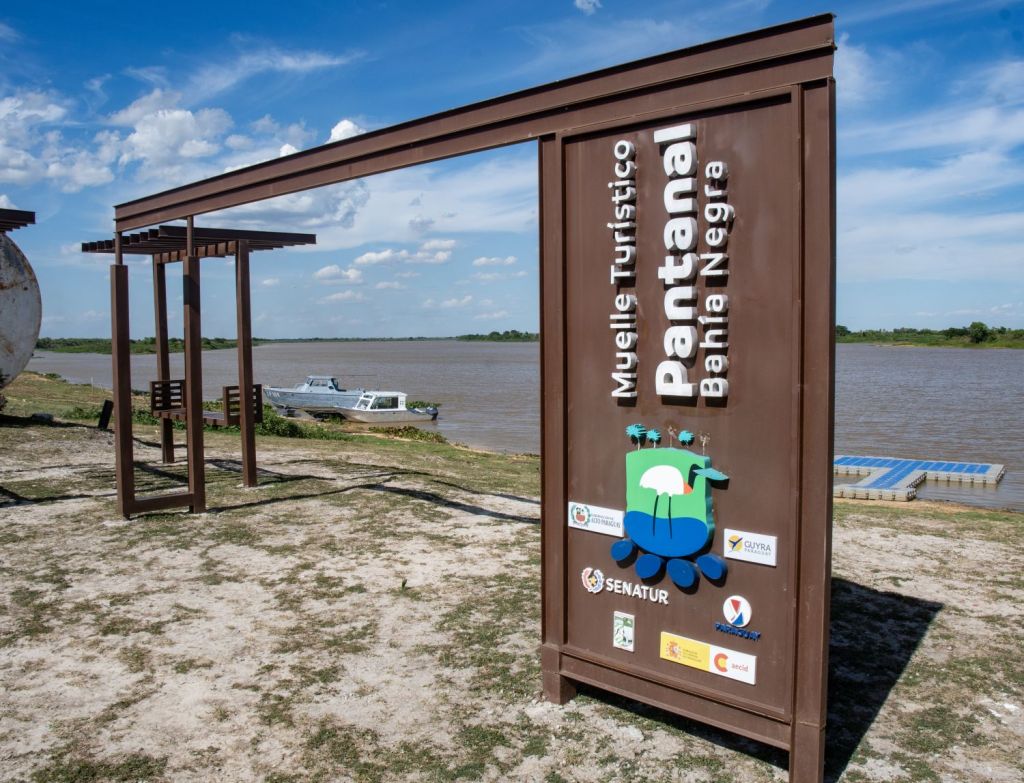
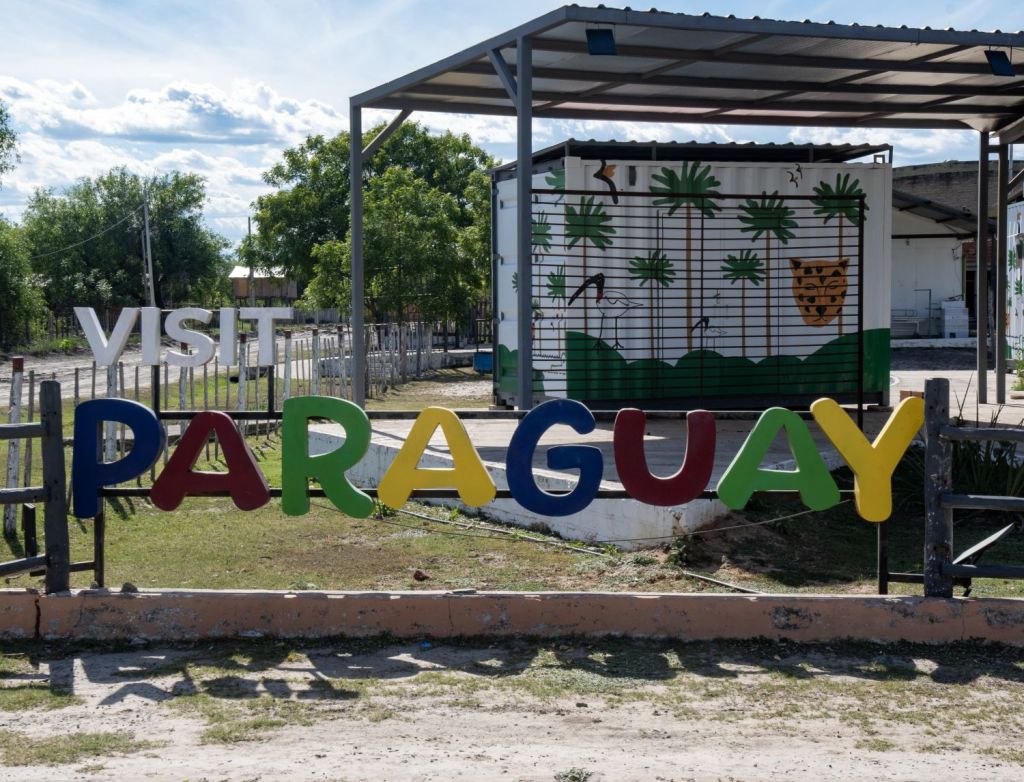
There were lots of evidence that the town would like to develop tourism, but the basic infrastructure is yet to put into place.
Our evening out
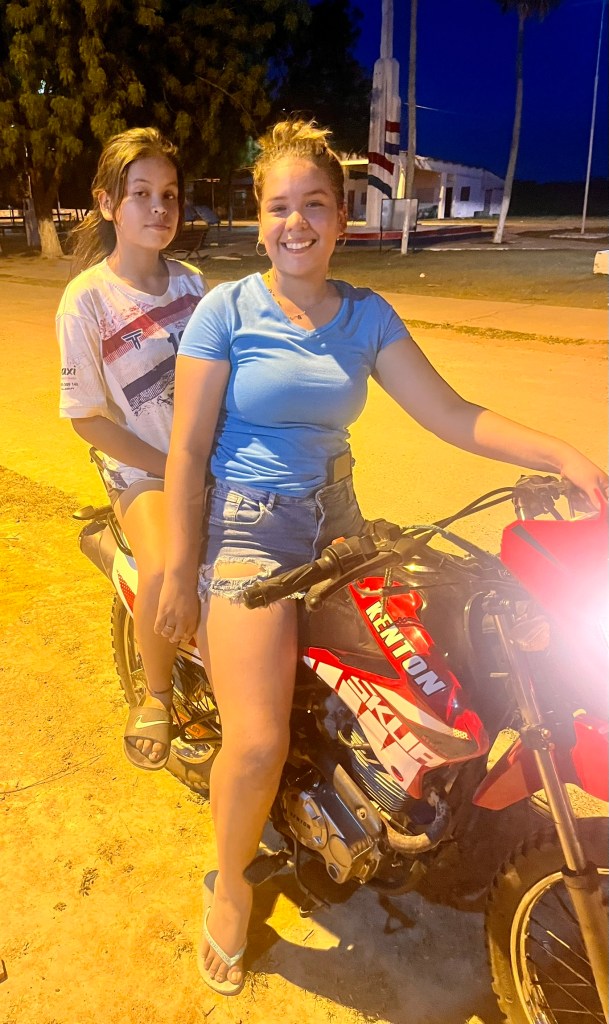
There was only one place to eat and that was at the side of the road, but the food was fine, and we made friends as we always do.
Videos

Date of Visit: 12 November 2025
References