
A further area of interest for border enthusiasts are Enclaves and Exclaves.
Definitions
| Name | Definitions | Examples |
|---|---|---|
| Enclave | is a territory that is completely surrounded by the territory of one other state. Enclaves are therefore inner. | The Vatican and San Marino are enclaved by the City of Rome and Italy respectively. Llivia is a Spanish town enclaved by France. |
| Exclave | is a part of a state that is geographically separated from the main part by the territory of one or more states. Exclaves are therefore outer. | The Azerbaijani exclave of Nakhchivan. |
| Semi-enclaves and semi-exclaves | are areas that, except for possessing a sea border (with access to international waters), would otherwise be enclaves or exclaves | Brunei, Gambia and Monaco are examples semi enclaves – states with sea access which are surrounded by another country. Kaliningrad is an example of a semi exclave (still an integral part of Russia) |
| Pene-exclave | is a part of the territory of one country that can be conveniently approached only through the territory of another country. Many pene-exclaves partially border their own territorial waters (i.e., they are not surrounded by other nations’ territorial waters). | Examples of pene enclaves include Point Roberts in Washington State that can only be accessed by car via Canada. Kleinwalsertal Valley is connected only to Germany and not to Austria. A further example is Dubki area is bounded by Estonia and Lake Peipsi-Pihkva. |
| Counter enclave | is an enclave within an enclave. | The village of Nawha is part of the United Arab Emirates, yet is wholly surrounded by a part of Oman called Madha, which in turn wholly surrounded by territory belonging to the United Arab Emirates. |

In the above diagram different territories are represented by different colours and letters; separated parts of the same territory are represented by the same colour and letter, with a different number added to each smaller part of that territory (the main part is identified by the letter only).
| Country | Descriptions |
|---|---|
| Country A (RED) | Possesses 3 exclaves (A1, A2 and A3): it is impossible to go from the main part of A to any of these parts going only through territory of A. A1 and A2 are not enclaves: neither of them is surrounded by a single “foreign” territory. A3 is an enclave: it is totally surrounded by B. Country A contains 1 enclave (E): a “foreign” territory totally surrounded by its territory. Country A possesses 2 counter-enclaves, or (A4 and A5): territories belonging to it which are located within the enclave E. Country A contains 1 counter-counter-enclave (E1). |
| Country B (YELLOW) | Country B contains 2 enclaves (A3 and D). |
| Country C (GREEN) | Country C is continuous territory. It contains no enclaves and does not have territory exclaved elsewhere. |
| Country D (Orange) | Country D is an enclaved territory: it is territorially continuous, but its territory is totally surrounded by a single “foreign” territory (B). |
| Country E (Purple) | Country E is an enclaved territory: it is inside A; Country E contains 2 enclaves (A4 and A5), which are counter-enclaves of A; Country E possesses 1 counter-enclave (E1), which is a counter-counter-enclave as viewed by A and contained within A5. |
| Source: Gazillion (Wikipedia) |
Enclave and Exclave gallery
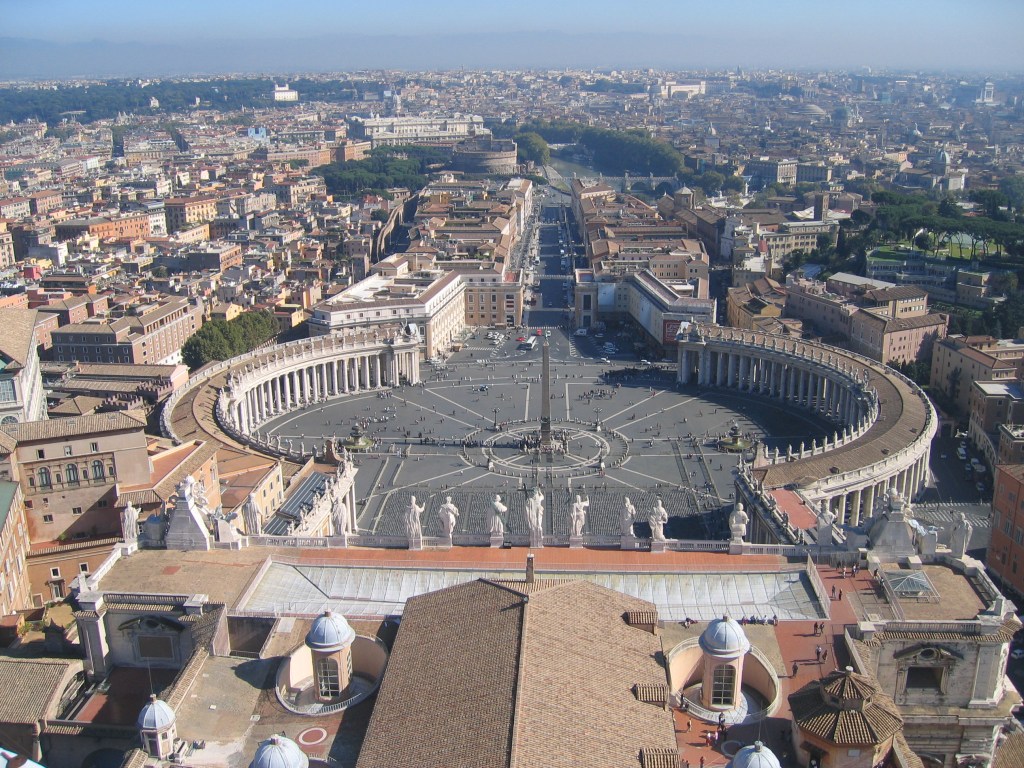
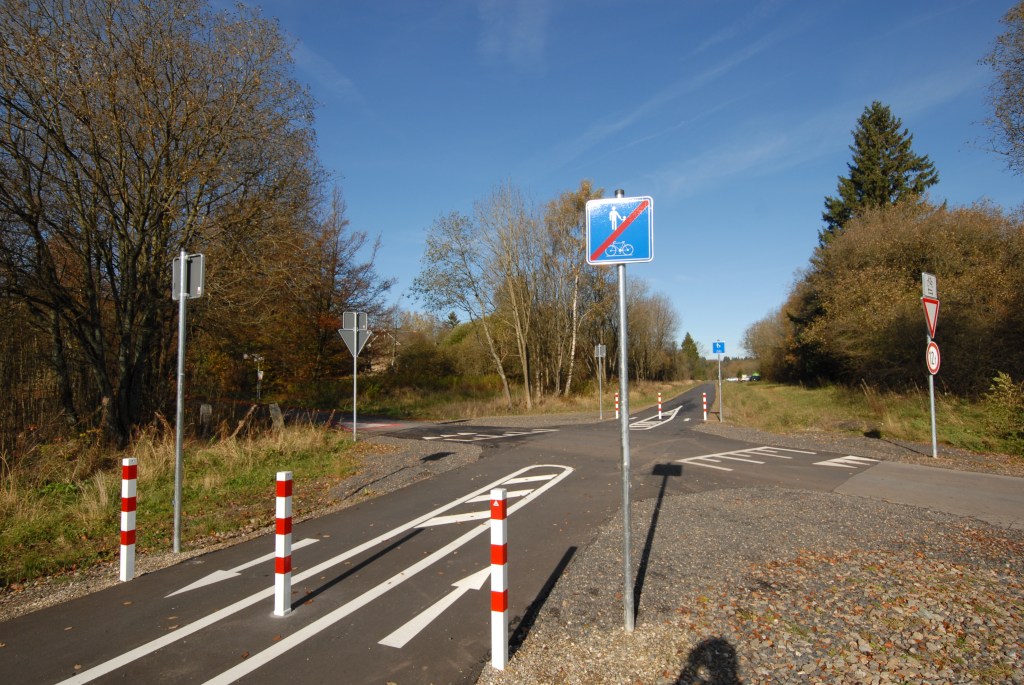
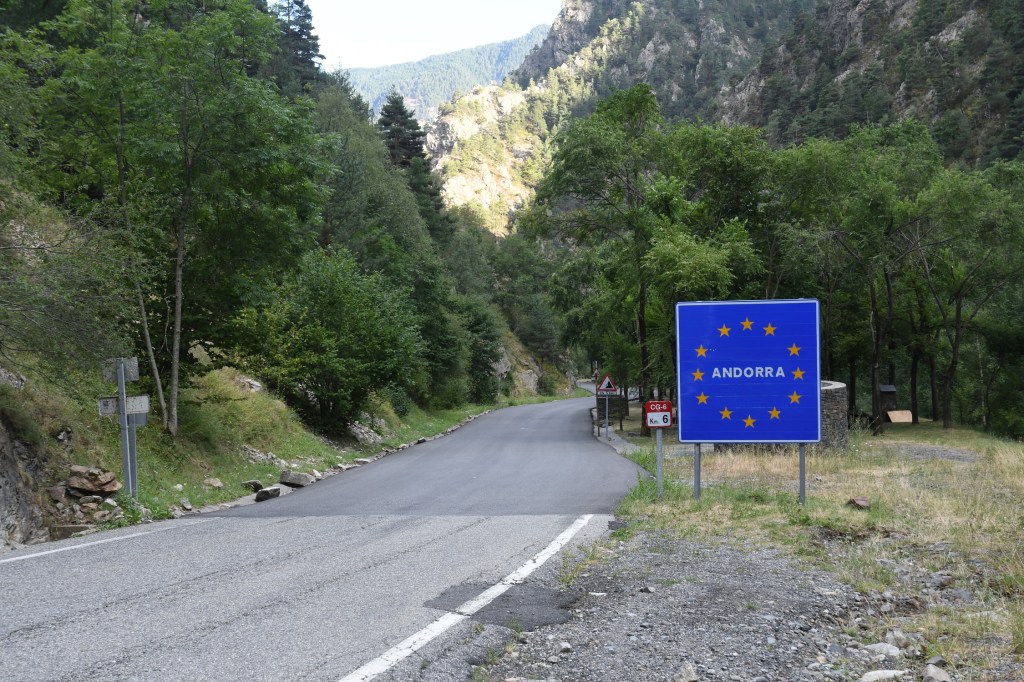

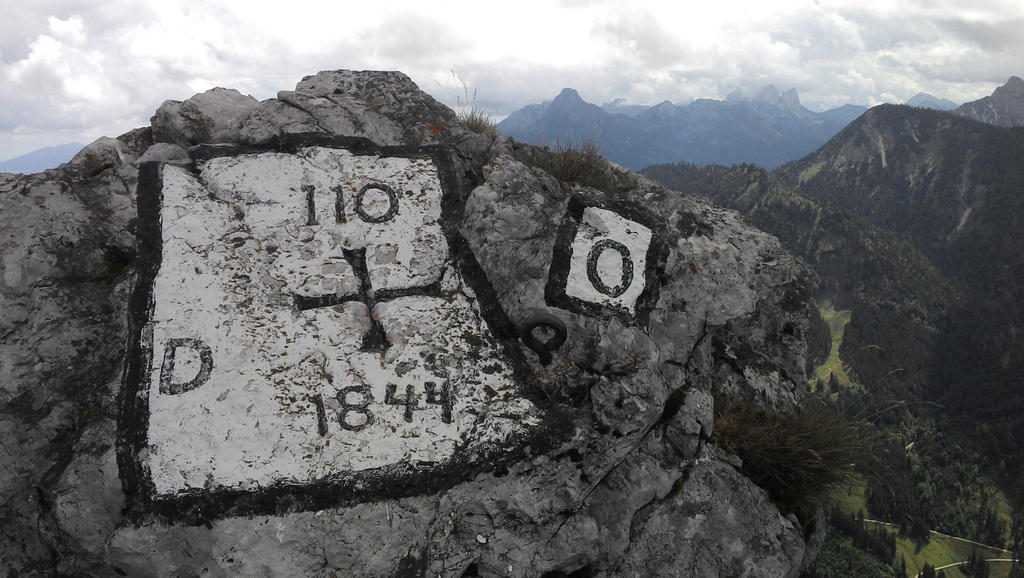
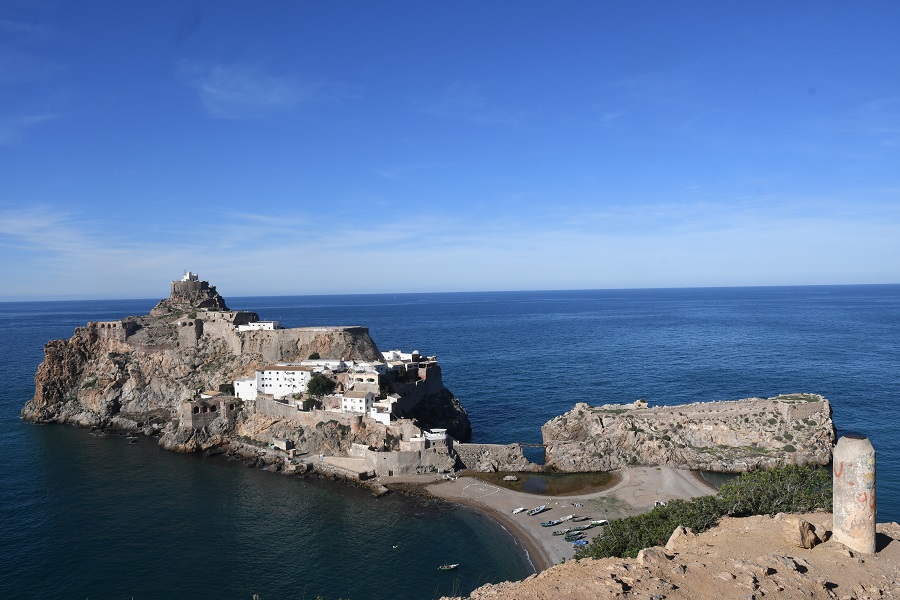


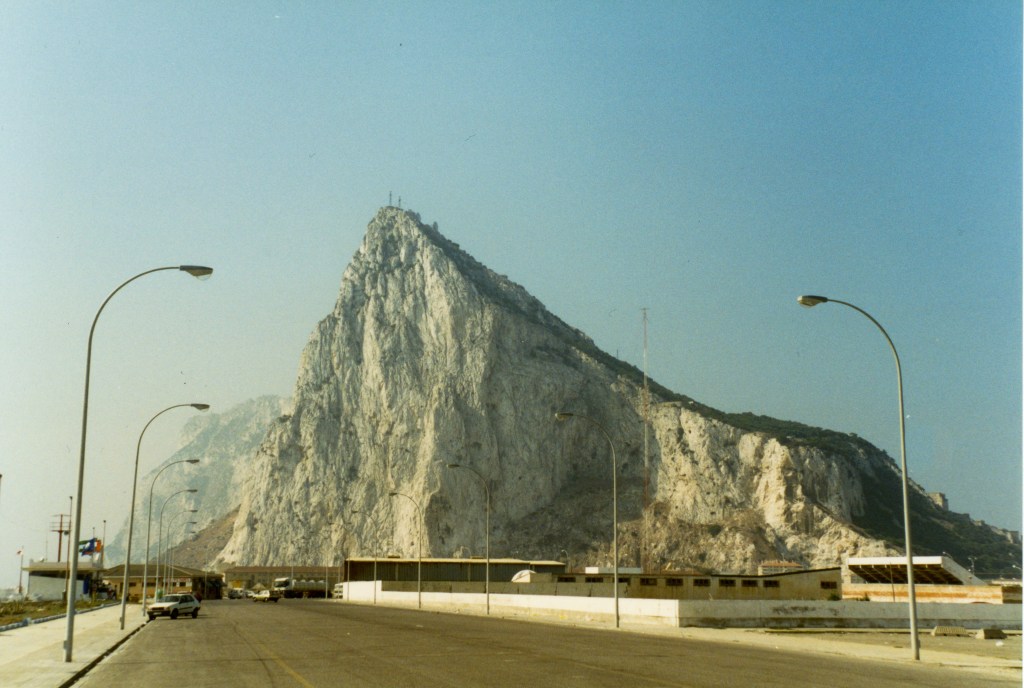
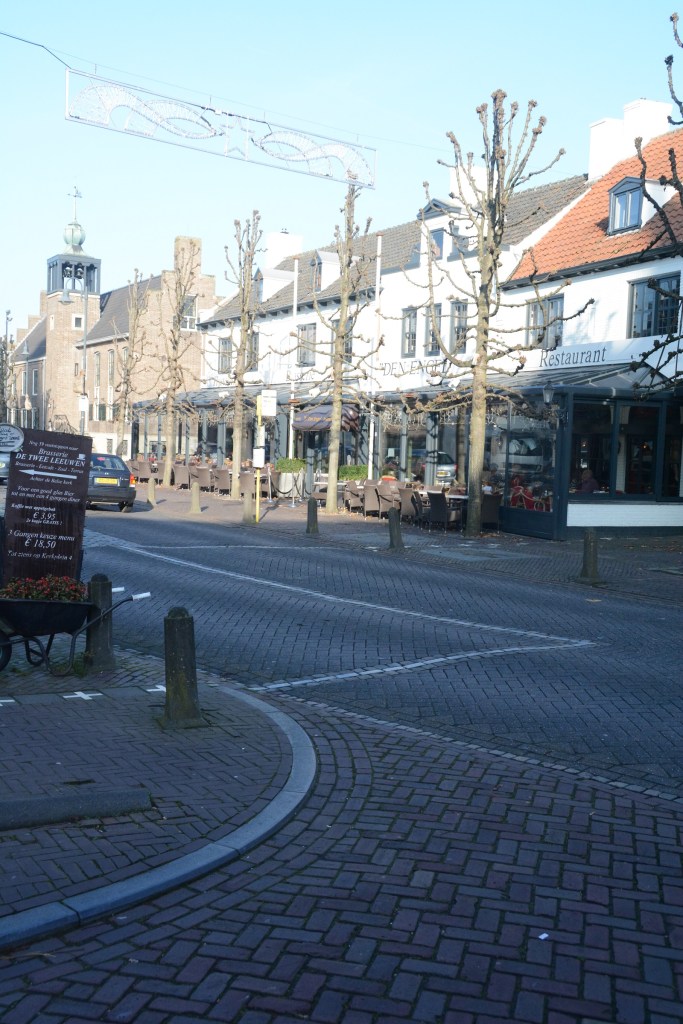

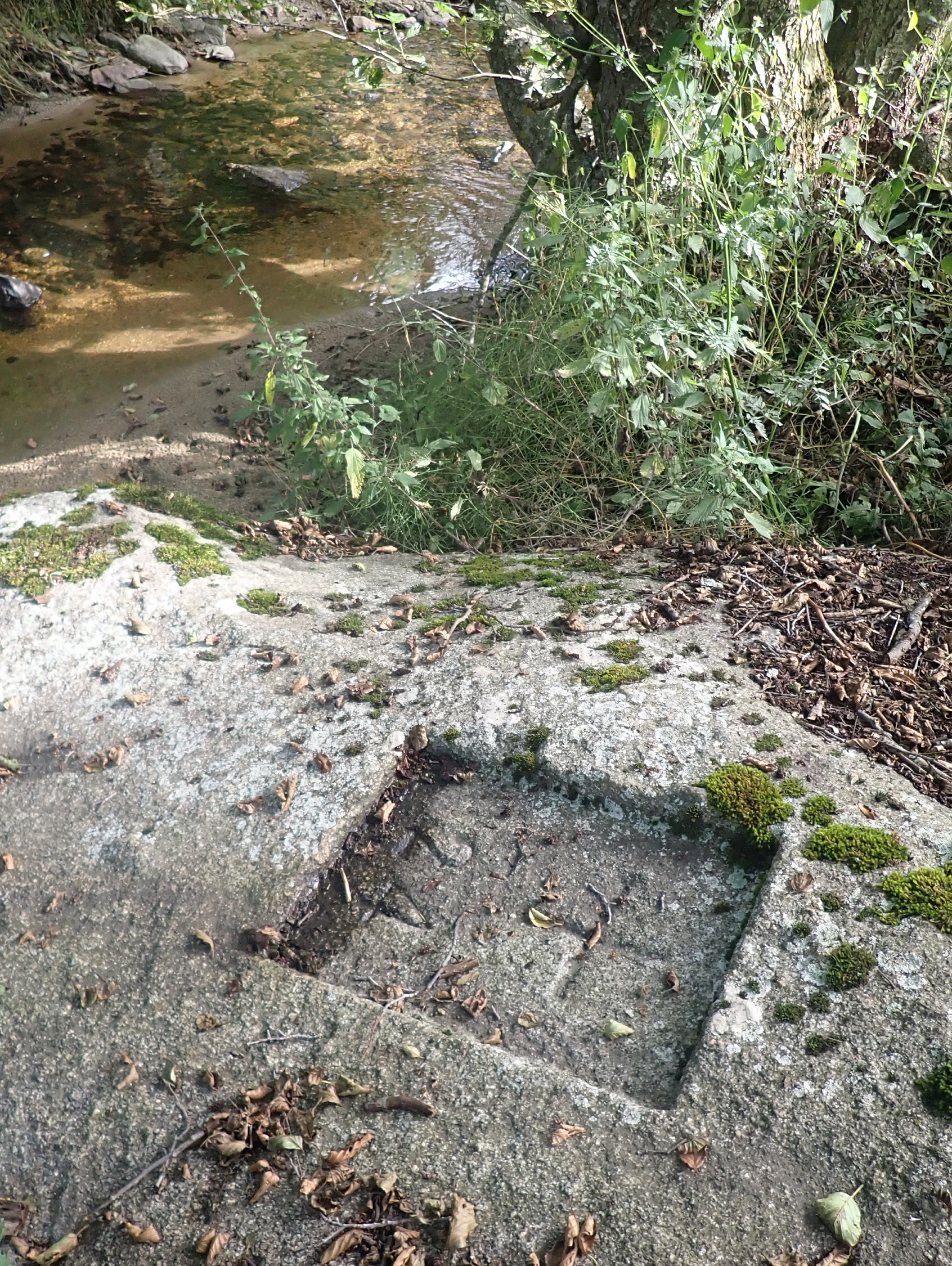

Llivia border markers
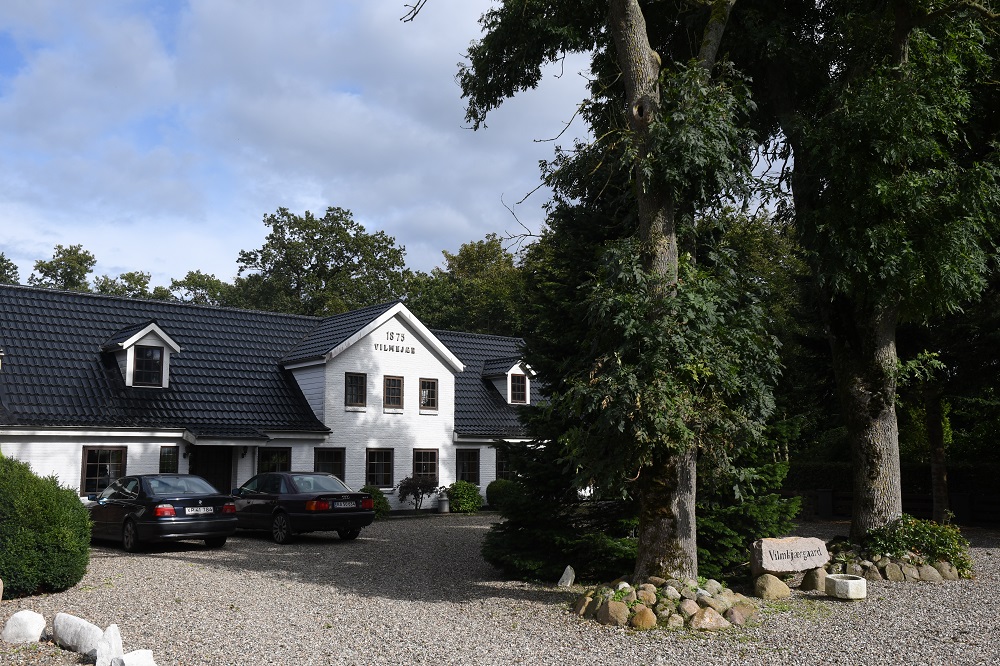

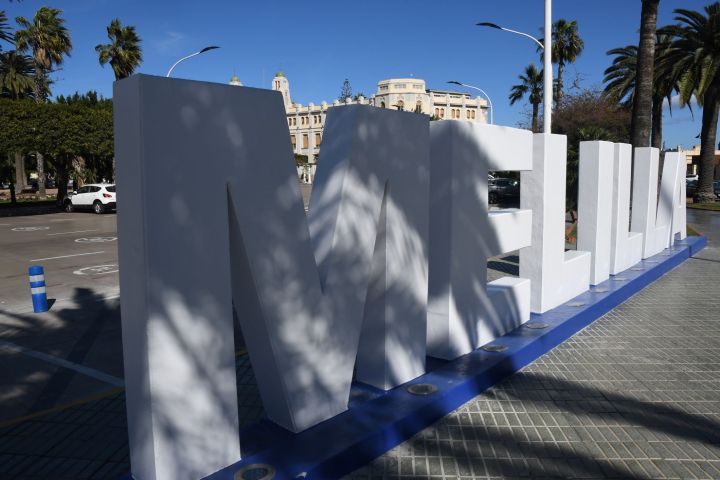
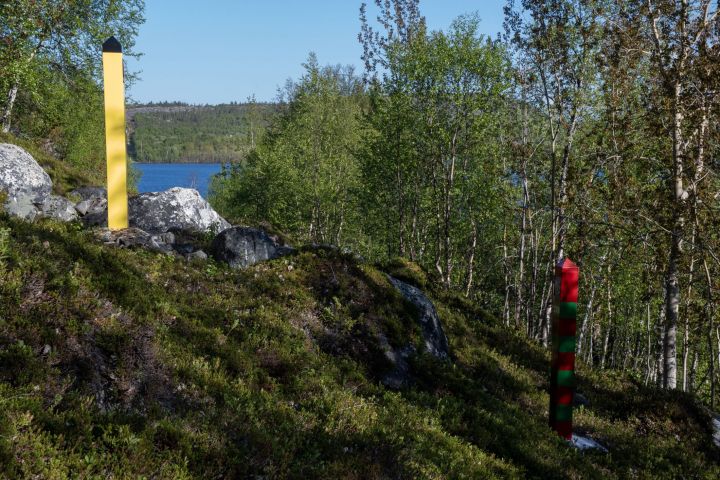
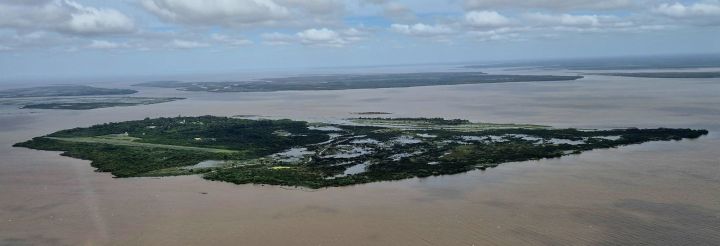
References
1) Enclaves and Exclaves. Jan S. Krogh’s Geosite here 2) The Top 10: Enclaves. The Independent (2017) here 3) List of enclaves and exclaves. Wikipedia here |
Essential Reading

I am pleased to be able to recommend the following book. Alexandra Novosseloff is an academic and this book reflects that; the third by the author that focuses on the “Geopolitics of Borderlands” is well researched, referenced and is based on four years of field work.
A fascinating book that explores a huge variety of exclaves and enclaves across the world. . The introduction helpfully introduces the reader to the wide range of enclaves, exclaves and counter-enclaves that exist. The author begins by revisiting the theories of enclaves and guides the reader to the many varied examples that exist and moves from well known examples such as Baarle-Hertog to lesser-known ones such as those located in the Fergana Valley. The main section of the book is divided into nine chapters, each looking at a different enclave or set of enclaves. Each chapter explores the historical development of the enclave, its relationship with its host country, the population diversity and the challenges faced. In some cases, the borders are relatively invisible such as Baarle-Hertog, in others they are reminiscent of the Berlin Wall as in the cases of Ceuta and Melilla. The author carefully explores the impact of these borders on the inhabitants and the practical accommodations administrations have to make due to the geographical boundaries. A further interesting dimension stems from the authors field work and interviews with people who live and work in the enclaves, these underpin the challenges faces and the dependency with the host and the home country. These are valuable insights that are often missed. The book contains many photographs from these visits that add to the depth of research and the insights offered to the reader.
It is possible to buy this book from the publisher here or from Waterstones here and Amazon here
My review of the book is here
 Barry's Borderpoints