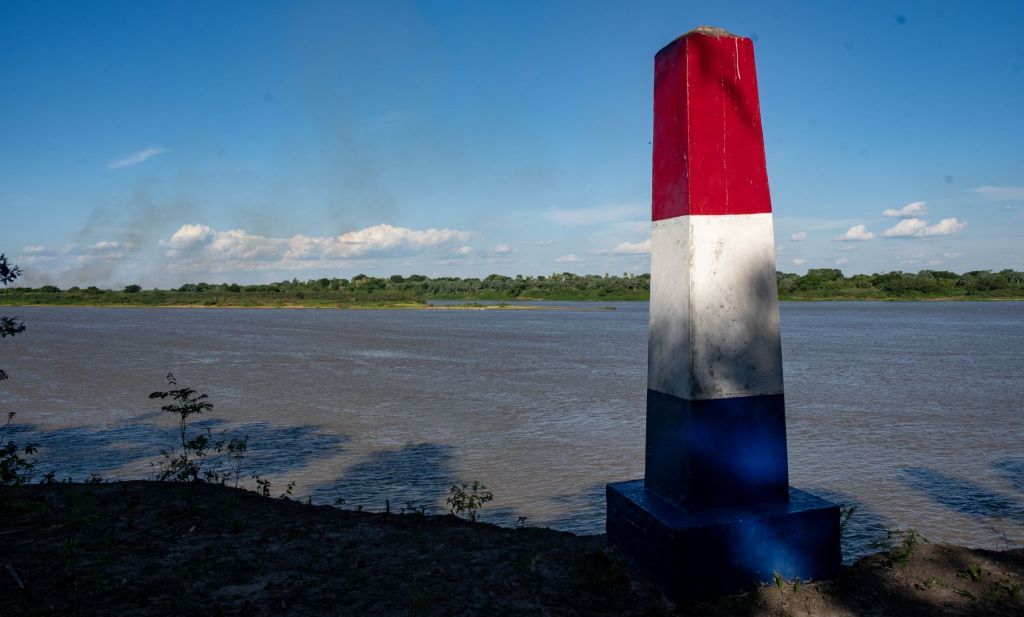
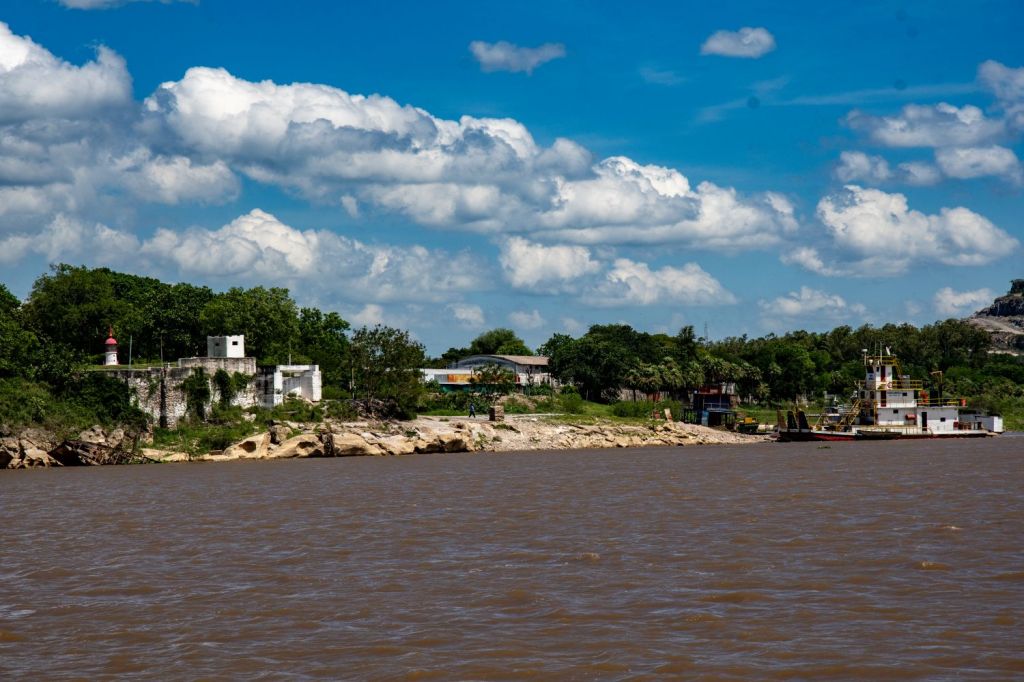
The Rio Paraguay is a major river in South America, flowing through Brazil, Bolivia, Paraguay and Argentina over 2,695 km. It is an essential waterway for transport and commerce, connecting the Atlantic Ocean to landlocked countries like Paraguay and Bolivia. Its name comes from the Guaraní language and means “river of the Payaguás,” an ancient indigenous tribe. The river is renowned for its navigability along its entire length, notably due to the absence of hydroelectric dams, and is home to rich wildlife including abundant fish and caimans. However, it is vulnerable to droughts exacerbated by climate change. I visited this point as part of the IBRG SATEX-25 expedition.
The river was going to be a backdrop to our visit to the BOBRPY tripoint located at the confluence of the Paraná and Negro rivers, the weather however had other ideas. Instead of staying overnight in Bahia Negra, we were trapped for 3 days due to heavy rains that led to the dirt roads becoming impassable especially in our 2 wheel drive saloon car. Instead we needed to innovate and adapt.
Our escape from Bahia Negra
Hindsight is a wonderful thing, if we had decided immediately after visiting the tripoint to return to Loma Plata this story would not have occurred. It was however late afternoon and a 395 km journey with the first 200 km on dirt roads would have meant a late arrival. We stayed with our original plan, stay overnight, drive 6 hours to Loma Plata, have a relaxing day and night before driving the 4 hour trip to Asunción. The expedition would then end with Piet heading back to NL and me onto Argentina to meet up with my daughter.
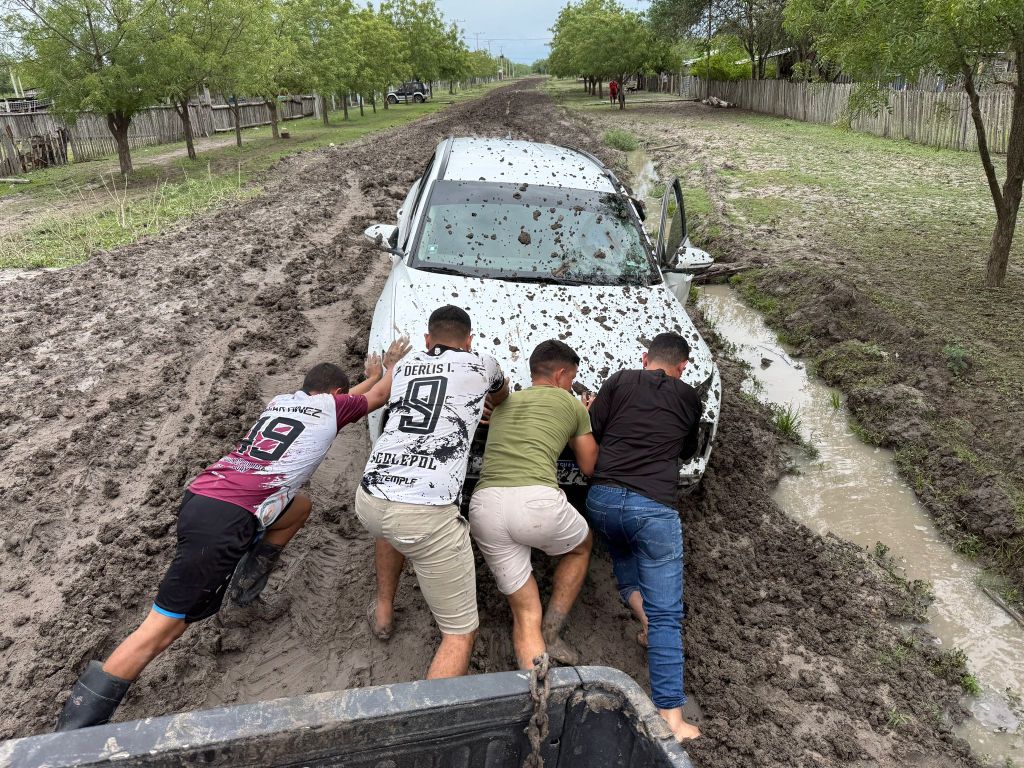
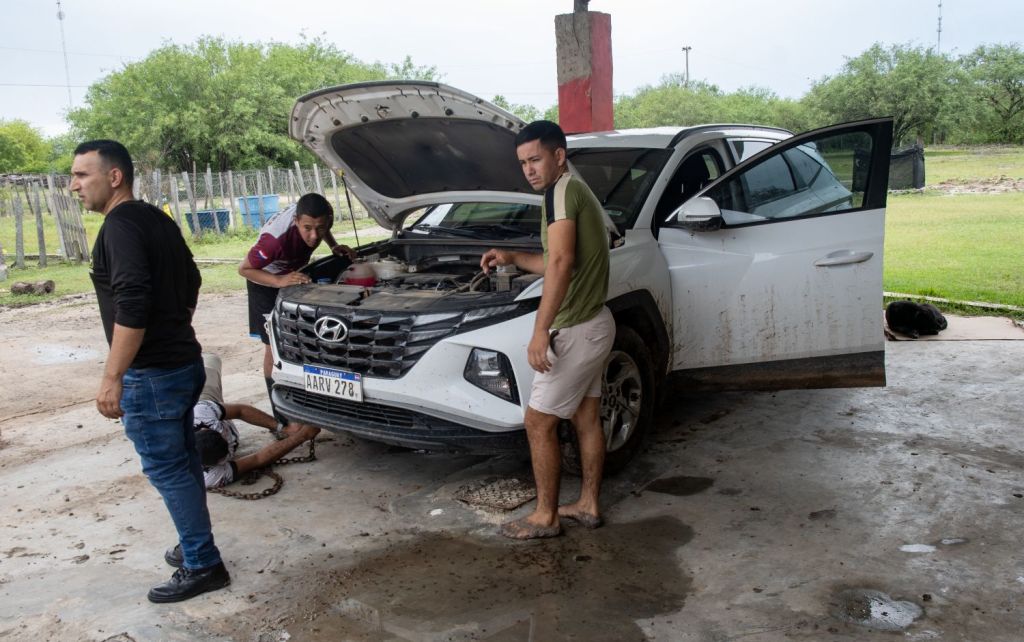
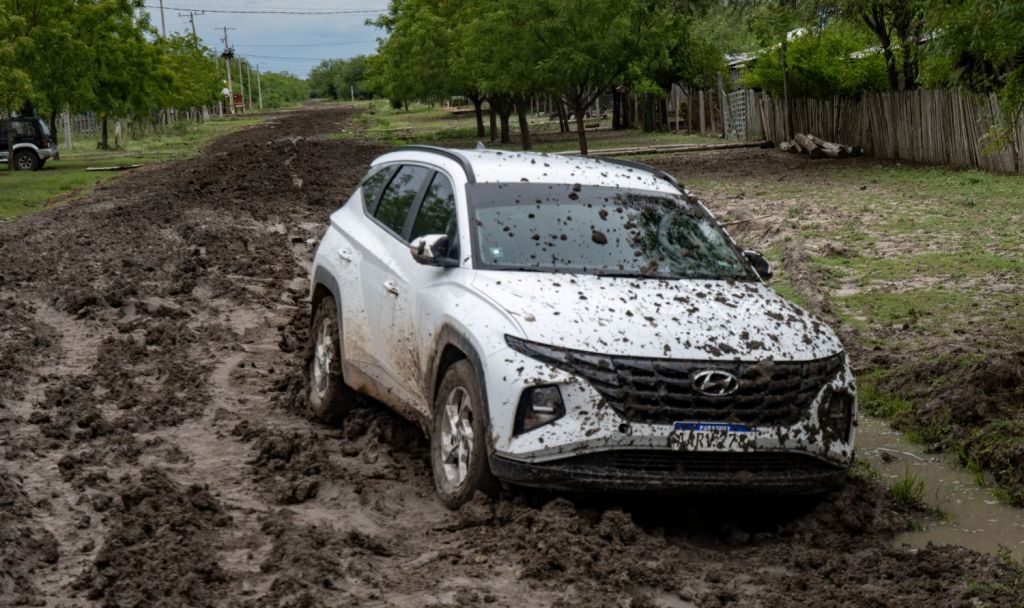
Our overnight was marked with heavy rain, we woke not fully realising the challenges we were facing. We left our overnight hotel but could not get out of the town, as soon as we reached the edge of the paved roads, the car sank into mud. With some difficulty we made it back to the town, firstly to the petrol station, and then to another hotel which would become our home for the next few days. We were beyond lucky with the second hotel, the lady made us breakfast, sorted out 2 rooms, and provided lunch and an evening meal for all our stay. We had no local money but paid later by bank transfer.
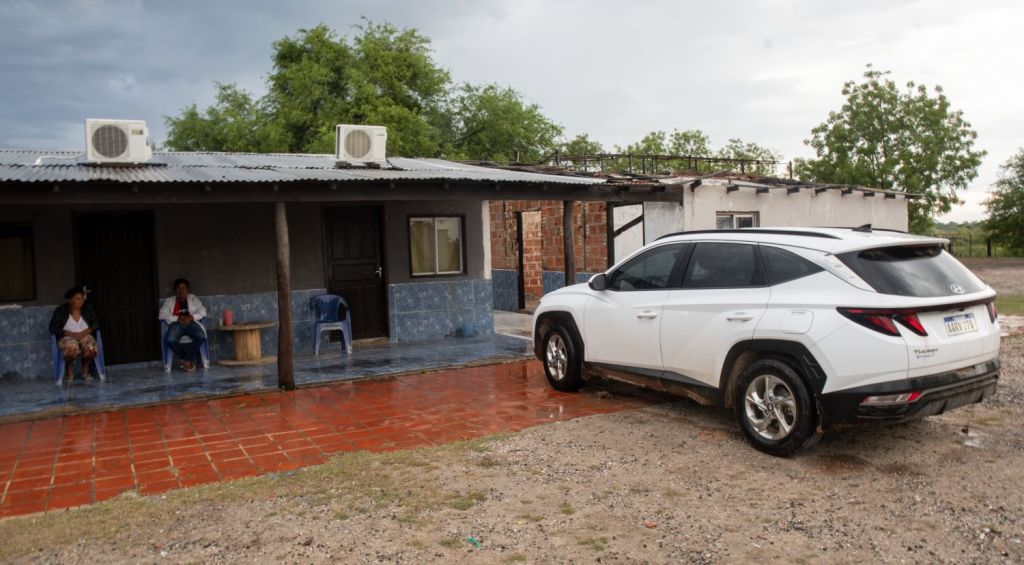
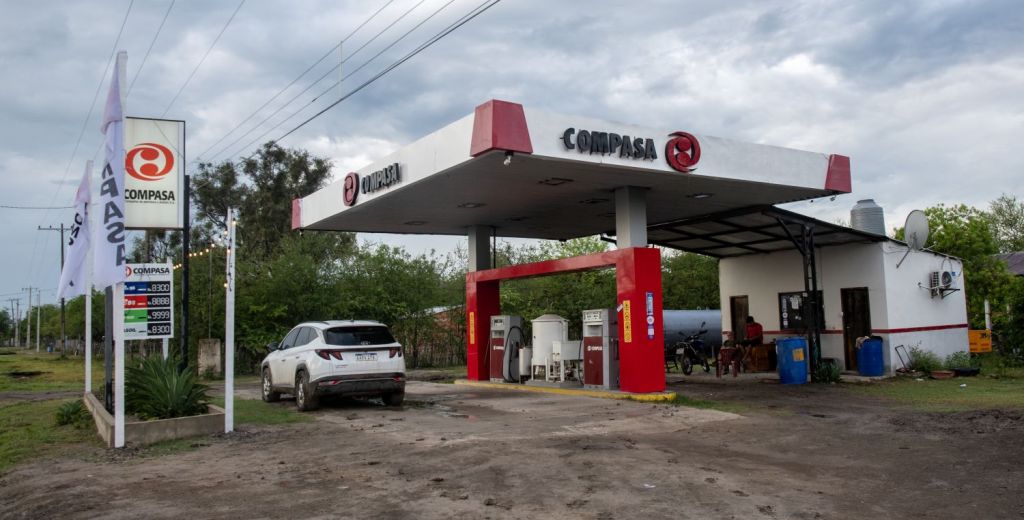
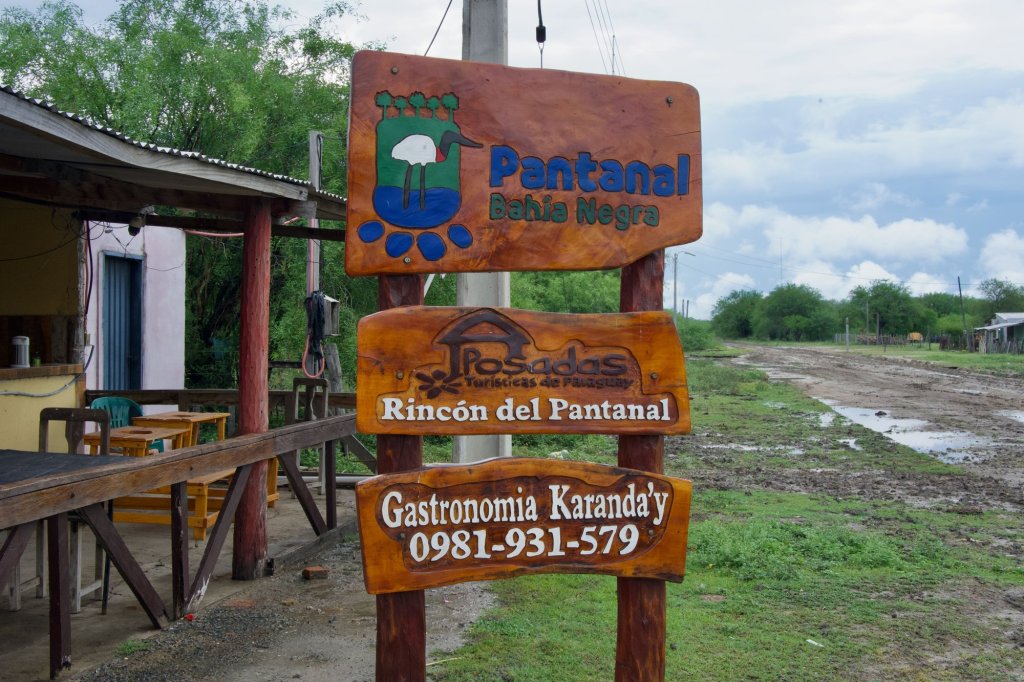
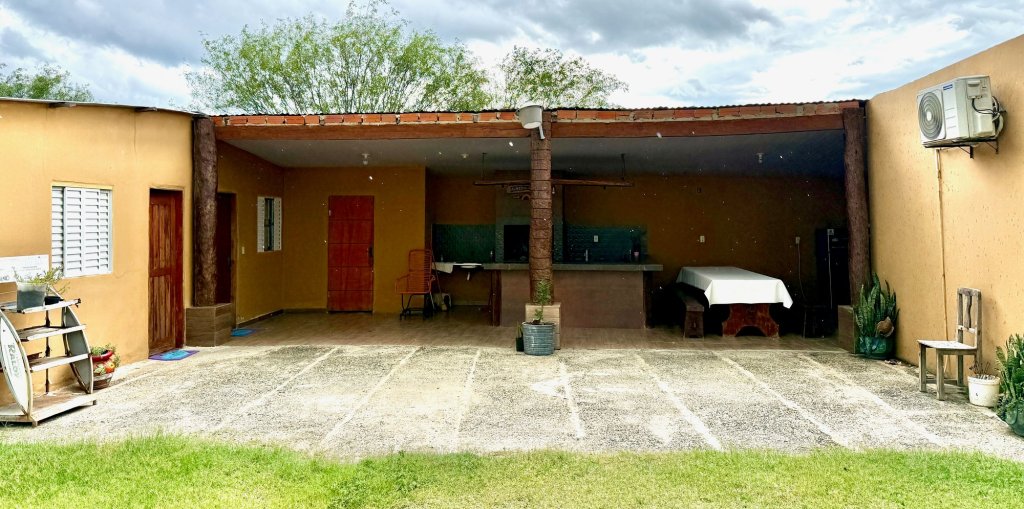
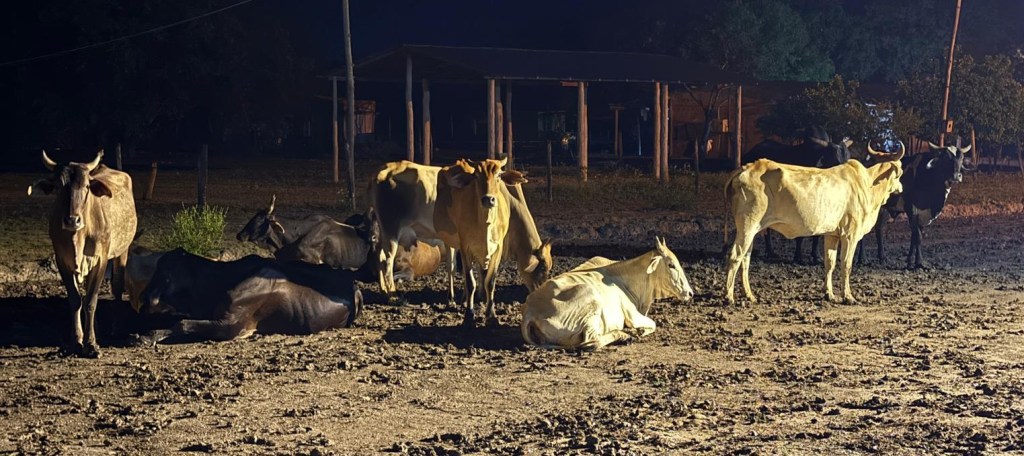
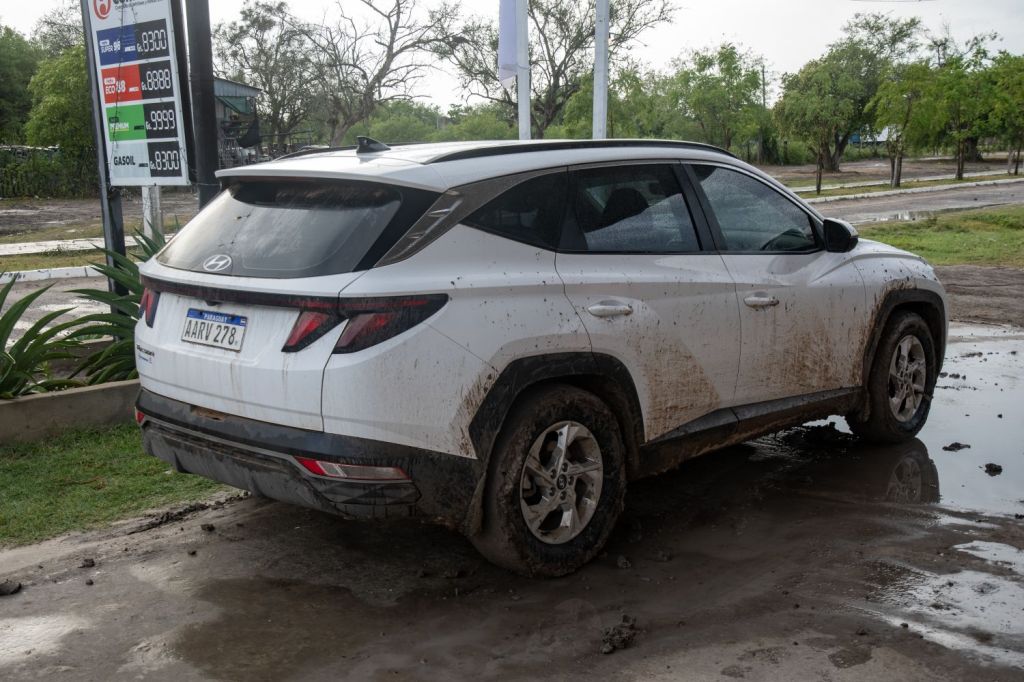
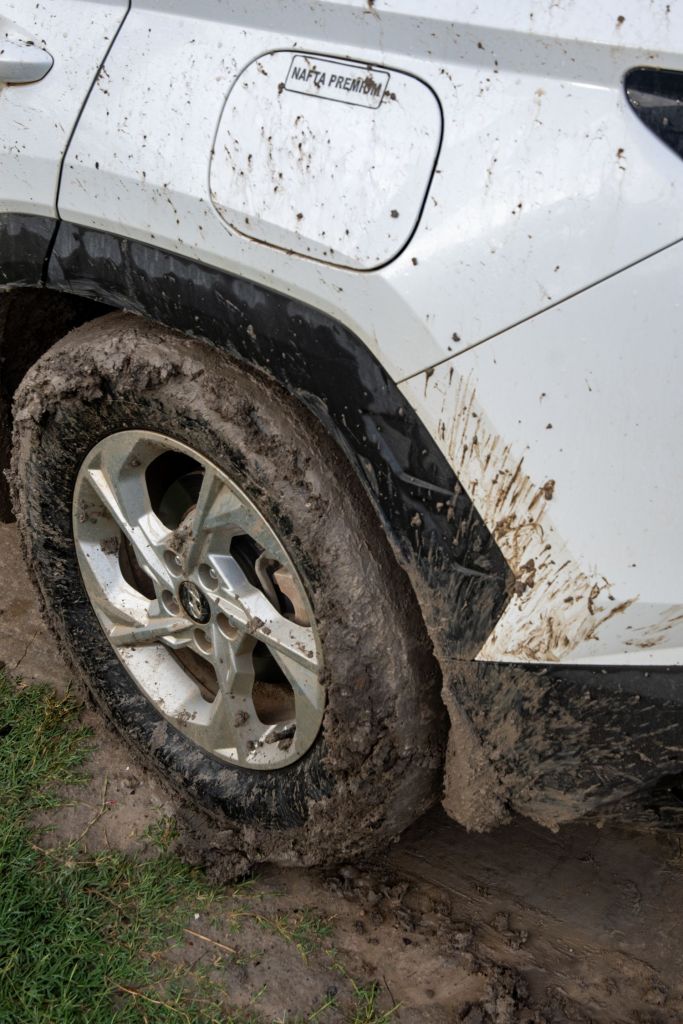
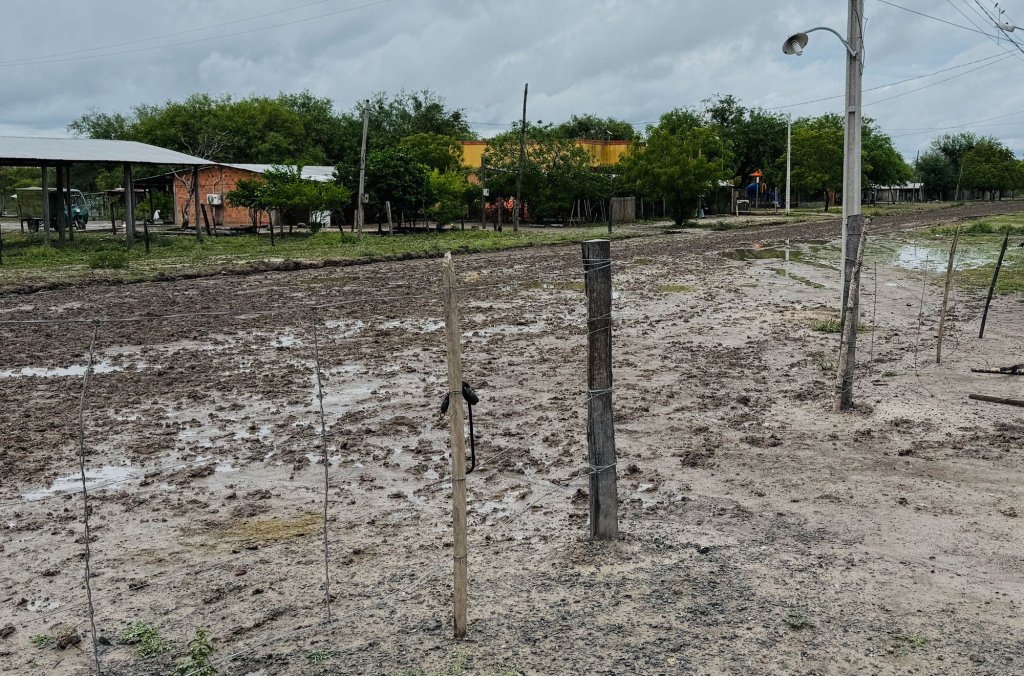
We had to accept that we were stuck, the question was for how long? What did not help was the constant rain, because due to our car we needed a dry period to allow the dirt road to dry out enough. On one of our walks around the town, we met the Chief of Police and in many respects he became another saviour in addition to the lady at the hotel and my daughters Argentinian boyfriend who acted as an interpreter and general problem solver keeping in constant contact with the police, the hotel and helped keeping things moving. Thursday and Friday passed and the weather did not ease up. Suddenly an option arose which was as unexpected as it was welcome. Ongoing conversations between my daughters boyfriend and the Chief of Police identified a boat that would be travelling south down the Rio Paraguay and we possibly could get our car onto it. We really owe a debt of gratitude to these 2 and all the others who helped us.
Plan A
Plan A was to get the car to the port, which was 800m away, load it onto the boat and head south to where we could re-join the road network. What possibly go wrong?
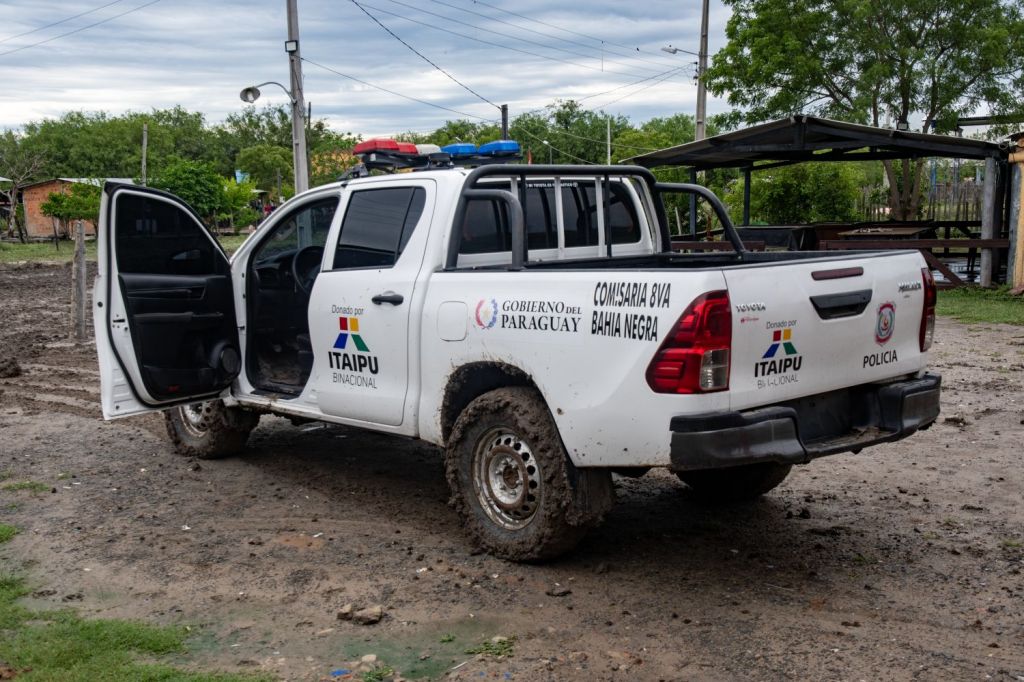
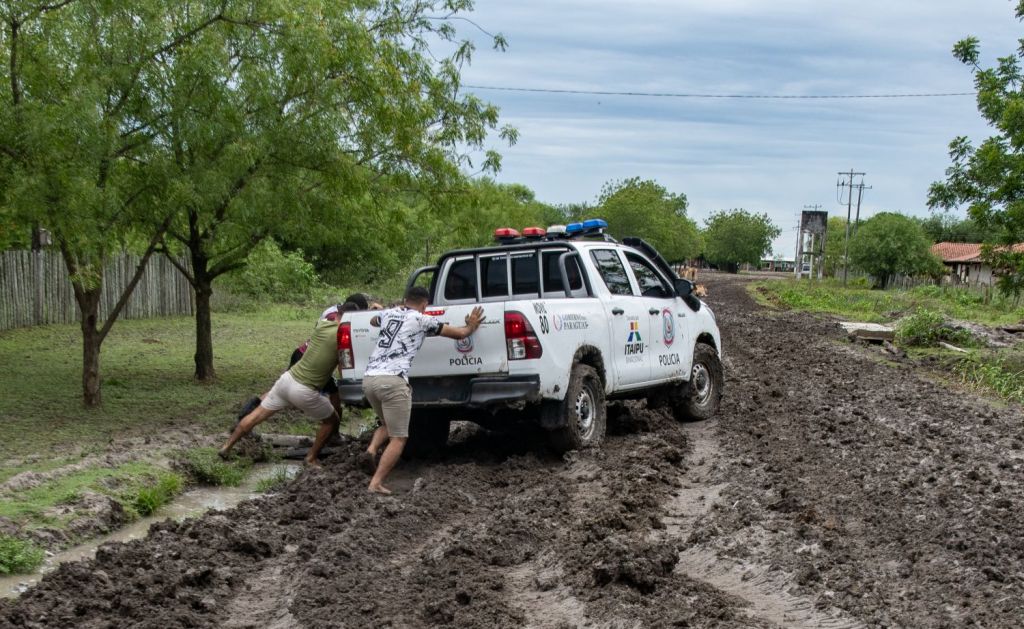
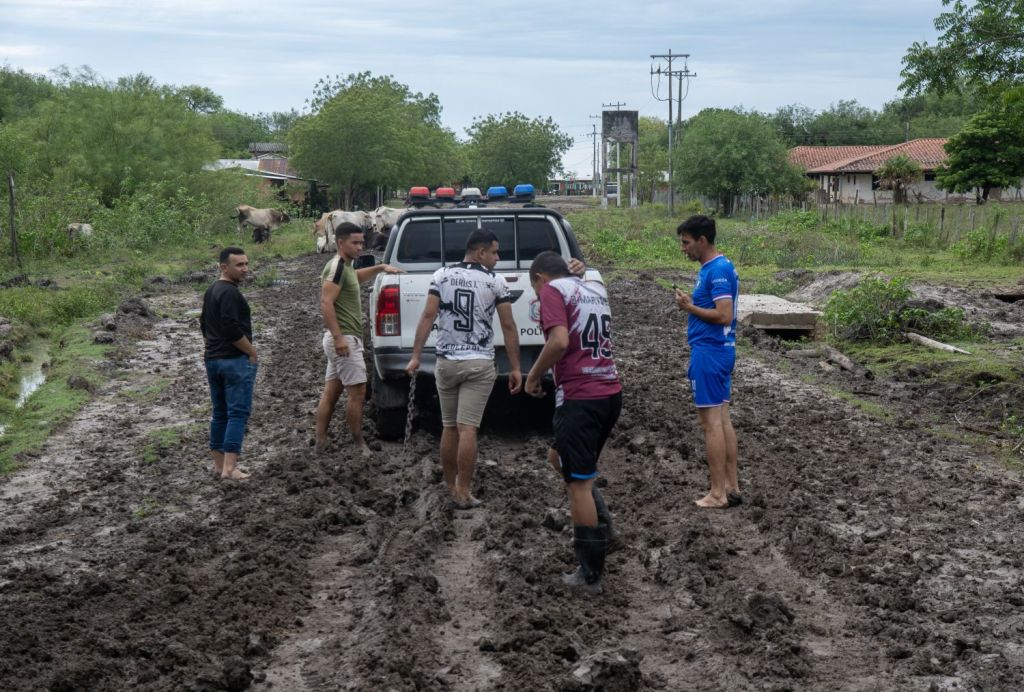
Saturday morning came and we got ready to move the short distance to the port. Unfortunately the Bahia Negra mud had other ideas, we got little over 300m before we could go no further, even with the Police 4×4 and a massive metal chain. In the end we needed to make a quick decision, leave the car (for the Police Chief to return to the rental company when the road became clear) and get on the boat for 31 hours and then take a bus for 12 hours so we could return to the capital. Piet had already missed his flight and I had lost days where I had planned to visit the Missions in southern Paraguay and was in danger of missing my connecting flights within Argentina. Jointly we decided to take the boat.
Plan B
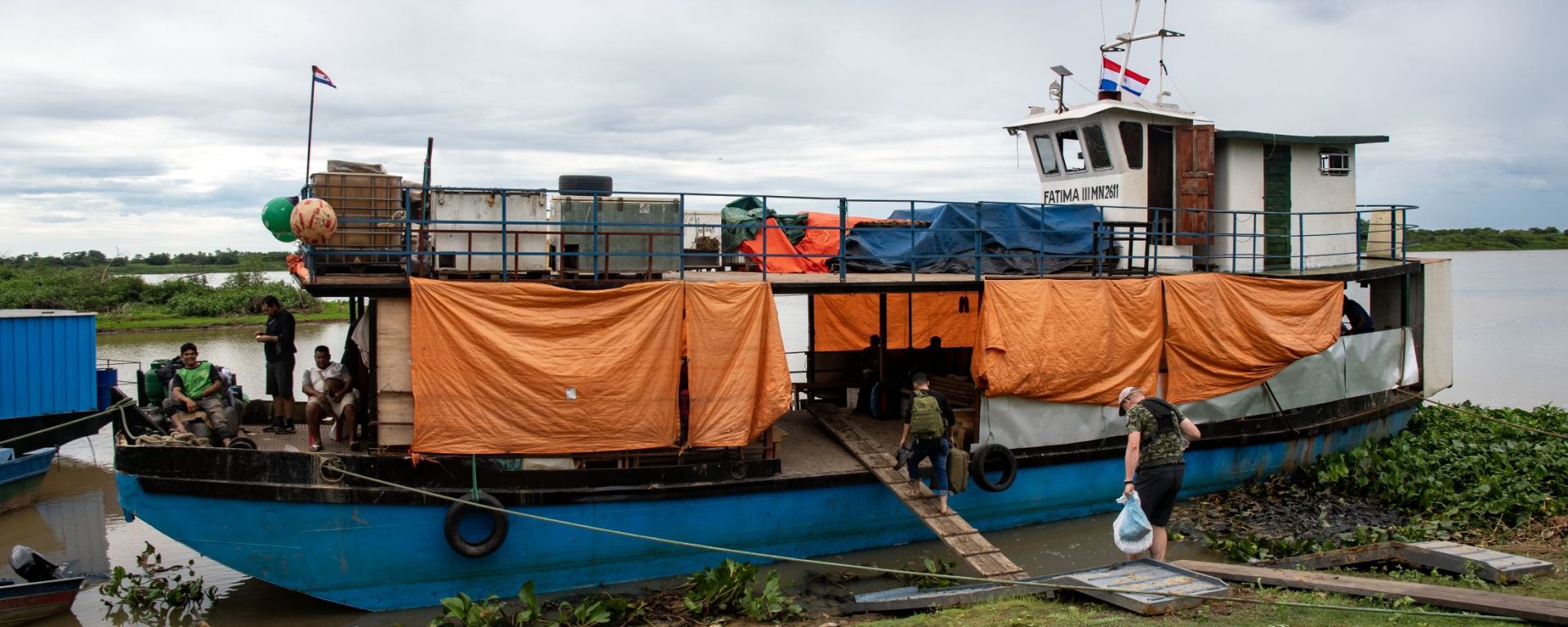
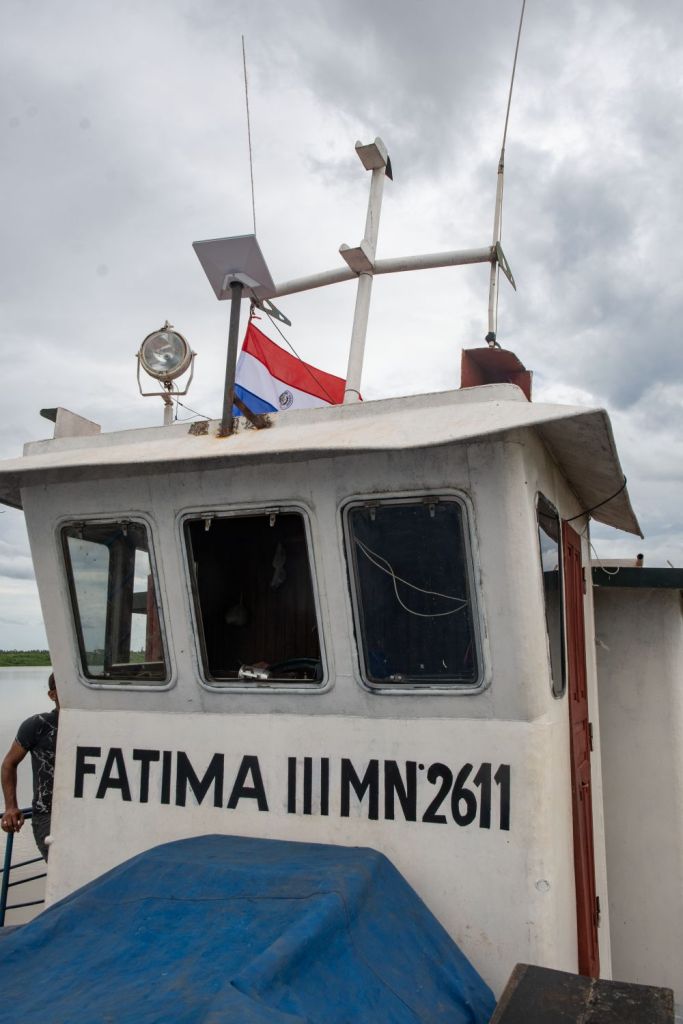
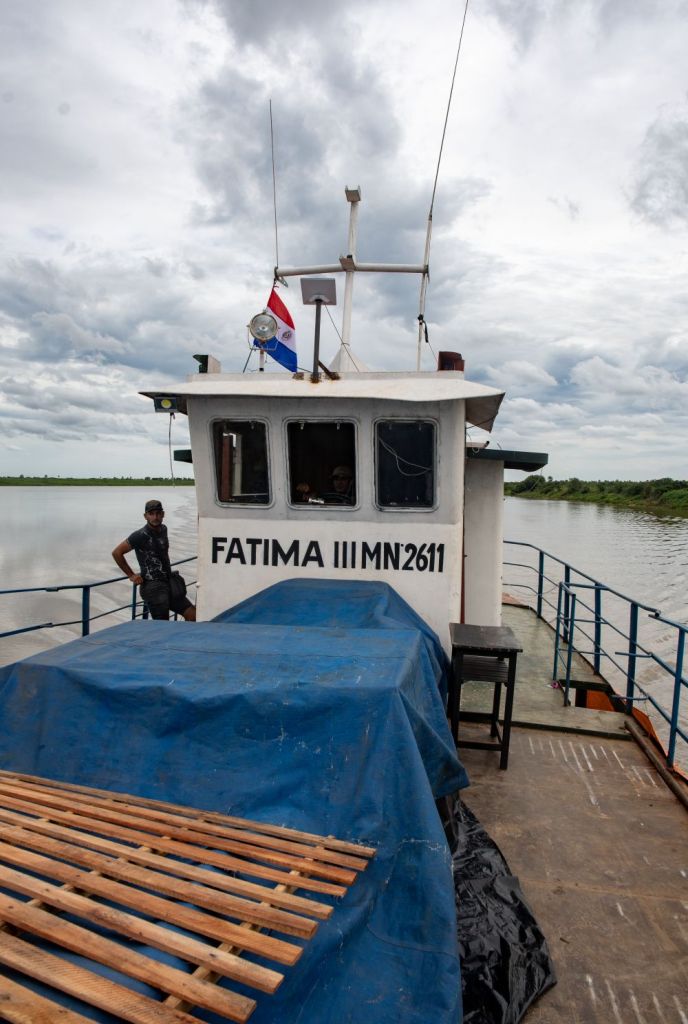
After leaving the hire car up to its axels in mud, we got a lift to the port and joined the boat that would become our home for the next 31 hours. Fatima III is an essential lifeline for the isolated indigenous communities on both sides of the Rio Paraguay, carrying people, goods, supplies, post and essential materials. We had no idea how they would have got the car onto (or off ) the boat and quickly settled into the slow routine of travel between these small settlements. Food was available and we had “supplies”, needless to say we were the only tourists but were quickly accepted.
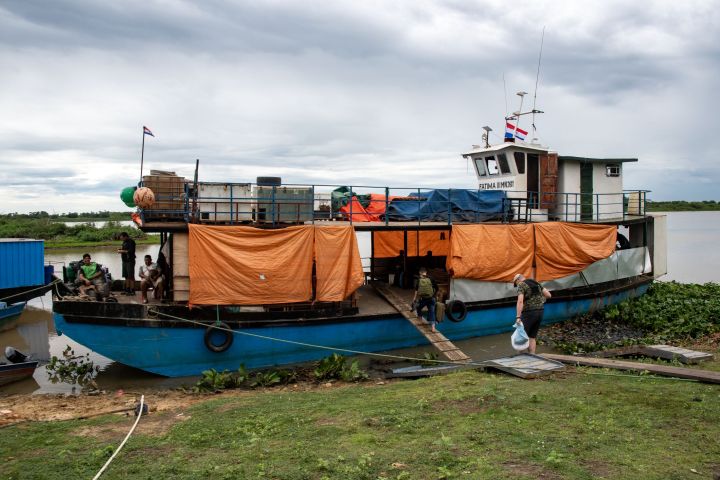
I could find no information on the ship. It was a real adventure, sharing some time with people who live in remote villages and have very different lives. Meals were cooked on board, drinks bought, morning washing was from a bucket full of river water. It was an adventure.
Life on board
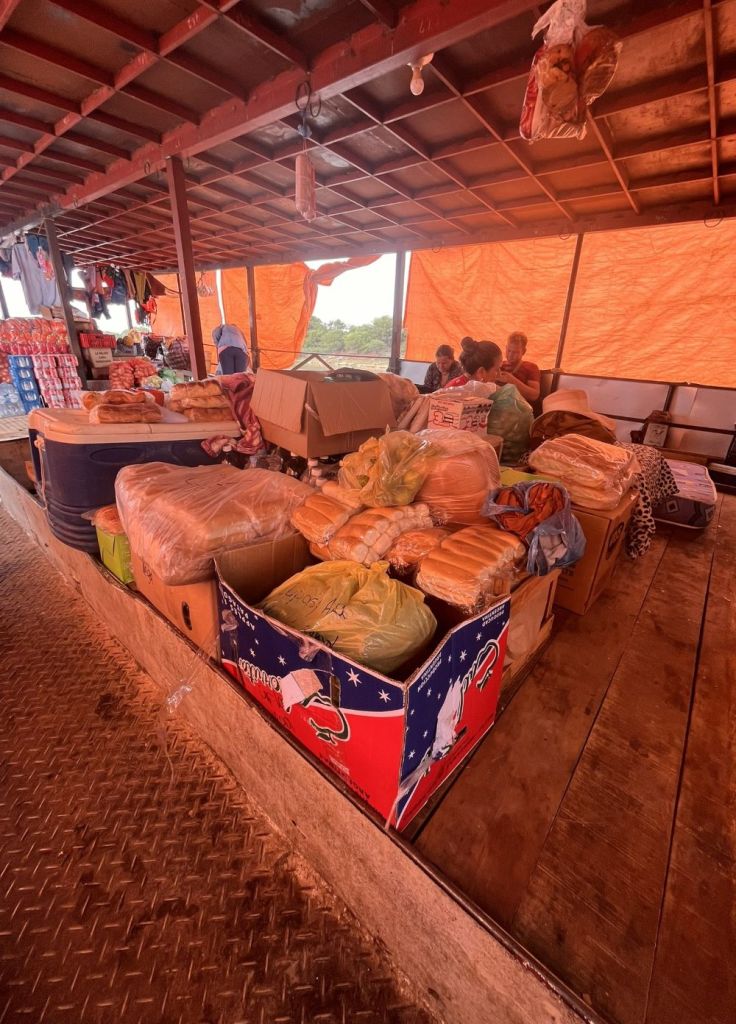
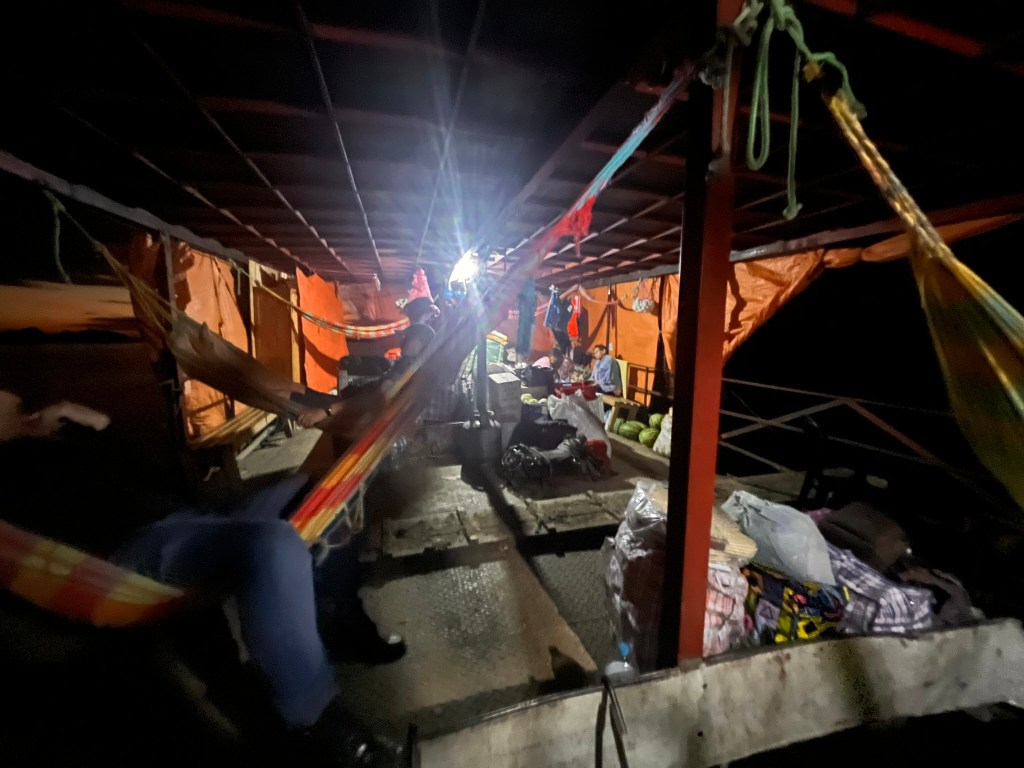
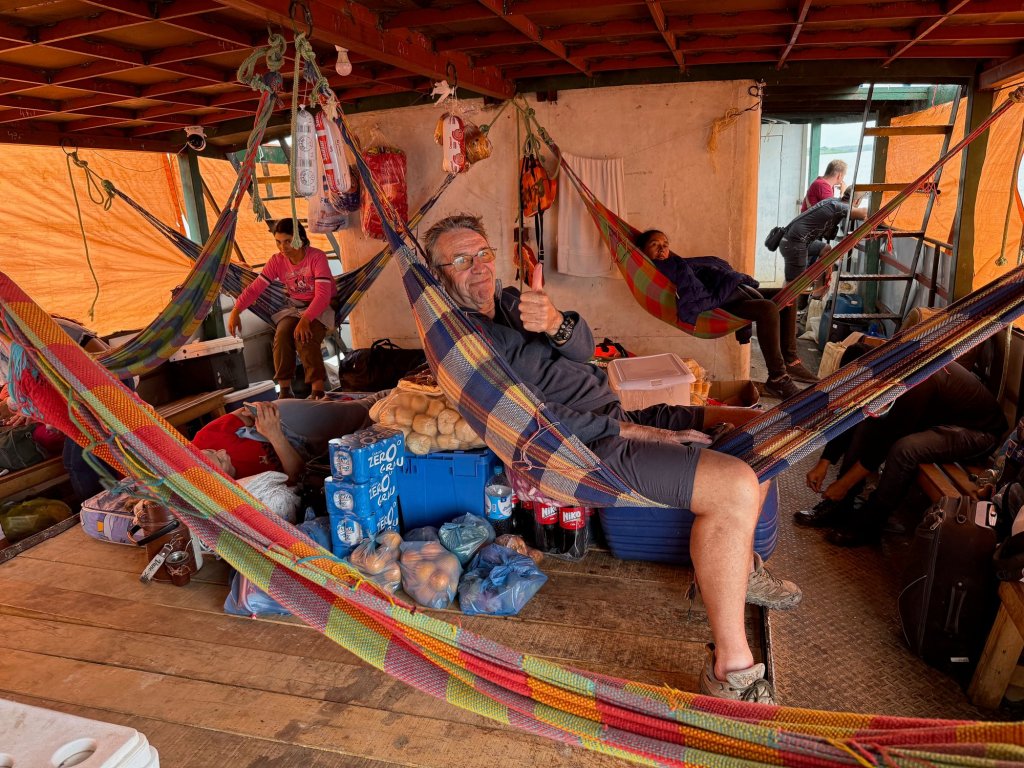
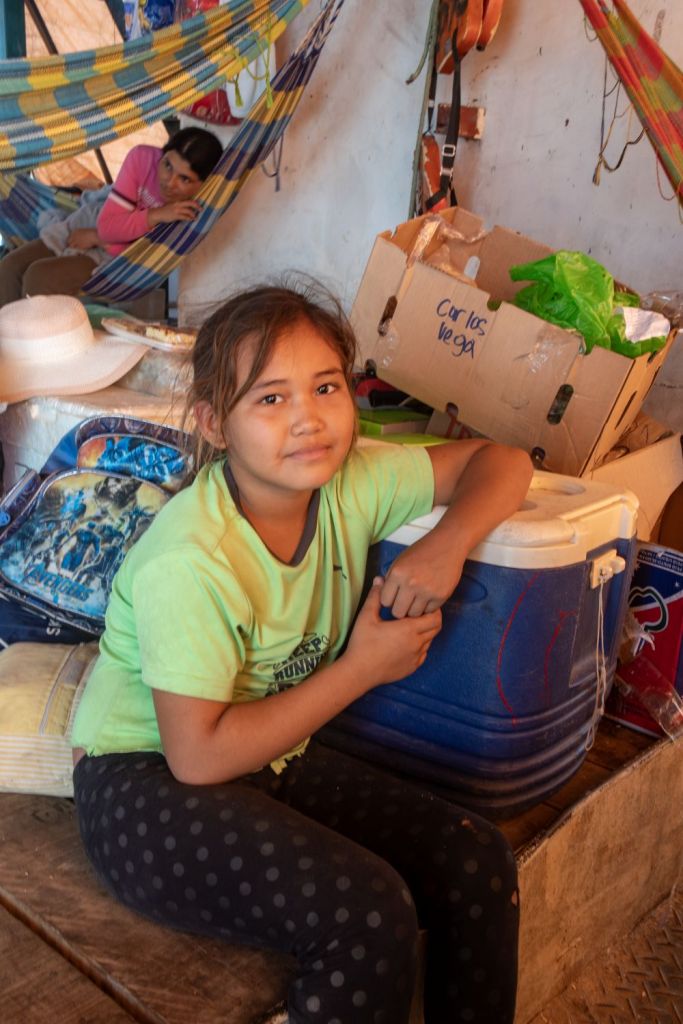
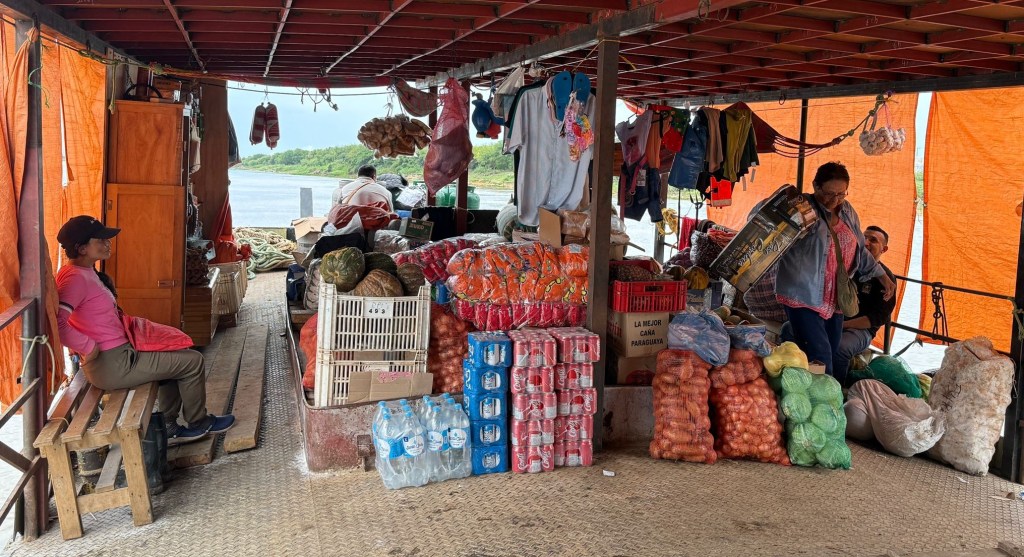
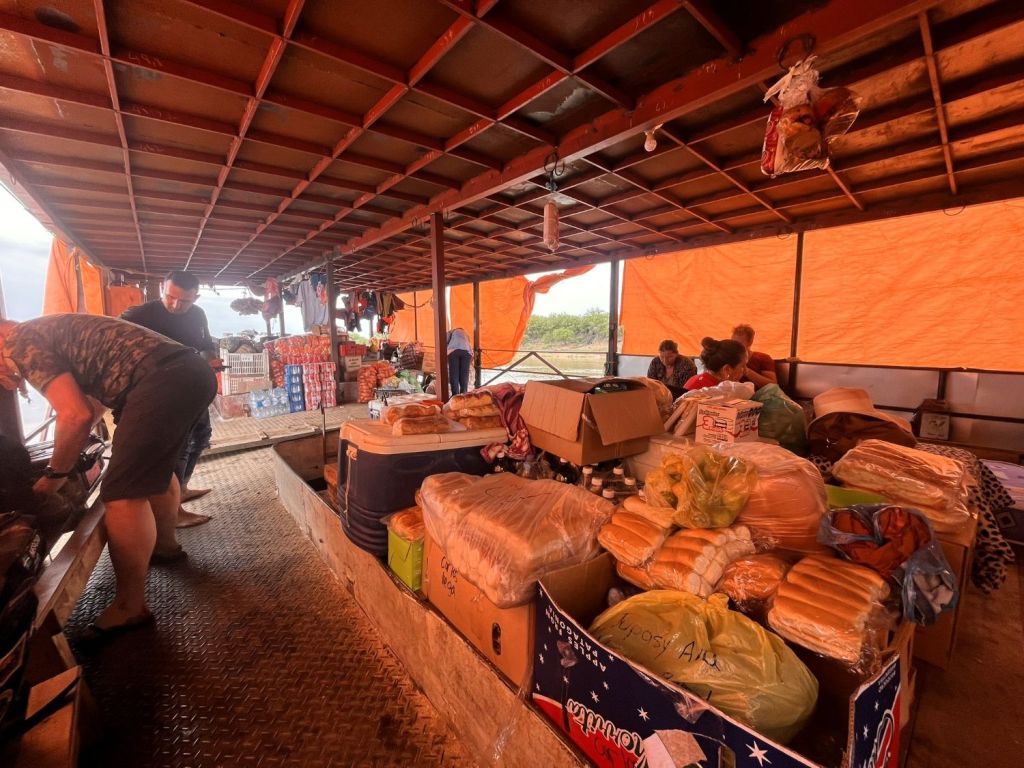
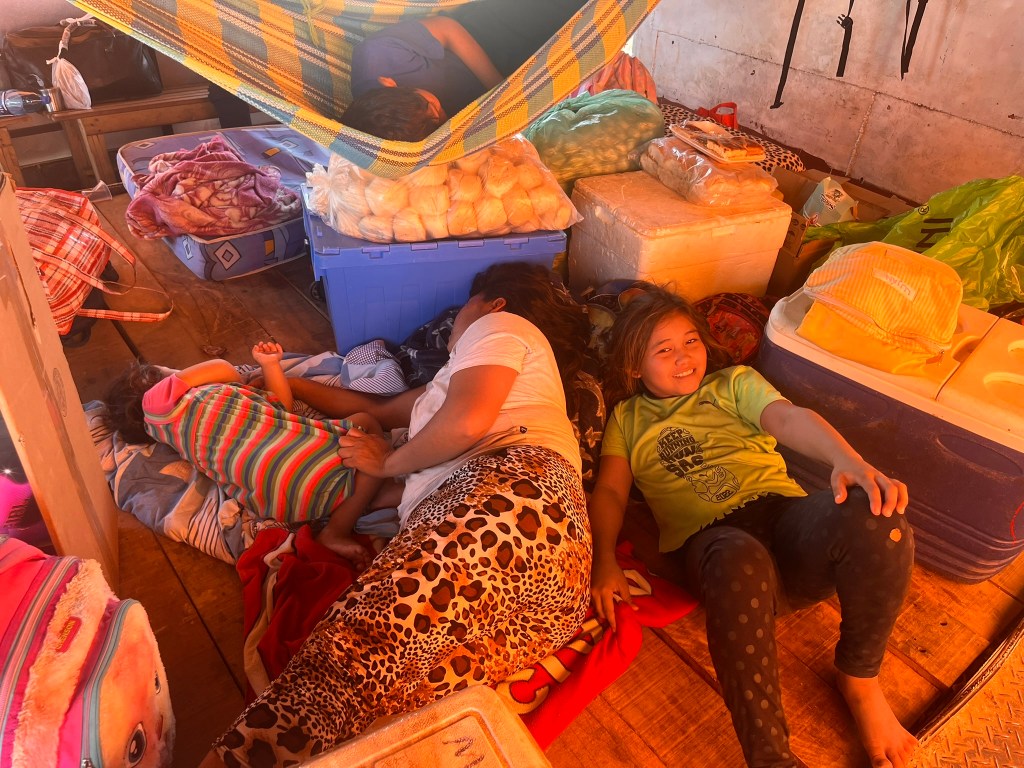
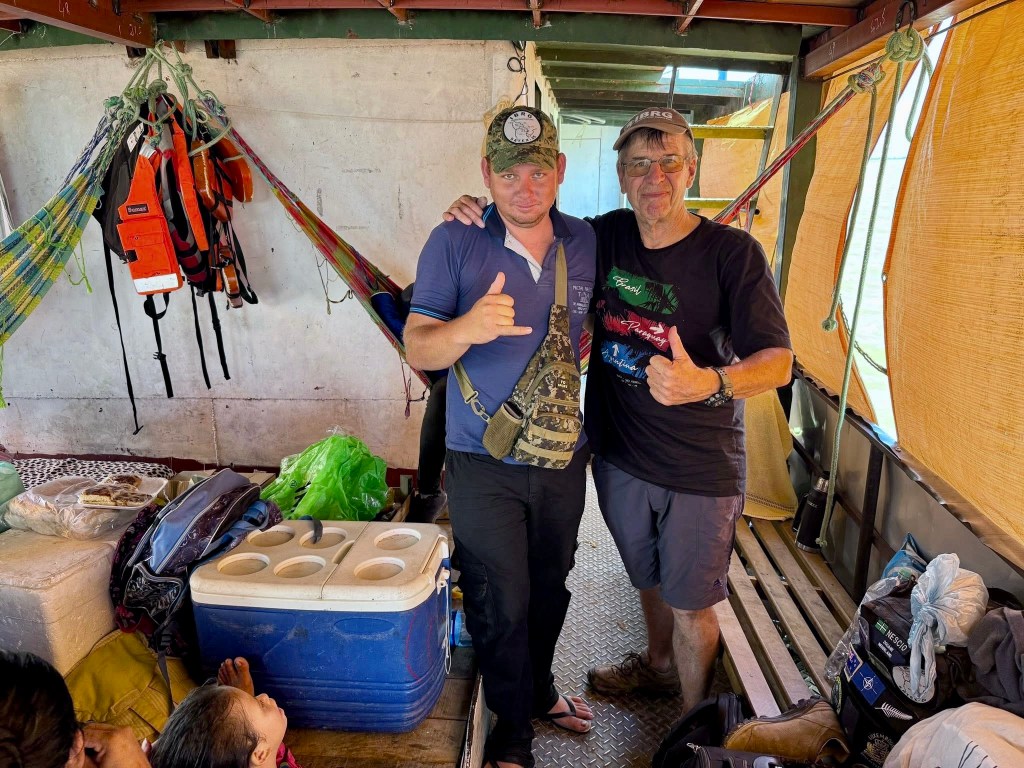
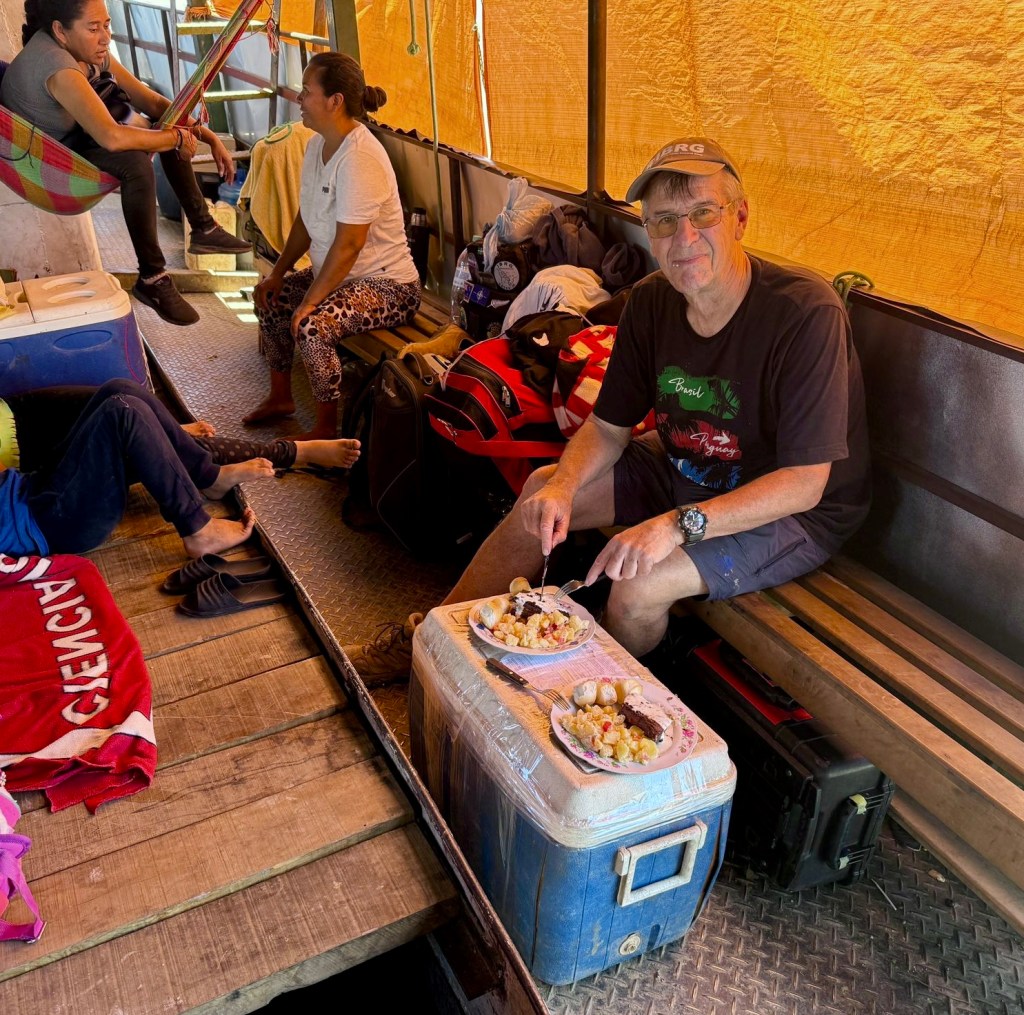
A lifeline to local communities
People were waiting on the banks for the boat to arrive irrespective of the time. There was a flurry of activity at each stop with new passengers joining, but others coming on board to buy food, check in parcels, collect post.
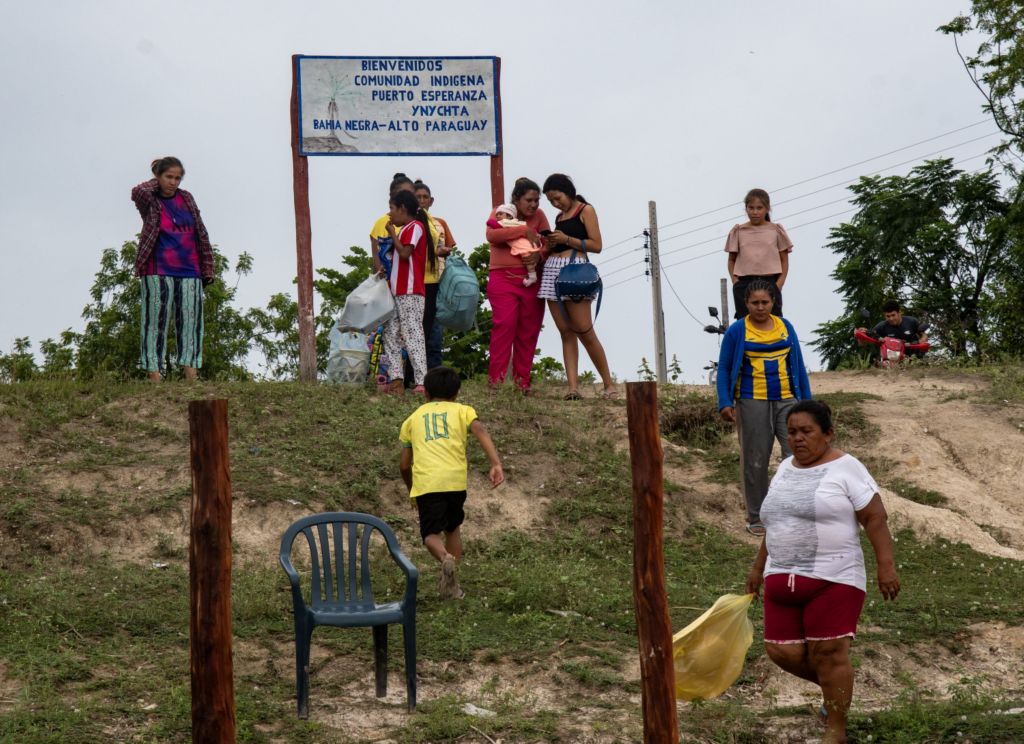
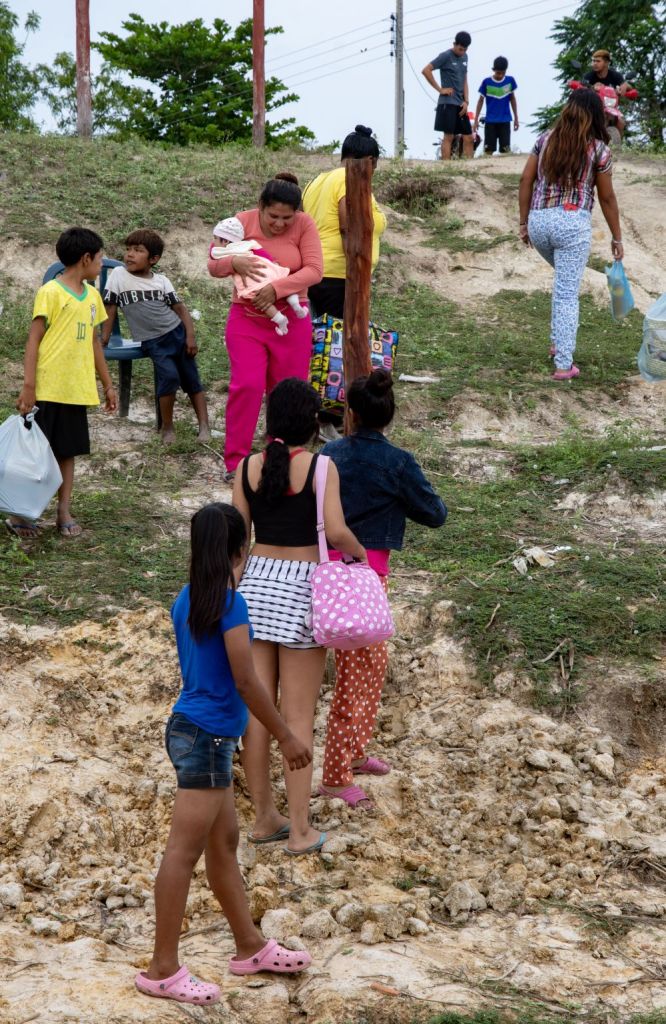
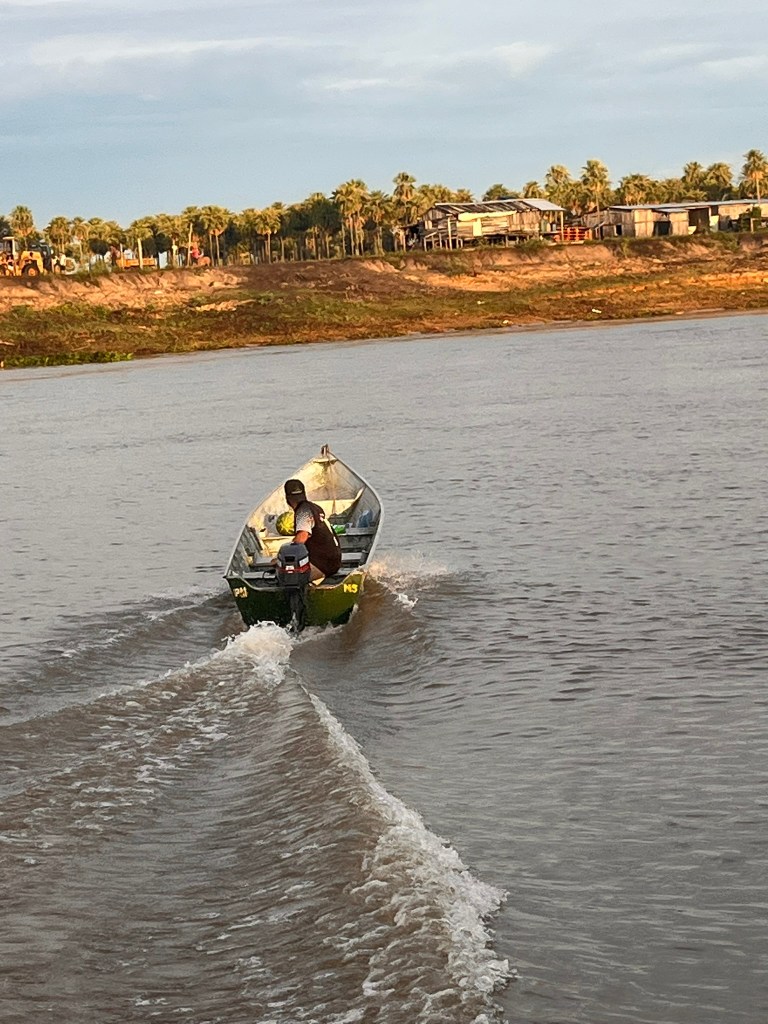
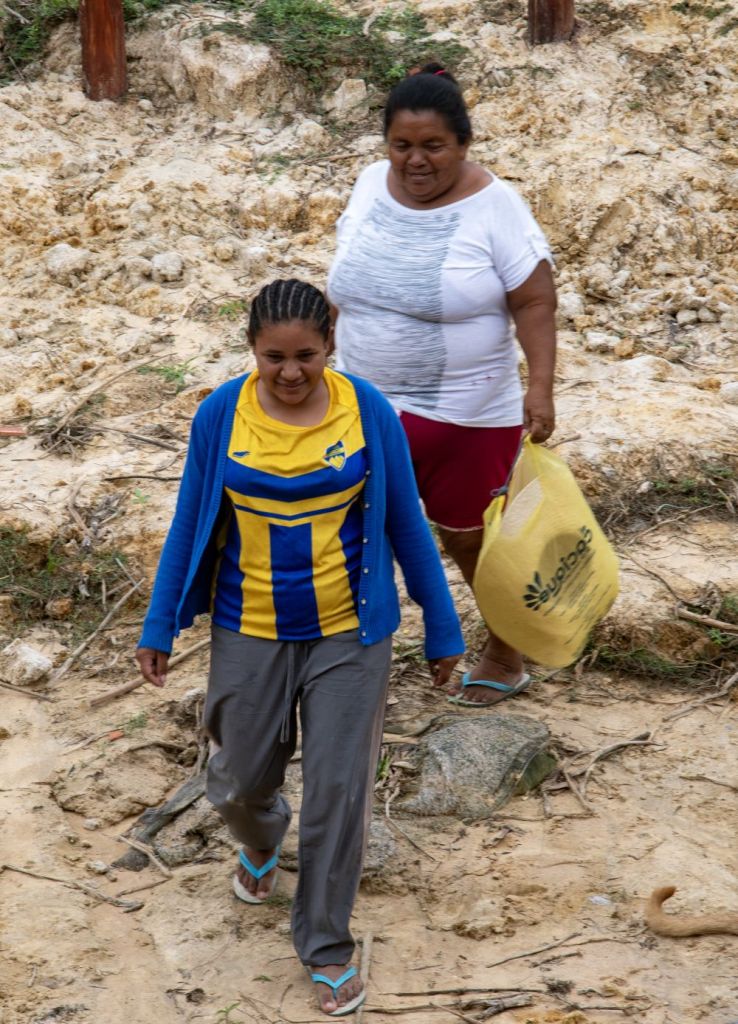
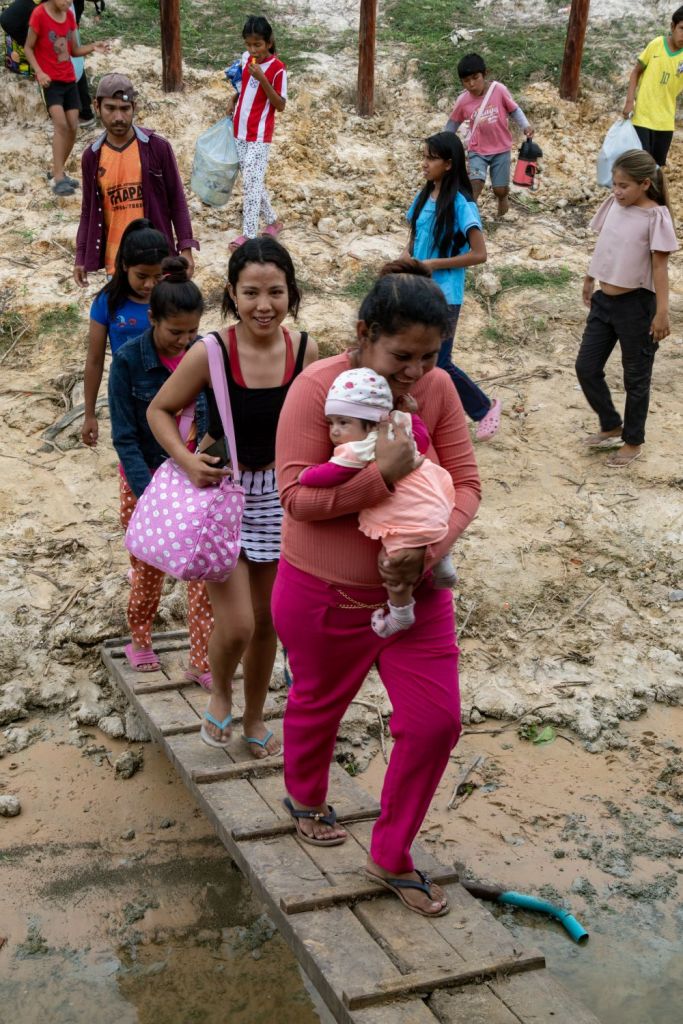
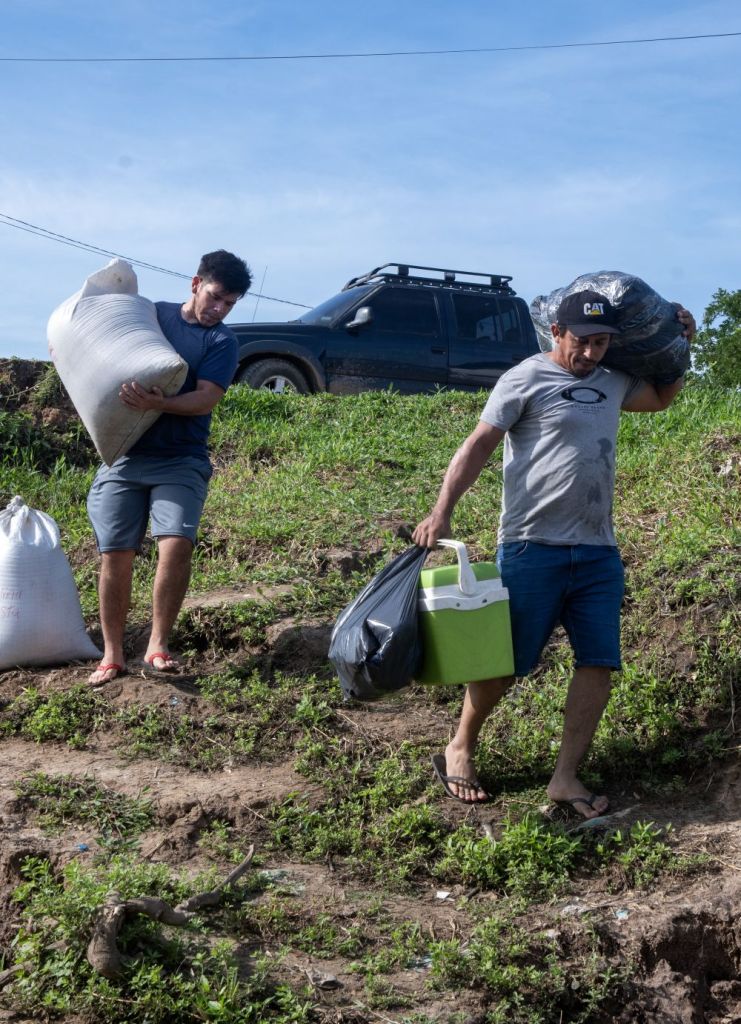
As life goes by…
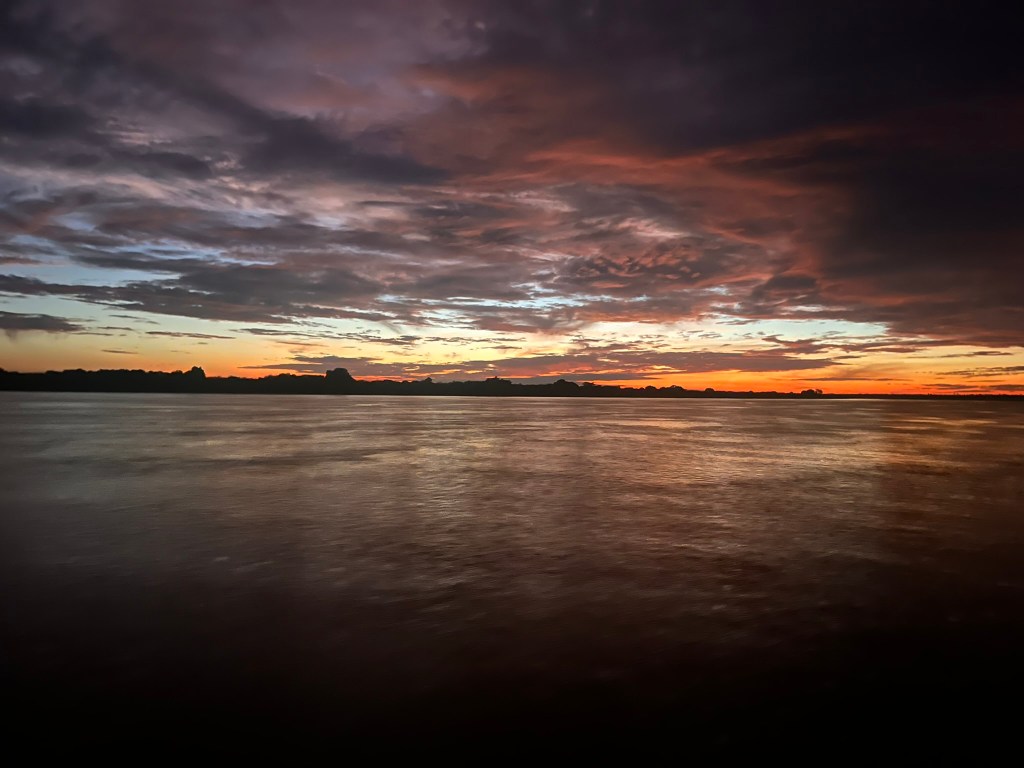
The view constantly changes, albeit slowly.
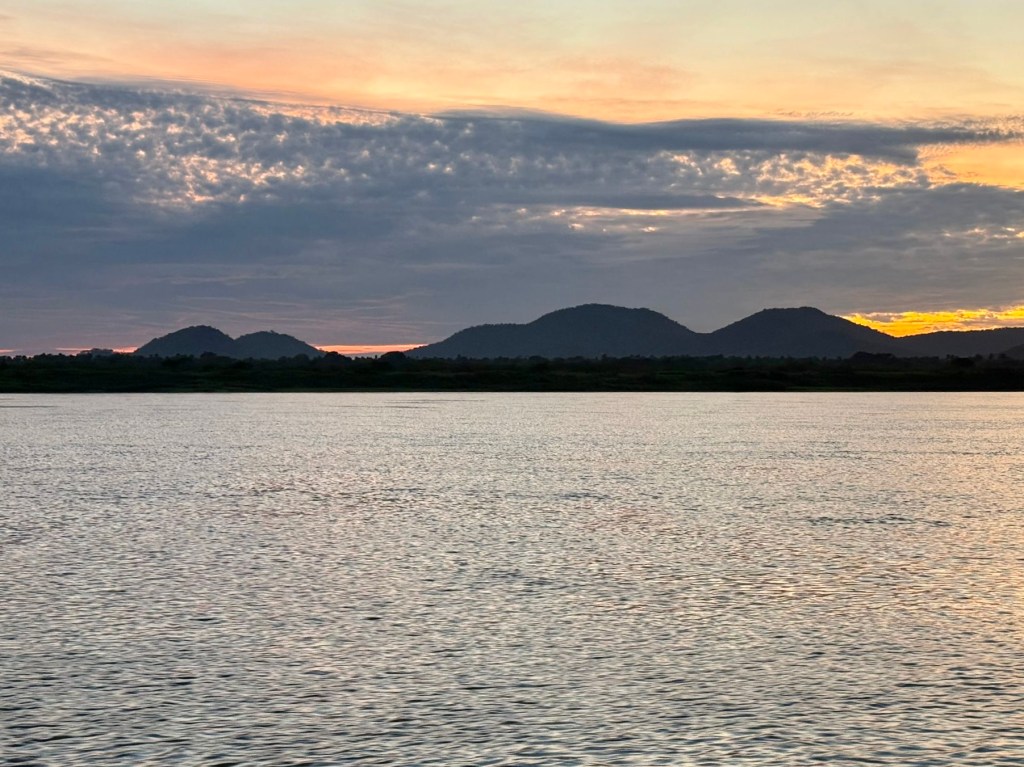
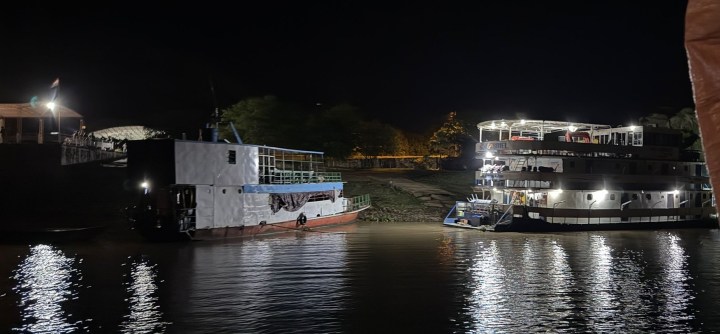
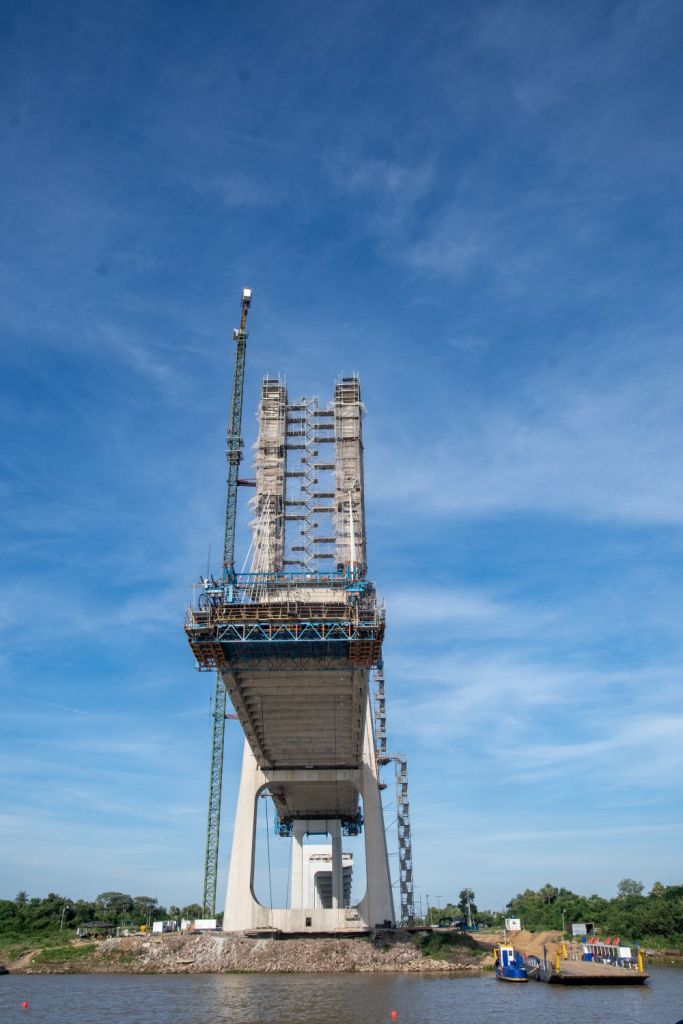
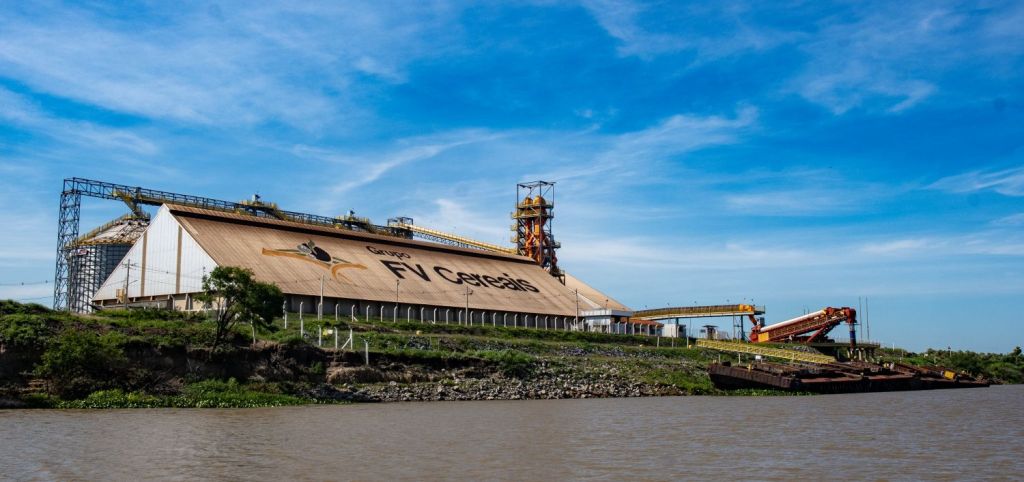
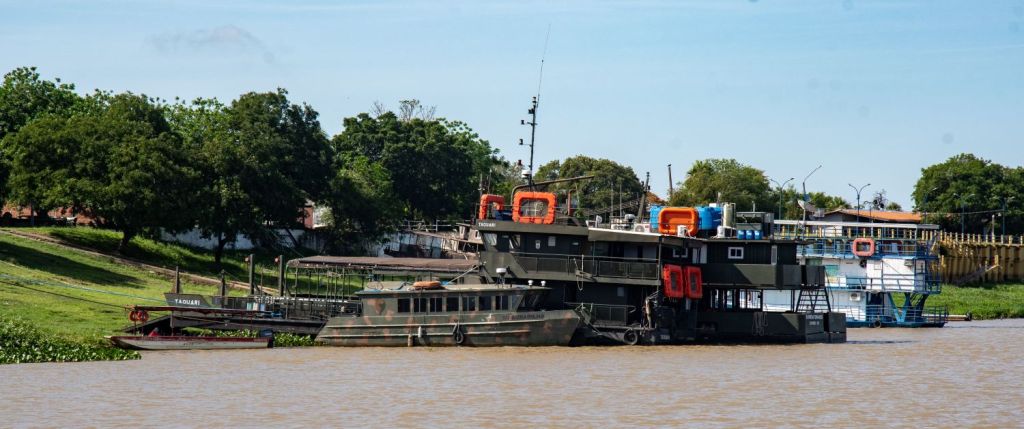
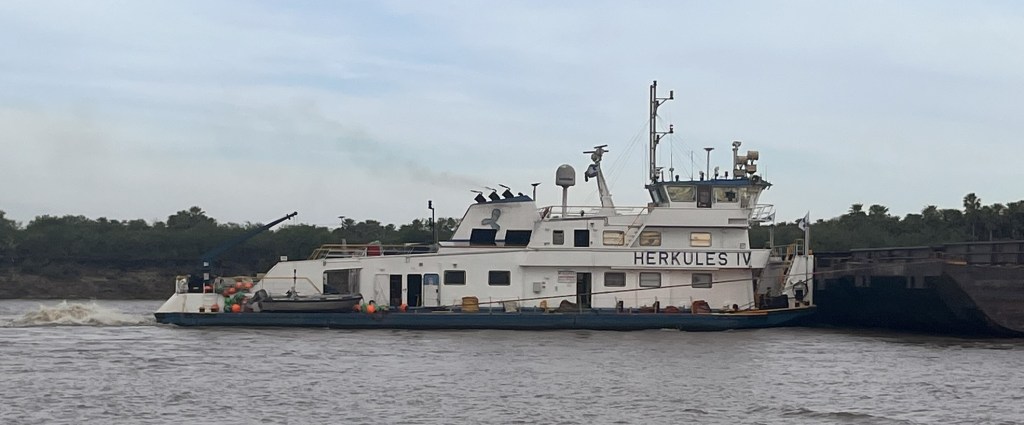
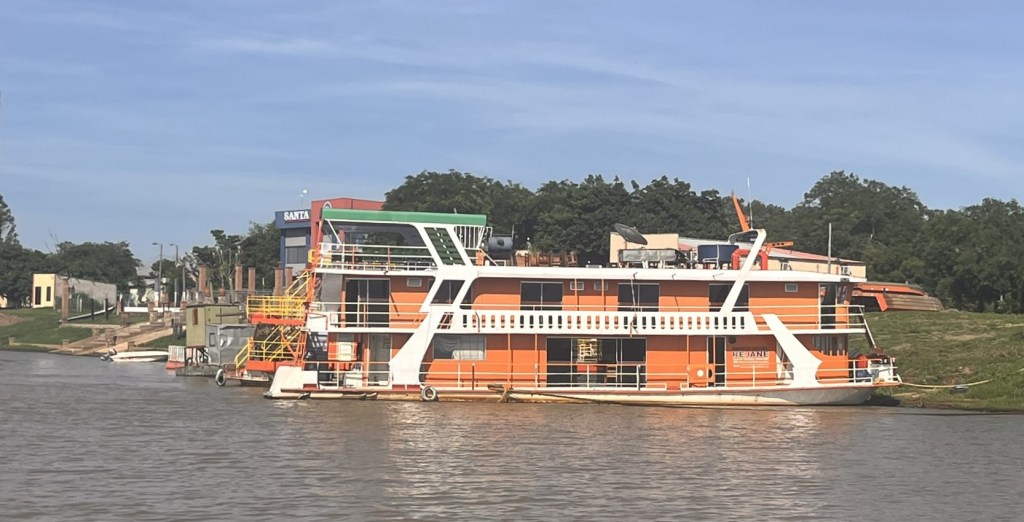
The confluence of the Paraguay and Apa rivers, where the border with Brazil turns east and the Rio Paraguay becomes an exclusively Paraguayan river.
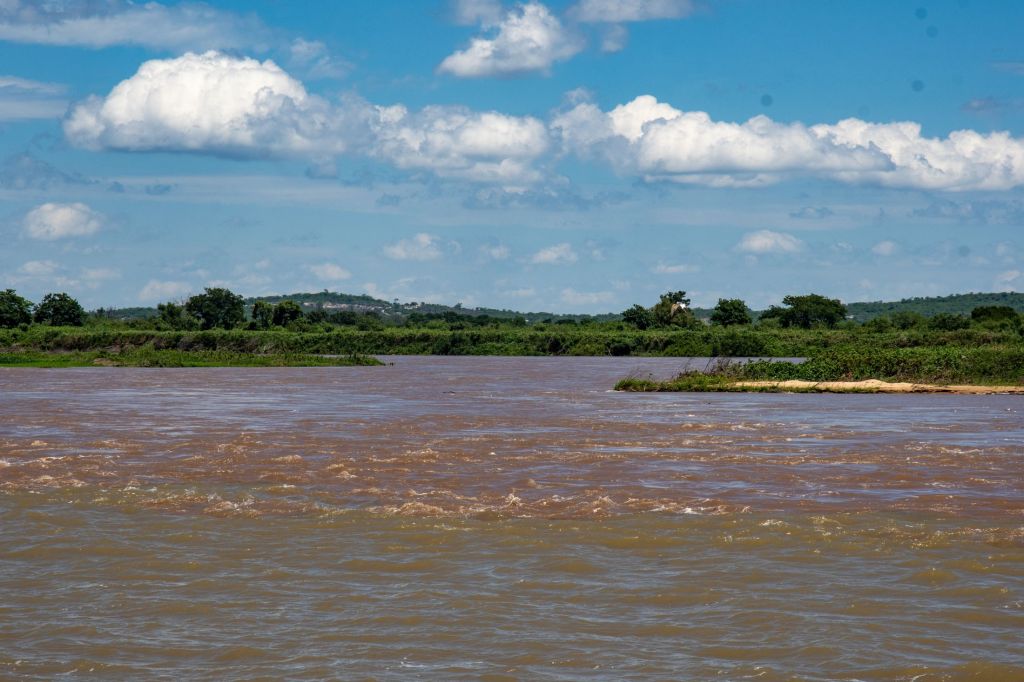
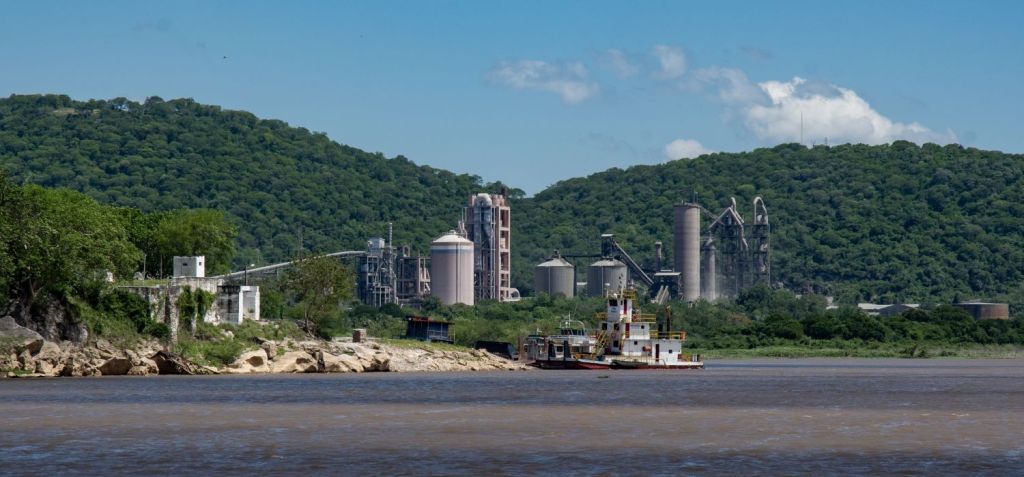
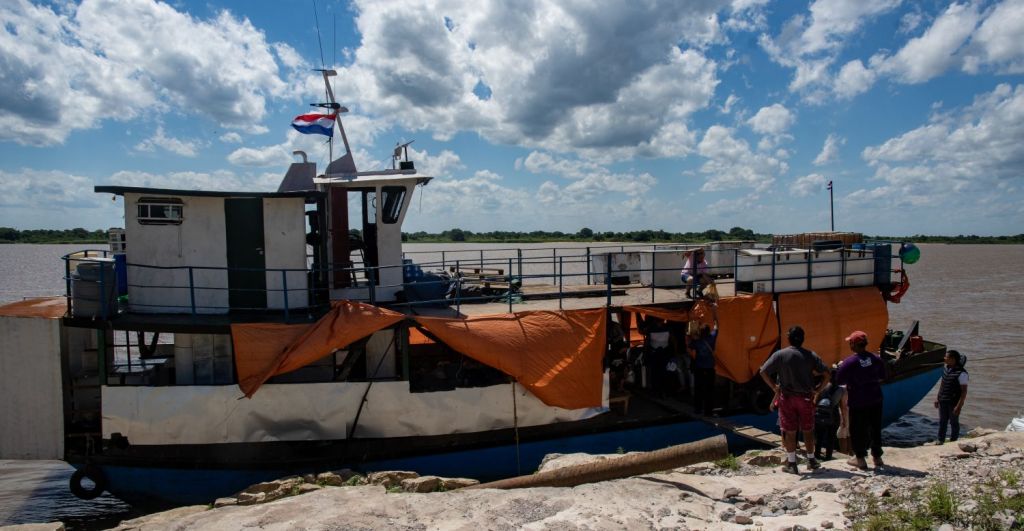
The journey’s end. Arrival in Puerto Valle-Mi. Gustav, the deputy police commander of Bahía Negra had also taken this journey and watched over us. He arranged a lift to the bus station and after a 3 hour wait we were all on our way to Asunción, a 12 hour over night bus journey away.
It was time then to say goodbye, to Piet and Gustav. The IBRG SATEX-25 expedition officially ended in the bus station with no fuss or drama. After 50 hours of travel I arrived in my Posadas hotel in Argentina. Tired but amazed at all I had seen. What an adventure.
Videos

Dates of Visit: 15/16 November 2025

