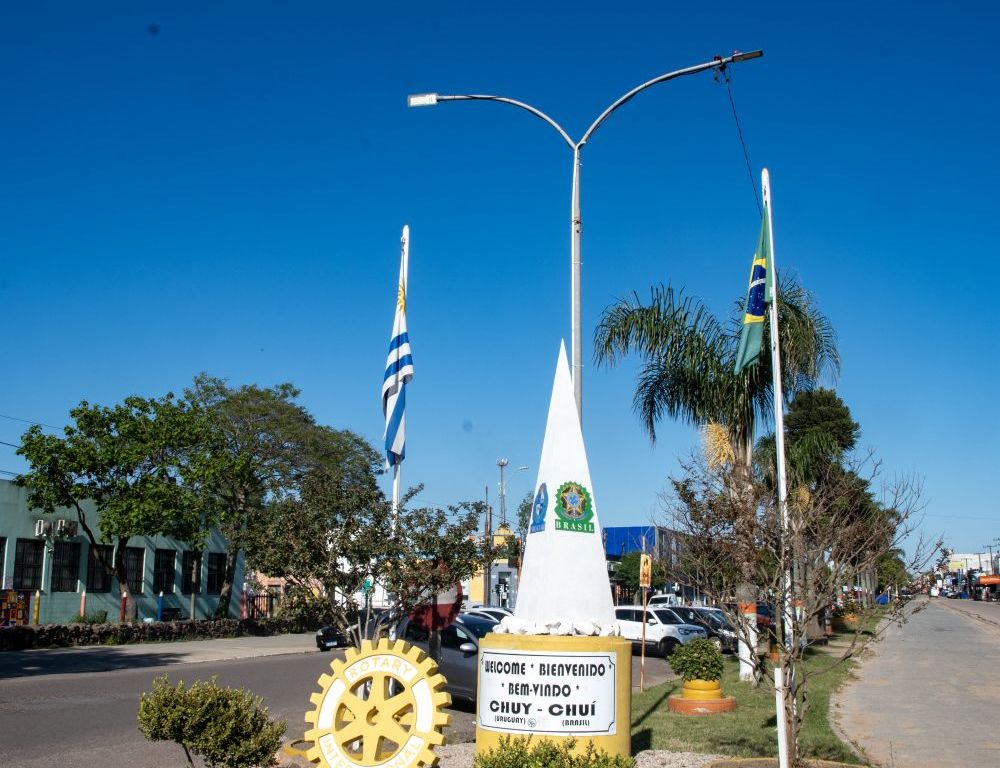
There are a few places in the world, that border enthusiasts know about and want to visit. The twin border cities of Chuy (Uruguay) and Chuí (Brazil) are international sister cities that form a single, contiguous urban area directly on the border between Uruguay and Brazil. They are famous for their unique, seamless international boundary where a single wide avenue divides two different nations, languages, and currencies. I visited this area as part of the IBRG SATEX-25 expedition.
Chuy (UY) is a city in the Rocha Department, located 340 kilometres northeast of Montevideo. Chuí (BR) is a municipality in the state of Rio Grande do Sul and is known as the southernmost town in Brazil. The primary border is an avenue known as Avenida Brasil on the Uruguayan side and Avenida Uruguai on the Brazilian side and one can cross between the 2 countries without restriction. Due to the intense daily cross-border interaction, many locals speak Portuñol—a fluid blend of Spanish and Portuguese.
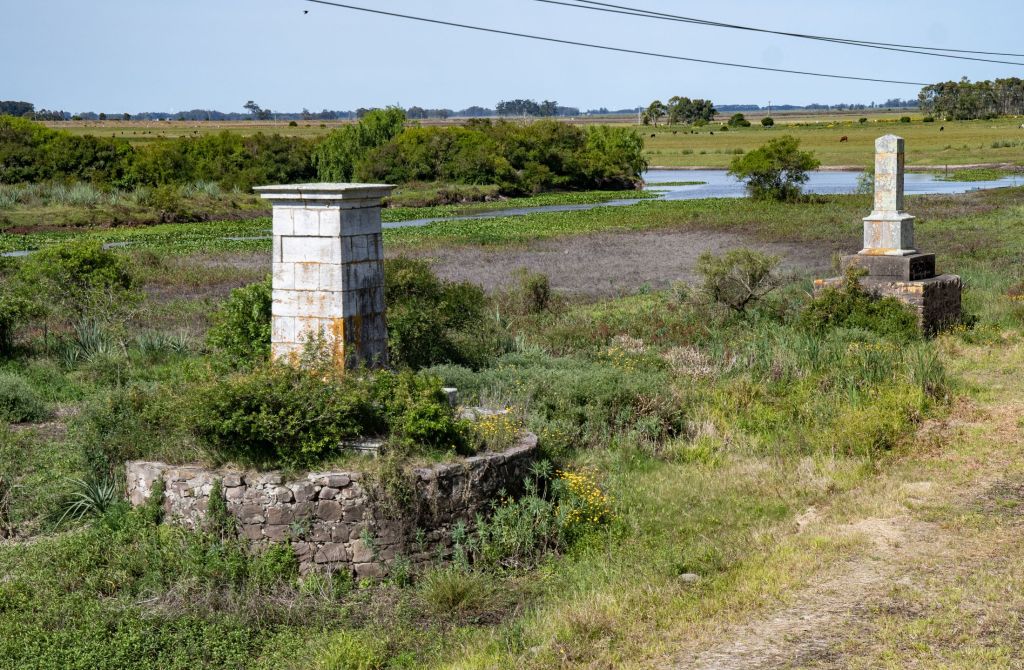
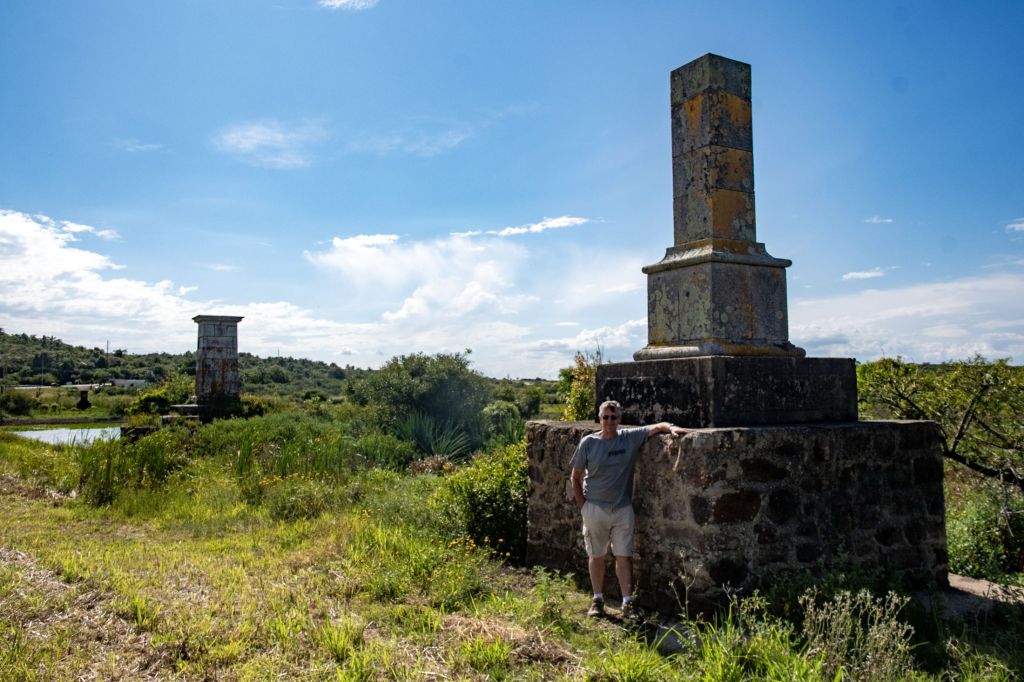
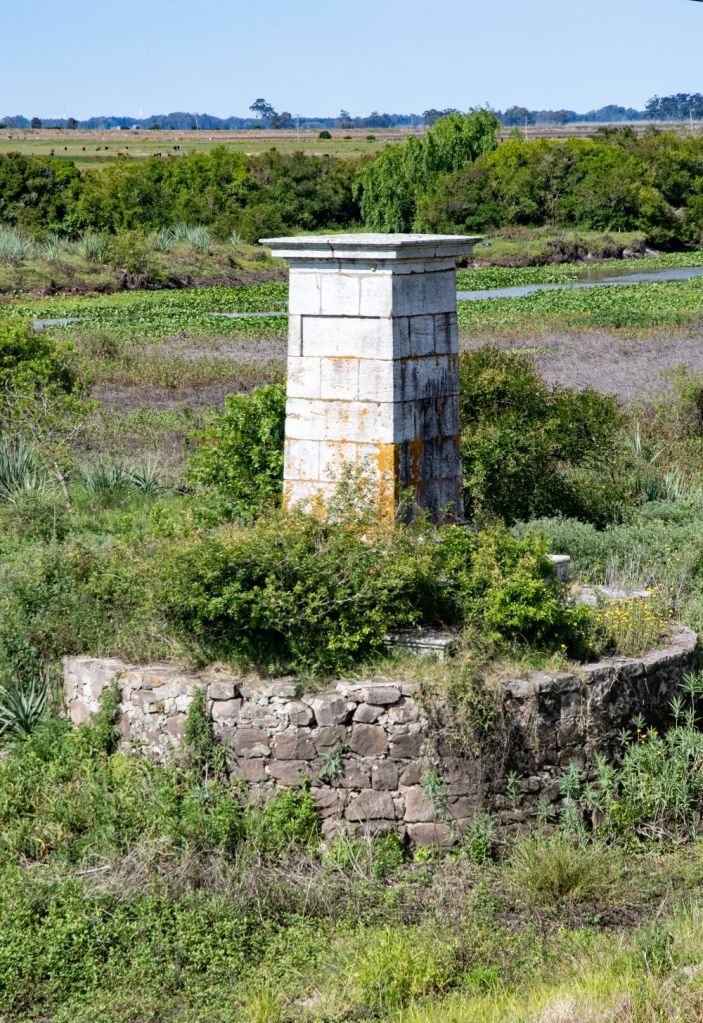
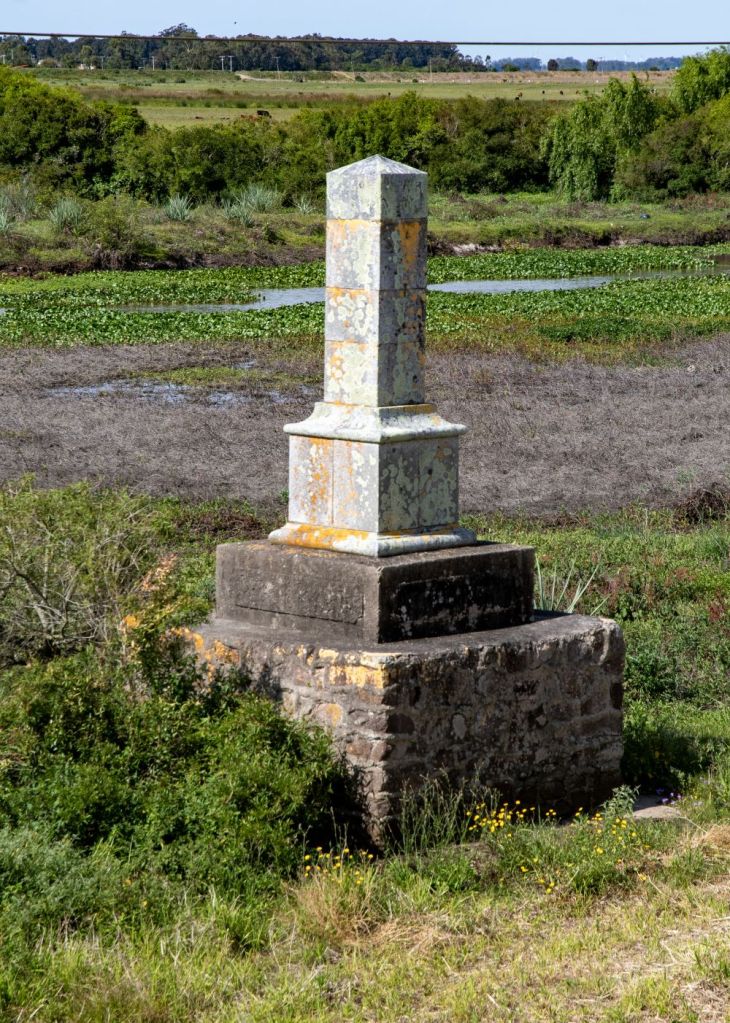
Unlike the other famous twin border towns of Rivera (UY) and Santana do Livramento (BR) the border here is easy to follow and follows a straight line along Ruta 19. We travelled along this road passing the Uruguayan customs office and met the border as we reached the bridge that crossed the Yaguarón river. At that point there were large and impressive border markers on either side of the river approximately 20m north of the highway.
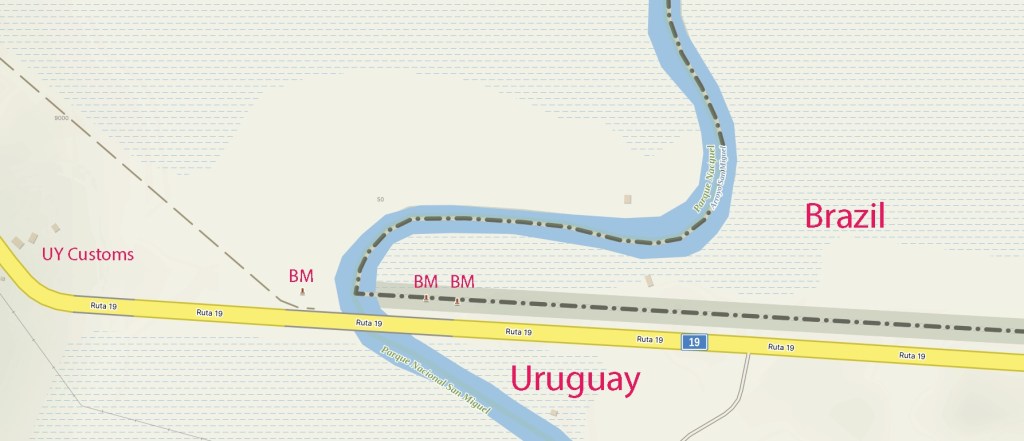
West of the Yaguarón river
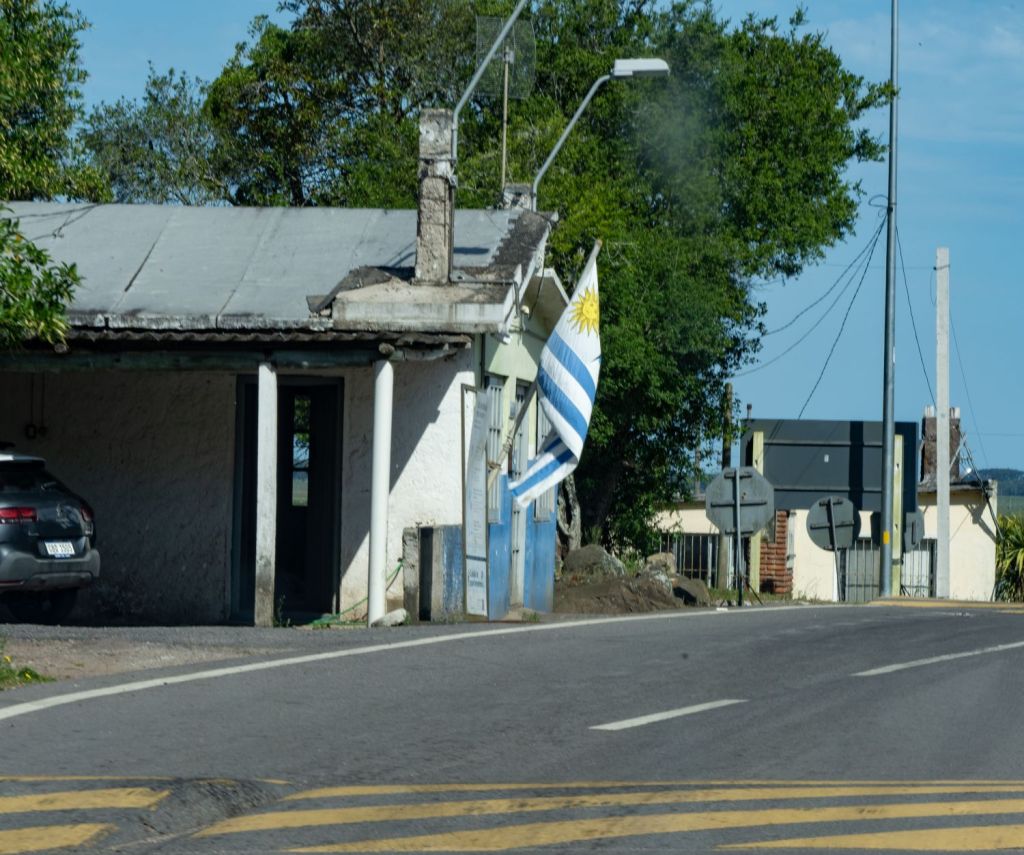
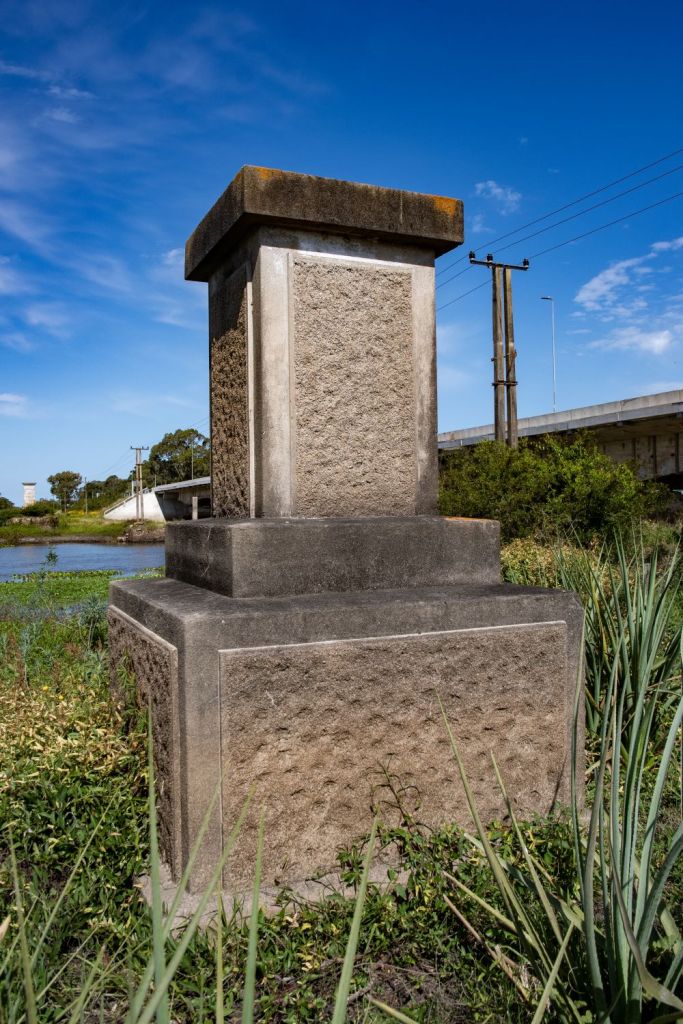
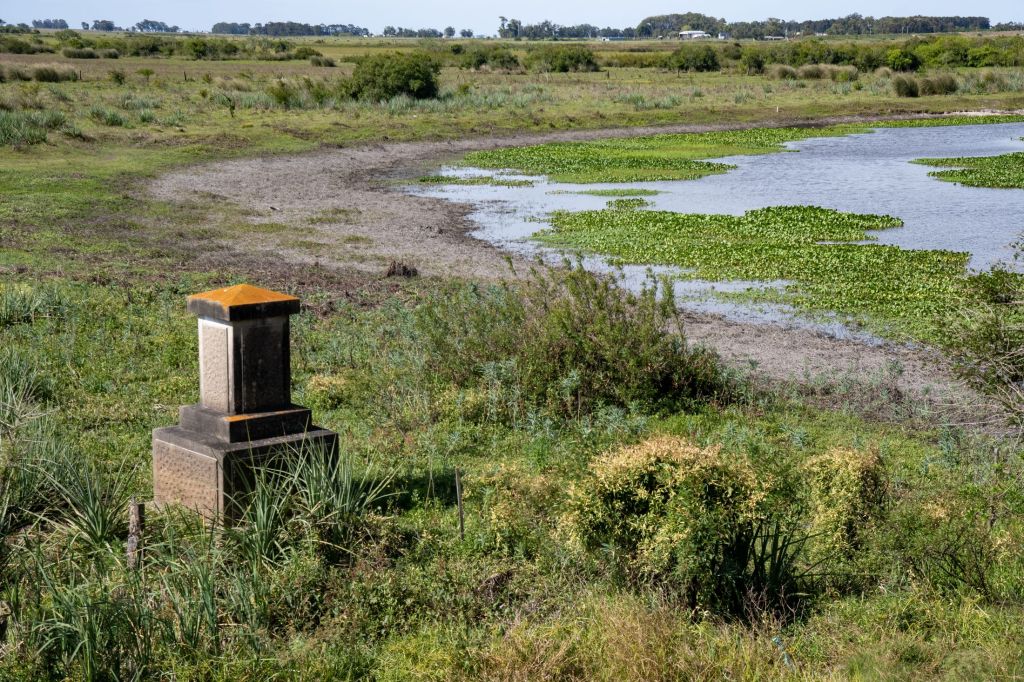
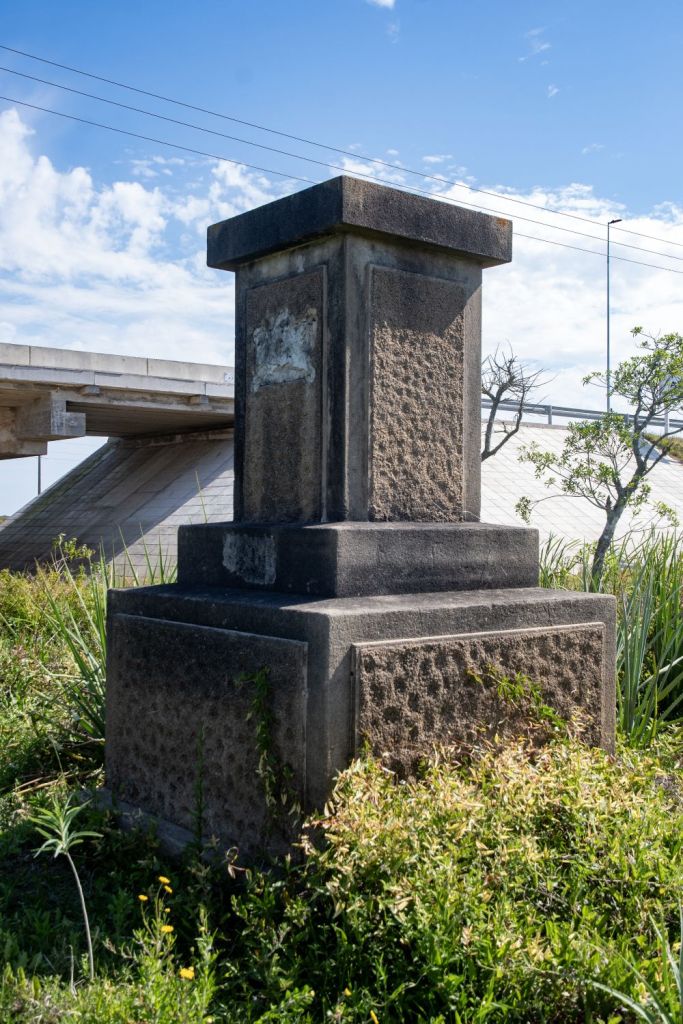
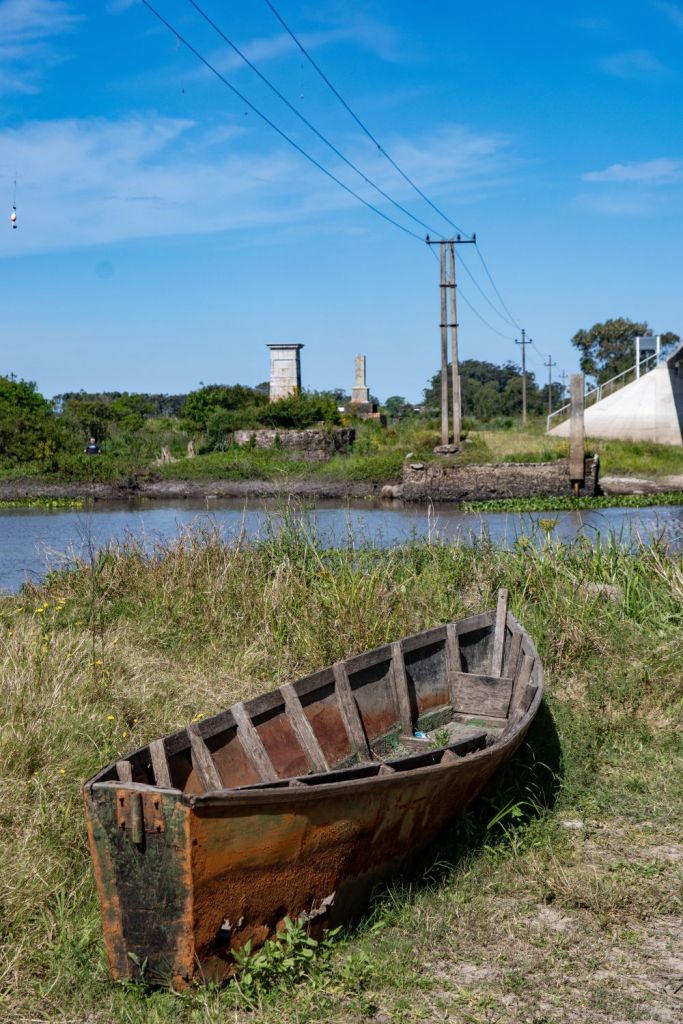
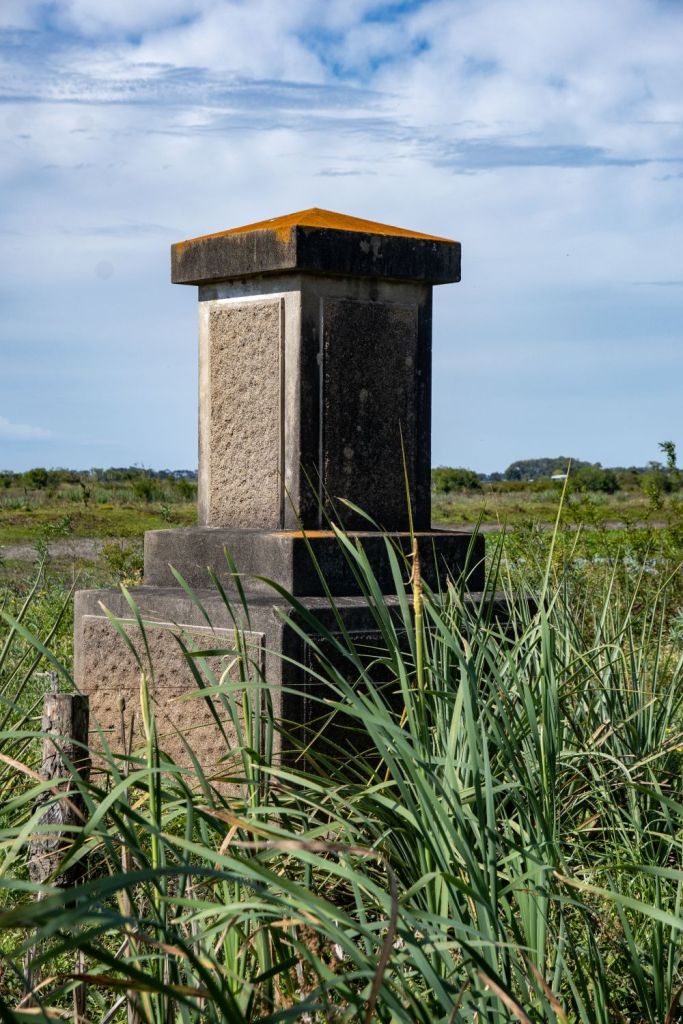
All these photos were taken with Uruguay.
East of the Yaguarón river
Returning to the road and crossing the bridge we explored the next 2 border markers.
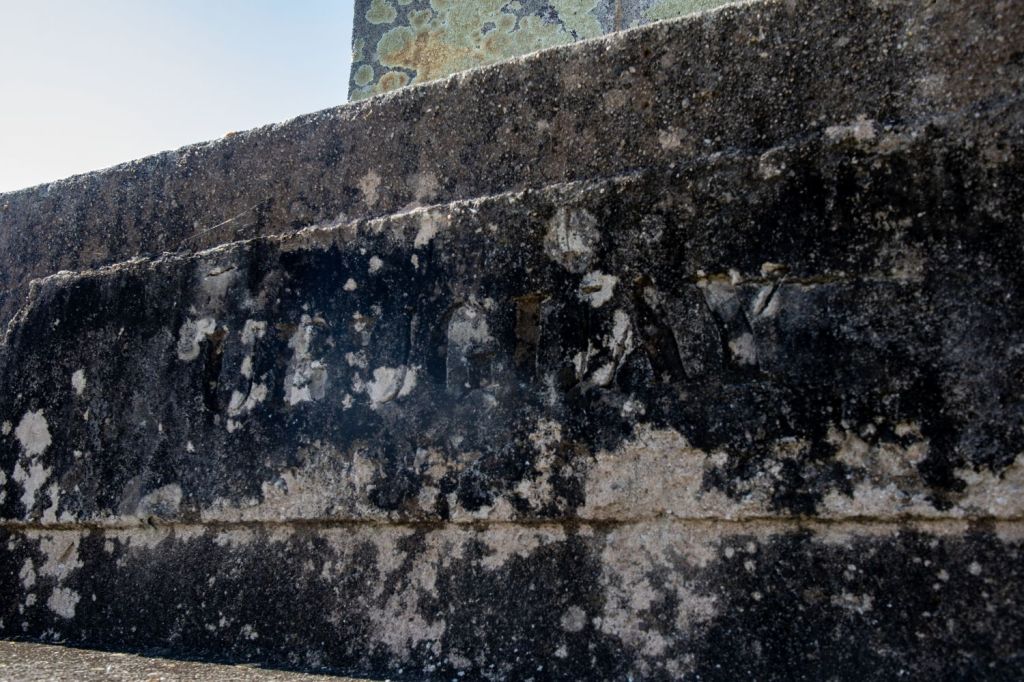
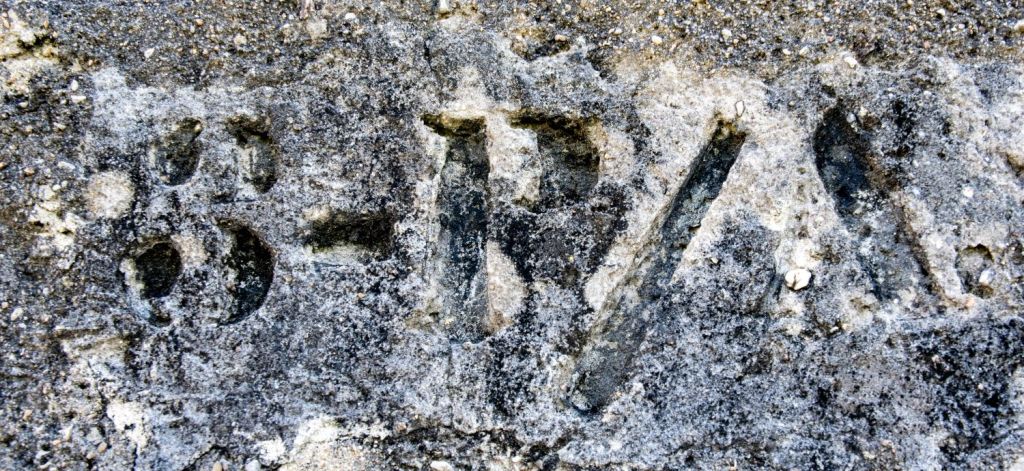
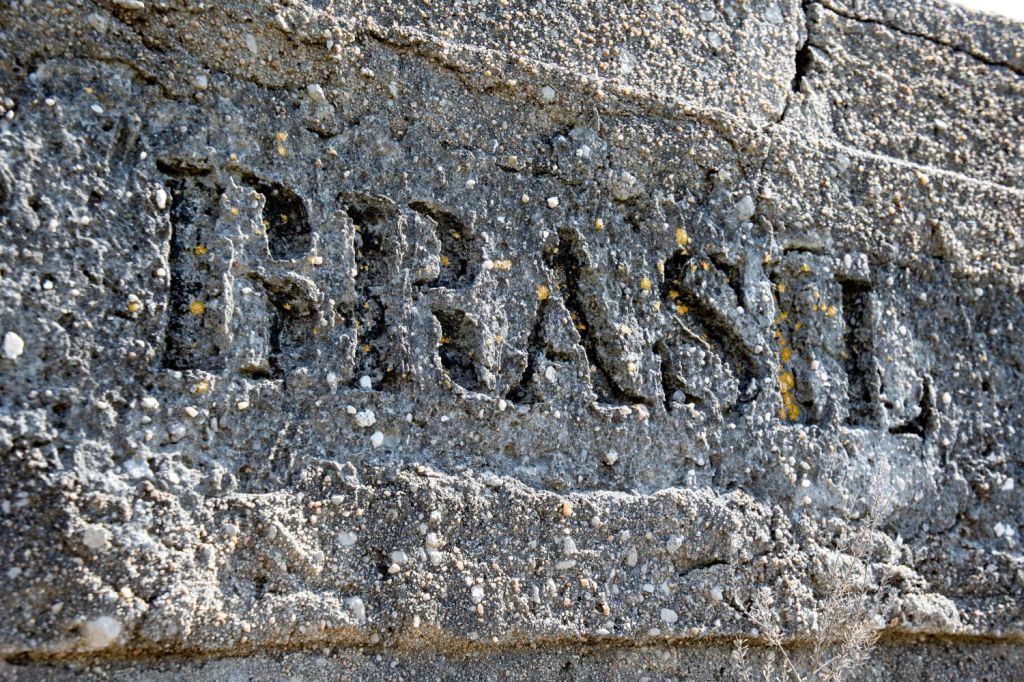
Along Ruta 19
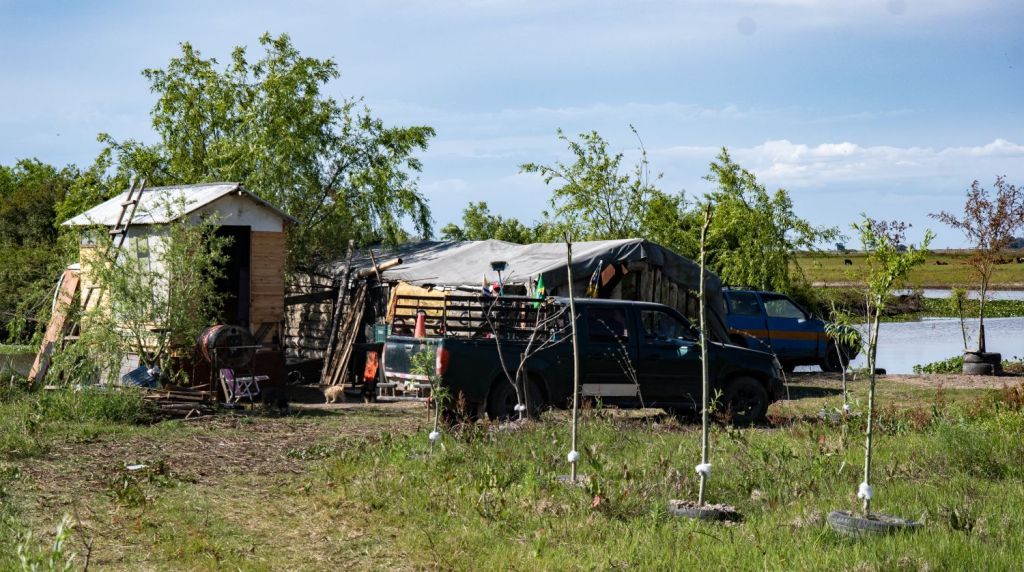
As we travelled along the road towards the town, supplementary border markers were at the side of the road.
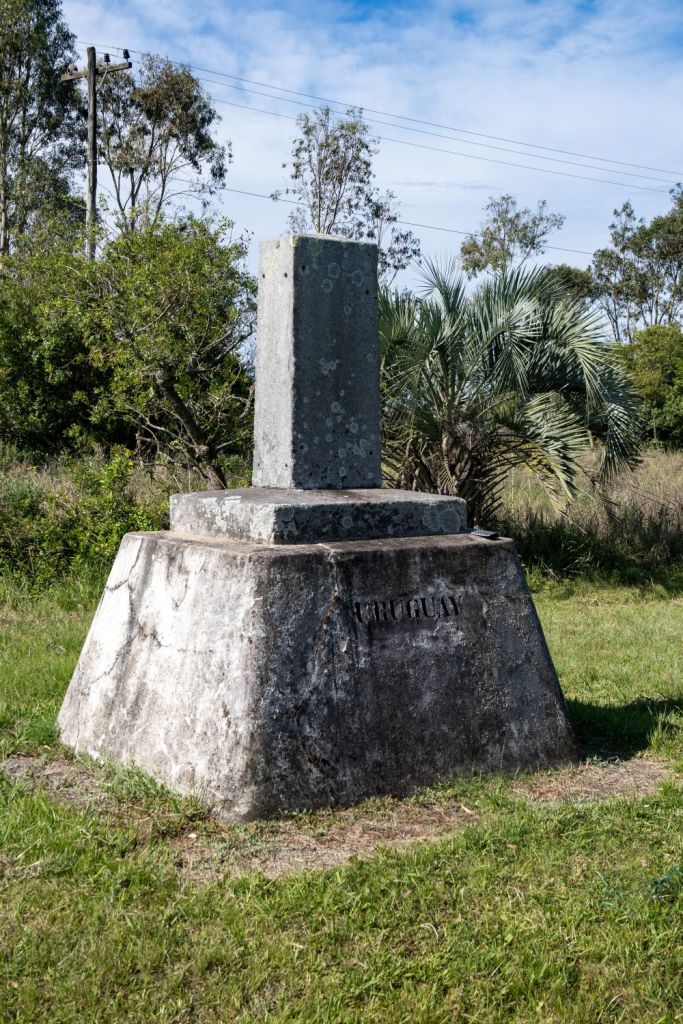
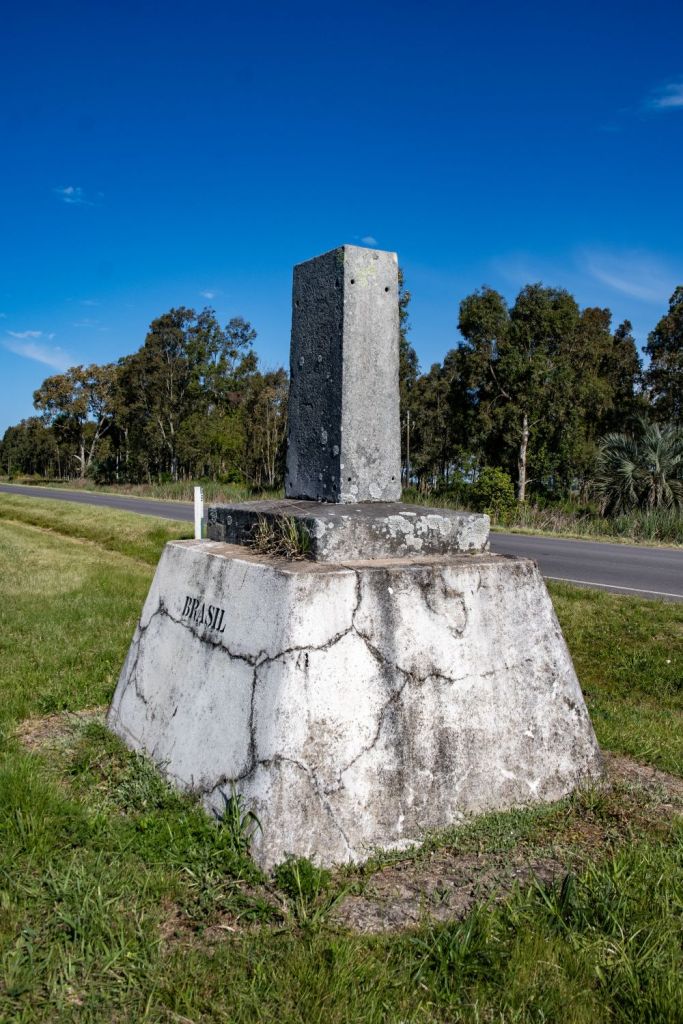
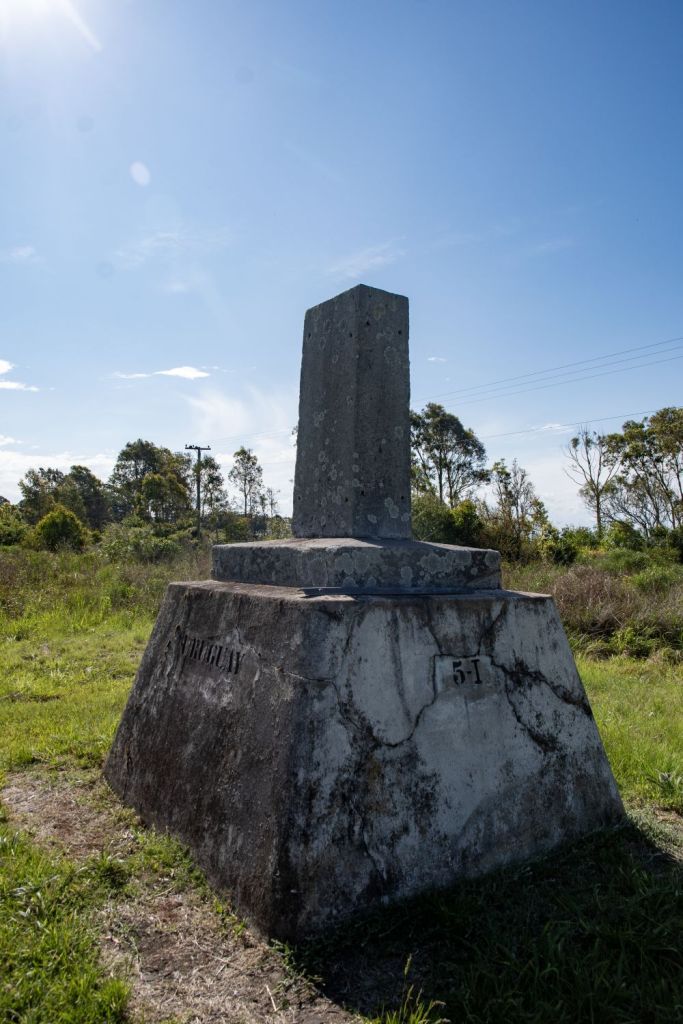
In the town
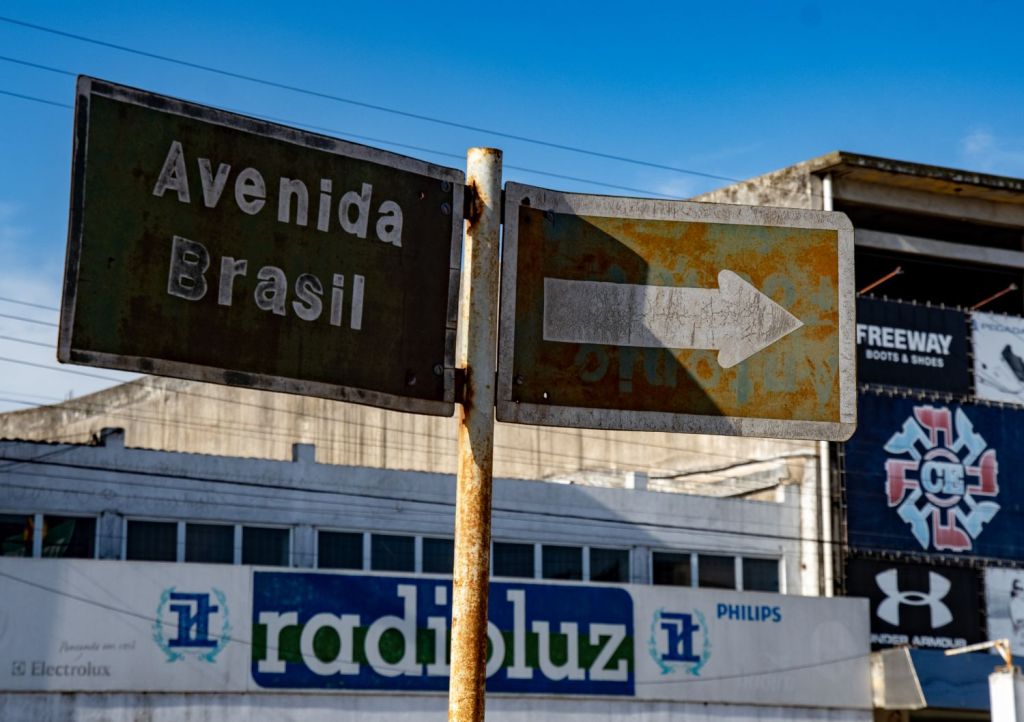
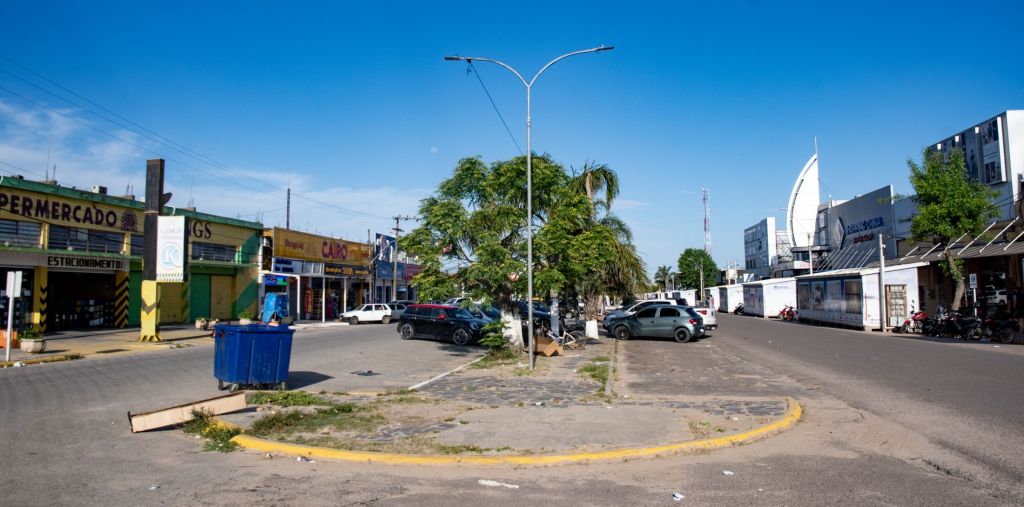
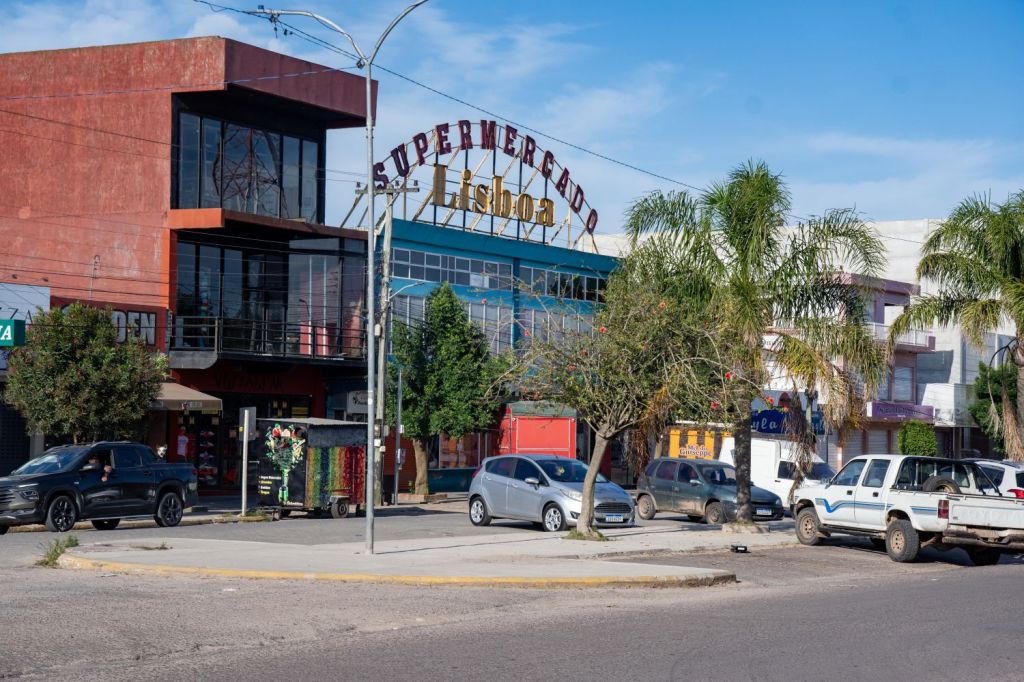
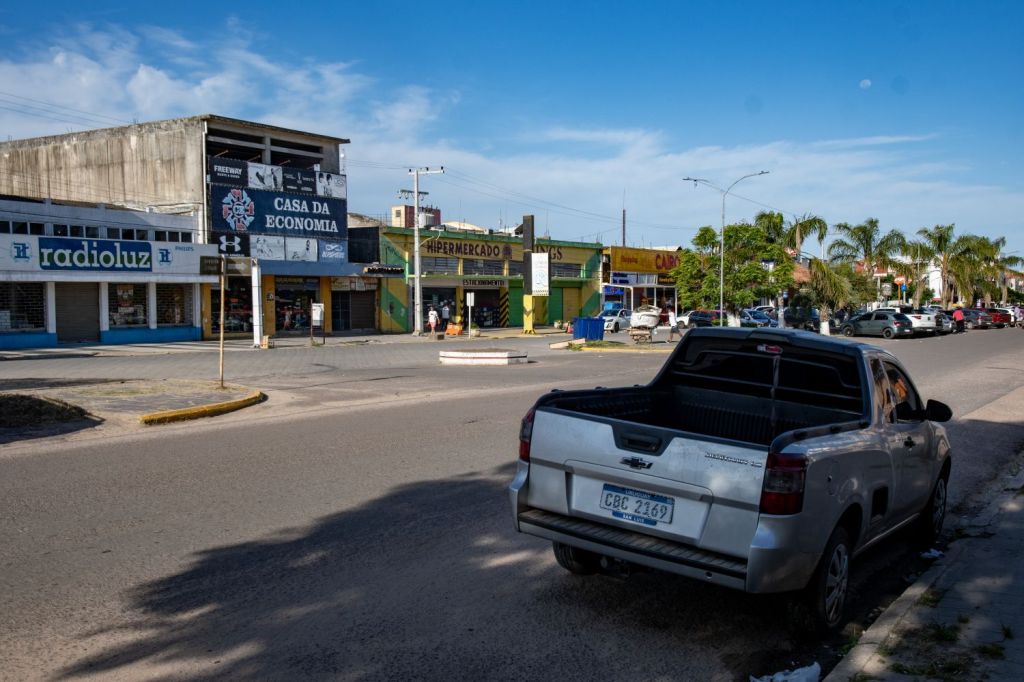
The primary border is an avenue known as Avenida Brasil on the Uruguayan side and Avenida Uruguai on the Brazilian side and one can cross between the 2 countries without restriction. The area is a massive hub for border commerce. The Uruguayan side is packed with popular duty-free shops that attract crowds of Brazilian and Argentinian tourists looking for imported goods. Conversely, the Brazilian side features supermarkets often used by locals for cheaper food items. On the outskirts of each town are the respective customs posts for declarations to be made
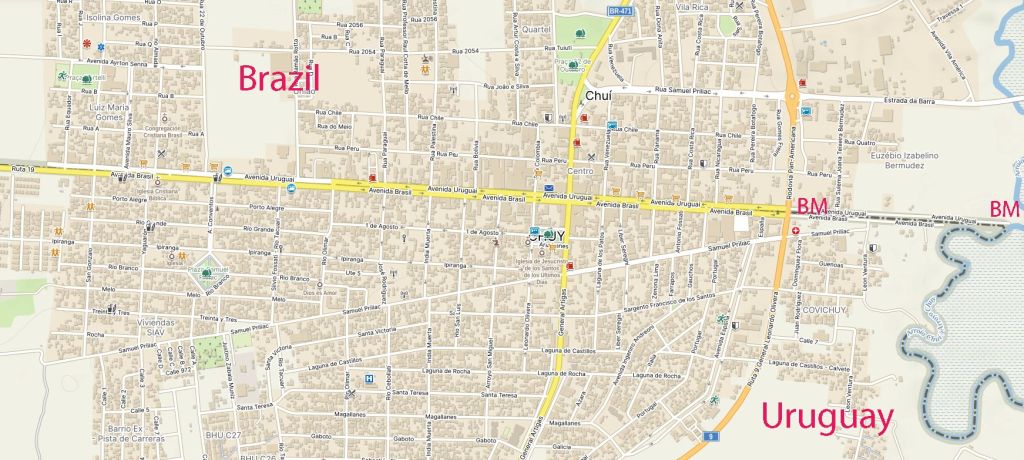
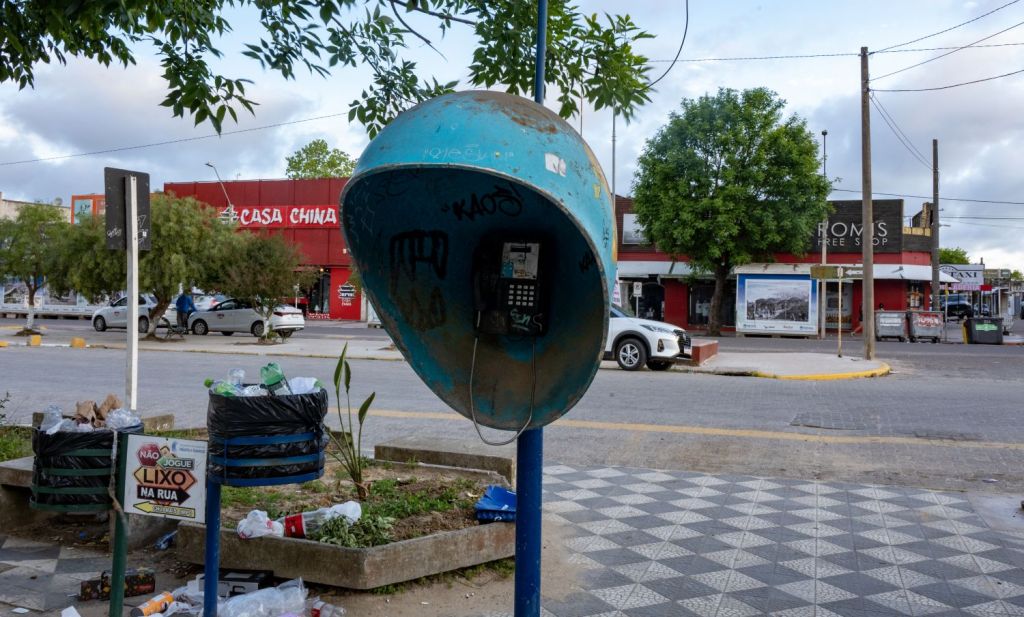
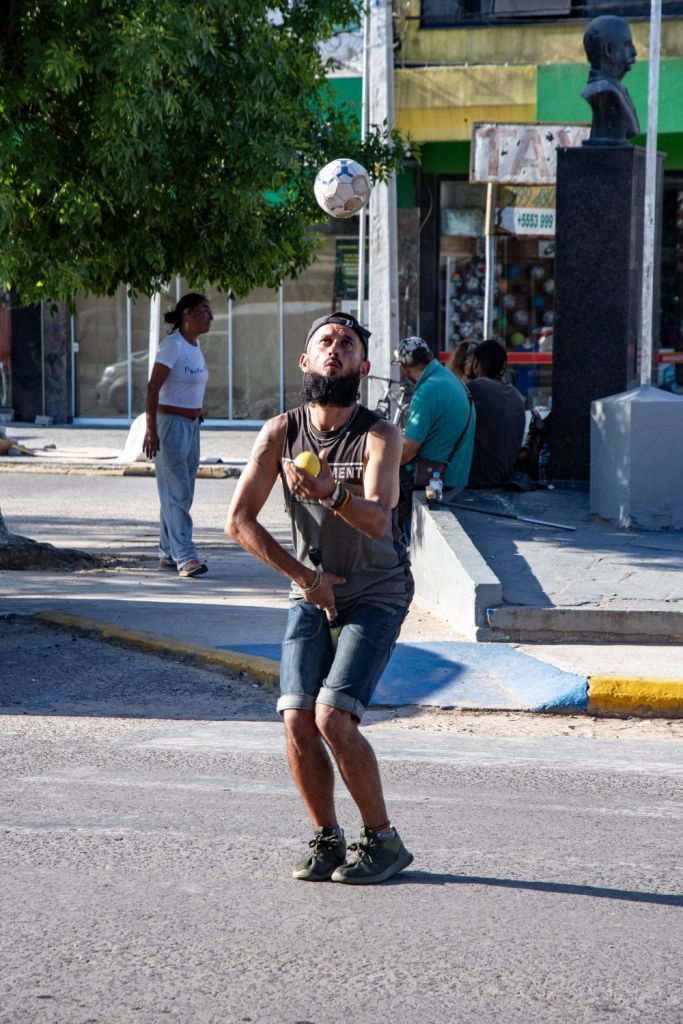
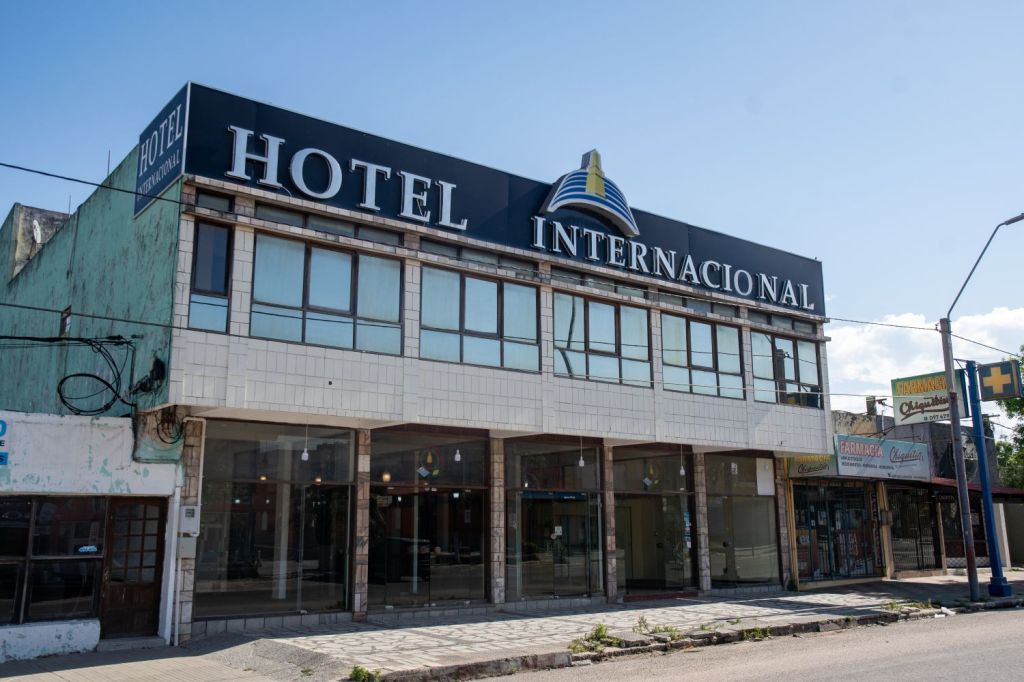
When we visited the town(s) were relatively quite and the shared avenue, had a windswept run down feel about it. There were 2 notable border markers, one historic and the other celebrating the relationship between the 2 towns and peoples. It lacked the drama and energy of Rivera (UY) and Santana do Livramento (BR).
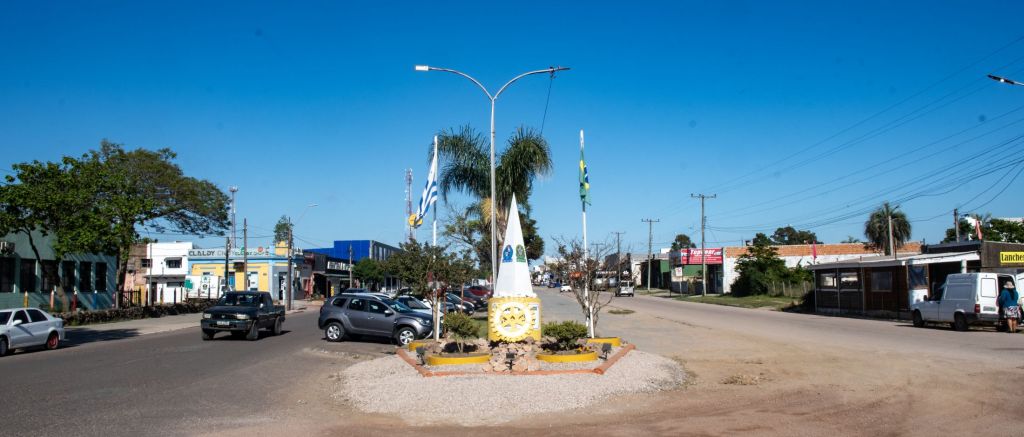
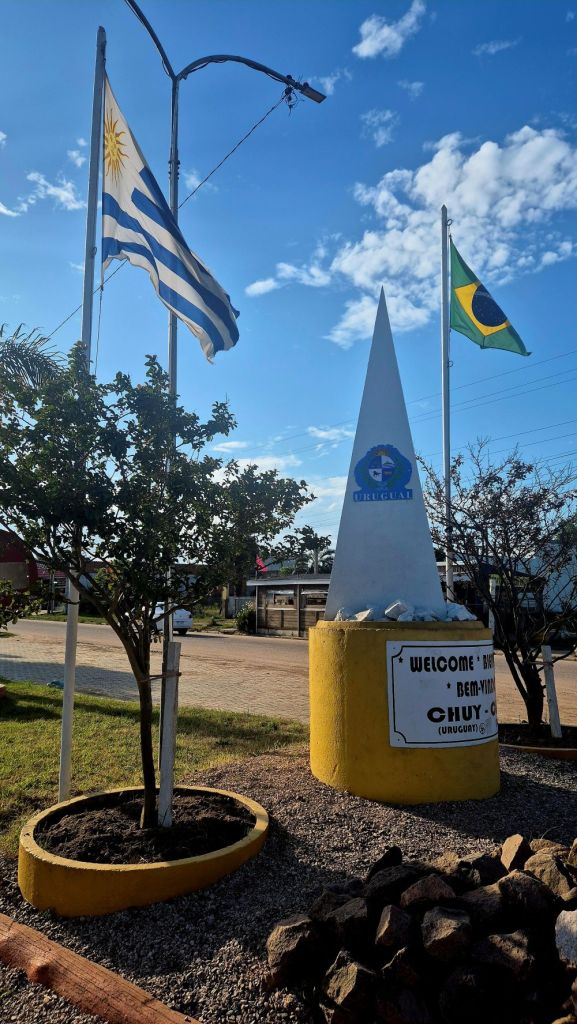
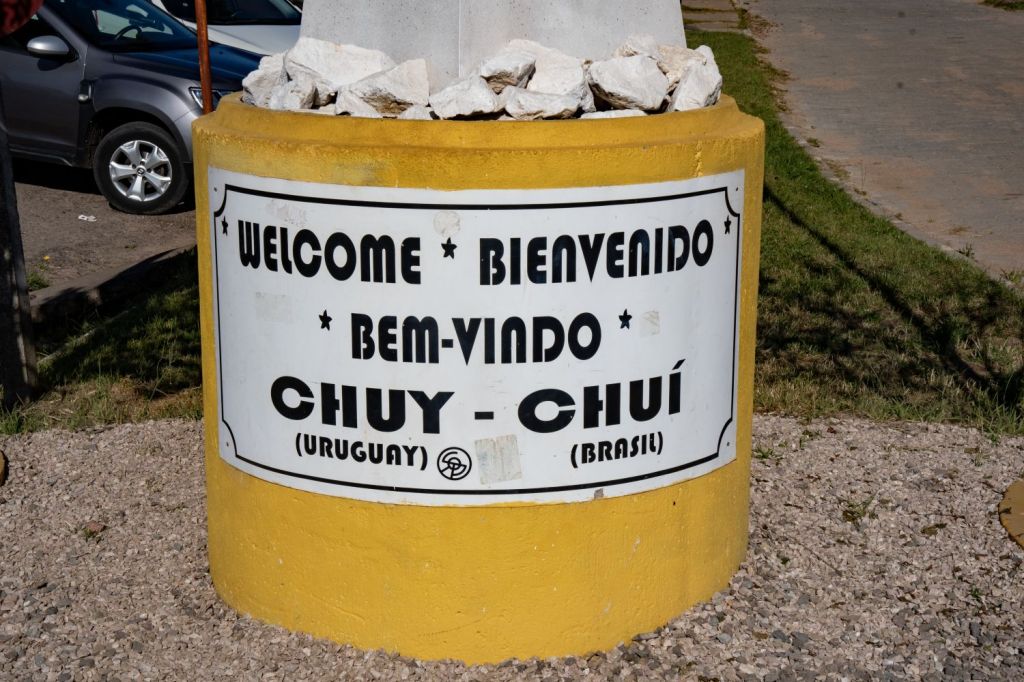
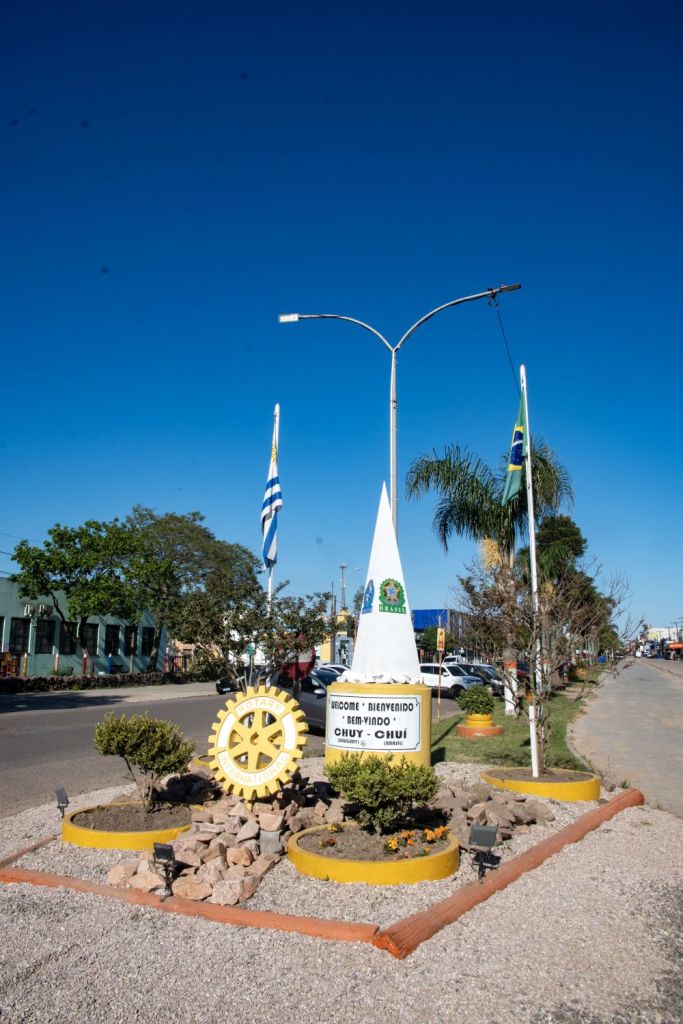
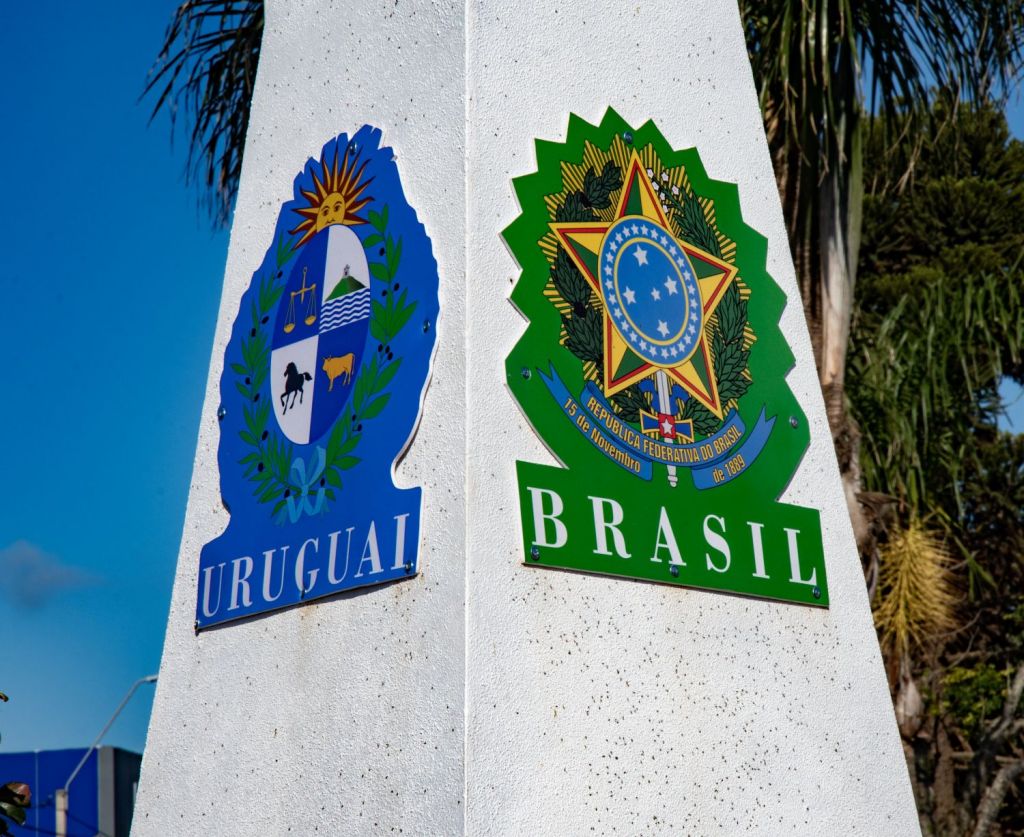
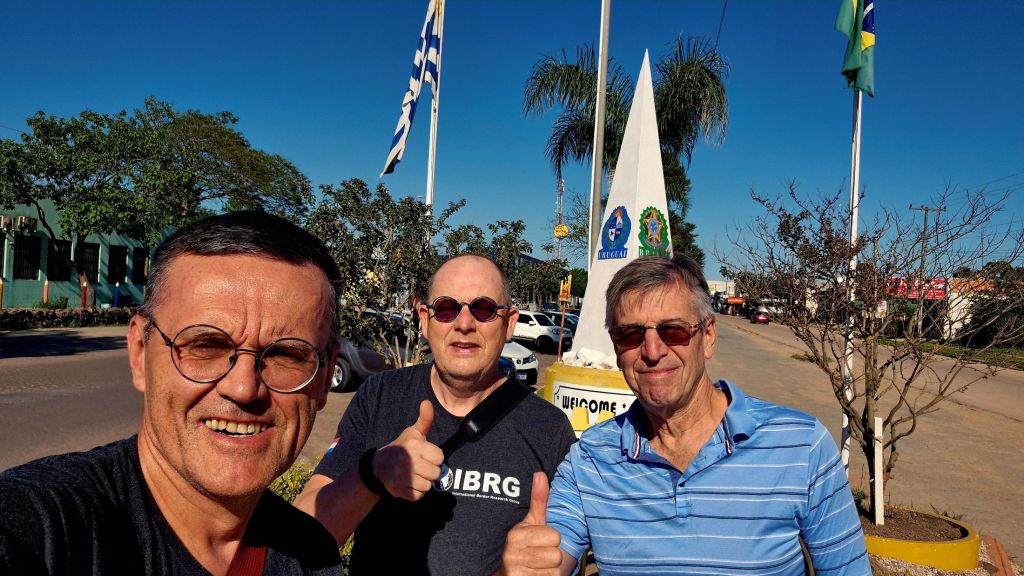
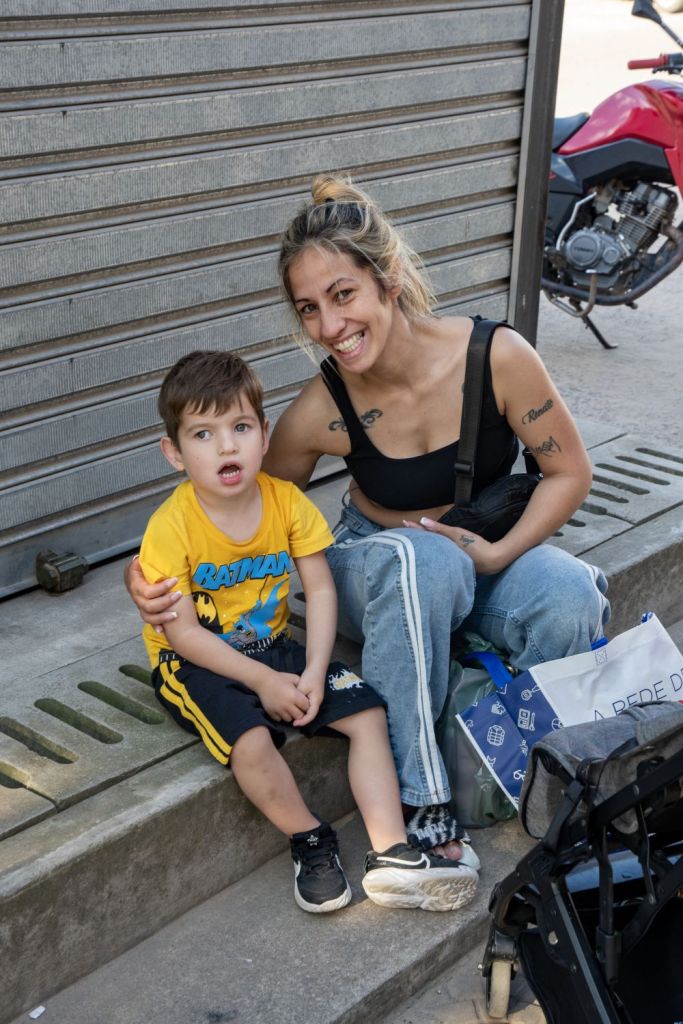
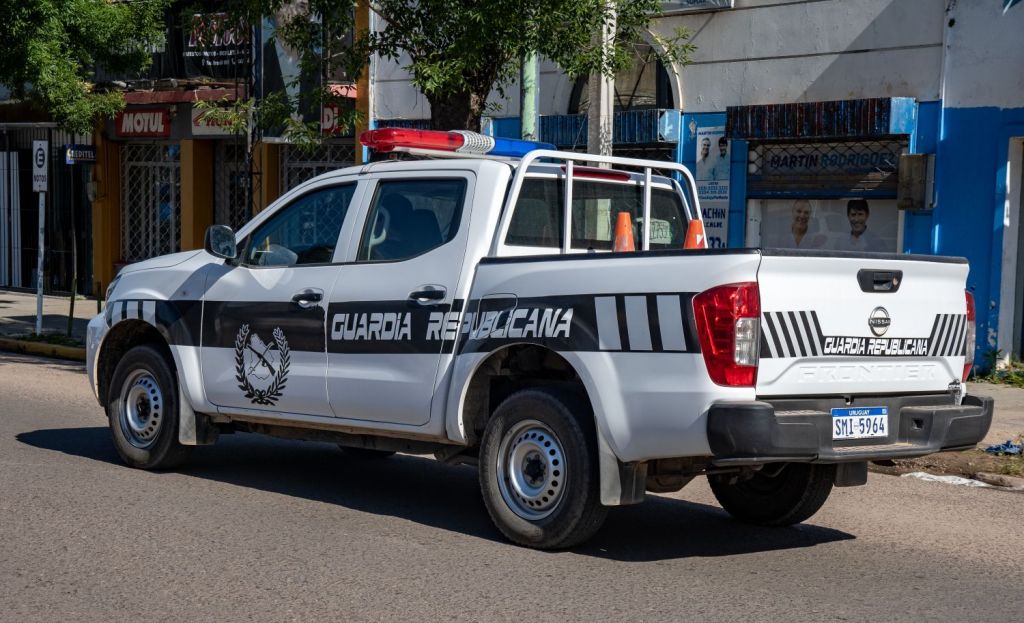
Elsewhere on the Avenue there were mostly small shops on the Uruguayan side and large supermarkets on the Brazilian side. Locals knew where to go to get bargains. As with many border towns there was a feeling of deprivation and poverty.
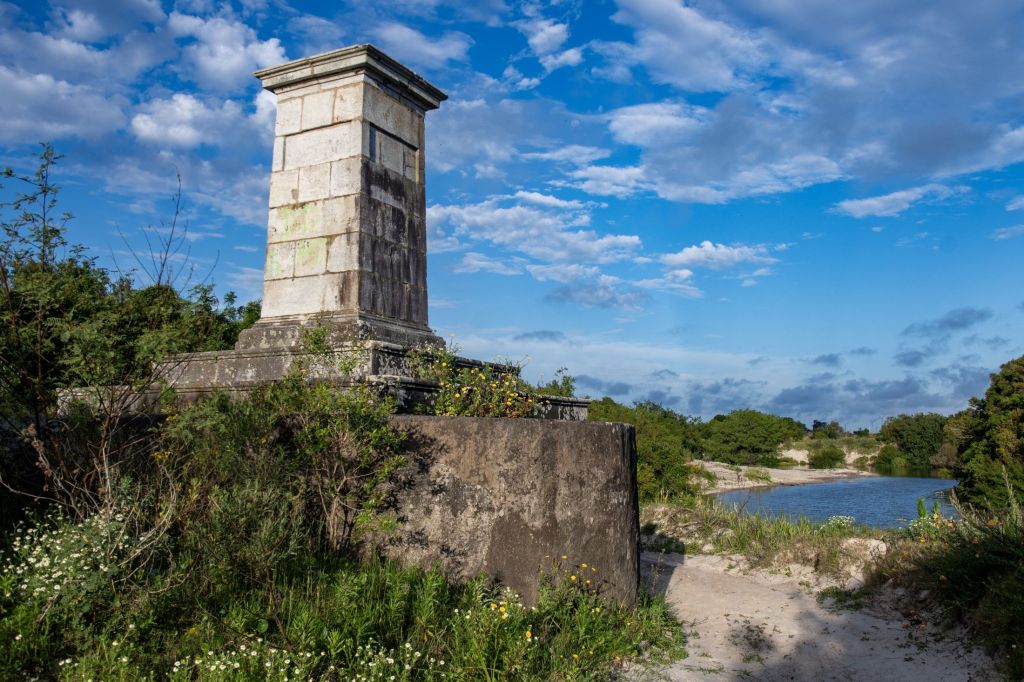
There was one last historic border marker to explore, walking down a sandy track towards the river that marks the border between the 2 countries. Slightly outside the town the border is marked by a deep ditch. Few tourists came to this spot.
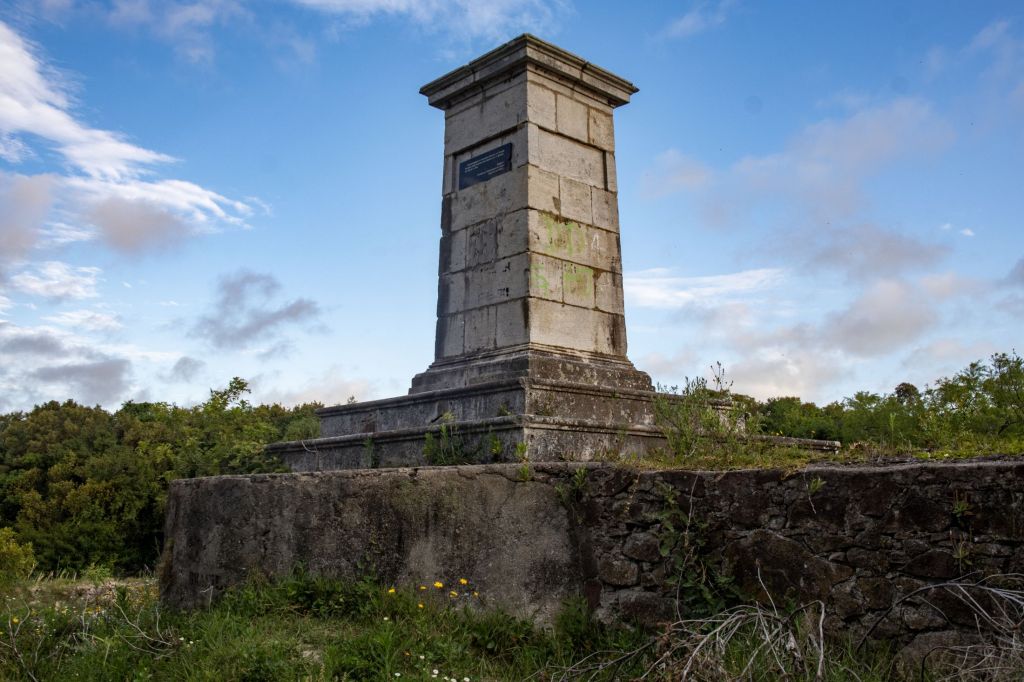
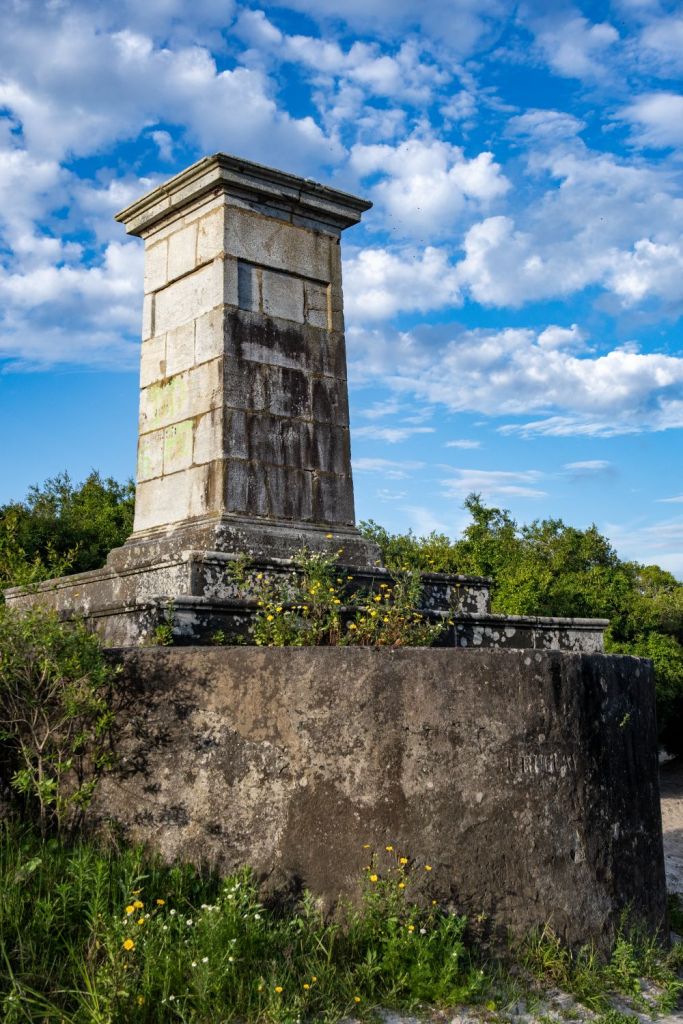
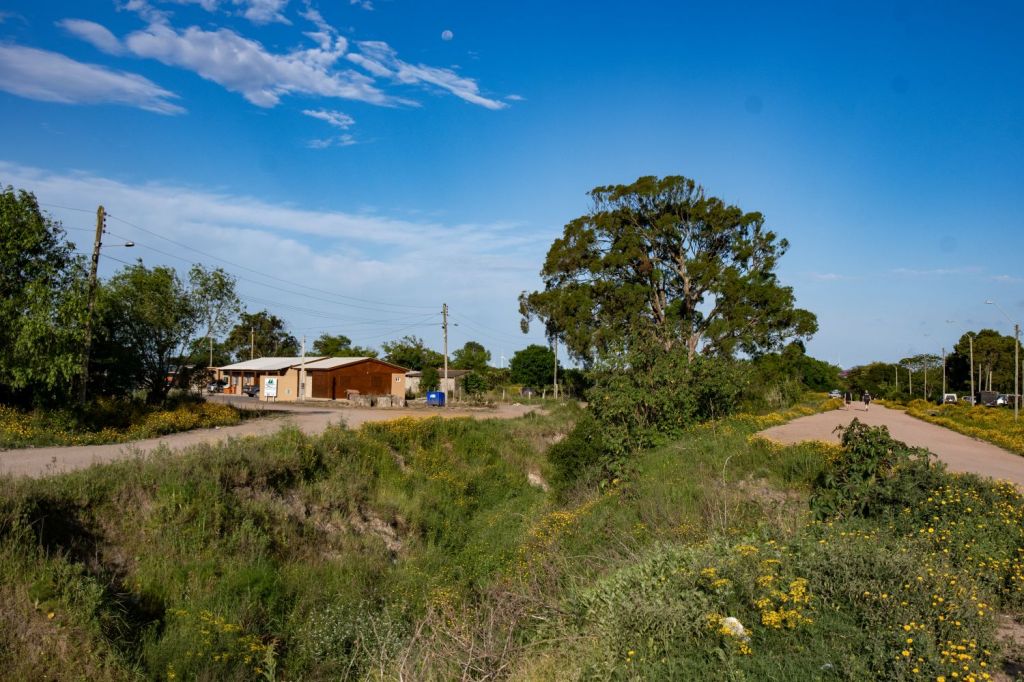
Leaving the town
At the end of the of the Avenue there are 2 roads, one for Brazil and the other Uruguay.
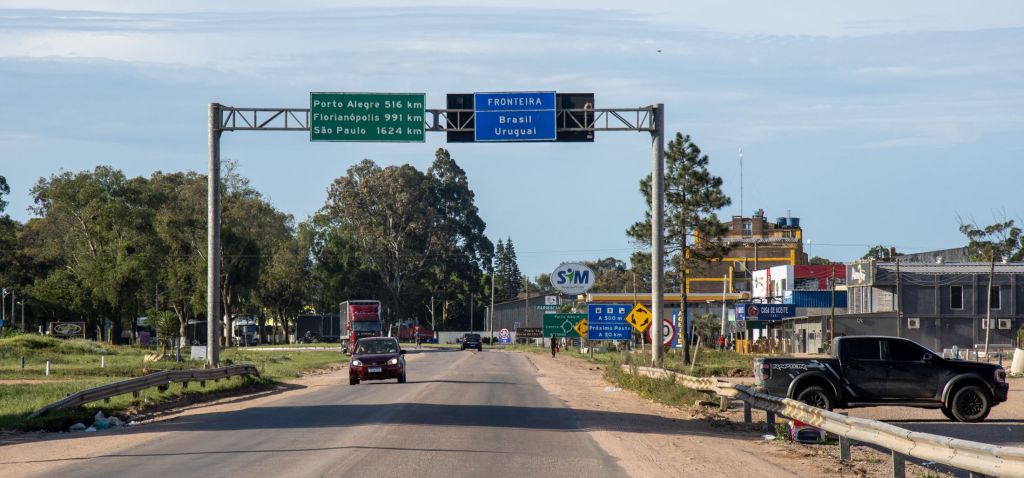
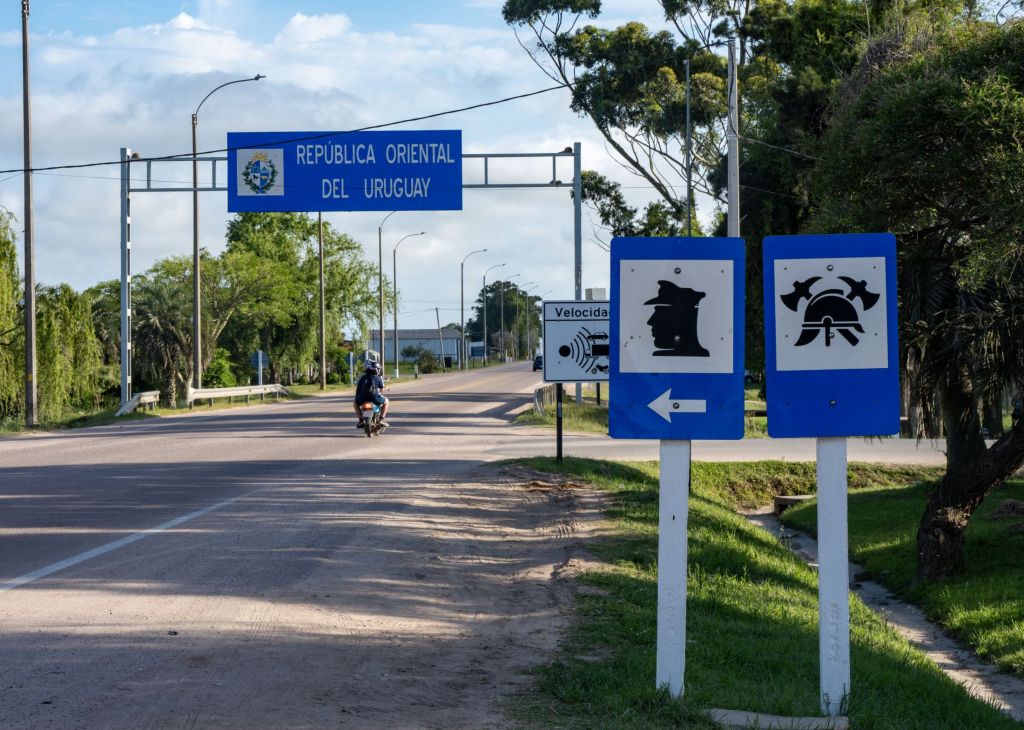
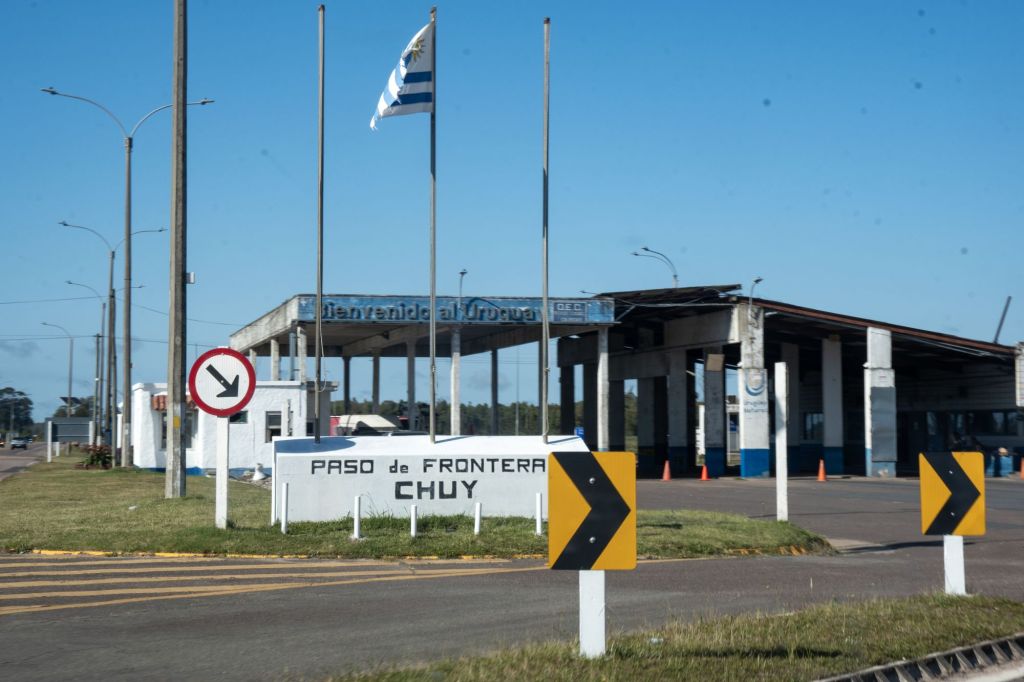
At the edge of the town, custom posts are situated to manage the duty free area.

Date of Visit: 2 November 2025

