Co joined border cities
The joint border between Uruguay and Brazil is fascinating with contested areas and divided cities. The first example of divided cities was where the border runs through the Uruguayan city Rivera and the Brazilian city Santana do Livramento. Residents of these two cities are able to walk freely between the two countries without any border control. Those wishing to travel further inland into both countries must then undergo border control at designated points. Many duty-free shops are located in both cities. The same situation exists between the Brazilian city Chuí and the Uruguayan city Chuy. Unlike Chuy where the border is a straight line, in Santana do Livramento and Rivera the border cuts through parks, and follows roads with sharp turns. I visited this area as part of the IBRG SATEX-25 expedition.
As border enthusiasts we are used to heavily controlled and militarised borders, on Cyprus, between the Spanish territories of Ceuta & Melilla and Morocco, and on the Korean peninsula, here however there were no such restrictions. The negotiations between the Spanish and Portuguese empires were based on coexistence and collaboration. In the late 19th and early 20th centuries, the towns of Santana do Livramento and Rivera began to grow side by side. Rather than turning away from each other, they expanded in parallel, eventually forming a continuous urban space. Trade played a central role in this process. So did migration, intermarriage, and shared economic activity. Over generations, the border became less a line of separation and more a point of contact.
International Plaza
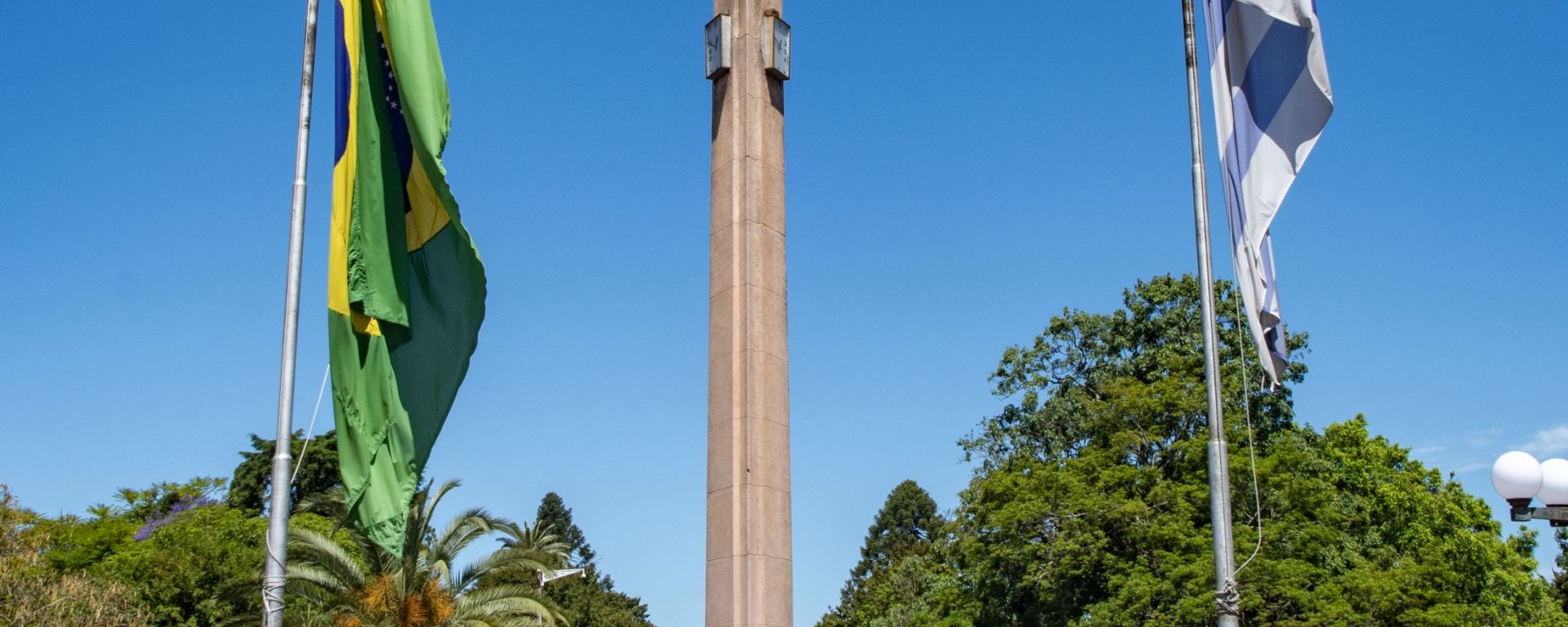
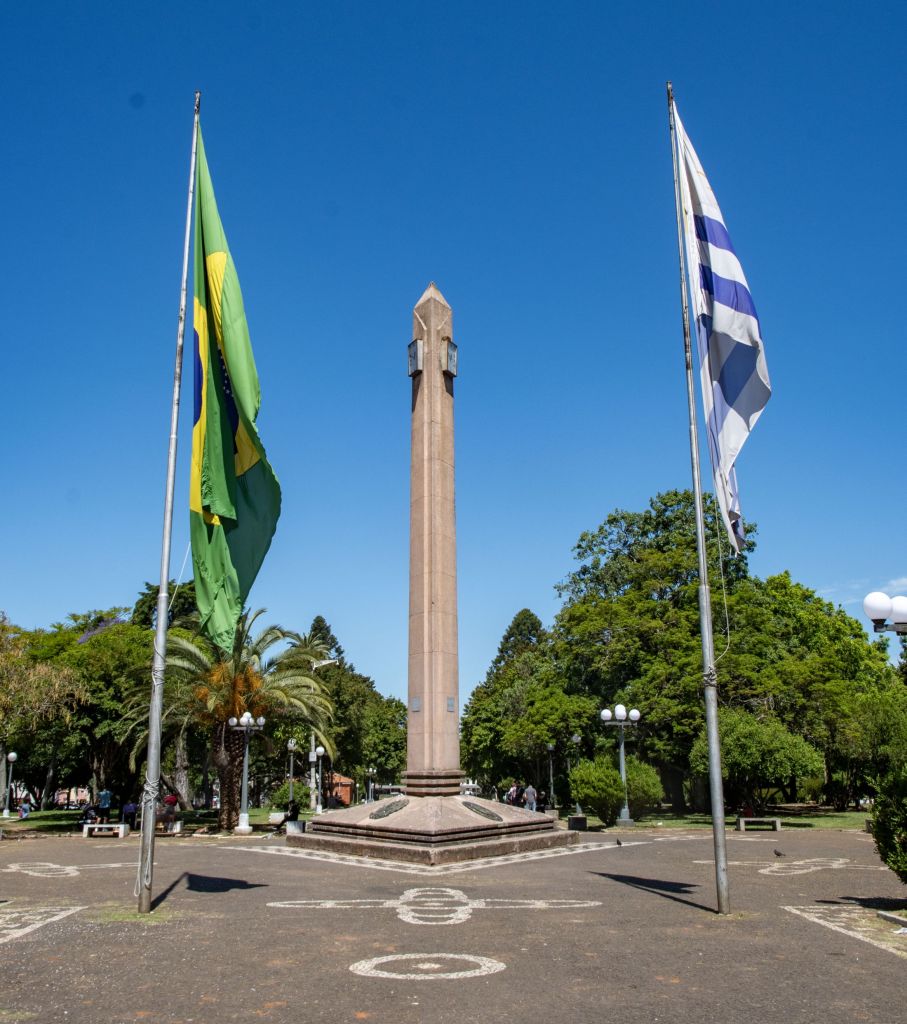
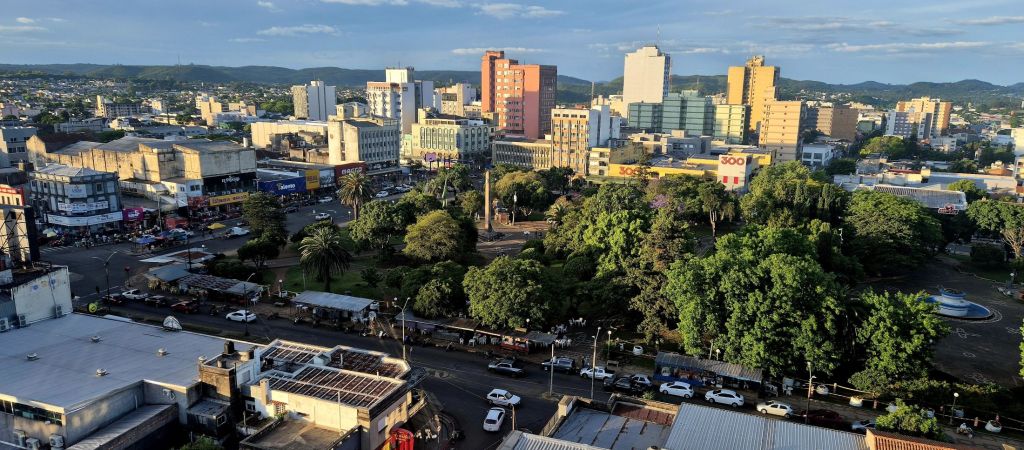
The epicenter of this unique relationship is the International Plaza, inaugurated on February 26, 1943, during World War II. In an era marked by division and global conflict, this binational plaza was established as a space of union, a symbol of the possibility of peaceful coexistence between nations. The plaza is unique, equally shared by Brazil and Uruguay, and jointly managed by both countries.
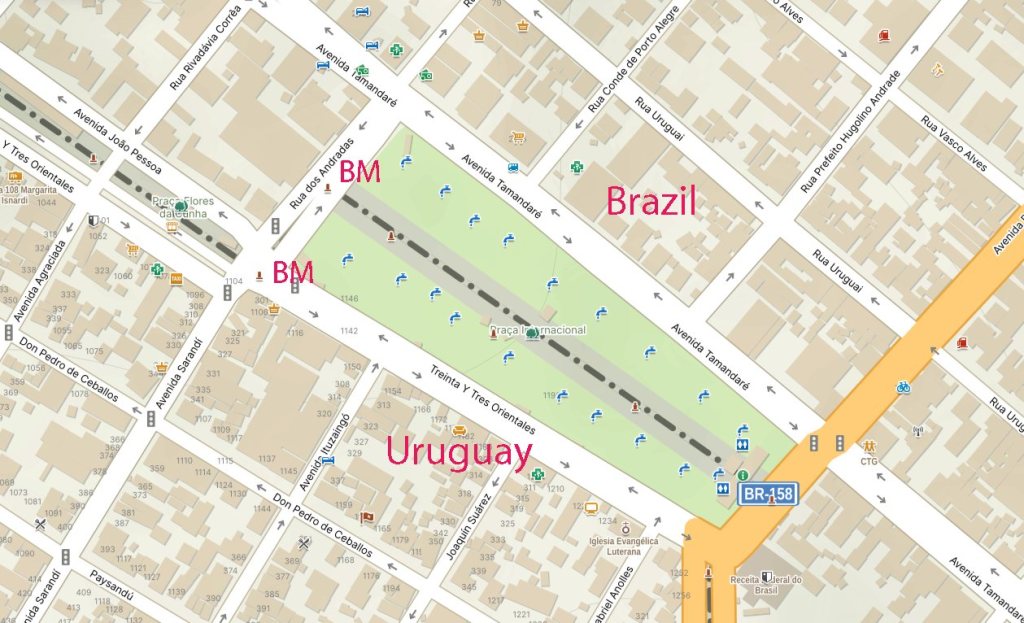
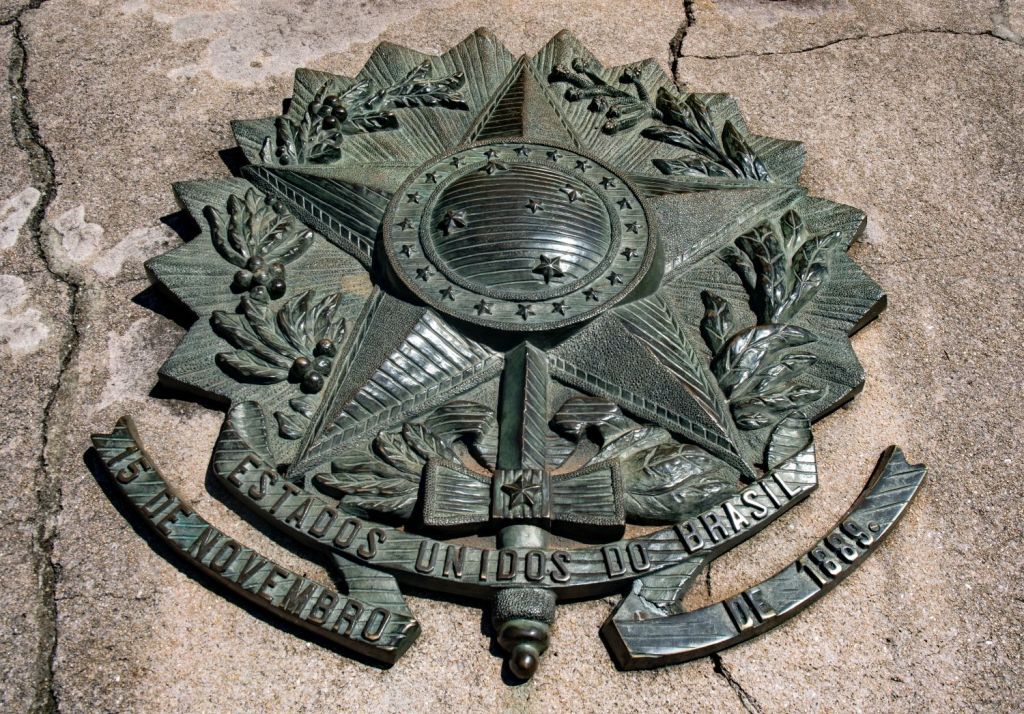
It covers about 55,000 square meters both sides of the border line, the plaza is dominated by a 15-meter-high obelisk, symbolizing the Uruguayan-Brazilian fraternity. There is a real difference on each side of the border, Brazil is a little more gritty, it is louder and more diverse. People were really friendly on both sides.
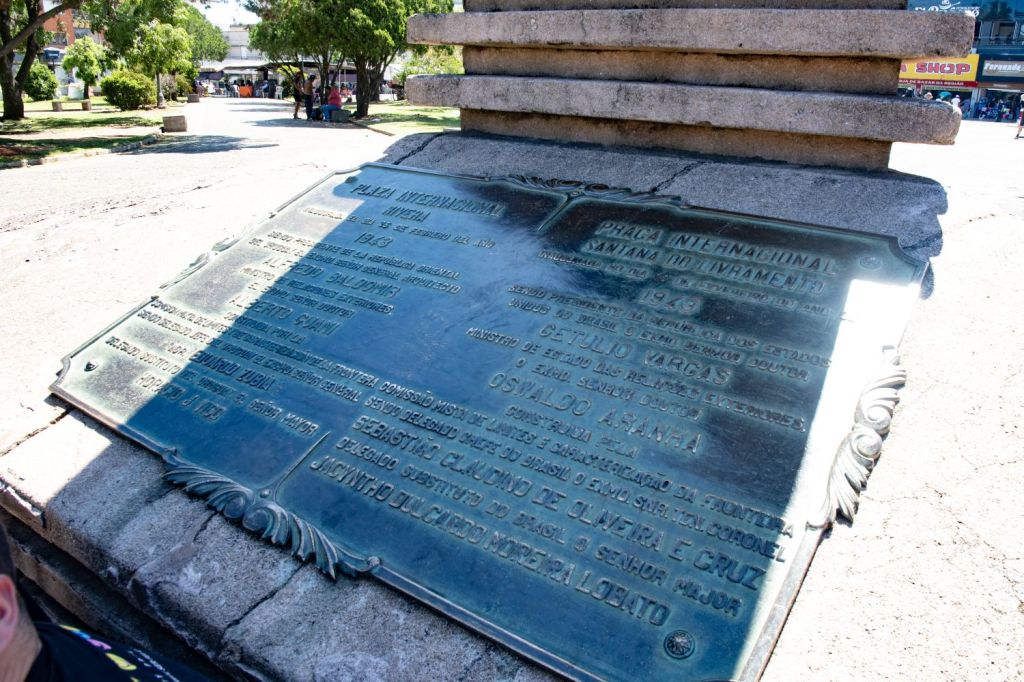
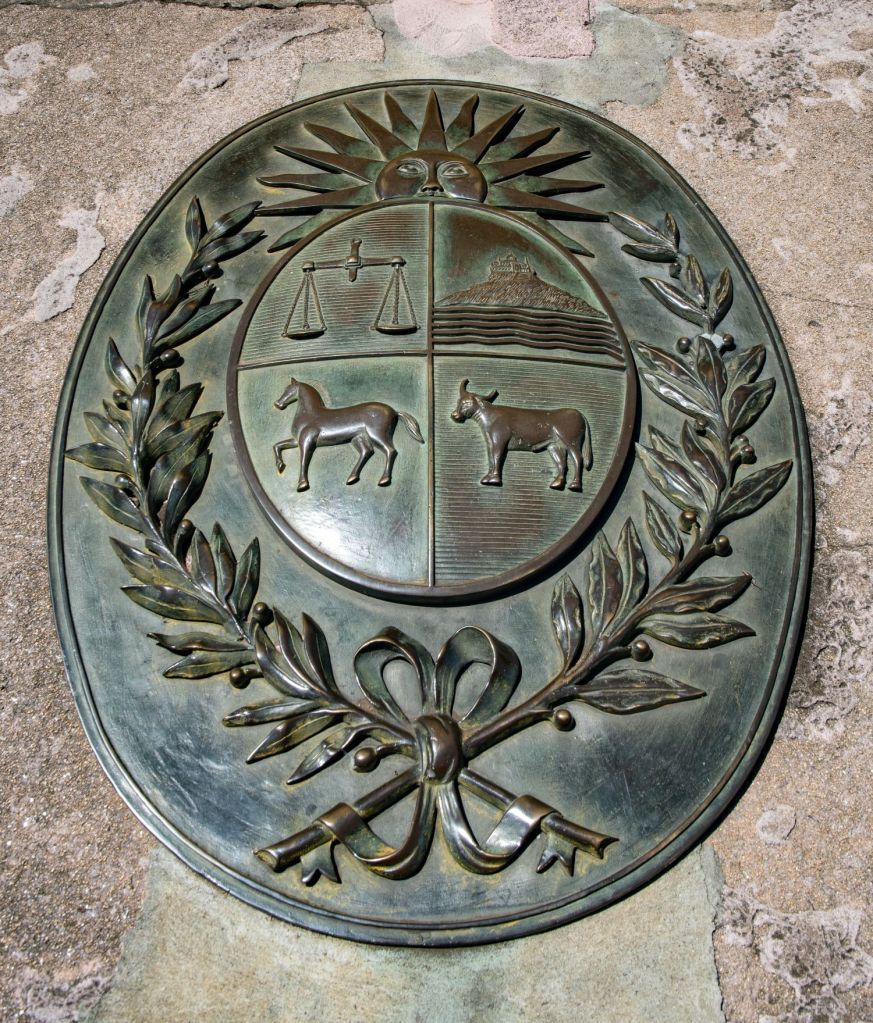
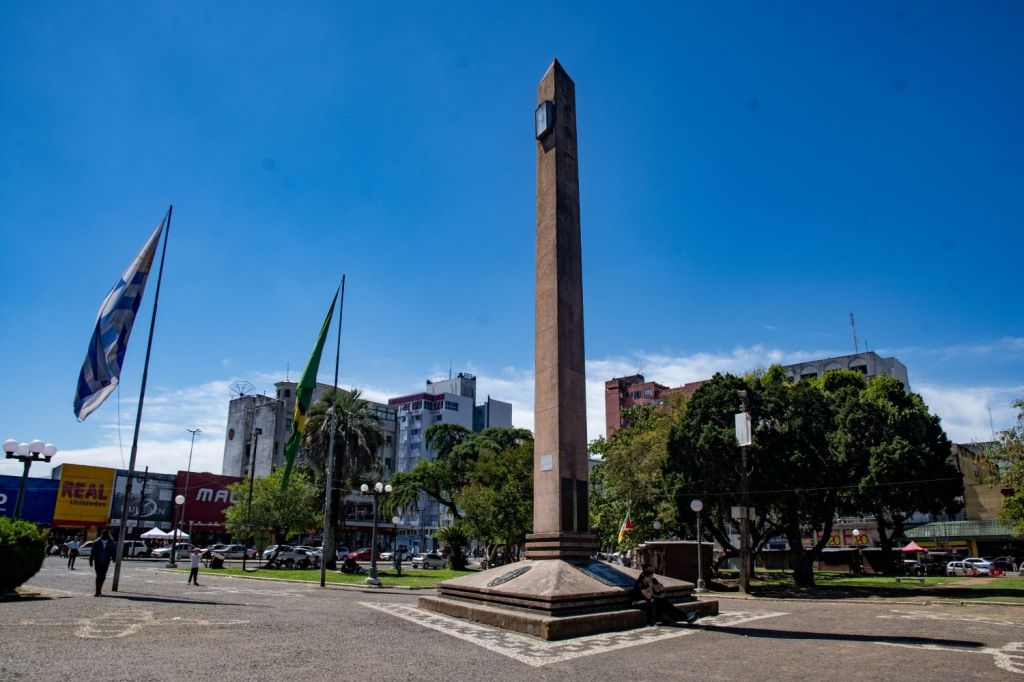
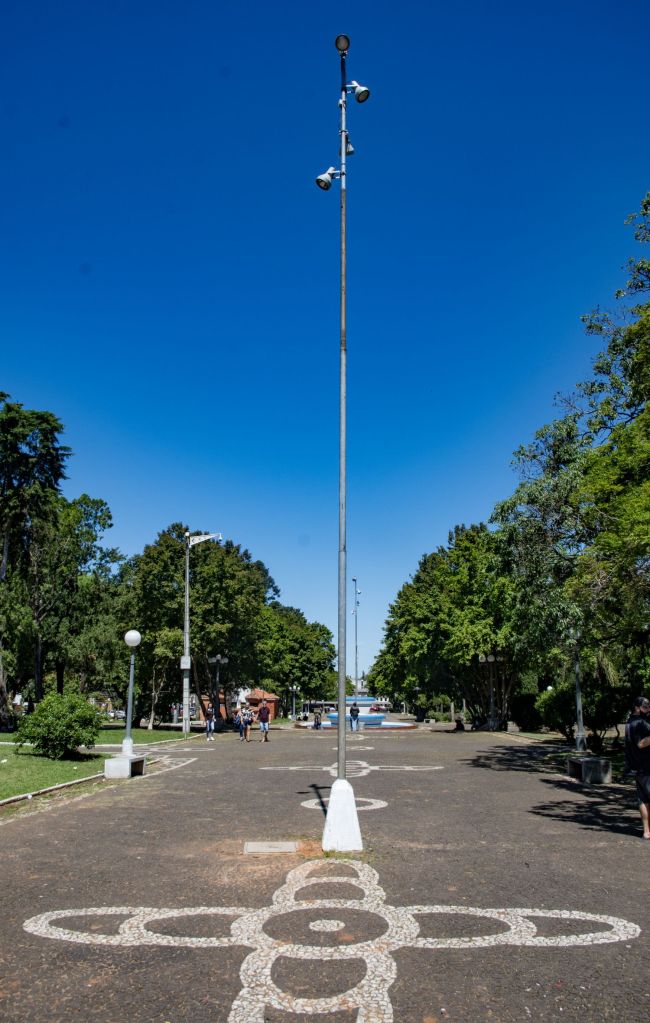
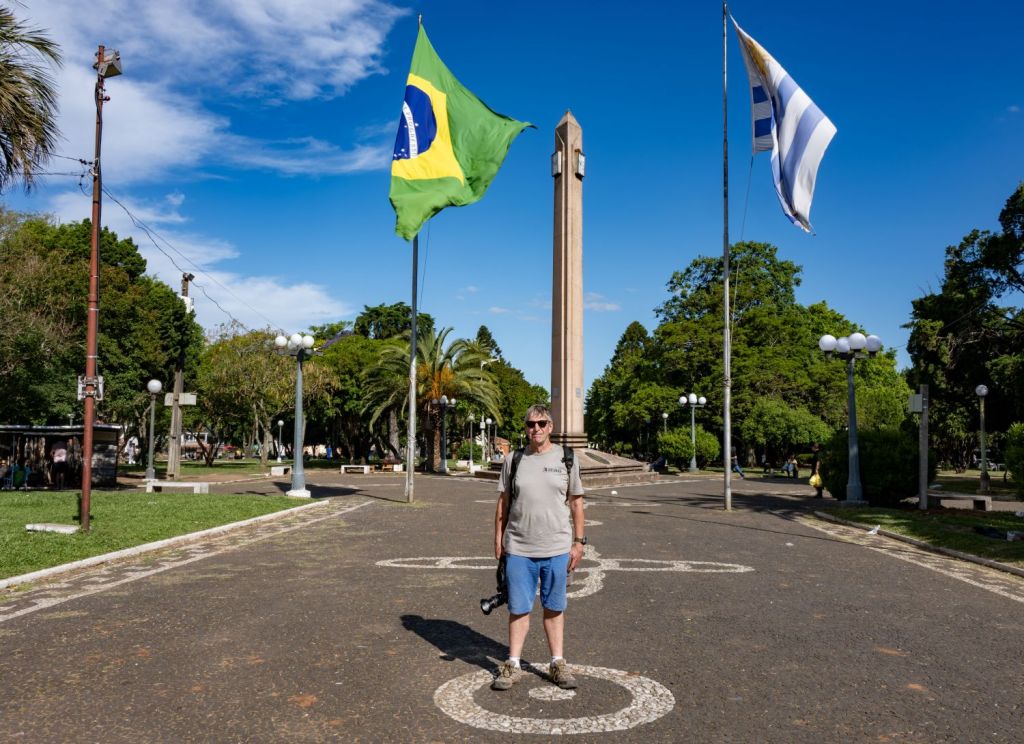
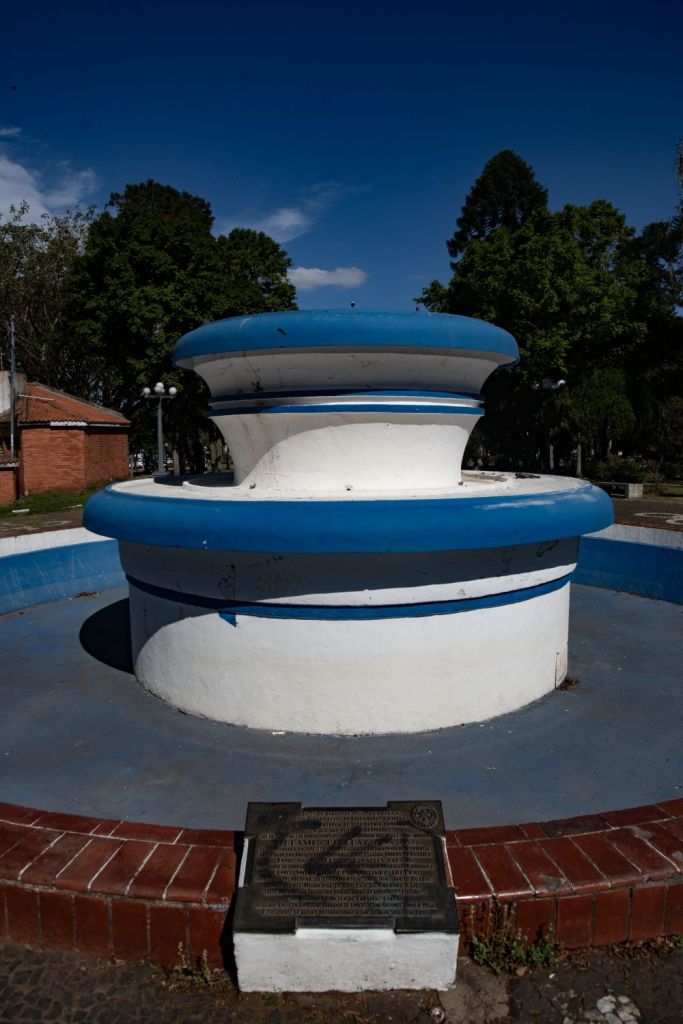
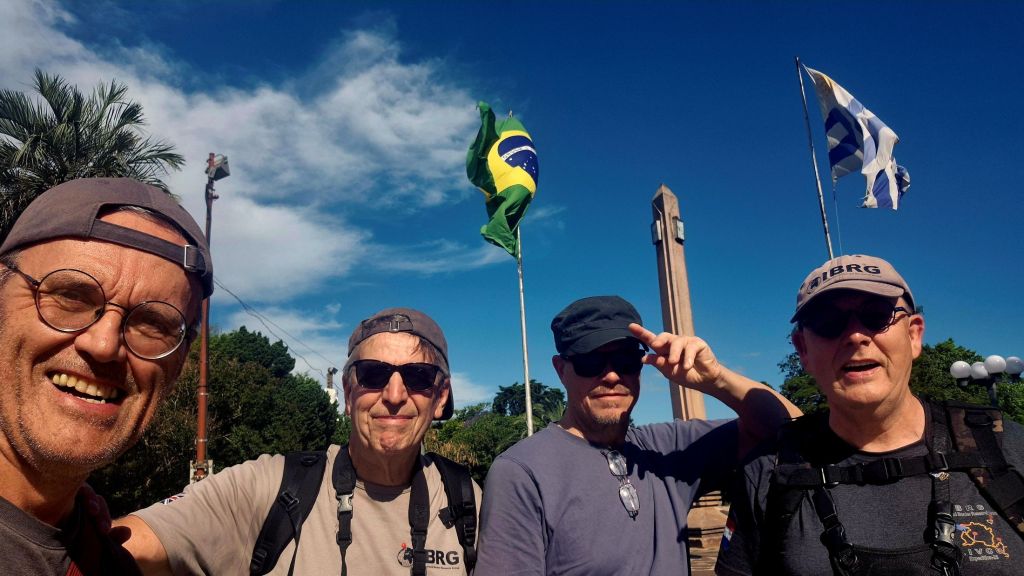
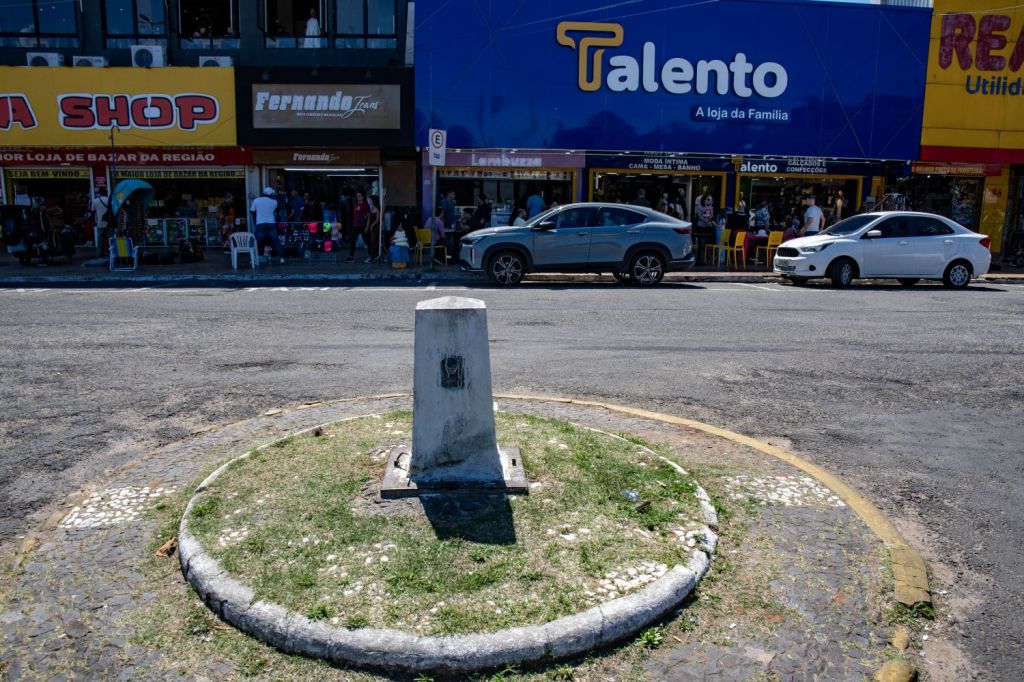
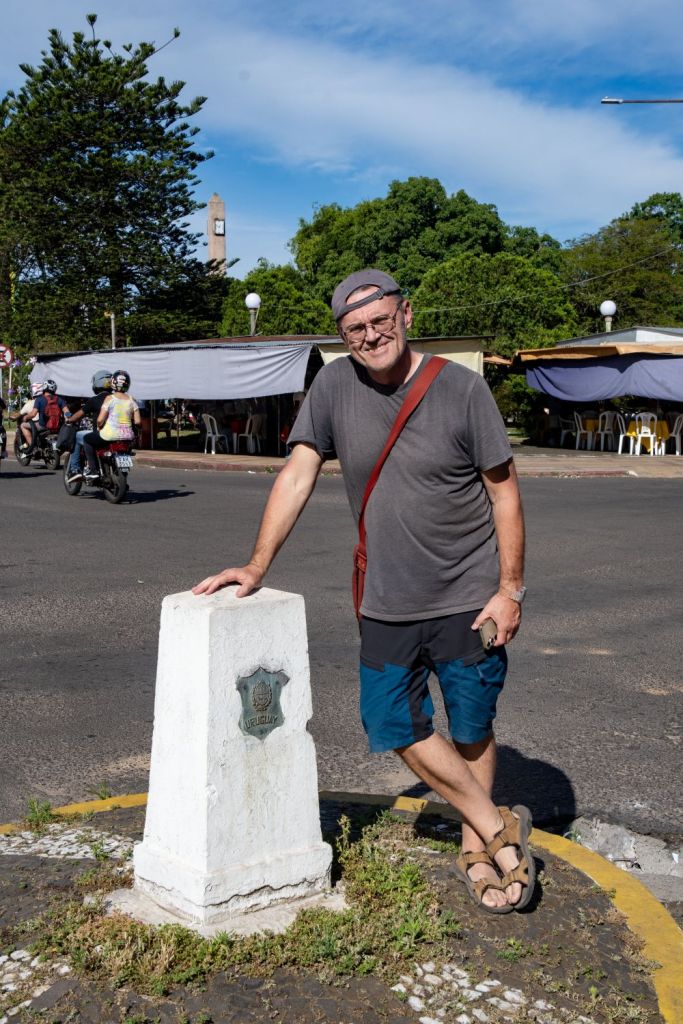
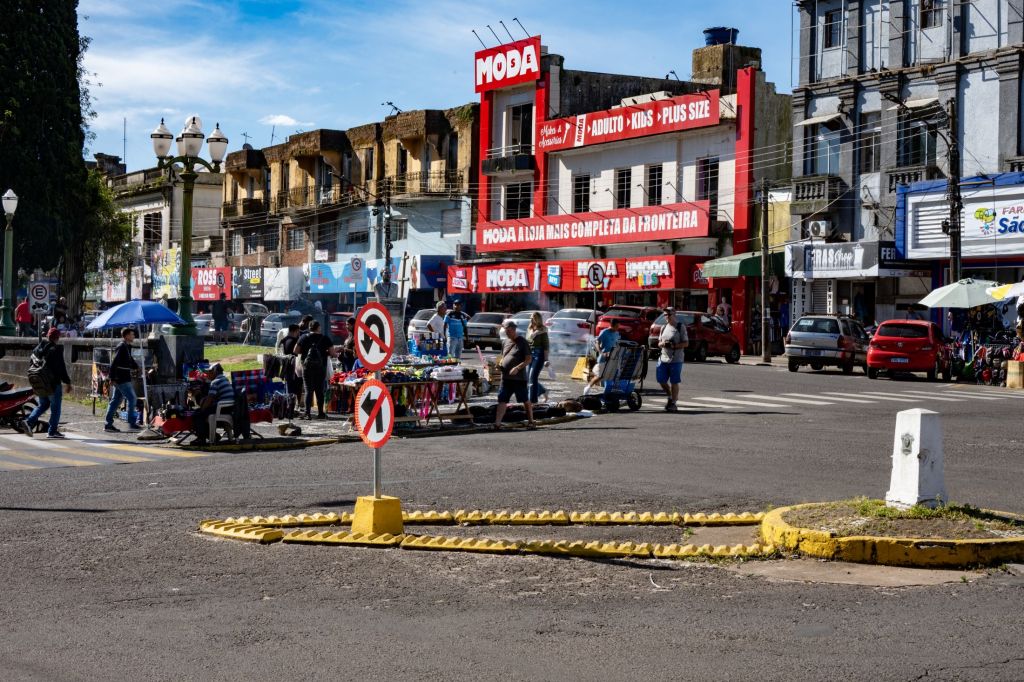
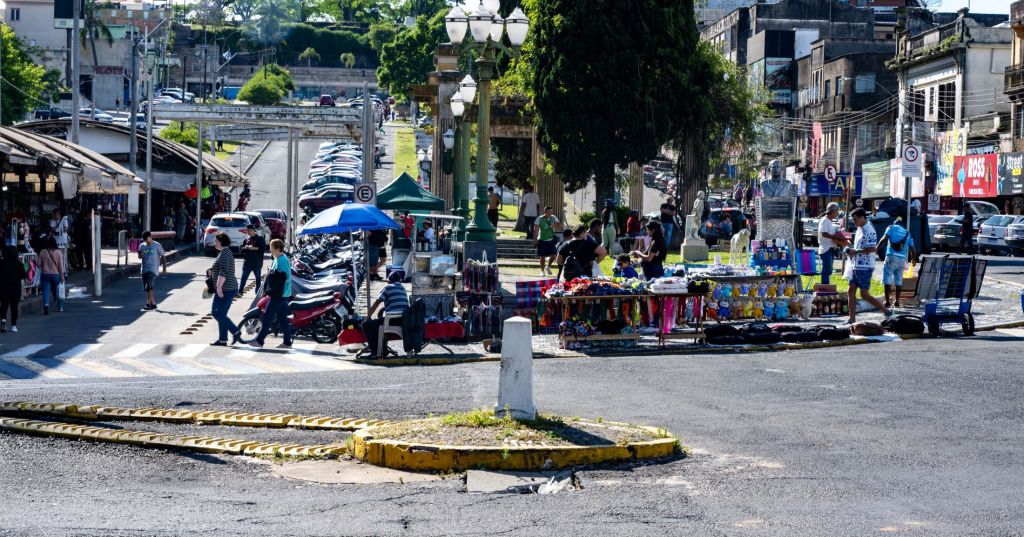
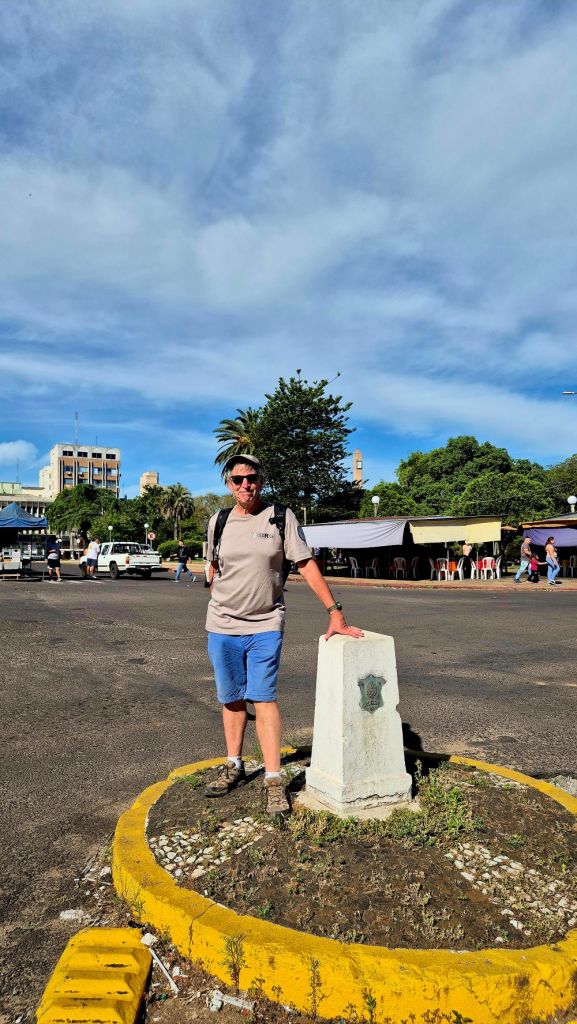
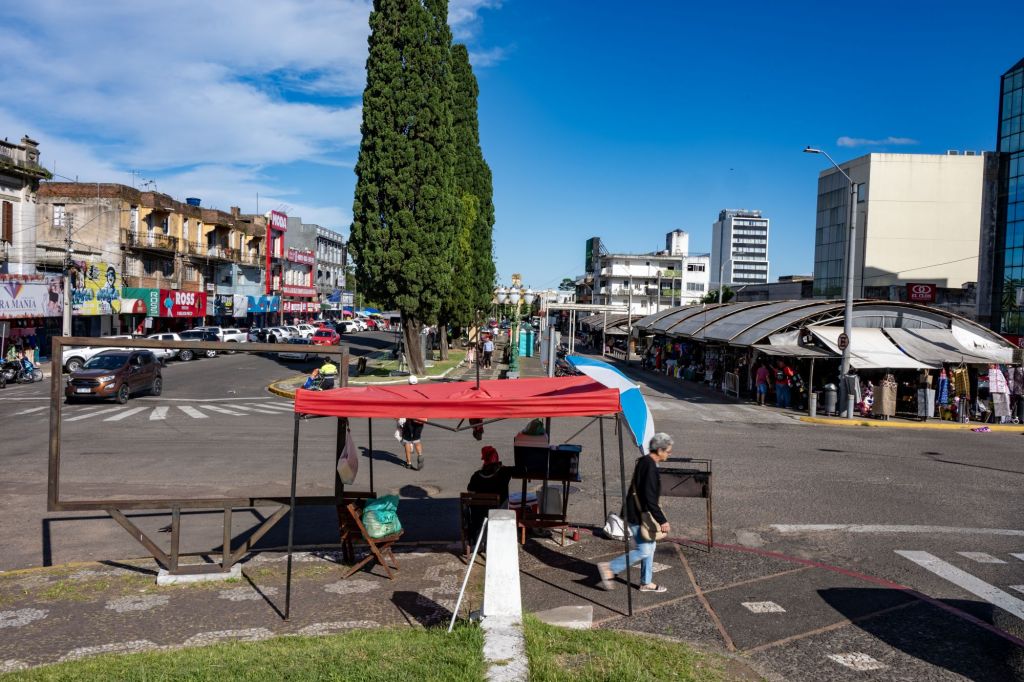
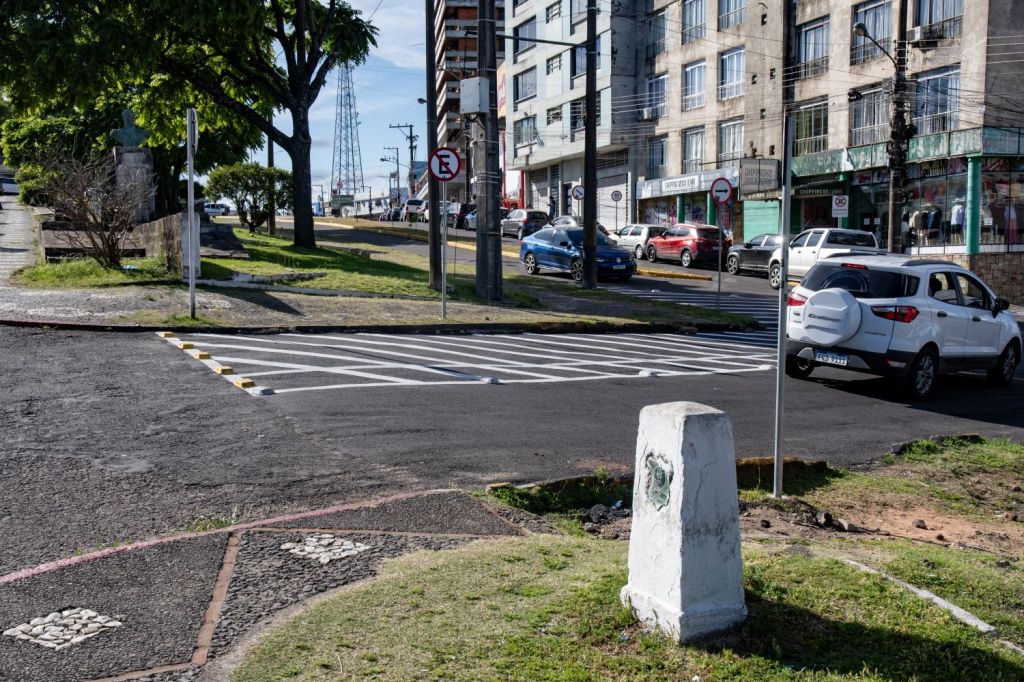
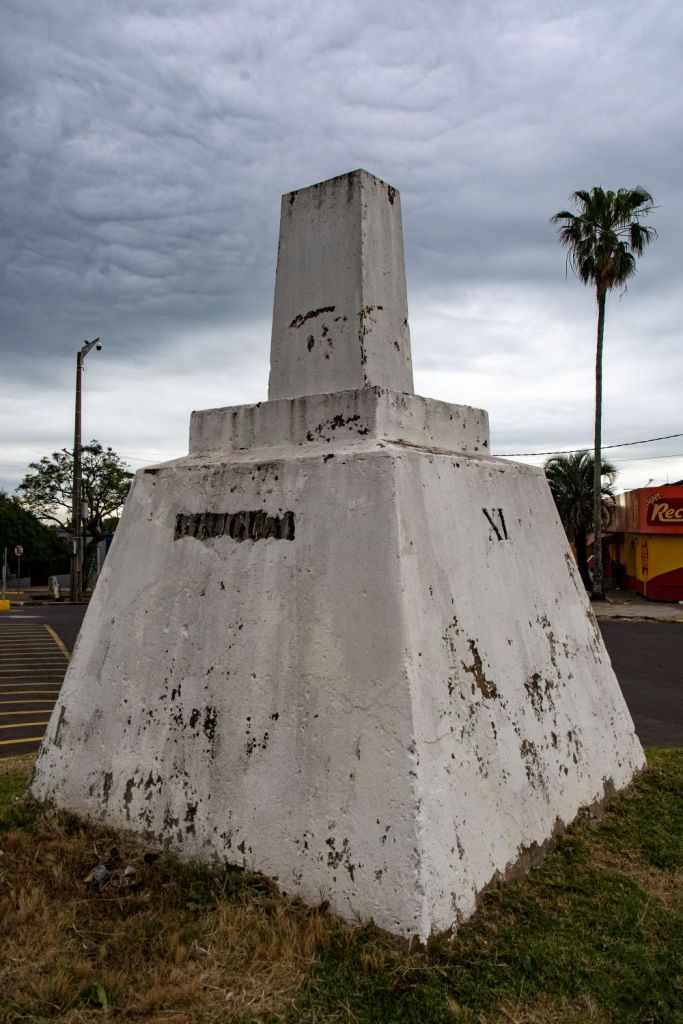
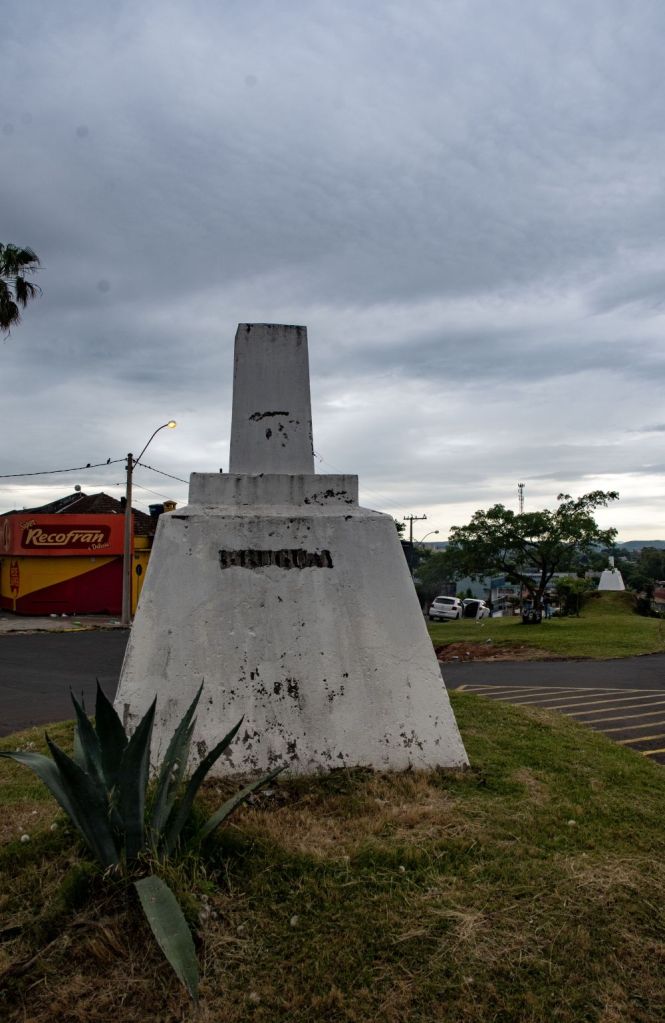
Leaving the plaza to the west, the border makes a sharp 90 degree turn down the centre of the road to a border marker on a roundabout. There are many roadside food vendors and we attracted attention as a group of Europeans walking up and down the border.

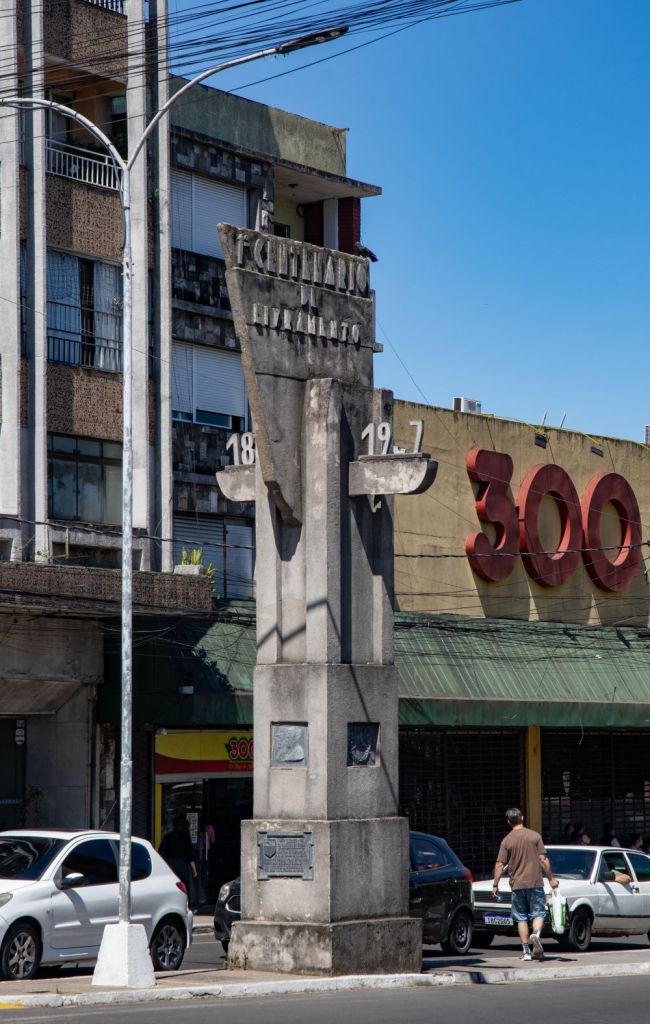
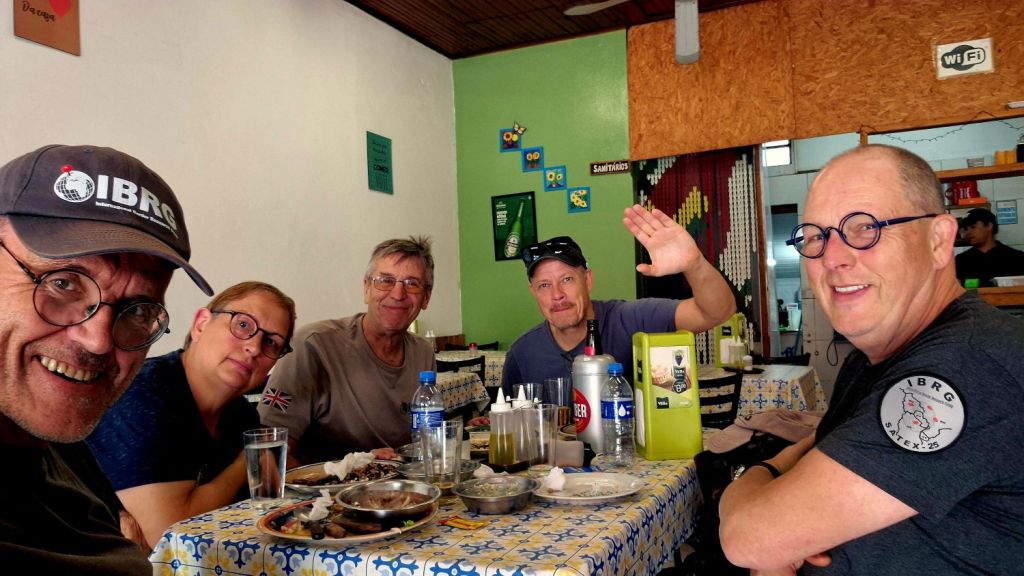
Walking along the border
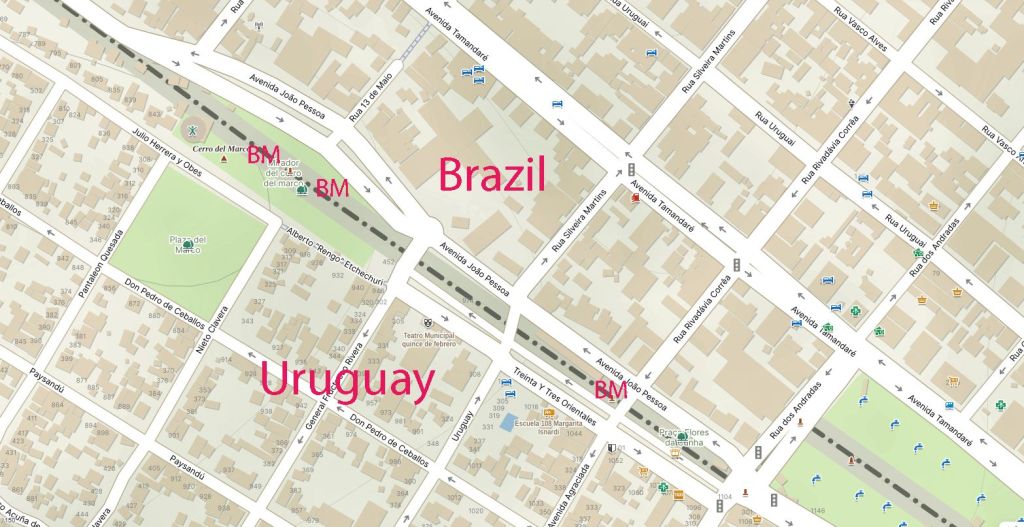
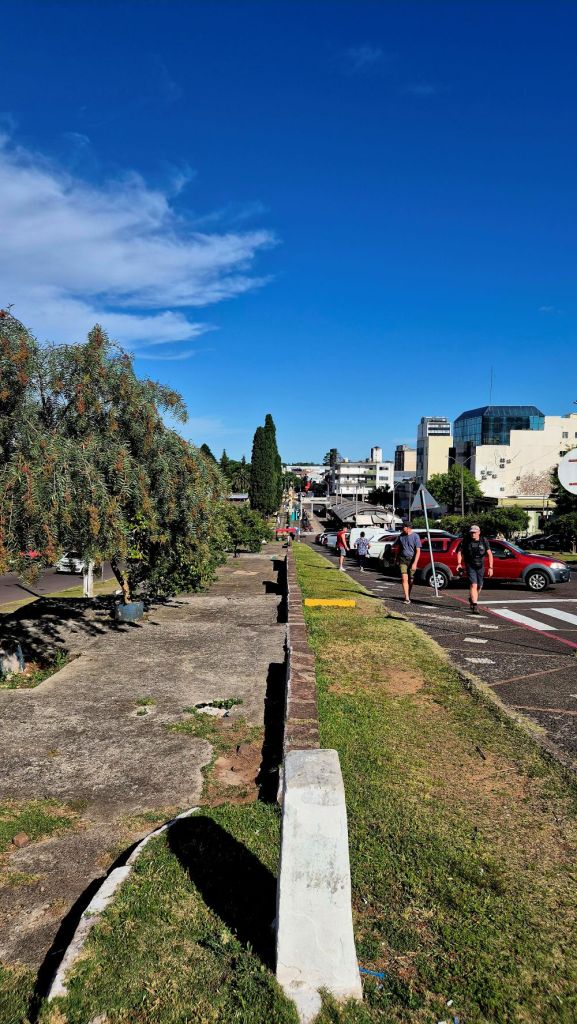
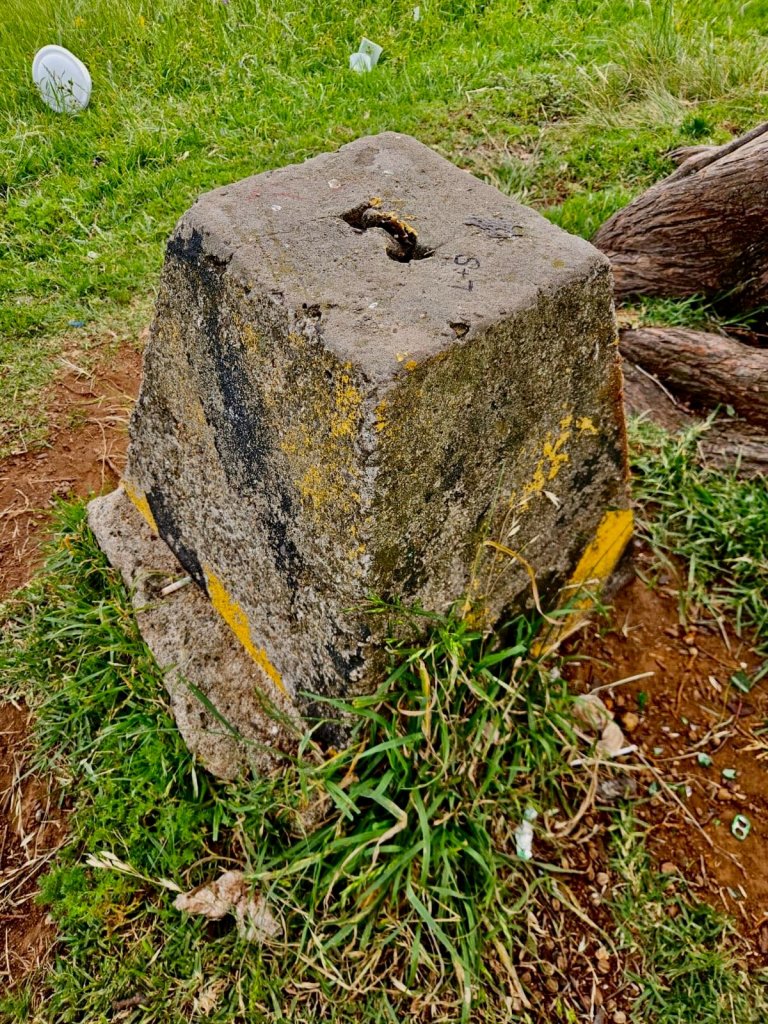
We headed along the border which was demarcated by a long traffic island and a number of border markers. There was a market here and locals were walking across the border several times whilst shopping.
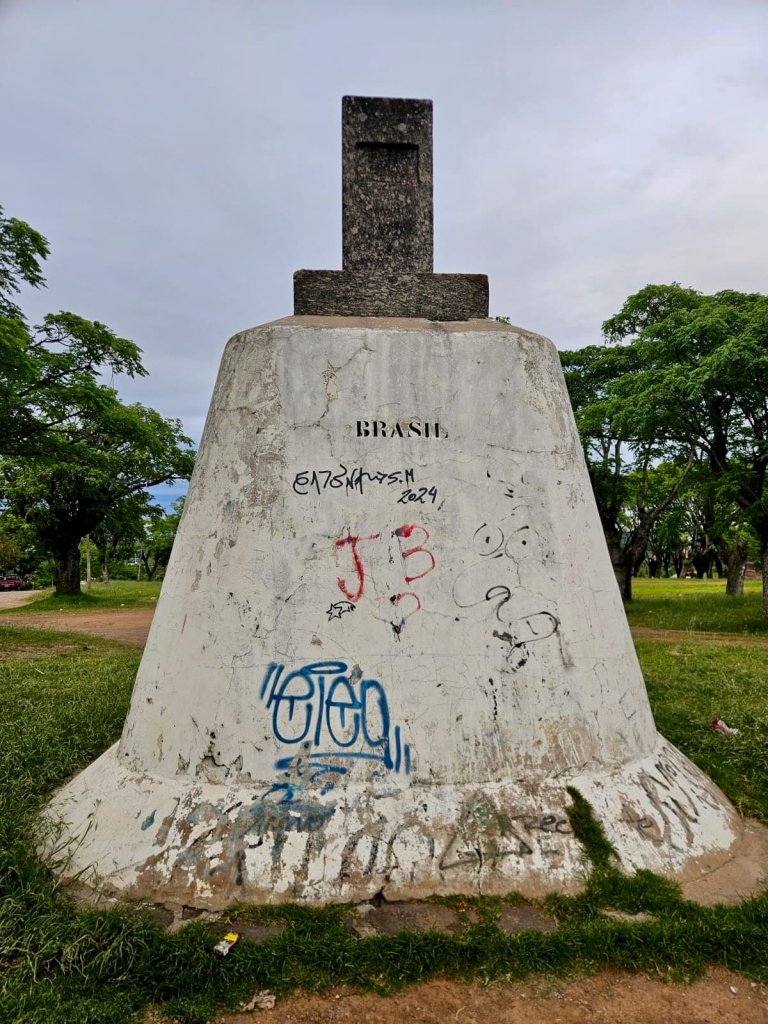
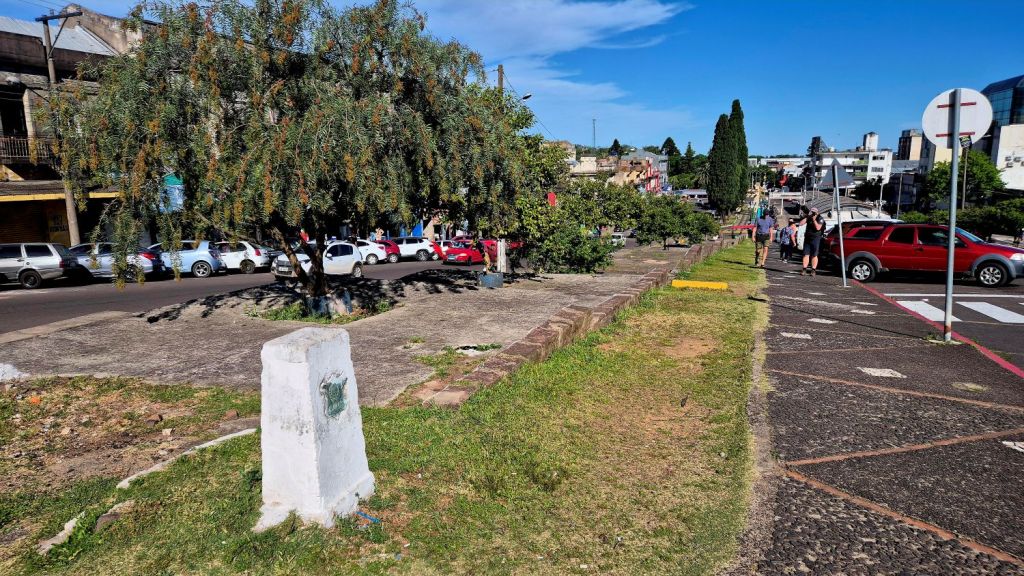
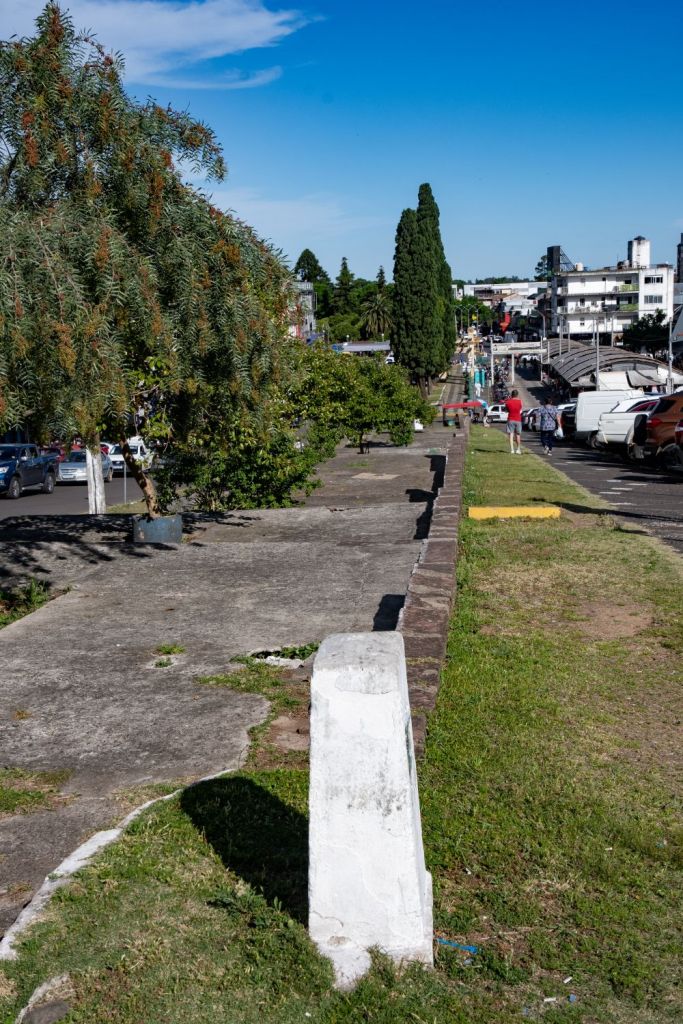
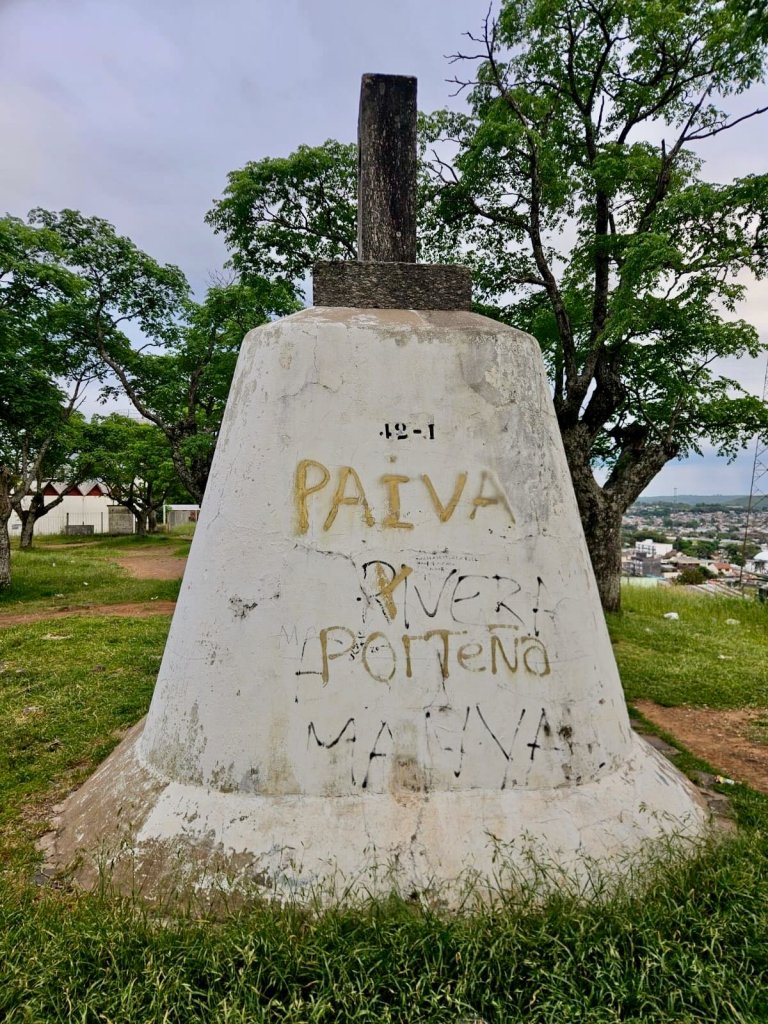
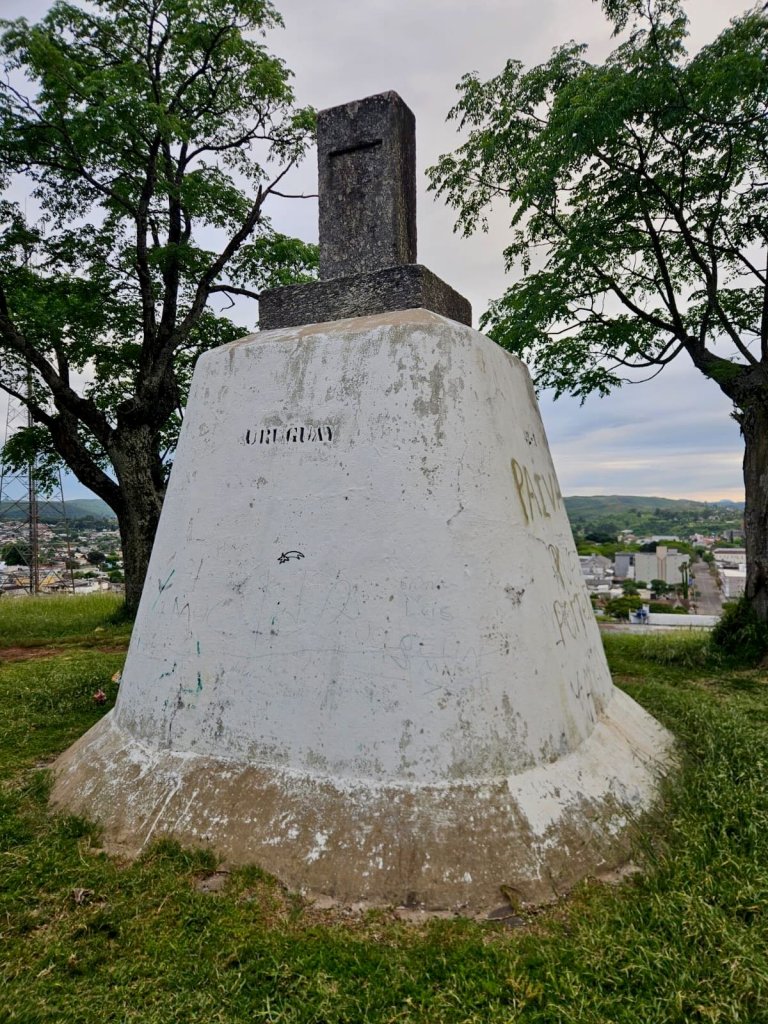
More walking along the border
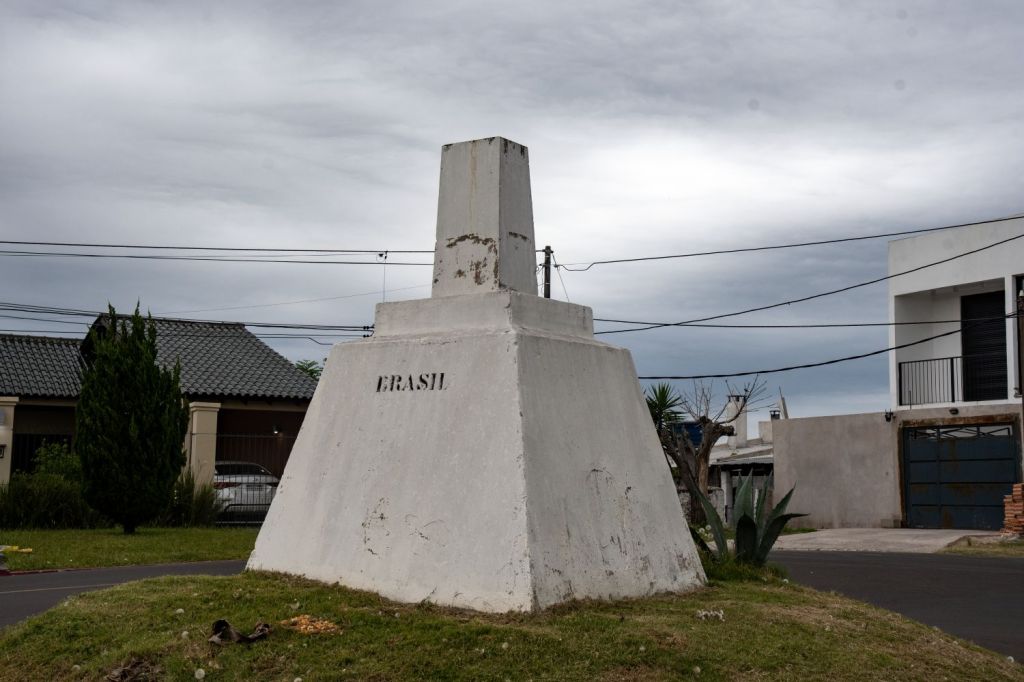
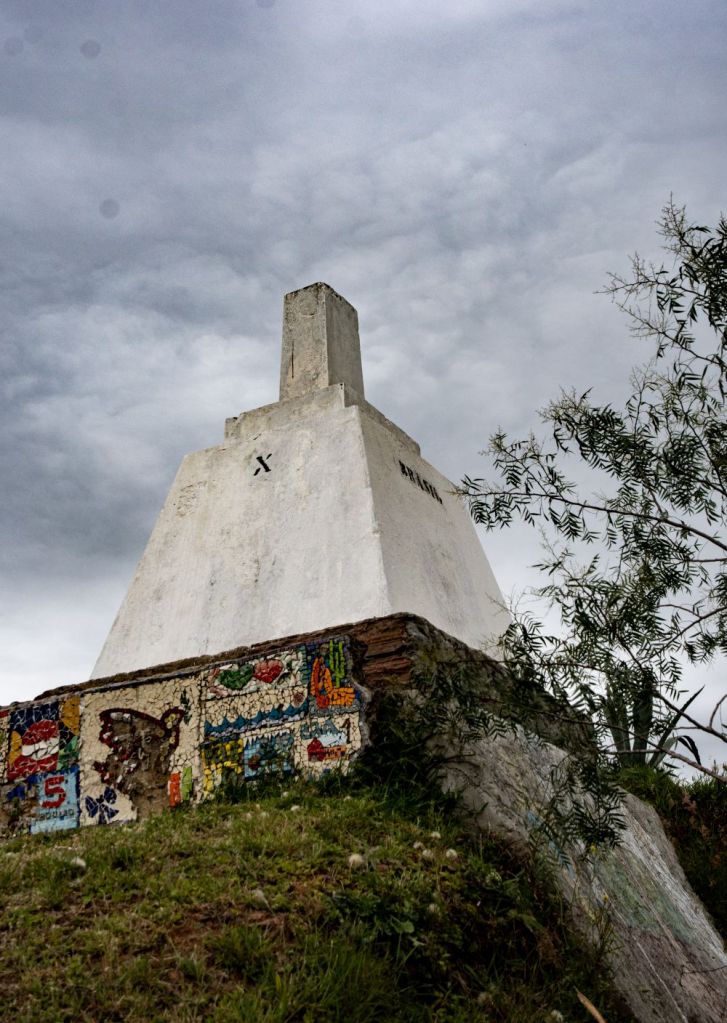
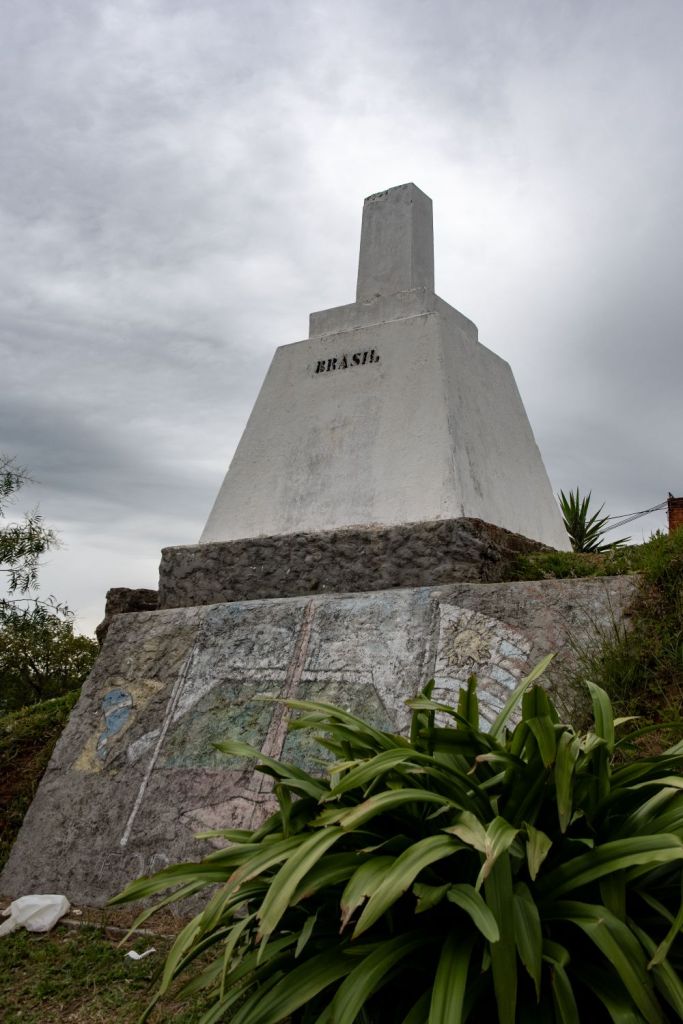
We were getting tired! It was hot and there was lots to see, we decided to focus on one last section of the border and the other end of the International Plaza where the border once again goes through a medium traffic island and led to 2 large border markers.
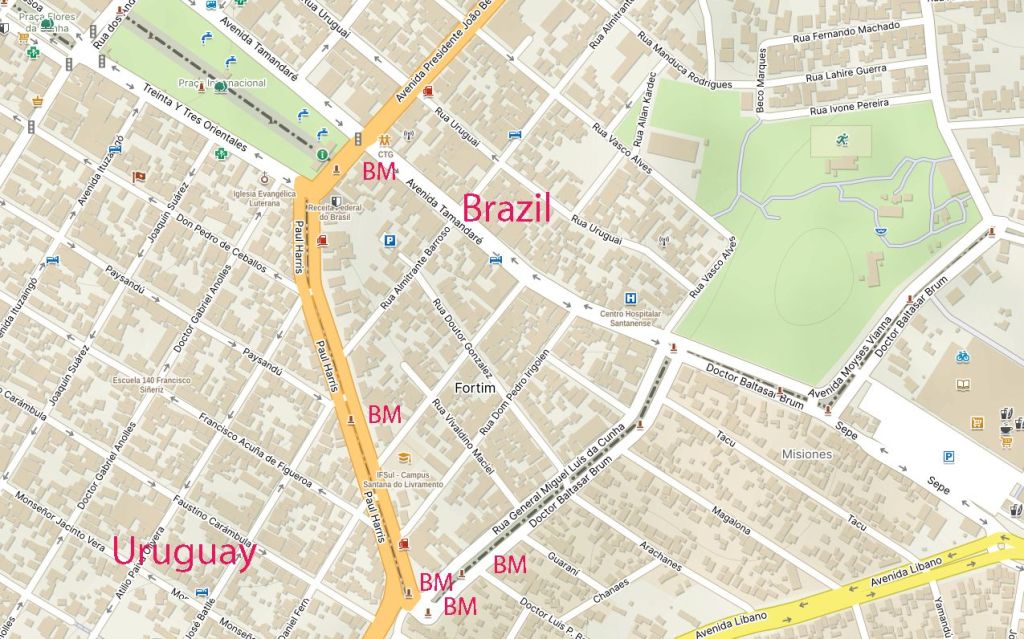
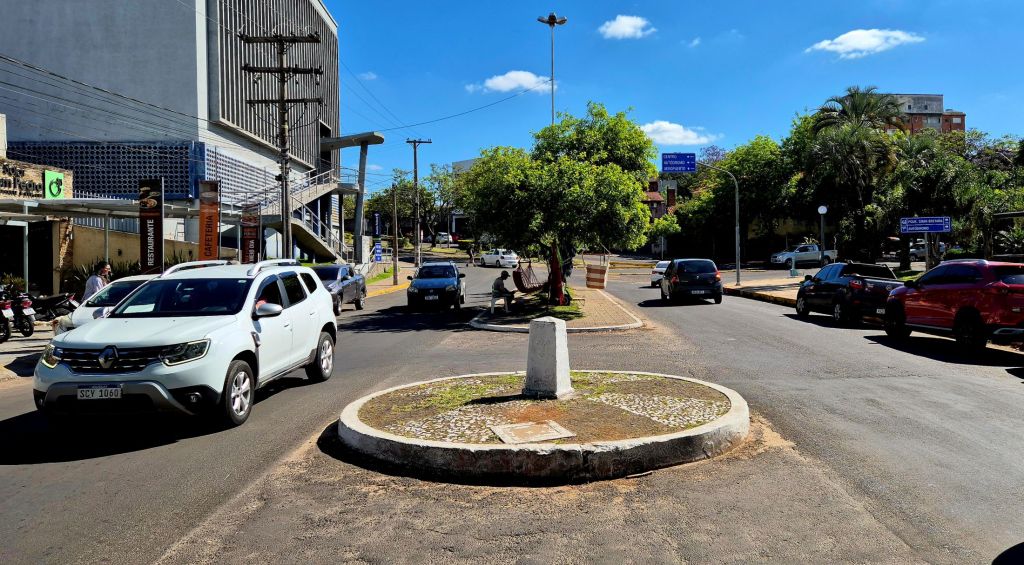
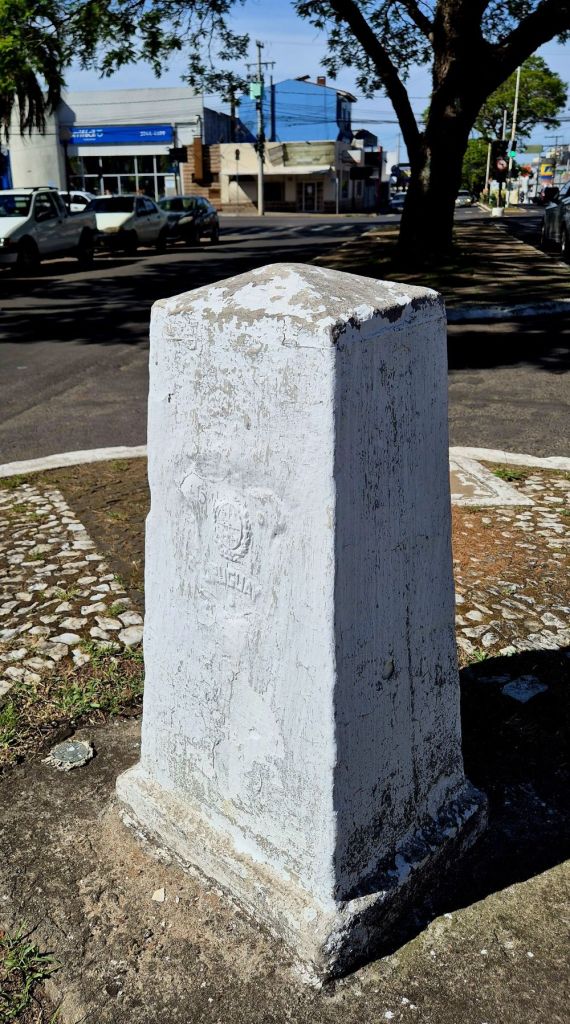
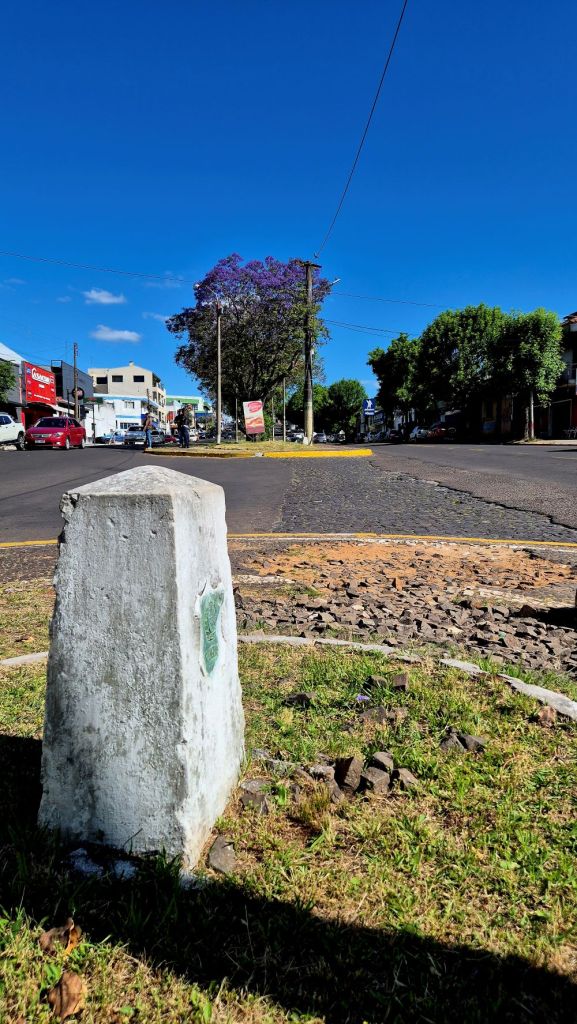
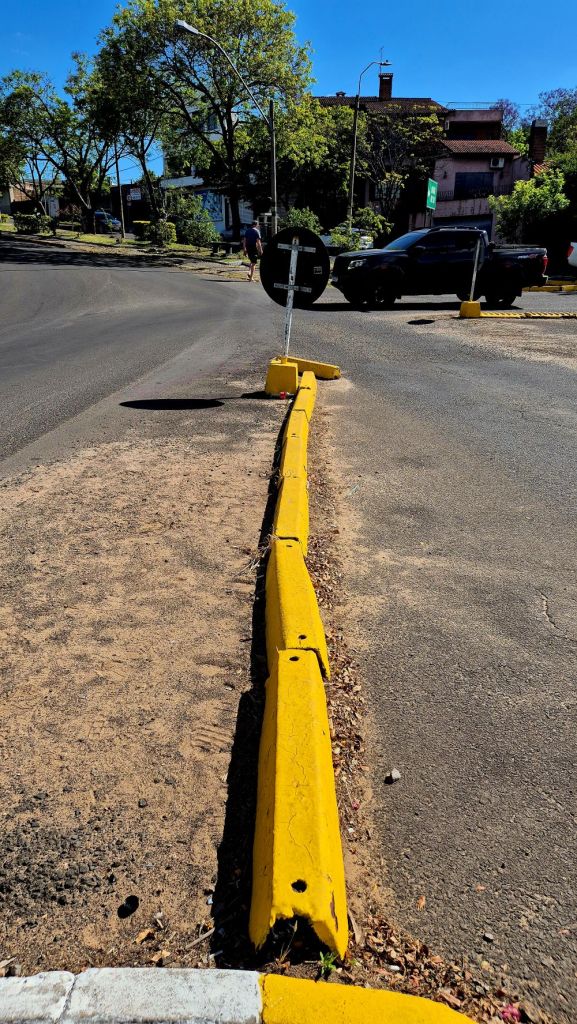
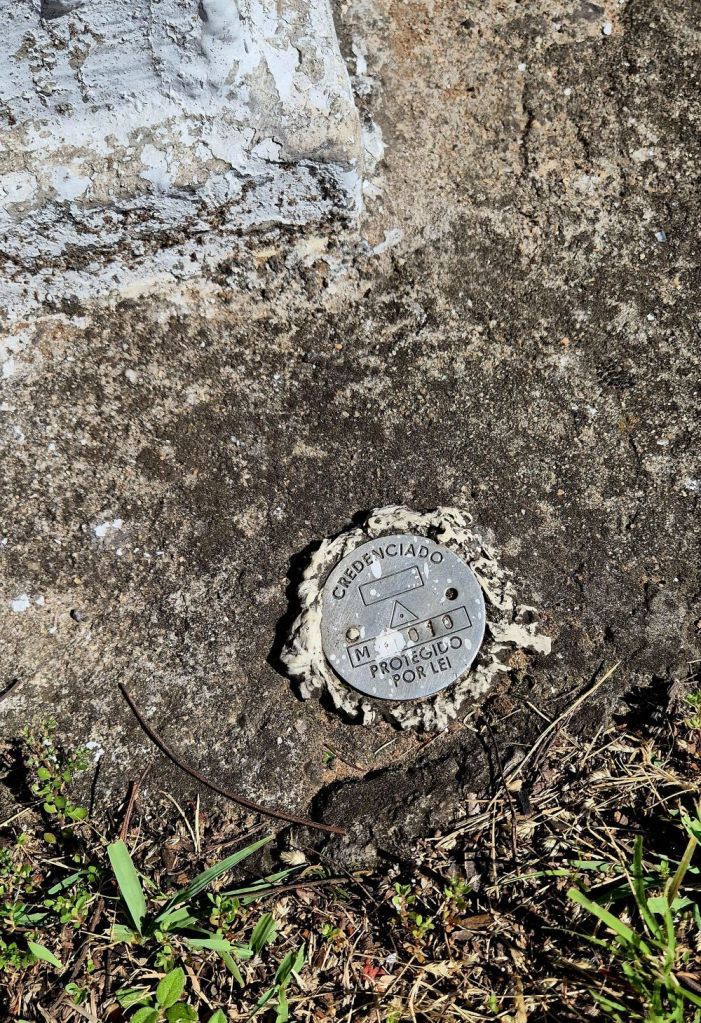
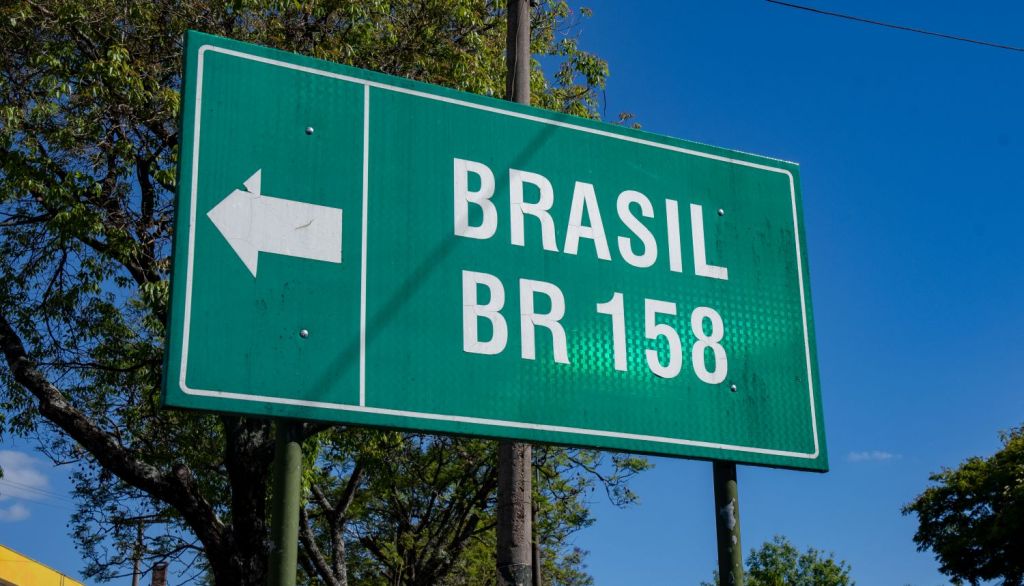
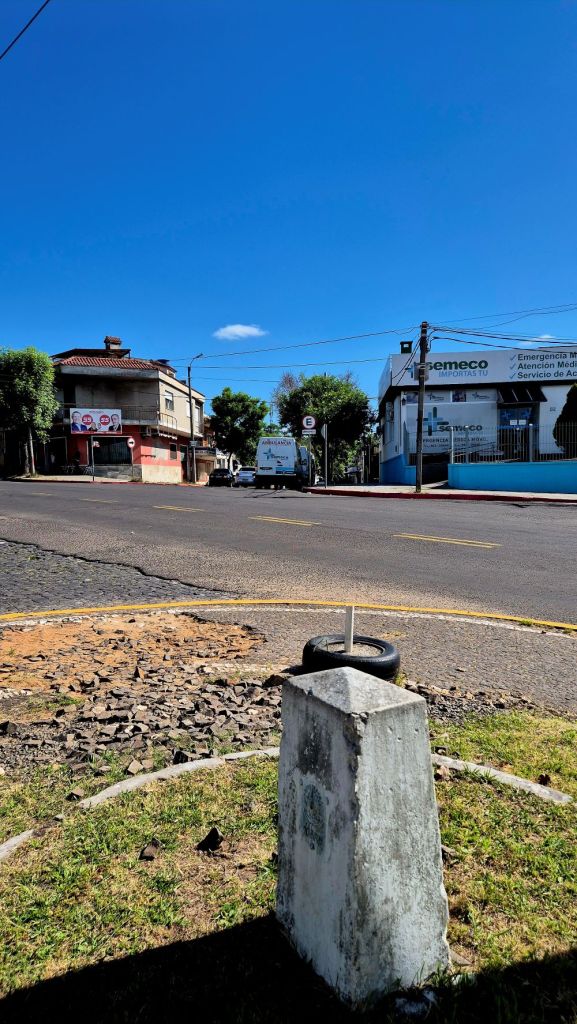
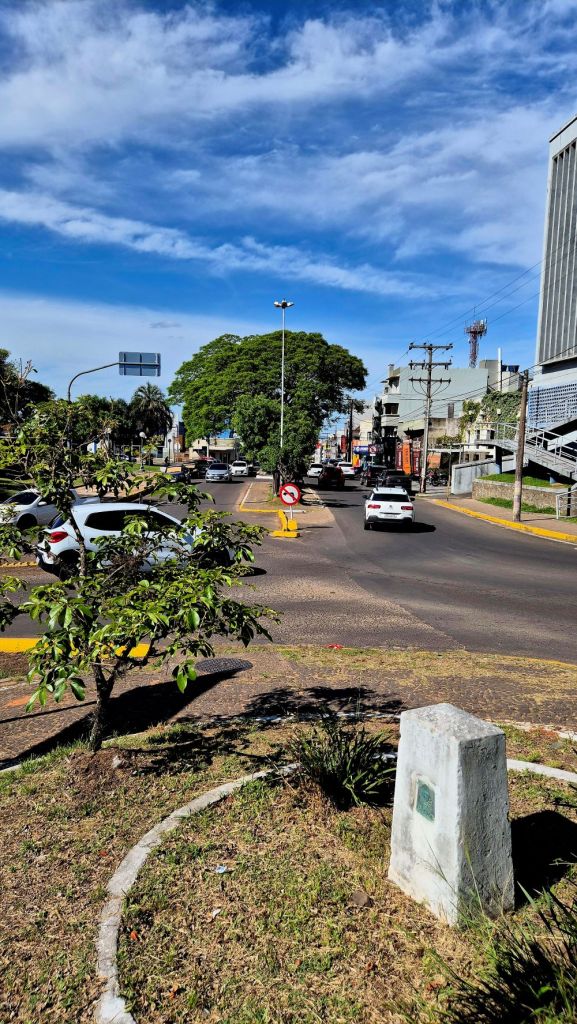
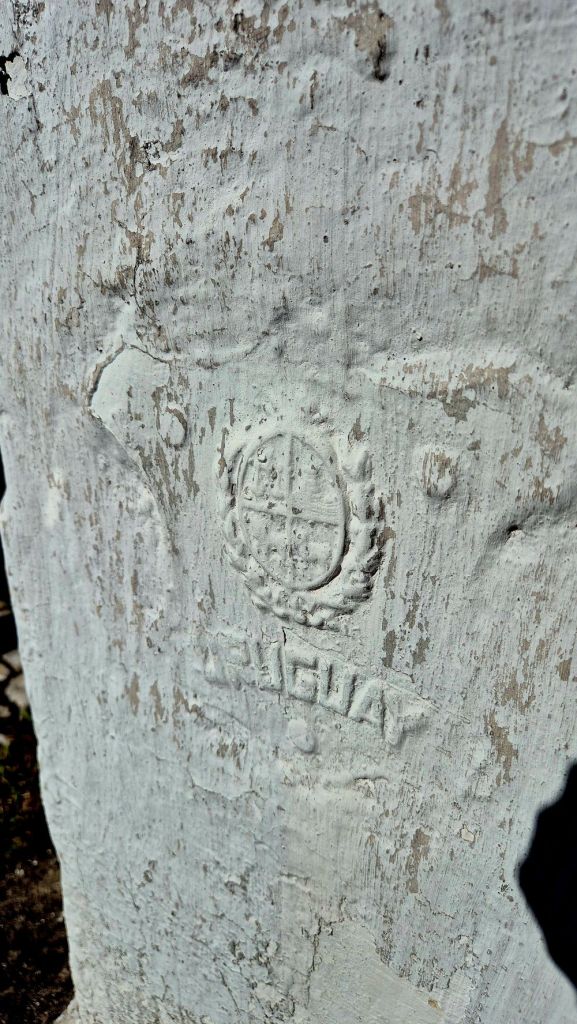
At the end of this road we literally ran out of energy and left the large border markers to the next morning as we left the towns. We arrived early and locals were leaving pubs at the same time we had just had breakfast! An observation was that the don’t drink and drive message has not got this far.
The last border markers were grand and definitely worth visiting.
International Plaza – view from above.
Our hotel situated in Uruguay had a roof terrace over looking the border.

Date of visit: 1st & 2nd November 2025

